FAQs

Frequently Asked Questions


What injuries do Olympic swimmers suffer?

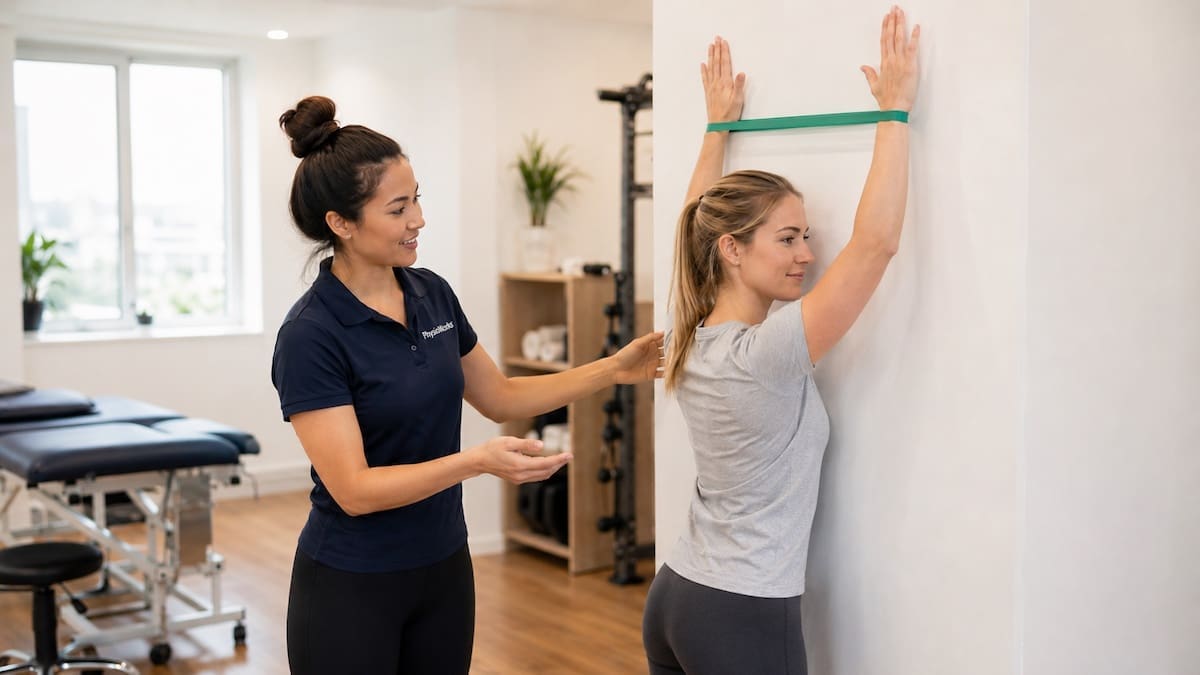
swimmer shoulder warm-up with resistance band before pool training
Elite swimmer performing shoulder activation with a resistance band before high-volume pool training.

Olympic swimmer injuries often come from high training volume, repeated overhead strokes, and sudden changes in load. Although swimming looks low impact, it can still irritate tendons, joints, and soft tissues. For a broader hub that covers common patterns and management options, see our Swimming Injuries page.

Short Answer

Most Olympic-level swimmers report problems in the shoulder, followed by the spine and, in breaststroke swimmers, the knee. These injuries usually relate to repeated load, fatigue, technique changes, and training spikes. If symptoms keep returning or limit training, a physiotherapy assessment can help clarify the driver and guide a safer plan. You can also start with our Swimming Injuries hub.

Why do swimmers get injured?

Swimming places repeated load through the shoulders, neck, upper back, hips, knees, and ankles. Over time, small technique changes, fatigue, reduced recovery, and growth spurts (in younger swimmers) can increase tissue stress. Training spikes matter too, especially when distance, intensity, or strength work increases quickly.

Most common injuries in elite swimmers

1) Shoulder pain and “swimmer’s shoulder”

The shoulder is the most commonly affected region in competitive swimming. Many swimmers experience shoulder pain during their career, often linked with rotator cuff and tendon overload, reduced shoulder control, and training volume. If your symptoms match this pattern, start here: Swimmer’s Shoulder. For related shoulder conditions, you may also find these pages useful: Rotator Cuff Injury, Shoulder Impingement, Shoulder Bursitis, Rotator Cuff Tendinopathy, Rotator Cuff Tear.

2) Breaststroker’s knee

Knee pain in swimmers often clusters around breaststroke, because the kick loads the inner knee and patellofemoral region differently to other strokes. If breaststroke triggers pain, see: Breaststroker’s Knee.

3) Back and spine pain

Spinal symptoms can develop when swimmers train with high volume, limited recovery, and repeated extension and rotation loads (especially in butterfly and breaststroke). Many cases involve muscle overload, joint irritation, or training-related flare-ups. If you want a swimming-specific overview, see: Swimmer’s Back.

Other injuries that can affect swimmers

Common risk factors

  • Rapid increases in distance, intensity, or strength training
  • Reduced recovery, sleep disruption, or high competition density
  • Previous injury that never fully settled
  • Reduced shoulder blade control and endurance
  • Reduced shoulder rotation range, or stiffness in the thoracic spine
  • Technique drift under fatigue

What this means for you

If pain lingers, keeps returning, or changes your stroke, you should treat it as a training load signal rather than something to push through. A physiotherapy assessment can help identify the main driver (load, technique, strength control, mobility, or recovery issues), then guide a plan that matches your stroke and event demands. As a practical first step, track when symptoms start (which stroke, which set, and what volume), then bring those notes to your appointment.

Related Information

Book your appointment – 24/7

Choose your preferred PhysioWorks clinic and book online.

Follow PhysioWorks

Get free physiotherapy tips, exercise videos, recovery advice, and blog updates.

Facebook Instagram YouTube B X Email PhysioWorks

References

Li D, Liu Y. A 45-year global systematic evaluation of musculoskeletal injuries in swimmers: a systematic review and meta-analysis with 10973 athletes. J Sports Med Phys Fitness. 2026;66(1):82-91. doi:10.23736/S0022-4707.25.17045-X. Available from: https://pubmed.ncbi.nlm.nih.gov/41342747/

Trinidad A, León-Guereño P, de la Fuente J, et al. An Updated Review of the Epidemiology of Swimming Injuries. PM R. 2021. doi:10.1002/pmrj.12503. Available from: https://pubmed.ncbi.nlm.nih.gov/33010194/

Feijen S, Tate A, Kuppens K, Claes A, Struyf F. Swim-Training Volume and Shoulder Pain Across the Life Span of the Competitive Swimmer: A Systematic Review. J Athl Train. 2020;55(1):32-41. doi:10.4085/1062-6050-439-18. Available from: https://pubmed.ncbi.nlm.nih.gov/31935141/

For a broader overview of common swimming injury patterns and next steps, see: https://physioworks.com.au/sports/water/swimming/

What Is a TENS Machine?

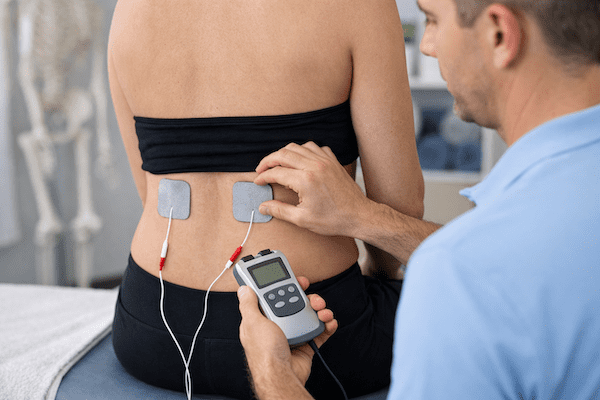
TENS machine electrodes placed on lower back for pain relief treatment

A physiotherapist explaining safe TENS machine electrode placement.

A TENS machine is a small portable device that may help reduce pain by sending mild electrical pulses through pads placed on the skin. These signals stimulate sensory nerves and may reduce how strongly pain messages reach the brain.

People often use a TENS machine alongside physiotherapy, exercise, and activity pacing. For a deeper guide, visit our main page on TENS machine pain relief.

Quick Summary

  • A TENS machine uses adhesive pads and mild electrical pulses.
  • It may help short-term pain relief for some people.
  • It does not treat the underlying cause of pain.
  • Correct pad placement and settings matter.
  • Seek advice first if you have an implanted device, heart condition, pregnancy concerns, or unusual symptoms.

Important Safety Note

TENS and EMS machines are medical devices. Always read the label and instruction manual. A TENS machine may provide modest short-term pain relief. Consult your doctor or physiotherapist before use, especially if symptoms persist or your pain is worsening.

How Does a TENS Machine Work?

A TENS machine works by stimulating sensory nerves through electrode pads placed on the skin. The electrical pulses are adjustable and usually feel like a mild tingling sensation.

Key Takeaway

  • TENS may help calm pain signals.
  • It works best when paired with movement and rehabilitation.
  • Pad placement and intensity settings can change the result.

The stimulation may help pain in two main ways:

  • It may disrupt some pain signals travelling to the brain.
  • It may assist the release of natural pain-relieving chemicals, such as endorphins.

For this reason, physiotherapists may recommend TENS as one part of a broader pain management plan.

Should You Use a TENS Machine for Your Pain?

You may consider a TENS machine if pain is limiting movement and you need short-term symptom relief. However, it suits some people better than others, so professional advice helps confirm safe use, pad placement, and whether your symptoms need assessment.

What Is a TENS Machine Used For?

A TENS machine may help provide short-term symptom relief for selected pain conditions. Common examples include:

A TENS machine does not fix the underlying cause of pain. Instead, it may make movement, exercise, and rehabilitation feel more manageable.

TENS vs EMS: What Is the Difference?

A TENS machine mainly targets sensory nerves to assist pain relief. An EMS machine, or electrical muscle stimulation machine, stimulates muscles to contract.

EMS devices are usually used for muscle activation, strengthening, or rehabilitation. To compare the two, see our guide to EMS machines and how they differ from TENS.

When Should You Avoid Using a TENS Machine?

Do not use a TENS machine over broken skin, irritated skin, the front of the neck, near the eyes, or across the chest unless a qualified health professional has advised you. People with pacemakers, implanted electrical devices, heart rhythm concerns, epilepsy, pregnancy, or reduced skin sensation should seek medical advice first.

Also stop using TENS and seek advice if it increases pain, causes skin irritation, or does not fit the type of symptoms you are experiencing.

How Can a Physiotherapist Help With TENS Machine Use?

A physiotherapist can explain whether TENS suits your pain presentation, show safe electrode placement, and help choose settings that match your goals. They can also combine TENS with movement, strengthening, manual therapy, and load management where appropriate.

As a practical step, use pain relief to stay active within tolerable limits. Track what helps, then build activity gradually instead of making a sudden jump in walking, lifting, or training.

What to Do Next

If pain is limiting your movement, a TENS machine may help you stay more comfortable while you work on recovery. However, ongoing pain usually needs proper assessment to identify contributing factors and guide treatment.

If you are unsure whether TENS is suitable, book a physiotherapy appointment. Your physiotherapist can explain safe use, pad placement, and how TENS may fit into your broader recovery plan.

Book your appointment – 24/7

Choose your preferred PhysioWorks clinic and book online.

Compare TENS Machines

If your physiotherapist has recommended TENS, the product options below may help you choose a suitable device. Always follow the product instructions and seek advice if you are unsure.

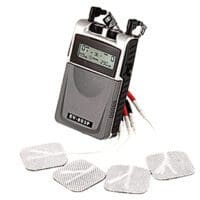
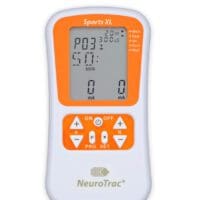
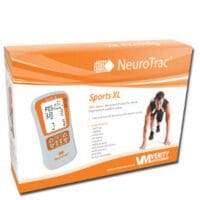
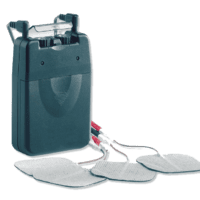
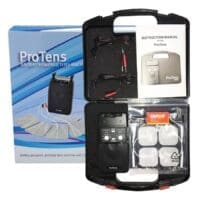
TENS Machine Products

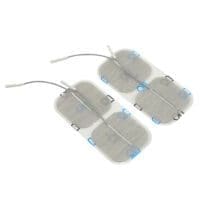
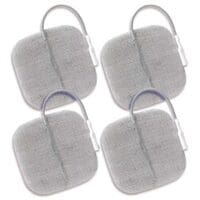
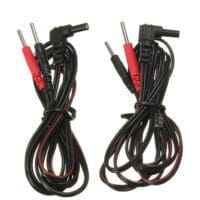
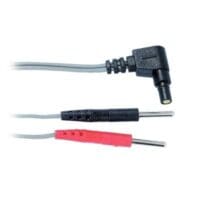
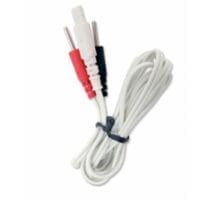
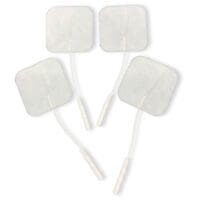
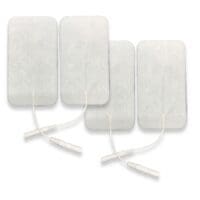
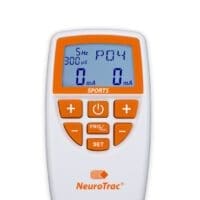
These TENS machines and accessories are commonly used to help manage pain at home. They work best when combined with a tailored physiotherapy plan.

View all TENS machines

Related Information

Frequently Asked Questions

What is a TENS machine?

A TENS machine is a portable device that sends mild electrical pulses through pads on the skin. These pulses may help reduce pain signals and provide short-term pain relief for some people.

Can a TENS machine fix the cause of pain?

No. A TENS machine may help reduce pain temporarily, but it does not treat the underlying cause. Persistent or recurring pain should be assessed so treatment can address the factors contributing to your symptoms.

Where should TENS pads be placed?

TENS pads are usually placed near the painful area, avoiding unsafe regions such as broken skin, the front of the neck, the eyes, or across the chest. Placement depends on your condition and device instructions.

Is a TENS machine the same as an EMS machine?

No. TENS usually targets sensory nerves for pain relief, while EMS stimulates muscles to contract. Some devices include both modes, so check the label and instructions carefully.

Should I ask a physiotherapist before using TENS?

Yes, especially if you have ongoing pain, unusual symptoms, implanted devices, pregnancy concerns, or reduced skin sensation. A physiotherapist can help confirm safe use and suitable settings.

Follow PhysioWorks

Get free physiotherapy tips, exercise videos, recovery advice, and blog updates.

Facebook Instagram YouTube B X Email PhysioWorks

References

  1. Johnson MI, Paley CA, Jones G, Mulvey MR, Wittkopf PG. Efficacy and safety of transcutaneous electrical nerve stimulation (TENS) for acute and chronic pain in adults: a systematic review and meta-analysis of 381 studies. BMJ Open. 2022;12(2):e051073.
  2. Paley CA, Johnson MI. TENS, pain and the placebo response. Medicina. 2021;57(10):1017.

What Is a TENS Machine?

TENS machine electrodes placed on lower back for pain relief treatment

A physio shows safe TENS pad set-up.

A TENS machine is a small device that may help ease pain with mild pulses through skin pads. These pulses may make pain signals feel less strong.

People often use a TENS machine with physio care, gentle tasks, and pacing. For the full guide, see TENS machine pain relief.

Quick Points

  • A TENS machine uses sticky pads and mild pulses.
  • It may give short-term pain relief for some people.
  • It does not fix the cause of pain.
  • Pad place and settings matter.
  • Ask for advice if you have a heart device, heart rhythm issue, if you are pregnant, or odd pain.

Safety Note

TENS and EMS units are health devices. Always read the label and user guide. The TGA explains how medical devices are checked in Australia. Speak with your doctor or physio first if pain is bad, changing, or not settling.

How Does a TENS Machine Work?

A TENS machine sends a gentle pulse through pads on the skin. The feeling is usually a light tingle. You can adjust the strength to a firm but safe level.

Key Point

  • TENS may help calm pain signals.
  • It works best with safe movement and a clear plan.
  • Small changes to pad place or strength can change the result.

TENS may help in two ways. It may make some pain signals harder to notice. It may also help the body release its own pain relief chemicals.

For this reason, a physio may use TENS as one part of a broader pain management plan.

Should You Use a TENS Machine for Your Pain?

You may use TENS if pain makes movement harder and you need short-term relief. It suits some people better than others. Advice helps you choose pad place, settings, and the next step.

TENS May Be Useful When:

  • pain is making it hard to move
  • you need short-term relief to stay active
  • you know the pain source and have been shown how to use it
  • you use it as part of a wider plan

What Is a TENS Machine Used For?

A TENS machine may help short-term pain relief for some pain types. Common uses include:

TENS does not fix the cause of pain. Instead, it may make movement and daily tasks feel easier while you work on the cause.

TENS vs EMS: What Is the Difference?

A TENS machine mainly targets sensory nerves for pain relief. An EMS machine stimulates muscles to contract.

EMS units are often used for muscle work, strength, or rehab. See our guide to EMS machines and how they differ from TENS.

When Should You Avoid Using a TENS Machine?

Do not use TENS over broken skin, sore skin, the front of the neck, near the eyes, or across the chest unless your health team has said it is safe.

Ask your doctor first if you have a pacemaker, implant, heart rhythm issue, epilepsy, reduced skin feel, or if you are pregnant. Stop using TENS and ask for advice if it makes pain worse or causes skin redness.

How Can a Physio Help With TENS Machine Use?

A physio can explain if TENS suits your pain, show safe pad set-up, and help you choose a setting that fits your goal. They can also link TENS with movement, strength work, hands-on care, and pacing where useful.

Use any pain relief to keep moving within your limits. Track what helps. Then build slowly instead of making a sudden jump in walking, lifting, or training.

Related Information

Frequently Asked Questions

What is a TENS machine?

A TENS machine is a small device that sends mild pulses through pads on the skin. These pulses may help reduce pain signals and give short-term pain relief for some people.

Can a TENS machine fix the cause of pain?

No. A TENS machine may ease pain for a short time, but it does not fix the cause. Ongoing pain needs a check so your care plan can address the main drivers.

Where should TENS pads be placed?

TENS pads are often placed near the sore area. Avoid broken skin, the front of the neck, the eyes, and across the chest unless a health team has advised you.

Is a TENS machine the same as an EMS machine?

No. TENS usually targets nerves for pain relief. EMS makes muscles contract. Some units include both modes, so check the label and user guide.

Should I ask a physio before using TENS?

Yes, especially if pain keeps coming back, feels unusual, or you have a medical device, if you are pregnant, or reduced skin feel. A physio can help with safe use.

How long should I use a TENS machine?

Use time depends on your device, your pain, and your health history. Follow the user guide and the plan from your health team.

What to Do Next

If pain is limiting movement, a TENS machine may help you feel more comfortable while you work on recovery. Ongoing pain still needs a proper check.

If you are unsure whether TENS is suitable, book a physio appointment. Your physio can explain safe use, pad set-up, and how TENS may fit into your plan.

Book your appointment – 24/7

Choose your preferred PhysioWorks clinic and book online.

Compare TENS Machines

If your physio has advised TENS, the items below may help you compare units and pads. Always follow the product guide and ask for advice if unsure.

TENS Machine Products

These TENS machines and accessories are commonly used to help manage pain at home. They work best when combined with a tailored physiotherapy plan.

View all TENS machines

Follow PhysioWorks

Get free physiotherapy tips, exercise videos, recovery advice, and blog updates.

Facebook Instagram YouTube B X Email PhysioWorks

References

  1. Johnson MI, Paley CA, Jones G, Mulvey MR, Wittkopf PG. Efficacy and safety of transcutaneous electrical nerve stimulation (TENS) for acute and chronic pain in adults: a systematic review and meta-analysis of 381 studies. BMJ Open. 2022;12(2):e051073.
  2. Paley CA, Johnson MI. TENS, pain and the placebo response. Medicina. 2021;57(10):1017.

TENS Machine Benefits

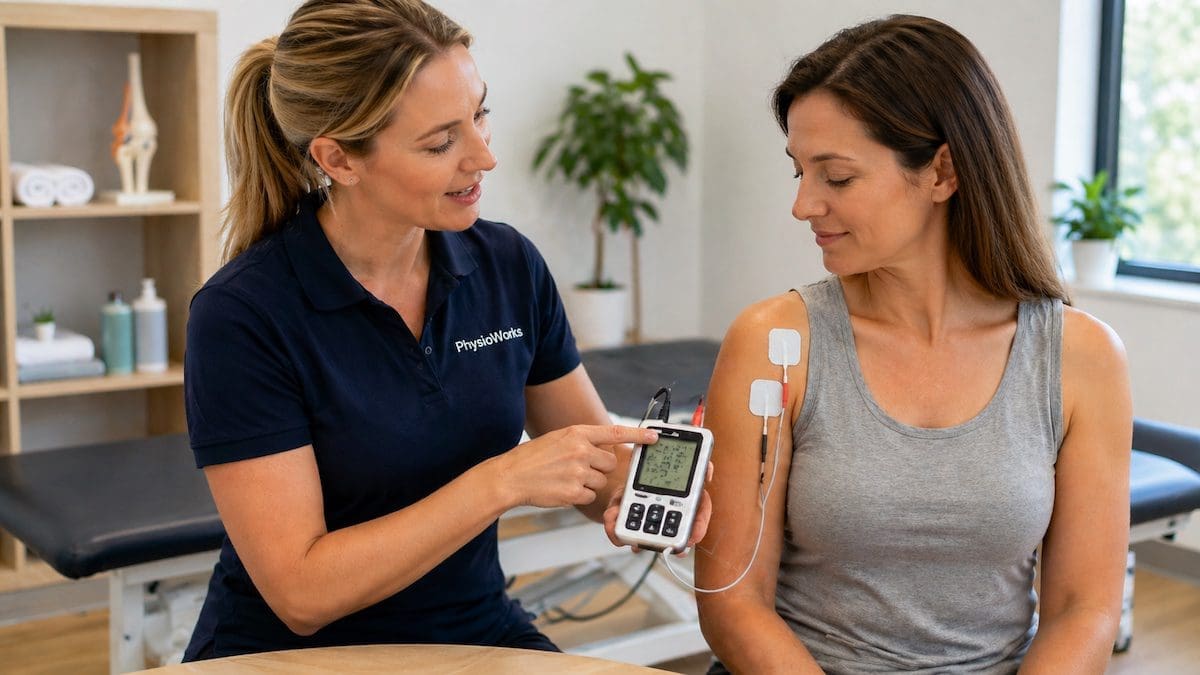
TENS machine benefits shoulder electrode pad placement for short-term pain relief

Safe shoulder pad placement supports comfortable TENS use.

TENS machine benefits may include modest short-term pain relief, drug-free symptom support, portable home use and adjustable settings. A TENS unit does not fix the cause of pain. However, it may help some people feel more comfortable while they follow a broader physiotherapy plan.

A transcutaneous electrical nerve stimulation machine sends gentle electrical pulses through pads placed on healthy skin. Many people use TENS between physiotherapy appointments as part of a wider pain management plan.

If you are new to TENS, start with our TENS machine overview. You may also find our guide on how to use a TENS machine useful before buying a unit or applying pads at home.

Quick Summary: TENS Machine Benefits

  • May provide modest short-term pain relief.
  • Can be used at home, work or while travelling.
  • Offers a drug-free support option for some pain conditions.
  • Works best with movement, exercise and physiotherapy advice.
  • Should only be used on safe body areas and healthy skin.

Do TENS Machines Help Pain?

TENS machines may help reduce pain for a short time while the unit is running. Some people also notice short relief after use. Results vary. Some users feel clear relief, while others notice little change.

TENS is usually a support tool, not a stand-alone treatment. It may help most when it makes it easier to move, sleep, do gentle exercise, work, or manage a flare-up.

Best Use Case

Use TENS to settle symptoms while you work on the main drivers of pain, such as strength, mobility, posture, activity load, sleep, stress or recovery.

What Is a TENS Machine?

TENS stands for transcutaneous electrical nerve stimulation. “Transcutaneous” means “through the skin”. A TENS machine sends low-voltage electrical pulses through electrode pads placed near a painful area.

A TENS machine is a medical device. It may help reduce pain signals for a short time, but it does not treat the cause of pain. For better long-term results, it should sit alongside education, activity changes and a suitable physiotherapy exercise program.

What Are the Main TENS Machine Benefits?

The main TENS machine benefits are short-term symptom relief, convenience and adjustable stimulation. Many users like that TENS is portable and does not involve medication. However, results differ between people and pain types.

  • Modest short-term pain relief: pain may ease during use and for a short time afterwards.
  • Drug-free support: TENS may help some people manage symptoms without increasing medicine use.
  • Home convenience: small battery-powered units can be used at home, work or while travelling.
  • Adjustable settings: intensity, pulse width and frequency can usually be changed for comfort.
  • Low rate of serious side effects: most issues involve brief skin redness or irritation.
  • Physiotherapy support: TENS can sit alongside exercise, manual therapy and pacing advice.

Who May Benefit From a TENS Machine?

A TENS machine may suit people who need extra short-term pain relief while they stay active and complete their rehab plan. It is often considered for back pain, neck pain, osteoarthritis, chronic muscle or joint pain and selected post-operative pain.

  • Back pain or neck pain.
  • Some forms of sciatica or nerve-related pain.
  • Osteoarthritis of the knee, hip, shoulder or hand.
  • Chronic muscle or joint pain.
  • Fibromyalgia or widespread pain conditions.
  • Selected post-operative pain, when approved by your healthcare team.

How Does a TENS Machine Provide Pain Relief?

TENS may reduce pain by stimulating sensory nerves. This can change how pain signals travel through the nervous system. Some settings create a tingling feeling. Other settings create small muscle twitches.

Sensory-Level Stimulation

Gentle stimulation creates a tingling feeling near the painful area. This may interfere with pain messages travelling towards the brain. This idea is often called the gate control theory of pain.

Motor-Level Stimulation

Stronger stimulation may create small muscle twitches. Some people find this setting helps pain settle for longer after a session. Still, comfort should guide use.

Where Should You Place TENS Pads?

TENS pads are usually placed around, beside, above or below the painful area. Do not place pads on unsafe regions. For shoulder pain, one pad may sit near the rear shoulder and one near the front shoulder, provided both pads stay away from the neck, chest and broken skin.

Shoulder Pad Placement Safety Tip

Do not place pads across the front of the chest, over the throat, near the eyes, on the head, or over broken skin. Stop use if symptoms feel unusual, intense, spreading or unsafe.

Which TENS Machine Features Matter Most?

The most useful features depend on your pain area, confidence using technology and how often you plan to use the device.

Use Case Feature to Prioritise Why It Helps
Back or neck pain Dual channels and adjustable intensity Lets you treat a wider area or adjust each side separately.
Knee or hip osteoarthritis Simple programs and a clear screen Makes repeat home use easier.
Travel or work use Portable size and belt clip Improves convenience during the day.
Regular long-term use Replacement pads and lead access Keeps the unit usable and reliable.

Need Help Choosing a TENS Machine?

If you are unsure which unit suits your pain area, start with your main goal. Do you want simple home pain relief, adjustable programs, easy travel use, or reliable replacement pads?

Compare TENS Machines

What Are the Limits of TENS Machine Benefits?

TENS machine benefits are usually modest and short term. TENS does not correct weak muscles, stiff joints, irritated nerves, poor sleep, stress load, or poor activity tolerance. If pain keeps worsening, arrange a physiotherapy or medical review.

Healthdirect notes that TENS should be used as directed and may not suit everyone. Read the device instructions and seek advice if you have a medical condition, implanted device, pregnancy-related concern, or unclear symptoms.

TENS Works Best When It Supports Action

A good result is not just lower pain. It is lower pain that helps you walk, move, sleep, exercise, work, or complete daily tasks with more confidence.

When Should You Not Use a TENS Machine?

Do not use TENS in unsafe areas or when medical clearance is needed. This includes use over the front of the neck, eyes, head, chest, broken skin or near implanted electronic devices unless your doctor has approved it.

  • Do not use TENS if you have a pacemaker, implanted defibrillator or other implanted electronic device unless you have written medical clearance.
  • Do not place pads over the front of your neck, eyes, head or directly over your chest.
  • Do not use pads on broken, irritated or infected skin.
  • Do not use TENS with epilepsy unless your doctor approves it.
  • Seek guidance before using TENS during pregnancy.

Important Safety Note

TENS and EMS machines are medical devices. Always read the label and instruction manual. Use only as directed. Ask your doctor or physiotherapist before use if you have a medical condition, implanted electronic device, pregnancy-related concern or persistent symptoms.

How Do You Choose a TENS Machine?

The right TENS machine depends on your pain area, how often you plan to use it and how easy the device is to manage. Clear controls, reliable pads and replacement accessories matter more than extra features you may not use.

  • Clear screen and simple controls.
  • Good-quality electrode pads and leads.
  • Adjustable programs or modes.
  • Portable size with belt clip or carry case.
  • Easy access to replacement pads.
  • Helpful after-sales support.

TENS Machine Benefits FAQs

What are the main TENS machine benefits?

TENS machine benefits may include modest short-term pain relief, drug-free symptom support, portable home use, adjustable settings and a low rate of serious side effects when used correctly.

Can a TENS machine replace pain medication?

A TENS machine should not replace prescribed pain medication unless your doctor advises this. It may provide extra short-term symptom relief for some people as part of a broader pain management plan.

Who may benefit most from a TENS machine?

People with back pain, neck pain, osteoarthritis, chronic muscle or joint pain, fibromyalgia or selected post-operative pain may benefit from a TENS machine when it is used safely and appropriately.

Are there risks or side effects with TENS machines?

Serious side effects are uncommon when TENS is used correctly. Mild skin irritation or redness under the pads can occur. Do not use TENS over broken skin, unsafe body areas or near implanted electronic devices without medical clearance.

Do TENS machines fix the cause of pain?

TENS machines do not fix the underlying cause of pain. They are best used as a support tool while physiotherapy, exercise, education and lifestyle changes address the factors contributing to symptoms.

Where should shoulder TENS pads go?

Shoulder TENS pads may sit around the painful shoulder area, such as one near the rear shoulder and one near the front shoulder. Avoid the front of the neck, chest, head, broken skin and any unsafe placement described in your device manual.

Related TENS Machine FAQs

Pain FAQs

What Should You Do Next?

If you are considering TENS, choose a quality unit, read the instructions carefully and confirm safe pad placement. A physiotherapist can help you match settings to your pain area and decide whether TENS fits your wider treatment plan.

If your symptoms are new, worsening, spreading, or not improving, book a physiotherapy assessment before relying on a device. If you already know TENS is suitable for you, compare the available options below.

View TENS Machine Options

Book your appointment – 24/7

Choose your preferred PhysioWorks clinic and book online.

TENS Machine Products

These TENS machines and accessories are commonly used to help manage pain at home. They work best when combined with a tailored physiotherapy plan.

View all TENS machines

Follow PhysioWorks

Get free physiotherapy tips, exercise videos, recovery advice, and blog updates.

Facebook Instagram YouTube B X Email PhysioWorks

References

  1. Healthdirect Australia. TENS (Transcutaneous electrical nerve stimulation). Accessed June 10, 2026.
  2. Gibson W, Wand BM, Meads C, Catley MJ, O’Connell NE. Transcutaneous electrical nerve stimulation (TENS) for chronic pain - an overview of Cochrane Reviews. Cochrane Database Syst Rev. 2019;4(4):CD011890.
  3. Teoli D, An J. Transcutaneous Electrical Nerve Stimulation. StatPearls. Updated 2024.

Can I Claim a TENS Machine on Private Health Insurance?

TENS machine private health insurance rebates vary by fund and policy.

A TENS machine is a small device that may help reduce pain using gentle electrical pulses. Many Australians ask whether they can claim a TENS machine on private health insurance through extras cover.

The short answer is: sometimes. It depends on your fund, your extras policy, waiting periods, annual limits, and the paperwork your insurer asks for.

Quick Answer

Some Australian extras policies may rebate a TENS machine or related accessories. However, each fund sets its own rules.

  • Check whether your extras policy lists health aids, appliances, or TENS devices.
  • Ask if you need a physiotherapist or doctor recommendation.
  • Keep a tax invoice that lists the device name, model, date, and amount paid.
  • Confirm whether your fund covers replacement electrodes and leads.

For general information about TENS as a treatment option, read our TENS machine pain relief guide. For broader rebate planning, see our current private health insurance rebates guide.

How Does a TENS Machine Help With Pain?

A TENS machine sends small electrical impulses through adhesive pads placed on your skin. These signals may help reduce pain sensitivity for a short period. Some people use TENS between physiotherapy visits so they can move more comfortably and stay active.

TENS does not replace assessment or treatment for the cause of pain. It works better as one part of a broader plan that may include education, pacing, exercise, manual therapy, and self-management.


TENS machine electrode placement on lower back during physiotherapy guidance

Lower-back electrode placement during TENS setup.

Useful TENS guides

When Might Private Health Insurance Cover a TENS Machine?

If your fund offers a rebate, it commonly sits under extras cover. The category may be called health aids, appliances, medical devices, or a similar name.

  • Policy limits: your fund may set a yearly limit per person or family.
  • Clinical paperwork: your insurer may ask for a letter from a physiotherapist or doctor.
  • Waiting periods: new or upgraded policies may have a waiting period.
  • Accessories: some policies may cover TENS electrodes and leads, even if the device is not covered.

How Do I Claim a TENS Machine Rebate?

  1. Check your policy. Ask whether your extras cover includes TENS machines, medical appliances, or health aids.
  2. Confirm the claim rules. Ask if your fund needs a written recommendation, item code, or approved supplier.
  3. Get clinical advice. A physiotherapist can check whether TENS suits your situation.
  4. Buy an eligible device. Keep a compliant tax invoice with the model, supplier, date, and amount paid.
  5. Lodge the claim. Submit the invoice and supporting letter through your fund’s app, website, branch, or claim form.
  6. Keep records. Save your receipt and letter in case your fund asks for more details.

What Documents Do Health Funds Usually Need?

Each insurer sets its own rules. Still, many funds ask for similar documents before they pay a rebate.

  • A letter or recommendation from your physiotherapist or doctor, if required.
  • A tax invoice that shows the device name, model, supplier, date, and amount paid.
  • Your member details and claim form, if your fund does not use online claiming.
  • Any item code or health appliance code requested by your insurer.

How Much Will My Health Fund Pay?

Rebates vary between funds and policies. Some funds pay a set amount. Others pay a percentage of the purchase price up to a yearly limit.

Before you buy, ask your fund these questions:

  • Is a TENS machine covered under my extras policy?
  • What is my remaining annual limit?
  • Do I need a physiotherapist or doctor recommendation?
  • Are replacement TENS electrodes and leads covered?
  • Is there a waiting period or supplier rule?

Claim Readiness Checklist

  • Policy checked: you know whether your extras cover includes TENS machines.
  • Paperwork confirmed: you know whether your fund needs a letter.
  • Device eligible: the model and supplier meet your fund’s rules.
  • Invoice saved: the receipt lists the device, date, supplier, and price.
  • Use is appropriate: you have checked TENS is safe for your health situation.

Do I Need a Prescription for a TENS Machine?

You can usually buy a TENS machine in Australia without a prescription. However, many health funds only pay a rebate if you provide a written recommendation from a physiotherapist or doctor.

If you are unsure about settings, pad placement, or whether TENS suits your pain, book a physiotherapy appointment. Your physiotherapist can guide safe use and help you build a broader plan.

How Should I Choose a TENS Machine?

Because TENS machines are medical devices, choose one that is clear, reliable, and easy to use. Avoid buying on rebate rules alone.

  • Choose clear controls and an easy-to-read screen.
  • Check that replacement pads and leads are easy to buy.
  • Look for several modes and adjustable intensity.
  • Choose a compact device that suits home, work, or travel.
  • Read the label and instruction manual before use.

Compare TENS machine options

When Should I Avoid TENS Until I Get Advice?

Do not use TENS when it may be unsafe. Ask your doctor or physiotherapist first if you have a medical condition or are unsure.

  • You have a pacemaker or implanted electrical device.
  • You are pregnant or trying to use TENS during pregnancy.
  • You plan to place pads near the front of your neck, chest, head, or broken skin.
  • You have reduced skin sensation and may not feel the intensity properly.
  • You want to use TENS while driving, bathing, or sleeping.

Healthdirect Australia also provides general public guidance about TENS use and safety.

Important

TENS and EMS machines are medical devices. Always read the label and instruction manual. A TENS machine may provide modest short-term pain relief. Consult your doctor or physiotherapist before use and if symptoms persist. Use only as directed. Health fund rebates vary between policies and can change, so always confirm details with your insurer before you buy.

People Also Ask About TENS and Private Health Insurance

Do all health funds cover TENS machines?

No. Cover varies between policies. Some funds may rebate a TENS machine under extras cover. Others may not cover the device or may only cover accessories.

Can I buy any TENS machine and claim it?

Not always. Some funds only rebate approved devices. Your insurer may also ask for a written recommendation and a compliant tax invoice.

Can I claim replacement pads and leads?

Some policies may rebate replacement pads, electrodes, or leads as medical supplies. Check whether TENS electrodes and leads are listed on your policy.

Does Medicare cover TENS machines?

In general, Medicare does not cover the cost of a home TENS machine for pain relief. If a rebate is available, it usually comes through private health insurance extras cover.

Can a physiotherapist write a letter for my claim?

A physiotherapist may provide a recommendation if TENS is suitable for your situation. Your fund still decides whether the device meets its claim rules.

Related Information

What Should I Do Next?

If you want to claim a TENS machine, check your insurer’s rules before you buy. Then confirm whether you need a recommendation from a physiotherapist or doctor.

If pain is limiting movement, sleep, work, or daily activity, a physiotherapist can assess your situation and explain whether TENS may fit into your plan.

Book your appointment – 24/7

Choose your preferred PhysioWorks clinic and book online.

TENS Machine Options

Compare TENS devices, replacement electrodes, and leads if your physiotherapist has advised that TENS is suitable for your situation.

Follow PhysioWorks

Get free physiotherapy tips, exercise videos, recovery advice, and blog updates.

Facebook Instagram YouTube B X Email PhysioWorks

Kinesiology Tape vs Rigid Tape

Article by John Miller & Erin Runge

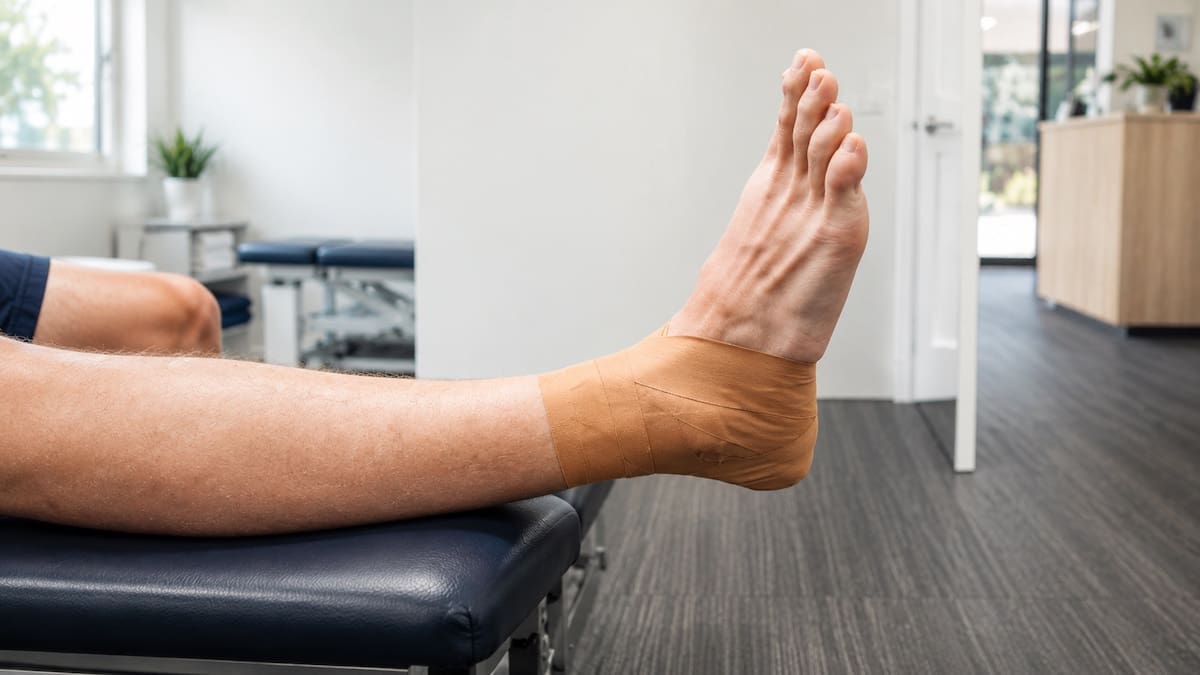
Kinesiology tape vs rigid tape comparison showing flexible tape and rigid sports tape support

Kinesiology Tape vs Rigid Tape: What Is the Difference?

When comparing kinesiology tape vs rigid tape, the main difference is how much movement each tape allows. Kinesiology tape is elastic and moves with your body, while rigid tape is firmer and is usually applied to limit or control joint movement for a short period. If you are unsure which option suits you, a physiotherapist can assess the injury and guide your taping treatment.

Both tapes can play a role in injury management, sport, or exercise. However, they are not interchangeable. Kinesiology tape is commonly used when you want ongoing support with more natural movement, while rigid tape is often chosen for ankle sprains, joint protection, or return-to-sport strapping. That is why many people search for kinesiology tape vs rigid tape before training, competition, or rehabilitation.

When Is Kinesiology Tape Used?

Kinesiology tape is designed to stretch with the skin and soft tissues. It is often used for muscle pain, tendon overload, swelling management, posture cueing, or light support during movement. People commonly use it for areas such as the shoulder, knee, back, or calf.

Research findings are mixed. Some reviews suggest kinesiology tape may help short-term pain or disability when used alongside rehabilitation, while other reviews have found little or no meaningful benefit over sham taping or other treatments.2,3 In practice, it is best viewed as an adjunct rather than a stand-alone fix.

When Is Rigid Tape Used?

Rigid tape, also called sports tape or strapping tape, is used when you want firmer external support. It is commonly applied around joints such as the ankle, thumb, wrist, or knee to reduce unwanted motion, protect healing tissues, or improve confidence during sport.

Rigid tape is usually better for short-term joint control than kinesiology tape. For example, after a sprained ankle, it may be used to help stabilise the joint during training or return to activity. Healthdirect also notes that ankle sprain treatment may include compression, physiotherapy, or a brace depending on severity and function.1 Some recent reviews have also examined taping in acute ankle sprain management.4

Does Kinesiology Tape or Rigid Tape Work Better?

Neither tape is automatically “better”. The better option depends on the goal. If you want more movement and light support, kinesiology tape may suit you better. If you need stronger support and less motion, rigid tape is often the better choice.

That means the real question is not simply kinesiology tape vs rigid tape. It is whether you need movement support, swelling support, pain relief, or motion restriction. A physiotherapist will usually match the tape choice to the injured structure, your sport, and the stage of recovery.

How Do You Apply Kinesiology Tape vs Rigid Tape?

Kinesiology tape is usually applied along or across muscles and tendons with varying amounts of stretch. It is often left on for several days and is designed to tolerate showering and regular daily activity.

Rigid tape is applied more firmly around a joint or body region to control movement. It is often used for a shorter period and may need to be reapplied before exercise or sport. Because rigid tape changes movement more than kinesiology tape, correct technique matters. Poor strapping can be uncomfortable or simply ineffective, which is why many people prefer professional ankle strapping or taping advice.

Common Reasons People Compare Kinesiology Tape vs Rigid Tape

  • They want support but are unsure how much movement to restrict.
  • They are returning to sport after an injury.
  • They want help for swelling, soreness, or muscle overload.
  • They need strapping for a joint rather than a muscle.
  • They want to know whether tape should be combined with exercise and rehabilitation.

Related Articles

Kinesiology Tape vs Rigid Tape FAQs

Is kinesiology tape better than rigid tape?

Not always. Kinesiology tape is usually better when you want flexible support and more natural movement. Rigid tape is usually better when you want firmer support and motion control around a joint. The right choice depends on your injury, activity, and stage of recovery rather than the tape itself being universally better.

When should I use rigid sports tape?

Rigid sports tape is commonly used for acute sprains, joint instability, return-to-sport strapping, and situations where limiting movement is helpful. It is often used around the ankle, thumb, wrist, or knee. Because it changes joint motion more than elastic tape, it is best applied with a clear goal in mind.

Can kinesiology tape help with pain?

Kinesiology tape may help some people with short-term pain relief or symptom support, especially when combined with exercise, manual therapy, or load management. However, research does not show a consistent benefit for every condition. It should usually be viewed as one part of a broader rehabilitation plan rather than the whole treatment.

Can I wear kinesiology tape in the shower?

Yes, kinesiology tape is usually designed to stay on during showering and everyday movement for several days. That said, skin sensitivity, sweat, body hair, and application technique can affect how well it sticks. If the tape causes itching, skin irritation, or starts peeling heavily, it should be removed.

Can rigid tape stay on for days like kinesiology tape?

Usually not. Rigid tape is more often used for shorter periods, such as during training, sport, or a specific period of joint protection. Leaving it on too long can become uncomfortable, reduce skin tolerance, and make circulation or movement feel restricted. It is generally less suitable than kinesiology tape for prolonged wear.

Should tape replace exercise or physiotherapy?

No. Tape may help support movement, confidence, or comfort, but it does not replace proper assessment, rehabilitation, strength work, or load management. If symptoms keep returning, keep worsening, or affect your sport or work, a physiotherapist can identify the real driver of the problem and build a more complete plan.

What to Do Next

If you are still deciding between kinesiology tape vs rigid tape, start by identifying the goal. Do you need more support for a joint, or do you want lighter support while still moving freely? The answer usually points you towards the right tape.

If you are unsure, book a physiotherapy assessment. A physiotherapist can assess the injured area, choose the most appropriate taping approach, and show you how tape fits into your broader recovery and return-to-activity plan.

What to do now:

  • Use kinesiology tape when you want lighter support with more movement.
  • Use rigid tape when you need stronger short-term joint control.
  • Get the tape choice checked if pain, swelling, or instability continue.

Book your appointment – 24/7

Choose your preferred PhysioWorks clinic and book online.

Strapping & Taping Products

These strapping and taping products are commonly used by our physiotherapists to support and prevent injuries.

View all strapping and taping products

Follow PhysioWorks

Get free physiotherapy tips, exercise videos, recovery advice, and blog updates.

Facebook Instagram YouTube B X Email PhysioWorks

References

  1. Healthdirect Australia. Sprained ankle. Accessed March 18, 2026.
  2. Tran L, et al. Efficacy of Kinesio Taping Compared to Other Treatment Modalities in Musculoskeletal Disorders: A Systematic Review and Meta-Analysis. Res Sports Med. 2023;31(4):416-439. doi:10.1080/15438627.2021.1989432.
  3. Raymond J, Nicholson LL, Hiller CE, Refshauge KM. The effect of ankle taping or bracing on proprioception in functional ankle instability: a systematic review and meta-analysis. J Sci Med Sport. 2012;15(5):386-392. doi:10.1016/j.jsams.2012.03.008.
  4. Bocchino G, Grassa D, Bove A, et al. The Effects of Kinesio Tape on Acute Ankle Sprain: A Systematic Review. J Clin Med. 2025;14(5):1440. doi:10.3390/jcm14051440.

What Does Kinesiology Tape Help With?

Article by John Miller & Erin Runge

Kinesiology tape may help reduce pain, swelling, and movement-related discomfort in some musculoskeletal conditions. It is most often used to support soft tissue injuries, improve muscle or joint awareness, and assist movement when combined with physiotherapy, exercise, and load management.

Kinesiology tape is one of several taping options used at PhysioWorks. Depending on your problem, your physiotherapist may also discuss sports taping and strapping, rehabilitation exercises, or broader physiotherapy treatment.

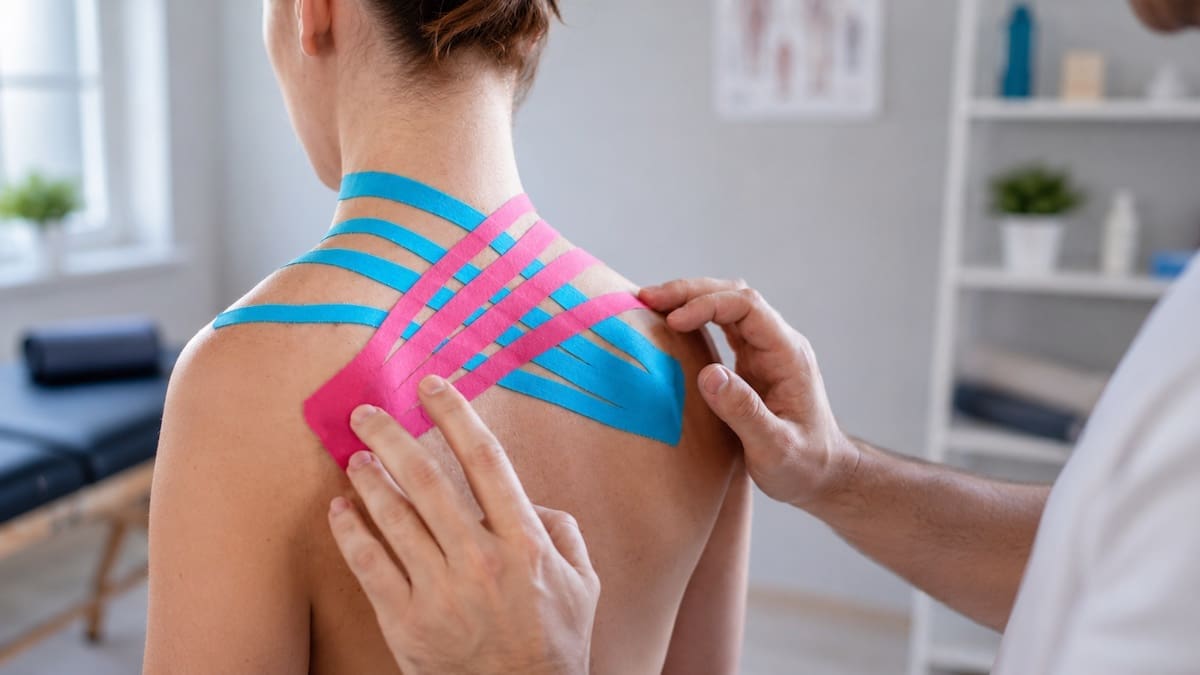
Kinesiology tape is commonly used for swelling support and movement assistance.

Many people use kinesiology tape for sore tendons, strained muscles, joint irritation, posture support, and swelling. However, it usually works best as part of a broader treatment plan rather than as a stand-alone fix.

How does kinesiology tape help?

Kinesiology tape may help by improving skin sensory feedback, reducing pressure on irritated tissues, and supporting movement awareness. In some people, this can reduce discomfort during activity and make it easier to move more confidently while you recover.

Common reasons people use kinesiology tape

  • Soft tissue injury support
  • Muscle activation or movement retraining
  • Joint support and proprioception
  • Swelling or lymphatic support
  • Tendon pain during exercise progression

What can kinesiology tape help with?

Kinesiology tape may help with soft tissue injuries, some tendon problems, swelling, and joint control issues. It is commonly used to assist symptoms rather than cure the underlying condition, which is why physiotherapy assessment still matters.

Soft Tissue Injuries

Kinesiology tape is often used during the early or middle stages of recovery to reduce strain and improve comfort with movement.

Muscle Activation and Control

Some taping techniques aim to improve muscle awareness or reduce overload in irritated areas.

  • Muscle weakness
  • Low muscle tone (hypotonia)
  • Movement retraining during rehabilitation

Joint Support and Movement Control

Kinesiology tape may improve proprioception and movement awareness during daily activity or sport.

  • Joint alignment and maltracking such as patellofemoral pain syndrome
  • Joint instability or hypermobility
  • Postural issues such as rounded shoulders or slouched posture
  • Scapular control problems

Bone Stress and Recovery Support

While kinesiology tape does not replace proper fracture management, it may assist comfort and support in selected later-stage cases.

  • Post-fracture support during rehabilitation
  • Tenoperiosteal stress such as shin splints
  • Adolescent growing pains

Can kinesiology tape help tendon pain?

Kinesiology tape may help some people with tendon pain by reducing discomfort during movement and exercise. It is often used alongside strengthening, load management, and progressive rehabilitation rather than instead of them.

Foot and Ankle

Knee

Hip and Groin

Shoulder

Does kinesiology tape work for knee support during movement
Kinesiology tape applied to the knee may help support movement and comfort during activity.

Elbow

Wrist and Hand

Swelling and Lymphatic Support

Some kinesiology tape applications are designed to assist swelling management by gently lifting the skin and improving superficial fluid movement.

  • Swelling and oedema
  • Lymphoedema
  • Joint swelling

Does kinesiology tape work on its own?

Kinesiology tape usually works best when combined with a proper diagnosis, exercise, and load management. For many problems, it is a helpful add-on rather than the main treatment.

If you would like a general overview of musculoskeletal injury care, the evidence map on taping for conditions of the musculoskeletal system is a useful research summary.

When should you use kinesiology tape?

Kinesiology tape is most useful when it supports a clear goal such as reducing pain with movement, assisting swelling, or improving confidence during exercise. It is less useful when applied without a diagnosis, a plan, or the right technique.

Frequently Asked Questions

What does kinesiology tape help with?

Kinesiology tape may help with pain, swelling, muscle support, and movement control in selected musculoskeletal conditions. It is commonly used for strains, sprains, tendon pain, joint irritation, and lymphatic-style swelling support.

Does kinesiology tape reduce swelling?

Kinesiology tape may help reduce mild swelling in some cases, especially when a lymphatic fan technique is used. It is usually combined with other strategies such as movement, compression, exercise, and recovery advice.

Can kinesiology tape help tendon pain?

Kinesiology tape may help some people with tendon pain, particularly when exercise is uncomfortable in the early stages. However, long-term improvement usually depends more on strengthening and sensible load progression than on tape alone.

How long should you wear kinesiology tape?

Many people wear kinesiology tape for a few days at a time, depending on skin tolerance, activity level, and the treatment goal. Your physiotherapist can advise you on safe wear time and when it should be replaced or removed.

Is kinesiology tape better than strapping tape?

Kinesiology tape and rigid strapping tape do different jobs. Kinesiology tape is usually used to assist movement and symptom support, while rigid tape is more often used to limit motion and provide firmer joint support.

What to Do Next

If you are thinking about using kinesiology tape, start with the reason you want it. The best results usually come when taping matches your diagnosis, movement goals, and current stage of healing.

A physiotherapist can assess your injury, decide whether kinesiology tape is likely to help, and combine it with rehabilitation strategies that target the real cause of your symptoms.

References

  1. Tran L, Silvernail JL, Avins AL, et al. Efficacy of Kinesio Taping Compared to Other Treatment Modalities for Musculoskeletal Disorders: A Systematic Review and Meta-Analysis. Sports Med Open. 2023;9(1):13.
  2. Mo Q, Liang Y, Li C, et al. Effectiveness and clinical relevance of kinesio taping in musculoskeletal disorders: an overview of systematic reviews. BMJ Open. 2024;14(10):e087165.
  3. Cupler ZA, Alrwaily M, Polakowski E, et al. Taping for conditions of the musculoskeletal system: an evidence map review. Braz J Phys Ther. 2020;24(6):479-499.

Book your appointment – 24/7

Choose your preferred PhysioWorks clinic and book online.

Follow PhysioWorks

Get free physiotherapy tips, exercise videos, recovery advice, and blog updates.

Facebook Instagram YouTube B X Email PhysioWorks

Does kinesiology tape work?

Does kinesiology tape work? It can help some people in the short term, mainly by improving comfort during movement, supporting confidence, and assisting swelling management when applied correctly. Results vary, so it works best as an add-on to a clear rehab plan rather than a stand-alone fix.

Does kinesiology tape work for knee support during movement
Kinesiology tape applied to the knee may help support movement and comfort during activity.

Short answer: it may help, but it’s not a cure

Kinesiology tape may reduce pain for some conditions and may improve movement confidence via sensory feedback. Evidence is mixed, and benefits often look small or short-term. For the full guide on taping choices, application, and when to use it, start here: Kinesiology Tape.

How kinesiology tape may help

When applied well, kinesiology tape may help by:

  • Changing pain and load tolerance during activity for some people, which can help you keep moving.
  • Improving movement awareness (sensory feedback through the skin), which may assist control in some tasks.
  • Assisting swelling management in some cases, when your physio uses a taping approach aimed at fluid support.
  • Supporting return to sport as a short-term strategy alongside strengthening and graded loading.

When kinesiology tape may not help

Tape is less likely to help when pain comes from a problem that needs a different plan, such as high irritability, major instability, or a condition that needs imaging or medical review. Also, technique matters. Incorrect tape direction, tension, or placement can reduce any benefit.

Skin safety tips

  • Avoid tape over broken skin, rashes, or known adhesive allergies.
  • Remove tape if itching, burning, blistering, or a spreading rash occurs.
  • If you have circulation issues, diabetes-related skin risk, or you bruise easily, ask your physio first.

Kinesiology tape FAQs

How long can you wear kinesiology tape?
Many people wear it for 2–5 days. However, skin tolerance varies. Remove it earlier if irritation starts.

Can you sleep with kinesiology tape on?
Yes, most people can. If it pulls on the skin or irritates you overnight, remove it.

Is kinesiology tape better than rigid sports tape?
They do different jobs. Rigid tape often aims to limit movement. Kinesiology tape usually allows movement while adding sensory feedback and light support.

Does kinesiology tape help swelling and bruising?
Sometimes. A physio may use specific patterns to support fluid management, but results vary person to person.

What if kinesiology tape makes my pain worse?
Take it off. Then book an assessment so a physio can check the driver of your symptoms and adjust your plan.

What to do next

If you want to try kinesiology tape, get a quick assessment first. Your physiotherapist can confirm whether taping fits your condition, then show you the safest and most effective way to apply it.

For research summaries, taping guidance, and practical use cases, please visit our main page: Kinesiology Tape (Tier 1).

Related information

References

For research summaries, treatment guidance, and taping pathways, please visit our main page: Kinesiology Tape.

  1. Mo Q, et al. Effectiveness and clinical relevance of kinesio taping in musculoskeletal disorders: an overview. BMJ Open. 2024;14:e086643.
  2. Tran L, et al. Efficacy of Kinesio taping compared to other treatments in musculoskeletal disorders: systematic review and meta-analysis. Clin Rehabil. 2023. PMID: 34711091.
  3. International Association for the Study of Pain (IASP). Is Kinesio Taping effective? Relief News. (Accessed 26 Dec 2025).

Book your appointment – 24/7

Choose your preferred PhysioWorks clinic and book online.

Related Articles

  1. Kinesiology Tape for Faster Swelling & Bruising Reduction – How taping may support swelling management.
  2. What Conditions May Kinesiology Tape Help? – Common situations where taping may be used as an add-on.
  3. Supportive Taping & Strapping – When to use different taping approaches.
  4. Kinesiology Tape – Full Tier 1 overview and practical guidance.
  5. Sub-Acute Soft Tissue Injury – When taping may suit recovery, alongside progressive rehab.
  6. Buy Kinesiology Tape – Browse PhysioWorks strapping options.

Strapping & Taping Products

These strapping and taping products are commonly used by our physiotherapists to support and prevent injuries.

View all strapping and taping products

Follow PhysioWorks

Get free physiotherapy tips, exercise videos, recovery advice, and blog updates.

Facebook Instagram YouTube B X Email PhysioWorks
Article by John Miller & Erin Runge

Can Kinesiology Tape Help With Swelling and Bruising?

Kinesiology tape use to reduce swelling or bruising is a common topic after injuries, surgery, or heavy training sessions. Many people ask whether taping can help settle puffiness or discolouration while they stay active. In physiotherapy, kinesiology tape is sometimes used alongside exercise, load management, and advice to support movement and comfort.

You can read more about how it is commonly used on our Kinesiology Tape page or within our overview of Supportive Taping & Strapping.

Kinesiology tape applied to a knee to help manage swelling and bruising
Kinesiology tape may be used by physiotherapists to support swelling and bruising management as part of a broader care plan.

Short Answer

Kinesiology tape may help some people manage swelling and bruising by gently lifting the skin and supporting fluid movement in the affected area. It does not treat the underlying injury, but it may assist comfort and movement when used alongside physiotherapy.

Application technique and timing matter, which is why guidance from a qualified practitioner can be helpful. Further details are available on our Kinesiology Tape page.

Why Swelling and Bruising Occur

Swelling and bruising are normal responses after tissue irritation or injury. Small blood vessels may leak into nearby tissues, leading to visible bruising, while extra fluid collects as part of the body’s healing response. Mild swelling is common, but symptoms that persist or worsen can affect movement and recovery.

Kinesiology Tape and Swelling and Bruising

Kinesiology tape is designed to stretch and move with the body. When applied with light tension, it may gently lift the skin, which can reduce pressure on superficial tissues. This effect is thought to support lymphatic and venous flow in some people, which may help the body clear excess fluid more efficiently.

When Kinesiology Tape May Be Considered

Physiotherapists may use kinesiology tape for swelling or bruising after minor soft tissue injuries, following impact, or after exercise. In some cases, it may also be considered after surgery once skin healing is adequate and taping has been cleared. Taping is usually one part of care, rather than a stand-alone solution.

When Assessment Is Important

You should seek assessment if swelling or bruising continues to increase, limits normal movement, or occurs with significant pain. Unexplained swelling, spreading bruising, heat, redness, or systemic symptoms such as fever should be checked promptly.

What This Means for You

If swelling or bruising is affecting your comfort, training, or daily activities, assessment can help identify the cause and guide safe management. Kinesiology tape may be used as part of a broader physiotherapy plan, but responses vary and correct application is important for best results.

Related Information

Book your appointment – 24/7

Choose your preferred PhysioWorks clinic and book online.

Strapping & Taping Products

These strapping and taping products are commonly used by our physiotherapists to support and prevent injuries.

View all strapping and taping products

References

Białoszewski D, Wozniak W, Zarek S. Clinical efficacy of kinesiology taping in reducing edema following ankle sprain. Physiotherapy Theory and Practice. 2009. Available from: https://www.ncbi.nlm.nih.gov/pmc/articles/PMC8823551/ Golkar A, et al. Effects of kinesiology taping on swelling and function. Journal of Bodywork and Movement Therapies. 2023. Available from: https://www.ncbi.nlm.nih.gov/pmc/articles/PMC10279621/

Follow PhysioWorks

Get free physiotherapy tips, exercise videos, recovery advice, and blog updates.

Facebook Instagram YouTube B X Email PhysioWorks

Post-Run Soreness: Should You Be Concerned?

Post-Run Soreness: Is It DOMS or a Muscle Injury?

Post-run soreness is common after a hard session, a longer run, hills, speed work, or a return to training after time off. In many cases, it is delayed onset muscle soreness (DOMS). However, some runners develop a true muscle strain or another running injury that needs earlier treatment.

The key question is timing. If the pain builds later and peaks over the next day or two, DOMS is more likely. If the pain starts during the run or straight afterwards, a muscle injury is more likely and deserves closer attention.

  • Soreness starting 24 to 72 hours later usually points to DOMS
  • Sharp pain during the run is more suggestive of muscle injury
  • Bruising, swelling, or limping are stronger warning signs
  • Pain that warms up and eases is often less concerning than pain that worsens

What is post-run soreness?

Post-run soreness is muscle discomfort that develops after running or other exercise. It commonly affects the calves, hamstrings, quadriceps, and gluteal muscles. Mild post-run soreness often reflects normal training load and recovery. However, stronger or more localised pain can suggest a common muscle injury rather than simple exercise soreness.

What is DOMS?

Delayed onset muscle soreness is an exercise-related muscle response that usually develops after unaccustomed or higher-load exercise. DOMS does not usually begin straight away. Instead, it tends to appear 24 to 72 hours after exercise and commonly peaks around 48 hours.

DOMS can cause soreness, stiffness, tenderness, reduced strength, and a temporary drop in movement quality. It often settles over several days as the body adapts to the workload. That adaptation partly explains why the same session often causes less soreness next time.

What does a muscle injury feel like after running?

A muscle injury usually behaves differently from DOMS. Pain often starts during the run or soon after. Some runners feel a pull, a sharp twinge, or a sudden pain that forces them to slow down or stop. A more significant injury may also cause swelling, bruising, weakness, or pain with walking.

If you suspect a strain, early management matters. This is where guidance on acute soft tissue injury treatment and follow-up sports physiotherapy can be useful.

How do you tell the difference between DOMS and muscle injury?

The main clue is when the pain started. DOMS usually comes on later. Muscle injury usually starts during the run or immediately afterwards. DOMS also tends to feel stiff and sore when you first move, then ease as the muscle warms up. By contrast, a muscle strain is more likely to stay painful when you load, contract, or stretch the injured area.

A physiotherapist can assess the pattern, test the muscle, and work out whether your post-run soreness is expected training soreness, a muscle strain, or another related problem such as muscle cramps.

When should you worry about post-run soreness?

You should be more cautious when post-run soreness starts during the run, keeps getting worse, causes limping, or comes with swelling, bruising, or clear weakness. That pattern is less typical of DOMS and more concerning for muscle injury or another tissue problem.

If you would like a broader overview of physiotherapy assessment and treatment, Healthdirect provides a useful summary of physiotherapy.

What should you do for post-run soreness?

If the soreness seems like DOMS, reduce training intensity for a few days, keep moving gently, and avoid overly aggressive stretching or deep massage if these increase pain. Light recovery exercise, sensible load management, sleep, hydration, and gradual training progression are often the most practical first steps.

If you suspect a true muscle injury, stop pushing through it. Early assessment may help confirm the diagnosis, guide your loading, and reduce unnecessary time away from running. In some cases, a running analysis can also help identify technique or loading factors that contributed.

FAQs about post-run soreness

Is post-run soreness normal?

Yes, mild post-run soreness is often normal, especially after a harder session or a sudden training increase. It is usually less concerning when it appears later, feels general rather than sharply localised, and gradually improves over a few days.

How long should post-run soreness last?

DOMS often peaks 24 to 72 hours after exercise and then settles over the next few days. If your soreness is still severe, worsening, or clearly limiting your walking or running after several days, it is worth getting checked.

Should you run with post-run soreness?

That depends on the pattern. Mild DOMS may allow light training or recovery running if symptoms ease as you warm up. However, you should avoid running through sharp pain, limping, weakness, or symptoms that worsen with each stride.

Can a physio help with post-run soreness?

Yes. A physiotherapist can work out whether your symptoms reflect normal recovery, a muscle strain, or another running-related problem. Treatment may include load advice, hands-on care, exercise progression, and return-to-running guidance.

What to do next

If your soreness is mild, delayed, and settling, modify your training and monitor it closely. If your pain started during the run, is localised, or is affecting your gait, book an assessment sooner rather than later.

PhysioWorks can assess the source of your post-run soreness, explain what is happening, and guide the next stage of your recovery so you can return to running with more confidence.

Related information

Book your appointment – 24/7

Choose your preferred PhysioWorks clinic and book online.

Follow PhysioWorks

Get free physiotherapy tips, exercise videos, recovery advice, and blog updates.

Facebook Instagram YouTube B X Email PhysioWorks

References

  1. Sonkodi B. Delayed Onset Muscle Soreness (DOMS): The Repeated Bout Effect and Chemotherapy-Induced Axonopathy May Help Explain the Dying-Back Mechanism in Amyotrophic Lateral Sclerosis and Other Neurodegenerative Diseases. Brain Sci. 2021;11(1):108. doi:10.3390/brainsci11010108
  2. Nahon RL, Silva Lopes JS, Monteiro de Magalhães Neto A. Physical therapy interventions for the treatment of delayed onset muscle soreness (DOMS): Systematic review and meta-analysis. Phys Ther Sport. 2021;52:1-12. doi:10.1016/j.ptsp.2021.07.011
  3. Wulff MW, Mackey AL, Kjær M, Bayer ML. Return to Sport, Reinjury Rate, and Tissue Changes after Muscle Strain Injury: A Narrative Review. Transl Sports Med. 2024;2024:2336376. doi:10.1155/2024/2336376
You've just added this product to the cart: