
Hip Pain
Hip Pain


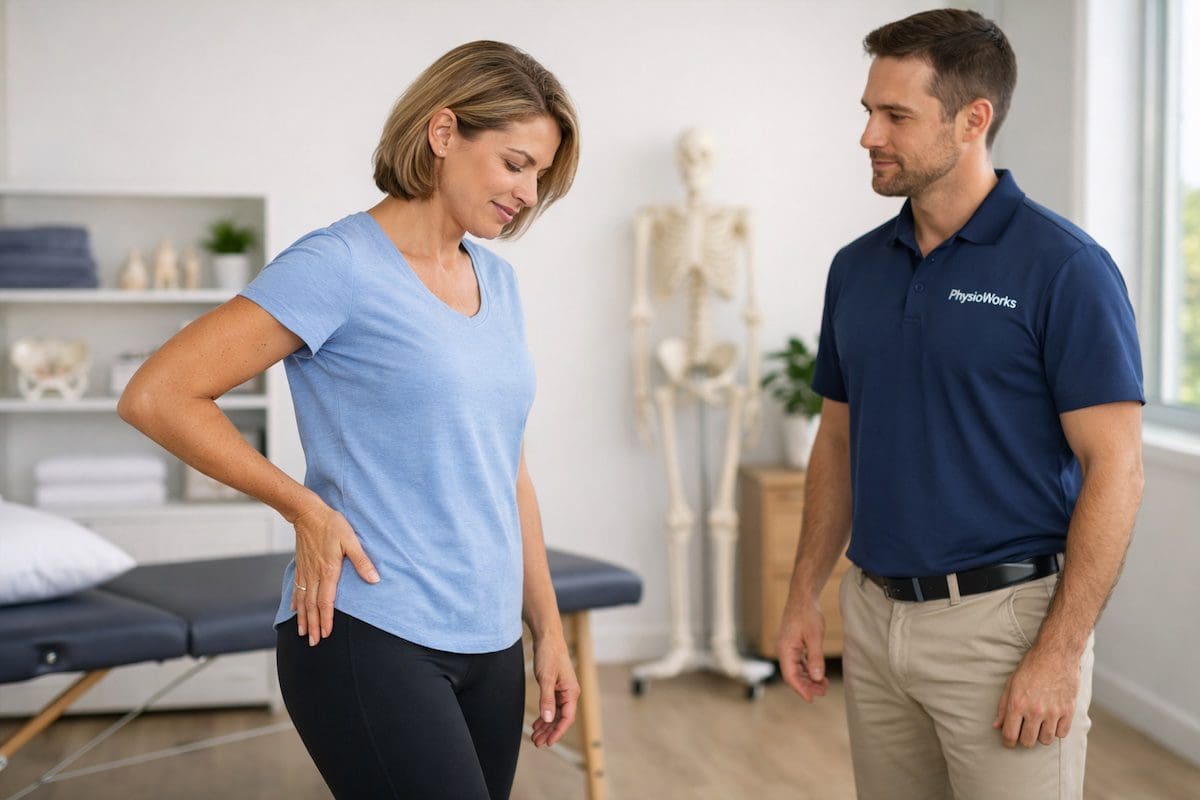
Hip pain can affect walking, stairs, sleep, work, exercise and sport. Some people notice a deep groin ache, while others feel pain over the outside of the hip, through the buttock or into the upper thigh.
This is the main PhysioWorks hip pain hub. Use it to understand common patterns and find the most relevant hip, groin or lower-back guide. For symptoms extending further down the leg, see the leg pain guide.
A physiotherapist can assess your hip movement, strength, walking pattern and relevant muscles and tendons. Your lower back may also need assessment when symptoms overlap.
Where Do You Feel Hip Pain?
Pain location does not diagnose the problem by itself. However, it can help you choose the most useful starting point.
Front Hip or Groin Pain
Groin or front hip pain may involve the hip joint, hip flexors, labrum or other structures at the front of the hip.
Outer Hip Pain
Outer hip pain is often aggravated by side lying, stairs, hills, longer walks or crossing the legs.
Buttock or Referred Pain
Buttock and upper-thigh symptoms can overlap with pain arising from the hip, pelvis, gluteal region or lower back.
Pain After Trauma or Illness
Sudden inability to bear weight, major trauma, deformity, fever or a hot swollen joint requires prompt medical assessment.
What Is Hip Pain?
Hip pain is a symptom rather than one diagnosis. Potential sources include the hip joint, gluteal tendons, bursae, hip flexors, adductors and other muscles around the hip. Pain may also be referred from the lower back or nearby structures.
Common hip pain symptoms include:
- groin pain or a deep ache at the front of the hip;
- outer hip pain, particularly when lying on that side;
- buttock pain or stiffness;
- reduced walking tolerance or a shorter stride;
- clicking, catching or pinching during hip movement; and
- pain with stairs, squats, running, hills or getting in and out of a car.
What Does the Location of Hip Pain Mean?
The location and behaviour of your symptoms provide useful clues. An assessment then compares those symptoms with hip movement, strength, load response and, where appropriate, your lower back.
Groin or Front Hip
Possible contributors: hip arthritis, hip-joint irritation, labral pain, femoroacetabular impingement syndrome or hip flexor pain.
Common triggers: walking, deeper squats, stairs, prolonged sitting and getting out of a car.
Outer Hip
Possible contributors: greater trochanteric pain syndrome, gluteal tendinopathy and irritation of the nearby bursa.
Common triggers: side lying, stairs, hills, crossed legs and longer walks.
Buttock
Possible contributors: gluteal structures, the deep hip region, pelvis or referred lower-back pain.
Common triggers: sitting, lifting, prolonged standing or walking.
Clicking, Catching or Pinching
Possible contributors: hip-joint irritation, labral symptoms or impingement-related pain.
Common triggers: deep hip bending, twisting, pivoting and some sporting movements.
What Causes Hip Pain?
There is no single cause of hip pain. Symptoms may begin after an injury or training change, or develop gradually as the hip responds to repeated loading, reduced capacity or another health condition.
Hip Arthritis
Hip arthritis commonly causes groin or front hip pain, stiffness and reduced tolerance for walking or other weight-bearing activity. Exercise, strength work, education and load management can form part of non-surgical care.
If you are preparing for or recovering from surgery, see the hip replacement rehabilitation guide.
Outer Hip Tendon Pain
Outer hip pain commonly involves the gluteal tendons and may sit within the broader diagnosis of greater trochanteric pain syndrome. Side lying, hills, stairs and prolonged walking are common aggravating activities.
See the detailed guide to gluteal tendinopathy.
Sport-Related Hip and Groin Pain
Sprinting, kicking, rapid direction changes, deep squatting and sudden training increases can contribute to hip and groin symptoms. Conditions include femoroacetabular impingement syndrome, hip labral injuries and hip flexor pain.
If symptoms are limiting training or competition, sports physiotherapy may help guide rehabilitation and return-to-sport progression.
Referred Pain From the Lower Back
The hip and lower back can produce symptoms in overlapping areas. Buttock, thigh or groin pain may therefore require assessment of both regions rather than assuming that the hip is the only source.
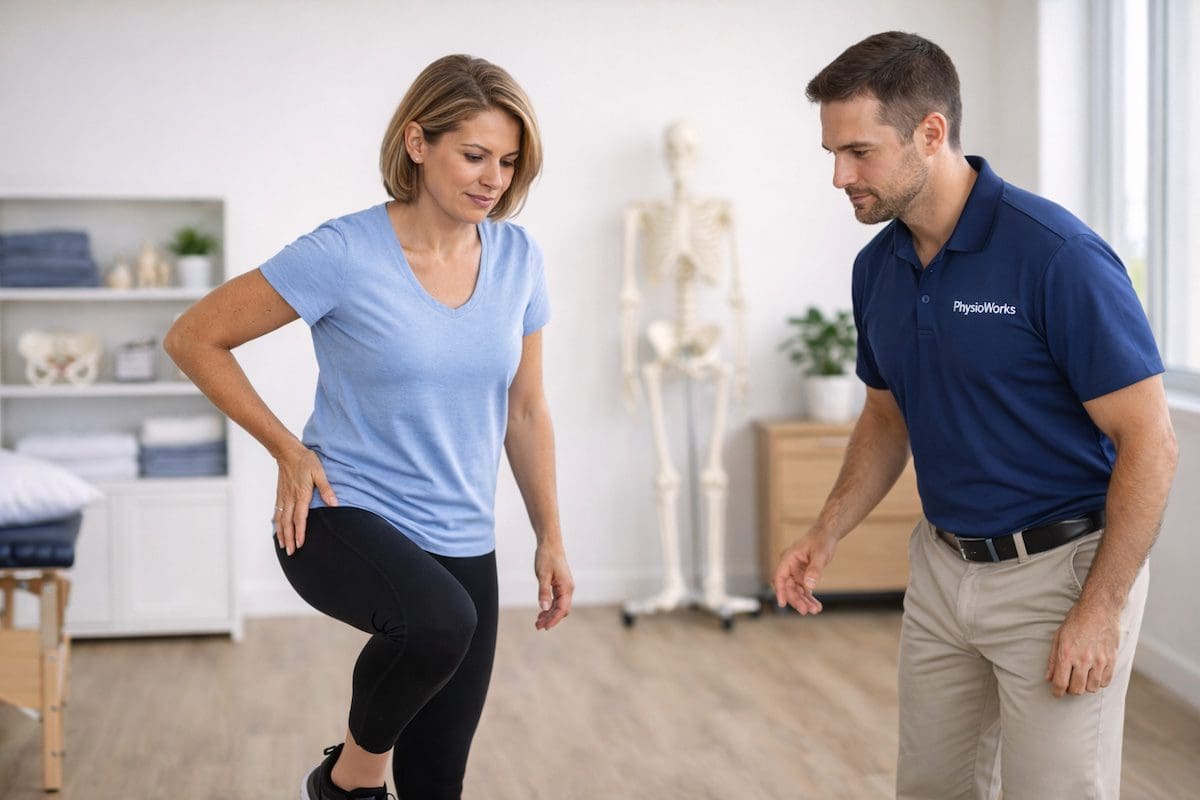
When Should You Worry About Hip Pain?
Many episodes of hip pain can be assessed routinely. However, some symptoms need more urgent medical attention.
A child with unexplained hip pain, a new limp or reluctance to walk should also receive prompt medical assessment, particularly if they cannot bear weight or appear unwell.
Should You Walk or Exercise With Hip Pain?
Complete rest is usually unnecessary for uncomplicated hip pain. Instead, modify activity so that symptoms remain manageable and do not produce a substantial or prolonged flare.
That may mean temporarily shortening walks, choosing flatter ground, reducing running volume or changing the depth and load of gym exercises.
For some forms of outer hip tendon pain, reducing compression can also help. Examples include avoiding prolonged side lying directly on the painful hip or sitting for long periods with the legs tightly crossed.
A Practical Hip Pain Plan
-
Identify the Pattern
Notice whether the pain sits mainly in the groin, outer hip, buttock or thigh and which activities bring it on.
-
Modify Clear Triggers
Temporarily adjust walking distance, hills, stairs, running, sitting or gym loading when these repeatedly aggravate symptoms.
-
Keep Useful Movement
Continue comfortable activity where possible rather than avoiding all movement.
-
Rebuild Capacity
Progress strength, walking, balance, running or sport tasks according to your symptoms and goals.
-
Arrange Assessment if Progress Stalls
Seek professional assessment when pain persists, worsens or continues to affect sleep, walking, work or sport.
How Is Hip Pain Assessed?
A physiotherapy assessment aims to identify the likely source of pain and the factors affecting your function. Depending on your symptoms and goals, assessment may include:
- hip movement and joint irritability;
- hip and trunk strength;
- walking and stair tolerance;
- squatting or single-leg control;
- lower-back movement and neurological screening where relevant;
- running or sporting tasks; and
- work or daily activities that reproduce your symptoms.
Testing should match the problem. For example, a runner may need a different assessment from someone whose main difficulty is night pain or reduced walking tolerance.
Do You Need an X-Ray, Ultrasound or MRI?
Not everyone with hip pain needs imaging. Many presentations can initially be assessed from the history, symptom behaviour and physical examination.
Imaging may become useful after significant trauma, when the clinical findings are unclear, when progress is not following the expected pattern or when symptoms raise concern about another condition.
Your GP, physiotherapist or specialist can help determine whether an X-ray, ultrasound, MRI or another investigation is appropriate.
How Can Physiotherapy Help Hip Pain?
Treatment depends on the likely diagnosis, symptom severity, functional limitations and your goals. Management may include education, activity modification, progressive exercise, strength work, mobility exercises, walking or running retraining and manual therapy when it adds useful short-term support.
A Typical Rehabilitation Progression
-
Settle Irritability and Adjust Load
Modify the activities that are clearly aggravating the hip while maintaining useful movement where possible.
-
Restore Useful Movement
Address relevant hip, trunk or walking restrictions without forcing painful movement.
-
Build Strength and Capacity
Progress hip, gluteal, hip flexor or adductor strength and functional exercise according to the diagnosis and goals.
-
Return to Normal Activity
Progress walking, work, gym, running or sport as strength, confidence and load tolerance improve.
For longer-term exercise prescription, general conditioning or health-related exercise goals, an Accredited Exercise Physiologist may also be appropriate.
What Should You Do Next?
Symptoms Settle Quickly
Keep active, reduce obvious aggravating loads and gradually return to your usual activities.
Pain Keeps Returning
An assessment can help identify whether strength, movement, training load or another factor is contributing.
Walking, Sleep or Work Is Affected
Arrange an assessment so that treatment and rehabilitation can match the likely source of your symptoms.
Choose the Right Hip Pain Guide
Use these detailed guides for more specific information.
Frequently Asked Questions About Hip Pain
What is the most common cause of hip pain?
There is no single most common cause for everyone. Groin pain may arise from the hip joint or front-of-hip structures, while outer hip pain commonly involves the gluteal tendons. Buttock pain can overlap with hip, pelvic and lower-back conditions.
How do I know if hip pain is serious?
Seek urgent medical care if you cannot bear weight, the pain followed significant trauma, the hip appears deformed, or you have a hot swollen joint with fever or significant illness. New major weakness, numbness or bladder or bowel changes also need urgent assessment.
Can hip pain come from the lower back?
Yes. The lower back can refer pain towards the buttock, outer hip, groin or thigh. An assessment may therefore examine both the hip and lower back.
Is walking good for hip pain?
Walking can be useful when it remains tolerable and does not produce a substantial or prolonged increase in symptoms. You may temporarily need shorter walks, flatter ground or a slower progression.
Should I stretch a sore hip?
It depends on the cause of the pain. Forceful stretching can aggravate some hip conditions, particularly compression-sensitive outer hip pain. Exercise should match the diagnosis and symptom response.
When should I see a physiotherapist for hip pain?
Consider assessment when hip pain keeps returning, is worsening or affects walking, stairs, sleep, work, exercise or sport.
Choose your clinic and appointment pathway
Select a PhysioWorks clinic to continue to live booking, an appointment request or reception assistance.
Hip Products
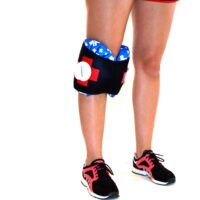
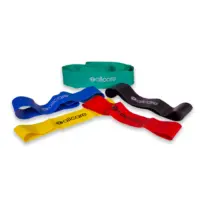
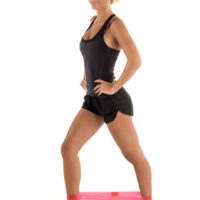
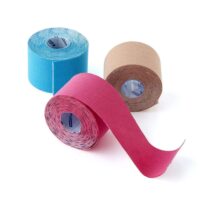
These hip products are commonly used by our physiotherapists to improve strength, posture, movement, plus assist home exercise programs.
-
-
-
 Ankle, Back, Braces & Supports, Calf, Foot, Groin, Heel, Hip, Knee, Thigh, Walking
Forearm Crutches
$64.00Select optionsQuick View -


-
-
-
-
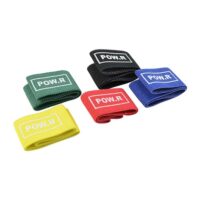 Exercise Equipment, Knee, Resistance Band
POW.R Fabric Mini Loop Bands
$12.00 – $55.00Select optionsQuick View -

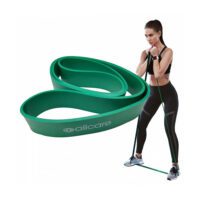 Exercise Equipment, Resistance Band
AllCare Powerloop Bands
$24.95 – $79.95Select optionsQuick View -
- Liniments & Gels, Massage Liniments, Pain Management
Fisiocrem
$16.95 – $39.95Select optionsQuick View -

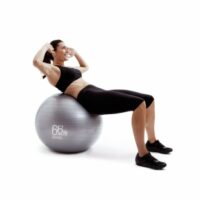 Exercise Balls, Back, Exercise Equipment, Knee, Shoulder
66fit Exercise Balls | Core & Rehab Stability Ball
$32.00 – $57.00Select optionsQuick View -

-





References
- Gibbs AJ, Gray B, Wallis JA, et al. Recommendations for the management of hip and knee osteoarthritis: a systematic review of clinical practice guidelines. Osteoarthritis Cartilage. 2023;31(10):1280–1292.
- Pasculli RM, Callahan EA, Wu J, Edralin N, Berrigan W. Non-operative management and outcomes of femoroacetabular impingement syndrome. Curr Rev Musculoskelet Med. 2023;16(10):459–469.
- Disantis A, Andrade AJ, Baillou A, et al. The 2022 International Society for Hip Preservation physiotherapy agreement on assessment and treatment of greater trochanteric pain syndrome. J Hip Preserv Surg. 2023;10(2):97–114.
- Koc TA Jr, Cibulka M, Enseki KR, et al. Hip pain and mobility deficits—hip osteoarthritis: revision 2025. J Orthop Sports Phys Ther. 2025;55(11):CPG1–CPG31.
For general Australian consumer health information, see Healthdirect: hip pain.
