What Does the ACL Do in Your Knee?
The anterior cruciate ligament, or ACL, helps stabilise your knee by limiting excessive forward movement of the shin bone and contributing to rotational control.
The anterior cruciate ligament, or ACL, helps stabilise your knee by limiting excessive forward movement of the shin bone and contributing to rotational control.


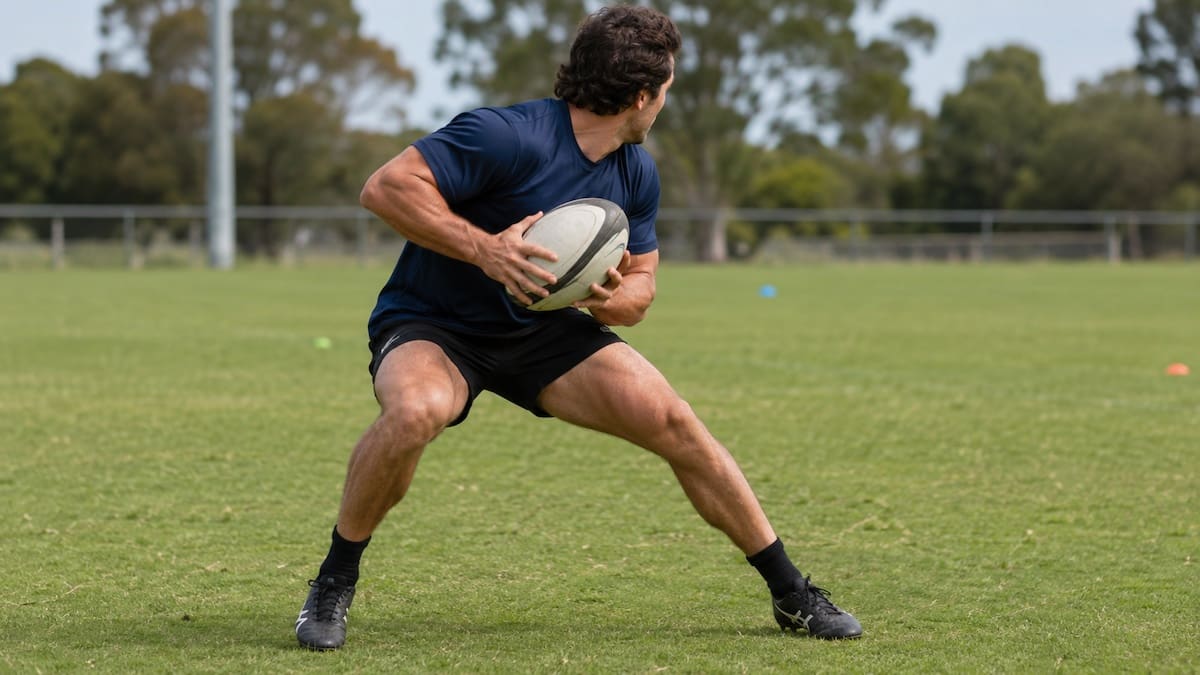
The ACL is one of the major ligaments inside the knee. It works with the surrounding ligaments, muscles, menisci and joint surfaces to help keep the knee controlled during daily activities and sport.
When the ACL is injured, the knee may feel unstable or give way during twisting, landing or sudden directional changes. For a broader explanation of symptoms, assessment and management, see our ACL injury guide.
The ACL runs diagonally through the centre of the knee and connects the femur to the tibia. Its primary mechanical role is to resist excessive forward movement of the tibia relative to the femur.
The ligament also contributes to rotational stability. This role becomes particularly important when your foot remains planted while your body turns, slows down or changes direction.
Forward control
The ACL limits excessive forward sliding of the tibia beneath the femur.
Rotational control
It contributes to knee control during twisting, pivoting and rapid changes of direction.
Movement stability
A functioning ACL helps the knee remain controlled during walking, running, landing and sport.
The ACL experiences greater demands during movements that combine speed, deceleration, rotation and a planted foot.
These movements commonly include:
Football, rugby, netball, basketball and skiing often involve these movement demands. However, ACL function also matters when turning quickly, stepping off a kerb, carrying a load or walking on uneven ground.
No. The ACL forms part of a larger knee-stability system. It works with the muscles around the hip, thigh and lower leg, as well as the joint capsule, menisci and other major knee ligaments.
These ligaments include the:
Together, these structures help maintain knee alignment, guide movement and manage forces travelling through the joint.
An ACL tear may reduce the knee’s ability to control forward and rotational movement. Some people notice instability during sport, while others experience giving-way episodes during daily activities.
Possible features of an ACL injury include:
These symptoms do not confirm an ACL tear on their own. A clinical assessment can examine the injury mechanism, swelling, movement, ligament stability and functional capacity. Read more about the symptoms of an ACL tear.
Structured rehabilitation can improve strength, movement control, balance, landing technique and confidence. These changes may help some people return to valued activities without repeated instability.
Rehabilitation commonly addresses:
Management decisions vary between people. Some people manage successfully with rehabilitation, while others may consider ACL reconstruction because of repeated instability, associated knee injuries, occupational demands, sporting goals or personal preferences.
Learn more about ACL treatment and rehabilitation options.
A knee that repeatedly gives way may place additional stress on the menisci and joint surfaces. Ongoing instability should therefore be assessed, particularly when it limits work, exercise or sport.
An assessment can help determine whether the symptoms relate to ACL instability, another knee injury or a combination of problems. It can also guide activity modification and the next stage of rehabilitation or medical review.
Consider a physiotherapy assessment if your knee feels unstable after a twisting or landing injury. Your physiotherapist can examine ligament stability, movement, strength and functional tasks before discussing suitable management options.
Early advice may also help you protect the knee, manage swelling and begin appropriate rehabilitation while the diagnosis and longer-term plan become clearer.
Select a PhysioWorks clinic to continue to live booking, an appointment request or reception assistance.
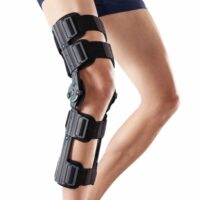
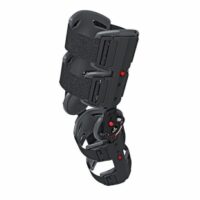
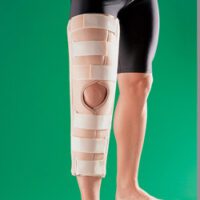
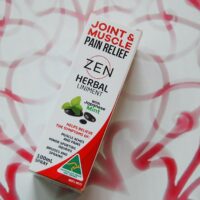
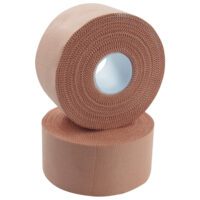
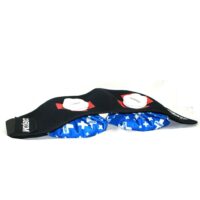
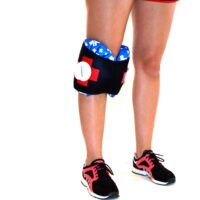
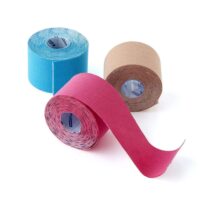
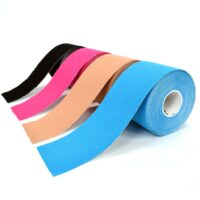
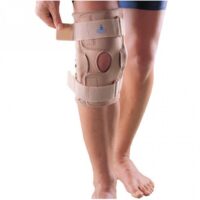
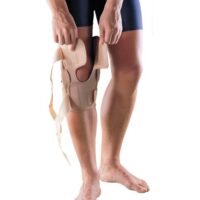
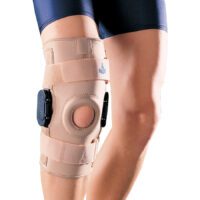
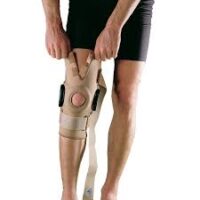
These ACL knee support products are commonly used by our physiotherapists to help reduce strain, improve stability, and support your ACL recovery at home.



The ACL’s primary mechanical function is to limit excessive forward movement of the tibia relative to the femur. It also contributes to rotational knee control.
The ACL contributes to rotational control, particularly when the foot is planted and the body pivots, lands or changes direction. Other ligaments, muscles and joint structures also help control rotation.
Some people can walk after an ACL tear, especially once pain and swelling settle. However, walking ability does not rule out an ACL injury, and the knee may remain unstable during turning, sport or uneven-ground activities.
Giving way can occur when the knee cannot adequately control forward or rotational movement during a demanding task. Pain, swelling, muscle inhibition and associated knee injuries may also contribute.
Some people regain good strength, control and function through structured rehabilitation without surgery. Suitability depends on instability, associated injuries, activity demands and personal goals.
Arrange an assessment after a twisting or landing injury if the knee swells rapidly, loses movement, feels unstable, repeatedly gives way or prevents you from returning to normal activity.