
Pinched Nerve



Assessment helps identify the irritated nerve pathway.
A pinched nerve occurs when surrounding tissue irritates or compresses a nerve. It may cause pain, tingling, numbness, burning, or weakness along the nerve pathway. Common sites include the neck, lower back, wrist, elbow, ankle, and foot.
A physiotherapist can assess which nerve appears irritated, where symptoms may be coming from, and which treatment options may help reduce irritation, improve movement, and support your return to normal activity.
For broader information about nerve-related symptoms, see our Nerve Pain page. If symptoms involve the spine, our Back Pain, Neck Pain, and Spinal Pain sections may also help.
Pinched Nerve Quick Summary
- Common symptoms include pain, tingling, numbness, burning, or weakness.
- Symptoms often follow a nerve pathway into the arm, hand, leg, or foot.
- Common causes include disc changes, joint narrowing, swelling, or tunnel compression.
- Physiotherapy may help by improving movement, strength, posture, and activity tolerance.
- Progressive weakness, bladder or bowel changes, or groin numbness need urgent care.
What Is a Pinched Nerve?
Pinched nerve is a common term for nerve compression or nerve irritation. It happens when nearby tissues place pressure on a nerve and disturb its normal function. This may create symptoms near the compression site or further along the nerve pathway.
The term can apply to spinal nerve roots, such as those affected by sciatica or cervical radiculopathy. It can also apply to peripheral nerve entrapments, such as carpal tunnel syndrome.
How Does a Pinched Nerve Happen?
A pinched nerve can develop when discs, joints, ligaments, muscles, swelling, or surrounding tunnels reduce the available space around a nerve. This can happen in the spine or in peripheral tunnels such as the carpal tunnel at the wrist.
Once a nerve becomes compressed or irritated, the signal travelling along that nerve may be disrupted. As a result, you may notice altered sensation, pain, weakness, reduced reflexes, or changes in how the affected limb functions.
Common Locations for a Pinched Nerve
Lower Back and Sciatic Nerve
In the lower back, a lumbar disc bulge, joint arthritic change, or swelling around the nerve can narrow the space where the nerve exits. This may irritate the sciatic nerve and cause leg pain, often called sciatica. Symptoms can travel from the buttock into the leg and sometimes the foot.
Neck and Cervical Radiculopathy
In the neck, a pinched nerve is often called cervical radiculopathy. Changes in the discs or joints can compress a nerve root as it leaves the spinal canal. This may cause neck pain, shoulder pain, or arm symptoms such as tingling, numbness, or weakness. Sometimes these symptoms can be confused with carpal tunnel syndrome or tennis elbow.
Spinal Canal Narrowing
Inside the spinal canal, nerve compression can occur due to a disc bulge, spinal stenosis, ligament thickening, or other space-occupying changes. This can lead to back or neck pain, arm or leg symptoms, and reduced walking tolerance.
Peripheral Nerve Entrapments
Nerves can also be compressed in smaller tunnels away from the spine. Common examples include carpal tunnel syndrome at the wrist and nerve irritation around the elbow, ankle, or foot.
If your symptoms relate to prolonged sitting, computer work, or repeated positions, our Posture information may also help.
What Does a Pinched Nerve Feel Like?
A pinched nerve often feels like sharp, burning, electric, or shooting pain with tingling or numbness. Some people also notice weakness, reduced grip, heaviness, or symptoms that spread along a clear line into the arm, hand, leg, or foot.
Common pinched nerve symptoms include:
- Sharp, aching, burning, or electric-type nerve pain
- Tingling or pins and needles
- Numbness or altered skin sensation
- Muscle weakness in the affected limb
- Reduced reflexes
- Symptoms that worsen with certain neck, back, arm, or leg positions
Sometimes symptoms come and go. In other cases, they build gradually with prolonged sitting, lifting, repetitive work, or overhead activity.
Common Causes of a Pinched Nerve
Common causes of a pinched nerve include disc changes, joint narrowing, swelling, soft tissue irritation, and repetitive loading. The cause matters because a spinal nerve root problem may need a different treatment plan from a peripheral nerve entrapment.
- Disc changes in the neck or lower back
- Joint arthritic changes narrowing the nerve space
- Ligament or soft tissue swelling after injury
- Repetitive movements or sustained postures at work
- Pregnancy-related fluid changes in some cases
- Trauma such as falls or car accidents
Physical activity levels, body weight, muscle conditioning, and workplace ergonomics can also influence how much load your spine and peripheral nerves need to manage.

Nerve testing can clarify symptom behaviour.
How Is a Pinched Nerve Diagnosed?
A pinched nerve is usually assessed through your symptom history, movement testing, and neurological checks. Your physiotherapist or doctor will look for patterns in pain, sensation, strength, reflexes, and positions that either ease or worsen symptoms.
The examination may include:
- Posture and movement assessment
- Neurological testing, including strength, sensation, and reflexes
- Spinal and limb movement tests that load the suspected nerve
- Screening for signs that may need medical review
In some cases, imaging or nerve tests may be recommended. These can include X-ray, MRI, CT scan, or nerve conduction studies. Your healthcare team will usually request these when results are likely to change your management plan.
Physiotherapy Treatment for a Pinched Nerve
Physiotherapy treatment for a pinched nerve aims to reduce nerve irritation, improve movement, and support your return to normal daily activity, work, or sport. Treatment is tailored to your symptoms, irritability, strength, mobility, and goals.
Treatment may include:
- Education about your condition and symptom behaviour
- Gentle spinal and limb exercises to improve nerve mobility
- Joint and soft tissue techniques to reduce local stiffness or muscle guarding
- Posture and ergonomic advice for work and home
- Strengthening exercises to support the neck, back, and limb muscles
- Activity modification and pacing strategies
Where appropriate, your physiotherapist may also discuss heat, ice, or a home TENS machine as part of a broader pain management plan.
If symptoms are not improving as expected, your physiotherapist may liaise with your GP or other health professionals to discuss further investigations or medical options.
Can Physiotherapy Help a Pinched Nerve?
Physiotherapy may help a pinched nerve by reducing mechanical irritation, improving movement options, and building strength around the affected area. Your program may include nerve mobility exercises, spinal or limb movement work, pacing advice, and gradual return to normal tasks.
What Helps a Pinched Nerve Settle?
- Keep moving gently within tolerable limits.
- Avoid positions that clearly worsen nerve symptoms.
- Use short movement breaks during sitting or desk work.
- Follow your prescribed strength and mobility program.
- Seek review if symptoms spread, worsen, or include weakness.
Self-Care and Prevention Tips
Many people find that small changes to posture, work setup, and daily activity can reduce nerve irritation. Helpful strategies may include:
- Changing your sitting and standing position regularly
- Using supportive work or home setups based on our Posture guidelines
- Staying active with walking or low-impact exercise as tolerated
- Following your physiotherapist’s home exercise program
- Breaking up repetitive or sustained tasks with short movement breaks
Your physiotherapist can design a program that matches your condition, fitness level, work demands, and goals.
When Is a Pinched Nerve an Emergency?
A pinched nerve needs urgent medical care when symptoms suggest serious nerve compromise. Seek immediate help if you notice progressive weakness, bladder or bowel changes, numbness around the groin, difficulty walking, or severe pain that is rapidly worsening.
Seek urgent care if you notice:
- Sudden or progressive weakness in your arm or leg
- Difficulty walking or frequent tripping
- Loss of bladder or bowel control
- Numbness around the groin or inner thigh region
- Severe, rapidly worsening pain
These symptoms may suggest more serious nerve compromise and need immediate medical assessment.
Common Questions About Pinched Nerves
How do I know if I have a pinched nerve?
A pinched nerve may cause sharp pain, tingling, numbness, burning, or weakness along the nerve pathway. A physiotherapist can assess your neck, back, or limb symptoms and explain the most likely source.
Can a pinched nerve heal on its own?
Some pinched nerves improve as swelling settles and movement improves. However, if symptoms persist, return often, or worsen, a physiotherapist or doctor should assess you and guide the next steps.
How long does a pinched nerve take to recover?
Recovery can range from a few weeks to several months depending on the cause, severity, and how long the nerve has been irritated. A structured exercise and activity plan can support recovery.
Do I always need surgery for a pinched nerve?
No. Many people improve with non-surgical care such as physiotherapy, medication, and activity changes. Surgery is usually considered only when conservative care has not helped or when there are significant neurological changes.
What should I avoid with a pinched nerve?
Avoid repeatedly provoking symptoms, pushing through worsening weakness, or staying in one position for long periods. Your physiotherapist can help you adjust movement, work setup, and exercise loads safely.
When is a pinched nerve an emergency?
Seek urgent medical care if you notice bladder or bowel changes, severe or progressive weakness, numbness in the groin region, or rapidly worsening pain.

Many people return to normal activity with guided care.
What Should You Do Now?
If you suspect a pinched nerve, early assessment can help you identify the likely cause of your symptoms and plan a safe return to activity. Your physiotherapist can examine your neck, back, and limbs, discuss your goals, and recommend treatment options that suit your situation.
To arrange a thorough assessment, please contact our clinic or book an appointment with a physiotherapist online.
Choose your clinic and appointment pathway
Select a PhysioWorks clinic to continue to live booking, an appointment request or reception assistance.
Related Products
Some people find that home supports, braces, or pain-relief devices can complement their physiotherapy program. Your physiotherapist can explain which products, if any, may suit your condition.
Pain Products
These pain products are commonly used by our physiotherapists to provide comfort and pain relief.
-
-


-

 Exercise Equipment, Resistance Band
AllCare Powerloop Bands
$24.95 – $79.95Select optionsQuick View -


-
-


-


- Liniments & Gels, Massage Liniments, Pain Management
Fisiocrem
$16.95 – $39.95Select optionsQuick View -

-
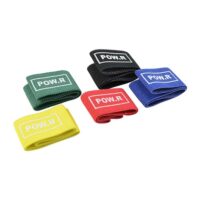 Exercise Equipment, Knee, Resistance Band
POW.R Fabric Mini Loop Bands
$12.00 – $55.00Select optionsQuick View -


-
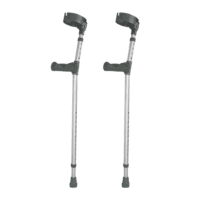 Ankle, Back, Braces & Supports, Calf, Foot, Groin, Heel, Hip, Knee, Thigh, Walking
Forearm Crutches
$64.00Select optionsQuick View -


-








References
- Symanski JS, Isaac Z, Shin AY, Bodner G, Fessell DP. US for Traumatic Nerve Injury, Entrapment Neuropathy, and Imaging for Perineural Injections. Radiographics. 2022;42(5):1436-1454.
- Mallard F, Wong JJ, Lemeunier N, Côté P. Effectiveness of Multimodal Rehabilitation Interventions for Management of Cervical Radiculopathy in Adults: An Updated Systematic Review from the Ontario Protocol for Traffic Injury Management (OPTIMa) Collaboration. J Rehabil Med. 2022;54:jrm00318.
- Davis D, Vasudevan A. Sciatica. StatPearls. Updated 2024.
- Kumar S, Sharma V, Chhabra A. Nerve Entrapment Syndromes of the Lower Limb: A Pictorial Review. Insights Imaging. 2023;14(1):166.
- Australian Commission on Safety and Quality in Health Care. Low Back Pain Clinical Care Standard. 2022.
Final rating after fixes: 10/10