
Greater Trochanteric Pain Syndrome (GTPS)


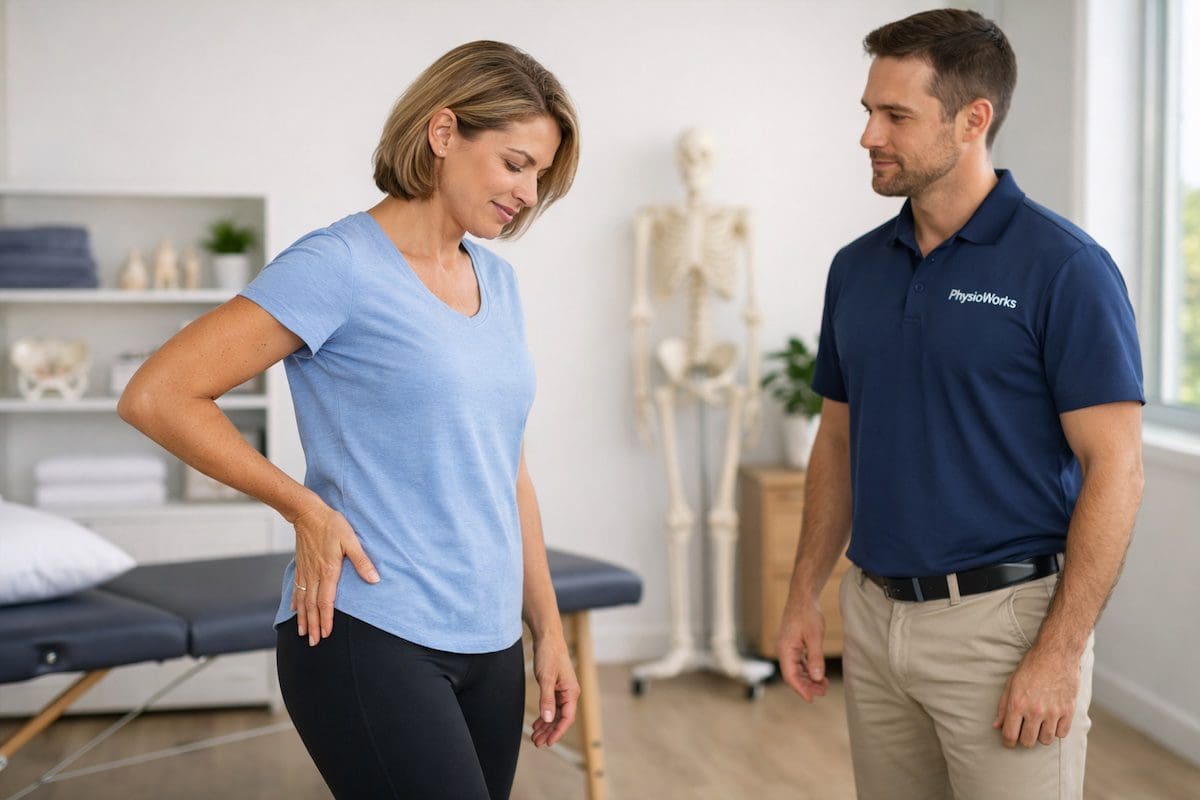
Greater trochanteric pain syndrome, lateral hip pain, gluteal tendinopathy, outer hip pain.
Greater trochanteric pain syndrome (GTPS) is a common cause of lateral hip pain. Pain usually sits over the bony point on the outside of the hip, called the greater trochanter. It often feels worse with walking, stairs, standing on one leg, or lying on one side.
Many people call this problem trochanteric bursitis. However, many cases involve gluteal tendinopathy. This means the outer hip tendons have lost some tolerance to load and compression.
GTPS can also overlap with hip arthritis, lower back pain, or sciatica. A clear assessment helps identify whether pain mainly comes from the hip tendons, hip joint, bursa, or spine.
Greater Trochanteric Pain Syndrome Quick Guide
- Common pain area: outside of the hip, sometimes into the buttock or outer thigh.
- Common triggers: side-lying, stairs, hills, walking, running, and standing on one leg.
- Common driver: gluteal tendon overload and compression around the greater trochanter.
- Helpful first step: reduce compression, adjust activity, and build hip strength gradually.
What Causes Greater Trochanteric Pain Syndrome?
GTPS usually develops when the outer hip gets more load or compression than it can handle. It may start after a fall. More often, it builds slowly after a change in walking, running, work, sleep, or training load.
Common contributors include:
- standing with weight hanging into one hip
- sleeping on the painful side
- sleeping with the top knee crossing the body
- a sudden increase in hills, stairs, walking, or running
- reduced hip abductor strength or endurance
- changes in gait, footwear, training surface, or exercise volume
- a direct fall onto the outside of the hip
Symptoms of Greater Trochanteric Pain Syndrome
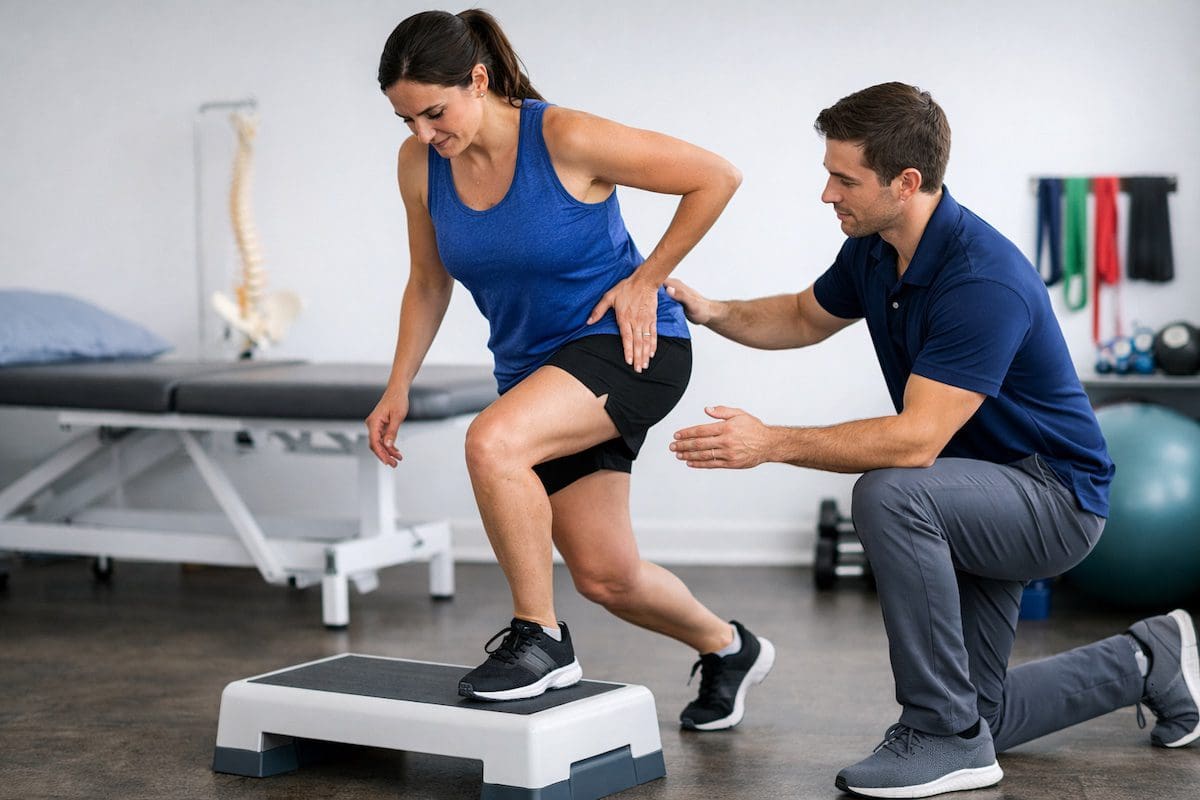
GTPS usually causes pain over the outside of the hip. Pain may spread into the buttock or outer thigh. It often feels worse when the hip is compressed or loaded for too long.
Common symptoms include:
- pain over the outside of the hip
- pain when lying on the affected side
- pain with stairs, hills, or longer walks
- pain standing on one leg, such as when dressing
- pain getting out of a car or rising from a low chair
- tenderness over the greater trochanter
Why Does GTPS Hurt at Night?
GTPS often hurts at night because side-lying compresses the outer hip. The top leg may also roll across the body, which adds more tendon compression.
Try sleeping on the other side with a pillow between your knees. You can also lie on your back with pillows under your knees. These changes may reduce hip pressure while you build strength.
How Is GTPS Diagnosed?
A physiotherapist assesses your hip movement, strength, tendon load tolerance, walking pattern, and pain behaviour. They may also check your pelvis and lower back because back pain can refer to the outside of the hip.
Ultrasound or MRI may help when symptoms persist, the diagnosis is unclear, or progress stalls. Imaging needs clinical context, because tendon and bursa changes can also appear in people with few symptoms.
GTPS, Gluteal Tendinopathy and Bursitis: What Is the Difference?
GTPS is an umbrella term for pain around the greater trochanter. It can include gluteal tendon pain, bursal irritation, or nearby soft tissue sensitivity.
Gluteal tendinopathy means the gluteus medius or gluteus minimus tendons have reduced load tolerance. Trochanteric bursitis means the bursa near the greater trochanter is irritated. Many people have a mix of these features.
What Should You Change First?
Small changes can reduce compression while your hip builds capacity. You usually do not need complete rest. However, you may need to reduce the activities that keep flaring the tendon.
- If side-lying hurts: use a pillow between your knees or sleep on your back.
- If hills hurt: choose flatter walks for a short time, then rebuild hills gradually.
- If stairs flare pain: reduce repeated stair loads and use the handrail for support.
- If running triggers pain: reduce volume, avoid cambered roads, and consider running analysis if symptoms keep returning.
Treatment Options for GTPS
Physiotherapy for GTPS aims to reduce pain, improve hip capacity, and restore confident movement. Your plan should match your pain level, strength, goals, and activity demands.
Phase 1: Settle Symptoms and Reduce Compression
Your physiotherapist may help you adjust side-lying, sitting, standing, walking, and training habits. Early exercise often starts with low-irritation hip loading, gentle control drills, or short frequent walks.
Phase 2: Build Strength and Control
Once pain is calmer, the program usually builds hip abductor strength, pelvic control, and endurance. Exercise may progress from controlled ranges into longer walks, stairs, hills, or gym-based strength work.
Phase 3: Return to Walking, Running, Hills or Sport
Later rehab prepares your hip for daily life, work, or sport. This may include graded stairs, hill walking, running progressions, balance tasks, and hip stabilisation exercises.
If symptoms remain stubborn, your physiotherapist may discuss other pathways. These may include shockwave therapy or guided injection options. Education and progressive exercise still form the usual base of care.
Helpful Self-Management Tips
These steps may help reduce flare-ups while you rebuild strength:
- avoid crossing your legs when sitting
- avoid leaning into one hip when standing
- use a pillow between your knees when side-sleeping
- reduce hills and stairs for a short time
- reintroduce hills and stairs gradually
- keep walking short and frequent during a flare
- avoid sudden jumps in running distance, speed, hills, or gym load
For general hip pain information and when to seek medical care, MedlinePlus provides a useful public health overview of hip pain.
Can You Keep Walking With GTPS?
Many people can keep walking with GTPS if symptoms stay mild and settle quickly. Shorter, flatter walks often work better than long walks, hills, or repeated stairs during a flare.
If pain builds during the walk, changes your gait, or stays worse the next day, reduce the load and rebuild more gradually.
Related Hip and Leg Pain Conditions
GTPS can sit alongside other hip, back, and leg pain conditions. These pages may help you understand nearby pain sources:
- Gluteal tendinopathy
- Trochanteric bursitis
- Hip arthritis
- Hip labral tear
- Piriformis syndrome
- Sciatica
Frequently Asked Questions About GTPS
What causes greater trochanteric pain syndrome?
GTPS often develops when the outer hip tendons and nearby tissues get more load or compression than they can handle. Common triggers include hills, stairs, side-lying, running changes, and standing on one leg.
Is GTPS the same as trochanteric bursitis?
No. GTPS is a broader term for outer hip pain near the greater trochanter. Trochanteric bursitis can be part of the problem, but many cases involve gluteal tendon overload.
Why does GTPS hurt when I lie on my side?
Side-lying can compress the outer hip. A pillow between your knees, sleeping on the other side, or lying on your back may reduce pressure and help night pain settle.
Which exercises may help GTPS?
Many people start with low-pain hip abductor and pelvic control exercises. Later, rehab may include side-stepping, step work, loaded strength training, and walking or running progressions.
How long does GTPS take to improve?
Timeframes vary. Many people improve over weeks to months when they reduce compression, build hip strength, and increase walking, stairs, hills, or running gradually.
When should I seek help for outer hip pain?
Consider physiotherapy assessment if outer hip pain affects sleep, walking, stairs, work, exercise, or confidence. Seek medical care sooner after a significant fall, if you cannot weight-bear, or if you feel unwell.
What to Do Next
If outer hip pain affects your sleep, walking, stairs, running, or confidence, a physiotherapy assessment can help clarify the main driver and map out a practical plan.
You will usually get steadier results when you combine load changes with progressive strengthening. Book an appointment if you would like a clear diagnosis, exercise plan, and return-to-activity pathway.
Choose your clinic and appointment pathway
Select a PhysioWorks clinic to continue to live booking, an appointment request or reception assistance.
Hip Products
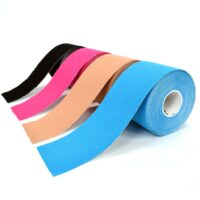
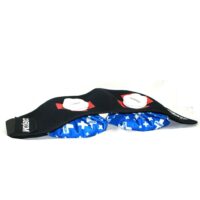
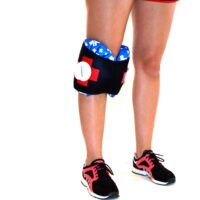
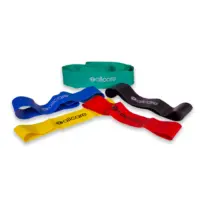
These hip products are commonly used by our physiotherapists to improve strength, posture, movement, plus assist home exercise programs.
-
-
-
-
-
-

- Liniments & Gels, Massage Liniments, Pain Management
Fisiocrem
$16.95 – $39.95Select optionsQuick View -
-
-

-
 Ankle, Back, Braces & Supports, Calf, Foot, Groin, Heel, Hip, Knee, Thigh, Walking
Forearm Crutches
$64.00Select optionsQuick View -
 Exercise Equipment, Resistance Band
AllCare Powerloop Bands
$24.95 – $79.95Select optionsQuick View -
 Exercise Equipment, Knee, Resistance Band
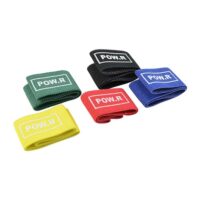
POW.R Fabric Mini Loop Bands
$12.00 – $55.00Select optionsQuick View -
 Exercise Balls, Back, Exercise Equipment, Knee, Shoulder
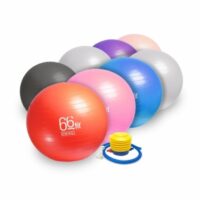
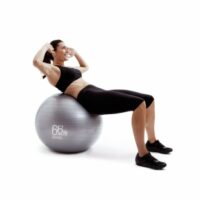
66fit Exercise Balls | Core & Rehab Stability Ball
$32.00 – $57.00Select optionsQuick View





References
- Fearon AM. Physiotherapy management of gluteal tendinopathy. J Physiother. 2025;71(2):81-90. doi:10.1016/j.jphys.2025.03.005.
- Kinsella R, Semciw AI, Hawke LJ, et al. Diagnostic accuracy of clinical tests for assessing greater trochanteric pain syndrome: a systematic review with meta-analysis. J Orthop Sports Phys Ther. 2024;54(1):26-49. doi:10.2519/jospt.2023.11890.
- Harding D, Cameron L, Monga A, Winter S. Is shockwave therapy effective in the management of greater trochanteric pain syndrome? A systematic review and meta-analysis. Musculoskeletal Care. 2024;22(2):e1892. doi:10.1002/msc.1892.
- Disantis AE, Martin RRL. Classification-based treatment of greater trochanteric pain syndrome with integration of the movement system. Int J Sports Phys Ther. 2022;17(3):508-518. doi:10.26603/001c.32981.
- He Y, Lin Y, He X, Li C, Lu Q, He J, et al. The conservative management for improving Visual Analog Scale (VAS) pain scoring in greater trochanteric pain syndrome: a Bayesian analysis. BMC Musculoskelet Disord. 2023;24:423. doi:10.1186/s12891-023-06443-5.
