

Common sports injuries usually happen when training loads rise faster than your body can adapt, or when you take an awkward landing, twist, or collision. Many issues settle well with the right plan, and early decisions often shape how quickly you return to sport. For broader guidance, start with our Sports Injuries hub.
Even so, some symptoms need faster assessment. Ongoing swelling, sudden loss of function, or pain that fails to improve can point to a more serious injury.

The most common sports injuries include ankle sprains, muscle strains, tendon pain (tendinopathy), knee injuries (such as meniscus or ligament injuries), and fractures after a fall or impact. Many injuries improve with staged loading, movement retraining, and sport-specific conditioning. However, severe swelling, inability to weight-bear, deformity, or symptoms that worsen over 48–72 hours need assessment. See our Sports Injuries hub for injury-specific guides and return-to-sport steps.
Sports injuries often come from a mix of load, technique, and recovery. Most problems are not “bad luck”. Instead, they build when your tissues get stressed repeatedly without enough time, strength, or control to cope.
While every sport has its patterns, these injuries show up across running, field sports, court sports, gym training, and weekend activities.
Australian national data helps explain why ankle, knee, muscle and fracture injuries show up so often in sport.
If you want the full national breakdown, see the Australian Institute of Health and Welfare report: Sports injury in Australia.
Some soreness after training is normal, especially when you start a new program. On the other hand, certain symptoms point to a more significant injury.
Usually OK to monitor (if improving): mild soreness, stiffness that eases after warming up, or ache that settles within 24–48 hours.
Consider assessment sooner if you have:
Early care aims to protect the injury and keep you moving safely. Try these steps, then adjust based on how the area responds.
If you are unsure what to do early on, see our guide to acute soft tissue injury care.
A physiotherapist can help you confirm the likely diagnosis, reduce flare-ups, and rebuild capacity for your sport. Importantly, the plan should match your sport, position, and goals.
If you want a dedicated overview, visit Sports Injury Physiotherapy.
If your symptoms improve day by day, you can usually keep training with smart modifications while you rebuild capacity. However, if you have swelling, instability, sharp pain, or a clear drop in function, an assessment can clarify what’s injured and what steps suit you. Early direction often prevents weeks of stop-start training.
Select a PhysioWorks clinic to continue to live booking, an appointment request or reception assistance.
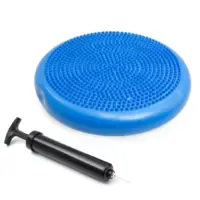
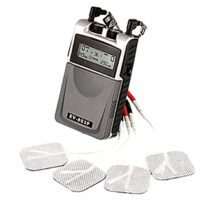
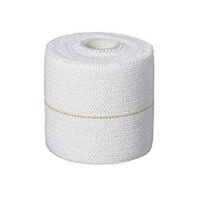
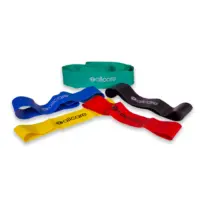
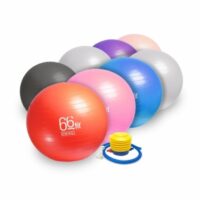
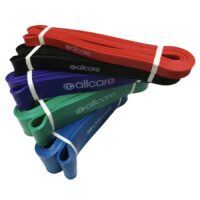
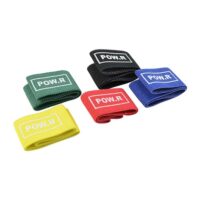
These muscle and soft tissue products are commonly used by our physiotherapists to relax or loosen muscles, improve strength, comfort, flexibility, and home exercise programs.






Australian Institute of Health and Welfare. Sports injury in Australia. Canberra: AIHW; 2025. Available from: https://www.aihw.gov.au/reports/sports-injury/sports-injury-in-australia
Zhang ZX, Lai J, Shen L, et al. Effectiveness of exercise-based sports injury prevention programmes in reducing injury rates in adolescents and their implementation in the community: a mixed-methods systematic review. Br J Sports Med. 2024;58(12):674-684. Available from: https://pubmed.ncbi.nlm.nih.gov/38749672/
Lutz D, Van Den Berg C, Räisänen AM, et al. Best practices for the dissemination and implementation of neuromuscular training injury prevention warm-ups in youth team sport: a systematic review. Br J Sports Med. 2024;58(11):615-625. Available from: https://pubmed.ncbi.nlm.nih.gov/38684329/
For research summaries and management pathways, visit our main condition hub: Sports Injuries