
ACL Injury Prevention


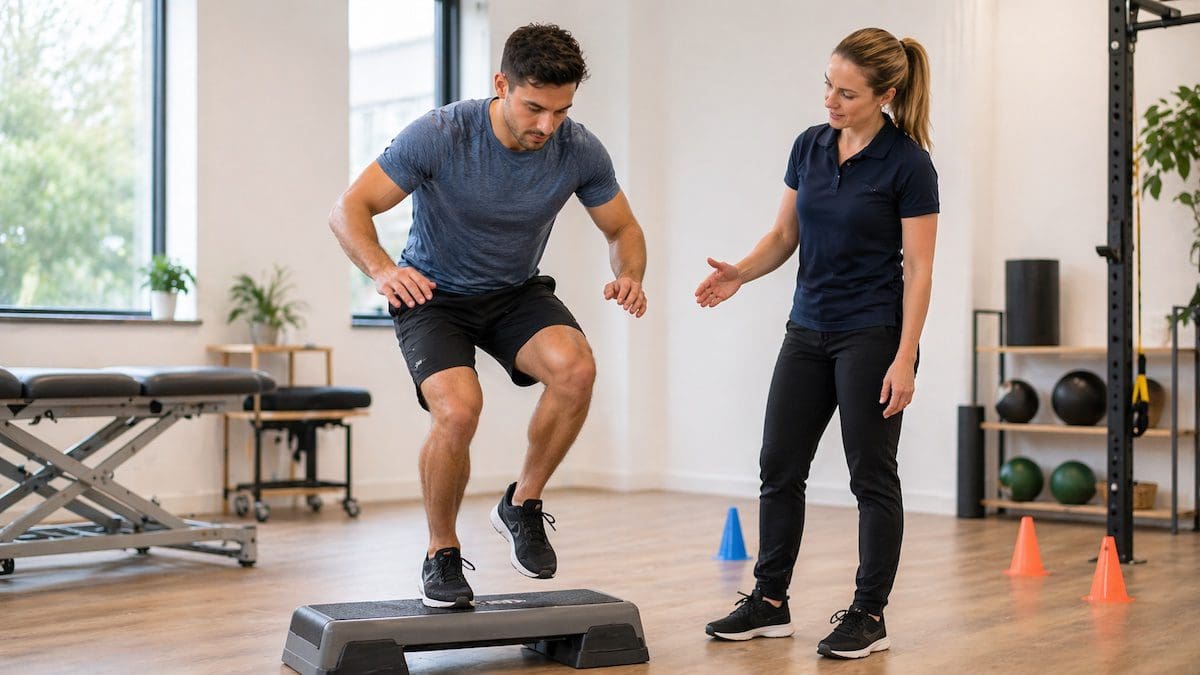
Landing control helps reduce ACL injury risk.
How Can You Prevent an ACL Injury?
ACL injury prevention uses strength, balance, landing control, and movement coaching to reduce knee stress during pivoting, jumping, and rapid direction changes. For a broader overview of knee conditions and treatment pathways, see our Knee Pain guide.
ACL injuries cannot be prevented completely. However, structured prevention training may reduce risk by improving how the hip, knee, ankle, and trunk control sport movements. It may also help athletes move with more confidence during training and competition.
Quick answer: ACL prevention works best when athletes practise strength, landing, cutting, balance, and fatigue-resistant control regularly.
Best timing: Start before pre-season, then keep a short program running through the season.
Why Is ACL Injury Prevention Important?
The anterior cruciate ligament helps stabilise the knee during landing, pivoting, stopping, and rapid deceleration. These movements are common in football, netball, basketball, rugby, skiing, volleyball, and gymnastics.
An ACL injury can mean a long period away from sport. Some athletes need surgery, while others follow a non-surgical rehabilitation pathway. Either way, recovery usually needs months of structured strength, balance, and return-to-sport work. Prevention training aims to reduce the chance of injury before that pathway is needed.
Who Has a Higher Risk of ACL Injury?
Athletes in sports with repeated jumping, landing, cutting, and direction changes carry higher ACL injury risk. Risk can also rise when strength, balance, movement control, or technique does not match sport demands.
- Football, AFL, rugby, and touch football players
- Netball, basketball, and volleyball athletes
- Gymnasts, skiers, and athletes in jump-dominant sports
- Athletes returning after knee, hip, ankle, or lower-limb injury
- Players increasing training load after a break
Female athletes often report higher ACL injury rates. This may relate to several factors, including hip strength, trunk control, landing strategy, knee alignment, ligament laxity, sport exposure, and hormonal influences.
What Movements Commonly Cause ACL Injuries?
Most ACL injuries are non-contact injuries. They often happen when an athlete plants the foot, twists, lands awkwardly, or slows down suddenly while the knee is under load.
- Planting the foot and pivoting sharply
- Landing with poor hip, knee, or ankle control
- Decelerating quickly before changing direction
- Twisting while the knee is slightly bent
- Trying to recover balance while the knee collapses inward
These movements can place high rotational or valgus load on the knee. A good prevention program improves control during the same sport actions that commonly stress the ACL. It should also sit within broader sports knee injury management planning.
ACL Prevention Program Snapshot
| Goal | Improve knee control during landing, cutting, deceleration, and sport fatigue. |
| Best start time | Pre-season, then continue with short sessions during the season. |
| Key areas | Strength, balance, plyometrics, landing, agility, cutting, and trunk control. |
| Useful for | Field, court, snow, and jumping sports. |
What Should an ACL Prevention Program Include?
An effective ACL prevention program combines strength, balance, movement quality, agility, and sport-specific technique. The goal is to improve control during the exact tasks that place the knee under the most stress.
- Strength training for the glutes, hamstrings, quadriceps, calves, and trunk
- Movement control for hip, knee, and ankle alignment during single-leg tasks
- Plyometric training with controlled jumping, hopping, and landing drills
- Balance training to improve proprioception and lower-limb coordination
- Agility and cutting drills to improve direction-change control
- Fatigue-resistant technique to maintain control late in games and sessions
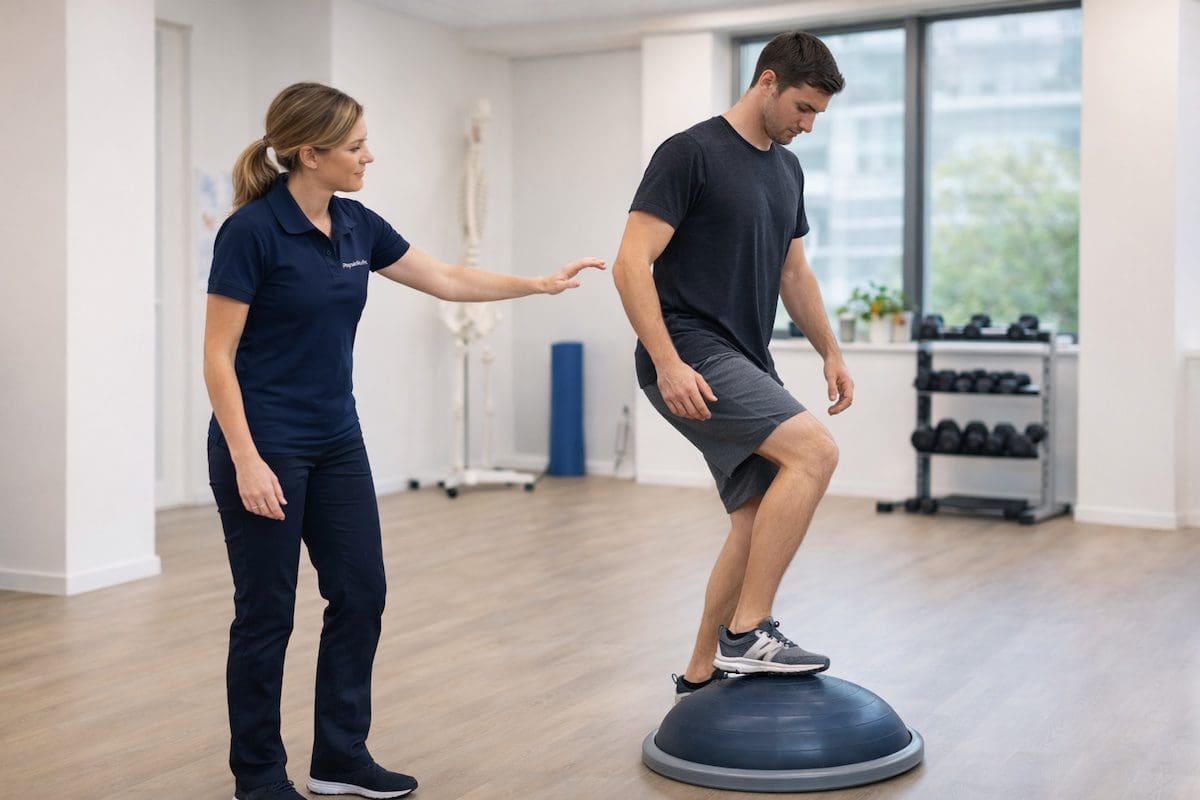
Many teams build these elements into warm-up routines and weekly training as part of structured sports injury prevention programs. Programs such as the FIFA 11+ are widely used internationally.
How Often Should You Do ACL Prevention Exercises?
Most athletes need repeated practice for prevention training to help. Short sessions done consistently usually work better than a long program that gets dropped after a few weeks.
| Training phase | Typical focus | Practical dose |
|---|---|---|
| Pre-season | Build strength, landing skill, and cutting control. | 2–3 short sessions each week. |
| In-season | Maintain control and warm-up quality. | Brief warm-up blocks before training and games. |
| Return after injury | Restore confidence, symmetry, strength, and sport control. | Individual program based on assessment findings. |
Can ACL Injuries Be Prevented Completely?
No. ACL injuries cannot be prevented completely. A structured prevention program may reduce risk by improving strength, landing control, balance, and cutting technique. The aim is to lower knee stress during high-risk sport movements, not promise a guaranteed outcome.
This matters because injury risk is influenced by many factors, including fatigue, previous injury, training loads, playing surface, sport demands, and biomechanics. A good program improves resilience and movement efficiency, while still respecting the unpredictable nature of sport.
How Does a Physiotherapist Help With ACL Injury Prevention?
A physiotherapist may assess movement patterns linked with higher knee loads and build a practical prevention program around your sport, level, and training environment. This may include reviewing:
- Landing mechanics and jump-land sequences
- Cutting and deceleration technique
- Hip strength, hamstring capacity, and trunk control
- Balance and single-leg control
- Training load, fatigue, footwear, and sport demands
At PhysioWorks, your prevention program can be personalised for recreational athletes, competitive players, schools, and clubs. Sessions may include individual screening, technique coaching, home programs, and liaison with coaches or strength and conditioning staff when appropriate.
When Should You Get Your Knee Control Checked?
You may benefit from a physiotherapy assessment if you notice poor landing control, repeated knee collapse, low confidence with cutting, or a recent increase in training load.
Assessment is also useful before pre-season, after a previous knee injury, or when returning to field or court sport after time away.
When Should You Start ACL Injury Prevention Training?
Pre-season is ideal because it allows time to build strength, control, and movement quality before match intensity rises. However, starting in-season can still be worthwhile, especially if the program is simple enough to complete consistently.
The best prevention plan is one that fits into real training. Short, repeated sessions usually work better than an ambitious plan that athletes stop doing after a few weeks.
When Should You Avoid Pushing ACL Prevention Drills?
Do not push through sharp knee pain, swelling, giving way, or a sudden loss of confidence. These signs may need assessment before increasing running, jumping, or cutting loads.
If symptoms develop during prevention drills, reduce the load and seek advice. Prevention training should challenge control, but it should not provoke a worsening knee reaction.
What Does the Latest Research Say?
Modern evidence supports structured prevention programs that combine warm-up routines, neuromuscular training, strength work, balance work, and landing retraining. The strongest message is consistency: regular practice and good technique appear more useful than occasional drills.
- Structured warm-up programs such as FIFA 11+ are linked with lower knee and lower-limb injury rates when completed consistently.
- Neuromuscular training appears useful for youth and female athletes.
- Landing retraining may improve knee valgus control and reduce high-risk movement patterns.
- Strength plus neuromuscular training appears more useful than strength work alone.
- Balance training may add value when included in broader injury risk reduction programs.
Related Articles
- ACL Injury
- Knee Pain
- Sports Knee Injuries
- Sports Injury Prevention Programs
- Strength Training
- Agility Exercises
ACL Injury Prevention FAQs
What is ACL injury prevention?
ACL injury prevention is structured training that uses strength, balance, landing control, and movement coaching to help reduce stress on the knee during pivoting, jumping, cutting, and rapid direction changes.
Which exercises are commonly used for ACL injury prevention?
Common exercises include hip and thigh strengthening, single-leg balance tasks, jump-and-land drills, hopping progressions, and agility exercises that focus on keeping the knee aligned over the foot.
Can a warm-up program help lower ACL injury risk?
Yes. Structured warm-up programs such as FIFA 11+ have been linked with lower ACL and lower-limb injury rates when athletes complete them regularly as part of training.
Do I need special equipment for ACL injury prevention?
Many ACL prevention programs can be completed with simple equipment such as resistance bands, steps, and cones. A physiotherapist can design a program that matches your sport, age, and available training space.
When should young athletes start ACL prevention training?
Young athletes may benefit from prevention training before or during pre-season, especially if they play field or court sports. The program should match their age, strength, skill level, and training load.
Can ACL prevention training help after a previous knee injury?
Yes. It may help restore strength, control, confidence, and safer movement habits after a previous knee injury. The program should be individualised if the athlete has pain, swelling, giving way, or recent surgery.
What to Do Next
If you want help with ACL injury prevention, a physiotherapist can assess your movement patterns and design a prevention program for your sport and training level. Early assessment may help identify movement patterns that place extra stress on the knee.
Many athletes book a physiotherapy assessment before pre-season or when increasing their training load. Early advice may help improve movement efficiency, reduce knee stress, and support safer participation in sport.
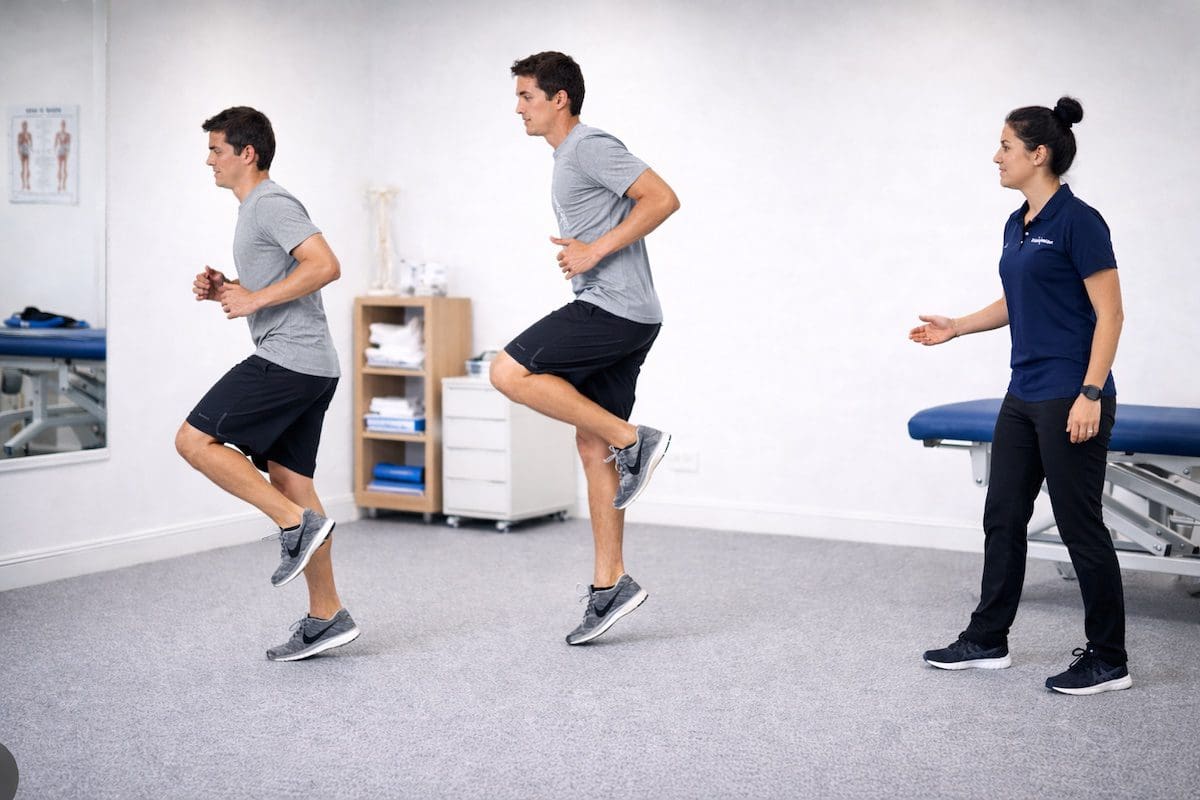
Confident movement supports safer sport.
Choose your clinic and appointment pathway
Select a PhysioWorks clinic to continue to live booking, an appointment request or reception assistance.
ACL Products
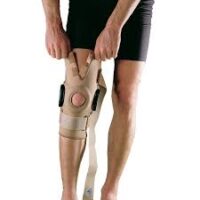
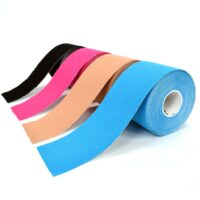
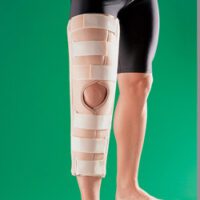
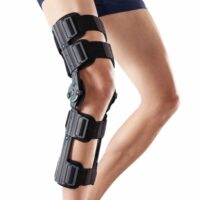
These ACL knee support products are commonly used by our physiotherapists to help reduce strain, improve stability, and support your ACL recovery at home.
-
-

-
-
- Liniments & Gels, Massage Liniments, Pain Management
Fisiocrem
$16.95 – $39.95Select optionsQuick View -
-
-

-
-
-
-
-
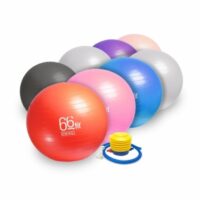
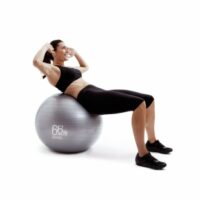 Exercise Balls, Back, Exercise Equipment, Knee, Shoulder
66fit Exercise Balls | Core & Rehab Stability Ball
$32.00 – $57.00Select optionsQuick View -








References
- Sadoghi P, von Keudell A, Vavken P. Effectiveness of anterior cruciate ligament injury prevention training programs. J Bone Joint Surg Am. 2012;94(9):769-776. doi:10.2106/JBJS.K.00467
- Webster KE, Hewett TE. Meta-analysis of meta-analyses of anterior cruciate ligament injury reduction training programs. J Orthop Res. 2018;36(10):2696-2708. doi:10.1002/jor.24043
- Asgari M, Nazari B, et al. Effects of the FIFA 11+ program on performance, biomechanical measures, and physiological responses: a systematic review. 2023.
- Kerman MT, Brunetti A, et al. The effects of FIFA 11+ Kids prevention program on kinematic risk factors for ACL injury in preadolescent female soccer players: a randomized controlled trial. 2023.
- Magaña-Ramírez M, Gallardo-Gómez D, Álvarez-Barbosa F, Corral-Pernía JA. What exercise programme is the most appropriate to mitigate anterior cruciate ligament injury risk in football players? A systematic review and network meta-analysis. J Sci Med Sport. 2024;27(4):234-242. doi:10.1016/j.jsams.2024.02.001
- Su W, et al. Injury risk reduction programs including balance training reduce the incidence of anterior cruciate ligament injuries in soccer players: a systematic review and meta-analysis. J Orthop Surg Res. 2025;20:248. doi:10.1186/s13018-025-05639-w
