
Nerve Pain



A structured assessment helps identify the likely source of nerve-related symptoms.
Nerve pain describes pain linked to a problem affecting a nerve, nerve root or the wider nervous system. It may feel burning, shooting, electric, tingling or numb. Symptoms can remain local or travel into an arm, leg, hand or foot.
Similar symptoms can also arise from nerve compression, referred pain, spinal conditions, trauma, shingles, diabetes or other medical problems. A careful assessment helps identify the likely source and whether physiotherapy, medical review or combined care is appropriate.
Quick answer: Nerve pain often feels burning, shooting, electric, tingling or numb. However, these symptoms do not confirm one diagnosis. Assessment may be needed to distinguish neuropathic pain, nerve-root irritation, peripheral nerve compression and referred pain.
What Is Nerve Pain?
Nerve pain is a broad term used for symptoms associated with the nervous system. Clinicians may use more specific terms depending on the cause and the structures involved.
Neuropathic Pain
Pain caused by a lesion or disease affecting the somatosensory nervous system. Diabetes, shingles, nerve injury and some neurological conditions may cause this type of pain.
Radicular Pain
Pain associated with irritation or inflammation of a spinal nerve root. It may travel into an arm or leg, as can occur with sciatica.
Referred Pain
Pain felt away from its source. It may come from joints, muscles or other tissues without direct nerve damage.
What Does Nerve Pain Feel Like?
Nerve-related symptoms vary between people and conditions. Their location, behaviour and associated neurological changes can provide useful clues.
Common nerve-related symptoms may include:
- burning, shooting or electric shock-like pain
- tingling, pins and needles, buzzing or crawling sensations
- numbness or reduced sensation
- pain that travels into an arm, leg, hand or foot
- weakness, heaviness or reduced coordination
- pain or sensitivity from light touch
- symptoms that change with posture, movement or prolonged positions
These symptoms can overlap with muscle, joint and referred pain. Therefore, symptom quality alone does not prove that a nerve is damaged or compressed.
What Causes Nerve Pain?
Nerve pain or nerve-related symptoms can develop for several reasons. The source may sit near the painful area, along a peripheral nerve, or near the spine where nerve roots exit.
- Spinal nerve-root irritation: disc changes, inflammation, swelling or joint-related narrowing may irritate a nerve root.
- Peripheral nerve compression: ongoing pressure may contribute to conditions such as carpal tunnel syndrome or tarsal tunnel syndrome.
- Nerve injury: trauma, surgery, prolonged compression or direct injury may affect nerve function.
- Diabetes and metabolic conditions: these conditions can affect peripheral nerve health.
- Infections: shingles can cause persistent neuropathic pain in some people.
- Medication or treatment effects: chemotherapy and some other medical treatments may affect peripheral nerves.
- Nutritional or systemic conditions: vitamin deficiency, autoimmune disease and other medical conditions may contribute.
- Neurological conditions: some presentations need medical assessment and may also benefit from neurological physiotherapy.
This list is not exhaustive. Unexplained, widespread or progressively worsening symptoms need appropriate medical review.
How Do You Know If Pain Is Nerve Related?
Nerve-related pain often follows a recognisable pathway and may include sensory changes, weakness or altered reflexes. Symptoms may increase with particular spinal positions, limb movements or prolonged postures.
Muscle and joint pain often feels more localised, although overlap is common. For example, neck or lower-back structures may refer pain into a limb without causing nerve damage. A structured assessment can help distinguish between nerve-root pain, peripheral nerve irritation, joint pain, muscle pain and wider pain sensitivity.
How Is Nerve Pain Assessed?
Assessment begins with the symptom history. Your physiotherapist may ask where the symptoms started, where they travel, what makes them better or worse, and whether you have noticed numbness, weakness or coordination changes.
The physical assessment may include:
- movement and functional testing
- strength testing
- sensation checks
- reflex testing
- spinal and joint assessment
- tests that gently load or move the nervous system
- screening for medical or neurological warning signs
Some people need medical review, imaging, blood tests, nerve conduction studies or specialist assessment. These investigations may help identify the cause, confirm the level of involvement or exclude conditions that physiotherapy cannot diagnose alone.
How Can Physiotherapy Help Nerve Pain?
Physiotherapy may help when nerve-related symptoms are influenced by movement, posture, joint stiffness, load or reduced physical capacity. Treatment must match the diagnosis rather than relying on one exercise or technique for every person.
Reduce Irritation
Adjust aggravating postures, lifting, sitting, work tasks or training loads while keeping safe activity in the plan.
Restore Movement
Use graded mobility, joint treatment or carefully dosed neurodynamic exercises where appropriate.
Build Capacity
Progress strength, endurance and functional activity to improve tolerance for work, exercise and daily tasks.
Your plan may also include education about symptom behaviour, flare-up management, sleep, pacing and gradual return to activity. Manual therapy may help selected people when joint stiffness or movement restriction contributes to their presentation.
Systemic neuropathy, infection, progressive neurological loss and disease-related nerve pain usually need medical management. Physiotherapy may form one part of a broader multidisciplinary plan.

Carefully dosed nerve mobility exercises may help selected nerve-related presentations.
Are Nerve Glides Good for Nerve Pain?
Nerve glides, also called neurodynamic exercises, may help some people when symptoms relate to nerve sensitivity or reduced movement of a nerve pathway. However, they are not suitable for every cause of nerve pain.
The dosage matters. Nerve exercises should usually feel gentle and should not repeatedly increase numbness, weakness or lasting pain. Stop and seek advice if symptoms become stronger, spread further or remain aggravated after the exercise.
How Should You Manage Activity During a Flare-Up?
Complete rest is rarely the best long-term strategy. Instead, reduce the clearest aggravating loads while maintaining safe and comfortable movement.
Practical load-management steps:
- reduce positions that clearly reproduce or spread symptoms
- change position regularly during sitting or desk work
- keep walking and moving within comfortable limits
- avoid sudden spikes in lifting, sitting, sport or training
- build movement and strength gradually
- review how symptoms respond over the next 24 to 48 hours
A mild, short-lived symptom response may be acceptable in some rehabilitation programs. However, worsening weakness, increasing numbness or symptoms that continue to spread need reassessment.
What Other Treatment May Help Nerve Pain?
Treatment depends on the cause. Some people need a combination of physiotherapy, medical care, medication, graded activity and management of the underlying health condition.
Options may include:
- medication prescribed or reviewed by a doctor
- management of diabetes, vitamin deficiency or another contributing condition
- graded physical activity and strengthening
- sleep, pacing and pain-management strategies
- specialist review for persistent or progressive symptoms
- surgery in selected cases involving significant compression or neurological loss
Some people use a TENS machine for short-term symptom relief. It does not address every cause of nerve pain, so consider it part of a wider management plan rather than a standalone solution.
Common Nerve Pain Conditions
Nerve-related symptoms can affect different body regions. The pages below provide more specific information about common spinal and peripheral nerve presentations.
Spinal Nerve Conditions
Peripheral Nerve Conditions
Pain and Movement Guidance
When Should You Worry About Nerve Pain?
Seek urgent medical assessment when nerve-related symptoms occur with sudden or rapidly worsening neurological changes. These signs may indicate significant nerve compression, spinal cord involvement, stroke or another serious medical condition.
Seek urgent medical care if you notice:
- loss of bladder or bowel control
- numbness around the groin, genitals or saddle region
- rapidly worsening arm or leg weakness
- new weakness affecting both arms or both legs
- rapid deterioration in walking, balance or hand coordination
- severe symptoms after major trauma
- severe pain with fever, infection risk or unexplained weight loss
Call 000 immediately for possible stroke symptoms:
- sudden facial drooping
- sudden arm or leg weakness, especially on one side
- new speech difficulty, confusion or trouble understanding speech
- sudden severe dizziness, loss of balance or collapse
Arrange a prompt assessment if numbness, weakness or coordination changes are new, persistent or worsening, even when the pain itself is manageable.
FAQs About Nerve Pain
What does nerve pain feel like?
Nerve pain often feels burning, shooting, tingling, buzzing or electric. Some people also notice numbness, weakness or sensitivity to light touch. Symptoms may travel along an arm, leg, hand, foot or part of the trunk.
Can nerve pain go away?
Nerve pain can improve, but recovery depends on the cause, severity and duration of symptoms. Mechanical nerve irritation may settle with appropriate management. Disease-related or damaged nerves may need longer-term medical and rehabilitation support.
Is nerve pain the same as sciatica?
No. Sciatica is one type of nerve-related pain involving the sciatic nerve pathway or lower-back nerve roots. Nerve pain can also involve the neck, arms, trunk, hands, feet and other peripheral nerves.
Are nerve glides good for nerve pain?
Nerve glides may help selected people when symptoms relate to nerve sensitivity or reduced nerve movement. They need the right technique and dosage because excessive stretching or repetition can aggravate symptoms.
Should I rest if I have nerve pain?
Complete rest is rarely the best long-term plan. Many people do better with modified activity, regular position changes, gentle movement and gradual progression while avoiding clear symptom triggers.
When should I see a physiotherapist for nerve pain?
Consider physiotherapy when symptoms keep returning, change with posture or movement, affect sleep, or limit work and daily activity. Seek medical review promptly when symptoms include progressive weakness, widespread numbness or other neurological warning signs.
What Should You Do Next?
If nerve pain affects your sleep, work, movement or confidence, an assessment can help identify the likely source and the most appropriate next step. Your plan may involve physiotherapy, medical review or coordinated care.
Book a physiotherapy appointment if your symptoms are not settling, keep returning or limit normal activity. Seek urgent medical help instead when neurological warning signs are present.

Graded rehabilitation can help restore confidence with everyday movement and activity.
Choose your clinic and appointment pathway
Select a PhysioWorks clinic to continue to live booking, an appointment request or reception assistance.
Pain Products
These pain products are commonly used by our physiotherapists to provide comfort and pain relief.
-
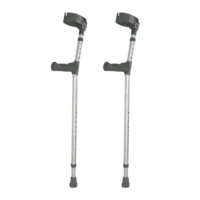 Ankle, Back, Braces & Supports, Calf, Foot, Groin, Heel, Hip, Knee, Thigh, Walking
Forearm Crutches
$64.00Select optionsQuick View -


-


-
-
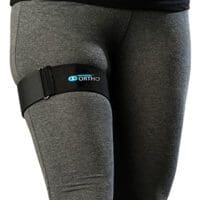
- Exercise Equipment, Resistance Band
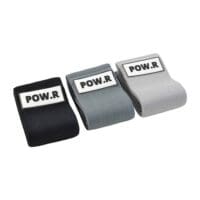
POW.R Wide Fabric Loop Resistance Band
$14.95 – $49.95Select optionsQuick View -

-
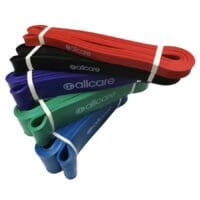
 Exercise Equipment, Resistance Band
AllCare Powerloop Bands
$22.00 – $65.00Select optionsQuick View -
-


-


-
-


-


-
 Exercise Equipment, Knee, Resistance Band
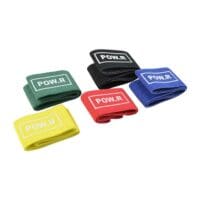
POW.R Fabric Mini Loop Bands
$12.00 – $55.00Select optionsQuick View - Liniments & Gels, Massage Liniments, Pain Management
Fisiocrem
$16.95 – $39.95Select optionsQuick View








References
- Soliman N, Moisset X, Ferraro MC, et al. Pharmacotherapy and non-invasive neuromodulation for neuropathic pain: a systematic review and meta-analysis. Lancet Neurol. 2025;24(5):413-428.
- Moisset X. Neuropathic pain: evidence based recommendations. Presse Med. 2024;53(2):104232.
- Attal N, Bouhassira D, Colvin L. Advances and challenges in neuropathic pain: a narrative review and future directions. Br J Anaesth. 2023;131(1):79-92.