
Deep Hip Rotators
Deep Hip Rotators


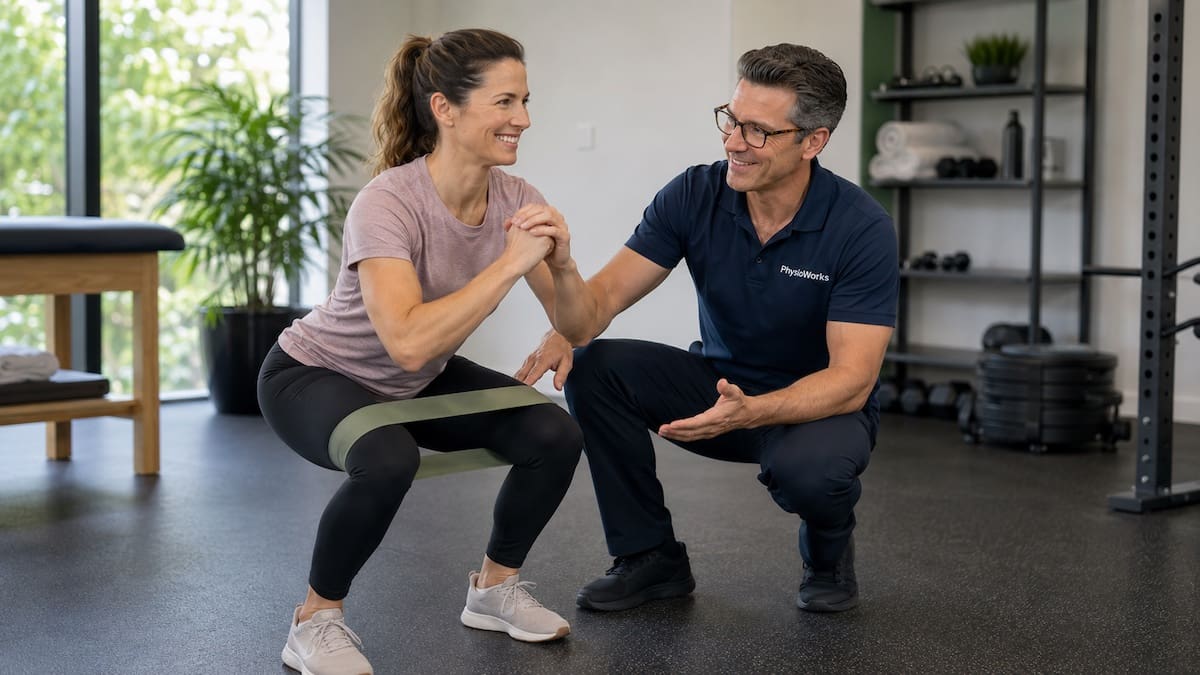
Deep hip rotators are a group of small muscles behind the hip joint. They help rotate the hip and contribute to control of the femoral head during walking, running, squatting, twisting and single-leg tasks.
Changes in strength, coordination or endurance around the hip may affect movement control in some people. However, weakness does not prove that the deep hip rotators are the source of pain. Hip and buttock symptoms can also arise from tendons, the hip joint, nearby muscles, nerves or the lower back.
Location
The deep hip rotators sit behind the hip joint beneath the larger gluteal muscles.
Main role
They contribute to hip rotation and help control the femoral head during loaded movement.
Assessment
Strength, movement quality, hip range and single-leg control may all form part of assessment.
What are the deep hip rotators?
The deep hip rotators are six small muscles positioned behind and around the hip joint. They include the piriformis, superior gemellus, obturator internus, inferior gemellus, obturator externus and quadratus femoris.
Together, these muscles contribute to hip rotation and help control the position of the femoral head within the socket during movement. Their function overlaps with the gluteal muscles and other muscles around the pelvis and thigh.
The piriformis is therefore one deep hip rotator rather than the whole muscle group.
What do the deep hip rotators do?
The exact role of each muscle changes with hip position. As a group, the deep rotators can contribute to external rotation, joint control and fine adjustments in hip position during functional movement.
Research also suggests that changing activation of the deep hip muscles can alter the direction of forces acting through the hip joint. However, this does not mean that one muscle group alone controls hip loading or causes hip pain.
During walking, running, stairs, squatting and single-leg tasks, hip control depends on coordinated input from the deep rotators, gluteal muscles, adductors, trunk muscles and the rest of the lower limb.
Can deep hip rotator problems cause pain?
Deep hip rotator muscles may contribute to symptoms in some people, particularly where pain or injury is accompanied by reduced strength, endurance or movement control. However, it can be difficult to identify one deep muscle as the sole source of symptoms.
People with hip or buttock pain may also have problems involving nearby tendons, the hip joint, nerves or the lower back. For example, symptoms may overlap with gluteal tendinopathy, Greater Trochanteric Pain Syndrome, hip labral pain or femoroacetabular impingement syndrome.
What may affect deep hip rotator function?
Strength and coordination around the hip can change after pain, injury, reduced activity or changes in training load. These changes rarely occur in isolation.
Factors that may affect hip muscle function include:
- recent hip, buttock, groin or lower back pain
- reduced activity after injury or illness
- rapid increases in running, gym, hills or sporting load
- reduced lower-limb strength or endurance
- changes in hip range of movement
- difficulty controlling single-leg tasks
- ongoing compensation around another hip or lower-limb problem
Pain itself may also alter how someone moves and loads the hip. Therefore, an assessment should consider the broader movement pattern rather than assuming that muscle weakness is the primary problem.
How are the deep hip rotators assessed?
A physiotherapist may assess hip rotation range, strength, symptom behaviour and movement control. Functional tests can include walking, squatting, step-downs, stairs, balance and other single-leg tasks that reproduce the person’s usual activity demands.
Resisted hip rotation testing may also provide useful information. Palpation can help identify local tenderness, although tenderness alone does not confirm which structure is causing symptoms.
In selected cases, real-time ultrasound retraining may provide visual feedback during muscle-control rehabilitation when this adds useful clinical information.
How can physiotherapy help?
Physiotherapy management depends on the assessment findings rather than using one standard deep-rotator program for everyone.
Rehabilitation may include:
- temporarily modifying activities that repeatedly aggravate symptoms
- restoring comfortable hip and lower-limb movement
- progressive hip and lower-limb strengthening
- balance and single-leg control exercises
- graded exposure to stairs, hills, running, gym or sport
- addressing relevant trunk, gluteal, groin or lower-limb strength deficits
Broader strength training is often more useful than trying to isolate one small muscle group.
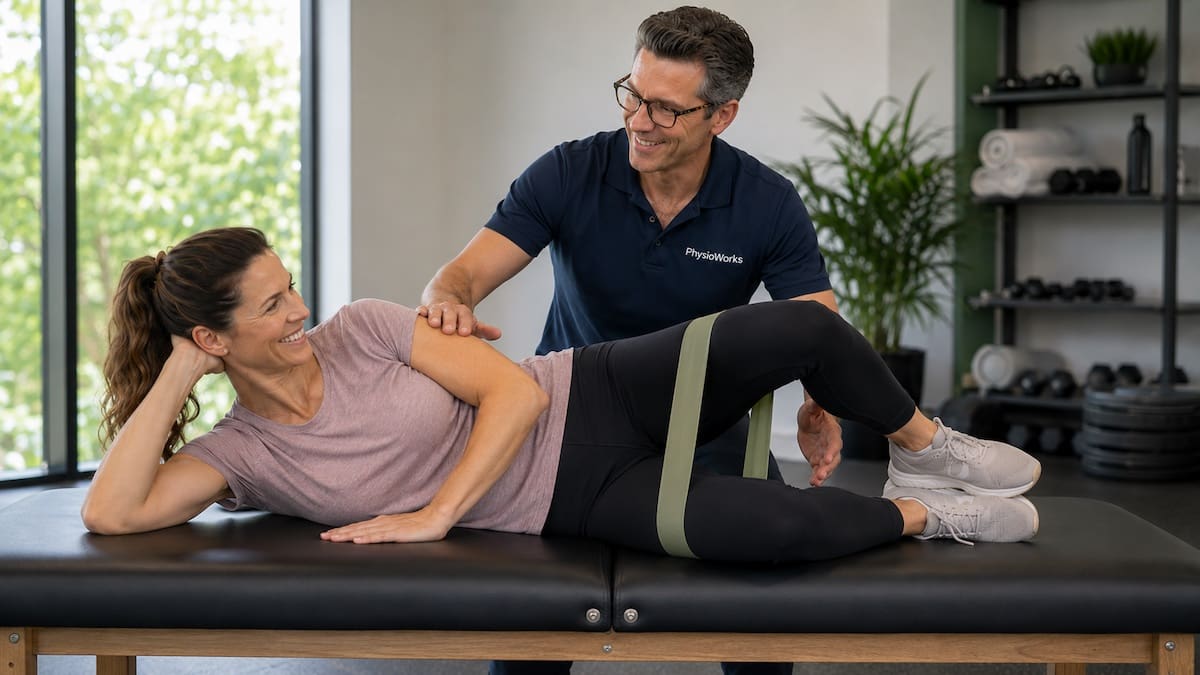
How does rehabilitation usually progress?
-
Settle aggravating symptoms
Modify clearly provocative activities while maintaining comfortable movement where possible.
-
Rebuild strength and control
Progress hip and lower-limb exercises according to symptoms, strength and movement quality.
-
Reload normal function
Gradually restore stairs, hills, walking, running, gym work or sport-specific tasks as capacity improves.
Managing hip load while symptoms settle
A temporary reduction in activities that repeatedly aggravate pain can help while rehabilitation begins. Complete rest is rarely required unless another injury or medical problem makes loading unsafe.
As symptoms settle, gradually rebuild strength and activity tolerance. The appropriate progression depends on the underlying problem, current capacity and the demands you want to return to.
What else can cause deep buttock or hip pain?
Several conditions can produce symptoms around the deep buttock, side or front of the hip. These can include:
- Greater Trochanteric Pain Syndrome
- gluteal tendinopathy
- piriformis-related pain
- hip joint irritation or osteoarthritis
- hip labral pain
- femoroacetabular impingement syndrome
- adductor-related or other groin pain
- nerve irritation
- referred pain from the lumbar spine
Because these conditions can overlap, the location of pain alone does not reliably identify the source.
When should you seek assessment?
Consider assessment if hip or buttock pain keeps returning, limits walking, stairs, work, exercise or sport, or has not improved with sensible self-management.
Seek prompt medical assessment after significant trauma, or if symptoms include inability to bear weight, rapidly increasing swelling, fever, unexplained severe pain, significant weakness or numbness, or other concerning symptoms.
A physiotherapy assessment can help determine whether strength, movement control, tendon loading, joint function, nerve sensitivity, lumbar referral or several factors are contributing to your symptoms.
Deep Hip Rotators FAQs
Can weak deep hip rotators contribute to hip pain?
They may contribute in some people. Reduced strength, coordination or endurance around the hip can affect movement control, but weakness does not prove that the deep hip rotators are the source of pain. Hip symptoms can also arise from tendons, the joint, nearby muscles, nerves or the lower back.
Do the deep hip rotators help with running and stairs?
Yes. They form part of the wider muscle system that controls the hip during single-leg tasks such as walking, running, stair climbing and stepping down. The gluteal muscles, trunk and other lower-limb muscles also contribute.
Are the deep hip rotators the same as the piriformis?
No. The piriformis is one of six muscles commonly grouped as the deep hip rotators.
What exercises help the deep hip rotators?
Exercise selection depends on your symptoms, strength and goals. Rehabilitation may include resisted hip rotation, balance exercises, step-downs, squats, split squats and progressive lower-limb strengthening. Trying to isolate one deep muscle is not always necessary.
Can deep hip rotator problems contribute to groin pain?
Changes in hip strength or control may contribute to movement patterns associated with groin symptoms in some people. However, groin pain has many possible sources, including the adductors, hip flexors, hip joint, labrum and femoroacetabular impingement syndrome.
How long does it take to improve hip strength and control?
Timeframes vary with the underlying condition, starting strength, symptoms, training load and rehabilitation goals. Some people notice early improvements in movement control, while meaningful strength and activity changes commonly require a longer period of progressive exercise.
What to do next
If hip or buttock symptoms keep recurring, a physiotherapy assessment can help identify the most relevant factors rather than assuming one particular muscle is responsible.
Your rehabilitation program can then target the combination of hip strength, movement control, mobility, load tolerance and functional activity that best matches your presentation and goals.
Choose your clinic and appointment pathway
Select a PhysioWorks clinic to continue to live booking, an appointment request or reception assistance.
Hip Products
These hip products are commonly used by our physiotherapists to improve strength, posture, movement, plus assist home exercise programs.
-
-
 Exercise Equipment, Knee, Resistance Band
POW.R Fabric Mini Loop Bands
$12.00 – $55.00Select optionsQuick View -
-
-
-

- Liniments & Gels, Massage Liniments, Pain Management
Fisiocrem
$16.95 – $39.95Select optionsQuick View -

-
 Exercise Balls, Back, Exercise Equipment, Knee, Shoulder
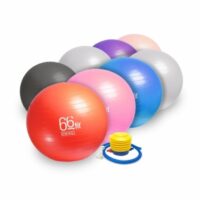
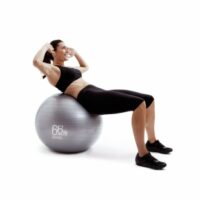
66fit Exercise Balls | Core & Rehab Stability Ball
$32.00 – $57.00Select optionsQuick View -

-
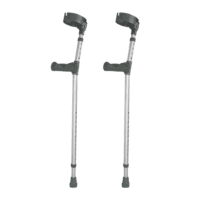 Ankle, Back, Braces & Supports, Calf, Foot, Groin, Heel, Hip, Knee, Thigh, Walking
Forearm Crutches
$64.00Select optionsQuick View -
-
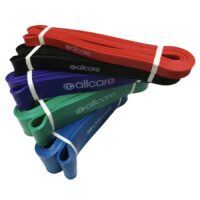
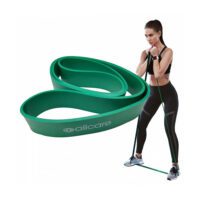 Exercise Equipment, Resistance Band
AllCare Powerloop Bands
$24.95 – $79.95Select optionsQuick View -








References
- Meinders E, Pizzolato C, Gonçalves B, Lloyd DG, Saxby DJ, Diamond LE. Activation of the deep hip muscles can change the direction of loading at the hip. Journal of Biomechanics. 2022;135:111019. doi:10.1016/j.jbiomech.2022.111019
- Kemp JL, Mosler AB, Hart HF, et al. Improving function in people with hip-related pain: a systematic review and meta-analysis of physiotherapist-led interventions for hip-related pain. British Journal of Sports Medicine. 2020;54(23):1382-1394.
- Grimaldi A. Current and future advances in practice: tendinopathies of the hip. Rheumatology Advances in Practice. 2024;8(2):rkae022. doi:10.1093/rap/rkae022
- Weber AE, Bell JA, Bolia IK. Hip Abductor and Peritrochanteric Space Conditions. Clinics in Sports Medicine. 2021;40(2):311-322. doi:10.1016/j.csm.2021.01.001
- Short S, Short G, Lehman G, Friesen J, Johnson B. A Critical Review of Trunk and Hip Exercise Prescription: Applying Evidence for a Modern Approach. International Journal of Sports Physical Therapy. 2025;20(3):448-475. doi:10.26603/001c.129972
