
Injury Prevention Programs
Build safer movement, better control and a stronger base for sport, work and exercise.


What Are Injury Prevention Programs?
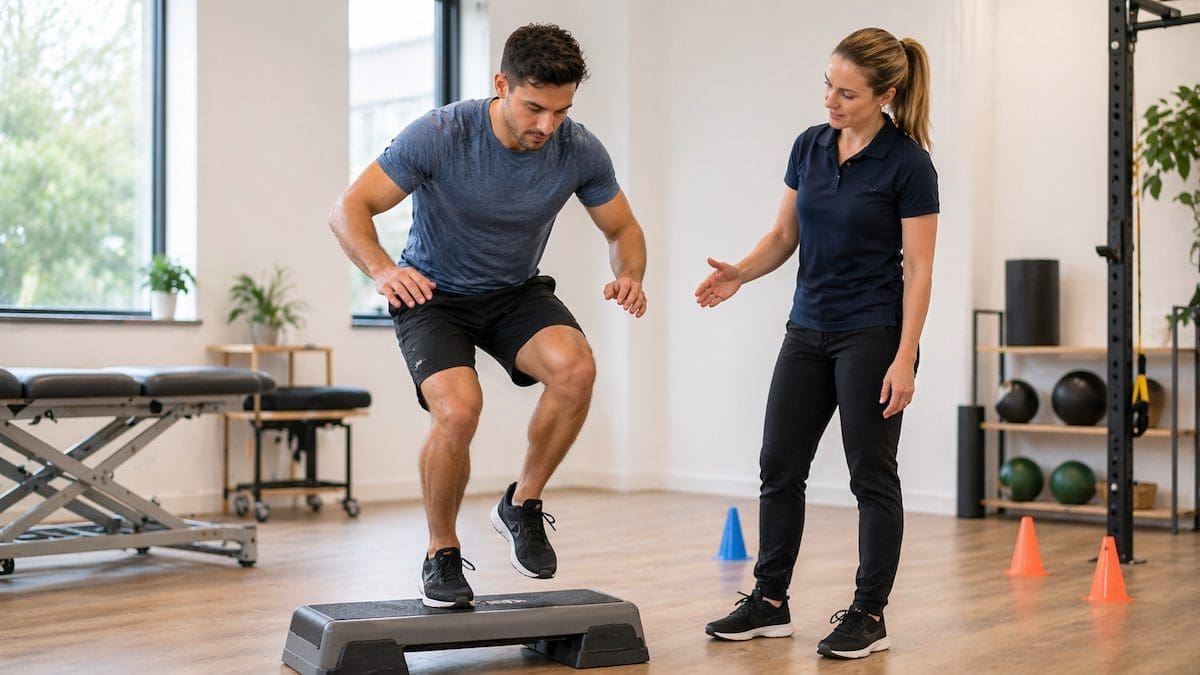
Injury prevention programs are planned exercise and advice sessions that aim to lower injury risk. They may help with strength, balance, landing skill, running load, lifting form and confidence.
A good plan looks at your sport, work tasks, injury history and current load. Then it gives you clear steps you can repeat and progress.
For a wider guide, read our injury prevention essentials. For exercise help, see our physiotherapy exercise programs.
Quick Summary
- Most plans use strength, balance, control, agility and load advice.
- They may suit repeat strains, sprains, overload pain or rising training demands.
- The plan should match your sport, job, body area and weekly load.
- Simple work done often usually beats a complex plan done poorly.
Who Should Consider a Plan?
You may benefit if pain, tightness or loss of trust keeps coming back. A plan can also help after time off, surgery, illness, travel, a busy work spell or a jump in training.
- Repeat muscle strains, joint sprains or overuse injuries
- Low confidence with running, jumping, lifting, sport or long sessions
- Sharp rises in training, gym, sport or work load
- Niggles that return in the same place
- Poor balance, strength, rhythm or movement control
What Is Included?
The best mix depends on your body, goals and daily demands. Your physio may start with a screen, then build a plan that fits your week.
- Risk review: check key movement, strength and load issues.
- Control work: improve landing, cutting, lifting, running or joint control.
- Strength work: build muscles, tendons and joints that can cope with load.
- Balance and agility: build trust with quick moves and uneven ground.
- Load planning: reduce sudden spikes in sport, gym, work or running.
- Progress checks: update the plan as symptoms, fitness or goals change.
What Makes a Plan Useful?
A useful plan is clear, easy to repeat and simple to progress. It should tell you what to do, how often to do it and when to ease back.
The goal is not to avoid activity. The goal is to build enough capacity for the activity you want to do.
How Can Physiotherapy Help?
Physiotherapy adds structure and review. Your physio may assess strength, balance, movement control, running, sport skills or work tasks. This helps match your plan to your real life.
Useful pathways include:
- Sports physiotherapy: training load and return-to-sport support.
- Running analysis: running form, load and strength advice.
- Bike fit physio: set-up advice for cycling comfort and load.
- Dance screening: screening for high-repeat dance demands.
- Workplace wellness: ways to reduce repeat strain at work.
- Falls prevention: balance work for safer daily movement.
For a wider public health view, see the Australian Government overview of preventive health in Australia.
Sport-Focused Injury Prevention Programs
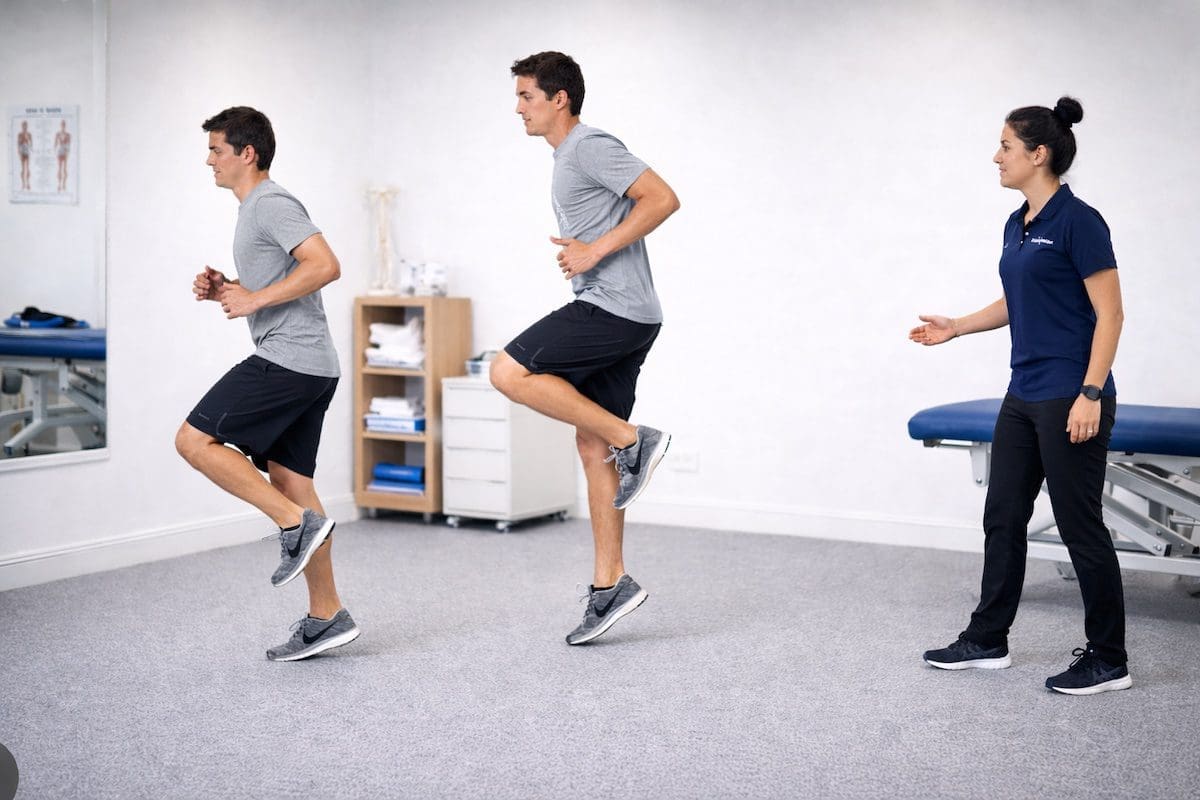
Sport plans often target landing control, knee position, hip and calf strength, fatigue and fast jumps in training load.
A plan may blend strength, agility, balance and sport drills. For example, an ACL injury prevention program may work on cutting, landing and slowing down. Prehabilitation may also help before a harder training block, surgery or return to sport.
Workplace and Everyday Use
You do not need to play sport to need a plan. Work, home duties and daily habits can place repeat load on the same areas.
A plan may focus on lifting, pacing, strength, posture changes, balance or rest habits. It can help if you stand all day, sit for long periods, lift often, work on tools, care for others or return to activity after a break. Our ergonomics assessment guide may also help when your work set-up adds strain.
Load Management Guide
| If this happens | Try this next |
|---|---|
| You feel fine during activity but sore the next day | Hold the load steady and check recovery. |
| A niggle returns each time you do more | Reduce the jump and build strength first. |
| You lose form when tired | Use shorter sets and focus on clean movement. |
| Pain changes how you move | Pause progress and book a review. |
What Does Recent Research Say?
Recent research supports exercise-based injury prevention. A 2024 review found these plans reduced injury rates in youth team sport. A 2025 review also found that neuromuscular training reduced ACL and ankle injury risk in female athletes.
The take-home point is simple: the plan needs to be clear, done often and progressed at the right time.
Frequently Asked Questions
What are injury prevention programs?
They are planned exercise and advice programs that aim to lower injury risk. They may include strength, balance, agility, warm-up drills, movement control and load advice.
Who should consider one?
You may benefit if you have repeat injuries, rising training demands, work strain, poor balance or low trust in your movement. A physio can match the plan to your goals.
Do these plans work?
They can help when people do them often and use the right mix. Strength, balance, control and good load choices are common parts of a strong plan.
How long does a plan take?
Many plans run for six to twelve weeks, then move to a small upkeep plan. Your timeline depends on symptoms, sport, work and current strength.
How often should I do the exercises?
Many people use short sessions two to four times each week. The right dose depends on your load, recovery and symptoms.
Should I keep training with a niggle?
Sometimes you can reduce load and keep moving. Stop and seek advice if pain builds, swelling appears, your movement changes or the same issue keeps coming back.
What to Do Next
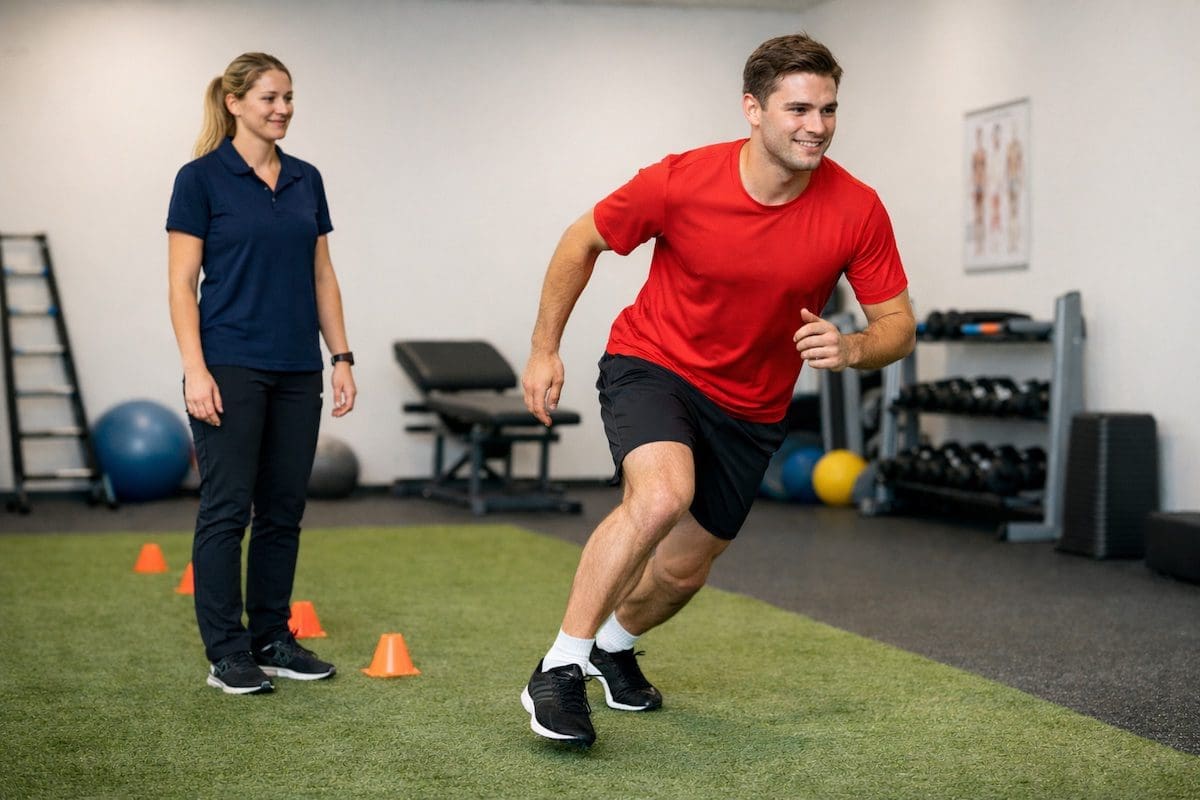
If pain, tightness or repeat injury is limiting sport, work or exercise, book a physiotherapy assessment. Your physio can review movement, strength, load and goals, then help you build a plan that fits real life.
You can also read more about sports injuries if your main concern relates to training, games or return to sport.
Choose your clinic and appointment pathway
Select a PhysioWorks clinic to continue to live booking, an appointment request or reception assistance.
Muscle & Soft Tissue Products
These muscle and soft tissue products are commonly used by our physiotherapists to relax or loosen muscles, improve strength, comfort, flexibility, and home exercise programs.
-
-


-
-
- Liniments & Gels, Massage Liniments, Pain Management
Fisiocrem
$16.95 – $39.95Select optionsQuick View -
- EMS Machines, Pain Management, TENS Machine, TENS Machine & EMS
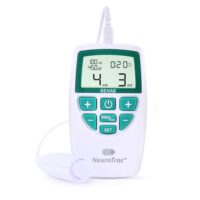
NeuroTrac Rehab (TENS Machine + EMS)
$285.00Add to cartQuick View -
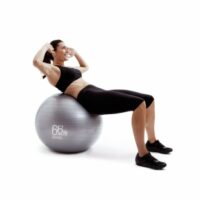 Exercise Balls, Back, Exercise Equipment, Knee, Shoulder
66fit Exercise Balls | Core & Rehab Stability Ball
$32.00 – $57.00Select optionsQuick View -
-
 Exercise Equipment, Knee, Resistance Band
POW.R Fabric Mini Loop Bands
$12.00 – $55.00Select optionsQuick View -
 Exercise Equipment, Resistance Band
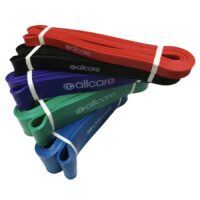
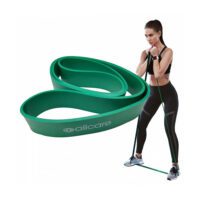
AllCare Powerloop Bands
$24.95 – $79.95Select optionsQuick View -
-
-










Related Articles
- Injury Prevention Essentials
- Physiotherapy Exercise Programs
- Sports Physiotherapy Brisbane
- Prehabilitation
- ACL Injury Prevention
- Running Analysis
References
- De Michelis Mendonça L, Schuermans J, Denolf S, et al. Sports injury prevention programmes from the sports physical therapist’s perspective: An international expert Delphi approach. Phys Ther Sport. 2022;55:146-154. doi:10.1016/j.ptsp.2022.04.002
- Robles-Palazón FJ, Blázquez-Rincón D, López-Valenciano A, Comfort P, López-López JA, Ayala F. A systematic review and network meta-analysis on the effectiveness of exercise-based interventions for reducing the injury incidence in youth team-sport players. Part 1: an analysis by classical training components. Ann Med. 2024;56(1):2408457. doi:10.1080/07853890.2024.2408457
- Bullock GS, Räisänen AM, Martin C, et al. Prevention strategies for lower extremity injury: a systematic review and meta-analyses for the Female, woman and/or girl Athlete Injury pRevention (FAIR) consensus. Br J Sports Med. 2025;59(22):1575-1586. doi:10.1136/bjsports-2025-109910
