
Muscle Pain & Injury
Muscle Pain & Injury


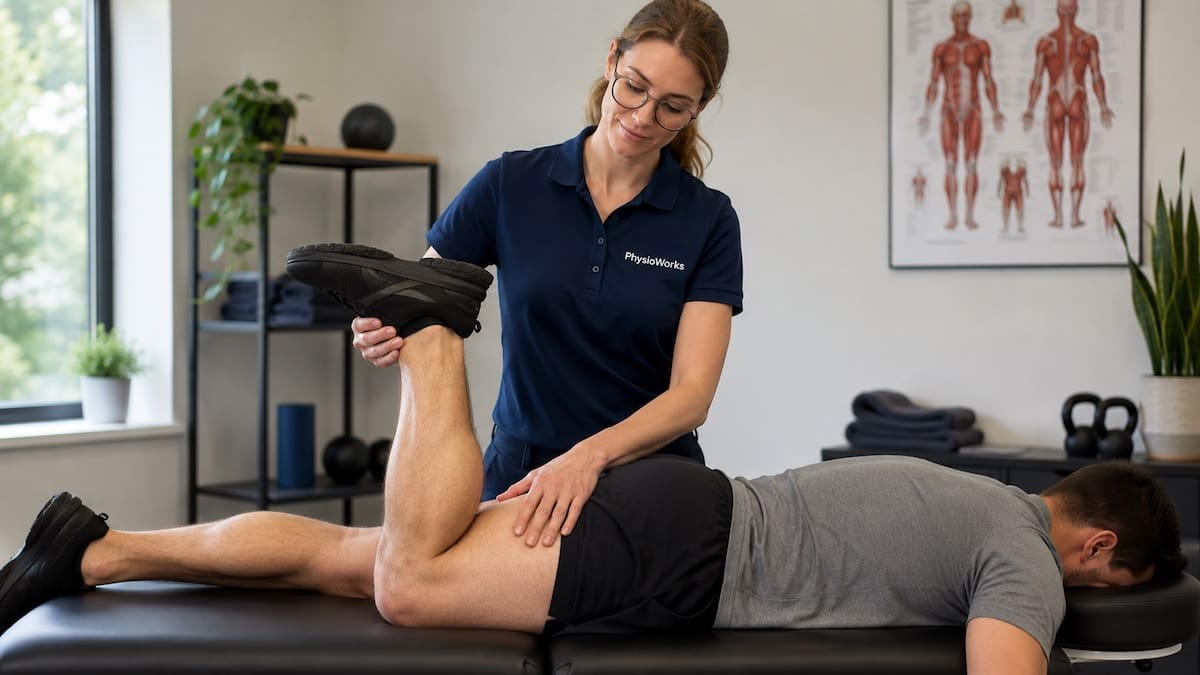
Hamstring assessment for muscle pain.
Muscle pain can come from normal post-exercise soreness, muscle strain, cramps, bruising or overload. Sometimes pain that feels muscular comes from a tendon, joint, nerve, medicine or health condition.
The timing and behaviour of the pain provide useful clues. Broad soreness that develops after unfamiliar or harder exercise is more consistent with delayed onset muscle soreness (DOMS). Sudden local pain with weakness or pain during loading is more suggestive of a muscle strain.
If pain followed a sprint, lift, slip, fall or sudden overload, reduce aggravating activity initially and consider whether the pattern fits a muscle injury. For the broader injury group, see soft tissue injuries. For early activity precautions, see the HARM protocol.
Is It Muscle Soreness or a Muscle Injury?
Muscle soreness usually feels broad and dull. It often affects a larger area after new or harder exercise. A muscle injury is more likely when pain starts suddenly, affects one clear spot, causes weakness or hurts with stretch or effort.
| Feature | More like DOMS | More like a strain |
|---|---|---|
| Start | Builds later | Often sudden |
| Area | Broad soreness | One clear spot |
| Strength | Feels sore but still works | May feel weak |
| Training | Often eases with light movement | May worsen with load |
What Causes Muscle Pain?
Muscle strain or tear
A pulled muscle, muscle strain and muscle tear are commonly used to describe injuries where muscle fibres have been exposed to more load, speed or stretch than they could manage. The injury may be mild, moderate or severe. Learn more about muscle strains and tears.
DOMS, cramps and bruising
New loads, heavy gym work, hills, sprints or a large change in training can trigger DOMS. Sudden tightening may fit muscle cramps. A direct blow can bruise a muscle and may cause pain, tenderness and swelling.
Trigger points and myofascial pain
Localised tender areas or muscle tightness can sometimes contribute to pain and restricted movement. Depending on the presentation, options such as trigger point therapy, therapeutic massage or dry needling and acupuncture may form part of a broader treatment plan.
Health-related causes
Not all muscle pain starts in the muscle. Viral illness, medicine effects, poor sleep, stress and some health conditions may contribute. See your GP if pain is widespread, unusual, worse than expected or associated with fever, night sweats, unexplained weight loss, marked tiredness or new weakness.
What Does a Muscle Injury Feel Like?
Muscle strain pain often follows a recognisable pattern. It may hurt when you contract the muscle, stretch it or repeat the task that caused the injury.
- Sudden pain, pulling or tearing sensation
- Tenderness in one clear area
- Tightness, spasm or guarding
- Swelling or bruising, sometimes developing later
- Weakness or reduced power
- Pain with stretch or resisted movement
- Reduced ability to walk, run, lift or play sport normally
How Is Muscle Pain Assessed?
A physiotherapy assessment can help identify the likely source of pain and an appropriate next step. Your physiotherapist may ask how the pain started, what makes it better or worse, your work and sport demands and whether any symptoms need medical assessment.
Assessment may include range-of-motion and strength testing, palpation, walking, balance, hopping or sport-specific tasks. Scans are not always required. Imaging may be useful when a larger tear, tendon injury or another condition is suspected.
How Do You Treat Muscle Pain After an Injury?
Management depends on the cause and severity of the pain. Many muscle injuries improve with an appropriate balance of protection, movement, progressive loading and time.
Early management may include temporarily modifying painful activity and maintaining comfortable movement. Rehabilitation can then progressively rebuild strength, control, speed and confidence for work, exercise or sport.
For a step-by-step overview, see soft tissue injury healing. For independent Australian health information, see Healthdirect Australia: muscle aches and pains.
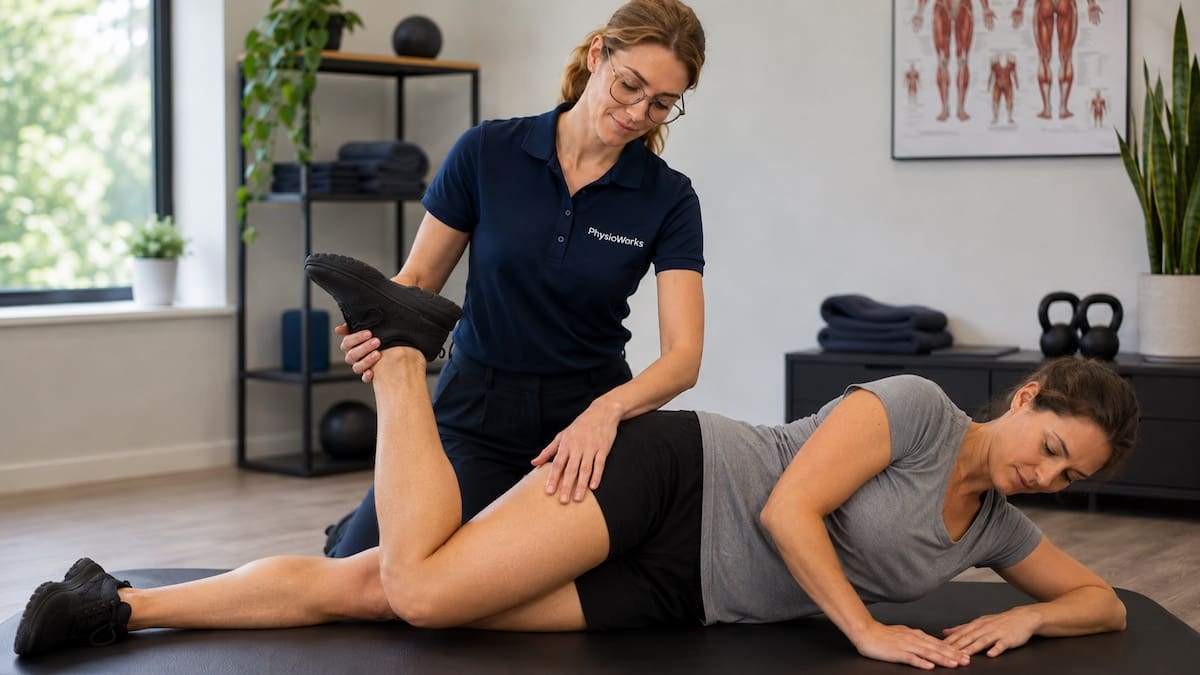
Quadriceps stretch during early rehabilitation.
How Are Muscle Injuries Graded?
Grade 1: mild
Grade 1 strains involve relatively minor muscle fibre injury. Pain is usually local and strength loss is often small. Many people progress well with load modification, exercise and a gradual return to normal activity.
Grade 2: moderate
Grade 2 strains involve more substantial muscle fibre injury. Pain, bruising and weakness may be clearer. Rehabilitation usually requires staged strengthening and progressive exposure to the movements, loads and speeds needed for normal activity.
Grade 3: severe
Grade 3 injuries are less common and may involve a large tear or complete rupture. These injuries need early assessment. Medical or surgical advice may sometimes be required.
What Helps Muscle Injuries Recover Well?
Recovery usually requires more than rest. The muscle needs an appropriate amount of load as healing progresses. Too much may aggravate symptoms, while too little may leave strength and capacity reduced.
-
Keep moving comfortably
Maintain comfortable daily movement rather than stopping all activity unnecessarily.
-
Reduce aggravating load
Avoid movements that cause sharp pain, especially high-speed or heavy loading early after injury.
-
Manage swelling when needed
Compression or elevation may help when swelling is present.
-
Use ice or heat for comfort
Brief ice or heat may help symptoms if it makes movement more comfortable.
-
Rebuild strength progressively
Increase muscle loading in stages as symptoms, strength and control improve.
-
Restore speed and activity demands
Add faster movements, greater stretch and work- or sport-specific tasks when appropriate.
Can You Keep Training With Muscle Pain?
Sometimes you can continue training with modifications. You may need to change the exercise, range, load, speed or volume. Light movement can be suitable for ordinary post-exercise soreness, while repeatedly training hard through sharp pain may aggravate an injury.
| Your response | Practical next step |
|---|---|
| Mild soreness that eases as you warm up | Keep the session light and monitor symptoms. |
| Sharp pain during loading | Stop that task and reduce the aggravating load. |
| Symptoms are clearly worse the next day | Step back the speed, load or training volume. |
| Comfort, strength and control are improving | Progress loading gradually. |
When Can You Start Training Again?
Return to training depends on the muscle involved, the severity of the injury and the demands of your sport, work or activity. Hamstring, groin, thigh and calf injuries may require particular attention because higher-speed activity can expose strength or load-tolerance deficits that are less obvious during daily tasks.
Useful return-to-training signs include:
- walking and normal daily activities feel comfortable;
- strength has recovered towards the level needed for your activity;
- stretch and effort do not produce sharp pain;
- running, hopping or change of direction can be introduced progressively; and
- weekly training load can increase without a significant symptom flare.
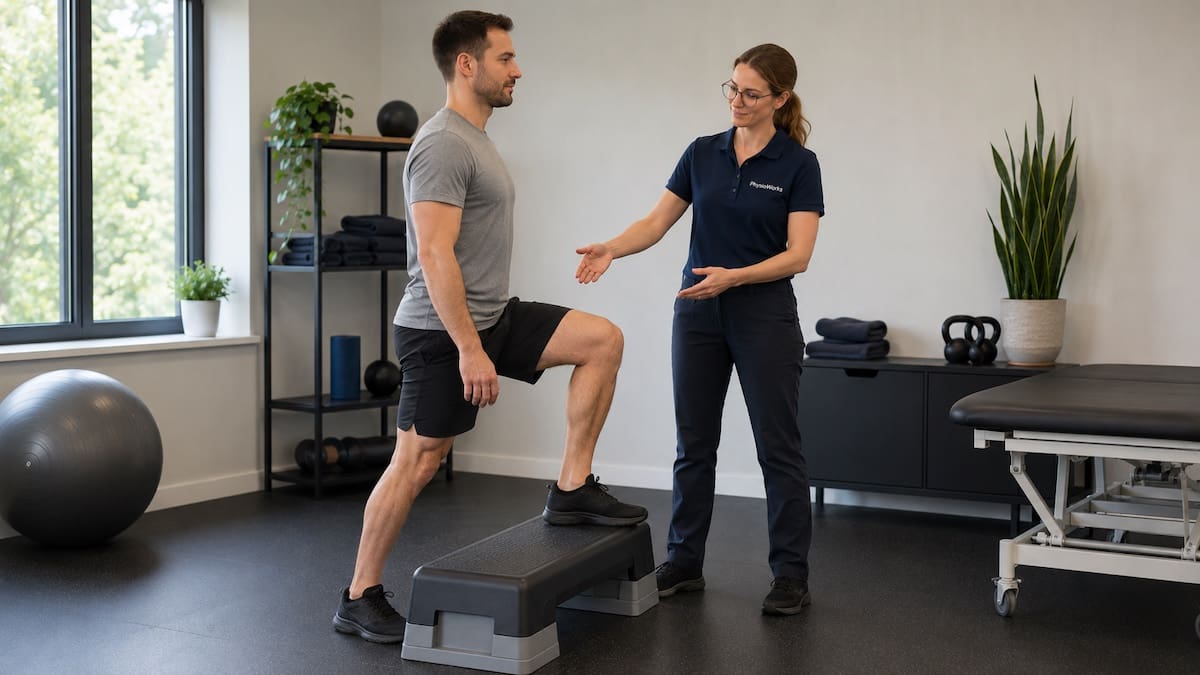
Step-up strengthening during a staged return to activity.
Muscle Pain FAQs
What causes muscle pain?
Muscle pain can come from overload, DOMS, cramps, bruising, trigger points or a strain. It can also come from a joint, nerve, illness, medicine effect or health condition. Widespread or unusual symptoms may need medical review.
How do I tell DOMS from a muscle strain?
DOMS usually develops 12 to 48 hours after harder or unfamiliar exercise and tends to cause broader soreness. A muscle strain more often starts suddenly and may cause local pain, weakness or pain with stretch, effort, running or lifting.
Should I use ice or heat for muscle pain?
Use whichever helps comfort and movement. Brief ice may help pain soon after an injury, while heat may feel more comfortable when stiffness is the main issue. Neither replaces appropriate activity modification and progressive loading.
When should I see a physiotherapist for muscle pain?
Consider a physiotherapy assessment if you felt a sudden pull, have bruising or weakness, cannot return to your normal activity, repeatedly injure the same area or your symptoms are not improving as expected.
When is muscle pain urgent?
Seek urgent medical care if muscle pain is severe and comes with marked weakness, swelling, feeling very unwell or dark red-brown urine. These signs may occur with rhabdomyolysis or another serious condition.
What to Do Next
If your muscle pain is mild and improving, keep activity comfortable and build back gradually. Avoid sudden increases in speed, load, volume or stretch until the muscle is coping well with your current level.
If you felt a sudden pull, cannot exercise or work normally, repeatedly injure the same area or symptoms are not improving, a physiotherapist can assess the problem and help plan a staged return to work, sport, running, lifting or daily activity.
Choose your clinic and appointment pathway
Select a PhysioWorks clinic to continue to live booking, an appointment request or reception assistance.
Muscle & Soft Tissue Products
These muscle and soft tissue products are commonly used by our physiotherapists to relax or loosen muscles, improve strength, comfort, flexibility, and home exercise programs.
-
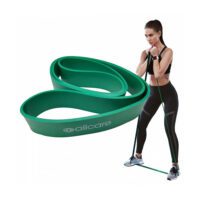 Exercise Equipment, Resistance Band
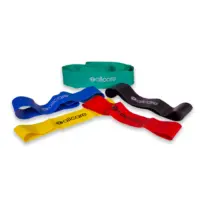
AllCare Powerloop Bands
$24.95 – $79.95Select optionsQuick View - Liniments & Gels, Massage Liniments, Pain Management
Fisiocrem
$16.95 – $39.95Select optionsQuick View -
-
-
-
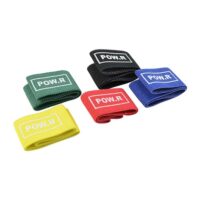 Exercise Equipment, Knee, Resistance Band
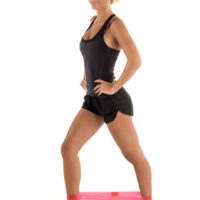
POW.R Fabric Mini Loop Bands
$12.00 – $55.00Select optionsQuick View -
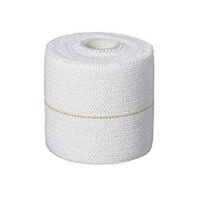

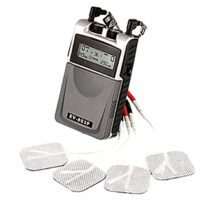
- EMS Machines, Pain Management, TENS Machine, TENS Machine & EMS
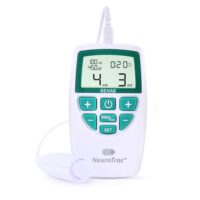
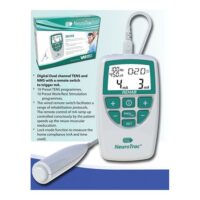
NeuroTrac Rehab (TENS Machine + EMS)
$285.00Add to cartQuick View -
-
-
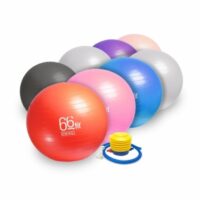
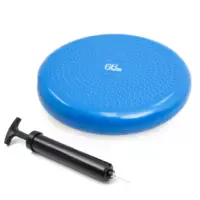
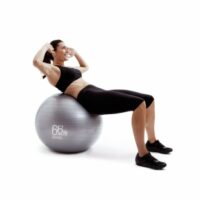 Exercise Balls, Back, Exercise Equipment, Knee, Shoulder
66fit Exercise Balls | Core & Rehab Stability Ball
$32.00 – $57.00Select optionsQuick View -
-
-







References
- Wulff MW, Mackey AL, Kjær M, Bayer ML. Return to Sport, Reinjury Rate, and Tissue Changes after Muscle Strain Injury: A Narrative Review. Transl Sports Med. 2024;2024:2336376. doi:10.1155/2024/2336376
- Pecci J, van Dyk N, Myer GD, et al. Return-to-Play Criteria Following Lower Limb Muscle Injuries in Soccer: A Systematic Review with Evidence Synthesis. Sports Med. 2026;56:1433-1465. doi:10.1007/s40279-026-02404-9
- Rout P, Chippa V, Adigun R. Rhabdomyolysis. StatPearls. Updated 7 July 2025.
- National Institute for Occupational Safety and Health. Signs and Symptoms of Rhabdomyolysis. CDC. Updated 14 January 2025.