
Fat Pad Syndrome / Hoffa’s Syndrome
Fat Pad Syndrome
Understand why the tissue beneath your kneecap can become painful, what commonly aggravates it and how physiotherapy may help.


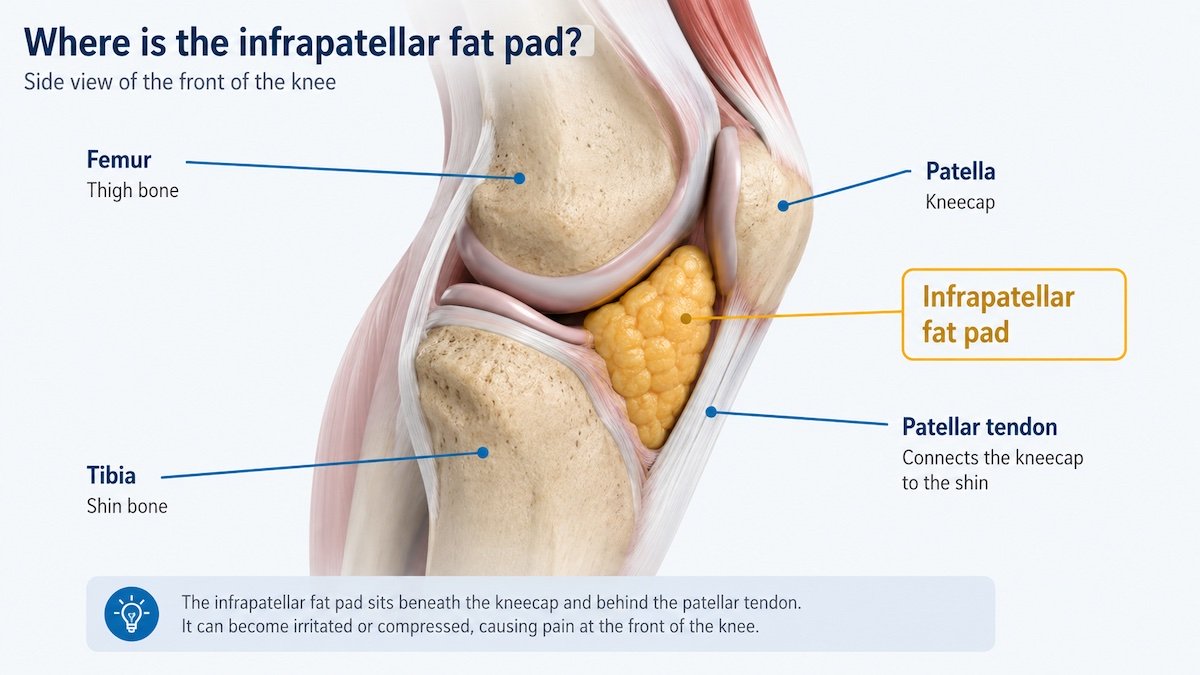
What is fat pad syndrome?
Fat pad syndrome, also called Hoffa’s syndrome or infrapatellar fat pad impingement, occurs when the fat pad beneath your kneecap becomes irritated or compressed.
The fat pad contains sensitive tissue and helps fill the space at the front of the knee. When it becomes swollen or irritated, even a small increase in pressure can cause sharp pain.
Symptoms can flare after repeated knee strain, frequent squatting, a sudden increase in training or standing with the knees locked backwards. For a broader overview, see our guide to knee pain and common knee conditions.
Front-of-knee pain can overlap with other conditions. Similar symptoms may occur with patellofemoral pain syndrome, runner’s knee and patellar tendon irritation.
What points towards fat pad irritation?
The location and behaviour of your pain can provide useful clues. However, several knee conditions can cause similar symptoms, so these features do not confirm a diagnosis by themselves.
Pain location
Pain is commonly felt underneath or beside the kneecap at the front of the knee.
Knee position
Symptoms often increase when the knee fully straightens or locks backwards.
Temporary relief
A slight bend in the knee may feel more comfortable because it reduces compression at the front of the joint.
What causes fat pad syndrome?
Fat pad syndrome can follow a direct knock to the knee, such as a fall or contact during football. Alternatively, symptoms may build gradually through repeated compression at the front of the knee.
Possible contributing factors include:
- Tight quadriceps or hip flexors
- Repeated knee hyperextension or locking the knee backwards
- Altered kneecap tracking
- Changes in pelvic, hip, knee or foot control
- A sudden increase in running, jumping, squatting or stair activity
- Post-surgical irritation after some knee procedures
- Knee osteoarthritis alongside anterior knee sensitivity
Lower-limb mechanics can influence how much pressure reaches the front of the knee. For this reason, an assessment may include hip strength, calf control, foot mechanics, walking, running and squat technique.
What are the symptoms of fat pad syndrome?
Symptoms vary between people and may change according to how irritated the tissue is.
- Sharp pain underneath or beside the kneecap
- Pain when the knee fully straightens
- Discomfort when standing with the knees locked backwards
- Pain during walking, stairs, running or squatting
- Swelling or puffiness around the lower part of the kneecap
- Tenderness at the front of the knee
- Sensitivity when kneeling
Some people notice that symptoms settle when they keep a slight bend in the knee rather than standing in full extension.
Is fat pad syndrome the same as runner’s knee?
Not necessarily. Runner’s knee is a broad term for knee pain associated with running. It can include patellofemoral pain, tendon irritation, fat pad irritation and other conditions.
Fat pad irritation
Pain often increases near full knee extension, particularly when standing with the knee locked backwards.
Patellofemoral pain
Pain may be more noticeable during stairs, squats, running or prolonged sitting with the knee bent.
These patterns can overlap. A physiotherapy assessment helps determine which structures and movement factors are most relevant to your symptoms.
How is fat pad syndrome diagnosed?
A physiotherapist or sports doctor can often identify fat pad irritation through your history and a clinical examination.
The assessment may check:
- The precise location of pain and tenderness
- Whether pain increases near full knee extension
- Swelling around the kneecap and patellar tendon
- Kneecap movement and quadriceps control
- Hip, knee, calf and foot strength
- Walking, running, stair and squat mechanics
- Recent changes in training, work or daily activity
Imaging such as MRI may help identify changes within the fat pad or assess other possible causes of knee pain. Imaging findings still need to be considered alongside your symptoms and examination.
Why does movement control matter?
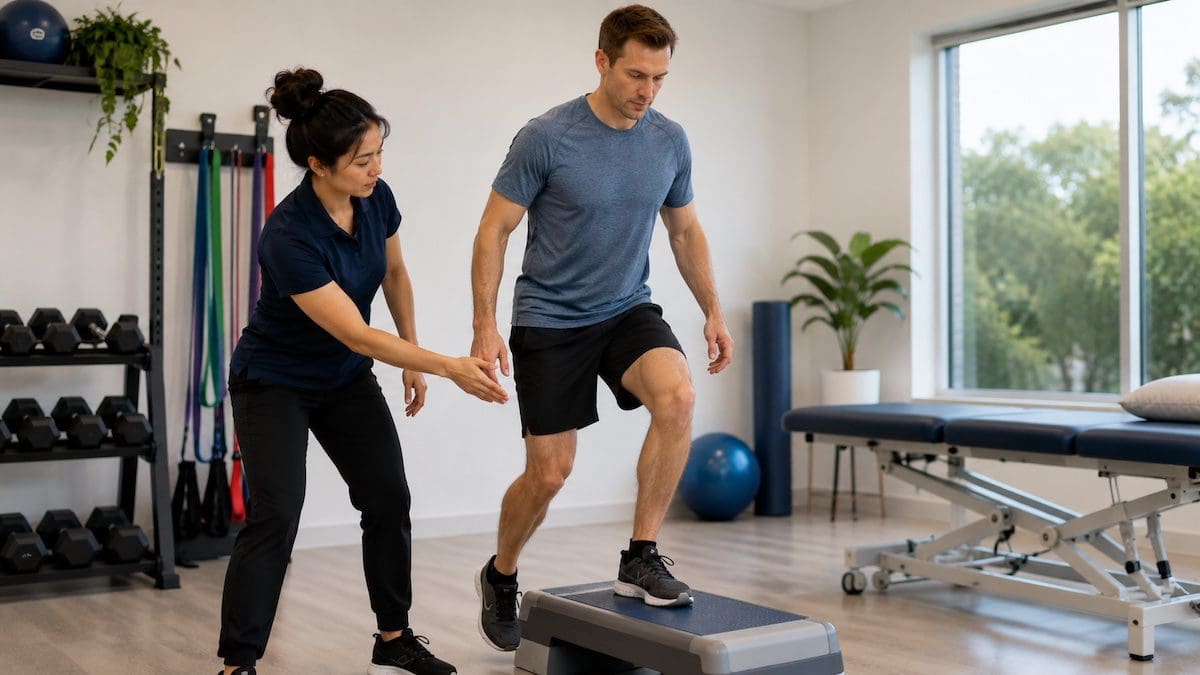
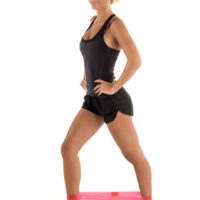
A step-down task allows a physiotherapist to observe how the hip, knee, ankle and foot work together during a controlled weight-bearing movement.
The assessment may identify knee hyperextension, reduced hip control, altered kneecap loading or difficulty controlling the lower limb as the body moves over the foot.
The step-down image demonstrates movement assessment rather than the fat pad itself. The anatomical diagram near the top of this page shows where the infrapatellar fat pad sits.
How is fat pad syndrome treated?
Most people improve with non-surgical care. Treatment usually focuses on settling irritation, reducing repeated compression and gradually rebuilding knee control.
-
Reduce aggravating compression
Temporarily modify activities or positions that repeatedly pinch the front of the knee. This may include avoiding prolonged knee locking, deep squatting or rapid increases in training.
-
Settle pain and irritation
Taping, padding and activity changes may reduce symptoms while the irritated tissue settles.
-
Restore movement and strength
Exercises may target the quadriceps, hips and calves while addressing stiffness or muscle tightness where relevant.
-
Improve lower-limb control
Movement coaching can help reduce knee hyperextension and improve control during walking, stairs, squatting, running or sport.
-
Return gradually to activity
Your exercise and training load can increase as pain, swelling, strength and movement control improve.
A structured plan usually combines symptom management with graded strengthening. Our general knee exercise guide provides background information, although your program should reflect your examination findings and goals.
Learn more about how physiotherapists approach different knee presentations in our knee treatment guide.
Does fat pad syndrome need surgery?
Most people recover without surgery. Conservative treatment is normally considered first.
Further medical review, injections or surgical options may be considered when long-standing swelling or mechanical irritation does not respond to a well-structured rehabilitation program. Your physiotherapist can communicate with your GP or sports doctor when symptoms are not progressing as expected.
How long does recovery take?
Recovery time varies according to the severity and duration of irritation, the activities aggravating it and any contributing strength or movement issues.
Symptoms may settle more quickly when repeated knee hyperextension and other aggravating loads are identified early. Longer-standing symptoms may require a slower progression before returning to unrestricted running, jumping, kneeling or deep squatting.
How can you reduce the chance of recurrence?
Prevention focuses on reducing repeated compression while building the capacity of the hip, knee and ankle to manage your normal activities.
- Avoid repeatedly standing with the knees locked backwards
- Progress running, jumping and gym loads gradually
- Maintain quadriceps, hip and calf strength
- Improve control during stairs, squats and single-leg tasks
- Use footwear suited to your activity
- Respond early if front-of-knee pain begins to return
If symptoms began after an operation, a staged post-operative rehabilitation plan may help you restore function without increasing load too quickly.
When should you seek prompt medical care?
Choose your clinic and appointment pathway
Select a PhysioWorks clinic to continue to live booking, an appointment request or reception assistance.
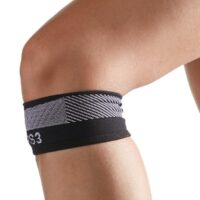
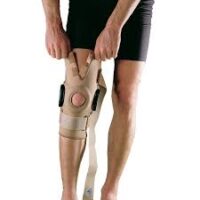
Knee Support Products
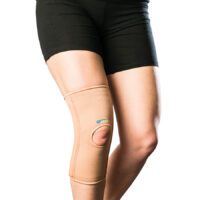
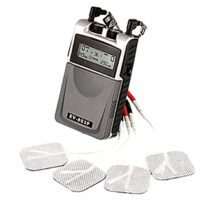
These knee support products are commonly used by our physiotherapists to help reduce strain, improve stability, and support your recovery at home.
-
-

 Calf, Elbow, Ice & Heat, Knee, Pain Management
Victor Elastic Cold Sleeve
$44.00 – $60.00Select optionsQuick View -
-
-
- Liniments & Gels, Massage Liniments, Pain Management
Fisiocrem
$16.95 – $39.95Select optionsQuick View -


-
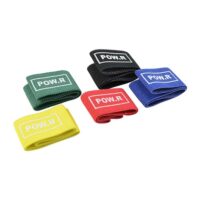 Exercise Equipment, Knee, Resistance Band
POW.R Fabric Mini Loop Bands
$12.00 – $55.00Select optionsQuick View -
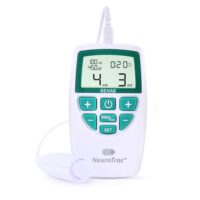
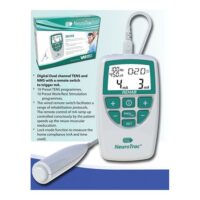
- EMS Machines, Pain Management, TENS Machine, TENS Machine & EMS
NeuroTrac Rehab (TENS Machine + EMS)
$285.00Add to cartQuick View -
-
 Exercise Balls, Back, Exercise Equipment, Knee, Shoulder
66fit Exercise Balls | Core & Rehab Stability Ball
$32.00 – $57.00Select optionsQuick View -
-
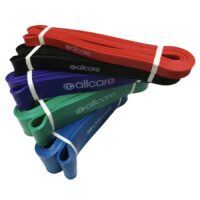
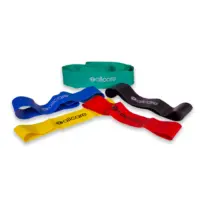
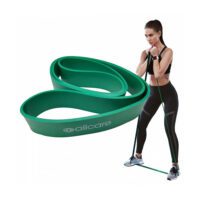 Exercise Equipment, Resistance Band
AllCare Powerloop Bands
$24.95 – $79.95Select optionsQuick View



References
- Abelleyra Lastoria DAA, Benny CK, Hing CB. Predisposing factors for Hoffa’s fat pad syndrome: a systematic review. Knee Surg Relat Res. 2023;35(1):17. doi:10.1186/s43019-023-00192-4.
- Wang MG, Seale P, Furman D. The infrapatellar fat pad in inflammaging, knee joint health, and osteoarthritis. NPJ Aging. 2024;10:34.
- Pereira Herrera B, Emanuel K, Emans PJ, et al. Infrapatellar fat pad as a source of biomarkers and therapeutic target for knee osteoarthritis. Arthritis Res Ther. 2025;27:81.
- DuBose JJ, Taqi A. Hoffa Pad Impingement Syndrome. In: StatPearls [Internet]. Treasure Island, FL: StatPearls Publishing; 2023–.
Fat pad syndrome FAQs
What is fat pad syndrome?
Fat pad syndrome occurs when the infrapatellar fat pad beneath the kneecap becomes irritated or compressed. It often causes sharp pain at the front of the knee, especially when the knee fully straightens.
What causes fat pad syndrome?
It may follow a direct blow to the knee or build over time from repeated knee hyperextension, altered kneecap tracking, muscle tightness or changes in hip, pelvic or foot mechanics.
How do you treat fat pad syndrome?
Treatment aims to reduce fat pad compression, settle irritation and rebuild knee control. Physiotherapists may use taping, load modification, movement coaching and progressive strengthening.
Does fat pad syndrome need surgery?
Most cases improve without surgery. Injections or surgery are usually considered only when symptoms persist despite a well-structured conservative program.
Can fat pad syndrome come back?
Yes. Recurrence is more likely if repeated knee hyperextension, strength deficits or contributing movement issues remain. Ongoing strengthening, movement changes and sensible training progression may reduce flare-ups.
