FAQs

Frequently Asked Questions


What Are the Neck Pain Medication Options?


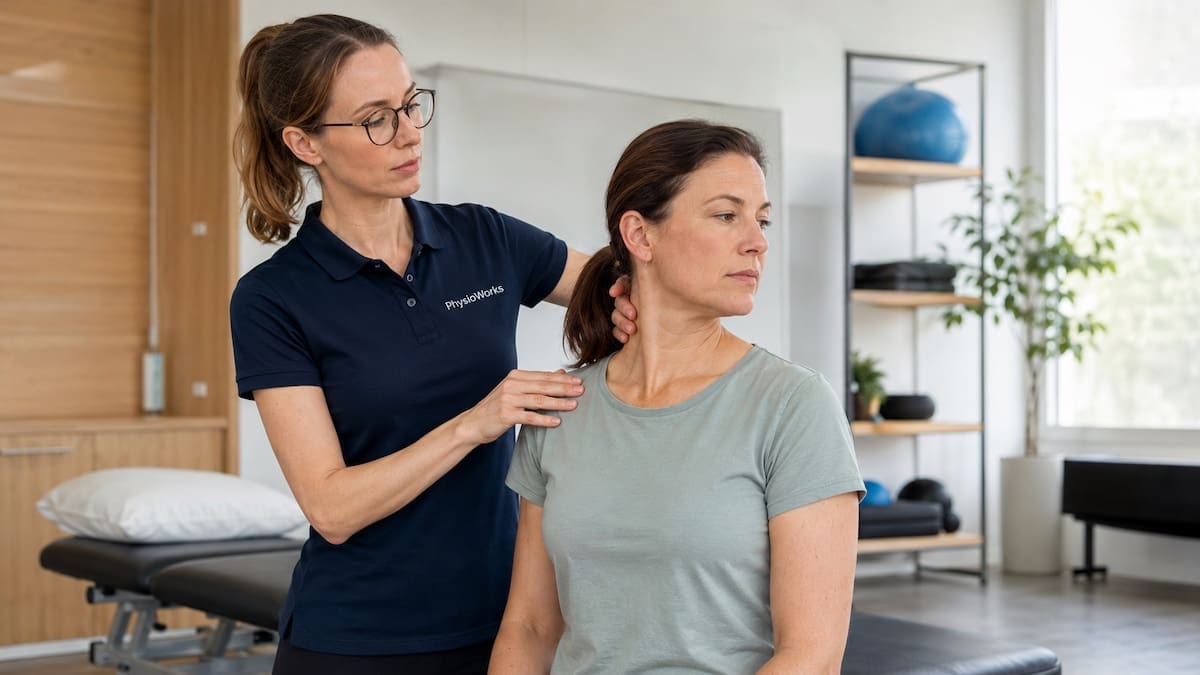
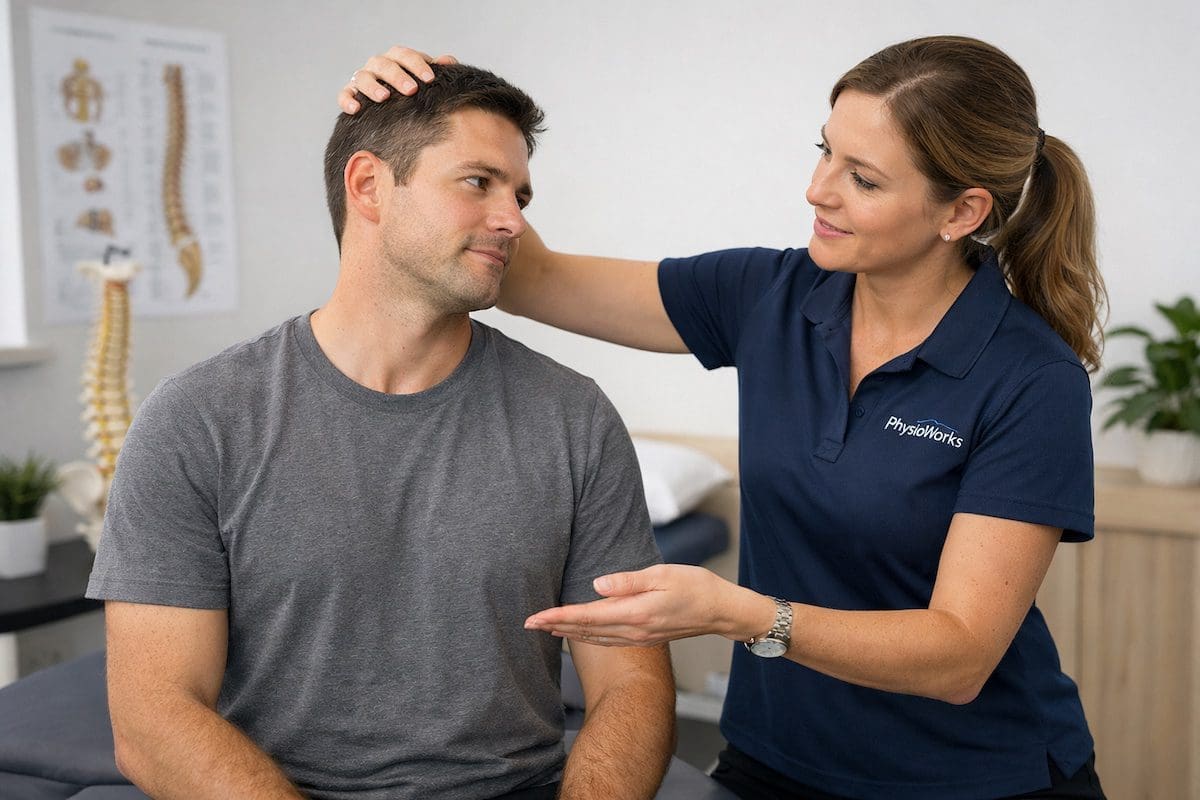
Physiotherapist discussing neck pain medication options with a patient using a cervical spine model

A physiotherapist explains how medication, activity and rehabilitation may form part of a neck pain management plan.

Neck pain medication options may provide short-term symptom relief, but the right choice depends on the cause of your pain, your health history and the other medicines you take. Medication may help you sleep, move or begin rehabilitation more comfortably. However, it rarely addresses all the factors contributing to neck pain.

For an overview of common causes, symptoms and treatment pathways, visit our Neck Pain guide.

Quick Answer

Medicines considered for neck pain may include paracetamol, anti-inflammatory medicines and, in selected cases, prescription medicines. Their suitability varies between people.

Ask a pharmacist or doctor which option is appropriate, particularly if you take other medicines or have a history of stomach, kidney, heart, blood-pressure, bleeding or asthma problems. Medication usually works best as one part of a plan that also includes appropriate activity and rehabilitation.

Which Medicines May Be Considered for Neck Pain?

The most suitable medicine depends on whether your symptoms appear to involve a minor strain, joint or soft-tissue irritation, muscle spasm, a headache-related presentation or irritation of a cervical nerve.

A pharmacist or doctor should also consider your age, medical conditions, allergies, pregnancy status, other medicines and previous reactions before recommending treatment.

Simple Pain Relief

Paracetamol may be considered for short-term pain relief in some people. Follow the label directions and avoid taking more than the recommended dose.

Anti-Inflammatory Medicines

Medicines such as ibuprofen may reduce pain for some people, but they are not suitable for everyone and may interact with other medicines.

Prescription Medicines

A doctor may consider a prescription medicine when symptoms are severe, persistent or nerve-related. The choice requires an individual medical assessment.

Can Paracetamol Help Neck Pain?

Paracetamol may provide short-term relief for some people. However, it does not reduce inflammation and may not provide enough relief when symptoms are severe.

Always follow the product directions. Check the ingredients of cold, flu and combination pain medicines because some already contain paracetamol. Taking more than one paracetamol-containing product can lead to an accidental overdose.

Ask a pharmacist or doctor before using paracetamol if you have liver problems, regularly drink large amounts of alcohol, have a low body weight or take other regular medicines.

Do Anti-Inflammatory Medicines Help Neck Pain?

Non-steroidal anti-inflammatory drugs, commonly called NSAIDs, may reduce pain for some people with acute neck pain or associated soft-tissue irritation. Examples include ibuprofen and naproxen.

The potential benefit varies. These medicines also do not correct movement restriction, reduced strength, work setup or other factors that may contribute to recurring symptoms.

Check Before Taking an Anti-Inflammatory

Ask a pharmacist or doctor before taking an NSAID if you have a history of stomach ulcers or gastrointestinal bleeding, kidney disease, heart disease, high blood pressure, a bleeding disorder, sensitivity to aspirin or NSAIDs, or some forms of asthma.

You should also seek advice if you are pregnant, take blood-thinning medicine or already use another anti-inflammatory medicine. Do not combine different NSAIDs unless a healthcare professional has specifically advised you to do so.

Are Muscle Relaxants Useful for Neck Pain?

A doctor may occasionally consider a short course of a muscle-relaxant medicine when marked muscle spasm restricts movement or sleep. However, evidence varies, and these medicines are not a routine long-term solution for neck pain.

Muscle relaxants can cause drowsiness, dizziness, reduced concentration and balance problems. These effects may make driving, operating machinery or performing safety-sensitive work unsafe.

Long-term use should be reviewed regularly. Treatment should not continue automatically when it does not produce a meaningful improvement in pain, sleep or function.

What Medicines Are Used for Nerve-Related Neck and Arm Pain?

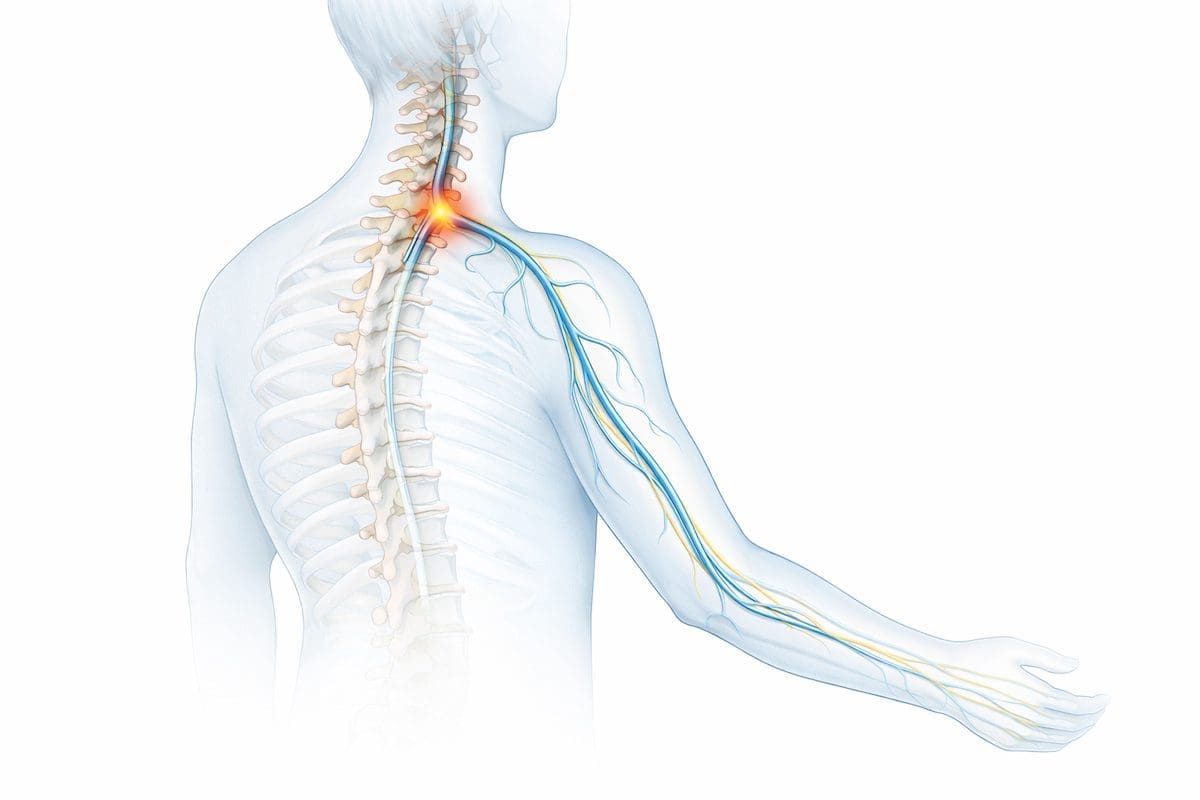
Pain that travels from the neck into the shoulder, arm or hand may involve irritation of a cervical nerve. It may occur with pins and needles, numbness, altered sensation or weakness. Learn more in our Cervical Radiculopathy guide.

Ordinary pain medicines do not always work well for nerve-related pain. After assessment, a doctor may consider a medicine also used for certain neurological conditions or mood disorders because some of these medicines can alter nerve-pain signalling.

These medicines often require gradual dose adjustment. They can also cause side effects such as drowsiness, dizziness, nausea or reduced concentration. Do not start, stop or change a prescription dose without speaking with the prescribing doctor.

Are Opioid Medicines Recommended for Neck Pain?

Opioid medicines are not routine first-line treatment for most neck pain. A doctor may consider a brief course in selected situations when pain is severe and other options are unsuitable or have not provided adequate relief.

Opioids can cause drowsiness, nausea, constipation and impaired concentration. Ongoing use may lead to tolerance, physical dependence and difficulty stopping the medicine. Driving and safety-sensitive work may also be affected.

Anyone prescribed an opioid should follow the agreed dose and review plan. Do not combine opioids with alcohol, sedating medicines or another person’s prescription.

How Long Should Neck Pain Medication Be Used?

Medication should generally be used for the shortest period that provides a worthwhile benefit. The aim is not simply to lower a pain score. Treatment should help you sleep, move, work or participate in rehabilitation more comfortably.

Arrange a review when:

  • you need medicine for longer than expected
  • pain repeatedly returns when you stop taking it
  • the medicine is not improving function
  • side effects interfere with work, driving or balance
  • you need increasing doses to achieve the same effect
  • neck or arm symptoms are worsening

Why Is Medication Alone Rarely Enough?

Neck pain can involve several contributing factors. These may include joint stiffness, reduced muscle capacity, prolonged positions, changes in activity, work demands, sleep disruption or irritation of a nerve.

Medication may reduce symptoms temporarily, but it cannot determine which factors are relevant to you. A physiotherapy assessment may examine neck movement, upper-limb symptoms, strength, functional tasks and factors that aggravate or relieve your pain.

Management may then include education, graded activity, workplace changes, movement exercises and a tailored neck strengthening program.

Should You Rest While Taking Neck Pain Medication?

Complete rest is rarely required for uncomplicated neck pain. Prolonged avoidance of movement may increase stiffness, reduce confidence and lower your tolerance for work or daily activity.

Instead, aim to remain active within a tolerable range. Temporarily modify tasks that clearly aggravate your symptoms, then rebuild movement and activity as your symptoms settle.

Medication can reduce the warning signal of pain. Therefore, do not use temporary pain relief as a reason to suddenly return to heavy lifting, prolonged overhead work, contact sport or another demanding activity before your neck is ready.

When Should You Seek Medical Assessment?

Arrange medical or physiotherapy assessment if neck pain:

  • persists or repeatedly returns
  • significantly affects sleep, work or daily activity
  • extends into the shoulder, arm or hand
  • causes persistent pins and needles or numbness
  • follows a significant accident, fall or collision
  • does not improve as expected

Seek Urgent Medical Care If

Seek urgent assessment if neck pain follows major trauma or occurs with progressive arm or leg weakness, loss of coordination, difficulty walking, new bladder or bowel changes, fever, severe unexplained illness, a sudden unusual headache, confusion, fainting, facial weakness, difficulty speaking or other sudden neurological symptoms.

What Should You Do Next?

Speak with a pharmacist or doctor before starting a medicine if you have other medical conditions, take regular medication or are unsure whether a product is safe for you.

When neck pain continues to affect movement, sleep, work or exercise, a physiotherapy assessment can help identify contributing factors and guide a staged recovery plan. Treatment may include advice, activity modification, exercises and strategies to rebuild movement and load tolerance.

Related Neck Pain Information

Choose your clinic and appointment pathway

Select a PhysioWorks clinic to continue to live booking, an appointment request or reception assistance.

Neck Products

These neck products are commonly used by our physiotherapists to improve strength, posture, movement, plus assist home exercise programs.

View all neck products

Follow PhysioWorks

Get physiotherapy tips, exercise videos, recovery advice and blog updates.

References

  1. El-Allawy A, et al. Clinical practice guideline: nonspecific neck pain. Dtsch Arztebl Int. 2025. View reference.
  2. Wong JJ, et al. Are non-steroidal anti-inflammatory drugs effective for the management of neck pain and associated disorders? A systematic review of systematic reviews. Eur Spine J. 2016. View reference.
  3. Oldfield BJ, et al. Long-term use of muscle relaxant medications for chronic pain: a systematic review. JAMA Netw Open. 2024. View reference.
  4. Healthdirect Australia. Neck pain. View guidance.
  5. Healthdirect Australia. Anti-inflammatory medicines. View guidance.

Frequently Asked Questions

What medicine is commonly used for neck pain?

Paracetamol or an anti-inflammatory medicine may be considered for short-term neck pain relief. The most suitable option depends on your health history, symptoms and other medicines. Ask a pharmacist or doctor when you are unsure.

Do anti-inflammatory medicines help neck pain?

Anti-inflammatory medicines may reduce pain for some people, although the benefit varies. They are not safe for everyone and may interact with other medicines. Follow the product directions and obtain professional advice when needed.

Can muscle relaxants help a stiff or painful neck?

A doctor may occasionally prescribe a muscle relaxant when significant muscle spasm restricts movement or sleep. These medicines can cause drowsiness, dizziness and impaired concentration, so they require individual medical advice.

What medicines are used for neck and arm nerve pain?

Ordinary pain medicines may not work well for nerve-related pain. Following assessment, a doctor may consider a medicine that modifies nerve-pain signalling. These medicines require a prescription, dose monitoring and review of side effects.

When should I ask a pharmacist or doctor before taking pain medicine?

Seek advice if you take regular medicines, are pregnant, or have a history of stomach ulcers, kidney disease, heart disease, high blood pressure, liver problems, asthma, bleeding problems or previous medication reactions.

When does neck pain require urgent medical assessment?

Seek urgent care after major trauma or when neck pain occurs with progressive weakness, loss of coordination, difficulty walking, fever, severe illness, new bladder or bowel changes, a sudden unusual headache or other sudden neurological symptoms.

Neck Pain Prevention

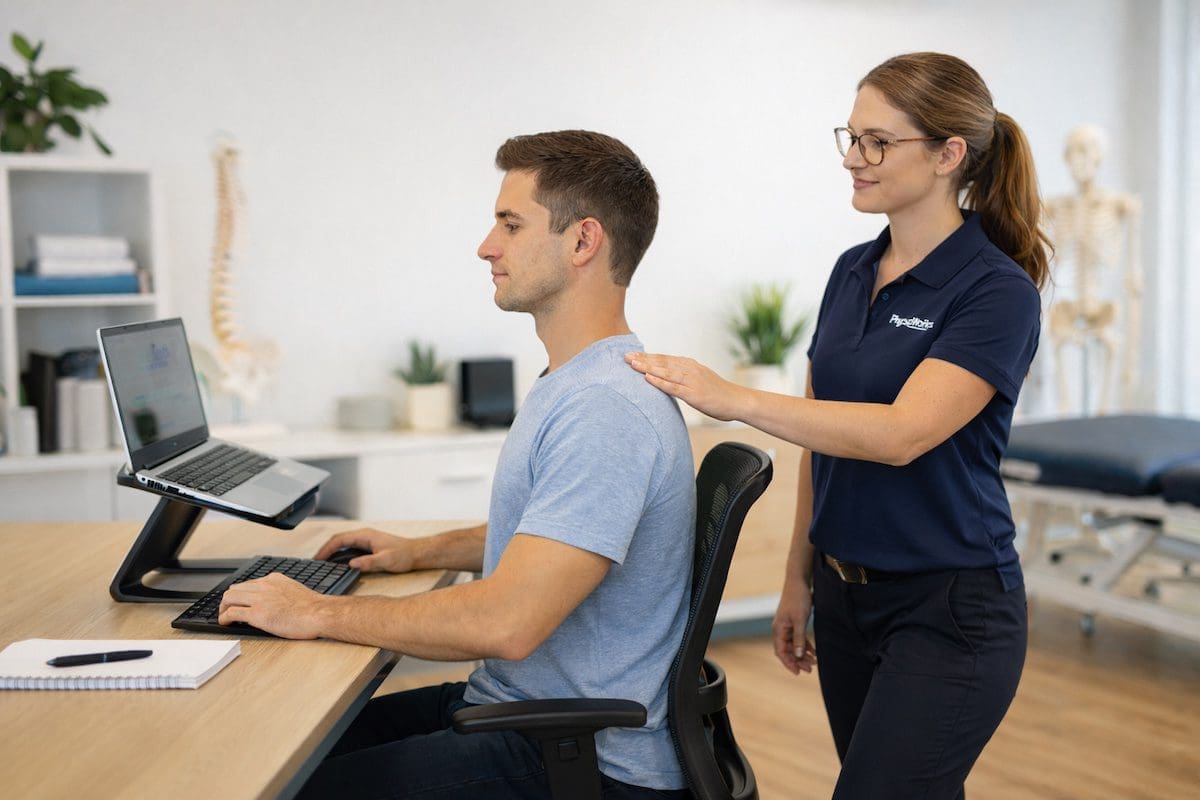
Neck pain prevention posture with physiotherapist guiding correct desk setup alignment

Correct posture helps prevent neck pain

Neck pain prevention usually comes down to reducing repeated strain, improving movement habits, and building better support for your neck. Most flare-ups develop gradually from long static positions, poor setup, muscle fatigue, and reduced exercise tolerance rather than one major injury.

Common triggers include long periods sitting, looking down at devices, poor workstation setup, reduced strength, and muscle tension. Many episodes of neck pain are linked to prolonged postures, reduced movement variety, poor sleep support, and repeated loading that gradually irritates the neck.

If you want to reduce flare-ups, focus on improving posture, moving more often, and building neck support strength. You can also explore guidance on neck posture, posture exercises, and neck pain FAQs for a broader plan.

Simple ways to prevent neck pain

  • Raise screens to eye level instead of looking down.
  • Take a short movement break every 30–60 minutes.
  • Build neck and upper-back strength consistently.
  • Use one supportive pillow that keeps your neck neutral.
  • Avoid holding your phone between your shoulder and ear.
  • Reduce muscle tension with regular movement or relaxation.

What causes preventable neck pain?

Preventable neck pain often develops when your neck stays in one position for too long, your support muscles fatigue, or your setup places repeated strain through the cervical spine. Common examples include long desk sessions, slumped sitting, phone use, poor pillow support, stress-related muscle guarding, and reduced exercise tolerance.

Healthdirect also notes that poor posture, sleeping with too many pillows, prolonged computer use, and muscle tension are common contributors to neck pain. That fits well with what physiotherapists often see in clinic. Read Healthdirect’s neck pain overview.

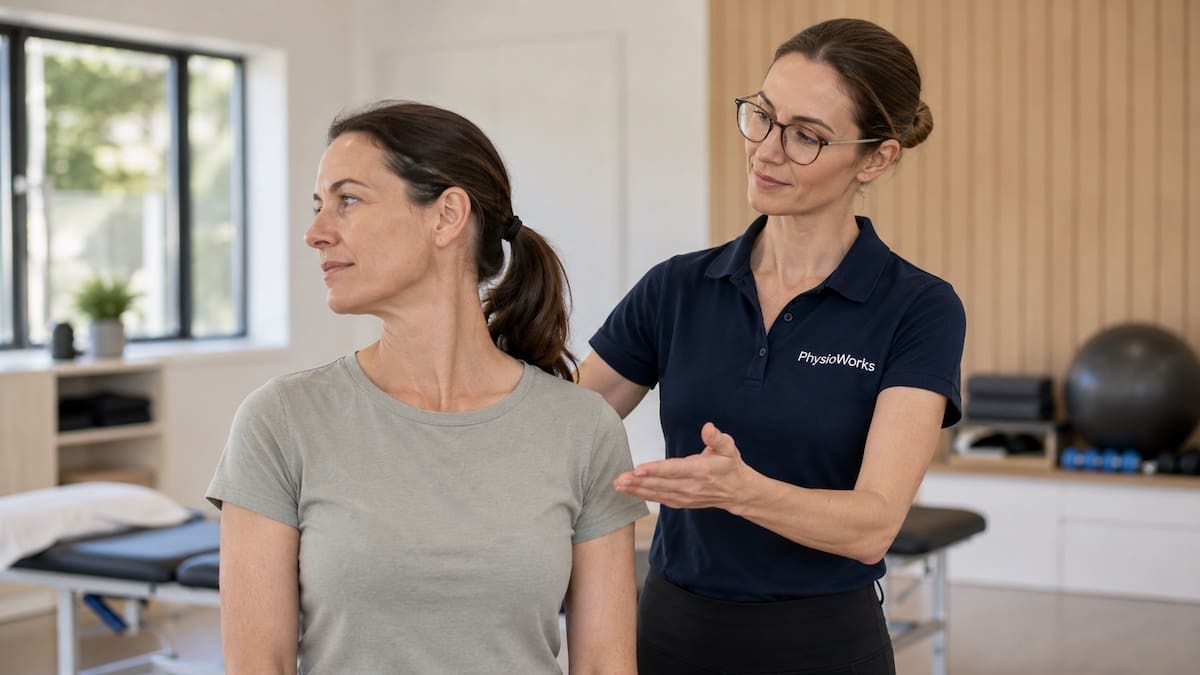
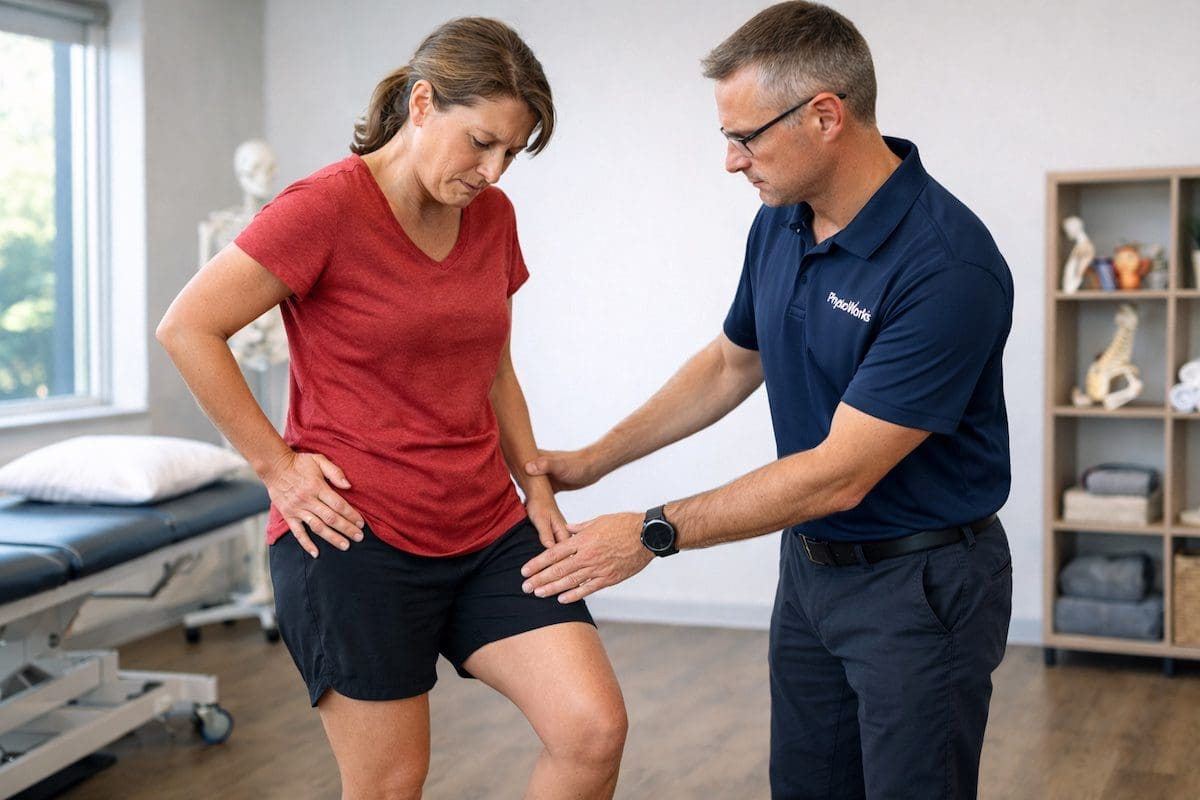
Scoliosis physiotherapy assessment showing spinal posture and alignment

Subtle posture guidance can help reduce neck strain and improve comfort

Common posture and setup mistakes

  • Screen sitting too low for long periods.
  • Chin poking forward while working or scrolling.
  • Shoulders creeping up with stress or fatigue.
  • Staying in one position for too long.
  • Pillow height bending the neck overnight.

How can you prevent neck pain at work and at home?

You can reduce neck strain by improving your setup, changing position often, and avoiding long periods of static loading. Prevention works best when you combine ergonomics, exercise, and load awareness rather than relying on posture alone.

The most effective approach is combining better setup, regular movement, and improved strength. Focusing on just one area, such as posture alone, is usually not enough to prevent recurring neck pain.

Prioritise posture

Good posture does not mean sitting rigidly all day. Instead, aim for a relaxed upright position with your head balanced over your trunk, your shoulders relaxed, and your screen at a comfortable height. If you spend long hours at a desk, read more about posture correction and simple posture improvement strategies.

Improve your workstation ergonomics

Your desk, chair, screen height, and keyboard position all affect neck load. An awkward setup can gradually increase muscle tension and joint irritation, especially when combined with long sitting periods. A tailored ergonomics assessment can help if your symptoms keep returning at work.

Move more often

One of the easiest prevention strategies is to break up long sitting blocks. Stand up, reset your posture, walk briefly, or perform a few gentle movements every 30 to 60 minutes. Movement variety usually helps more than trying to hold one “perfect” position all day.

What exercises help with neck pain prevention?

Neck pain prevention exercises usually target neck control, postural endurance, shoulder blade support, and upper-back mobility. The goal is to improve your tolerance for work, driving, study, training, and daily life so your neck is less likely to become overloaded.

quadruped spine neutral position exercise with correct hip and shoulder alignment

Guided neck control exercise with good alignment

Consistency matters more than intensity. Small amounts of regular exercise are usually more effective than occasional high-effort sessions when it comes to preventing neck pain.

Many people benefit from a mix of neck strengthening, neck exercises for pain relief and prevention, and posture exercises. Your physiotherapist may also prescribe deep neck control work, upper-back mobility drills, and shoulder blade exercises based on your presentation.

Neck physiotherapy exercises

A physiotherapist can assess neck posture, movement, muscle endurance, and aggravating habits before prescribing the right exercise plan. That may include low-load control work early, then gradual strengthening and endurance training as your tolerance improves. If you are unsure where to start, read do I need physiotherapy for neck pain?.

Choose activities that support neck health

Regular general exercise can also help reduce recurring neck pain. Walking, swimming, gym-based strength work, and mobility-based exercise can all play a role when they are progressed sensibly and matched to your symptoms.

Can stress and sleep habits affect neck pain prevention?

Yes. Stress can increase muscle tension and pain sensitivity, while poor sleep support can leave your neck bent or overloaded for hours. Prevention is stronger when you address both physical loading and recovery habits.

Manage stress-related muscle tension

Stress often shows up as jaw clenching, shoulder elevation, shallow breathing, or upper-trapezius tension. Relaxation strategies, breathing drills, regular walking, and a relaxation massage may help some people reduce recurring muscle tightness.

Support your neck during sleep

Your pillow should support your neck without forcing it into too much flexion or side bend. If you wake with morning stiffness, headaches, or neck pain, your sleep setup may be contributing. A good next step is reviewing your pillow choice and sleeping position.

Bag it right

Heavy one-sided bags can increase neck and shoulder loading. A backpack or well-balanced crossbody option usually spreads the load better and may be more comfortable if you already carry tension through your neck and upper back.

When should you get help for recurring neck pain?

You should get assessed if your neck pain keeps returning, starts spreading into the arm, causes pins and needles, affects sleep, or limits work, driving, exercise, or concentration. Early guidance can often stop a recurring problem from becoming harder to settle.

It is also worth looking more closely at related issues such as text neck, neck arm pain, or cervicogenic headache if your symptoms fit those patterns.

FAQs About Neck Pain Prevention

What is the best posture to prevent neck pain?

The best posture is a comfortable, relaxed upright position that you can change regularly. Good posture reduces unnecessary neck strain, but staying still for too long can still aggravate symptoms, even if your posture looks good.

Do posture exercises really help prevent neck pain?

They often do, especially when they improve neck control, shoulder blade support, upper-back mobility, and postural endurance. However, exercises work best when paired with better work habits, movement breaks, and a sensible desk setup.

Can using your phone too much cause neck pain?

Yes. Repeatedly looking down at your phone can increase loading through the neck and upper back. Raising the screen, changing position often, and improving neck strength can help reduce that repeated strain.

What pillow is best for neck pain prevention?

A supportive pillow that keeps your neck in a more neutral position is usually better than several soft pillows. If you wake stiff or sore, your pillow height or sleeping posture may need adjusting.

How often should you do neck prevention exercises?

That depends on your symptoms and goals, but many people benefit from short daily mobility work and regular strength or endurance exercises several times per week. A physiotherapist can tailor the dosage to your neck and your daily load.

When is neck pain more than a simple posture problem?

Neck pain deserves closer assessment if it keeps returning, becomes severe, spreads into the arm, causes numbness or weakness, or affects sleep and daily function. Those features may point to something more than simple postural overload.

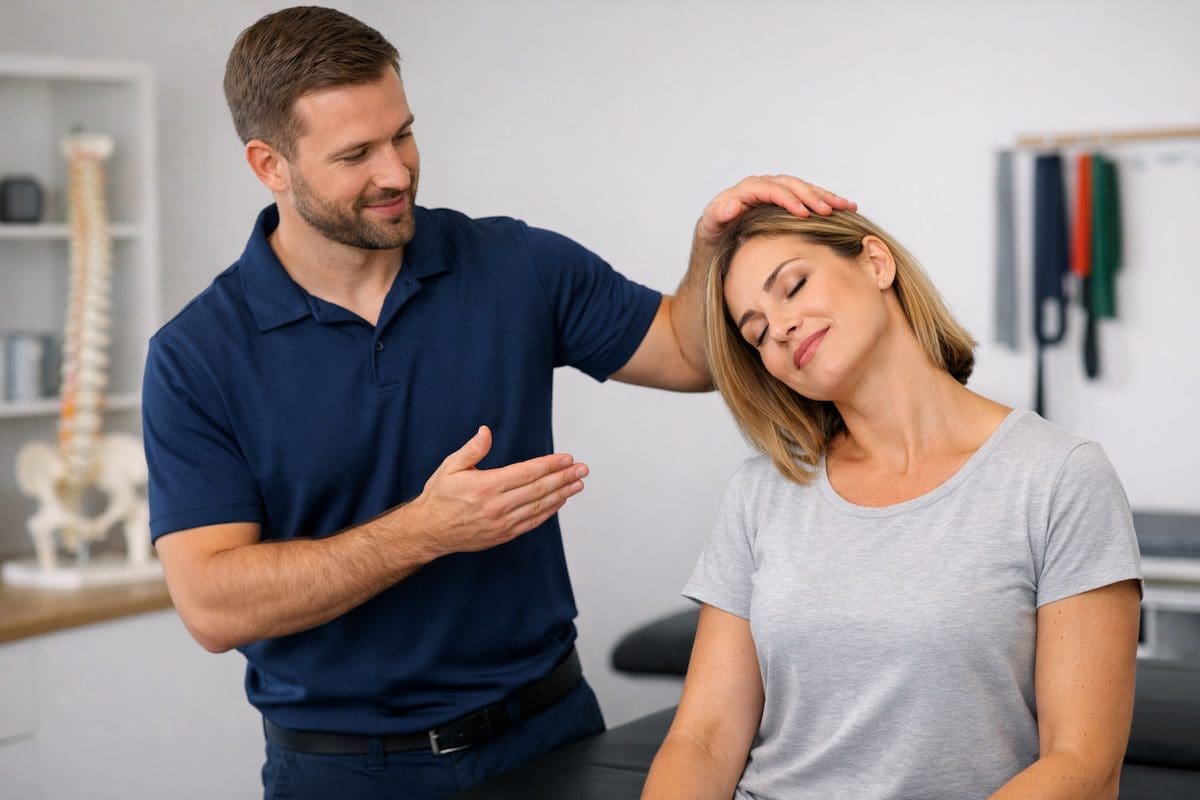
Patient smiling and gently turning her neck toward physiotherapist with relaxed posture in physiotherapy clinic

Comfortable neck movement with relaxed posture

What to do next

If you want to prevent neck pain, start with the basics: improve your setup, move more often, strengthen the muscles that support your neck, and review your sleep habits. Small changes repeated consistently usually work better than short bursts of effort.

Small changes to posture, setup, and strength often reduce stiffness, ease headaches, and make desk work more comfortable. If your symptoms keep returning or you are unsure which exercises or ergonomic changes suit you best, book a physiotherapy assessment. Early guidance can help you prevent ongoing strain, improve neck control, and stay comfortable long term. You can also start with neck physiotherapy guidance if you want to compare your next best step.

Choose your clinic and appointment pathway

Select a PhysioWorks clinic to continue to live booking, an appointment request or reception assistance.

Follow PhysioWorks

Get physiotherapy tips, exercise videos, recovery advice and blog updates.

References

  1. Healthdirect. Neck pain - treatments, causes and related symptoms. Reviewed May 2024.
  2. Johnston V, Jackson K, Welch A, et al. Evaluation of an exercise and ergonomics intervention for the prevention of neck pain in office workers: exploratory analysis of a cluster randomised trial. Occup Environ Med. 2022;79(11):1-8. doi:10.1136/oemed-2022-108275.
  3. Johnston V, Chen X, Welch A, et al. A cluster-randomized trial of workplace ergonomics and neck-specific exercise versus ergonomics and health promotion for office workers to manage neck pain - a secondary outcome analysis. BMC Musculoskelet Disord. 2021;22(1):68. doi:10.1186/s12891-021-03945-y.
  4. Frutiger M, Borotkanics R. Systematic review and meta-analysis suggest strength training and workplace modifications may reduce neck pain in office workers. Pain Pract. 2021;21(1):100-131. doi:10.1111/papr.12940.

Neck Pain Relief Tips

Neck Pain Relief: Tips, Exercises, and Therapies

Neck pain relief often starts with simple steps such as easing aggravating positions, improving posture, keeping your neck moving gently, and using heat or cold when appropriate. Many short-term flare-ups settle within a few days. However, symptoms that persist, worsen, or spread into your shoulder or arm deserve closer assessment. For a broader overview, start with neck pain and common causes of neck pain.

What helps neck pain relief at home?

For many people, the most helpful first steps are relative rest, gentle movement, posture correction, and simple symptom relief such as heat or cold packs. Avoid staying in one position for too long, especially at a desk, in the car, or on your phone. If your symptoms are not settling, a physiotherapist for neck pain can help identify what is driving your symptoms and what to do next.

Common causes of neck pain

Neck pain commonly develops from poor posture, long periods of desk work, reduced movement, muscle overload, stress-related tension, awkward sleeping positions, or a sudden strain. Some people also develop symptoms after sport, lifting, or a driving incident. If you also notice headache, arm pain, pins and needles, or weakness, related issues such as cervical radiculopathy, cervicogenic neck headache, or whiplash may need to be considered.

Helpful pages for common triggers

  1. Perfecting Your Posture for Neck Health
    • Learn how posture changes can reduce daily neck strain.
  2. Neck Pain Causes and Solutions
    • See common reasons neck pain starts and what may help.
  3. Desk Setup Tips for Neck Care
    • Improve your workstation to reduce sustained neck loading.

How can you relieve neck pain quickly?

Quick neck pain relief usually comes from reducing aggravating positions, using gentle range-of-motion exercises, changing posture often, and settling irritated tissues with heat or cold. While complete recovery is not always immediate, these steps often make day-to-day activity more comfortable and help you keep moving.

Practical neck pain relief tips

  • Change position regularly rather than staying still for long periods.
  • Use a heat pack for stiffness or an ice pack if the area feels irritated after a recent flare-up.
  • Keep movements gentle and comfortable instead of forcing stretches.
  • Reduce time spent looking down at your phone or laptop.
  • Support your neck at night with a pillow that suits your sleeping position.

For more on simple self-care, see how to choose the best pillow for neck support, heat packs, and TENS machine pain relief. For a general Australian health overview, see Healthdirect’s neck pain guide.

Which exercises may help neck pain relief?

Exercises that are commonly used for neck pain relief aim to improve mobility, muscle control, posture, and load tolerance. The best program depends on whether your pain is linked to stiffness, muscle tension, headache, nerve irritation, or deconditioning.

Can massage help neck pain relief?

Massage may help some people by reducing muscle tension, improving comfort, and making it easier to move. It is often most helpful when combined with exercise, posture advice, and activity modification rather than used on its own. Read more about neck massage and relaxation massage.

What can you do to prevent neck pain?

Prevention usually comes down to better movement habits, smarter workstation setup, regular exercise, and avoiding long periods in one posture. Sleep setup also matters, especially if you regularly wake with stiffness.

When should you worry about neck pain?

You should seek prompt medical review if neck pain follows significant trauma, is linked with severe headache, fever, unexplained weight loss, worsening arm weakness, widespread numbness, unsteady walking, or loss of hand coordination. Ongoing pain that keeps returning, limits sleep, or affects work and driving also deserves assessment.

Neck Pain Relief FAQs

  1. What helps neck pain relief at home?
    • Gentle movement, posture changes, relative rest, and simple heat or cold strategies often help. Avoid staying in one position too long and reduce activities that clearly aggravate your neck.
  2. What are common causes of neck pain?
    • Common causes include poor posture, desk work, muscle overload, stress-related tension, awkward sleeping positions, and sudden strain. Sometimes headaches or arm symptoms point to a more specific neck problem.
  3. Which exercises may help neck pain relief?
    • Exercises that improve neck movement, muscle control, posture, and endurance are often useful. The right program depends on your symptoms, irritability, and the cause of your neck pain.
  4. Should you use ice or heat for neck pain?
    • Heat often suits stiffness and muscle tightness, while ice may help after a recent flare-up or when the area feels irritated. Many people use whichever option feels best and helps them move more comfortably.
  5. When should you see a physiotherapist for neck pain?
    • See a physiotherapist if your symptoms persist, keep returning, limit work or sleep, or spread into your shoulder or arm. A physiotherapist can assess the cause and guide a personalised treatment plan.
  6. When is neck pain an emergency?
    • Urgent medical review is important if neck pain follows major trauma or is linked with severe headache, fever, worsening weakness, widespread numbness, balance changes, or other concerning neurological symptoms.

Related Articles

  1. Neck Pain
    • Read the main condition page covering symptoms, causes, and treatment.
  2. Neck Pain Causes and Solutions
    • Explore common reasons neck pain starts and what to do next.
  3. Perfecting Your Posture for Neck Health
    • Improve everyday posture habits to reduce neck strain.
  4. Neck Exercises for Pain Relief and Prevention
    • See exercise options that may help neck pain relief and recovery.
  5. Neck Strengthening Exercises
    • Build neck support, endurance, and better load tolerance.
  6. Posture Exercises
    • Use posture-focused exercises to reduce repeated neck strain.
  7. Choosing the Best Pillow for Neck Support
    • Match your pillow to your sleep position and neck comfort needs.
  8. Do I Need Physiotherapy for Neck Pain?
    • Find out when assessment and tailored treatment may help.
  9. Preventing Neck Strain at Work
    • Use practical workstation and posture tips to reduce recurrence.
  10. Neck Massage Benefits
    • See how massage may support comfort and movement.
  11. Healthdirect: Neck Pain
    • Australian consumer health advice on symptoms, causes, and treatment.
  12. Better Health Channel: Neck Pain
    • General advice on common causes, treatment, and prevention.

What to Do Next

If your neck pain is not improving, keeps returning, or affects work, sleep, driving, sport, or daily activities, book an assessment with your physiotherapist. Early assessment can help identify the cause of your symptoms, guide the right exercises, and reduce the chance of ongoing flare-ups.

Choose your clinic and appointment pathway

Select a PhysioWorks clinic to continue to live booking, an appointment request or reception assistance.

Neck Products

These neck products are commonly used by our physiotherapists to improve strength, posture, movement, plus assist home exercise programs.

View all neck products

Follow PhysioWorks

Get physiotherapy tips, exercise videos, recovery advice and blog updates.

References

  1. El-Allawy A, et al. Clinical Practice Guideline: Nonspecific Neck Pain. Dtsch Arztebl Int. 2025;122(20):552-557. doi:10.3238/arztebl.m2025.0119.
  2. Dirito AM, Abichandani D, Jadhakhan F, Falla D. The Effects of Exercise on Neuromuscular Function in People With Chronic Neck Pain: A Systematic Review and Meta-analysis. PLoS One. 2024;19(12):e0315817. doi:10.1371/journal.pone.0315817.
  3. Makin J, et al. Effectiveness and Safety of Manual Therapy When Compared With Oral Pain Medications in Patients With Neck Pain: A Systematic Review and Meta-analysis. BMC Sports Sci Med Rehabil. 2024;16(1):86. doi:10.1186/s13102-024-00874-w.
  4. Cefalì A, et al. Effects of Breathing Exercises on Neck Pain Management: A Systematic Review With Meta-Analysis. J Clin Med. 2025;14(3):709. doi:10.3390/jcm14030709.
  5. Healthdirect Australia. Neck Pain. Accessed March 12, 2026.

Do I Need Physiotherapy for Neck Pain?

Neck pain can affect driving, desk work, sleep, and training. If your symptoms keep returning, limit movement, or linger beyond a few days, neck physiotherapy may help. A physiotherapist can assess what is driving your pain and guide a plan that fits your goals, workload, and health history.

Neck physiotherapy assessment checking cervical spine rotation and movement comfort

Neck physiotherapy can assess movement, pain behaviour, and treatment options.

Neck Physiotherapy: Short Answer

You may benefit from physiotherapy when neck pain affects daily activities, movement, sleep, or confidence to exercise. A physiotherapist can check joints, muscles, nerves, posture, and load tolerance, then guide treatment based on your presentation. For a full overview of causes, assessment, and treatment options, visit our main Neck Pain page.

Physiotherapy May Be Worth Considering If:

  • neck pain limits driving, desk work, sleep, exercise, or sport
  • your neck movement feels restricted, guarded, or painful
  • symptoms keep returning after rest or self-care
  • pain spreads towards the shoulder blade, arm, or head
  • you are unsure which exercises are safe to try

How Neck Physiotherapy May Help Neck Pain

Physiotherapy aims to settle symptoms, restore comfortable movement, and build resilience for work, sport, and daily life. Your physiotherapist may use a mix of education, exercise, and hands-on techniques to help you move better and load the neck and upper back with less irritation.

What Happens at Your First Appointment?

Your physiotherapist will ask about your symptoms, irritability, health history, work set-up, training, sleep, and what makes symptoms better or worse. They will then assess movement, strength, joint mobility, and relevant nerve signs. After that, you should leave with clear priorities and a plan for the next 1–3 weeks.

Common Approaches Used in Neck Physiotherapy

  • Advice and education: practical guidance on pacing, posture, and flare-up management.
  • Exercise therapy: mobility, endurance, and strength work for the neck, shoulder girdle, and upper back.
  • Hands-on care: soft tissue techniques and joint mobilisation where appropriate.
  • Ergonomics and habits: desk set-up, breaks, pillow habits, and device positioning.

Can a Physio Help a Stiff Neck?

Often, yes. Many stiff necks relate to muscle guarding, joint irritation, or overload from posture, sleep position, or a sudden increase in activity. Physiotherapy commonly focuses on restoring motion, settling protective muscle tension, and building capacity so stiffness is less likely to return.

If you have severe symptoms, significant trauma, or worrying neurological signs, your physiotherapist may recommend medical review as well.

Is Physiotherapy Painful?

Treatment should stay within a tolerable range. Some techniques and exercises can feel mildly uncomfortable, especially early on. However, your physiotherapist should adjust dosage and technique to reduce the risk of symptom spikes and keep progress steady.

How Many Sessions Are Usually Needed?

That depends on the cause, how long symptoms have been present, and how quickly your neck settles with loading and movement changes. Some people improve in a few sessions. Others need a longer plan, particularly if pain is persistent, you have headaches, or symptoms affect nerves into the arm.

When Should Neck Pain Be Checked Urgently?

Seek urgent medical care if you have severe or worsening symptoms after trauma, unexplained fever, severe headache unlike your usual pattern, unexplained weight loss, chest pain, or progressing arm weakness or numbness.

Frequently Asked Questions About Neck Physiotherapy

Is neck physiotherapy worth trying for neck pain?

Neck physiotherapy may be worth considering when pain affects sleep, work, driving, exercise, or confidence with movement. A physiotherapist can assess likely contributing factors and guide a treatment plan that may include education, movement strategies, exercise, and hands-on care.

Can physiotherapy help a stiff neck?

Physiotherapy may help a stiff neck when symptoms relate to joint irritation, muscle guarding, posture, load changes, or movement restriction. Treatment often focuses on restoring comfortable movement, reducing protective tension, and building strength or endurance where needed.

When should I see a physiotherapist for neck pain?

Consider seeing a physiotherapist if neck pain lasts more than a few days, keeps returning, limits normal activity, or affects work, sleep, driving, or exercise. You should seek medical care sooner if symptoms follow significant trauma or include progressive neurological signs.

Can physiotherapy help neck pain with headaches?

Physiotherapy may help some headache patterns linked with neck movement, posture, muscle tension, or upper cervical joint irritation. However, sudden severe headaches, unusual headache patterns, fever, neurological symptoms, or headache after trauma should be medically assessed.

Will I need exercises for neck pain?

Many neck physiotherapy plans include exercises. These may target mobility, deep neck muscle control, shoulder blade strength, posture tolerance, or graded return to work and sport. Your physiotherapist should match the exercise level to your symptoms and goals.

Related Information

Neck physiotherapy exercise retraining cervical spine control and movement confidence

Guided neck exercises can support movement confidence after assessment.

What to Do Next

If your neck pain is limiting your work, sleep, driving, sport, or confidence, book an assessment so you can get a clear explanation and a tailored plan. If you want the full condition overview first, start here: Neck Pain.

Choose your clinic and appointment pathway

Select a PhysioWorks clinic to continue to live booking, an appointment request or reception assistance.

Neck Products

These neck products are commonly used by our physiotherapists to improve strength, posture, movement, plus assist home exercise programs.

View all neck products

Follow PhysioWorks

Get physiotherapy tips, exercise videos, recovery advice and blog updates.

References

For a broader clinical overview, visit our main condition page: Neck Pain: Causes, Symptoms, Treatment & Rehabilitation.

  1. Sterling M, de Zoete RMJ, Coppieters I, Farrell SF. Best evidence rehabilitation for chronic pain part 4: Neck pain. J Clin Med. 2019;8(8):1219. doi:10.3390/jcm8081219
  2. Blanpied PR, Gross AR, Elliott JM, et al. Neck pain: Revision 2017. J Orthop Sports Phys Ther. 2017;47(7):A1-A83. doi:10.2519/jospt.2017.0302
  3. Healthdirect Australia. Neck pain. Last reviewed May 2024.
  4. Better Health Channel. Neck pain.

What Is Good Neck Posture?

Good neck posture while sitting at desk with laptop at eye level

Correct neck posture during desk work setup

Good neck posture helps reduce neck strain, stiffness, and headaches by keeping your head better aligned over your shoulders. In daily life, that often means reducing prolonged forward head posture during desk work, phone use, driving, and reading. If posture is contributing to your symptoms, this page works best alongside our broader guides to neck pain, text neck, and posture correction.

You do not need perfect posture all day. Instead, the goal is a comfortable, repeatable position that reduces unnecessary load and allows regular movement. Physiotherapists commonly assess posture, movement, strength, endurance, work habits, and sleep setup together rather than blaming posture alone.

Physiotherapists regularly assess posture, movement, strength, and work setup together to identify the main cause of neck pain.

Quick signs your neck posture may need attention:

  • Neck stiffness after desk work or device use
  • Frequent headaches or upper trapezius tightness
  • Symptoms that build the longer you sit still
  • Morning pain linked with pillow or sleep position
  • Relief when you move, stretch, or reset your position

Why is good neck posture important?

Good neck posture matters because it reduces repeated stress on the muscles, joints, discs, and nerves that support your head. When your head drifts forward for long periods, your neck and upper-back muscles work harder to hold it up. Over time, that can contribute to pain, stiffness, fatigue, headaches, and reduced tolerance for sitting or screen work.

What does good neck posture look like?

Good neck posture usually means your ears sit roughly over your shoulders, your chin stays level, and your upper back remains gently supported rather than heavily rounded. It does not mean forcing yourself into a rigid position. A better goal is neutral alignment with regular movement and enough muscular endurance to hold comfortable positions through the day.

What commonly causes poor neck posture?

Poor neck posture often develops from repeated daily habits rather than one single injury. Common causes include:

Prolonged sitting

Long desk sessions often encourage slouching and forward head posture. A better workstation setup can make it easier to sit comfortably for longer.

Frequent gadget use

Looking down at phones and tablets places the neck in sustained flexion. That is one reason text neck can cause pain, stiffness, and headaches.

Poor sleep support

An unsupportive pillow or awkward sleeping position can leave your neck bent for hours. If symptoms are worse in the morning, our pillow guide may help.

Reduced neck and upper-back endurance

Even with a decent setup, posture can fade if the supporting muscles fatigue quickly. That is where neck strengthening and posture exercises may help.

What symptoms can poor neck posture cause?

Poor neck posture may contribute to a range of symptoms, especially when combined with prolonged sitting or reduced movement. Common symptoms include:

  • Neck stiffness and discomfort
  • Frequent headaches
  • Upper trapezius or shoulder tightness
  • Upper-back ache
  • Numbness or tingling in the arms in some cases

If your symptoms also include arm pain, nerve irritation, or persistent headaches, these related pages may help: neck arm pain, cervical radiculopathy, and cervicogenic headache.

How can you improve good neck posture?

Most people improve their posture by making practical changes they can repeat every day. Usually, the biggest wins come from setup changes, movement breaks, and simple exercises rather than trying to sit perfectly.

  1. Raise your screen: Keep the screen near eye level to reduce forward head posture.
  2. Bring devices closer: Reduce the need to poke your chin forward.
  3. Take regular movement breaks: Stand, stretch, or walk every 30 to 45 minutes.
  4. Improve sleep support: Choose a pillow that supports your natural neck curve.
  5. Build strength and endurance: Use guided neck exercises and posture retraining strategies.
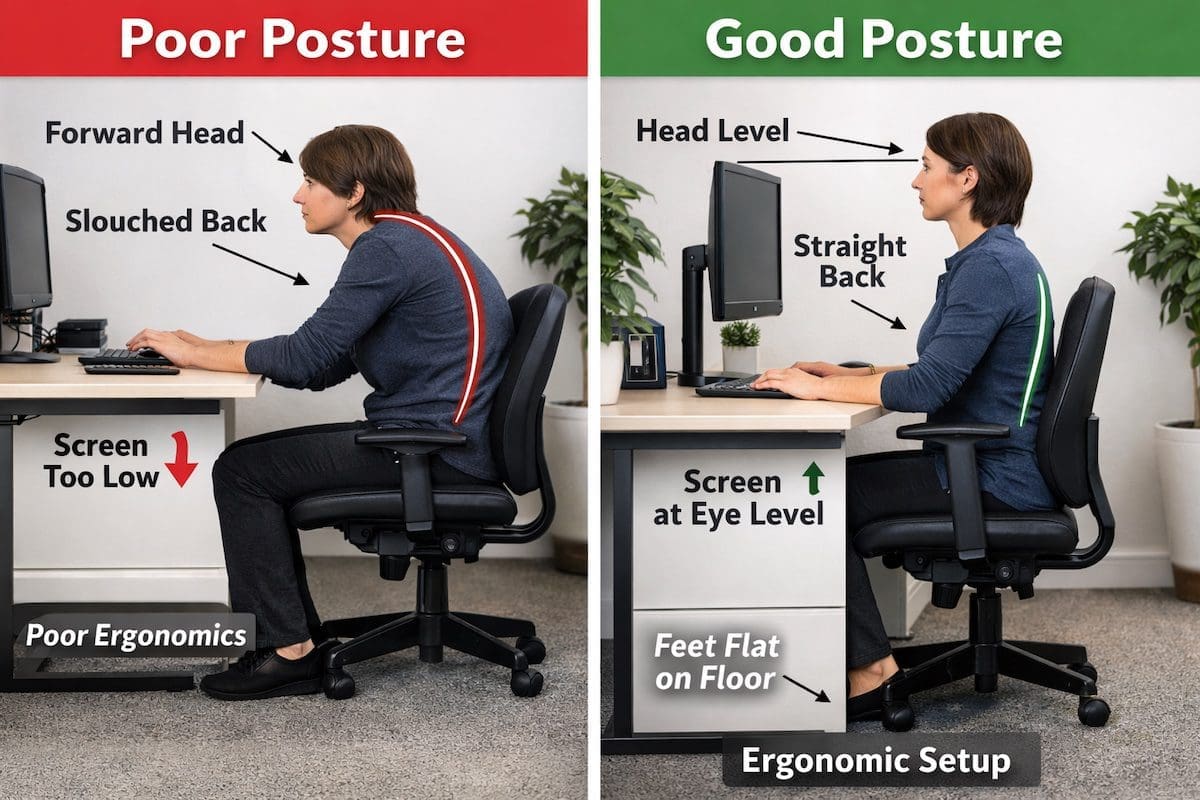
Good neck posture and poor posture desk setup comparison showing head, back, and screen alignment

Poor vs good neck posture at a desk

Simple daily posture reset checklist:

  • Screen near eye level
  • Shoulders relaxed, not braced back
  • Chin level rather than poking forward
  • Feet supported where possible
  • Move before discomfort builds

When should you get help for posture-related neck pain?

You should get help if your symptoms keep returning, are getting worse, or are affecting work, sleep, exercise, or concentration. A physiotherapist can assess your neck movement, posture, strength, work habits, and contributing factors, then guide the most useful treatment plan.

You should also seek prompt assessment if your neck pain follows trauma, causes arm weakness, progressive numbness, dizziness, or severe ongoing pain.

Good Neck Posture FAQs: Causes, Fixes & Daily Tips

Can bad posture cause neck pain?

Yes, bad posture can contribute to neck pain, especially when combined with prolonged sitting, screen work, stress, and poor sleep support. However, posture is usually only one part of the problem.

What is the best sitting posture for your neck?

The best sitting posture keeps your head roughly over your shoulders, your chin level, and your screen near eye height. Your shoulders should feel relaxed rather than stiff or forced back.

How often should you reset your neck posture?

A quick reset every 30 to 45 minutes works well for most people. Stand up, walk briefly, stretch, or change your position before symptoms build.

Can a pillow affect neck posture?

Yes. A pillow that is too high, too low, or poorly matched to your sleep position can leave your neck bent for hours and contribute to morning stiffness or headaches.

What exercises help improve neck posture?

Common exercises include chin nods, deep neck flexor control work, shoulder blade strengthening, thoracic mobility work, and guided posture exercises.

When should you worry about posture-related neck pain?

You should be more concerned if symptoms are worsening, not settling with simple changes, or include weakness, numbness, severe pain, dizziness, or symptoms after trauma.

What should you do next?

Start by improving the daily habits that place the biggest load on your neck. Raise your screen, change positions more often, use better sleep support, and build some neck and upper-back endurance with simple exercises.

If your symptoms keep returning, book a physiotherapy assessment. Targeted advice is often more effective than guessing, especially if posture is only one part of the issue.

Choose your clinic and appointment pathway

Select a PhysioWorks clinic to continue to live booking, an appointment request or reception assistance.

Follow PhysioWorks

Get physiotherapy tips, exercise videos, recovery advice and blog updates.

References

  1. Mahmoud NF, Hassan KA, Abdelmajeed SF, Moustafa IM, Silva AG. The Relationship Between Forward Head Posture and Neck Pain: a Systematic Review and Meta-Analysis. Curr Rev Musculoskelet Med. 2019;12(4):562-577. doi:10.1007/s12178-019-09594-y
  2. Healthdirect. Neck pain. Accessed March 30, 2026.

What Are the Best Neck Stretches for Better Neck Health?

Neck stretches are gentle movements designed to reduce muscle tension, improve mobility, and relieve mild neck stiffness. They may help when your neck feels tight from posture, stress, desk work, driving, gym training, or poor sleep position.

Neck stretches work best when you do them gently, stay consistent, and combine them with good habits such as posture changes, regular movement, and, when needed, neck strengthening. If your symptoms keep returning, you may also need advice on neck posture, workstation setup, and managing neck pain more broadly.

However, neck stretches are not right for every problem. If your pain is severe, follows trauma, causes headaches or dizziness, or spreads into the arm, start with a broader neck pain assessment rather than guessing.

Patient benefits from neck pain treatment with physiotherapist showing neck stretches at home

Quick signs neck stretches may help

  • Mild stiffness after sitting, driving, or screen work
  • Tight muscles across the neck and upper shoulders
  • Reduced comfort turning your head, but no arm symptoms
  • Symptoms that ease once you warm up and move around

Simple decision guide

  • Stiff neck: start with gentle stretches and posture breaks
  • Sore after work or training: reduce load briefly and add light movement
  • Sharp pain, arm symptoms, dizziness, or severe headache: get assessed before stretching

How can neck stretches help?

Neck stretches may help by easing muscle tension, improving short-term mobility, and helping you move more comfortably after long periods in one position. For many people, they work best as part of a bigger plan that also includes neck exercises for pain relief, posture changes, and gradual return to normal activity.

If your neck has become tight from desk work or phone use, you may also benefit from improving neck posture, building upper quarter control, and reading about text neck. If your upper back feels stiff too, improving upper back pain and thoracic movement may also help your neck move more freely.

What are the best neck stretches to start with?

The best starting point is usually gentle, pain-free movement rather than long, forceful holds. Begin with simple stretches that feel comfortable and easy to repeat through the day.

1. Neck rotation stretch

Turn your head slowly to one side until you feel a mild stretch. Hold for 5 to 10 seconds, return to centre, then repeat to the other side.

2. Side bend stretch

Gently bring your ear towards your shoulder without shrugging the shoulder up. Hold for 5 to 10 seconds and repeat on the other side.

3. Chin tuck or neck retraction

Draw your head straight back as if making a gentle double chin. This is less of a stretch and more of a posture reset, but it often helps when tightness is linked to screen-based posture.

4. Levator scapula stretch

Turn your head slightly, then look down towards your armpit until you feel a stretch at the back or side of your neck. Keep it gentle and controlled.

These movements often pair well with specific neck strengthening, upper-back control work, and changes to your workstation or training load, especially when the problem keeps returning.

Neck stretches guided by physiotherapist for posture-related neck stiffness

Gentle, guided neck stretches for posture-related stiffness.

Common neck stretching mistakes

  • Forcing the stretch instead of staying comfortable
  • Holding too long when the neck already feels irritated
  • Stretching into arm pain, tingling, or dizziness
  • Using stretches alone without improving posture, strength, or load management

When should you avoid neck stretches?

Avoid or pause neck stretches if they sharply increase pain, reproduce arm tingling, cause dizziness, or feel worse each time you do them. These signs can suggest that the issue is not just muscle tightness.

For example, stretching may not be the right first step if you have cervical radiculopathy, more severe whiplash, a painful wry neck episode, or persistent neck and arm pain. In those cases, assessment helps you choose the right exercises and avoid aggravating the problem.

Get assessed sooner if you notice

  • pain after a fall, collision, or car accident
  • pins and needles, numbness, or weakness into the arm
  • severe headache, dizziness, or unsteadiness
  • fever, unexplained weight loss, or night pain
  • neck pain that is worsening instead of settling

How often should you do neck stretches?

Most people do better with short, gentle sets through the day rather than one aggressive stretching session. A practical starting point is 3 to 5 repetitions, holding each one for about 5 to 15 seconds, once or twice a day. Then adjust based on how your neck responds over the next 24 hours.

If your neck feels better after movement but stiffens again later, more frequent micro-breaks may help more than longer stretches. This is especially true for desk-based pain, driving-related stiffness, and posture-linked flare-ups.

Do neck stretches fix neck pain on their own?

Neck stretches can help mild stiffness, but they do not fix every cause of neck pain on their own. Ongoing neck pain often improves more when you combine stretching with load management, strengthening, posture changes, and a clearer diagnosis.

That is why many people also need advice about physiotherapy for neck pain, activity pacing, and when to progress from simple mobility work into strength and control exercises. If headaches are part of the picture, it may also help to read about cervicogenic neck headache.

Some people also benefit from supportive products such as ergonomic pillows, posture supports, or self-management tools, but these work best when they support an active recovery plan rather than replace it.

For broader public guidance, Healthdirect also recommends keeping the neck gently moving, adjusting aggravating activities, and using exercises shown by a doctor or physiotherapist rather than relying on rest alone. Healthdirect’s neck pain advice is a useful general resource.

What should you do if neck stretches are not helping?

If neck stretches are not helping after a week or two, or they keep giving only short-term relief, the next step is to work out what is driving the problem. You may need a different approach, such as mobility work for stiff joints, a graded strengthening program, better workstation habits, or treatment for a related condition like neck sprain.

If your main issue is stiffness, you may also find it helpful to compare this advice with content on neck mobility, posture correction, and broader strategies for managing recurrent neck pain.

Neck Stretches FAQs

Can neck stretches make neck pain worse?

Yes, they can if you force the stretch, hold too long, or stretch the wrong structure. Stop if pain sharpens, symptoms spread into the arm, or you feel worse afterwards. Gentle movement is usually safer than pushing into a strong stretch.

Are neck stretches safe every day?

Usually, yes, when the stretches are gentle and comfortable. Daily stretching often suits mild posture-related stiffness. However, daily stretching is not automatically better if the neck is already irritated, inflamed, or recovering from trauma.

Should I stretch or strengthen my neck?

Many people need both. Stretching can help short-term stiffness, while strengthening usually builds better long-term support and load tolerance. If symptoms keep returning, strengthening and posture work often matter more than stretching alone.

How long should I hold a neck stretch?

A short hold of around 5 to 15 seconds is often enough to start with. Longer holds are not always better, especially if your neck is sensitive. The response over the next 24 hours matters more than how deep the stretch feels in the moment.

Can neck stretches help headaches?

They may help when headaches are linked to neck stiffness, posture strain, or tight upper cervical muscles. However, headaches can have many causes, so repeated or severe headaches should be assessed rather than self-managed with stretching alone.

When should I see a physiotherapist for neck stretches?

See a physiotherapist if your pain lasts more than a few days, keeps returning, limits work or sleep, or comes with arm symptoms, dizziness, or headaches. Assessment can show whether stretching is appropriate and what to add next.

What to do next

If your neck just feels mildly stiff, start with gentle stretches, regular posture breaks, and simple neck exercises. Build gradually instead of trying to force a fast change.

If symptoms are stronger, recurring, or spreading, book a physiotherapy assessment. That can help you identify the real driver of your neck pain and choose the right mix of stretching, strengthening, and activity changes.

Choose your clinic and appointment pathway

Select a PhysioWorks clinic to continue to live booking, an appointment request or reception assistance.

Neck Products

These neck products are commonly used by our physiotherapists to improve strength, posture, movement, plus assist home exercise programs.

View all neck products

Follow PhysioWorks

Get physiotherapy tips, exercise videos, recovery advice and blog updates.

References

  1. Albazee E, Mohammed E, Elhaskoury A, et al. The effectiveness of neck stretching exercises in alleviating neck pain and self-reported disability after thyroidectomy: A systematic review and meta-analysis of clinical trials. Head Neck. 2024;46(9):2119-2131. doi:10.1002/hed.27906
  2. El-Allawy A, Möller M, Schreiner J, et al. Clinical Practice Guideline: Nonspecific Neck Pain. Dtsch Arztebl Int. 2025;122(29-30):495-502.
  3. Australian Government Healthdirect. Neck pain. Reviewed May 2024.

Neck Surgery FAQs

Physiotherapist assessing neck pain with cervical spine palpation and movement testing in clinic

Neck surgery FAQs usually come down to one key question: when is surgery genuinely worth considering? In most cases, neck pain improves without an operation. However, surgery may become a reasonable option when symptoms keep going despite good conservative care, or when there are signs of worsening nerve or spinal cord compression. For a broader overview first, start with neck pain.

Common surgical discussions involve conditions such as cervical radiculopathy, cervical disc problems, and some forms of spinal stenosis. The right decision depends on your symptoms, examination findings, scan results, and how much the problem is affecting work, sleep, daily life, and confidence in movement.

Most importantly, surgery is rarely based on a scan alone. Good surgical decisions match the scan findings with your pain pattern, neurological signs, function, and response to non-surgical treatment.

Quick Signs You May Need a Surgical Opinion

  • Progressive arm weakness or loss of grip strength
  • Persistent nerve pain not improving after 8–12 weeks
  • Loss of balance, coordination, or hand control
  • Symptoms affecting work, sleep, or daily function

When should you consider neck surgery?

You should consider neck surgery when symptoms remain severe or function-limiting despite appropriate non-surgical care, or when you develop progressive weakness, worsening numbness, walking or balance changes, hand clumsiness, or other signs of spinal cord involvement.

In other words, surgery usually becomes more relevant when the problem is not settling, the neurological risk is rising, or daily function is slipping despite a structured plan. That is why early assessment matters when pain travels below the shoulder, strength drops, or coordination changes.

What conditions might lead to neck surgery?

The most common reasons for neck surgery include cervical disc herniation, cervical radiculopathy, cervical spinal cord compression, cervical myelopathy, neck fractures, instability, or significant narrowing around the nerves or spinal cord.

Some people mainly have arm pain, pins and needles, numbness, or weakness from a compressed nerve root. Others have broader spinal cord signs such as poor balance, reduced hand control, or trouble with fine motor tasks. These patterns matter because neck surgery is more often considered when neurological compromise is clear.

Cervical nerve compression diagram showing neck to arm pain pathway from spinal nerve irritation

Neck nerve compression can refer symptoms into the arm

Is neck surgery only for severe neck pain?

No. Neck surgery is not usually based on neck pain alone. It is more commonly considered when there is clear nerve root or spinal cord compression causing persistent arm pain, progressive weakness, hand dysfunction, gait change, or other neurological loss.

That distinction matters. Many people with local neck pain improve with physiotherapy, activity modification, and time. However, symptoms such as spreading arm pain, dropping objects, worsening grip, balance change, or persistent weakness deserve earlier medical review.

Are there non-surgical alternatives first?

Yes. In most non-urgent cases, treatment starts with non-surgical care such as physiotherapy, relative activity modification, pain relief strategies, guided exercise, and sometimes medical review for medications or injections.

Physiotherapy often focuses on calming pain, restoring movement, improving strength, and helping you return to work, driving, training, and daily tasks with more confidence. Useful next-step pages include Do I Need Physiotherapy for Neck Pain?, neck strengthening, and the broader neck pain FAQs guide.

How do doctors decide whether neck surgery is appropriate?

The decision is usually made through shared discussion between you, your GP, your spinal surgeon, and often your physiotherapist. It should combine your history, examination findings, scan results, symptom progression, and your response to a good trial of conservative care.

A scan can show age-related changes even in people without major symptoms. Therefore, the key question is not simply “what does the MRI show?” but “does the MRI explain your current symptoms and examination findings well enough to justify surgery?”

What types of neck surgery are commonly discussed?

Common neck surgery options include anterior cervical discectomy and fusion (ACDF), cervical disc replacement, and posterior decompression procedures such as foraminotomy or laminectomy. The best option depends on the exact diagnosis, the level involved, whether the spinal cord is compressed, and whether stability or motion preservation is a priority.

For example, one person may need decompression of a pinched nerve, while another may need decompression plus stabilisation. That is why the same scan label does not always lead to the same procedure.

How long is recovery after neck surgery?

Recovery varies by procedure, the number of levels treated, your baseline health, and the type of work or sport you need to return to. Many people improve in stages rather than all at once.

Early recovery may focus on wound healing, walking, comfort, and gentle movement. Later stages usually focus on restoring neck and shoulder function, rebuilding strength, improving confidence, and progressing back to normal activity. Even when arm pain improves early, full rehabilitation often takes several months.

What are the main risks of neck surgery?

Like any operation, neck surgery has risks. These can include infection, bleeding, nerve irritation or injury, swallowing or voice symptoms, ongoing pain, stiffness, need for further surgery, or a result that improves some symptoms more than others.

Risk does not mean the operation is inappropriate. It simply means the expected benefit should clearly outweigh the downsides for your situation. Your surgeon should explain the likely goals, limitations, and specific risks of the proposed procedure before you decide.

Can neck surgery guarantee pain relief?

No. Neck surgery cannot guarantee complete pain relief. The goal is usually to relieve nerve or cord compression, reduce severe symptoms, protect neurological function, and improve quality of life.

Some people get strong relief of arm pain or neurological symptoms but still need time, rehabilitation, and load management for neck stiffness, deconditioning, or movement fear. A realistic discussion before surgery is important.

When is neck surgery more urgent?

Neck surgery becomes more urgent when there is progressive weakness, worsening neurological loss, spinal cord compression with balance or hand changes, fracture or instability, or other signs that waiting may increase long-term risk.

If you notice worsening arm weakness, hand clumsiness, gait change, repeated tripping, or bowel and bladder change, seek medical review promptly rather than waiting to “see how it goes”.

What should you do before deciding on neck surgery?

Before deciding on neck surgery, make sure the diagnosis is clear, the imaging matches the symptom pattern, a structured non-surgical plan has been given a fair trial where appropriate, and you understand the likely benefits, limits, and recovery demands.

It also helps to ask practical questions: What is the main goal of surgery? What symptoms is it most likely to improve? What may remain? What is the rehabilitation plan? When can you drive, work, train, or travel again? Clear answers usually make better decisions.

Related neck pages

What to do next

If you have neck pain with worsening arm symptoms, weakness, numbness, poor balance, or hand clumsiness, do not rely on internet advice alone. Book an assessment to clarify your diagnosis and next step.

At PhysioWorks, a physiotherapist can help clarify whether your symptoms look more like local neck pain, nerve irritation, or a presentation that needs medical or surgical review. That gives you a clearer next step and helps avoid both unnecessary delay and unnecessary worry.

Choose your clinic and appointment pathway

Select a PhysioWorks clinic to continue to live booking, an appointment request or reception assistance.

Neck Products

These neck products are commonly used by our physiotherapists to improve strength, posture, movement, plus assist home exercise programs.

View all neck products

Follow PhysioWorks

Get physiotherapy tips, exercise videos, recovery advice and blog updates.

References

  1. Fehlings MG, Tetreault LA, Riew KD, et al. A clinical practice guideline for the management of patients with degenerative cervical myelopathy. Global Spine J. 2017;7(suppl 3):70S-83S.
  2. Margetis K, Ropper AH, Koutsarnakis C, et al. Cervical Radiculopathy. StatPearls. Updated 2025.
  3. Johansen TO, Solberg TK, Nygaard ØP, et al. Long-term results after surgery for degenerative cervical myelopathy. Neurosurgery. 2024.
  4. Broekema AEH, Molenaar RJ, Arts MP, et al. Noninferiority of posterior cervical foraminotomy vs anterior surgery for cervical radiculopathy. JAMA Neurol. 2023.

Nutrition and Hydration FAQs for Fitness Success

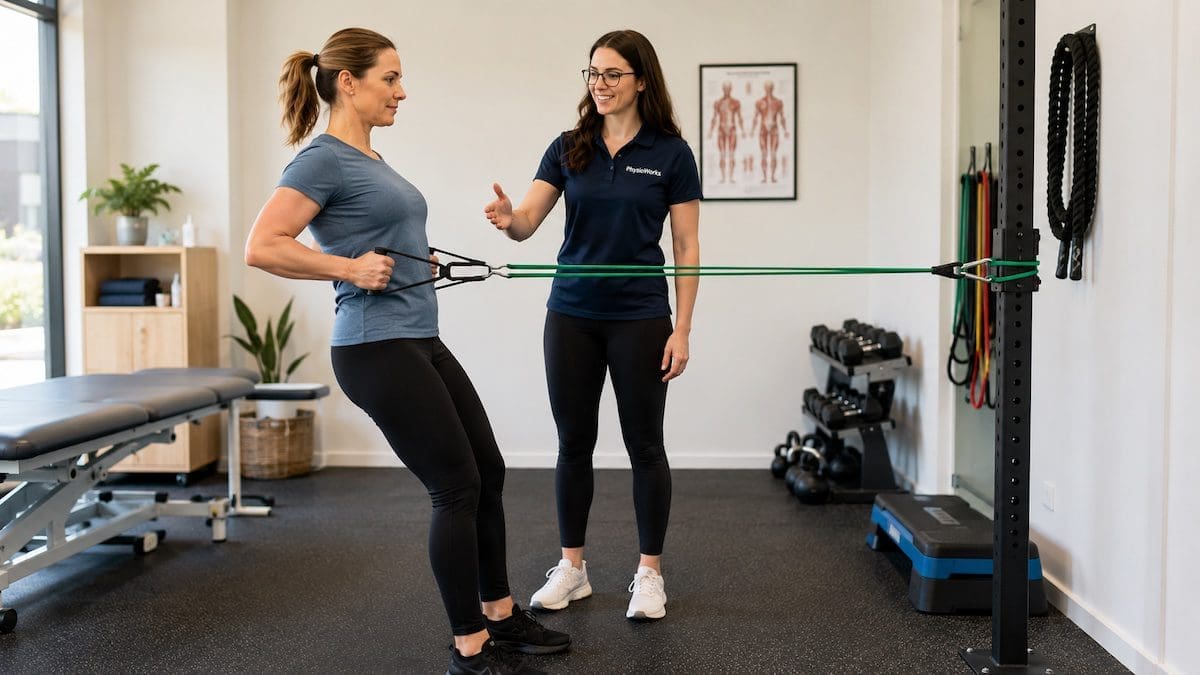
Nutrition and hydration fitness support during supervised resistance band exercise coaching
Fuel and fluid habits support consistent training.

Nutrition and hydration for fitness success means fuelling your body well enough to train, recover, and stay consistent. A practical routine usually includes regular meals, enough fluid, carbohydrate for exercise energy, and protein for repair.

You do not need a perfect diet to improve fitness. However, missed meals, poor hydration, and sudden training increases can make exercise feel harder than it should. For broader planning, see our exercise programs, exercise physiology, and sports health guides.

Quick Answer: What Matters Most?

  • Eat enough across the day, not just after exercise.
  • Use carbohydrate-rich foods to support training energy.
  • Include protein-rich foods to help muscle repair.
  • Start exercise well hydrated and replace fluid losses afterwards.
  • Increase food, fluid, sleep, and recovery support when training load rises.

Why are nutrition and hydration important for fitness?

Nutrition and hydration support energy, concentration, muscle repair, body temperature control, and recovery between sessions. When your intake does not match your training load, you may feel flat, sore, headachy, or unable to back up for the next session.

This matters for gym training, running, sport, and injury rehabilitation. If you are returning after injury, it also helps to match your fuel and fluids with a staged plan for soft tissue injury healing and progressive strengthening.

What should a good fitness nutrition routine include?

A good routine is repeatable. It usually includes regular meals, steady fluid intake, enough total energy, and simple timing around exercise. Most people do better with a consistent base than with a strict or complicated plan.

For general health, the Australian Dietary Guidelines remain a sensible starting point. They focus on vegetables, fruit, wholegrains, lean protein foods, and dairy or suitable alternatives. Athletes or people with complex health needs may need more tailored advice.

What foods support exercise performance and recovery?

Foods that support exercise usually provide carbohydrate for energy, protein for repair, and micronutrients for normal body function. The right amount depends on your body size, training load, exercise type, and goals.

Carbohydrate-rich foods such as oats, rice, bread, pasta, fruit, and potatoes can support training energy, especially before longer or harder sessions.

Protein-rich foods such as dairy, eggs, fish, lean meat, tofu, legumes, nuts, and seeds can support muscle repair and adaptation after exercise.

Micronutrient-rich foods such as vegetables, fruit, dairy foods, legumes, nuts, and seeds can support bone health, muscle function, and recovery. Supplements may help in some situations, but they should not replace a solid food routine.

Simple Fuel Timing Guide

Timing Main Goal Practical Example
2–3 hours before exercise Energy and comfort A balanced meal with carbohydrate, protein, and fluid
Closer to exercise Top-up fuel if needed A light snack if a full meal is too close to training
During exercise Fluid and longer-session support Sip to thirst for many sessions; plan more carefully in heat or long training
After exercise Recovery and repair A meal or snack with carbohydrate, protein, and fluid

Should you eat before and after exercise?

Yes, most people benefit from eating before and after exercise. Food before exercise can support energy and concentration. Food after exercise can help replenish energy stores and support muscle repair.

A balanced meal two to three hours before training suits many people. If time is short, a smaller snack may feel more comfortable. After exercise, aim for a meal or snack within the next hour or two, especially after hard, long, or strength-based sessions.

How much should you drink when exercising?

The right amount depends on your size, sweat rate, session length, exercise intensity, and weather. A sensible approach is to start well hydrated, drink to thirst during many sessions, and replace fluid afterwards.

Brisbane heat and humidity can increase fluid needs. If you finish a session very thirsty, light-headed, headachy, or unusually fatigued, your fluid plan may need work. Healthdirect’s guide to drinking water and your health gives useful general advice.

Do you need electrolytes for every workout?

No. Water is often enough for shorter or lower-intensity sessions. Electrolytes may become more useful during long sessions, hot-weather training, heavy sweating, or repeated sessions close together.

Sports drinks and electrolyte products can help in selected situations, but they are not needed for every workout. The Australian Institute of Sport provides useful information on sports nutrition for athletes who need more detailed planning.

Hydration Warning Signs

Review your fluid plan if these happen often during or after exercise:

  • headache, dizziness, or unusual fatigue
  • dry mouth and excessive thirst
  • poor concentration or heavy legs
  • cramping in hot conditions
  • dark urine after training
  • poor recovery between sessions

How should nutrition and hydration change as training load increases?

As training load rises, your food, fluid, and recovery habits usually need to rise with it. If you add more running, gym sessions, sport, or classes without changing recovery support, you may feel sore, flat, or stuck.

A simple plan is to settle, rebuild, then progress. First, settle fatigue or flare-ups. Next, rebuild consistency with manageable sessions. Then increase load gradually. Our exercise load management guide explains how to progress without guessing.

What are common nutrition and hydration mistakes?

Common mistakes include skipping meals, starting exercise dehydrated, relying too much on supplements, and increasing training without increasing recovery support. Another common problem is doing hard sessions after eating too little across the day.

Many people improve by keeping the basics steady. Eat regularly, include protein across the day, drink consistently, and adjust intake when training demands rise. If one type of training keeps overloading your body, cross-training may help spread load across different movement patterns.

Signs You May Be Under-Fuelling

  • you fade late in sessions more than usual
  • you feel light-headed, shaky, or flat during exercise
  • your recovery is slower than expected
  • you feel unusually sore after normal training
  • you keep getting niggles or repeated setbacks
  • your performance drops despite consistent training

When should you get personalised advice?

Get personalised advice if you keep feeling flat, dizzy, cramp-prone, slow to recover, or unable to progress despite training consistently. Advice is also useful if you are preparing for endurance events, changing body composition, returning to sport, or managing a health condition.

A physiotherapist can help you assess exercise load, movement tolerance, injury recovery, and training structure. If your main concern is diet, hydration, low energy availability, gut symptoms, or supplements, a sports dietitian or doctor may be the better first step.

Related PhysioWorks Articles

Nutrition and Hydration FAQs

What are the best foods to support exercise performance?

The best foods are usually simple, balanced choices that match your training load. Carbohydrate-rich foods support exercise energy. Protein-rich foods support repair. Fruit, vegetables, wholegrains, dairy or alternatives, and lean protein foods usually provide a stronger base than relying on supplements alone.

Should you eat before exercise?

Yes, most people benefit from eating before exercise, especially before longer or harder sessions. A balanced meal two to three hours before training often works well. If time is short, a light snack may feel more comfortable.

What should you eat after exercise?

After exercise, aim for a meal or snack that includes both carbohydrate and protein. This can help replace energy stores and support muscle repair. Timing does not need to be perfect, but eating within the next hour or two is often practical after harder sessions.

How much water should you drink when exercising?

There is no single amount that suits everyone. Sweat rates vary. Start well hydrated, drink to thirst during many sessions, and replace fluid after exercise. Hot weather, longer sessions, and heavy sweating usually increase your fluid needs.

Can dehydration slow your fitness progress?

Yes. Dehydration can make exercise feel harder, reduce concentration, and slow recovery. That can affect how well you train across the week. If you often finish sessions exhausted, thirsty, or headachy, your fluid plan may need work.

Do you need electrolytes for every workout?

No. Water is often enough for shorter or lower-intensity sessions. Electrolytes may become more useful during long sessions, hot-weather training, heavy sweating, or repeated sessions close together.

Is fasted training a good idea?

Fasted training may suit some short, low-intensity sessions, but it does not suit everyone. Many people train better with some fuel beforehand. If fasted training leaves you dizzy, flat, or unable to train well, it may not be the right option.

How much protein do active people need?

Protein needs vary with body size, training load, age, and goals. Most active people benefit from including protein-rich foods across the day rather than relying on one large serving at night. A sports dietitian can help set a more tailored target.

What are signs that you may be under-fuelling?

Common signs include low energy, poor recovery, fading late in sessions, irritability, increased soreness, and stalled progress. Repeated dizziness, poor concentration, or frequent training setbacks can also suggest that your intake is too low for your load.

When should you seek more personalised nutrition advice?

Seek personalised advice if you are not progressing, keep fading in sessions, struggle with recovery, or have complex goals. These may include endurance events, body composition changes, return to sport after injury, or training with a medical condition.

What to Do Next

If your training plan feels harder than it should, review the basics first. Check whether you are eating regularly, drinking enough, and progressing exercise load gradually rather than trying to do everything at once.

If you are unsure where the problem sits, a PhysioWorks physiotherapist or accredited exercise physiologist can help you review your training load, recovery habits, and exercise plan. If your main concern is nutrition, we may suggest seeing a sports dietitian or your GP.

Choose your clinic and appointment pathway

Select a PhysioWorks clinic to continue to live booking, an appointment request or reception assistance.

Follow PhysioWorks

Get physiotherapy tips, exercise videos, recovery advice and blog updates.

References

  1. Thomas DT, Erdman KA, Burke LM. Position of the Academy of Nutrition and Dietetics, Dietitians of Canada, and the American College of Sports Medicine: Nutrition and Athletic Performance. J Acad Nutr Diet. 2016;116(3):501-528. doi:10.1016/j.jand.2015.12.006
  2. Sawka MN, Burke LM, Eichner ER, Maughan RJ, Montain SJ, Stachenfeld NS. American College of Sports Medicine position stand. Exercise and fluid replacement. Med Sci Sports Exerc. 2007;39(2):377-390. doi:10.1249/mss.0b013e31802ca597
  3. Périard JD, Eijsvogels TMH, Daanen HAM. Exercise under heat stress: thermoregulation, hydration, performance implications, and mitigation strategies. Physiol Rev. 2021;101(4):1873-1979. doi:10.1152/physrev.00038.2020
  4. Mountjoy M, Ackerman KE, Bailey DM, et al. 2023 International Olympic Committee's (IOC) consensus statement on Relative Energy Deficiency in Sport (REDs). Br J Sports Med. 2023;57(17):1073-1097. doi:10.1136/bjsports-2023-106994

Personalised Physiotherapy Treatment

Article by John Miller & Erin Runge
Personalised physiotherapy treatment shoulder movement assessment by physiotherapist during clinic evaluation

Personalised physiotherapy treatment means your care is tailored to your injury, symptoms, goals, lifestyle, and recovery stage. At PhysioWorks, your physiotherapist will assess how you move, what is aggravating your condition, and which treatment options may help. This approach can work well alongside advice on pain management, manual physiotherapy techniques, and guided exercise programs.

Rather than using the same plan for everyone, we match treatment to your presentation. That may include hands-on care, mobility work, strengthening, activity modification, education, and a practical plan to help you return to work, sport, or daily life with more confidence.

What Is Personalised Physiotherapy Treatment?

Personalised physiotherapy treatment is a customised plan built around your symptoms, diagnosis, movement findings, and goals. It may include assessment, education, manual therapy, exercise, and recovery advice. The aim is to give you treatment that suits your condition and stage of recovery rather than a one-size-fits-all approach.

What personalised care often includes

  • a detailed assessment of your symptoms and movement
  • clear advice about what may be contributing to your pain
  • a treatment plan matched to your goals and daily demands
  • guided exercises and self-management strategies
  • review and progression as your condition changes

What Happens at Your First Physiotherapy Appointment?

Your first appointment usually lasts 45 to 60 minutes. During this session, your physiotherapist will discuss your symptoms, medical history, activity levels, work demands, and goals. They will then assess how you move, identify aggravating factors, and explain what may be driving your problem.

This helps shape a treatment plan that fits you. For some people, the priority is pain relief. For others, it may be restoring strength, improving movement, or getting back to sport, work, or exercise safely.

Why Is Assessment Important in Personalised Physiotherapy Treatment?

A detailed assessment helps your physiotherapist decide which treatments are most suitable for your condition. It also helps rule in or rule out common contributors such as joint stiffness, muscle weakness, poor movement patterns, overload, or delayed recovery.

Good assessment matters because two people with similar pain may need different management. One person may need load reduction and advice, while another may need a progressive strengthening or mobility program. This is why personalised physiotherapy treatment can be more useful than generic advice alone.

What Can a Personalised Physiotherapy Treatment Plan Include?

Your plan may include a combination of hands-on treatment, movement retraining, exercise progression, and practical advice. The exact mix depends on your symptoms, goals, and how irritable the condition is.

Common treatment options

  • hands-on therapy to improve joint or soft tissue mobility
  • exercise programs to improve strength, control, and tolerance
  • advice on pacing, posture, training load, or work setup
  • guidance on pain relief strategies and activity modification
  • review sessions to progress your treatment as you improve

How Does Personalised Physiotherapy Treatment Help Recovery?

Personalised physiotherapy treatment may help by matching the treatment plan to the reason for your symptoms and the demands of your daily life. This often improves clarity, confidence, and treatment progression. Many people do better when they understand what is happening, what to avoid for now, and what actions are most likely to help them recover.

Physiotherapy management often changes over time. Early care may focus on pain reduction and symptom control, while later stages often focus on restoring mobility, strength, function, and confidence. That progression is a key part of personalised care.

Do You Need a Referral for Physiotherapy?

In many cases, you do not need a doctor’s referral to see a physiotherapist. However, some funding pathways, insurance claims, or compensable cases may require one. If you are unsure, our team can explain what usually applies and help direct you to the most suitable next step.

Can Private Health Insurance Help Cover Physiotherapy?

Your level of cover depends on your insurer and extras policy. Many people use private health insurance for physiotherapy, but rebates and annual limits vary. If you are unsure how cover applies to your appointment, we can explain the usual process and help you prepare for your visit.

For general information about physiotherapy in Australia, Healthdirect provides a helpful overview of physiotherapy.

When Should You Consider Personalised Physiotherapy Treatment?

You may want to consider personalised physiotherapy treatment if your pain is not settling, your symptoms keep returning, or generic exercises have not addressed the issue. It can also be helpful when you want a clearer diagnosis, a more structured recovery plan, or guidance that fits your work, sport, or lifestyle.

What to Do Next

If you want treatment that is matched to your symptoms, goals, and recovery stage, a physiotherapy assessment is a sensible next step. Your physiotherapist can assess the problem, explain what may be contributing, and guide you through a plan that suits you.

Many people find it easier to move forward when they have a clear diagnosis, practical advice, and a step-by-step rehabilitation plan. If that sounds like what you need, book an appointment with PhysioWorks.

Frequently Asked Questions

Is personalised physiotherapy treatment better than a standard program?

It can be more helpful because it matches treatment to your diagnosis, movement findings, symptoms, and goals. A standard program may not suit everyone, especially when pain drivers, activity demands, or recovery stages differ from person to person.

How many sessions of personalised physiotherapy treatment will I need?

That depends on your condition, how long it has been present, how irritable it is, and your goals. Some people improve quickly with advice and exercise, while others need a longer rehabilitation plan with regular review and progression.

Can personalised physiotherapy treatment include exercise and hands-on therapy?

Yes. Many treatment plans include both. Your physiotherapist may use hands-on treatment to improve comfort or movement, then add exercises and self-management strategies to build strength, control, and long-term function.

Is personalised physiotherapy treatment suitable for long-term problems?

Yes. It can be particularly useful for longer-term pain or recurring injuries because the plan can be adjusted to your symptoms, daily demands, flare-up patterns, and functional goals.

Choose your clinic and appointment pathway

Select a PhysioWorks clinic to continue to live booking, an appointment request or reception assistance.

Follow PhysioWorks

Get physiotherapy tips, exercise videos, recovery advice and blog updates.

Serious Hip Pain: When Should You Seek Help?

Serious hip pain may need urgent medical attention when it starts after a fall or accident, stops you from standing or bearing weight, causes visible deformity, or occurs with fever, marked swelling or rapidly worsening symptoms.

Most hip pain is not an emergency. Muscle, tendon, bursa, joint and lower-back problems can all cause hip-area pain. The important first step is deciding whether you need emergency care, prompt medical assessment or a non-urgent physiotherapy review.

For a broader guide to pain locations and possible causes, visit our hip pain hub. You can also read about when to worry about hip or groin pain.

serious hip pain difficulty standing weight bearing

Difficulty standing or bearing weight may signal a serious hip injury.

What should you do about serious hip pain?

Use the warning signs below to choose the safest next step. Do not book physiotherapy first when symptoms suggest a fracture, serious injury, infection or medical emergency.

Emergency care now

Call Triple Zero (000) or attend an emergency department when hip pain follows a serious accident or injury and you have:

  • an obvious hip or leg deformity
  • an open injury or uncontrolled bleeding
  • severe pain with an inability to stand or bear weight
  • signs of serious illness, collapse or medical distress

Seek prompt medical assessment

Arrange urgent or same-day medical advice when you have:

  • sudden severe hip pain without a clear cause
  • a hot, red or markedly swollen hip
  • fever, chills or feeling generally unwell
  • rapidly worsening pain or function
  • persistent unexplained pain at complete rest
  • ongoing night pain with other concerning symptoms

Physiotherapy may be appropriate

Consider physiotherapy when no urgent warning signs are present but hip pain:

  • persists or keeps returning
  • limits walking, stairs, work or sport
  • causes limping or reduced confidence
  • disrupts sleep without other red flags
  • does not improve with sensible activity changes

What are the red flags for serious hip pain?

Red flags are symptoms or circumstances that may indicate a fracture, significant joint injury, infection or another condition needing medical care.

  • Severe hip pain after a fall, collision, accident or direct blow
  • Inability to stand, walk or bear weight through the affected leg
  • An obvious change in the shape or position of the hip or leg
  • An open wound, uncontrolled bleeding or severe swelling
  • Sudden pain that is intense or rapidly worsening
  • Fever, chills, marked warmth or redness around the joint
  • Feeling generally unwell alongside severe hip pain
  • Persistent unexplained pain at complete rest

One symptom alone does not always confirm a serious condition. However, severe pain combined with trauma, inability to bear weight or systemic illness needs prompt medical assessment.

How do I know if hip pain is serious?

Hip pain is more concerning when it is severe, sudden, linked to trauma or stops you from walking normally. Visible deformity, marked swelling, fever, redness or feeling unwell also increase the need for medical review.

Older adults should take hip pain after a fall seriously, even when the fall seemed minor. A hip fracture may sometimes occur without dramatic bruising or an obvious change in leg position.

Younger people can also sustain significant hip injuries during sport, twisting incidents, high-speed accidents or direct contact.

When does hip pain need emergency help?

Seek emergency help when serious hip pain follows major trauma, the hip or leg looks deformed, an open injury is present, bleeding will not stop, or you cannot stand or bear weight.

Call Triple Zero (000) for a serious injury or medical emergency. Avoid trying to walk on the affected leg while waiting for help.

When should I seek prompt medical assessment?

Seek prompt medical advice for sudden severe hip pain without an accident, rapidly increasing pain, significant swelling, a hot or red joint, fever, chills or feeling generally unwell.

Persistent unexplained pain at complete rest also deserves assessment, particularly when it occurs with unexplained weight loss, fever, recent infection or a history of serious illness.

For further public-health guidance, see Healthdirect’s hip pain guide.

Can I walk on hip pain?

You may be able to continue gentle walking when discomfort is mild, your walking pattern remains normal and symptoms do not increase during or after activity.

Walking decision guide

Usually reasonable to continue: mild discomfort, no limp and symptoms remain stable or ease with gentle movement.

Reduce or modify walking: pain increases with distance, stiffness builds, or you start changing how you move.

Stop and seek help: severe pain, sudden pain after injury, instability, marked limping or inability to bear weight.

Walking ability does not prove that an injury is minor. Some people can still take a few steps despite a fracture or significant soft-tissue injury.

Is hip pain after a fall serious?

Hip pain after a fall can be serious, particularly when you cannot stand, walk or place normal weight through the leg. Possible causes include a fracture, joint injury, muscle or tendon tear, and significant bruising.

Do not try to walk it off when pain is severe, the leg feels unstable or weight-bearing is difficult. Seek medical care first.

Physiotherapist assessing hip joint movement and function during clinical testing

Assessment can help separate hip, groin and lower-back causes once urgent conditions have been excluded.

Is hip pain at night serious?

Night pain is not always a red flag. Tendon irritation, arthritis, pressure on the outer hip, sleep position and reduced movement can all make hip pain more noticeable at night.

Arrange an assessment when night pain persists, keeps worsening or occurs with fever, unexplained weight loss, marked swelling, feeling unwell or pain at complete rest.

Can serious hip pain feel like back pain or sciatica?

Yes. Hip pain can overlap with lower-back pain and sciatica. Pain location alone does not always identify the source.

Features that may be more hip-related

  • groin, outer-hip or front-of-hip pain
  • pain with walking, stairs or standing on one leg
  • reduced hip movement or stiffness
  • pain when bearing weight through the leg

Features that may be more spine-related

  • lower-back or buttock pain
  • pain travelling down the thigh or below the knee
  • tingling, numbness or altered sensation
  • symptoms linked to sitting, bending, coughing or spinal position

These patterns are guides rather than diagnostic tests. Hip and spinal conditions can occur together, so assessment may be needed when symptoms are persistent or unclear.

What are common non-urgent causes of hip pain?

Many cases of hip pain are not emergencies. Common causes include:

Non-urgent hip pain may still need assessment when it limits normal movement, causes repeated limping or fails to improve.

What should I do first for non-urgent hip pain?

When no red flags are present, temporarily reduce activities that clearly increase symptoms. Stay active within comfort and avoid repeatedly pushing through severe pain or limping.

Gentle walking may be suitable if your symptoms remain mild and your gait stays normal. Avoid aggressive stretching, heavy loading or repeated impact when these activities clearly worsen pain.

When should I book a physiotherapy assessment?

Book a physiotherapy assessment when hip pain persists, keeps returning or limits walking, stairs, work, exercise, sleep or sport.

A physiotherapist can assess hip movement, strength, walking pattern and load tolerance. They can also consider whether symptoms may come from the hip joint, tendons, bursae, muscles, groin or lower back.

If your assessment identifies features that need medical investigation, your physiotherapist can advise you about the appropriate next step.

What to do next

Seek emergency or urgent medical care first when you cannot bear weight, have severe pain after trauma, notice deformity, have an open injury, develop fever or feel seriously unwell.

When no urgent warning signs are present but hip pain persists or limits normal activity, physiotherapy may help clarify the cause and guide safe recovery.

Frequently asked questions

How do I know if hip pain is serious?

Hip pain may be serious when it follows a fall or accident, stops you from standing or bearing weight, causes visible deformity, or occurs with marked swelling, fever, redness or rapidly worsening symptoms.

When does hip pain need emergency help?

Seek emergency help for severe hip pain after major trauma, obvious deformity, an open injury, uncontrolled bleeding or an inability to stand or bear weight. Call Triple Zero (000) for a serious injury or medical emergency.

Can I walk on hip pain?

Gentle walking may be reasonable when discomfort is mild, your gait remains normal and symptoms do not worsen. Stop walking and seek help when pain is severe, you become unstable or you cannot bear weight.

Is hip pain after a fall serious?

Hip pain after a fall can be serious, especially for an older adult or when standing and walking are difficult. Do not try to walk it off when pain is severe or the leg feels unstable.

Is hip pain at night always serious?

No. Many non-urgent hip conditions ache at night. However, persistent worsening night pain with fever, weight loss, marked swelling, feeling unwell or pain at complete rest needs assessment.

When should I see a physiotherapist for hip pain?

Consider physiotherapy when no urgent warning signs are present but pain persists, keeps returning or limits walking, stairs, sleep, work, exercise or sport.

Choose your clinic and appointment pathway

Select a PhysioWorks clinic to continue to live booking, an appointment request or reception assistance.

Follow PhysioWorks

Get physiotherapy tips, exercise videos, recovery advice and blog updates.

References

  1. Healthdirect Australia. Hip pain. Healthdirect Australia. Accessed July 22, 2026.
  2. Mayo Clinic Staff. Hip pain: when to see a doctor. Mayo Clinic. Accessed July 22, 2026.
  3. National Health Service. Hip pain in adults. NHS. Accessed July 22, 2026.
You've just added this product to the cart: