
Shoulder Bursitis


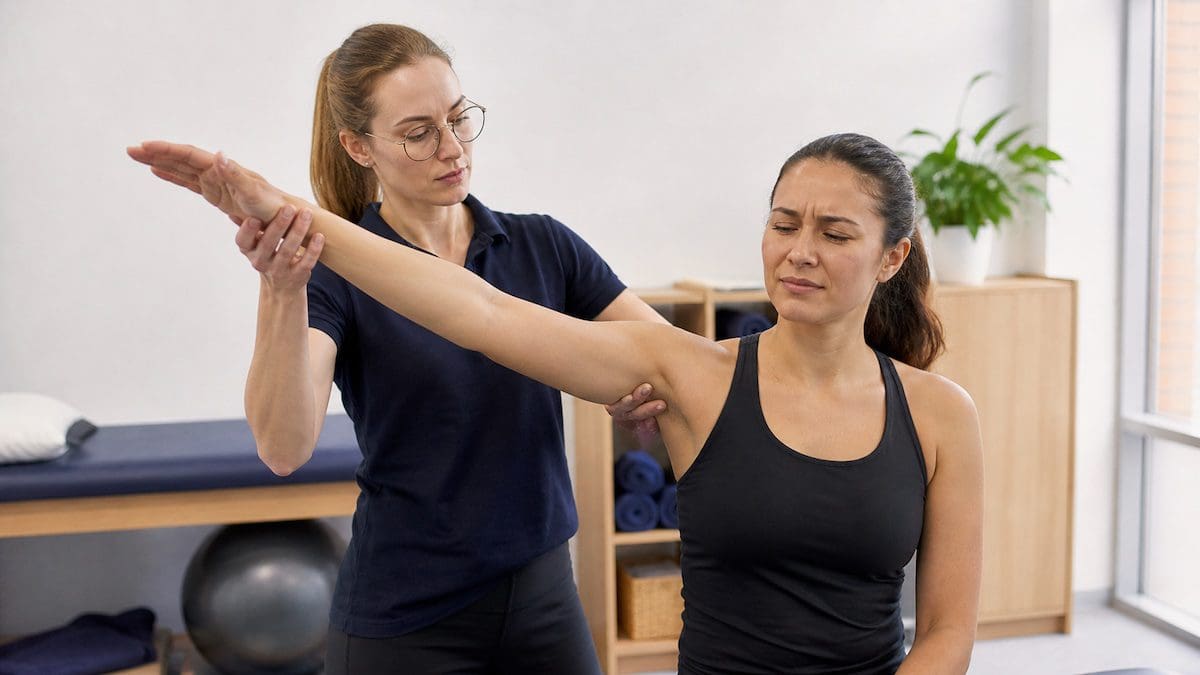
A painful arc during arm lifting is a common sign of shoulder bursitis.
Shoulder bursitis is irritation of a small fluid-filled sac in the shoulder. It can cause pain when you lift, reach, dress, exercise, or sleep on the sore side.
This condition often overlaps with shoulder pain, shoulder impingement, and rotator cuff tendinopathy. Many people improve with load changes, targeted shoulder exercises, and better shoulder blade control.
Quick Summary
- Shoulder bursitis often causes pain on the outside of the upper arm.
- Lifting between shoulder height and overhead may feel sharp or blocked.
- Night pain is common, especially on the sore side.
- Rehab usually starts with calmer movement, then graded strength.
- Trauma, sudden weakness, or worsening night pain needs timely review.
What does shoulder bursitis feel like?
Shoulder bursitis usually causes a dull ache around the outer shoulder. It may feel sharper when you lift, reach, push, or lie on that side. Some people notice pain in the middle of an arm raise. This is often called a painful arc.
Common signs of shoulder bursitis
- Pain on the outside of the shoulder or upper arm.
- Pain when lifting between shoulder height and overhead.
- Night pain when lying on the affected side.
- Discomfort with dressing, washing hair, or reaching into a cupboard.
- Reduced strength because pain makes the shoulder switch off.
What causes shoulder bursitis?
Shoulder bursitis can develop when the bursa becomes irritated during repeated or heavy shoulder movement. It may follow a sudden load spike, overhead work, gym pressing, sport, or a change in daily tasks.
- Repeated overhead activity.
- A sudden increase in lifting, pushing, or gym load.
- Poor shoulder blade control.
- Rotator cuff overload.
- Previous shoulder injury or stiffness.
- General bursitis sensitivity.
Is shoulder bursitis the same as a rotator cuff injury?
No. Shoulder bursitis affects the bursa. A rotator cuff injury affects the shoulder tendons or muscles. However, these problems often overlap because the bursa and rotator cuff sit close together under the shoulder blade arch.
If pain occurs with lifting, reaching, or lying on the shoulder, assessment can help separate bursitis from rotator cuff tears, tendon overload, shoulder stiffness, and joint irritation.
How is shoulder bursitis diagnosed?
A physiotherapist can assess shoulder bursitis with movement tests, strength checks, painful arc testing, and shoulder blade control review. Imaging may help when symptoms suggest a rotator cuff tear, AC joint problem, fracture, infection, or another shoulder condition.
For a general medical overview, see MedlinePlus: bursitis.
How long does shoulder bursitis take to heal?
Mild shoulder bursitis may settle within a few weeks. Longer-lasting cases can take several months, especially when symptoms are linked with tendon overload, stiffness, or shoulder instability.
When to seek help sooner
- Pain started after a fall or direct injury.
- You cannot lift your arm normally.
- Night pain is getting worse.
- Weakness is not improving.
- Pain persists beyond a few weeks despite load changes.
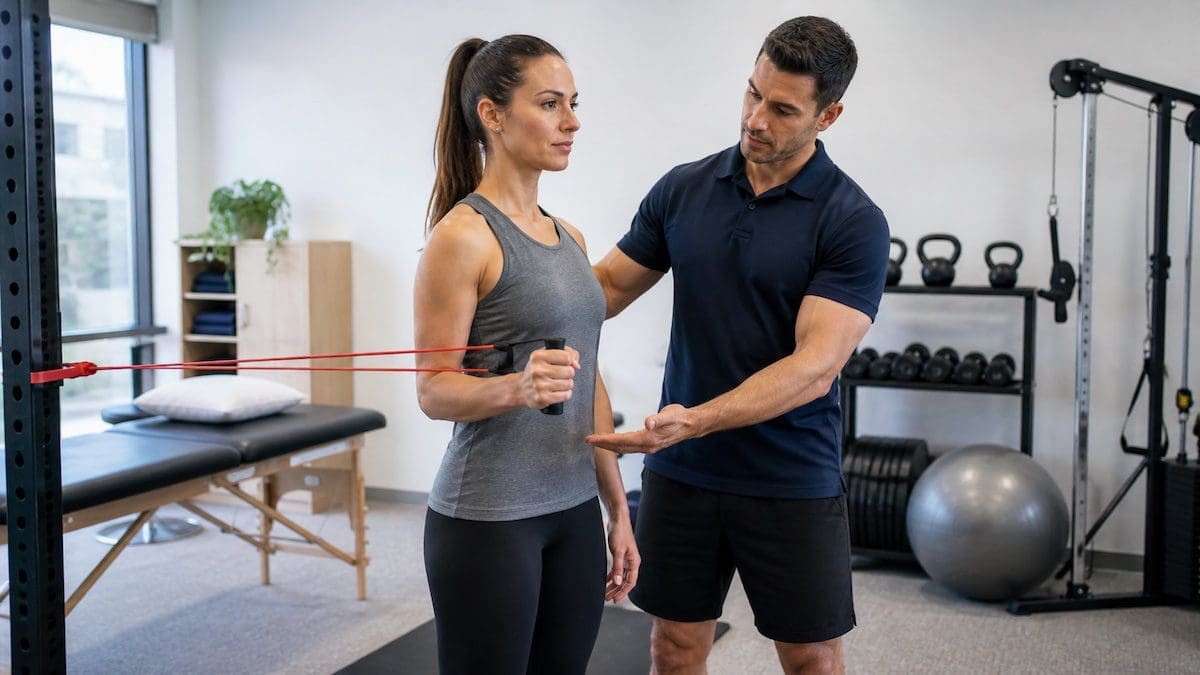
Targeted shoulder exercises help restore movement control and load tolerance.
Shoulder bursitis treatment options
Shoulder bursitis treatment usually starts by calming the irritated tissues. Rehab then rebuilds shoulder movement, strength, and confidence. The right plan depends on pain level, shoulder motion, work demands, sport, and sleep tolerance.
Early pain relief
- Reduce painful overhead tasks for a short time.
- Use ice or heat if it eases symptoms.
- Keep gentle shoulder movement within comfort.
- Change sleeping position and pillow support.
- Avoid repeated painful self-testing.
Physiotherapy treatment
Physiotherapy focuses on restoring movement, strength, and load tolerance. A program may include rotator cuff exercises, shoulder blade retraining, mobility work, and a staged return to lifting or sport.
When should you consider an injection?
A corticosteroid injection may help reduce pain when symptoms remain high despite early care. It usually works best when paired with rehab, rather than used as the only treatment.
See: cortisone injection for shoulder bursitis.
Is surgery needed?
Surgery is rarely needed for shoulder bursitis. Most people improve with structured rehab, load changes, and a gradual return to normal activity.
Should you keep moving or rest?
Complete rest is rarely the best long-term plan. Instead, reduce painful overhead loads, keep comfortable movement going, and rebuild gradually. If simple tasks still flare pain, get your shoulder assessed before pushing through.
How can physiotherapy help shoulder bursitis?
Physiotherapy may help shoulder bursitis by reducing irritating loads, improving shoulder mechanics, and rebuilding strength. Treatment aims to make daily tasks easier while preparing the shoulder for work, gym, sport, or overhead activity.
What should you do if shoulder bursitis keeps coming back?
Recurring shoulder bursitis often means the shoulder is not tolerating the loads being placed on it. A physiotherapist can check shoulder mobility, rotator cuff strength, posture, workplace demands, and exercise technique to identify likely drivers.
A simple rehab pathway
| Stage | Main goal | Common focus |
|---|---|---|
| Settle | Reduce irritation | Sleep, load changes, gentle motion |
| Restore | Improve control | Shoulder blade and rotator cuff work |
| Reload | Return to demand | Lifting, work tasks, gym, or sport |
Related shoulder articles
Shoulder Bursitis FAQs
Can physiotherapy help shoulder bursitis?
Yes. Physiotherapy may help shoulder bursitis by improving shoulder movement, strength, and control. It can also guide load changes so the irritated bursa has a better chance to settle while you stay active.
When should you worry about shoulder bursitis?
Seek help if shoulder pain lasts more than a few weeks, worsens, affects sleep, or limits your ability to lift the arm. Sudden weakness after injury also needs timely assessment.
What aggravates shoulder bursitis?
Overhead activity, repeated lifting, lying on the sore side, heavy pressing exercises, and poor shoulder blade control can aggravate shoulder bursitis. Symptoms often improve when load is reduced and movement quality improves.
Can shoulder bursitis heal without surgery?
Most cases improve without surgery. Recovery usually focuses on reducing irritation, restoring comfortable movement, strengthening the rotator cuff, and gradually returning to normal activity.
Is shoulder bursitis the same as shoulder impingement?
No. Shoulder bursitis means irritation of the bursa. Shoulder impingement describes painful compression during shoulder movement. They often overlap, so assessment helps identify the main drivers.

Regaining comfortable overhead movement is a key goal of treatment.
What to do next
Shoulder bursitis can affect work, sleep, exercise, and everyday reaching. If symptoms are not settling, a physiotherapy assessment can help identify the likely drivers and guide a practical recovery plan.
Book an appointment if pain is worsening, night pain persists, or you still struggle to lift your arm after a few weeks.
Book your appointment – 24/7
Select your preferred PhysioWorks clinic to book online or call.
Shoulder Products
These shoulder products are commonly used by our physiotherapists to improve strength, posture, movement, plus assist home exercise programs.
-

-
-
-
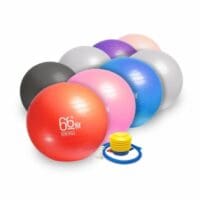
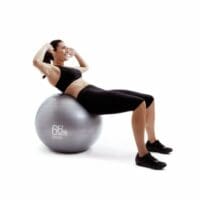 Exercise Balls, Back, Exercise Equipment, Knee, Shoulder
66fit Exercise Balls | Core & Rehab Stability Ball
$32.00 – $57.00Select optionsQuick View -
-
-
-
-
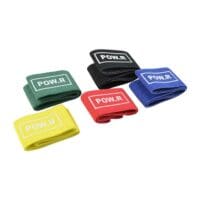 Exercise Equipment, Knee, Resistance Band
POW.R Fabric Mini Loop Bands
$12.00 – $55.00Select optionsQuick View - Liniments & Gels, Massage Liniments, Pain Management
Fisiocrem
$16.95 – $39.95Select optionsQuick View -
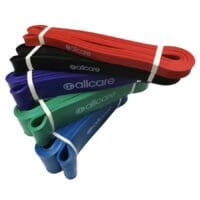
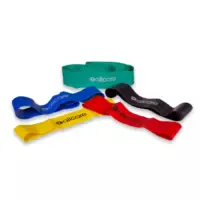
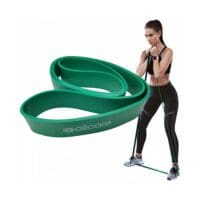 Exercise Equipment, Resistance Band
AllCare Powerloop Bands
$22.00 – $65.00Select optionsQuick View -
-
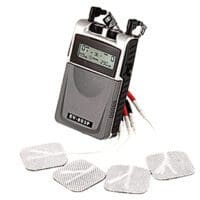
- EMS Machines, Pain Management, TENS Machine, TENS Machine & EMS
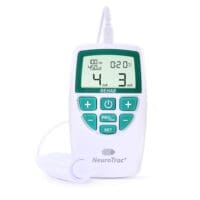
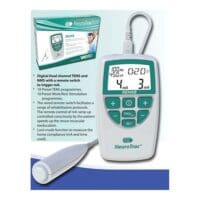
NeuroTrac Rehab (TENS Machine + EMS)
$299.95Add to cartQuick View -


Follow PhysioWorks
Get free physiotherapy tips, exercise videos, recovery advice, and blog updates.
 |  |  | B |  |  |
References
- Faruqi T, Rizvi TJ. Subacromial bursitis. In: StatPearls. StatPearls Publishing; updated 2023.
- Pieters L, Lewis J, Kuppens K, et al. An update of systematic reviews examining the effectiveness of conservative physical therapy interventions for subacromial shoulder pain. J Orthop Sports Phys Ther. 2020;50(3):131-141. doi:10.2519/jospt.2020.8498
- Hopewell S, Keene DJ, Marian IR, et al. Progressive exercise compared with best-practice advice, with or without corticosteroid injection, for rotator cuff disorders. Br J Sports Med. 2021;55(5):262-271. doi:10.1136/bjsports-2020-102672