Simple Pain Relief
Paracetamol may be considered for short-term pain relief in some people. Follow the label directions and avoid taking more than the recommended dose.



A physiotherapist explains how medication, activity and rehabilitation may form part of a neck pain management plan.
Neck pain medication options may provide short-term symptom relief, but the right choice depends on the cause of your pain, your health history and the other medicines you take. Medication may help you sleep, move or begin rehabilitation more comfortably. However, it rarely addresses all the factors contributing to neck pain.
For an overview of common causes, symptoms and treatment pathways, visit our Neck Pain guide.
Medicines considered for neck pain may include paracetamol, anti-inflammatory medicines and, in selected cases, prescription medicines. Their suitability varies between people.
Ask a pharmacist or doctor which option is appropriate, particularly if you take other medicines or have a history of stomach, kidney, heart, blood-pressure, bleeding or asthma problems. Medication usually works best as one part of a plan that also includes appropriate activity and rehabilitation.
The most suitable medicine depends on whether your symptoms appear to involve a minor strain, joint or soft-tissue irritation, muscle spasm, a headache-related presentation or irritation of a cervical nerve.
A pharmacist or doctor should also consider your age, medical conditions, allergies, pregnancy status, other medicines and previous reactions before recommending treatment.
Paracetamol may be considered for short-term pain relief in some people. Follow the label directions and avoid taking more than the recommended dose.
Medicines such as ibuprofen may reduce pain for some people, but they are not suitable for everyone and may interact with other medicines.
A doctor may consider a prescription medicine when symptoms are severe, persistent or nerve-related. The choice requires an individual medical assessment.
Paracetamol may provide short-term relief for some people. However, it does not reduce inflammation and may not provide enough relief when symptoms are severe.
Always follow the product directions. Check the ingredients of cold, flu and combination pain medicines because some already contain paracetamol. Taking more than one paracetamol-containing product can lead to an accidental overdose.
Ask a pharmacist or doctor before using paracetamol if you have liver problems, regularly drink large amounts of alcohol, have a low body weight or take other regular medicines.
Non-steroidal anti-inflammatory drugs, commonly called NSAIDs, may reduce pain for some people with acute neck pain or associated soft-tissue irritation. Examples include ibuprofen and naproxen.
The potential benefit varies. These medicines also do not correct movement restriction, reduced strength, work setup or other factors that may contribute to recurring symptoms.
Ask a pharmacist or doctor before taking an NSAID if you have a history of stomach ulcers or gastrointestinal bleeding, kidney disease, heart disease, high blood pressure, a bleeding disorder, sensitivity to aspirin or NSAIDs, or some forms of asthma.
You should also seek advice if you are pregnant, take blood-thinning medicine or already use another anti-inflammatory medicine. Do not combine different NSAIDs unless a healthcare professional has specifically advised you to do so.
A doctor may occasionally consider a short course of a muscle-relaxant medicine when marked muscle spasm restricts movement or sleep. However, evidence varies, and these medicines are not a routine long-term solution for neck pain.
Muscle relaxants can cause drowsiness, dizziness, reduced concentration and balance problems. These effects may make driving, operating machinery or performing safety-sensitive work unsafe.
Long-term use should be reviewed regularly. Treatment should not continue automatically when it does not produce a meaningful improvement in pain, sleep or function.
Pain that travels from the neck into the shoulder, arm or hand may involve irritation of a cervical nerve. It may occur with pins and needles, numbness, altered sensation or weakness. Learn more in our Cervical Radiculopathy guide.
Ordinary pain medicines do not always work well for nerve-related pain. After assessment, a doctor may consider a medicine also used for certain neurological conditions or mood disorders because some of these medicines can alter nerve-pain signalling.
These medicines often require gradual dose adjustment. They can also cause side effects such as drowsiness, dizziness, nausea or reduced concentration. Do not start, stop or change a prescription dose without speaking with the prescribing doctor.
Opioid medicines are not routine first-line treatment for most neck pain. A doctor may consider a brief course in selected situations when pain is severe and other options are unsuitable or have not provided adequate relief.
Opioids can cause drowsiness, nausea, constipation and impaired concentration. Ongoing use may lead to tolerance, physical dependence and difficulty stopping the medicine. Driving and safety-sensitive work may also be affected.
Anyone prescribed an opioid should follow the agreed dose and review plan. Do not combine opioids with alcohol, sedating medicines or another person’s prescription.
Medication should generally be used for the shortest period that provides a worthwhile benefit. The aim is not simply to lower a pain score. Treatment should help you sleep, move, work or participate in rehabilitation more comfortably.
Arrange a review when:
Neck pain can involve several contributing factors. These may include joint stiffness, reduced muscle capacity, prolonged positions, changes in activity, work demands, sleep disruption or irritation of a nerve.
Medication may reduce symptoms temporarily, but it cannot determine which factors are relevant to you. A physiotherapy assessment may examine neck movement, upper-limb symptoms, strength, functional tasks and factors that aggravate or relieve your pain.
Management may then include education, graded activity, workplace changes, movement exercises and a tailored neck strengthening program.
Complete rest is rarely required for uncomplicated neck pain. Prolonged avoidance of movement may increase stiffness, reduce confidence and lower your tolerance for work or daily activity.
Instead, aim to remain active within a tolerable range. Temporarily modify tasks that clearly aggravate your symptoms, then rebuild movement and activity as your symptoms settle.
Medication can reduce the warning signal of pain. Therefore, do not use temporary pain relief as a reason to suddenly return to heavy lifting, prolonged overhead work, contact sport or another demanding activity before your neck is ready.
Arrange medical or physiotherapy assessment if neck pain:
Seek urgent assessment if neck pain follows major trauma or occurs with progressive arm or leg weakness, loss of coordination, difficulty walking, new bladder or bowel changes, fever, severe unexplained illness, a sudden unusual headache, confusion, fainting, facial weakness, difficulty speaking or other sudden neurological symptoms.
Speak with a pharmacist or doctor before starting a medicine if you have other medical conditions, take regular medication or are unsure whether a product is safe for you.
When neck pain continues to affect movement, sleep, work or exercise, a physiotherapy assessment can help identify contributing factors and guide a staged recovery plan. Treatment may include advice, activity modification, exercises and strategies to rebuild movement and load tolerance.
Select a PhysioWorks clinic to continue to live booking, an appointment request or reception assistance.
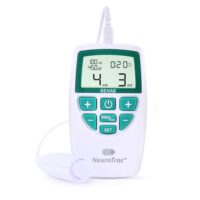
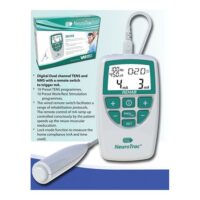
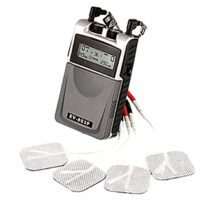
These neck products are commonly used by our physiotherapists to improve strength, posture, movement, plus assist home exercise programs.












Paracetamol or an anti-inflammatory medicine may be considered for short-term neck pain relief. The most suitable option depends on your health history, symptoms and other medicines. Ask a pharmacist or doctor when you are unsure.
Anti-inflammatory medicines may reduce pain for some people, although the benefit varies. They are not safe for everyone and may interact with other medicines. Follow the product directions and obtain professional advice when needed.
A doctor may occasionally prescribe a muscle relaxant when significant muscle spasm restricts movement or sleep. These medicines can cause drowsiness, dizziness and impaired concentration, so they require individual medical advice.
Ordinary pain medicines may not work well for nerve-related pain. Following assessment, a doctor may consider a medicine that modifies nerve-pain signalling. These medicines require a prescription, dose monitoring and review of side effects.
Seek advice if you take regular medicines, are pregnant, or have a history of stomach ulcers, kidney disease, heart disease, high blood pressure, liver problems, asthma, bleeding problems or previous medication reactions.
Seek urgent care after major trauma or when neck pain occurs with progressive weakness, loss of coordination, difficulty walking, fever, severe illness, new bladder or bowel changes, a sudden unusual headache or other sudden neurological symptoms.