
Knee Ligament Injury Treatment & Recovery


Assessment helps identify knee ligament instability.
A knee ligament injury can cause pain, swelling, stiffness, and a “giving way” feeling after a twist, tackle, awkward landing, or sudden change of direction. Early assessment may help identify the injured ligament, guide safe loading, and decide whether imaging or medical review is needed.
A knee ligament injury occurs when one or more stabilising knee ligaments are stretched or torn. It may affect walking, stairs, running, sport, and confidence with change of direction.
Knee ligament injuries are common in sport, but they also affect work and daily movement. Your physiotherapist may assess related problems such as knee sports injuries, ligament tears, meniscus tears, and ACL injury. A clear plan can reduce guesswork and support safer activity progression.
Quick Summary
- Knee ligament injuries often cause swelling, pain, stiffness, or instability.
- The main knee ligaments are the ACL, PCL, MCL, and LCL.
- Lower-grade sprains often improve with progressive rehabilitation.
- Rapid swelling, locking, severe giving way, or inability to weight-bear needs prompt review.
- Return to sport should follow strength, control, confidence, and sport-specific testing.
What Is a Knee Ligament Injury?
A knee ligament injury happens when one or more strong stabilising bands around the knee stretch, partially tear, or fully tear. These bands help control knee movement during walking, pivoting, landing, running, and sport.
The knee relies on four main ligaments:
- ACL: Anterior cruciate ligament
- PCL: Posterior cruciate ligament
- MCL: Medial collateral ligament
- LCL: Lateral collateral ligament
Common Symptoms of a Knee Ligament Injury
Symptoms depend on the ligament, injury grade, swelling response, and whether the meniscus, cartilage, bone, or another ligament is also involved.
- Swelling, often within hours of injury
- Pain with twisting, stairs, squatting, or running
- A sense the knee may buckle, shift, or give way
- Reduced range of motion, especially fully straightening the knee
- Inner-knee tenderness with some MCL injuries
- Outer-knee tenderness with some LCL injuries
- Reduced confidence with cutting, landing, or turning
When Should You Seek Urgent Care?
Seek urgent medical advice if you cannot weight-bear, your knee looks deformed, swelling is rapid and severe, the knee locks, or you have marked instability after injury. These signs may suggest a more serious knee injury that needs prompt review.
How Are Knee Ligament Injuries Graded?
Clinicians often describe ligament sprains and tears in three grades. Your symptoms, examination findings, activity goals, and imaging results may all influence your plan.
| Grade | What it means | Common effect |
|---|---|---|
| Grade I | Mild sprain with overstretched fibres. | Pain and swelling, usually with good stability. |
| Grade II | Partial tear with more tissue damage. | More pain, swelling, and some looseness. |
| Grade III | Complete tear of the ligament. | Clearer instability and greater functional limitation. |
How Is a Knee Ligament Injury Diagnosed?
A knee ligament injury is usually assessed by combining the injury story, swelling pattern, pain location, range of motion, walking ability, and ligament stress tests. Imaging may help when symptoms are severe, the knee is unstable, or combined injury is suspected.
Your physiotherapist or doctor may also consider whether your symptoms fit a meniscal injury, cartilage injury, bone bruising, fracture, or posterolateral corner injury. General information on knee injuries and disorders can also help explain why some injuries recover with rehabilitation while others need further review.

Assessment findings guide bracing, imaging, rehab, and return-to-sport planning.
Can a Knee Ligament Injury Heal Without Surgery?
Many knee ligament injuries can improve without surgery, especially Grade I and Grade II sprains. MCL injuries commonly respond well to bracing when needed, strength work, balance training, and progressive return-to-sport planning.
Some Grade III tears may also be managed without surgery. However, this depends on the ligament involved, knee stability, sport demands, combined injuries, and whether the knee keeps giving way. Repeated giving way can reduce confidence and may increase joint irritation.
Do You Need an MRI for a Knee Ligament Injury?
No, not always. Many ligament injuries can be assessed well from the injury history and physical examination. MRI becomes more useful when swelling is significant, instability is obvious, recovery is slower than expected, or combined injury is suspected.
Knee Ligament Injury Treatment Options
Treatment depends on which ligament is injured, the injury grade, knee stability, and whether other structures are involved. Your plan may include:
- Early symptom control: swelling management, activity modification, and restoring comfortable walking.
- Movement restoration: regaining knee extension early, then flexion as tolerated.
- Strength and control: rebuilding quadriceps, hamstrings, glutes, calves, and trunk control.
- Balance and change-of-direction training: improving confidence and reducing giving-way episodes.
- Return-to-sport preparation: adding hop, landing, acceleration, deceleration, and sport-specific drills when safe.
Rehab Focus Points
| Phase | Main goal | Common examples |
|---|---|---|
| Early | Settle swelling and restore movement. | Walking advice, extension work, gentle strength. |
| Middle | Build strength and control. | Squats, step work, balance, gym progressions. |
| Late | Prepare for sport or heavy work. | Landing, hopping, change of direction, fatigue testing. |
How Does Physiotherapy Help a Knee Ligament Injury?
Physiotherapy can help match your treatment to the injured ligament, injury grade, goals, and sport or work demands. Your physiotherapist may guide swelling control, safe loading, strength progressions, balance training, running preparation, and return-to-sport decisions.
For athletes, sports physiotherapy may also include sport-specific testing and prevention planning. This is important because a knee that feels comfortable in daily life may still need more strength, landing control, or confidence before competition.

Rehab should progress from simple control to sport-specific movement.
Knee Ligament Injury Recovery Time
Recovery time varies. Mild sprains may settle in a few weeks. Moderate injuries may take 4 to 8 weeks. Severe tears, combined injuries, or post-surgical cases may take several months.
Time alone is not enough for safe return. Strength, swelling response, knee control, confidence, and sport-specific performance should guide progression. Your physiotherapist may compare both legs and use movement tests before higher-risk sport tasks.
Preventing Knee Ligament Injuries
No program can prevent every knee injury. However, neuromuscular training can reduce risk in some sports. Useful programs often include strength, balance, landing technique, trunk control, cutting practice, and gradual load progression.
Prevention work may be especially useful for field, court, jumping, pivoting, and contact sports. See ACL injury prevention for more detail on risk reduction programs.
Return-to-Sport Checklist
- Minimal swelling after training progressions
- Full or near-full knee movement
- Good single-leg squat and landing control
- Strength close to the other side for key muscle groups
- Confidence with cutting, pivoting, jumping, and deceleration
- Clear plan for gradual training exposure before competition
Frequently Asked Questions
What are the signs of a knee ligament injury?
Common signs include swelling, pain, stiffness, reduced movement, and a feeling that the knee may give way. Some people notice a pop at the time of injury. Others mainly notice instability when changing direction, using stairs, or returning to sport.
How long does a knee ligament injury take to heal?
Healing time depends on the ligament, injury grade, swelling, sport demands, and whether other structures are injured. Mild sprains may settle within weeks. Moderate injuries may take 4 to 8 weeks. Severe tears can take several months.
Do I need a brace for a knee ligament injury?
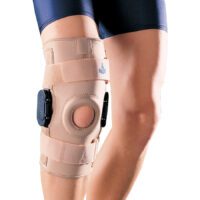
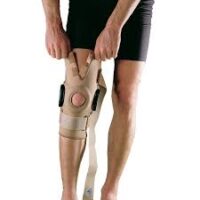
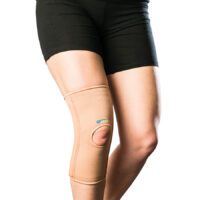
A brace may help in the early phase for some knee ligament injuries, especially collateral ligament sprains. It should fit the injury, sport, work demands, and recovery stage. Your physiotherapist can advise whether bracing suits your situation.
When should I see a physio for knee instability?
Book an assessment if your knee feels unstable, keeps giving way, or swelling and pain limit function. Early guidance may help you restore movement, rebuild strength, and decide whether imaging or medical review is needed.
Can I keep exercising with a knee ligament injury?
It depends on swelling, pain, stability, and the type of exercise. Straight-line low-load activity may be safe for some people, while twisting, pivoting, running, or jumping may need to wait. Avoid pushing through giving way or rapid swelling.
What other knee injuries can feel similar?
A meniscus tear, cartilage irritation, bone bruise, kneecap problem, or superior tibiofibular joint injury can sometimes mimic or accompany a ligament injury. Assessment helps sort out the main driver and the safest next step.

Return to running should follow strength, control, and confidence.
What Should You Do After a Knee Ligament Injury?
If your knee is painful, swollen, or unstable after a twist, tackle, fall, or awkward landing, arrange an assessment. Early advice can help you protect the knee, restore movement, and choose the right next step.
PhysioWorks physiotherapists can assess your knee, explain the likely injury pattern, and guide a staged recovery plan. Book online 24/7 when you are ready to start.
Choose your clinic and appointment pathway
Select a PhysioWorks clinic to continue to live booking, an appointment request or reception assistance.
Knee Support Products
These knee support products are commonly used by our physiotherapists to help reduce strain, improve stability, and support your recovery at home.
-
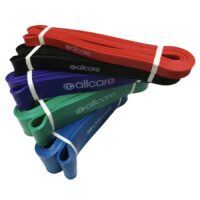
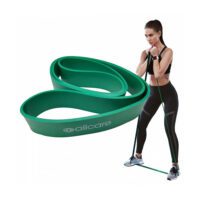 Exercise Equipment, Resistance Band
AllCare Powerloop Bands
$24.95 – $79.95Select optionsQuick View -
-


-
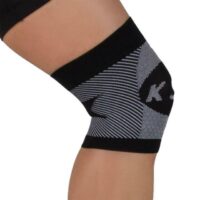
- EMS Machines, Pain Management, TENS Machine, TENS Machine & EMS
NeuroTrac Rehab (TENS Machine + EMS)
$285.00Add to cartQuick View -
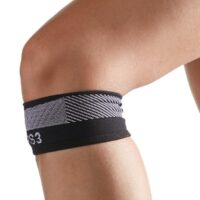
-

 Calf, Elbow, Ice & Heat, Knee, Pain Management
Victor Elastic Cold Sleeve
$44.00 – $60.00Select optionsQuick View - Liniments & Gels, Massage Liniments, Pain Management
Fisiocrem
$16.95 – $39.95Select optionsQuick View -
-

-
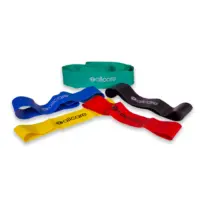
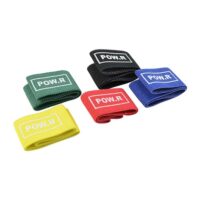 Exercise Equipment, Knee, Resistance Band
POW.R Fabric Mini Loop Bands
$12.00 – $55.00Select optionsQuick View -
-
-

 Exercise Balls, Back, Exercise Equipment, Knee, Shoulder
66fit Exercise Balls | Core & Rehab Stability Ball
$32.00 – $57.00Select optionsQuick View





References
- Svantesson J, Hamrin Senorski E, Baldari A, et al. Rehabilitation of medial collateral ligament injuries—a systematic review. BMJ Open Sport Exerc Med. 2024;10:e001770.
- Murray IR, Makaram NS, Geeslin AG, et al. Multiligament knee injury (MLKI): an expert consensus statement on nomenclature, diagnosis, treatment and rehabilitation. Br J Sports Med. 2024;58(23):1385-1400. doi:10.1136/bjsports-2024-108089
- Shultz CL, Poehlein E, Morriss NJ, et al. Nonoperative management, repair, or reconstruction of the medial collateral ligament in combined anterior cruciate and medial collateral ligament injuries. Am J Sports Med. 2024;52(2):522-534. doi:10.1177/03635465231153157
- Magaña-Ramírez M, Gallardo-Gómez D, Álvarez-Barbosa F, Corral-Pernía JA. What exercise programme is the most appropriate to mitigate anterior cruciate ligament injury risk in football players? J Sci Med Sport. 2024;27(4):234-242. doi:10.1016/j.jsams.2024.02.001
