
MCL Tear (Medial Collateral Ligament Injury)


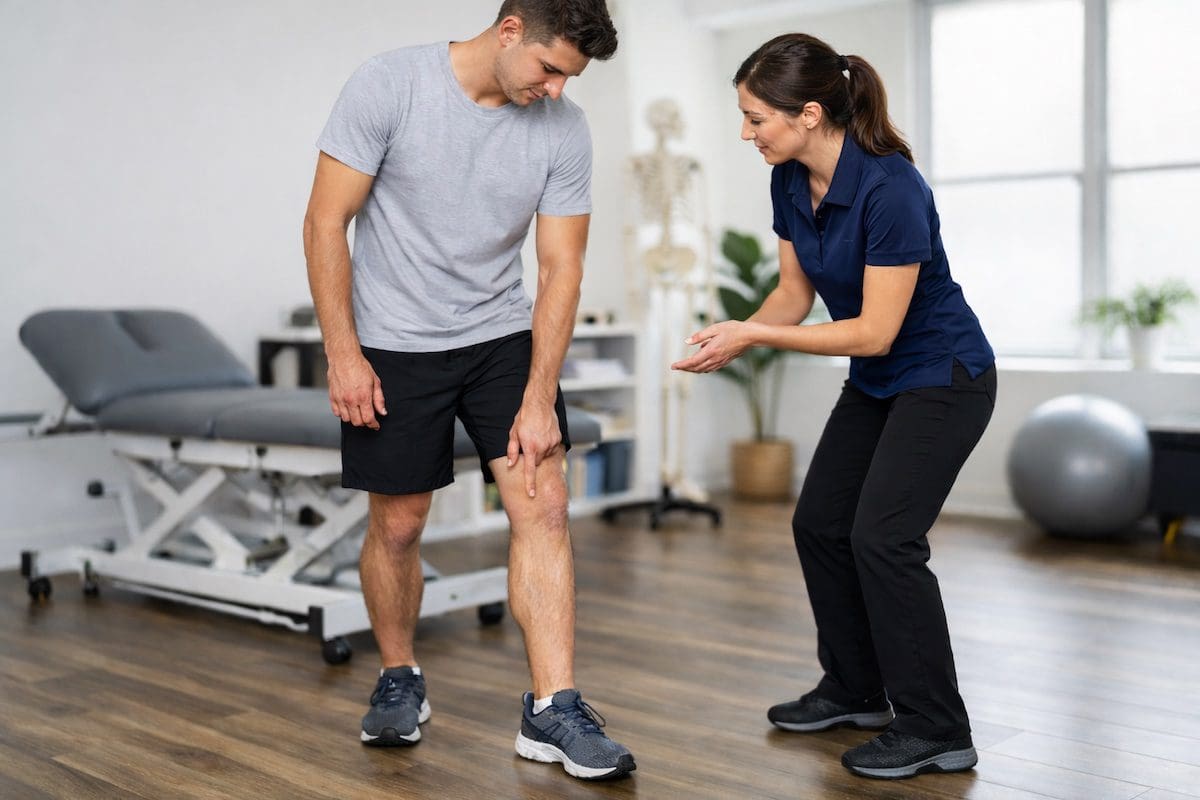
MCL strain assessment in a physiotherapy clinic.
MCL tear physio helps manage inner knee pain, swelling, and a loose feeling after a medial collateral ligament injury. The MCL sits on the inside of the knee. It is often injured by a knock to the outer knee, a twist, or an awkward landing.
Typical recovery guide: mild MCL injuries may improve in 2 to 4 weeks. Moderate tears often take 4 to 8 weeks. Severe tears or combined injuries may take 8 to 12+ weeks, depending on healing, swelling, strength, and sport goals.
If you are comparing causes of pain, start with our knee pain guide and the knee ligament injury hub. MCL injuries can occur with an ACL injury, meniscus tear, or other sports knee injuries.
Common MCL tear signs
These signs often point more towards an MCL injury than general knee pain:
- pain or tenderness along the inner knee
- swelling and stiffness after twisting or contact
- pain when the knee collapses inward
- a loose or unstable feeling when walking, turning, or playing sport
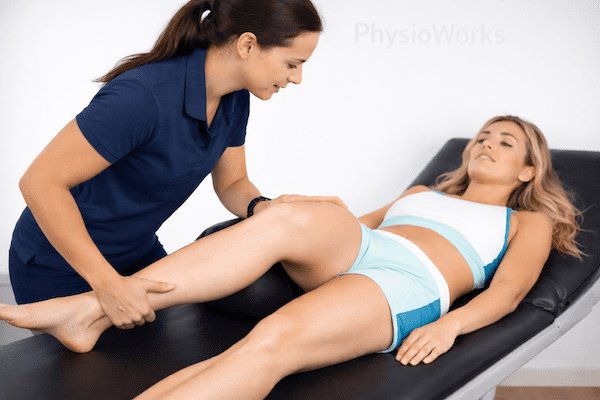
Inner knee pain and ligament testing can help identify an MCL injury pattern.
Medial knee ligament injuries often hurt when the knee twists, turns, or drops inward under load.
What is an MCL tear?
An MCL tear is a sprain or tear of the ligament on the inner side of the knee. It can range from a mild fibre stretch to a complete tear. It usually causes inner-knee tenderness, swelling, and pain when the knee twists or moves inward.
The medial collateral ligament helps control side-to-side knee movement. It supports the knee when force pushes the knee inward. Because of this role, an MCL injury often hurts during cutting, side-stepping, landing, or contact sport.
What does an MCL tear feel like?
An MCL tear commonly causes pain on the inner side of the knee. You may also notice local tenderness, swelling, stiffness, or a wobbly feeling. Turning, uneven ground, stairs, or side-to-side movement can feel harder than normal.
Symptoms can overlap with other knee problems. If the knee clicks, catches, locks, or swells heavily, it is worth checking for knee pain causes and related injuries such as a meniscus tear.
Common causes of MCL tear
MCL tears usually happen when a force hits the outside of the knee and pushes it inward. They can also occur during twisting, pivoting, or landing movements when the knee loses control under load.
- contact sport tackles or collisions
- sudden direction changes or pivoting
- awkward landings with the knee forced inward
- skiing or slipping injuries
- fatigue, balance loss, or poor lower-limb control
How do you know if you have an MCL tear?
A physio can often suspect an MCL tear from the injury story, the pain location, and specific stability tests. Pain or extra movement during valgus stress testing may point to MCL injury. Large swelling, locking, or marked giving way may suggest a combined injury.
Assessment also checks walking, knee movement, swelling, strength, and nearby joints. Your physio may also assess hip, ankle, and single-leg control. This helps explain why the knee was overloaded and how rehab should progress.
If symptoms are severe, the knee feels very unstable, or a combined injury is suspected, imaging may be recommended. The RACGP overview of acute sport-related knee injuries outlines when MRI or further review may be useful.
How MCL injuries are tested
- the knee is gently pushed inward during a valgus stress test
- pain along the inner knee may suggest MCL irritation or injury
- extra looseness can suggest a more serious tear
MCL tear grades
MCL tears are commonly graded by how much the ligament is injured and how loose the knee feels during testing. The grade helps guide load advice, bracing, rehab speed, and return-to-sport planning.
| Grade | What it usually means | General recovery guide |
|---|---|---|
| Grade I | Mild sprain with local tenderness and little or no looseness. | Often 2 to 4 weeks. |
| Grade II | Partial tear with pain, swelling, and some looseness. | Often 4 to 8 weeks. |
| Grade III | Complete tear with clearer giving way. Other injuries may be present. | Often 8 to 12+ weeks. |
How is an MCL tear treated?
Most isolated MCL tears improve with non-surgical treatment. Early care aims to settle pain and swelling, protect the healing ligament, and restore knee movement. Rehab then builds strength and control for walking, stairs, running, and sport.
Physio may include load advice, range-of-motion work, quadriceps and hamstring strength, calf and hip strength, balance retraining, and a staged return to running or sport. A brace may help early on if the knee feels unsafe.
As recovery improves, rehab should become more specific. This may include single-leg strength, landing control, change-of-direction drills, and graded exposure to the movements that caused the injury. For broader recovery options, see our guide to knee treatment.
Simple load guide
- Settle: reduce swelling, restore walking, and avoid sharp side stress.
- Rebuild: regain knee movement, strength, balance, and single-leg control.
- Return: add running, cutting, contact, and sport drills when the knee is ready.
How long does an MCL tear take to heal?
MCL tear recovery time depends on the injury grade and whether other structures are involved. Mild injuries may settle within a few weeks. Partial or complete tears can take several weeks to several months before full sport or heavy loading feels safe.
Combined injuries usually take longer. If the knee keeps giving way, swells after simple activity, or does not progress as expected, reassessment can help check for linked problems such as an ACL injury, PCL injury, LCL injury, or meniscal damage.
Can you play sport with an MCL tear?
Sport should wait until the knee has enough movement, strength, and control for the demands of your activity. Running in a straight line is easier than cutting, contact, or change of direction. Because of this, return to sport should usually be staged.
Common signs of readiness include no next-day swelling, good single-leg control, strong side-to-side movement, and confidence with sport drills. If the knee collapses inward, gives way, or reacts after training, the next step is usually more rehab rather than more sport.
Return-to-sport readiness checks
Before full sport, your knee should manage side-to-side load without pain, swelling, or inward collapse.
- good single-leg balance and landing control
- no next-day swelling after running or drills
- confident cutting, turning, and change of direction
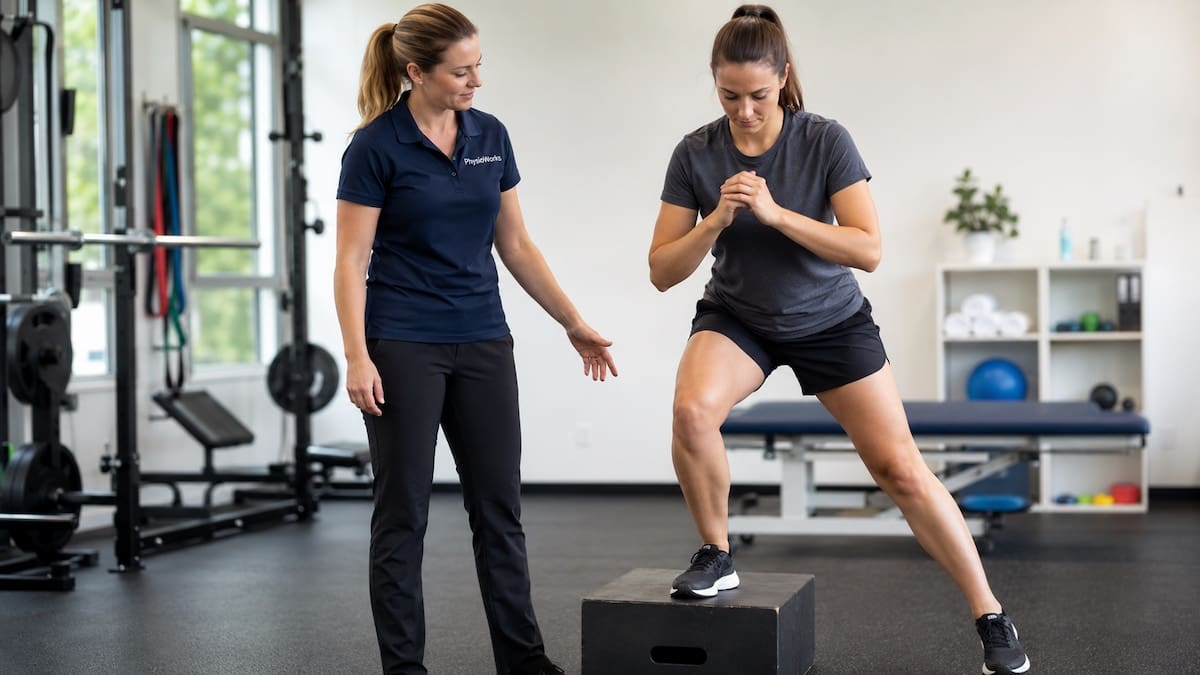
Lateral control helps guide return to sport.
Late-stage MCL rehab should test knee control during side-to-side movement before full sport loads return.
FAQs about MCL tear
Can you walk with an MCL tear?
Many people can walk with a mild MCL tear, although pain or a wobbly feeling may still be present. If walking sharply increases pain, swelling, or giving way, reduce activity and get assessed so you can load the knee more safely.
Do MCL tears need surgery?
Most isolated MCL tears do not need surgery. Surgery is more likely when the tear is severe, the knee remains very unstable, or other structures such as the ACL or meniscus are also injured.
Do you need an MRI for an MCL tear?
Not always. Many MCL tears can be assessed well from the history and clinic check. MRI becomes more useful when symptoms are severe, swelling is marked, or a combined injury pattern is suspected.
Should you wear a brace for an MCL tear?
A brace can help some people in the early stage, especially when the knee feels unstable or painful with side-to-side stress. Bracing is usually only one part of treatment. It works best with gradual rehab.
What should you avoid with an MCL tear?
Early on, avoid activities that push the knee inward or cause sharp pain. This often includes pivoting, cutting, sudden direction change, and contact sport. Progression should be based on swelling, pain, control, and movement quality rather than time alone.
Should you see a physio or doctor for an MCL tear?
A physio can often assess an MCL tear early and guide safe loading, rehab, and return to activity. If you are unsure which path suits you, our page on doctor or physio for knee injury may help.
What should you do if you think you have an MCL tear?
If you have ongoing inner knee pain, swelling, or a feeling that the knee may give way, get the knee assessed early. The goal is to confirm whether it is an isolated MCL tear or part of a broader injury pattern, then build a staged plan that settles symptoms and restores confidence.
Early advice can reduce setbacks. If you are unsure where to start, review our Knee Pain FAQs for guidance on swelling, clicking, giving way, and when to progress.
Choose your clinic and appointment pathway
Select a PhysioWorks clinic to continue to live booking, an appointment request or reception assistance.
Knee Support Products
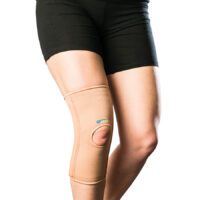
These knee support products are commonly used by our physiotherapists to help reduce strain, improve stability, and support your recovery at home.
-
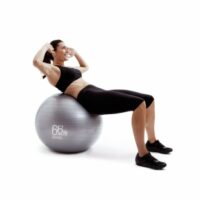 Exercise Balls, Back, Exercise Equipment, Knee, Shoulder
66fit Exercise Balls | Core & Rehab Stability Ball
$32.00 – $57.00Select optionsQuick View -
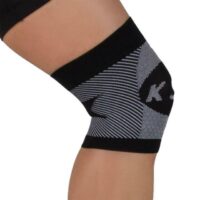
- Liniments & Gels, Massage Liniments, Pain Management
Fisiocrem
$16.95 – $39.95Select optionsQuick View -
-

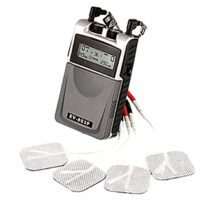
- EMS Machines, Pain Management, TENS Machine, TENS Machine & EMS
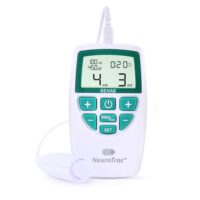
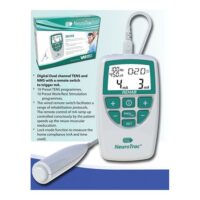
NeuroTrac Rehab (TENS Machine + EMS)
$285.00Add to cartQuick View -


-
-
-

 Calf, Elbow, Ice & Heat, Knee, Pain Management
Victor Elastic Cold Sleeve
$44.00 – $60.00Select optionsQuick View -
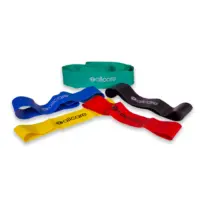
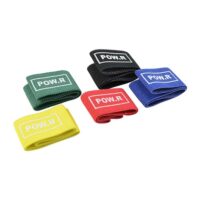 Exercise Equipment, Knee, Resistance Band
POW.R Fabric Mini Loop Bands
$12.00 – $55.00Select optionsQuick View -
-
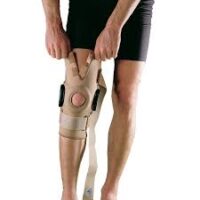
-
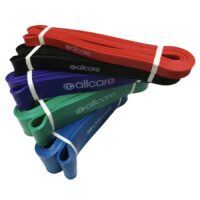
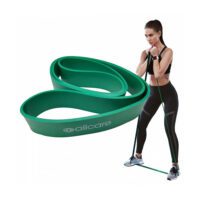 Exercise Equipment, Resistance Band
AllCare Powerloop Bands
$24.95 – $79.95Select optionsQuick View




References
- Wall C. Acute sport-related knee injuries. Aust J Gen Pract. 2023;52(11).
- Naqvi U, Sherman AL. Medial collateral ligament knee injury. StatPearls. Updated July 17, 2023.
- Maniar N, Verhagen E, Bryant AL, Opar DA. Trends in Australian knee injury rates: An epidemiological analysis of 228,344 knee injuries over 20 years. Lancet Reg Health West Pac. 2022;21:100409. doi:10.1016/j.lanwpc.2022.100409.
- Buckthorpe M, Della Villa F, Della Villa S, et al. Three main mechanisms characterize medial collateral ligament injuries in professional male soccer: blow to the knee, contact to the leg or foot, and sliding. J Orthop Sports Phys Ther. 2021;51(12):611-618. doi:10.2519/jospt.2021.10529.
Related articles