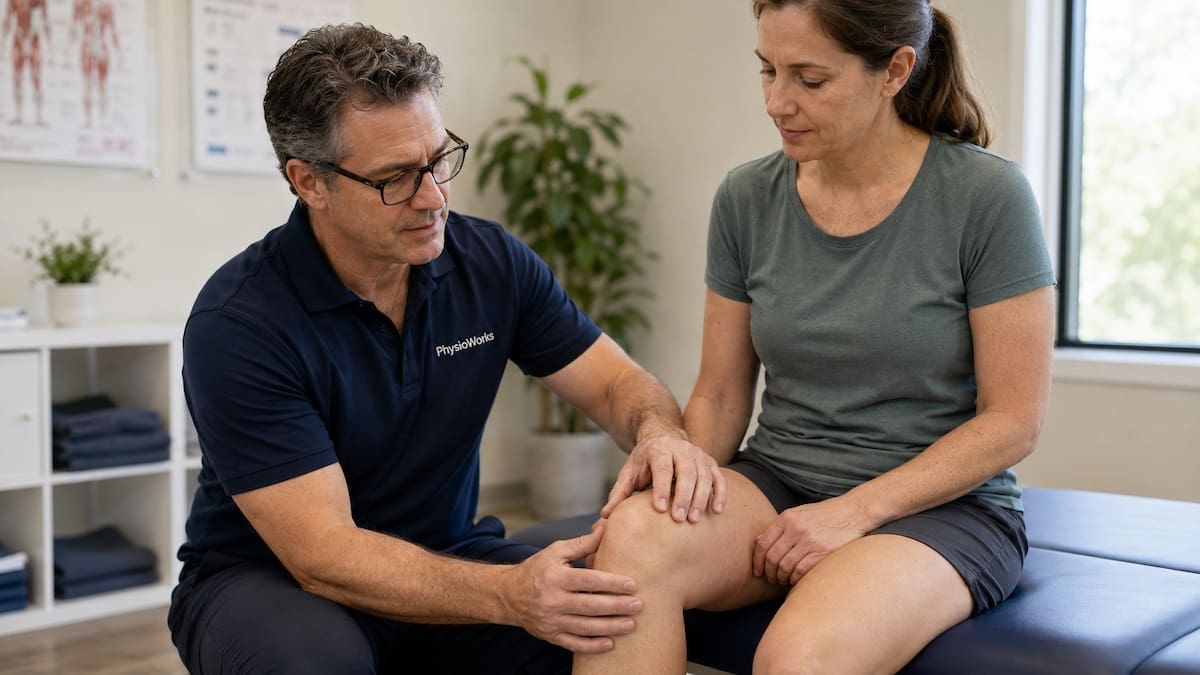
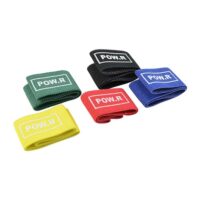
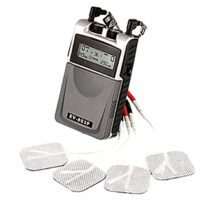
A knee assessment considers pain location, swelling, movement and stability.
Knee pain can begin after a sudden twist, impact or fall. It can also develop gradually after changes in running, walking, gym work, kneeling, sport or daily activity.
This guide explains common symptom patterns and links to more detailed information. It does not replace an individual assessment. Start with our broader knee pain guide when you need an overview of assessment, treatment and recovery.
What matters most when knee pain starts?
How it started
A twist, impact or sudden stop may suggest a different problem from pain that developed after a gradual training increase.
What the knee does
Fast swelling, locking, giving way or difficulty bearing weight may require prompt assessment.
Where it hurts
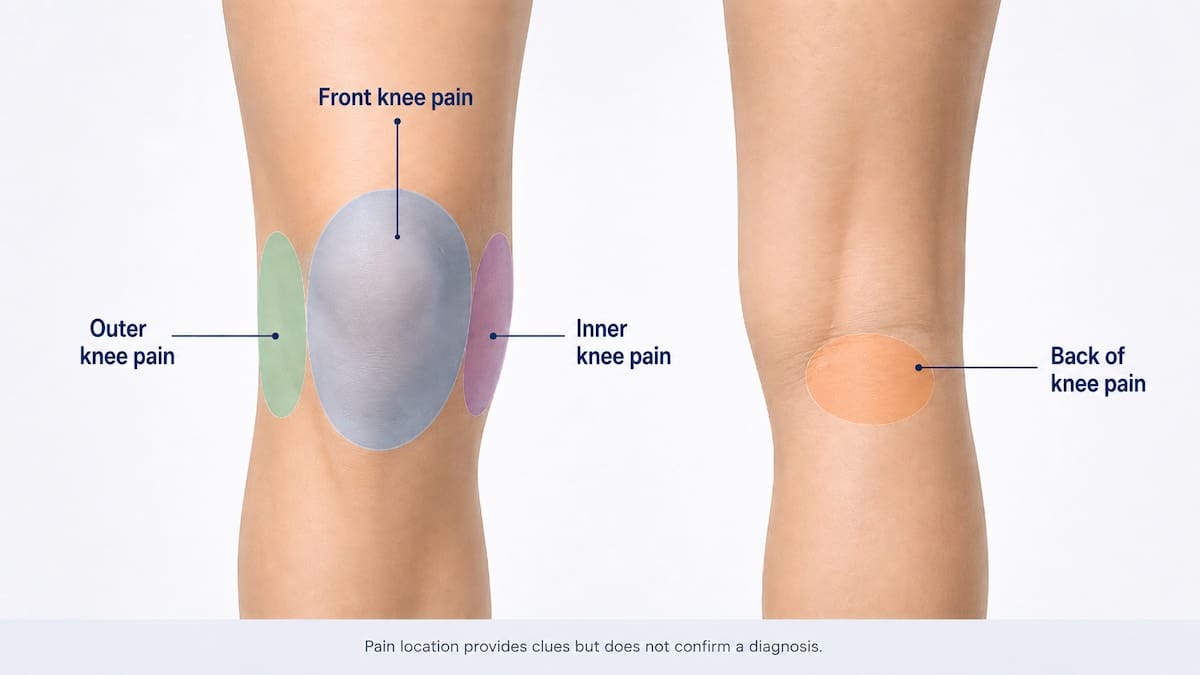
Front, inner, outer or back knee pain can provide useful clues, but pain location alone does not confirm a diagnosis.
Most knee pain falls into several broad groups: sudden injury, repeated overload, age-related joint change or irritation of the soft tissues around the knee. Your symptom history, swelling response, movement and activity load help guide the likely cause.
Kneecap pain
Patellofemoral pain syndrome usually causes pain around or behind the kneecap. It often worsens with stairs, squats, lunges, hills, running or prolonged sitting with bent knees.
Meniscus injuries
Meniscus injuries may cause joint-line pain, catching, clicking, restricted movement or pain during twisting and deep bending.
Ligament injuries
Knee ligament injuries often follow twisting, pivoting, sudden stopping or direct impact. They may cause fast swelling, instability or poor confidence when changing direction. Learn more about ACL injuries.
Tendon overload
Patellar tendinopathy commonly causes pain just below the kneecap. It often develops after repeated jumping, sprinting or a sudden increase in training load.
Knee arthritis
Knee osteoarthritis may cause stiffness, swelling, deep aching and reduced walking tolerance. Symptoms often build gradually and may feel worse after rest or prolonged weight-bearing activity.
Bursitis
Knee bursitis can cause localised swelling and tenderness. It may follow prolonged kneeling, direct pressure or repeated irritation around the front or inner side of the knee.
What other conditions can cause knee pain?
Other common causes include iliotibial band syndrome, plica irritation and growth-related knee conditions in active children and teenagers.
Osgood-Schlatter disease and Sinding-Larsen-Johansson syndrome can cause pain around the growing knee. These conditions usually respond better to sensible activity changes and progressive strengthening than complete rest.
Less commonly, knee pain may come from the hip or lower back. Inflammatory arthritis, fracture, infection and other medical conditions may also cause knee symptoms. An assessment becomes more important when the symptoms do not fit a clear activity pattern or fail to improve as expected.
What can knee pain location tell you?
Pain location can help narrow the possibilities. However, several knee conditions may overlap, and the exact location does not confirm a diagnosis on its own.
Front of the knee
Kneecap irritation or patellar tendon overload may worsen with stairs, squats, running or prolonged sitting.
Inner side of the knee
The medial ligament, medial meniscus, nearby tendons or joint structures may become painful after twisting or side forces.
Outer side of the knee
Iliotibial band irritation, the lateral meniscus or outer joint structures may become painful during running, downhill activity or cutting.
Back of the knee
Symptoms may relate to the joint, hamstring or calf tendons, a fluid-filled swelling or referred pain from another area.
What does knee swelling mean?
Swelling provides useful information about the type and severity of a knee problem. The timing of swelling matters as much as the amount.
Immediate swelling
Rapid swelling after a twist or collision may occur with a significant ligament or internal joint injury.
Gradual swelling
Swelling that develops over several hours may occur with meniscus irritation, joint overload or arthritis.
Localised swelling
A small, tender area at the front or inner side of the knee may relate to an irritated bursa or nearby soft tissue.
How is knee pain assessed?
Knee pain is often assessed through your symptom history, pain location, swelling pattern, movement, strength and response to load. Imaging can help in selected cases, but many common knee problems can first be assessed clinically.
Your physiotherapist may assess walking, squatting, step-down control, knee range, ligament stability, meniscus signs, strength, balance, hopping and training load.
A scan may be considered when there is concern about fracture, major internal injury, infection, persistent locking, significant instability or poor recovery despite appropriate care.
Physiotherapy can help identify the likely pain source, settle irritation and rebuild movement, strength and confidence. The management plan should match the condition because arthritis, kneecap pain, tendon overload, meniscus irritation and ligament injuries require different progressions.
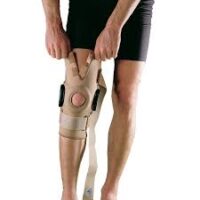
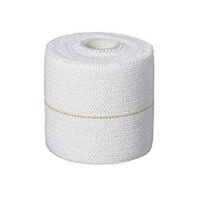
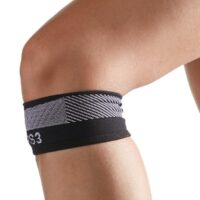
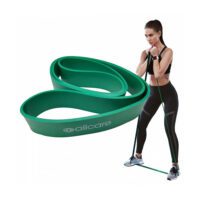
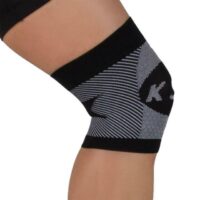
Management may include activity changes, swelling control, progressive strengthening, balance retraining, taping, bracing where appropriate and a planned return to walking, running, gym work or sport.
Individual recovery varies. Your age, injury severity, previous knee problems, activity demands, general health and consistency with rehabilitation can all influence progress.
Can you keep exercising with knee pain?
You can often remain active when symptoms stay mild, settle soon after exercise and do not cause increasing swelling, locking or giving way.
Reduce the activities that clearly aggravate the knee. This may include speed, hills, jumping, deep bending or overall training volume. Continue comfortable movement where possible rather than stopping every form of activity.
Load management means reducing the activities that are irritating the knee, maintaining suitable movement and progressively rebuilding capacity.
Identify the main trigger
Note whether pain follows running, stairs, kneeling, jumping, gym work, prolonged sitting or another specific activity.
Reduce the aggravating dose
Temporarily lower the speed, depth, distance, resistance or frequency rather than stopping all movement automatically.
Rebuild strength
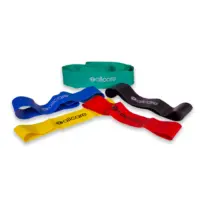
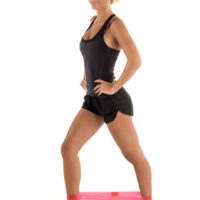
Progress exercises for the thigh, hip, calf and knee according to the likely diagnosis and your current ability.
Increase activity gradually
Avoid sudden jumps in running distance, hill work, stairs, jumping or sporting intensity.
Review the response
Check pain, swelling, movement and confidence over the next 24 to 48 hours before progressing further.
Why does knee pain keep returning?
Recurring knee pain may mean that the joint or surrounding tissues remain underprepared for the load being placed on them. Strength may not have fully recovered, activity may have increased too quickly or the original diagnosis may need review.
Resting until the pain disappears does not always restore the capacity needed for daily activity or sport. A progressive rehabilitation plan can help bridge the gap between feeling better and being ready for full activity.
Athletes may also benefit from reviewing their return-to-sport timing before resuming unrestricted training or competition.
Knee pain causes FAQs
What causes knee pain most often?
Common knee pain causes include kneecap irritation, meniscus injuries, ligament sprains, tendon overload, bursitis and arthritis. The likely cause depends on where the pain sits, how it started, whether swelling is present and which movements trigger symptoms.
How do I know if knee pain may involve the meniscus?
Meniscus symptoms may include joint-line pain, catching, clicking, restricted movement or pain during twisting and deep bending. Other knee problems can feel similar, so these symptoms do not confirm a tear on their own.
Can knee pain improve without surgery?
Yes. Many knee conditions improve with appropriate activity changes, progressive strengthening, movement retraining and time. Surgery is usually considered only for selected injuries or advanced joint problems.
Do I need a scan for knee pain?
Not always. Many common knee problems can first be assessed through your history and physical tests. Imaging may help when there is concern about fracture, significant internal injury, locking, major instability, infection or poor recovery.
Can children and teenagers develop knee pain?
Yes. Young active people may develop growth-related overload conditions, including Osgood-Schlatter disease and Sinding-Larsen-Johansson syndrome. Sensible activity changes and progressive strengthening often form part of management.
When should I see a physiotherapist for knee pain?
Consider an assessment when knee pain persists, keeps returning, follows a sporting injury or affects walking, stairs, work, gym activity, running or sport. Seek more urgent care when significant warning signs are present.
Understand common causes of pain around or behind the kneecap.
What should you do next?
Book a physiotherapy assessment when you are unsure which knee condition fits your symptoms, when pain keeps returning or when the problem limits walking, work, exercise or sport.
A clear assessment can help identify the likely cause, guide suitable activity changes and establish an exercise plan that matches your goals.
Arrange prompt assessment when your knee swells quickly, locks, repeatedly gives way or becomes difficult to bear weight through. Seek urgent medical care when a red, hot or severely swollen knee occurs with fever, major trauma or other serious warning signs.
Choose your clinic and appointment pathway
Select a PhysioWorks clinic to continue to live booking, an appointment request or reception assistance.