Positional Release Technique (PRT)


Struggling with tight, painful muscles that do not tolerate deep pressure? Positional release technique is a gentle massage approach that may help reduce muscle guarding, ease tenderness, and improve movement comfort. At PhysioWorks Brisbane, this technique is often used when sore tissues feel too sensitive for heavier hands-on treatment.
Many people choose positional release technique when firmer remedial massage, direct trigger point work, or stretching feels too uncomfortable. It can also be combined with other massage services in Brisbane, including deep tissue massage and trigger point therapy, depending on how irritable the area feels on the day.
Book a Massage Appointment
Massage is available at selected PhysioWorks clinics. Choose your preferred clinic to view current booking options.
Related Massage Services
Why people choose PRT massage
Positional release technique may suit people who want a gentler massage approach for tender, guarded, or easily aggravated muscles. It aims to calm sensitive tissue first, then make movement feel easier and more natural.
What Is Positional Release Technique?
Positional release technique is an indirect soft tissue treatment that places a sore or guarded muscle into a position of ease. The aim is to reduce tenderness, calm protective muscle activity, and allow more comfortable movement without forcing the tissue through pain.
Rather than stretching or pressing firmly into a tight area, your massage therapist shortens the irritated muscle and holds it in a relaxed position. This approach is often used when people have ongoing muscle pain, post-exercise tightness, or sensitivity after a strain.
How Does Positional Release Technique Work?
Positional release technique works by reducing irritation around tender points and easing overactive muscle guarding. This approach is based on strain-counterstrain principles, which aim to reset abnormal muscle reflex activity and reduce protective guarding.
Your therapist gently finds the tender point, positions the muscle in a comfortable shortened position, and holds that position for about 90 seconds. Many clinicians use this approach to settle sensitive tissue first, then progress to movement, massage, or exercise as symptoms improve. For a background explanation, NCBI provides a useful overview of counterstrain and facilitated positional release physiology.
What Are the Benefits of Positional Release Technique?
Positional release technique may help reduce pain, muscle tension, and movement restriction when tissues are too sensitive for firmer hands-on work. It is often chosen for comfort, especially in people who flare after deeper treatment.
- gentle relief for irritable muscles
- reduced protective spasm or guarding
- improved short-term range of motion
- better tolerance for follow-up massage or exercise
- a calmer option during early recovery
Quick summary
PRT is often most helpful when muscles feel locked, guarded, or too sore for deep pressure. It is a low-force option that may help settle the area before progressing to firmer treatment, exercise, or rehabilitation.
Symptoms Massage May Help
Massage using positional release technique may help when symptoms suggest soft tissue guarding rather than a condition that needs heavy pressure. It is commonly used when muscles feel protective, tight, or hard to relax.
- tight muscles after training or repetitive work
- local tenderness or referred ache
- reduced movement because muscles feel guarded
- pain that worsens with stretching
- muscles that feel locked or protective
- neck and shoulder tension
- low back pain with muscle spasm
- ongoing sensitivity after common muscle injuries
Who May Benefit From Positional Release Technique?
Positional release technique may suit people who want a lighter treatment style but still want targeted help for pain and tightness. It is often useful when direct pressure feels too uncomfortable or when a muscle remains protective after an injury.
Brisbane massage patients may benefit if they have neck tension, shoulder tightness, hamstring or calf soreness, gluteal tension, or lingering sensitivity after sport. It can also work well as a starting point before progressing to self-treatment, stretching, or low-impact exercise.
Is Positional Release Technique Right for You?
Positional release technique is often a good option when pain feels sharp, protective, or easily aggravated by firmer massage. It is especially useful for people who want relief without feeling battered after treatment.
If your muscles feel constantly guarded, movement is limited, or deeper treatment has not suited you, this may be a sensible starting point. Your therapist can also combine it with sports physiotherapy, exercise advice, or broader massage care when needed.
When Massage May Not Be Appropriate
Massage is not always the right first step. Positional release technique should be used with care, or delayed, if you have signs that suggest a more serious issue or need a different assessment first.
You should seek professional advice promptly if you have significant swelling, unexplained bruising, marked weakness, severe night pain, fever, or symptoms that do not fit a simple muscle problem. In some cases, a physiotherapist may recommend further assessment, a rehabilitation plan, or referral.
What to Expect During a PRT Massage Session
A positional release technique session is usually calm, gentle, and specific. The goal is to identify the sore tissue, reduce tenderness, and reassess how the area feels and moves before you leave.
- Assessment: Your therapist discusses your symptoms, training loads, work demands, and aggravating movements.
- Tender point check: Sensitive points in the muscle or surrounding tissue are located.
- Position of ease: The body part is placed into a comfortable shortened position.
- Hold phase: The position is maintained for around 90 seconds.
- Reassessment: Your therapist checks pain, movement, and tissue tone again.
- Plan: You may receive advice on posture, recovery, stretching, or follow-up care.
What Should You Do Next?
If you have ongoing muscle tightness, guarding, or tenderness that is not settling well, book an assessment with a PhysioWorks massage therapist. We can help decide whether positional release technique suits your symptoms or whether another treatment approach may be a better fit for your Brisbane massage needs.
For people looking for a gentler treatment option in Brisbane, positional release technique may be a useful part of a broader plan to reduce pain, restore movement, and get back to normal activity with more confidence.
Our Massage Satisfaction Promise
We aim to provide thoughtful, personalised care that matches your comfort level and treatment goals. If deeper massage has not suited you in the past, PRT may offer a gentler starting point to help settle sensitive muscles.
Positional Release Technique FAQs
Is positional release technique painful?
No. Positional release technique is designed to be gentle and comfortable. Your therapist places the muscle into a position of ease rather than forcing a painful stretch or using heavy pressure.
How many PRT sessions will I need?
Some people notice an early improvement after one or two sessions, especially if the problem is recent. Longer-standing muscle pain or repeated flare-ups may need several treatments and a home exercise plan.
Can positional release technique help sports injuries?
It may help reduce guarding and pain around a recent or persistent muscle issue. It is often combined with sports physiotherapy, load management, and strengthening rather than used as the only treatment.
Can I combine positional release technique with other massage treatments?
Yes. It is commonly combined with remedial massage, trigger point therapy, stretching, and exercise advice. Many people use it as a gentler first step before progressing to firmer techniques.
What is the difference between positional release technique and deep tissue massage?
Positional release technique uses gentle positioning to calm sensitive muscles, while deep tissue massage uses firmer pressure to target deeper layers of tissue. PRT often suits people who are too sore or reactive for stronger treatment.
When should I book a massage assessment?
Book an assessment if your muscle pain keeps returning, affects work or sleep, limits sport, or does not improve with simple self-care. Early assessment can help you choose the most suitable treatment approach.
References
- Danazumi MS, Zakari UU, Yakasai AM, et al. Positional release technique in the management of low back pain: A systematic review and meta-analysis. J Bodyw Mov Ther. 2025;44:295-311.
- El-Khateeb YS, Elhafez HM, Mahmoud NF, et al. Influence of adding strain-counterstrain to standard therapy on axioscapular muscles amplitude and fatigue in mechanical neck pain: a single-blind, randomized trial. Eur J Phys Rehabil Med. 2022;58(4):621-629.
- Fritz K, Krupa KN, Sina RE, et al. Physiology, Counterstrain and Facilitated Positional Release (FPR). StatPearls. Updated 2023.
Brisbane Massage Therapists
Our Brisbane massage therapists can assess whether positional release technique suits your muscle pain, guarding, and recovery goals.






Massage Products
These muscle and soft tissue products are commonly used by our remedial massage therapists and physiotherapists to relax or loosen muscles.
-

-
 Exercise Equipment, Gift Ideas, Massage Tools
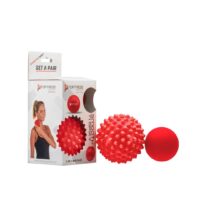
Smooth n Spiky Massage Balls (2 Pack)
$20.00Select optionsQuick View -
 Gift Ideas, Christmas Gift Ideas, Exercise Equipment, Foot, Knee, Massage Tools, Pain Management
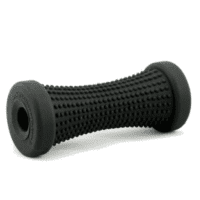
Footeez Lockeroom
$45.00Add to cartQuick View - Christmas Gift Ideas, Exercise Equipment, Gift Ideas, Massage Tools, Pain Management
Pocket Physio MAX
$24.95Select optionsQuick View - Liniments & Gels, Massage Liniments, Pain Management
Fisiocrem
$16.95 – $39.95Select optionsQuick View -
 Exercise Equipment, Back, Elbow, Foot, Massage Tools, Shoulder
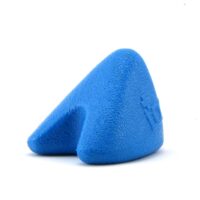
Pocket Physio
$14.95Select optionsQuick View -
-

- Pain Management, Christmas Gift Ideas, Liniments & Gels, Product Search
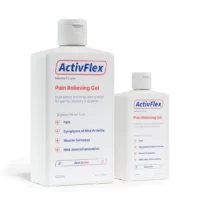
ActivFlex Pain Relief Gel
$27.95 – $42.95Select optionsQuick View -


-