
Shoulder Exercises
Shoulder Exercises


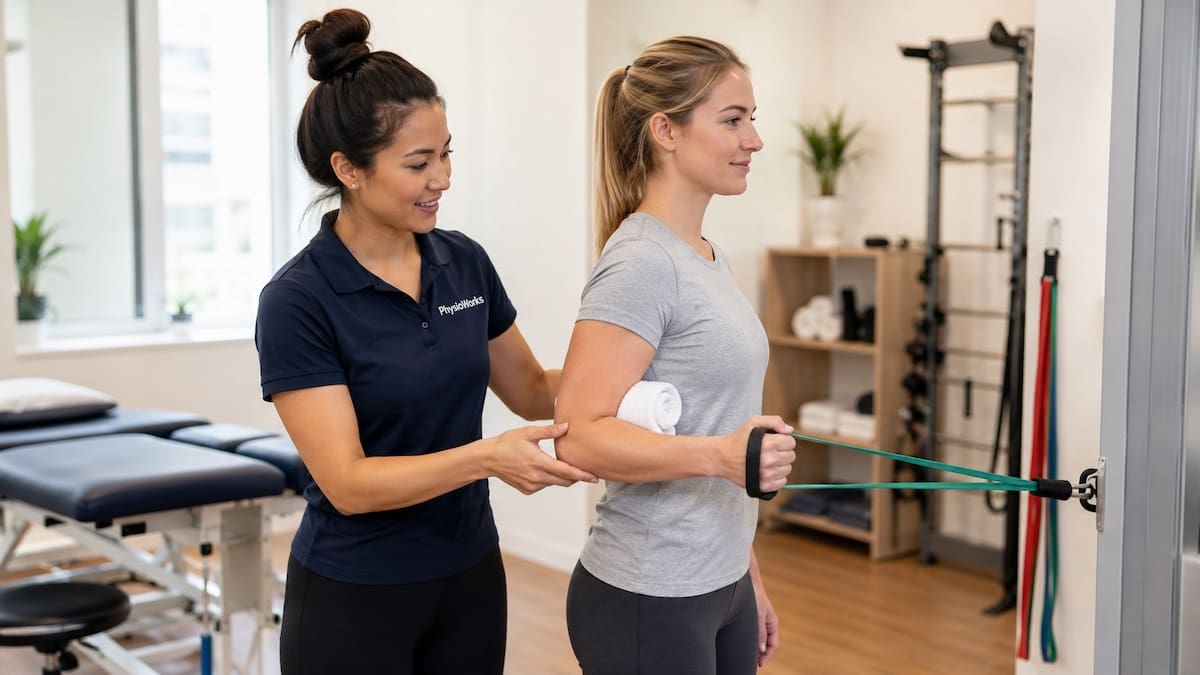
Shoulder exercises can improve movement, strength and confidence with reaching, lifting, carrying, dressing, work and sport. However, the right starting point depends on your symptoms, stiffness, strength, movement control and response to load.
Your shoulder relies on coordinated movement between the shoulder blade, rotator cuff and upper arm. A progressive program may combine mobility, shoulder blade control, rotator cuff strengthening and functional loading.
If pain keeps returning, start with our shoulder pain guide. You can then explore more focused programs for scapular stabilisation and rotator cuff strengthening.
Where Should You Start?
Irritable shoulder
Begin with gentle mobility, low-load isometric holds and controlled movement through a comfortable range.
Improving shoulder
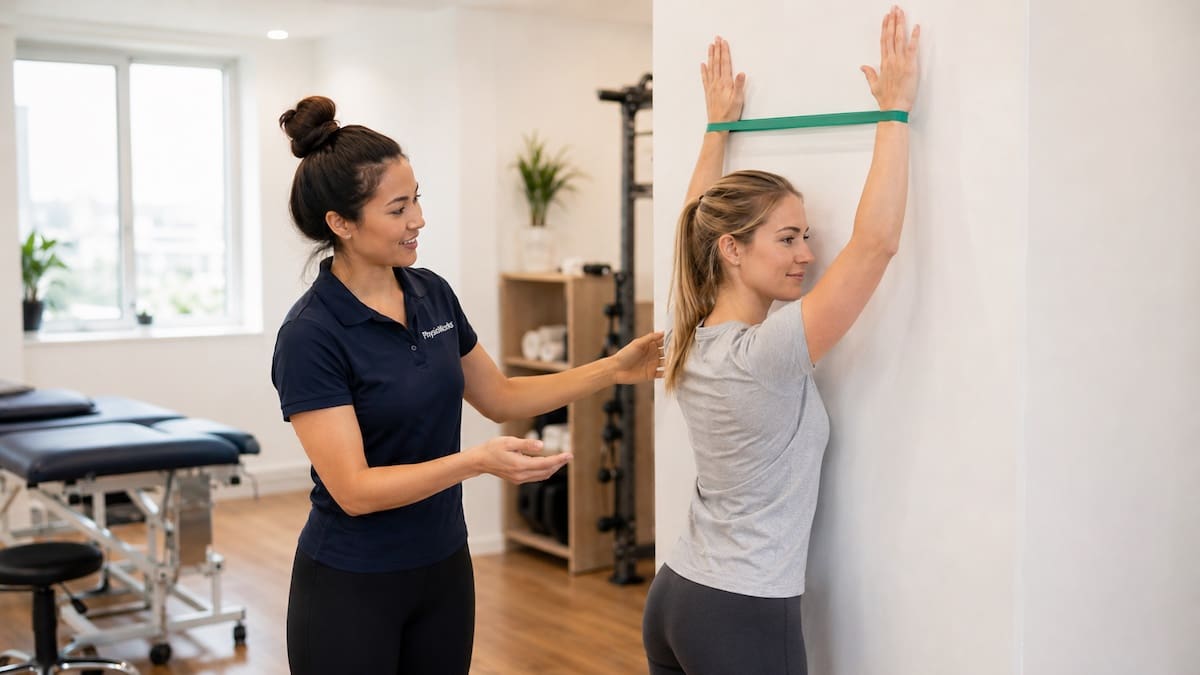
Add banded rotator cuff exercises, rows, wall slides and shoulder blade control as symptoms settle.
Return-to-load shoulder
Progress towards overhead strength, pushing, pulling, carrying and work- or sport-specific tasks.
Why Are Shoulder Exercises Important?
Your shoulder must move freely while remaining controlled. When strength or movement control reduces, some tissues may take more load than they can currently tolerate. This can contribute to pain, stiffness, fatigue or discomfort during overhead movement.
Exercise commonly forms part of management for conditions such as rotator cuff tendinopathy, shoulder bursitis, shoulder impingement and some rotator cuff tears.
Common Reasons to Begin a Shoulder Exercise Program
- Pain with reaching, lifting, dressing or gym exercises.
- Pain when lying on the affected shoulder.
- Weakness or fatigue during overhead activity.
- Stiffness after rest, injury, surgery or a flare-up.
- Reduced confidence with work, sport or everyday tasks.
Do Shoulder Exercises Help Rotator Cuff Pain?
Often, yes. Many people with rotator cuff-related shoulder pain improve with progressive exercise and suitable load management. A program may target the rotator cuff, shoulder blade muscles and the wider pushing, pulling and lifting system.
The exercise level should match your current symptoms. If pain rises sharply, weakness increases or sleep worsens, reduce the load, range or volume and review your technique.
For a plain-language overview of the condition, visit MedlinePlus information about rotator cuff problems.
How Much Discomfort Is Acceptable?
Mild, stable discomfort may be acceptable during some shoulder exercises. However, pain should not keep increasing as the session continues. Your symptoms should also settle towards their usual level after exercise.
During exercise
A mild ache may be acceptable when movement stays controlled. Stop or modify the exercise if pain becomes sharp or rapidly increases.
Later that day
A marked flare, increasing weakness or loss of movement suggests that the exercise dose may have been too high.
The next morning
Your shoulder should usually return towards its normal symptom level. Worsening sleep or next-day pain may require an easier program.
Five Rules That May Reduce Exercise Flare-Ups
-
Stay below the irritation line
Mild discomfort may be manageable. Sharp pain, rapidly rising pain or increasing weakness is not a useful training target.
-
Change one variable at a time
Progress repetitions, resistance, range or speed separately rather than increasing everything together.
-
Check the 24-hour response
Your symptoms should settle towards their usual level by the following day.
-
Respect worsening night pain
Reduced sleep after exercise may indicate excessive load, volume or range.
-
Match the exercise to the problem
Stiffness, weakness, instability and post-operative restrictions require different programs.
What Should a Shoulder Strength Program Include?
Shoulder strength involves more than producing force. Your shoulder also needs controlled movement through the ranges required for daily life, work and sport.
Shoulder blade control
The shoulder blade provides a moving base for the arm. Exercises may target the serratus anterior, trapezius and other scapular muscles.
Rotator cuff strength
The rotator cuff helps control the upper arm within the shoulder joint during lifting, reaching and rotation.
Whole-arm capacity
Later rehabilitation may include pushing, pulling, carrying, overhead lifting and activity-specific loading.
How Can Shoulder Exercises Progress?
Early stage
Gentle mobility and low-load isometric holds may help restore movement and begin muscle activation.
Middle stage
Banded rotation, rows, wall slides, serratus reaching and controlled weight-bearing may build strength and control.
Later stage
Overhead loading, carries, pushing, pulling, faster movement and task-specific exercises may prepare the shoulder for greater demands.
Should You Stretch a Painful Shoulder?
Mobility exercises may help when the shoulder feels stiff or guarded. However, stretching should feel controlled. Forceful or repeated stretching into pain can aggravate a sensitive shoulder.
Mobility Areas That May Need Attention
- Shoulder joint movement: restricted elevation or rotation can affect reaching and dressing.
- Posterior shoulder mobility: stiffness may limit reaching across the body.
- Upper-back mobility: thoracic movement can influence overhead function.
- Capsular stiffness: marked restriction may occur with frozen shoulder.
How Do You Choose the Right Shoulder Exercise?
Choose exercises according to your symptoms, movement, strength and goals. A useful program should be repeatable, progressive and relevant to the activities you want to regain.
Calm an irritable shoulder
Start with: gentle mobility, supported movement and low-load isometric holds.
Progress when: symptoms settle towards their usual level by the next day.
Improve movement control
Start with: wall slides, rows, serratus exercises and shoulder blade control.
Progress when: movement feels smooth, repeatable and increasingly confident.
Build shoulder strength
Start with: banded rotator cuff work and gradual resistance training.
Progress when: strength improves without worsening sleep or next-day pain.
Return to work or sport
Start with: task-specific pushing, pulling, carrying, overhead work or sporting drills.
Progress when: you tolerate realistic loads with suitable strength, control and confidence.
Shoulder Exercises for Different Conditions
Different shoulder conditions can require different starting points, precautions and progressions. Use the guides below to understand how the exercise approach may change.
When Should You Have Your Exercises Checked?
Consider a physiotherapy assessment if pain continues for more than two to three weeks, sleep keeps worsening, the shoulder feels unstable or you cannot lift your arm normally.
An assessment can also be useful after a fall, dislocation, sporting injury or operation. Arrange a program review when exercises feel comfortable during the session but cause a marked flare later that day or overnight.
Shoulder Exercise FAQs
Which shoulder exercises may help shoulder pain?
The right exercises depend on what contributes to your symptoms. Many programs begin with low-load shoulder blade control, gentle mobility and rotator cuff strengthening. They may then progress towards pushing, pulling, carrying and overhead work.
How often should I do shoulder exercises?
Frequency depends on the exercise, resistance and irritability of your shoulder. Gentle mobility or control work may suit regular practice. Heavier strength training usually needs recovery time between sessions. Follow your prescribed program and reduce the dose if pain or sleep worsens.
Should I exercise if it hurts to lift my arm?
You may be able to exercise with mild, stable discomfort. Avoid sharp pain, rapidly increasing pain, increasing weakness or worsening night symptoms. Begin with an easier range or lower load. Arrange an assessment if you suddenly cannot lift your arm or weakness is marked.
Do rotator cuff exercises help shoulder impingement?
Rotator cuff and shoulder blade exercises may improve movement control and load tolerance for people with shoulder impingement symptoms. The program should progress gradually and match your strength, symptoms and daily demands.
Can exercises help after a shoulder dislocation?
Exercise may help restore movement, strength and control after a dislocation. However, the program should reflect the injury, age, recurrence risk, sporting demands and medical advice. Rehabilitation often progresses from safe movement to strengthening and return-to-activity loading.
Can I strengthen my shoulder every day?
Low-load control exercises may suit frequent practice. Heavier strengthening generally needs recovery time. The correct schedule depends on the exercise dose, your goals and how the shoulder responds over the following 24 hours.
When should I see a physiotherapist for shoulder pain?
Consider an assessment if pain persists, sleep keeps worsening, the shoulder feels unstable, weakness is marked or you cannot return to normal work, sport or daily activities despite adjusting aggravating loads.
What to Do Next
Begin with a level that matches your current pain, movement and strength. Build resistance, range and task-specific loading once the exercises feel controlled and your symptoms settle towards their usual level.
If your shoulder feels unstable, sleep keeps worsening or you cannot lift your arm normally, a shoulder physiotherapy assessment can help identify the main contributors and tailor your program.
Choose your clinic and appointment pathway
Select a PhysioWorks clinic to continue to live booking, an appointment request or reception assistance.
Shoulder Products
These shoulder products are commonly used by our physiotherapists to improve strength, posture, movement, plus assist home exercise programs.
-
 Exercise Balls, Back, Exercise Equipment, Knee, Shoulder
66fit Exercise Balls | Core & Rehab Stability Ball
$32.00 – $57.00Select optionsQuick View -
-

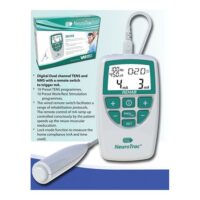
- EMS Machines, Pain Management, TENS Machine, TENS Machine & EMS
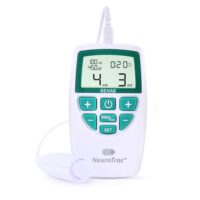
NeuroTrac Rehab (TENS Machine + EMS)
$285.00Add to cartQuick View -
-
 Exercise Equipment, Knee, Resistance Band
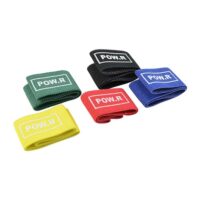
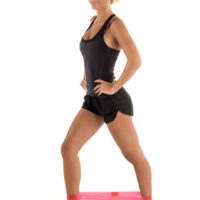
POW.R Fabric Mini Loop Bands
$12.00 – $55.00Select optionsQuick View -
-

- Liniments & Gels, Massage Liniments, Pain Management
Fisiocrem
$16.95 – $39.95Select optionsQuick View -
-
 Ice & Heat, Pain Management, Uncategorized
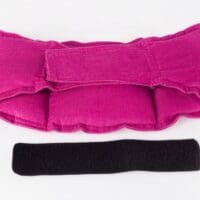
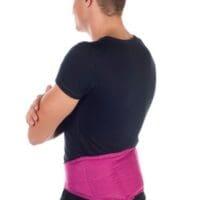
PhysiPak Universal Heat pack
$79.00Select optionsQuick View -
 Exercise Equipment, Resistance Band
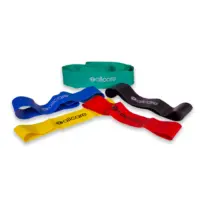
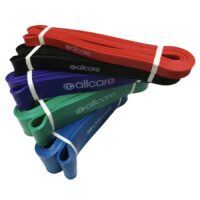
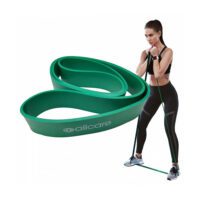
AllCare Powerloop Bands
$24.95 – $79.95Select optionsQuick View -

-

-




References
- Desmeules F, Roy JS, Lafrance S, et al. Rotator cuff tendinopathy diagnosis, nonsurgical medical care, and rehabilitation: a clinical practice guideline. Journal of Orthopaedic & Sports Physical Therapy. 2025;55(4):235–274. doi:10.2519/jospt.2025.13182.
- Lafrance S, Charron M, Roy JS, et al. The efficacy of exercise therapy for rotator cuff-related shoulder pain: a systematic review and meta-analysis. Journal of Orthopaedic & Sports Physical Therapy. 2024;54(8):1–22. doi:10.2519/jospt.2024.12453.
- dos Santos C, Bastos de Almeida I, Jones MA, Matias R. Effects of a scapular-focused exercise protocol for patients with rotator cuff-related pain syndrome: a randomised clinical trial. Journal of Functional Morphology and Kinesiology. 2025;10(4):475. doi:10.3390/jfmk10040475.
- MedlinePlus Medical Encyclopedia. Rotator cuff problems. Reviewed 2 September 2025.
