
Leg Massage

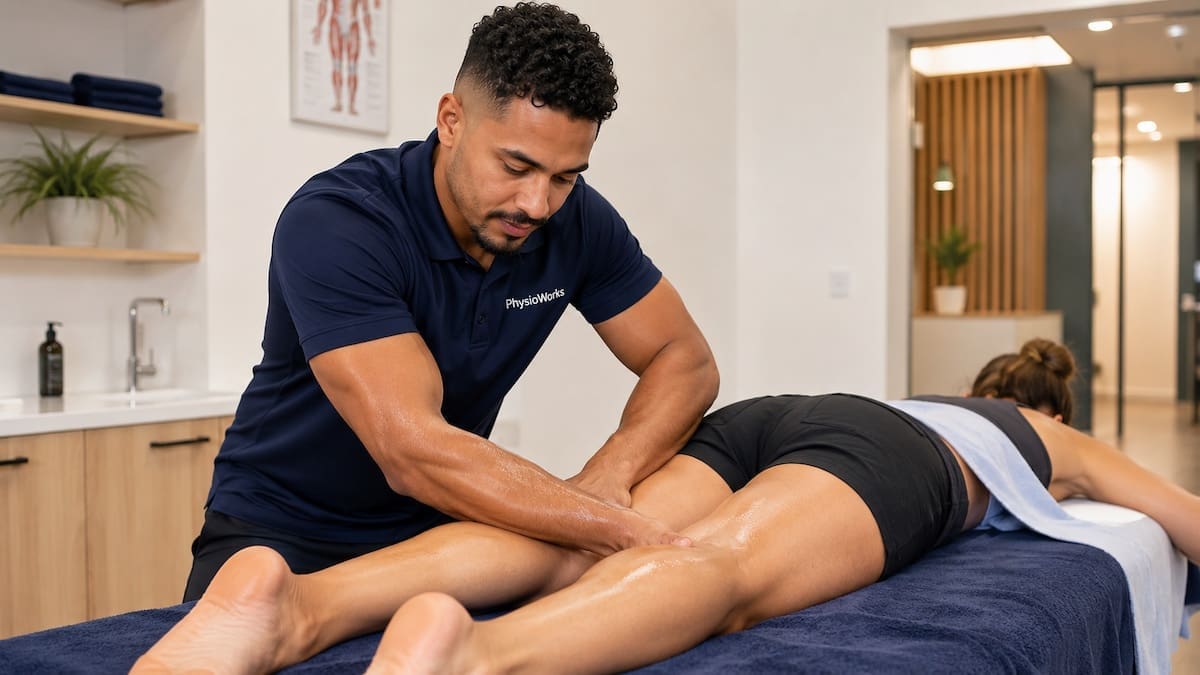
Massage for Tight, Sore or Heavy Legs
If your legs feel heavy, tight, or sore after work, sport, or travel, leg massage may help you feel more comfortable and move better. Many people book a leg massage for calves, hamstrings, quads, or around the hip and knee when training loads rise or when daily life keeps them sitting or standing for long hours.
At PhysioWorks, our massage therapists provide remedial massage and sports massage options across Brisbane. Your therapist will discuss your symptoms, check key areas, then tailor treatment to your goals, comfort level, and activity demands.
If you have a recent injury, persistent pain, or recurring issues, you may also benefit from a combined plan with physiotherapy. That approach can address strength, mobility, and load management alongside hands-on care.
Related Massage Services
Remedial Leg Massage
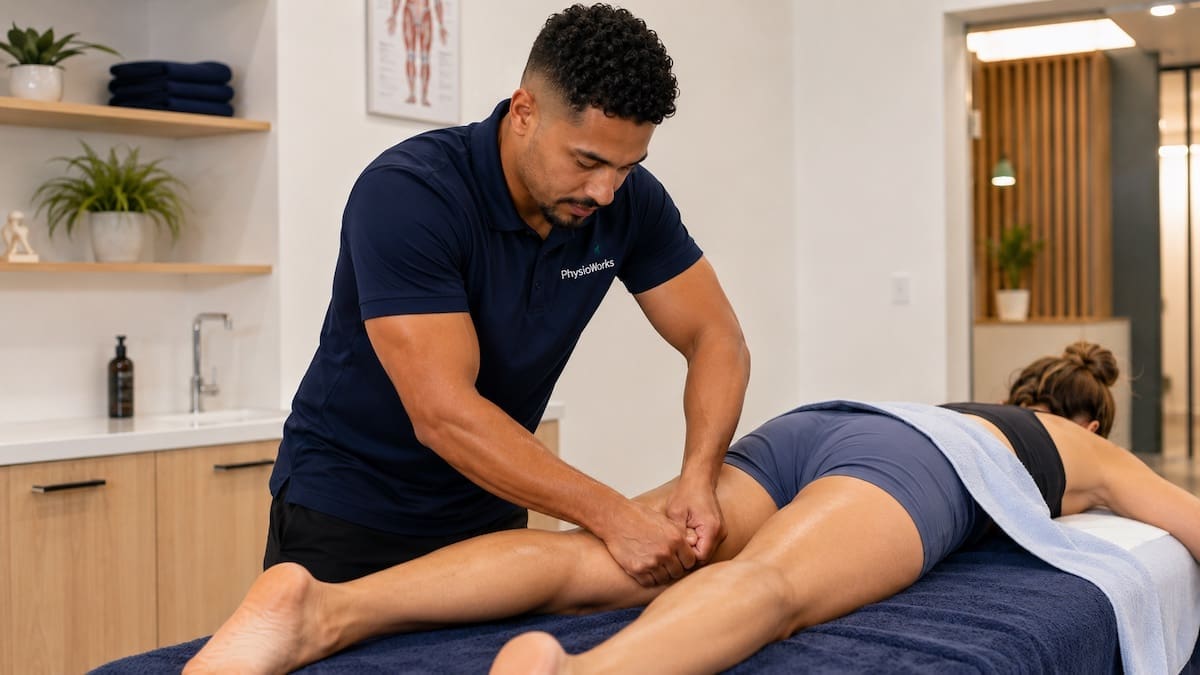
What is a remedial leg massage?
Remedial leg massage uses targeted techniques to manage muscle tightness, overload, and soft tissue sensitivity in the lower limbs. Your therapist may treat local trigger points, restore movement between tissue layers, and reduce protective muscle guarding that can build up after sport, stress, or long periods of sitting.
What areas can a leg massage cover?
Leg massage commonly targets:
- calves and Achilles region
- shin and lower leg muscles
- hamstrings and glutes
- quads and hip flexors
- ITB and outer thigh tissues
- around the knee when appropriate and comfortable
Who books a leg massage most often?
People often book leg massage when they:
- run, cycle, hike, play sport, or lift regularly
- get cramps or tight calves after training
- sit for long hours and feel stiff through hips and thighs
- stand all day and feel heavy or sore legs
- travel and feel swollen or tight through the lower limbs
Symptoms Leg Massage May Help
Leg massage may suit people who notice muscle tightness, post-exercise soreness, heavy legs, restricted movement, or local sensitivity through the calves, thighs, hips, or lower legs. It can also support people who feel stiff after long workdays, travel, or increased training.
Massage is not the right first step for every type of leg pain. If symptoms feel sharp, sudden, swollen, hot, red, or rapidly worsening, book a clinical assessment before choosing massage.
Common Causes of Leg Pain
Leg pain can come from muscles, tendons, joints, nerves, or overload. Sometimes, discomfort spreads from the back or hip and shows up lower down. Therefore, it helps to narrow down the region and likely tissues involved.
By region
- Ankle pain
- Calf pain
- Foot pain
- Groin pain
- Heel pain
- Hip pain
- Knee pain
- Sciatica
- Shin pain and shin splints
- Thigh, hamstring, groin and ITB injuries
By structure
- Joint pain and arthritis
- Bursa irritation and bursitis
- Ligament injuries
- Muscle strain or overload
- Tendon-related conditions
How a Leg Massage May Help
Comfort and muscle relaxation
A well-planned leg massage can reduce muscle tone, ease tightness, and improve how your legs feel during walking, stairs, and sport. Your therapist will match pressure and technique to your sensitivity and goals.
Mobility and movement tolerance
Tight calves, quads, or hamstrings can make movement feel restricted. Massage may improve short-term flexibility and help you move with less stiffness, especially when paired with simple mobility and strengthening work.
Recovery after training
After intense sport, muscle soreness often peaks 24–48 hours later. Massage may help some people feel less sore and more ready to train again. Results vary, so your therapist can also discuss sensible recovery habits and load progression.
If you train regularly, you may also like our guides on running injuries and DOMS.
What to Expect in Your Appointment
Quick check-in first
Your therapist will ask about your symptoms, training, work demands, and what aggravates or eases your discomfort. Next, they will check movement and key tissues to guide the session.
Technique selection
Depending on what you need, treatment may include firm pressure work, trigger point techniques, tissue gliding, or more relaxing strokes to settle sensitive areas. Your therapist will adjust pressure during the session, so speak up if something feels too strong.
Aftercare and self-management
After a firmer session, some people feel tender for 24–48 hours. Light walking, hydration, and gentle mobility usually help. Your therapist may also suggest simple home strategies, such as calf mobility, glute activation, or training tweaks.
When Is the Best Time for a Leg Massage?
You can book leg massage for both recent and long-standing issues. However, timing matters after an acute injury. In the first few days, swelling and tissue sensitivity can run high. Your therapist will discuss whether massage suits that stage or whether a lighter approach makes more sense.
How Long Should You Book?
PhysioWorks offers 30, 45, and 60-minute leg massage sessions. Choose 30 minutes for one main area, such as calves. Book 45–60 minutes if you want a broader session, such as calves, hamstrings and hips, or if symptoms involve multiple regions.
How Often Should You Book?
Frequency depends on your goals, training load, and how long symptoms have been present. Some people book a short series close together, then space sessions out as comfort and function improve. Others schedule maintenance sessions during heavier training blocks.
Is Leg Massage Good for Muscle Recovery?
Leg massage may help you feel less stiff and more comfortable after training. Research suggests massage can support recovery-related outcomes in some settings, although results differ between people and sports. Your therapist can discuss what to expect for your situation and how to combine massage with sensible training progression.
Is This Massage Right for You?
Leg massage may be a good option if your symptoms feel muscle-related, your legs feel tight after activity, or you want recovery-focused hands-on care. It may also suit people who want help deciding whether calves, hamstrings, quads, glutes, or hip flexors are contributing most to their symptoms.
If your pain keeps returning, a combined massage and physiotherapy pathway may help address both soft tissue sensitivity and the load, strength, or movement factors that keep symptoms active.
When to Pause Massage and Seek Medical Advice
Book an assessment promptly if you have severe swelling, sudden calf pain with warmth and redness, unexplained shortness of breath, significant bruising, or rapidly worsening symptoms. If you are unsure, start with a clinical assessment so you choose the safest next step.
What to Do if Leg Tightness Keeps Returning
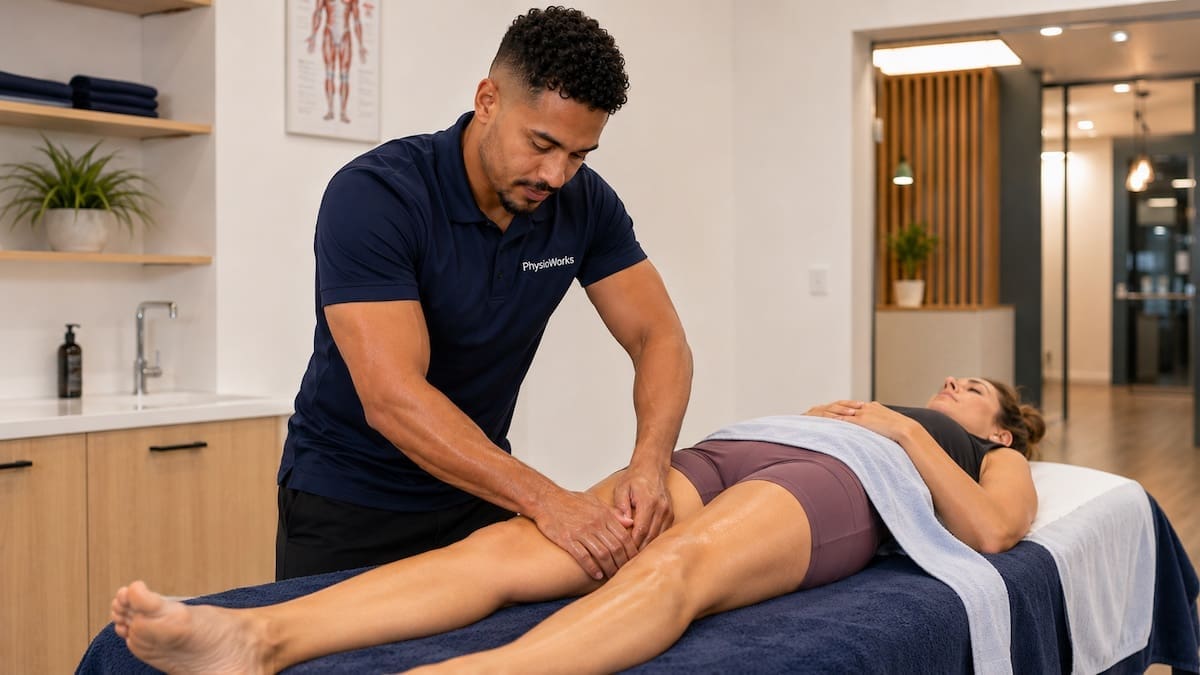
If tightness keeps coming back, look beyond the sore spot. Training spikes, reduced sleep, low strength capacity, and poor load progression can all contribute. A massage therapist can help identify patterns and discuss options, while a physiotherapist can guide strength, mobility, and return-to-activity planning when needed.
Book a leg massage if your symptoms feel muscle-related and you want hands-on support for comfort and recovery. Choose physiotherapy first if pain is sharp, worsening, linked to injury, or stopping normal walking, work, or sport.
Book a Massage Appointment
Choose your preferred clinic to book online, call, or view clinic details.
Our Massage Satisfaction Promise
Your therapist will listen, adjust pressure, explain what they are doing, and help you choose a practical next step. The goal is simple: a calm, professional massage session that matches your body, your symptoms, and your recovery goals.
Brisbane Massage Therapists
PhysioWorks massage therapists provide remedial massage, sports massage and recovery-focused massage across Brisbane. Your therapist will match pressure, treatment area and session length to your goals, symptoms and comfort level.
Remedial Massage Therapists
Our remedial massage therapists help relieve muscle tension, improve flexibility, reduce soft tissue pain, and support recovery from training loads, desk posture, and everyday physical stress.
Brendan Scott

Debbie Cox

Ashish Shrestha
Massage Products
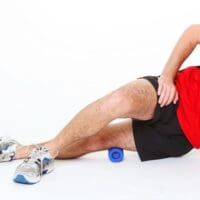
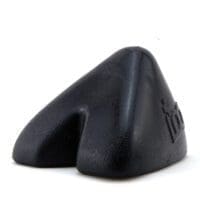
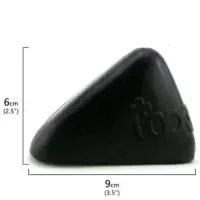
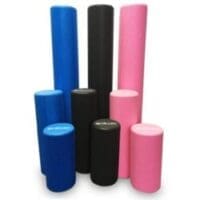
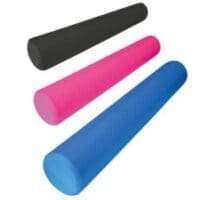
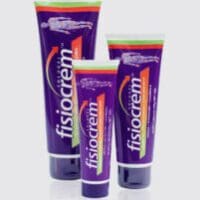
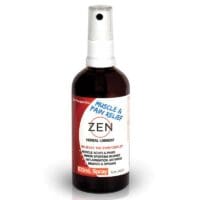
These muscle and soft tissue products are commonly used by our remedial massage therapists and physiotherapists to relax or loosen muscles.
-
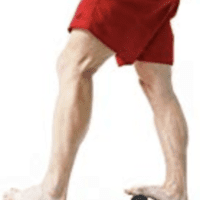 Gift Ideas, Christmas Gift Ideas, Exercise Equipment, Foot, Knee, Massage Tools, Pain Management
Footeez Lockeroom
$45.00Add to cartQuick View - Christmas Gift Ideas, Exercise Equipment, Gift Ideas, Massage Tools, Pain Management
Pocket Physio MAX
$24.95Select optionsQuick View - Pain Management, Christmas Gift Ideas, Liniments & Gels, Product Search
ActivFlex Pain Relief Gel
$21.95 – $33.00Select optionsQuick View -
-

-
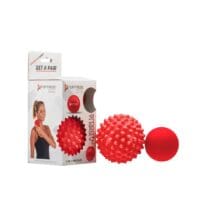 Exercise Equipment, Gift Ideas, Massage Tools
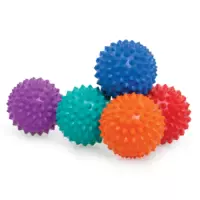
Smooth n Spiky Massage Balls (2 Pack)
$20.00Select optionsQuick View -
-
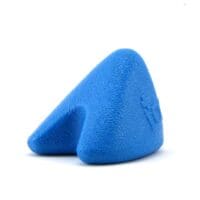
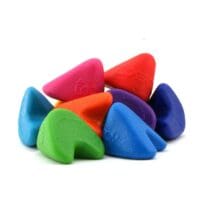 Exercise Equipment, Back, Elbow, Foot, Massage Tools, Shoulder
Pocket Physio
$14.95Select optionsQuick View - Liniments & Gels, Massage Liniments, Pain Management
Fisiocrem
$13.98 – $35.50Select optionsQuick View -

-
Follow PhysioWorks for Massage and Recovery Tips
For more tips on massage therapy, training recovery and staying active, follow PhysioWorks on social media.
Follow PhysioWorks
Get free physiotherapy tips, exercise videos, recovery advice, and blog updates.
 |  |  | B |  |  |
Leg Massage FAQs
What is leg massage used for?
Leg massage is commonly used for muscle tightness, post-exercise soreness, heavy legs, and soft tissue discomfort around the calves, thighs, hips, and lower legs. It may also support recovery after work, travel, or sport.
Can leg massage help after running or sport?
Leg massage may help some people feel less sore and stiff after running or sport. Results vary, so your therapist can discuss suitable timing, pressure, and recovery strategies for your training load.
How long should I book for a leg massage?
Thirty minutes often suits one key area, such as calves. Book 45 to 60 minutes if you want broader treatment across multiple regions, such as calves, hamstrings, quads, glutes, and hips.
How often should you get a leg massage?
Frequency depends on your goals, training load, symptom history, and how your body responds. Some people book a short series, then space sessions out. Others book maintenance massage during heavier training or work periods.
Is leg massage safe if I have pain?
Leg massage can be appropriate for many types of muscle-related discomfort. If you have significant swelling, sudden severe pain, redness and warmth, or rapidly worsening symptoms, book a clinical assessment first.
References
- Arsovski D, et al. Deep Tissue Massage Therapy: Effects on Muscle Recovery and Performance in Athletes. Int J Ther Massage Bodywork. 2025.
- Dakić M, Toskić L, Ilić V, Đurić S, Dopsaj M, Šimenko J. The Effects of Massage Therapy on Sport and Exercise Performance: A Systematic Review. Sports. 2023;11(6):110.
- Van Pelt DW, Lawrence MM, Miller BF, Butterfield TA, Dupont-Versteegden EE. Massage as a Mechanotherapy for Skeletal Muscle. Exerc Sport Sci Rev. 2021;49(2):107-114.
- Ferreira RM, Duarte JA, Silva R, et al. The Effects of Massage Guns on Performance and Recovery: A Systematic Review. J Funct Morphol Kinesiol. 2023;8(3):138.
- Davis HL, Alabed S, Chico TJA. Effect of Sports Massage on Performance and Recovery: A Systematic Review and Meta-analysis. BMJ Open Sport Exerc Med. 2020;6(1):e000614.