
Leg Pain: Causes, Warning Signs & Treatment Options


What Causes Leg Pain?
Common causes, warning signs, and how physiotherapy may help
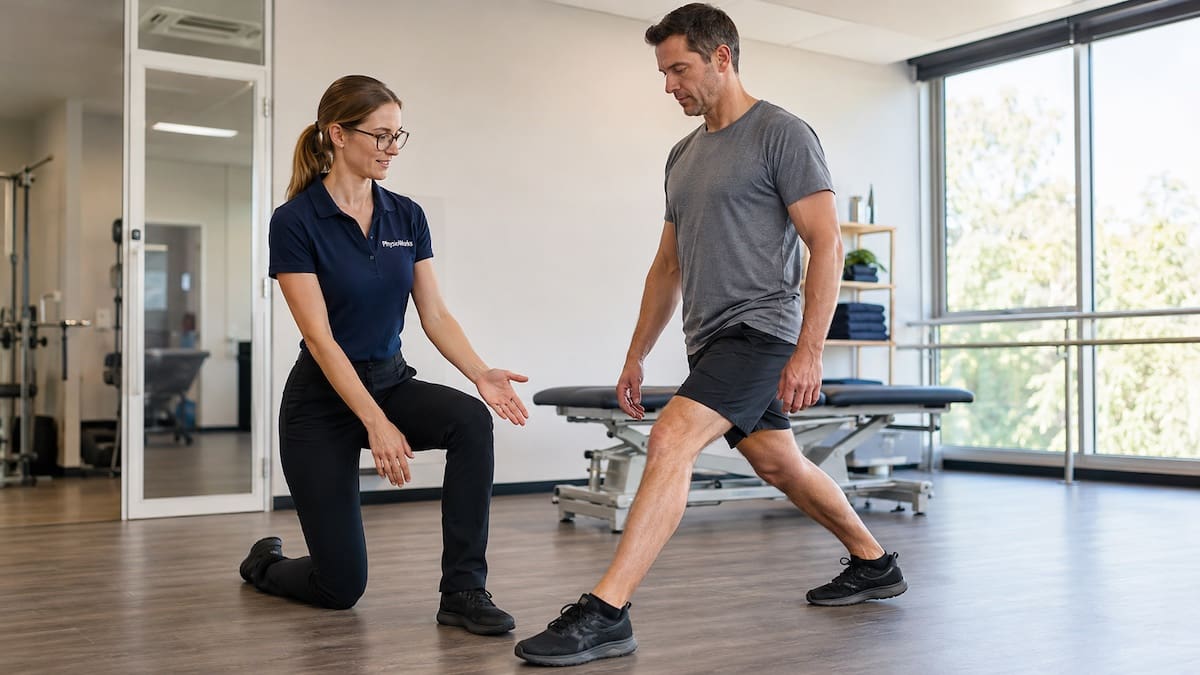
Leg pain can come from muscles, tendons, joints, bones, nerves, or circulation-related problems. It may start after a clear injury, such as a fall, twist, or sporting incident. It can also build over time from repeated loading, training changes, footwear, posture, or reduced strength.
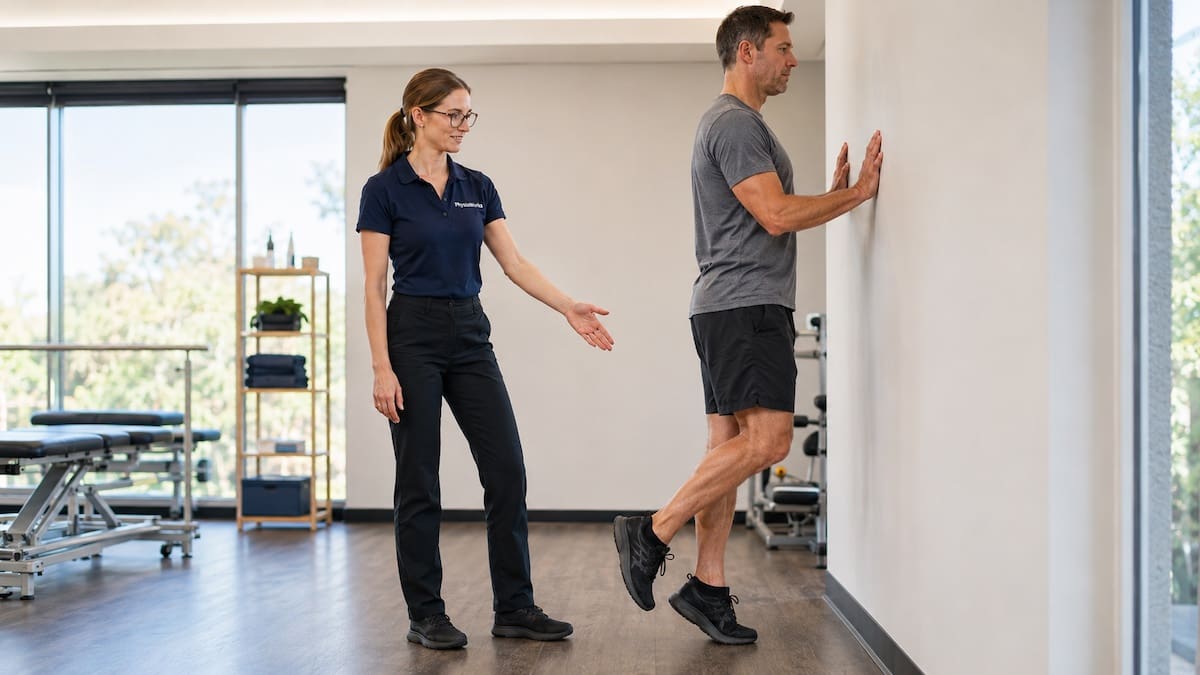
Because many conditions share similar symptoms, a physiotherapist will assess your movement, strength, mobility, and the activities that trigger pain. This helps identify the most likely driver and guide a practical plan. If symptoms feel nerve-related, you can also read our guide to nerve pain.
Quick Summary
- Sudden severe leg pain needs urgent medical review.
- Calf, shin, knee, hip, ankle, heel, and foot pain can each have different causes.
- Numbness, pins and needles, or weakness may suggest nerve involvement.
- Physiotherapy may help by improving movement, strength, load tolerance, and confidence.
Physiotherapy may help reduce pain, restore mobility, and lower recurrence risk by improving capacity, control, and confidence with daily tasks and sport. If your symptoms link with your spine, start with back pain or lower back pain for common red flags and self-check tips.
Quick Guide
- When leg pain needs urgent medical care
- Can leg pain come from your back?
- What type of leg pain do you have?
- How a physio works out the likely cause
- Common leg pain regions and conditions
- FAQs
- What to do next
When Does Leg Pain Need Urgent Medical Care?
Seek urgent medical care now if you have sudden severe pain, a hot swollen calf, marked redness, fever, rapidly worsening numbness or weakness, a cold or pale foot, or breathing symptoms.
If you suspect a blood clot, do not “wait and see”. A clot can mimic a calf strain. Read the warning signs on our calf pain page, then seek urgent medical review.
Can Leg Pain Come From Your Back?
Yes. Some leg pain comes from irritated nerves in the lower back, often called sciatica. You may notice pain travelling into the buttock, thigh, calf, or foot. Numbness, pins and needles, or weakness can also occur.
What Type of Leg Pain Do You Have?
- Sudden severe pain or a hot swollen calf: seek urgent medical care.
- Pain after a twist, fall, or sport injury: check ankle, knee, calf, thigh, hamstring, hip, or groin causes.
- Pain with numbness, pins and needles, or weakness: consider nerve-related pain from the lower back.
- Pain that builds with walking, stairs, or running: review load, strength, mobility, and movement control.
How Does a Physio Work Out the Likely Cause?
A clear diagnosis usually comes from pattern recognition, not one single test. Your physio may check:
- Location and behaviour: what movements or positions reliably trigger pain
- Strength and control: hip, thigh, calf, ankle, and foot stability
- Joint mobility: ankle, knee, hip, and lumbar spine range
- Load tolerance: walking, stairs, calf raises, running, or sport-specific tasks
If you want a plain-language medical checklist for symptoms and causes, see Healthdirect’s leg pain guide.
Common Pain Patterns
- Back-to-foot symptoms: may suggest nerve irritation such as sciatica.
- Calf or Achilles pain with loading: may relate to tendon or muscle capacity.
- Knee pain with stairs or squats: may relate to kneecap, tendon, cartilage, or joint loading.
- Hip or groin pain with turning: may relate to hip joint, tendon, or adductor loading.
Common Leg Pain Regions and Conditions
Ankle Pain
Ankle pain can follow a sprain, fracture, impingement, arthritis, or tendon overload. Many rehab plans focus on swelling control, restoring range, improving balance, and building strength for a safe return to walking and sport.
Heel Pain
Heel pain often relates to plantar fascia loading, Achilles tendon loading, a heel spur, or growth-related heel pain in children. Treatment often includes load management, footwear advice, mobility work, and progressive strengthening.
Foot Pain
Foot pain may relate to overuse, footwear changes, joint irritation, tendon overload, nerve irritation, or bone stress. Your assessment may include walking, balance, calf strength, foot posture, and shoe review.
Calf Pain
Calf pain can come from strain, tendon overload, cramping, referred pain, or more serious causes that need medical review. A graded strengthening plan often helps reduce recurrence when a muscle or tendon problem is the main driver.
Shin Pain
Shin pain often follows training spikes, harder surfaces, or footwear changes. Your physio may screen for shin splints, bone stress injury, tendon overload, or compartment-related symptoms.
Knee Pain
Knee pain can relate to overload, tendon irritation, cartilage or meniscus issues, ligament sprains, kneecap pain, or arthritis. Your physio may assess stairs, squats, balance, strength, and running or sport demands.
Thigh Pain
Thigh pain can follow a direct knock, sprinting injury, kicking injury, or overload through the quadriceps muscles. Pain may affect walking, stairs, running, or sport-specific power.
Hamstring Pain
Hamstring pain can come from an acute strain, tendon overload near the sitting bone, or referred pain from the lower back. Assessment often checks sprinting, bending, bridging, sitting tolerance, and nerve-related symptoms.
Hip Pain
Hip pain may affect walking, stairs, running, side-lying, sitting, or sport. It can relate to joint irritation, tendon overload, bursitis, arthritis, labral injury, or referred pain.
- Trochanteric bursitis
- Gluteal tendinopathy
- Hip arthritis
- Hip labral tear
- Greater trochanteric pain syndrome
Groin Pain
Groin pain may follow kicking, sprinting, change-of-direction sport, hip loading, or repeated adductor strain. It may also overlap with hip joint or lower abdominal pain patterns.
FAQs About Leg Pain
What are common causes of leg pain?
Common causes of leg pain include muscle strain, tendon overload, joint irritation, nerve-related pain such as sciatica, bone stress injury, arthritis, and circulation-related problems. The location, onset, and behaviour of pain usually help identify the most likely cause.
When should I worry about leg pain?
Seek urgent medical care if leg pain is sudden and severe, your calf is hot and swollen, your foot becomes cold or pale, you develop numbness or weakness, you have fever, or you also have breathing symptoms.
Can leg pain come from your back?
Yes. Irritated nerves in the lower back can cause pain that travels into the buttock, thigh, calf, or foot. Pins and needles, numbness, or weakness may also occur. This pattern is often called sciatica.
What does physiotherapy do for leg pain?
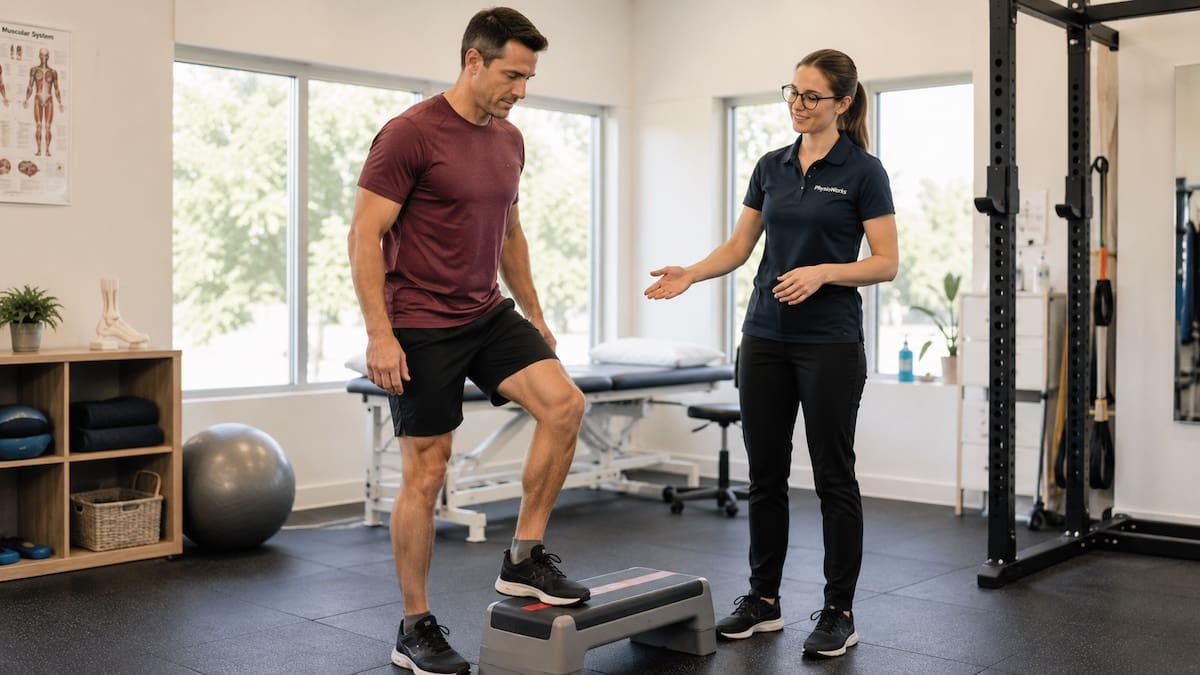
Physiotherapy may help by identifying the likely driver of pain. Your plan may include education, load management, progressive strengthening, mobility work, balance training, walking or running changes, and return-to-activity planning.
What exercises help leg pain?
Exercises depend on the cause. Many leg pain problems improve with a progressive plan for calf, hip, and thigh strength, plus mobility and balance work. A physiotherapist can help match exercises to your symptoms and goals.
What to Do Next
If leg pain limits walking, work, sleep, or training, start with a clear plan:
- Track your symptoms: note location, onset, and what eases or aggravates it.
- Modify the trigger: reduce the activity that flares pain, rather than stopping everything.
- Build capacity: use progressive strengthening that matches your goals.
- Re-test regularly: measure progress with stairs, calf raises, or walking tolerance.
- Book a review: a physio can confirm the likely cause and guide the next stage.
Need Help With Leg Pain?
If your pain is not settling, keeps returning, or affects walking, work, sleep, or sport, a physiotherapy assessment can help you choose the right next step.
Choose your clinic and appointment pathway
Select a PhysioWorks clinic to continue to live booking, an appointment request or reception assistance.
Social Media
For leg pain tips, strength ideas, and recovery guidance, follow PhysioWorks on social media.


References
- Martin RL, Davenport TE, Fraser JJ, et al. Ankle stability and movement coordination impairments: lateral ankle ligament sprains revision 2021. J Orthop Sports Phys Ther. 2021;51(4):CPG1-CPG80. doi:10.2519/jospt.2021.0302
- Martin RL, Davenport TE, Reischl SF, et al. Heel pain—plantar fasciitis: revision 2023. J Orthop Sports Phys Ther. 2023;53(12):CPG1-CPG39. doi:10.2519/jospt.2023.0303
- Zeng C, Li H, Yang T, et al. Exercise therapy for knee osteoarthritis: a systematic review and network meta-analysis. Arthritis Res Ther. 2023.
- Deer TR, Grider JS, Pope JE, et al. The management of lumbar radicular pain. Pain Med. 2024.
- Farris DJ, Kelly LA, Cresswell AG, Lichtwark GA. Intrinsic foot muscle training and foot function. Sports Med Open. 2023.
