
Running Injuries
Running Injuries



A running assessment can examine training load, movement and lower-limb capacity.
Running injuries commonly develop when training load rises faster than the body can adapt. They often affect the knee, shin, calf, Achilles tendon, ankle, heel or foot. Symptoms may also involve the hip or lower back.
The important question is not simply whether running caused the pain. Instead, consider whether your recent running, gym work and recovery demands exceeded your current tissue capacity. Early load adjustment and an appropriate rehabilitation plan may help you stay active while addressing the cause.
What Are Running Injuries?
Running injuries include painful or limiting conditions associated with repeated running load. Some develop gradually over days or weeks. Others occur suddenly during sprinting, changing direction, landing awkwardly or running over uneven ground.
Each stride requires the foot and lower limb to absorb force, control the body and produce push-off. These demands repeat thousands of times during a training week. Therefore, a relatively small mismatch between training and capacity can become significant when repeated frequently.
Common symptoms include:
- pain during or after running
- morning stiffness in the Achilles tendon or heel
- shin pain that builds during impact activity
- front or outer knee pain during hills or longer runs
- calf tightness or pain during faster running
- foot or ankle pain after changes in distance, terrain or footwear
- pain that returns at a similar point during each run
Where Do Runners Commonly Feel Pain?
Most running-related problems affect the lower limb. However, the painful location does not always identify the diagnosis. The symptom pattern, training history and physical assessment provide more useful information.
Knee and Thigh
Downhill running, longer sessions and rapid increases in training may aggravate the front or outside of the knee.
Shin, Calf and Achilles
Hills, faster running and sudden load increases can place greater demand on the lower leg.
Foot and Ankle
Longer runs, uneven terrain and footwear changes may alter stress through the foot and ankle.
Hip and Back
Long runs and fatigue may expose limitations in hip strength, trunk endurance or load tolerance.
Common Running Injuries
Runner’s Knee
Runner’s knee commonly causes pain around or behind the kneecap. It may become noticeable during longer runs, downhill running, stairs, squatting or after sitting with the knee bent.
Shin Splints
Shin splints usually cause a broader area of pain along the inner shin. Symptoms commonly develop after increases in impact load, hills, running frequency or training intensity.
Achilles Tendinopathy
Achilles tendinopathy may cause tendon pain, thickening or morning stiffness. Faster running, hills and sudden increases in training can aggravate symptoms.
Plantar Fasciitis
Plantar fasciitis commonly causes heel or arch pain. Symptoms may feel worse during the first steps after rest and can return during longer periods of standing, walking or running.
Tibial Stress Fracture
A tibial stress fracture usually causes more localised bone pain than shin splints. Pain may persist after exercise, worsen with hopping or begin earlier during each run. Suspected bone stress injuries need prompt assessment and impact-load modification.
Calf Muscle Strain
A calf muscle strain often occurs during sprinting, hills or forceful push-off. Symptoms may include a sudden pull, local tenderness, reduced calf strength and pain during walking or calf raises.
Running Pain by Training Demand
The activity that aggravates your pain can provide useful clues. However, it does not confirm a diagnosis on its own.
Hills and Speed Sessions
These sessions increase push-off demand and may aggravate calf, Achilles or hamstring symptoms.
Downhill Running
Downhill running may increase braking demand and provoke front or outer knee pain.
Longer Runs
Symptoms in the knee, shin, heel or foot may appear as fatigue builds and tissue load accumulates.
Sprinting and Acceleration
Rapid force production may expose calf or hamstring strain and reduced sprinting capacity.
Trails and Uneven Ground
Irregular surfaces place greater demand on ankle control and may increase the risk of an ankle sprain.
Returning After a Break
Previous fitness does not always match current tissue capacity after illness, injury, travel or reduced training.
Why Do Running Injuries Develop?
Running injuries rarely have one cause. They commonly occur when several factors combine and the total demand exceeds what the body can currently tolerate.
Training Load Changes
Risk may increase when runners change several variables at once. Examples include adding more kilometres, running faster, adding hills, increasing gym load and entering a race within the same training period.
Reduced Recovery
Sleep, nutrition, illness, work demands, travel and closely spaced hard sessions can affect recovery. A training plan that was previously manageable may become excessive when recovery capacity changes.
Strength and Physical Capacity
Calf, foot, thigh, hip and trunk capacity help runners absorb and produce force. Reduced capacity does not automatically cause injury. However, it may contribute when training demand rises beyond what those areas can tolerate.
Previous Injury
A previous injury may affect strength, movement confidence or training consistency. Returning to full running before rebuilding these qualities can increase the chance of another flare-up.
Footwear and Terrain Changes
A different shoe model, worn footwear, a change in heel-to-toe drop or a switch between road and trail running can alter load distribution. Introduce major footwear and terrain changes gradually rather than combining them with a sharp training increase.
Can You Keep Running With Pain?
Some runners can continue modified training while recovering. The decision depends on the likely diagnosis, pain behaviour, running mechanics and how symptoms respond later that day and the following morning.
Modified running may be reasonable when:
- pain remains mild and stable
- you do not limp or change your stride
- symptoms settle soon after the session
- the next morning is no worse
- your physiotherapist has not advised impact restriction
Pause running and seek advice when:
- pain worsens as the run continues
- you limp or compensate
- pain becomes more localised or sharp
- swelling, bruising or instability develops
- symptoms remain worse the next day
- a bone stress injury is possible
How Can Physiotherapy Help Running Injuries?
Physiotherapy for running injuries begins by identifying the likely condition and the factors that are keeping it irritated. The assessment may include your symptom history, recent training changes, previous injuries, running goals and recovery pattern.
Your physiotherapist may also assess:
- walking, squatting and single-leg control
- calf, hamstring, quadriceps and hip strength
- ankle, knee and hip mobility
- hopping, landing or running tolerance where appropriate
- footwear and recent terrain changes
- running technique when it is relevant to the problem
Treatment depends on the diagnosis. A plan may involve temporary load modification, progressive strengthening, mobility work, symptom management and graded return-to-running exposure. A structured running assessment may help when symptoms recur, technique questions remain or you need a plan matched to your pace, distance and goals.
For a broader treatment pathway, see sports injury physiotherapy. Healthdirect also provides a general public overview of physiotherapy in Australia.
How Can Runners Reduce Injury Risk?
No strategy prevents every running injury. However, sensible training progression and adequate physical capacity may reduce avoidable overload.
Warm Up
Use progressive movement and several easier efforts before faster running, hills or intervals. Read more about warming up.
Build Strength
Include progressive calf, thigh, hip, foot and trunk exercises that match your running demands.
Progress Gradually
Change one major training variable at a time and monitor symptoms during the following 24 hours.
Plan Recovery
Allow easier sessions between demanding runs and account for sleep, illness, work, sport and gym load.
How Do You Return Safely to Running?
A graded return usually works better than repeatedly testing whether you can complete your old distance or pace. Your starting point should match the diagnosis, current walking tolerance, strength and previous running level.
Settle the Irritable Stage
Reduce or temporarily stop the activities that clearly aggravate symptoms. Maintain safe conditioning through walking, cycling, swimming or gym work when appropriate.
Rebuild Strength and Impact Capacity
Progress the muscle and tendon capacity needed for running. Depending on the injury, this may include calf raises, squats, step exercises, hopping or controlled landing drills.
Begin Run-Walk Training
Start with manageable intervals on a predictable surface. Monitor symptoms during the session and again later that day and the next morning.
Increase One Variable
Build duration before adding large changes in pace, hills, terrain or weekly running frequency.
Restore Full Training Demands
Reintroduce longer runs, intervals, hills, trails or competition demands after lower-level training is tolerated consistently.
Spacing early impact sessions by about 48 hours is a common starting point, but it is not a fixed rule for every injury. Your diagnosis, symptom response and training history should guide the final schedule.
When Should You See a Physiotherapist?
Arrange an assessment when pain keeps returning, changes your stride, limits normal training or becomes progressively easier to provoke. Earlier assessment is also sensible when you are unsure whether the problem involves a muscle, tendon, joint or bone.

Progressive rehabilitation helps prepare the lower limb for running load.
Running Injuries FAQs
What are the most common running injuries?
Common running injuries include runner’s knee, shin splints, Achilles tendinopathy, plantar fasciitis, calf strain, ITB syndrome, ankle sprain and bone stress injuries. The most likely diagnosis depends on the pain location, symptom pattern and recent training changes.
Why do runners get injured?
Running injuries commonly develop when total training demand rises faster than the body can adapt. Distance, pace, hills, terrain, running frequency, gym work, footwear and recovery can all contribute.
Can I keep running with an injury?
Some runners can continue modified training when pain stays mild, does not change their stride and settles promptly. Stop and seek advice when pain worsens, causes limping, remains worse the next day or may involve a bone stress injury.
When should I stop running with pain?
Stop when pain changes your stride, becomes sharper, increases throughout the run or remains clearly worse the following day. Marked swelling, instability, severe pain or localised bone tenderness also needs assessment.
Do running shoes prevent injuries?
No running shoe prevents every injury. Choose shoes that feel comfortable and suit your current training and terrain. Introduce major footwear changes gradually rather than combining them with a sudden increase in distance or intensity.
Do I need a running assessment?
A running assessment may help when symptoms keep returning, your training plan is difficult to progress or you have questions about running mechanics. It can examine load, strength, mobility and movement in relation to your goals.
How can I prevent running injuries?
Progress training gradually, build relevant lower-limb strength, plan recovery and respond early to recurring symptoms. Avoid increasing distance, speed, hills and frequency at the same time.
How long should I rest from running?
The appropriate break depends on the diagnosis and symptom severity. Some problems only need reduced running load, while bone stress injuries or significant muscle and tendon injuries may require a longer period away from impact activity.
What to Do Next
If running pain is affecting your training, a physiotherapist can assess the likely injury, review your recent workload and guide an appropriate rehabilitation and return-to-running plan.
Choose your preferred PhysioWorks clinic below to book an assessment.
Choose your clinic and appointment pathway
Select a PhysioWorks clinic to continue to live booking, an appointment request or reception assistance.
Muscle & Soft Tissue Products
These muscle and soft tissue products are commonly used by our physiotherapists to relax or loosen muscles, improve strength, comfort, flexibility, and home exercise programs.
-


- EMS Machines, Pain Management, TENS Machine, TENS Machine & EMS
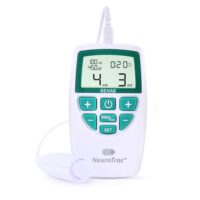
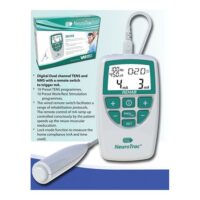
NeuroTrac Rehab (TENS Machine + EMS)
$285.00Add to cartQuick View -
-
-

-

-
-
-
-
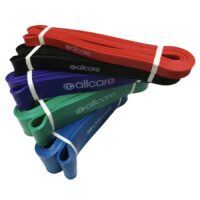
 Exercise Equipment, Resistance Band
AllCare Powerloop Bands
$24.95 – $79.95Select optionsQuick View -
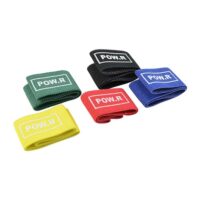 Exercise Equipment, Knee, Resistance Band
POW.R Fabric Mini Loop Bands
$12.00 – $55.00Select optionsQuick View -
- Liniments & Gels, Massage Liniments, Pain Management
Fisiocrem
$16.95 – $39.95Select optionsQuick View -

 Exercise Balls, Back, Exercise Equipment, Knee, Shoulder
66fit Exercise Balls | Core & Rehab Stability Ball
$32.00 – $57.00Select optionsQuick View











References
- Naderi A, Alizadeh N, Calmeiro L, Degens H. Predictors of running-related injury among recreational runners: a prospective cohort study of the role of perfectionism, mental toughness, and passion in running. Sports Health. 2024;16(6):1038-1049. doi:10.1177/19417381231223475
- Correia CK, Machado JM, Dominski FH, de Castro MP, Fontana HB, Ruschel C. Risk factors for running-related injuries: an umbrella systematic review. J Sport Health Sci. 2024;13(6):793-804. doi:10.1016/j.jshs.2024.04.011
- Leppänen M, Viiala J, Kaikkonen P, et al. Hip and core exercise programme prevents running-related overuse injuries in adult novice recreational runners: a three-arm randomised controlled trial. Br J Sports Med. 2024;58(13):722-732. doi:10.1136/bjsports-2023-107926
- Wu H, Taddei UT, Mena SR, Willy RW. Do exercise-based prevention programs reduce injury in endurance runners? A systematic review and meta-analysis of randomised controlled trials. Sports Med. 2024;54(4):905-922. doi:10.1007/s40279-023-01983-3
