
Cervicogenic Neck Headache


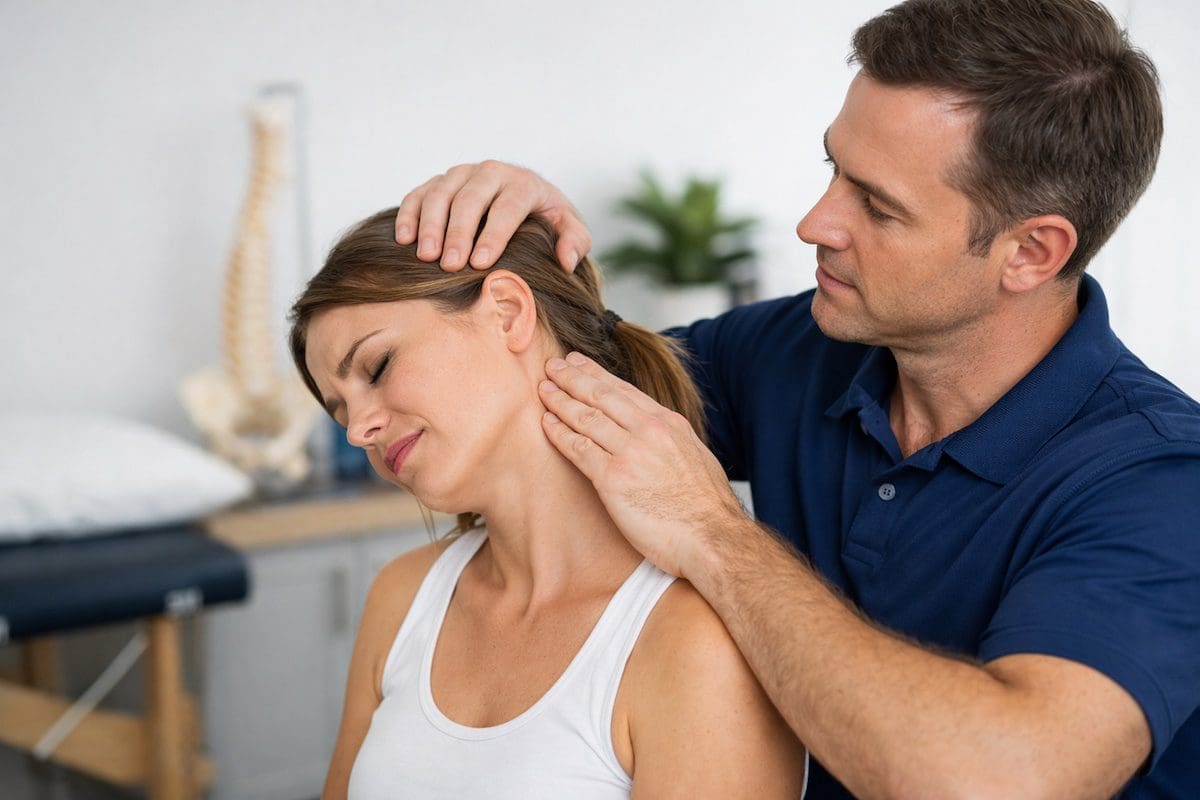
Physiotherapy treatment for neck-related headache symptoms.
Neck headaches often start from the upper cervical spine and may improve with targeted assessment, treatment and exercise.
Cervicogenic neck headache is head pain that comes from the upper neck. It often causes one-sided headache, neck stiffness, reduced movement and symptoms triggered by desk work, driving, poor sleep positions or sustained posture. This page sits within our broader headache physiotherapy and neck pain clusters.
Unlike migraine or tension headache, cervicogenic headaches usually have a clearer link to the upper cervical joints, muscles and nerves. A physiotherapist can assess your neck movement, headache triggers, posture tolerance and muscle control to guide treatment.
Common Signs of Cervicogenic Neck Headache
- Headache starting at the base of the skull
- One-sided pain spreading to the temple, forehead or eye
- Neck stiffness or pain when turning your head
- Symptoms triggered by posture, desk work or driving
- Temporary relief with movement, heat, massage or changing position
Most cases improve when treatment targets the main driver. Common drivers include upper neck joint irritation, muscle overload, reduced deep neck control, poor shoulder support or low tolerance to sustained positions.
What Is a Cervicogenic Neck Headache?
A cervicogenic neck headache is head pain referred from structures in the upper cervical spine. Pain often begins near the base of the skull and may spread to the temple, forehead or behind the eye. It usually has a strong link to neck movement, posture, joint irritation or sustained positions.
The upper neck can refer pain into the head because the upper cervical nerves share pathways with parts of the head and face. This overlap can make a neck headache feel like head pain rather than a simple sore neck.
How Does a Cervicogenic Neck Headache Feel?
People commonly report pain that starts at the base of the skull and travels forward. Symptoms often affect one side more than the other. Turning the head, looking up, working at a desk or holding one position may make symptoms worse.
Many people also notice neck stiffness, tenderness at the base of the skull, shoulder tightness or reduced confidence with head movement. Some people feel temporary relief after movement, heat, massage or lying down.
Common Symptoms of Cervicogenic Neck Headache
- Headache linked to neck movement or posture
- One-sided head pain
- Pain spreading from the upper neck to the temple, forehead or eye
- Reduced neck movement
- Tenderness in the upper neck and base of the skull
- Symptoms after desk work, driving or looking down
- Temporary symptom relief with movement or position change
Can a Neck Problem Really Cause Headaches?
Yes. The upper cervical spine shares nerve pathways with the head, so irritation in the neck can refer pain into the skull, temple, forehead or behind the eye. A clinical assessment helps confirm whether the neck is the main source or whether another headache type may be involved.
Some people have overlapping headache patterns. For example, neck pain may contribute to migraine sensitivity, or a tension headache may also involve upper neck muscle overload. This is why assessment matters.
When Should You Get Urgent Medical Help?
Seek urgent medical care if you experience a sudden severe headache, fever, confusion, weakness, fainting, new vision changes, difficulty speaking, severe dizziness, unexplained vomiting, or symptoms after trauma.
You should also seek medical advice promptly if your headache pattern changes suddenly, becomes progressively worse, wakes you at night, or appears with other unusual symptoms.
How Is Cervicogenic Neck Headache Diagnosed?
Diagnosis is based on your symptoms and physical assessment rather than imaging alone. A physiotherapist may assess neck joint movement, muscle control, posture tolerance, headache reproduction and whether specific neck positions ease or aggravate symptoms.
The International Headache Society outlines recognised diagnostic criteria for cervicogenic headache. These criteria help separate neck-related headache from migraine, tension-type headache and other causes of head pain.
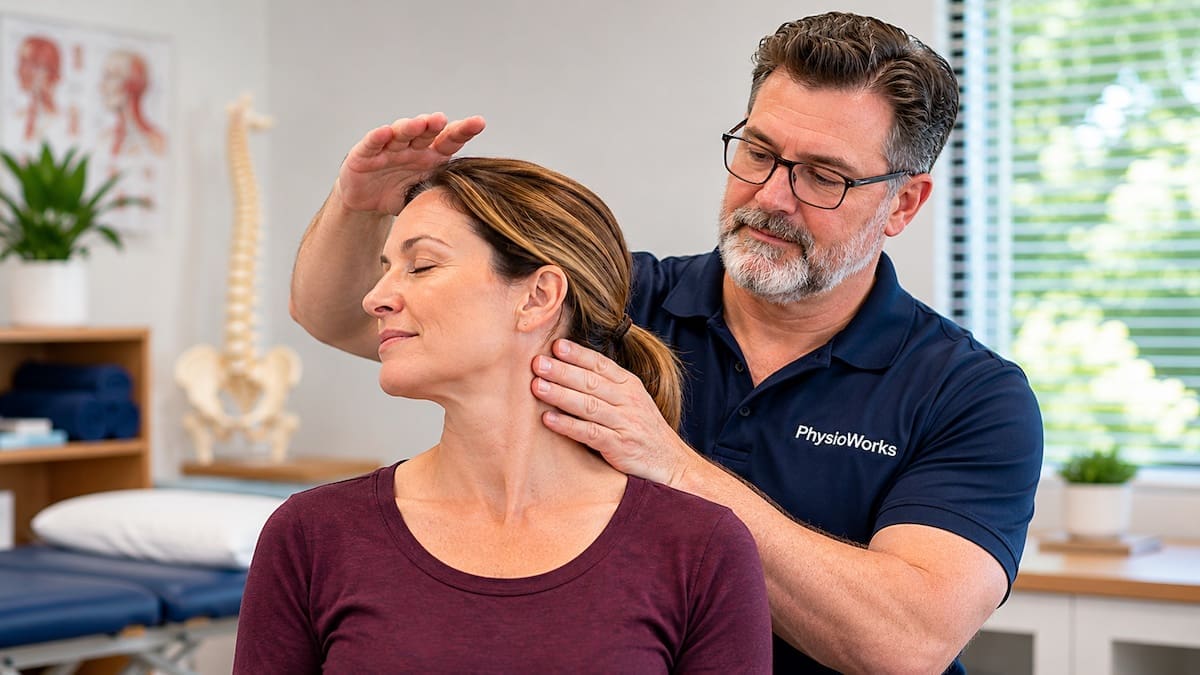
Upper neck assessment helps identify headache triggers.
What Commonly Contributes to Cervicogenic Neck Headache?
Common contributors include cervical facet joint pain, upper neck stiffness, muscle overload, reduced deep neck flexor control and poor posture tolerance. In some cases, symptoms overlap with text neck patterns.
Other triggers may include prolonged computer work, sleeping awkwardly, repeated lifting, poor shoulder blade support, stress-related muscle tension or a recent neck strain. Your physiotherapist will look for the movement, load or posture pattern that matches your symptoms.
How Long Can Cervicogenic Neck Headache Last?
Symptoms vary. Some people experience short episodes that settle within days. Others have recurring headaches over weeks or months, especially when the main trigger remains active.
Recovery usually improves when treatment addresses both the painful neck structures and the daily habits that keep reloading them. This may include manual therapy, exercise, workstation changes, sleep position advice and graded activity.
How Can Physiotherapy Help Cervicogenic Neck Headache?
Physiotherapy for cervicogenic neck headache aims to improve upper neck movement, reduce sensitivity and build better neck and shoulder support. Treatment usually combines hands-on care, specific exercise and practical load management.
Effective treatment usually combines manual therapy, exercise and posture changes rather than relying on one strategy alone.
1) Manual Therapy
Manual therapy may help reduce pain, improve upper neck movement and settle sensitivity around the cervical joints and muscles. Your physiotherapist may use gentle joint mobilisation, soft tissue techniques or guided movement depending on your irritability.
2) Deep Neck Flexor and Shoulder Strengthening
Specific exercises can improve support around the upper neck and reduce repeated flare-ups. These may include deep neck flexor control, shoulder blade strength, postural endurance and graded neck loading. You may also find our neck strengthening exercises guide useful.
3) Posture and Load Management
Improving posture tolerance helps reduce recurring symptoms. This does not mean sitting perfectly all day. It usually means changing positions more often, improving workstation setup, building strength and reducing long periods of fixed neck posture. See our posture correction guide for related advice.
4) Headache Trigger Planning
Your physiotherapist may help identify the positions, tasks or training loads that trigger your headache. This can include desk work, driving, phone use, gym exercises, sleep posture or sport-specific loading.
5) Additional Options
Some people may benefit from additional options alongside physiotherapy. These may include dry needling, acupuncture, GP-guided medication or injection-based care in selected cases. Your physiotherapist can explain when medical review may be useful.
Why Do Cervicogenic Neck Headaches Keep Coming Back?
Recurring cervicogenic neck headaches often relate to unresolved upper neck stiffness, reduced deep neck muscle control, repeated sustained posture or poor tolerance to work and lifestyle loads. Symptoms may settle briefly, then return when the same trigger builds again.
A stronger plan should address the reason symptoms keep returning. This may include movement retraining, strength work, desk setup, sleep position advice, pacing and a realistic home exercise plan.
Related Headache and Neck Pain Information
Neck headaches can overlap with several related conditions. These pages may help you compare symptoms and choose the right next step.
Common Questions About Cervicogenic Neck Headache
How do you know if your headache is coming from your neck?
A neck-related headache often worsens with neck movement, sustained posture or pressure around the upper neck. It may also come with neck stiffness or reduced movement. A physiotherapy assessment can test whether your neck reproduces, changes or eases your headache.
Can physiotherapy help cervicogenic neck headache?
Physiotherapy may help by improving upper neck movement, reducing sensitivity and building better neck and shoulder support. Treatment often includes manual therapy, exercise, posture advice and load management to reduce repeated flare-ups.
What exercises help cervicogenic neck headache?
Common exercise approaches include deep neck flexor control, gentle mobility, shoulder blade strengthening and postural endurance work. The right exercise depends on your symptoms, irritability, movement limits and daily triggers.
Can massage help a cervicogenic neck headache?
Massage may help some people manage muscle tension around the neck and shoulders. However, recurring neck headaches usually need a broader plan that also addresses joint movement, muscle control, posture tolerance and repeated load triggers.
When should you worry about a headache?
Get urgent medical help if you have a sudden severe headache, fever, confusion, fainting, weakness, new vision changes, severe dizziness, difficulty speaking or symptoms after trauma. If your headache pattern changes suddenly, seek medical advice promptly.
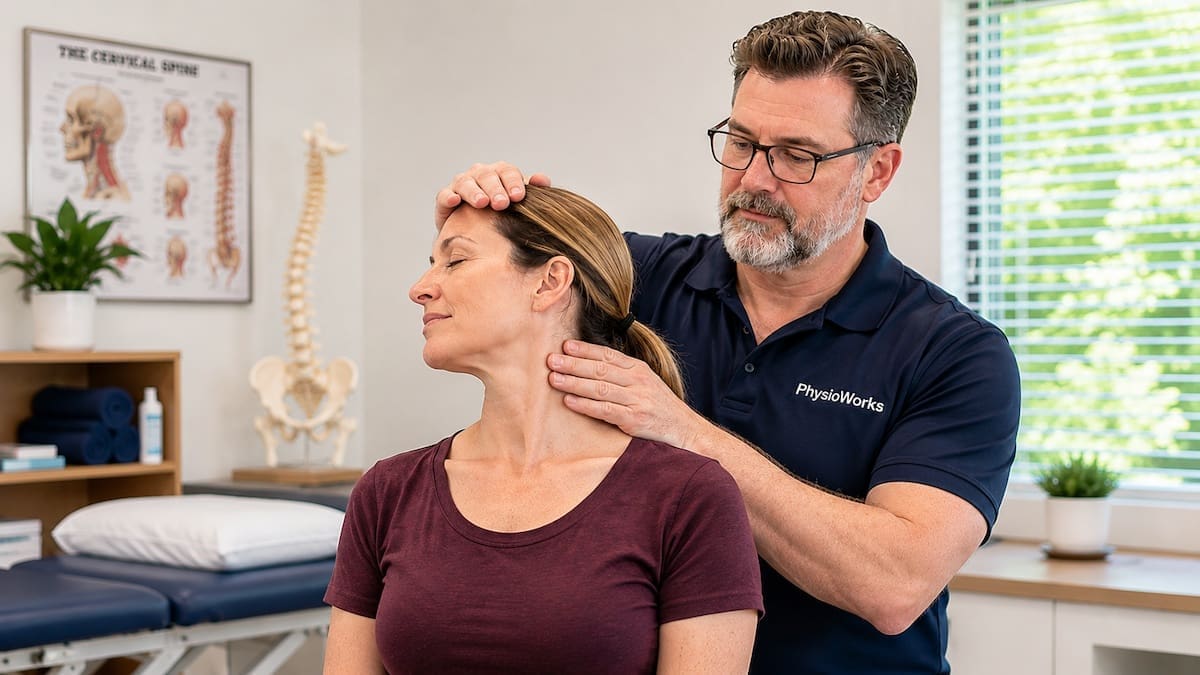
Guided movement can support neck headache recovery.
What Should You Do Next?
If your headache is linked to your neck, book a physiotherapy assessment. Your physiotherapist can assess your upper cervical spine, identify likely triggers and build a treatment plan that fits your work, activity and recovery goals.
Early assessment may help if your headaches are recurring, limiting sleep, affecting work or stopping you from exercising comfortably.
Book your appointment – 24/7
Choose your preferred PhysioWorks clinic and book online.
Neck Products
These neck products are commonly used by our physiotherapists to improve strength, posture, movement, plus assist home exercise programs.
-
-
- Christmas Gift Ideas, Neck, Pillows/Cushions
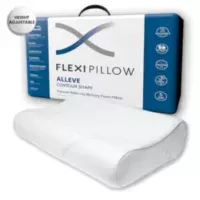
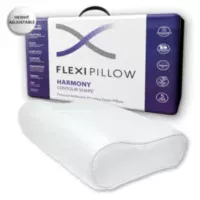
FlexiPillow Alleve Pillow
$109.95Add to cartQuick View - EMS Machines, Pain Management, TENS Machine, TENS Machine & EMS
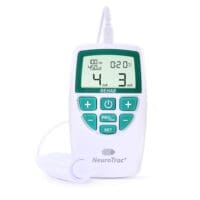
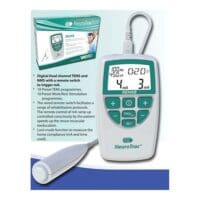
NeuroTrac Rehab (TENS Machine + EMS)
$299.95Add to cartQuick View -
 Back, Exercise Equipment, Neck, Resistance Band
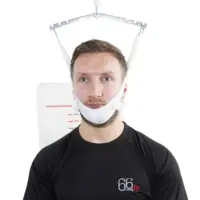
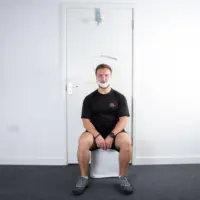
66Fit Over Door Neck Traction Unit
$63.00Add to cartQuick View -
- Liniments & Gels, Massage Liniments, Pain Management
Fisiocrem
$13.98 – $35.50Select optionsQuick View -


-


-

-
-
-

-







Follow PhysioWorks
Get free physiotherapy tips, exercise videos, recovery advice, and blog updates.
 |  |  | B |  |  |
References
- Bini P, Hohenschurz-Schmidt D, D’Andrea G, et al. The effectiveness of manual and exercise therapy on cervicogenic headache: a systematic review and meta-analysis. Headache. 2022.
- Hasan S, Ahmed S, Hassan A, et al. The efficacy of manual therapy and pressure biofeedback-guided deep cervical flexor strength training in cervicogenic headache: a randomised comparative study. 2023.
- Liu Z, et al. Meta-analysis of acupuncture treatment for cervicogenic headache. 2024.
- Arata WH, et al. Occipital nerve block for headaches: a narrative review. 2024.
- International Headache Society. International Classification of Headache Disorders, 3rd edition: cervicogenic headache diagnostic criteria.