
Heel Cups


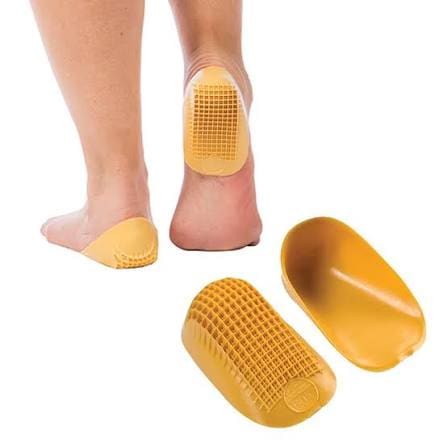
Heel cups are simple shoe inserts that sit under your heel. They may reduce pressure during walking, work, sport and exercise.
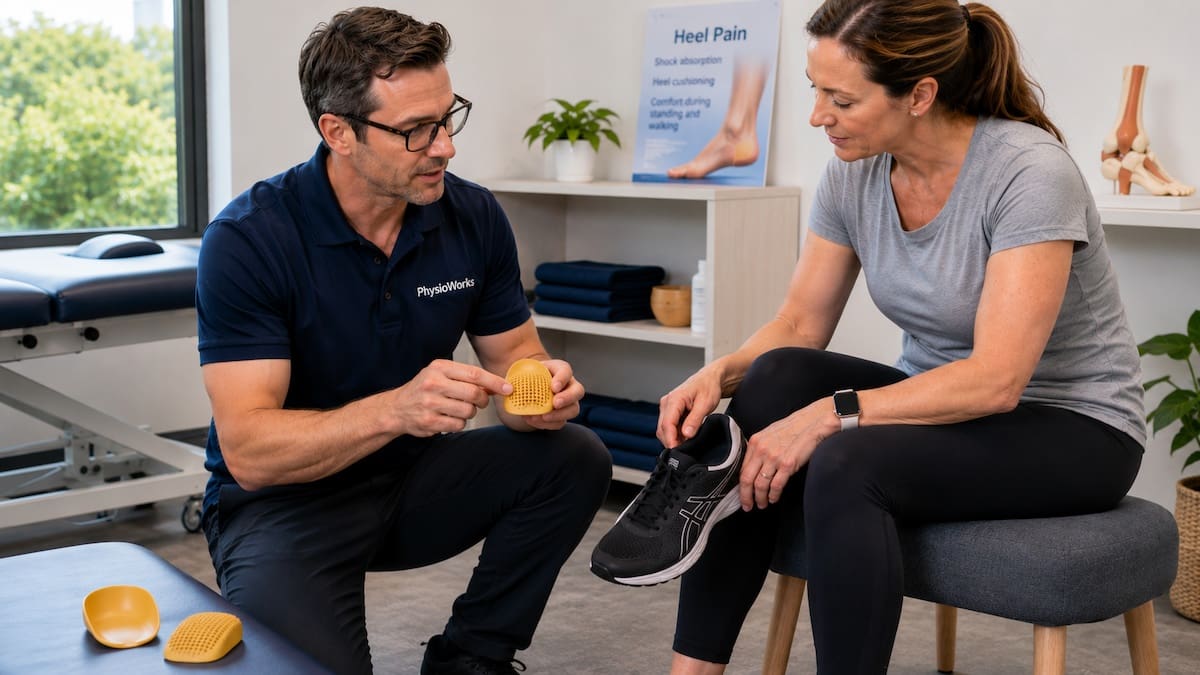
At PhysioWorks, our physiotherapists may suggest heel cups as part of a broader heel pain plan. They are often trialled for plantar fasciitis, heel spur irritation, Achilles load sensitivity or reduced heel cushioning.
Quick Summary
- Heel cups cushion the heel during impact.
- They may help plantar heel pain, heel spur symptoms or Achilles load sensitivity.
- They work best when matched to the right shoe and diagnosis.
- They should feel supportive, not intrusive.
- Persistent heel pain needs proper assessment.
What Are Heel Cups?
Heel cups are cushioned inserts that sit inside your shoes under the heel. They aim to absorb impact, spread pressure more evenly and slightly raise the heel.
This can make standing and walking more comfortable for some people. However, heel cups do not suit every type of heel pain. The right choice depends on your symptoms, footwear, activity level and diagnosis.
How Do Heel Cups Work?
Heel cups work by supporting the heel fat pad and reducing the force that travels through the heel at foot strike. Some designs also create a small heel lift effect.
For some people, this may reduce irritation linked to heel spur, plantar fasciitis or Achilles tendinopathy. Still, heel cups usually work best when combined with load advice, calf strength work and footwear changes.
Who May Benefit from Heel Cups?
Heel cups may suit people who feel heel pain during walking, long periods of standing, running, jumping or repeated hard ground contact.
They are commonly trialled when pain sits under the heel or near the back of the heel. They may also help when shoes feel too flat, or when a small heel lift reduces Achilles tendon strain.
When Are Heel Cups Commonly Used?
- Plantar fasciitis or plantar heel pain
- Heel spur irritation
- Achilles tendon load sensitivity
- Heel fat pad tenderness or reduced heel cushioning
- High-impact sport, including some running injuries
Tuli’s Heel Cups: Standard or PRO?
Tuli’s Heel Cups are a common off-the-shelf support option. The Standard version suits many people for day-to-day comfort and general activity.
The PRO version is often preferred by people doing heavier training, repeated impact work or sport. It offers extra support and durability. The right option depends on your symptoms, shoe type and load.
What Are the Main Benefits of Heel Cups?
- May improve comfort during walking and standing
- May reduce heel pressure during repeated impact
- May slightly raise the heel and reduce Achilles strain
- Easy to trial in many enclosed shoes
- Can be combined with footwear advice, exercises and orthotic support
What Are the Limits of Heel Cups?
Heel cups do not fix every cause of heel pain. Symptoms driven by training load, calf weakness, stiff footwear, plantar fascia overload or poor shoe fit often need more than an insert alone.
Many people do better when heel cups are matched with foot posture correction exercises, calf strengthening, load management and footwear advice.
Should You Keep Using Heel Cups?
If heel cups reduce pain and do not create rubbing, pressure or new symptoms, they may be useful while your heel settles.
If pain worsens, shifts location, or keeps returning when you increase walking or sport, stop guessing. A physiotherapy assessment can help match support, exercise and load changes to the real pain source.
What Should You Expect When Using Heel Cups?
Most people notice quickly whether heel cups improve comfort. They should feel supportive rather than intrusive. They should sit evenly in your shoes and should not create new rubbing or forefoot pressure.
If symptoms worsen, the fit feels wrong, or the pain source is unclear, a physiotherapy assessment is a sensible next step.
Heel Cups FAQs
Do heel cups help plantar fasciitis?
Heel cups may help some people with plantar heel pain by reducing impact and improving comfort. They usually work best as part of a broader plan that includes load advice, calf strength and footwear review.
Can heel cups help Achilles pain?
Sometimes. A slight heel raise may reduce Achilles tendon load in some people. The response varies, so assessment and review are useful if pain persists.
Are heel cups the same as orthotics?
No. Heel cups mainly cushion and support the heel. Orthotics usually influence a larger part of the foot and may be used when broader support or foot control is needed.
Can I use heel cups in both shoes?
Yes. Many people use heel cups in both shoes to keep leg length and shoe feel even. Your physiotherapist may advise a different setup if symptoms or footwear needs vary between sides.
When should I stop using heel cups?
Stop or seek advice if heel cups increase pain, cause rubbing, change your walking pattern, or create new foot, ankle, knee or back symptoms.
Related Heel Pain Information
What to Do Next
If your heel pain is not settling, keeps returning, or limits walking, work or sport, it is worth having the problem assessed properly.
A physiotherapist can identify whether heel cups are likely to help, whether another support is more suitable, and which exercises or load changes are most likely to move things forward.
Choose your clinic and appointment pathway
Select a PhysioWorks clinic to continue to live booking, an appointment request or reception assistance.
Achilles & Heel Products
These Achilles and heel products are commonly used by our physiotherapists to improve strength, comfort, movement, and home exercise programs.
-
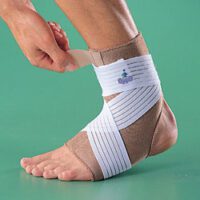 Ankle, Braces & Supports, Clearance Sale
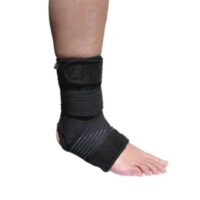
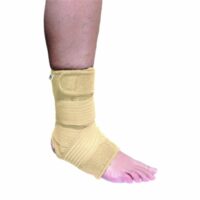
Ankle Support with Strap – OPPO 1003
$42.00Select optionsQuick View -
-
 Braces & Supports, Foot, Heel
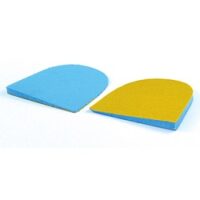
Formthotics Rearfoot Wedge (Valgus Varus)
$6.95Select optionsQuick View -
-
-
-
-
-
-
-

-
 Ankle, Braces & Supports, Calf, Foot
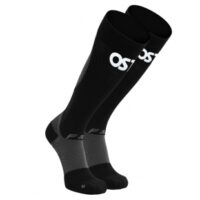
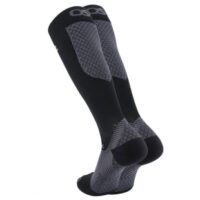
Orthosleeve Compression Bracing Socks
$49.00Select optionsQuick View -


-
- Liniments & Gels, Massage Liniments, Pain Management
Fisiocrem
$16.95 – $39.95Select optionsQuick View





References
- Heel Pain – Plantar Fasciitis: Revision 2023. J Orthop Sports Phys Ther. 2023;53(12):CPG1-CPG39. doi:10.2519/jospt.2023.0303.
- Whittaker GA, Munteanu SE, Menz HB, et al. Foot orthoses for plantar heel pain: a systematic review and meta-analysis. Br J Sports Med. 2018;52(5):322-328. doi:10.1136/bjsports-2016-097355.
- Morrissey D, Cotchett M, Said JH, et al. Management of plantar heel pain: a best practice guide informed by a systematic review, expert clinical reasoning and patient values. Br J Sports Med. 2021;55(19):1106-1118. doi:10.1136/bjsports-2019-101970.
- Bourke J, Kirby AC, Munteanu SE, et al. Efficacy of heel lifts for lower limb musculoskeletal conditions: a systematic review. J Foot Ankle Res. 2024;17(1):45. doi:10.1186/s13047-024-00699-8.
