
Patellar Tendinopathy (Jumper’s Knee)


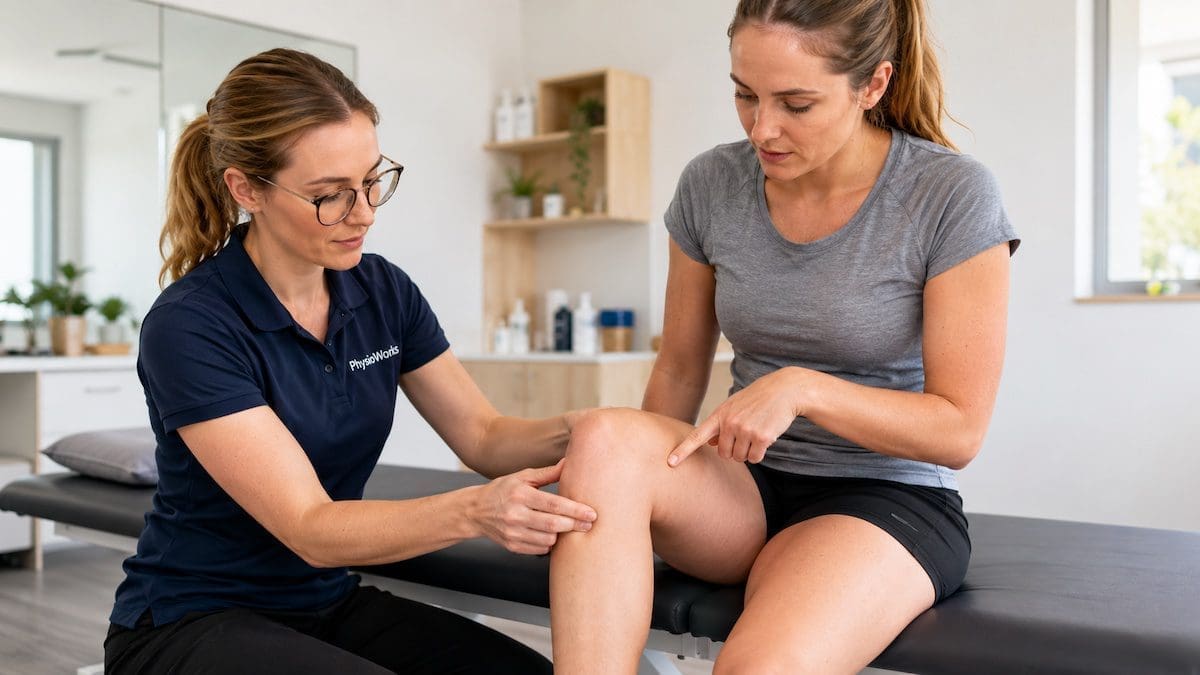
Assessment helps identify patellar tendon overload and rehab needs.
Patellar tendinopathy, often called jumper’s knee, causes tendon pain just below the kneecap. It commonly affects people who jump, sprint, squat, change direction or increase training load too quickly.
The patellar tendon links your kneecap to your shinbone and helps transfer force when you run, land, jump and climb stairs. This condition is one cause of front of knee pain and often relates to a mismatch between tendon load and tendon capacity.
A physiotherapist can assess your tendon, review training load and guide a staged loading plan. Related information includes knee sports injuries and tendinopathy.
Quick Summary
- Patellar tendinopathy usually causes pain just below the kneecap.
- Jumping, landing, sprinting and heavy squats often aggravate it.
- Rest may settle symptoms, but it rarely rebuilds tendon capacity.
- Progressive strengthening and load management are usually central.
- Return to sport should include graded jumping and landing drills.
What Is Patellar Tendinopathy?
Patellar tendinopathy is an overload condition affecting the patellar tendon below the kneecap. It usually causes local pain during jumping, landing, sprinting, squatting or walking downstairs.
It is not usually a simple inflammatory injury. Instead, symptoms often reflect a mismatch between tendon load and tendon capacity. Rehabilitation usually focuses on gradual strengthening, planned loading and return-to-sport progressions.
What Causes Patellar Tendinopathy?
Patellar tendinopathy usually develops when tendon load increases faster than the tendon can adapt. This can follow a sudden rise in jumping volume, sprint work, gym loading or a fast return from time off.
The patellar tendon stores and releases energy during jumping, landing and squatting. Repeated high-load work can irritate the tendon when recovery, strength or movement control does not match training demand.
Common contributing factors
- Sudden increases in training volume or intensity
- Frequent jumping, sprinting or change-of-direction training
- Reduced quadriceps, gluteal or calf strength
- Poor landing control or knee valgus
- Reduced ankle mobility
- Inadequate sleep, recovery or training variation
For related loading advice, read more about soft tissue injury healing and injury prevention programs.
What Are the Symptoms of Patellar Tendinopathy?
Patellar tendinopathy typically causes pain at the lower pole of the kneecap or along the upper patellar tendon. Symptoms may warm up during activity, then return later or the next morning.
- Pain below the kneecap with jumping or squatting
- Discomfort walking downstairs
- Stiffness after sitting or resting
- Reduced jumping power or landing confidence
- Symptoms that flare after training load increases
Other knee problems can also cause anterior knee pain. Related conditions include patellofemoral pain syndrome, meniscus injuries and broader sports injury management.
How Is Patellar Tendinopathy Diagnosed?
A physiotherapist can usually assess patellar tendinopathy through symptom history, tendon palpation, strength testing and tendon-loading tasks. Imaging may help in some cases, but scan findings do not always match pain levels.
Your assessment may include squats, step-downs, hopping, jumping, landing control and sport-specific testing. This helps identify how much load your tendon can currently tolerate.
Rehab usually progresses through stages
- Settle symptoms: reduce provocative jumping or sprint load temporarily.
- Build strength: use controlled isometrics and heavy slow resistance.
- Restore tendon capacity: progress squats, split squats, step-downs and leg press work.
- Reload sport skills: add hopping, landing, jumping and agility drills gradually.
- Return to sport: use symptom response and performance testing to guide progression.
How Do You Treat Patellar Tendinopathy?
Patellar tendinopathy treatment usually focuses on progressive strengthening and load management. Rest may reduce symptoms for a short time, but a staged program is usually needed to rebuild tendon capacity.
- Load management: adjust jumping, sprinting and gym load while symptoms settle.
- Isometric exercises: use sustained holds to introduce tendon load.
- Slow, heavy strengthening: progress squats, split squats, step-downs and leg presses.
- Energy storage drills: add hopping, jumping and landing work in later stages.
- Movement retraining: improve landing control, trunk position and lower-limb alignment.
- Adjunct therapies: shockwave or dry needling may be considered with exercise, not instead of it.
For sport progressions, see our return-to-sport testing guide and sports physiotherapy information.
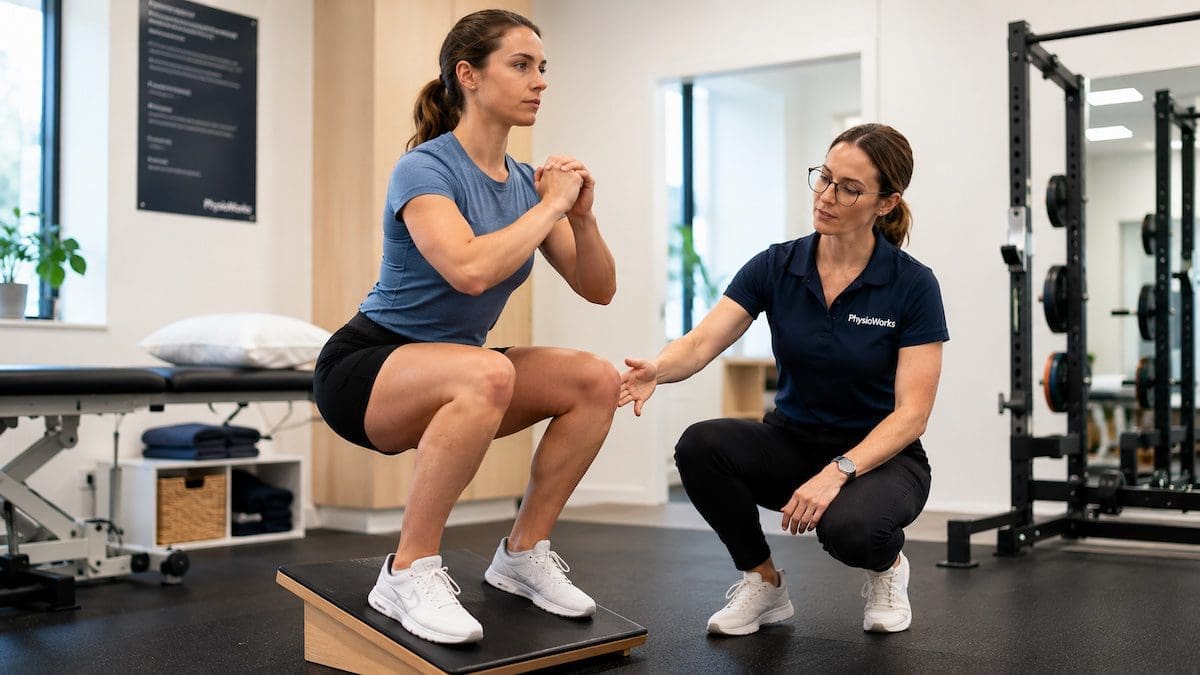
Heavy slow strengthening helps improve tendon load tolerance.
Can Patellar Tendinopathy Heal Without Surgery?
Yes. Many people improve without surgery when they follow a structured rehabilitation program and adjust tendon load. Surgery is usually considered only when persistent symptoms remain after a thorough course of non-surgical care.
Good progress often requires patience. Tendons adapt slowly, so rehabilitation needs consistent loading, careful symptom monitoring and realistic return-to-sport planning.
When Should You See a Physiotherapist?
You should consider seeing a physiotherapist if pain below your kneecap lasts more than a few weeks. Assessment is also sensible if symptoms limit sport, stairs, squats, running or jumping.
Seek earlier advice if symptoms are worsening, you cannot train normally, or you are unsure whether the pain is tendon-related. A clear diagnosis can help you avoid guessing, over-resting or progressing too quickly.
FAQs About Patellar Tendinopathy
Why do I have pain below my kneecap?
Pain below the kneecap commonly comes from overload of the patellar tendon. This can occur when jumping, landing, running, squatting or training volume increases faster than the tendon can tolerate.
How is jumper’s knee treated without surgery?
Jumper’s knee is usually managed with load control and progressive strengthening. Early exercises may focus on symptom control, then progress to heavy slow resistance, landing mechanics and sport-specific jumping.
What exercises help patellar tendinopathy?
Useful exercises may include isometric knee extension holds, slow squats, split squats, step-downs, leg press work and later-stage hopping or jumping drills. Exercise choice should match symptoms and tendon tolerance.
Who gets patellar tendinopathy?
Patellar tendinopathy commonly affects athletes in jumping, sprinting and change-of-direction sports. It can also affect gym users, runners and active workers who repeatedly load the knee extensor mechanism.
How long does patellar tendinopathy take to improve?
Recovery varies. Some people notice early symptom improvement within weeks, while long-standing cases can take several months of consistent loading and sport modification.
Can I keep training with patellar tendinopathy?
Many people can keep training with modified load. However, repeated flare-ups suggest the tendon is not tolerating the current program. A physiotherapist can help adjust volume, intensity and exercise choice.
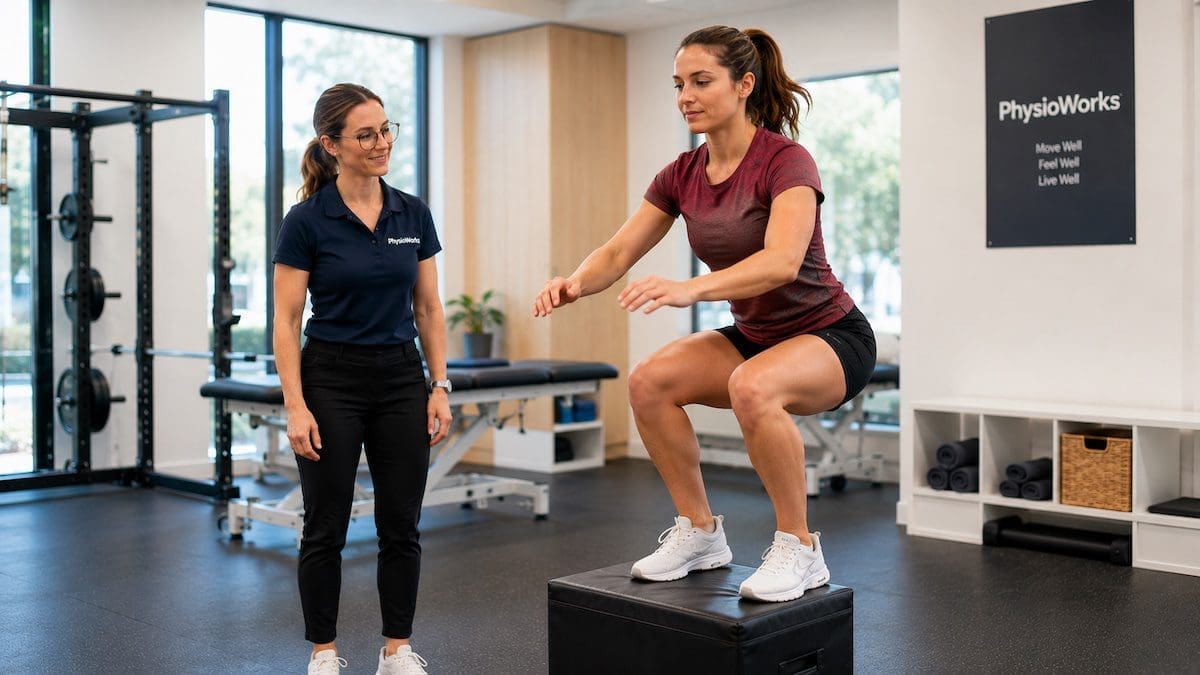
Progressive rehab supports confident return to jumping and sport.
What Should You Do Next?
If patellar tendon pain is affecting sport, gym training or daily life, consider booking a physiotherapy assessment. A physiotherapist can help confirm the source of pain, review your training load and plan a staged return to activity.
Early guidance may reduce repeated flare-ups and help you progress with more confidence.
Book your appointment – 24/7
Choose your preferred PhysioWorks clinic and book online.
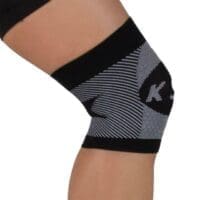
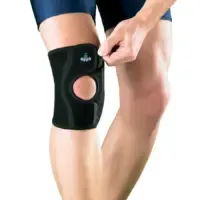
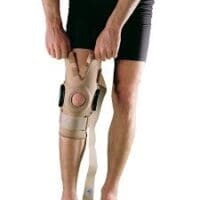
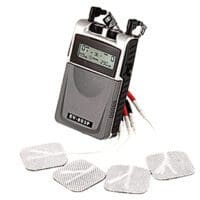
Knee Support Products
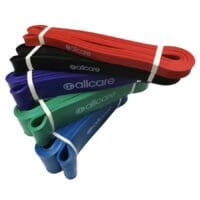
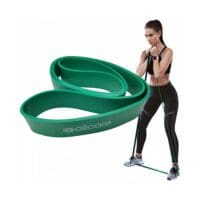
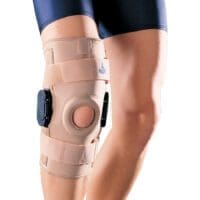
These knee support products are commonly used by our physiotherapists to help reduce strain, improve stability, and support your recovery at home.
-
 Exercise Equipment, Knee, Resistance Band
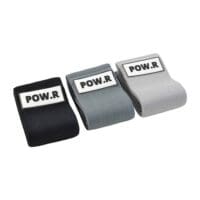
POW.R Fabric Mini Loop Bands
$12.00 – $55.00Select optionsQuick View -
-
 Exercise Equipment, Resistance Band
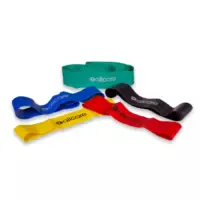
AllCare Powerloop Bands
$22.00 – $65.00Select optionsQuick View -
-
-
- Exercise Equipment, Resistance Band
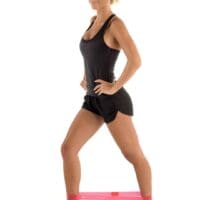
POW.R Wide Fabric Loop Resistance Band
$14.95 – $49.95Select optionsQuick View - EMS Machines, Pain Management, TENS Machine, TENS Machine & EMS
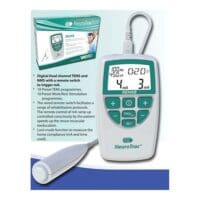
NeuroTrac Rehab (TENS Machine + EMS)
$299.95Add to cartQuick View -
-
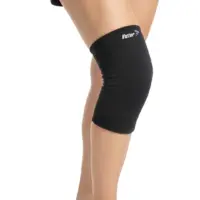
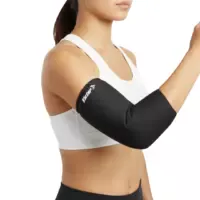 Calf, Elbow, Ice & Heat, Knee, Pain Management
Victor Elastic Cold Sleeve
$44.00 – $60.00Select optionsQuick View -
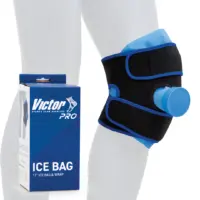
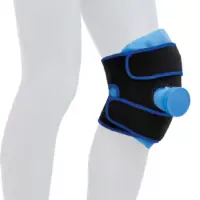 Braces & Supports, Ice & Heat, Knee, Pain Management
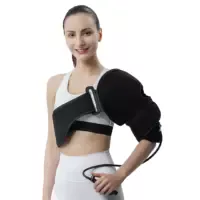
Victor Pro Ice Bag Wrap
$58.00Add to cartQuick View -
-
-
-
- Liniments & Gels, Massage Liniments, Pain Management
Fisiocrem
$13.98 – $35.50Select optionsQuick View



Related Articles
- Knee Sports Injury
- Jumping Injuries
- Soft Tissue Injury Healing Guide
- Tendinopathy Healing Guide
- Sports Physiotherapy
- Safe Return to Sport
- Sports Injury Management
- Acute Soft Tissue Injury
- Strategies to Avoid Injury
- Common Tendon Injuries FAQ
Social Media
Follow PhysioWorks for knee health tips, tendon rehab advice and safe return-to-sport guidance.
Follow PhysioWorks
Get free physiotherapy tips, exercise videos, recovery advice, and blog updates.
 |  |  | B |  |  |
References
- Mendonça LDM, Leite HR, Zwerver J, Henschke N, Branco G, Oliveira VC. How strong is the evidence that conservative treatment reduces pain and improves function in individuals with patellar tendinopathy? A systematic review of randomised controlled trials including GRADE recommendations. Br J Sports Med. 2020;54(2):87-93. doi:10.1136/bjsports-2018-099747
- Breda SJ, Oei EHG, Zwerver J, et al. Effectiveness of progressive tendon-loading exercise therapy in patients with patellar tendinopathy: a randomised clinical trial. Br J Sports Med. 2021;55(9):501-509. doi:10.1136/bjsports-2020-103403
- Núñez-Martínez P, Hernández-Guillen D. Management of Patellar Tendinopathy Through Monitoring, Load Control, and Therapeutic Exercise: A Systematic Review. J Sport Rehabil. 2022;31(3):337-350. doi:10.1123/jsr.2021-0117
- Challoumas D, Pedret C, Biddle M, et al. Management of patellar tendinopathy: a systematic review and network meta-analysis of randomised studies. BMJ Open Sport Exerc Med. 2021;7(4):e001110. doi:10.1136/bmjsem-2021-001110
- Charles R, Fang C, Dasa V, et al. The effectiveness of shockwave therapy on patellar tendinopathy, Achilles tendinopathy, and plantar fasciitis: a systematic review and meta-analysis. 2023.