
Ankle Pain



Ankle movement assessment with a physiotherapist
Ankle pain can develop after a sprain, tendon overload, joint irritation, arthritis or a fracture. Ankle pain physiotherapy may help identify the likely source, settle a flare-up and rebuild strength, balance and confidence for walking, work and sport.
The pain location, how the problem started and which activities aggravate it can help narrow the possibilities. Common ankle conditions include a sprained ankle, high ankle sprain and chronic ankle instability.
A physiotherapist can assess swelling, tenderness, movement, strength, balance and weight-bearing tolerance. Your treatment plan can then match the likely diagnosis, symptom severity and activities you want to resume.
Quick answer: Most ankle pain improves when you protect the injured area from excessive load, restore comfortable movement and progressively rebuild calf, ankle and balance capacity.
Seek earlier assessment after significant trauma, when walking is difficult or when the ankle repeatedly gives way.
Where is your ankle pain?
The location of ankle pain can help guide the assessment. However, several structures sit close together, so location alone does not confirm a diagnosis.
Front ankle pain
A pinching feeling at the front may relate to joint stiffness, loading changes or anterior ankle impingement.
Often aggravated by: squatting, stairs, hills or deep ankle bending.
Outer ankle pain
Outer ankle pain commonly follows a ligament sprain or may involve peroneal tendon overload.
Often aggravated by: running, uneven ground or repeated rolling.
Inner ankle and arch pain
Inner ankle symptoms may involve the tibialis posterior tendon or nearby joint and ligament structures.
Often aggravated by: prolonged walking, running or repeated calf loading.
Back ankle pain
Pain at the back of the ankle may come from posterior joint compression or posterior ankle impingement.
Often aggravated by: pointing the toes, jumping or pushing off.
Not sure which area fits? Pain can spread or involve more than one structure. An assessment is useful when symptoms overlap or do not follow a clear pattern.
How did your ankle pain start?
How the problem began often provides more useful information than pain location alone. Choose the pathway that most closely matches your experience.
I rolled or twisted it
A sudden inversion injury commonly affects the outer ankle ligaments. Significant pain above the ankle may suggest a high ankle sprain.
Useful guides: sprained ankle and high ankle sprain.
It developed gradually
A gradual onset may follow increased running, walking, jumping, hills, footwear changes or reduced recovery.
Consider: tendon overload, impingement, arthritis or bone stress.
It feels stiff or pinched
Joint stiffness or impingement can create pain at the front or back of the ankle, especially near the end of movement.
Often noticed with: squatting, stairs, hills, pointing the toes or pushing off.
It keeps giving way
Repeated rolling may indicate that ankle strength, balance and automatic control have not fully recovered.
Useful guide: chronic ankle instability.
Common ankle pain conditions
The ankle hub covers four main clinical pathways. Individual condition pages provide more detail about symptoms, assessment and rehabilitation.
Sprains and instability
Ligament injuries often follow a twist or roll. Symptoms may include swelling, bruising, pain and reduced confidence.
Tendon pain
Tendons may become painful when their current capacity cannot match walking, running, jumping or work demands.
Joint and impingement pain
Joint irritation may produce stiffness, aching or a pinching sensation at the front or back of the ankle.
Fracture and bone pain
Bone injuries may follow trauma or gradually develop when repeated load exceeds bone recovery.
- Ankle fracture
- Impact-related bone injury
- Bone stress presentation
Could ankle pain be a sprain or a fracture?
Both ankle sprains and fractures can cause pain, swelling, bruising and difficulty walking. The severity of pain alone cannot reliably separate them.
Features that may fit a sprain
- The foot rolled or twisted.
- Tenderness sits around the outer ankle ligaments.
- Walking is possible, although uncomfortable.
- Pain and swelling gradually begin to settle.
Features needing fracture assessment
- Obvious deformity or the ankle looks out of position.
- Marked focal tenderness directly over bone.
- Major difficulty taking four steps after injury.
- Severe or rapidly increasing swelling and bruising.
A clinician can use the injury history, examination and recognised fracture-screening rules to decide whether imaging is appropriate.
Do you need a scan?
Most ankle pain does not require immediate imaging. A clinical assessment can guide whether an X-ray, ultrasound or MRI is useful. After an acute injury, imaging becomes more likely when walking is very difficult and the assessment also finds relevant bone tenderness, deformity, severe swelling or other fracture signs.
When should you seek urgent help for ankle pain?
Seek prompt medical assessment after significant trauma or when symptoms suggest a fracture, serious ligament injury, infection, circulation problem or nerve involvement.
- Obvious deformity or an ankle that looks out of position.
- Marked inability to bear weight after an acute injury.
- Severe or rapidly increasing swelling and bruising.
- Marked focal bone tenderness around the ankle.
- New numbness, worsening weakness or foot drop.
- Fever, redness or unusual warmth with unexplained ankle pain.
- A cold, pale or discoloured foot after injury.
How can ankle pain physiotherapy help?
Ankle pain physiotherapy aims to clarify the likely cause, settle symptoms and restore the physical qualities needed for everyday activity or sport. Your plan may address movement, calf capacity, ankle strength, balance, confidence and the specific loads that trigger your symptoms.
Assessment that clarifies the problem
A physiotherapist may assess swelling, areas of tenderness, ligament stability, joint range, calf strength, tendon load tolerance, balance, hopping and footwear. They may also check the foot, knee and hip when movement elsewhere is increasing ankle load.

What treatment may your physiotherapist recommend?
- Load modification: temporarily reduce or change activities that are aggravating the ankle.
- Progressive strengthening: rebuild the calf, peroneal, tibialis posterior and supporting lower-limb muscles.
- Balance and proprioception: improve control and reduce repeated rolling.
- Mobility rehabilitation: improve dorsiflexion and joint movement when stiffness limits function.
- Movement retraining: improve walking, running, landing, change-of-direction or work-task control.
- Strapping or bracing advice: provide temporary support when it suits the diagnosis and recovery stage.
Practical support options include ankle strapping and our guide explaining how to strap an ankle.
Can you keep moving with ankle pain?
Usually, provided symptoms remain controlled. Start by reducing speed, distance, hills, stairs, jumping or uneven ground rather than stopping all movement.
Pause and seek advice when pain rises as you continue, swelling increases, your walking pattern changes markedly or the ankle feels unstable.
What self-care may help ankle pain?
Early self-care should reduce aggravation without unnecessarily shutting down all movement. The appropriate amount of activity depends on the injury, pain severity and weight-bearing tolerance.
- Use relative rest: reduce the most aggravating loads while maintaining comfortable activity.
- Manage swelling: compression and elevation may help during the early stage when suitable.
- Keep gentle movement: ankle pumps and comfortable circles may reduce stiffness.
- Wear practical footwear: choose shoes that feel stable and comfortable for the current activity.
- Progress gradually: rebuild walking, stairs, running and sport in manageable stages.
Avoid forcing painful stretches or testing the ankle repeatedly during the first few days after a significant injury.
How can you prevent repeat ankle pain?
Repeat ankle pain often follows incomplete rehabilitation, lingering weakness or balance deficits, or a sudden rise in activity. Symptoms may settle before strength, control and confidence have fully recovered.
- Continue calf and ankle strengthening after pain has improved.
- Include regular single-leg balance and movement-control exercises.
- Build walking, running and sport loads gradually.
- Prepare for jumping, landing and change of direction before returning to full sport.
- Review footwear, taping or brace options when clinically appropriate.

What to do next
If ankle pain is not improving, keeps returning or makes you feel unstable, arrange an assessment. A physiotherapist can identify the likely driver, explain what is safe to continue and guide your return to walking, work, exercise or sport.
Book Online 24/7 and choose the PhysioWorks clinic that suits you.
FAQs about ankle pain
How long does an ankle sprain take to heal?
Many mild ankle sprains improve within two to six weeks. More severe ligament injuries and high ankle sprains can take longer. Recovery depends on pain, swelling, stability, activity demands and whether strength and balance are restored before returning to full activity.
When should I get an X-ray for ankle pain?
An X-ray may be considered after an acute injury when walking is very difficult and an assessment identifies relevant bone tenderness, deformity, severe swelling or other fracture signs. A clinician can apply recognised fracture-screening rules rather than relying on one symptom alone.
Can I keep walking with ankle pain?
Often, yes. However, you may need to reduce distance, pace, hills, stairs or uneven ground. Seek assessment when walking progressively increases pain, causes marked limping, increases swelling or makes the ankle feel likely to give way.
What exercises help ankle pain?
Common rehabilitation exercises include calf raises, resisted ankle movements, balance work and gradual walking or running progressions. The best exercises depend on the diagnosis, current irritability and the activities you need to resume.
Why does my ankle keep giving way?
Repeated giving way may relate to reduced balance, slower muscle reactions, weakness and lingering ligament changes after an ankle sprain. Joint impingement, tendon problems and reduced foot or calf control can also contribute.
Choose your clinic and appointment pathway
Select a PhysioWorks clinic to continue to live booking, an appointment request or reception assistance.
Ankle Products
These ankle products are commonly used by our physiotherapists to improve ankle pain, strength, balance, proprioception, endurance and flexibility, plus assist home exercise programs.
-

 Ankle, Braces & Supports, Foot, Walking
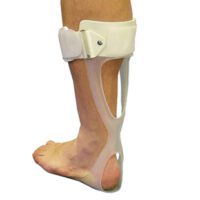
Victor Moonboot 1.0 Air or No Air
$77.00 – $79.00Select optionsQuick View - EMS Machines, Pain Management, TENS Machine, TENS Machine & EMS
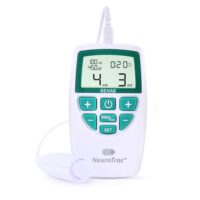
NeuroTrac Rehab (TENS Machine + EMS)
$285.00Add to cartQuick View -
-
- Liniments & Gels, Massage Liniments, Pain Management
Fisiocrem
$16.95 – $39.95Select optionsQuick View -
 Ankle, Braces & Supports, Clearance Sale
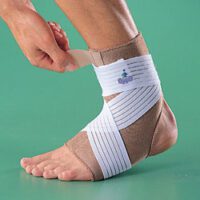
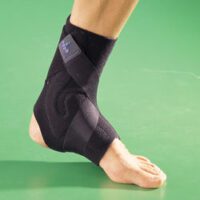
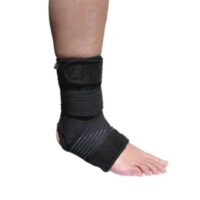
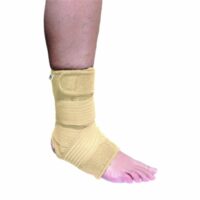
Ankle Support with Strap – OPPO 1003
$42.00Select optionsQuick View -
-
-
-

-


-

-
 Ankle, Braces & Supports, Foot
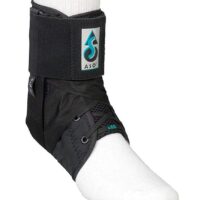
Ankle Support with Plastic Stay – OPPO 1109
$52.00Select optionsQuick View -
-
-







References
- Martin RL, Davenport TE, Fraser JJ, et al. Ankle stability and movement coordination impairments: lateral ankle ligament sprains revision 2021. J Orthop Sports Phys Ther. 2021;51(4):CPG1-CPG80.
- Herrera-Pérez M, Valderrabano V, Godoy-Santos AL, et al. Ankle osteoarthritis: comprehensive review and treatment algorithm proposal. EFORT Open Rev. 2022;7(7):448-459.
- Guo Y, Cheng T, Yang Z, et al. A systematic review and meta-analysis of balance training in patients with chronic ankle instability. Syst Rev. 2024;13(1):64.
