
Sports Recovery Massage

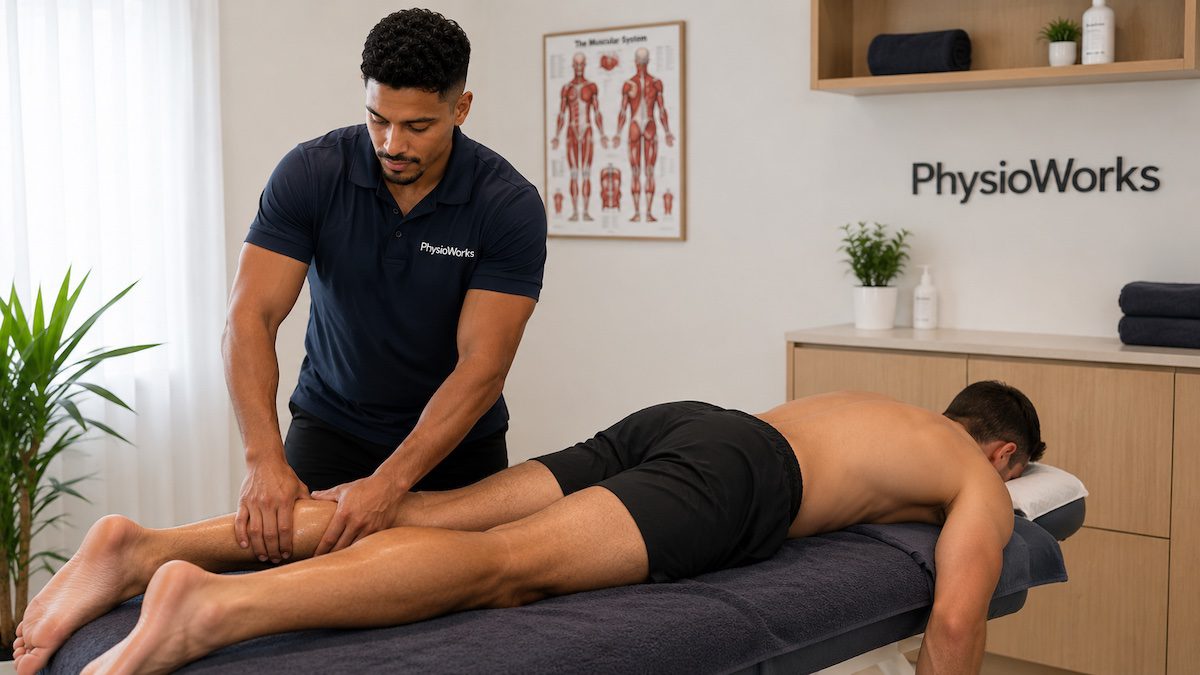
Sports recovery massage may help support muscle recovery after training.
Sports recovery massage may help support muscle recovery, reduce post-exercise soreness, and restore comfortable movement after training or competition. It is commonly used by active individuals and athletes as part of a broader recovery plan alongside sports physiotherapy, remedial massage, mobility work, and appropriate rest.
Recovery is not only about reducing discomfort. It also plays a role in maintaining movement quality, managing training load, and reducing the risk of recurrent strain when returning to activity.
Many people ask whether recovery massage is only useful for elite athletes. In practice, anyone who trains regularly, returns to sport after time off, or experiences ongoing muscle tightness may benefit from a targeted recovery-focused approach.
Quick Summary
- Sports recovery massage may help ease post-training muscle soreness and tightness.
- It can support comfort between training sessions or events.
- Technique depth should match timing, symptoms, and tissue response.
- Sharp pain, swelling, or suspected injury should be assessed before massage.
What Is Sports Recovery Massage?
Sports recovery massage uses tailored massage techniques after physical activity to assist muscle relaxation, circulation, and tissue recovery. The approach varies depending on the intensity of activity, timing after exercise, and individual recovery needs.
Main Goals of Sports Recovery Massage
- Reducing muscle tension: easing tight or overloaded muscles after exertion
- Managing muscle soreness: helping settle post-exercise discomfort, including delayed onset muscle soreness (DOMS)
- Supporting recovery time: assisting the body’s natural repair processes
- Promoting relaxation: encouraging nervous system down-regulation after intense effort
- Restoring normal muscle tone: helping muscles return toward pre-exercise state
Book a Massage Appointment
Massage is available at selected PhysioWorks clinics. Choose your preferred clinic to view current booking options.
Related Massage Services
Recovery massage often works best when it sits within a broader recovery and treatment plan. These related services may also help depending on your symptoms and training goals.
How Can Recovery Massage Support Performance?
Sports recovery massage may assist performance indirectly by helping athletes maintain training consistency and movement quality. It does not replace good programming, sleep, nutrition, or strength work. However, it may support recovery when muscles feel tight, heavy, or slow to settle after activity.
- Reduced perception of muscle tightness and fatigue
- Improved comfort with movement and flexibility
- Support for circulation and tissue hydration
- Assistance between training sessions, races, matches, or events
Common Reasons People Book Sports Recovery Massage
People often book sports recovery massage when muscle soreness, tightness, or fatigue affects their next session. It may be useful after gym training, running, team sport, cycling, swimming, or returning to exercise after a break.
- Heavy or tight legs after training
- Post-exercise soreness, including DOMS
- Repeated muscle tightness after loading
- General fatigue during a heavy training block
- Reduced comfort with movement or stretching
- Recovery support around sports injuries or return-to-training plans
Mental and Nervous System Effects
Massage may influence the nervous system by encouraging relaxation and reducing heightened muscle tone after intense activity. Many people report feeling calmer, less fatigued, and more settled following recovery-focused massage, even when deeper techniques are used.
Techniques Used in Sports Recovery Massage
The techniques selected depend on timing, training load, tissue sensitivity, and your recovery goals.
- Within 24 hours: lighter techniques such as effleurage, gentle petrissage, and assisted stretching may be used to support circulation and comfort.
- 24–72 hours post-exercise: deeper techniques may be introduced if appropriate, including myofascial release massage and trigger point therapy.
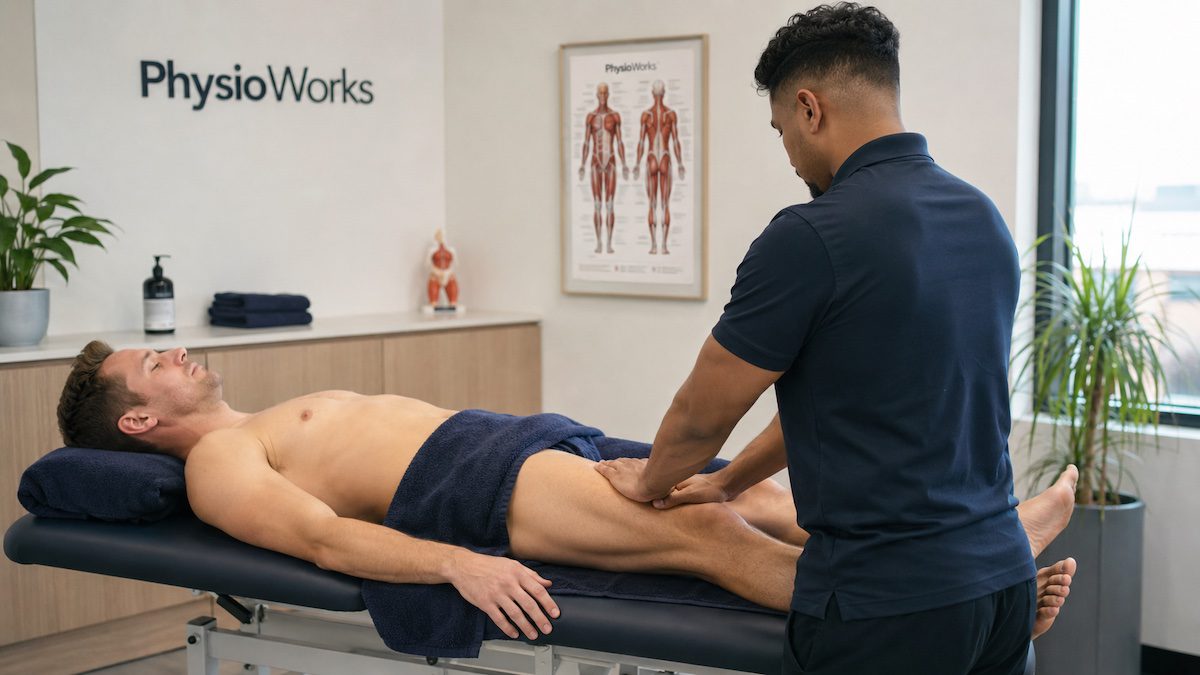
Targeted quadriceps massage may help ease post-exercise thigh tightness.
Is Sports Recovery Massage Right for You?
Sports recovery massage may suit you if muscle tightness, fatigue, or post-training soreness limits your next session. It may also help if you are building training volume and want recovery support that matches your current load.
If pain feels sharp, worsening, swollen, or linked to a recent injury, book a physiotherapy assessment first. This helps confirm whether massage is suitable or whether injury assessment, load management, or rehabilitation is the better first step.
Massage or Physiotherapy?
- Choose massage when your main issue is general tightness, soreness, or recovery support.
- Choose physiotherapy when pain is sharp, worsening, swollen, or linked to a clear injury.
- Choose both when you need hands-on recovery support plus a structured return-to-training plan.
When Massage May Not Be Appropriate
Recovery massage may not be suitable if there is suspected fracture, acute muscle tear, infection, unexplained swelling, or severe pain. If symptoms persist or worsen, assessment by a physiotherapist may be recommended before massage treatment.
Why Recovery Matters in Sport
Recovery is a key part of long-term performance and injury risk management. Sports recovery massage can complement training programs, strength work, and mobility strategies by supporting tissue health and movement comfort across a season.
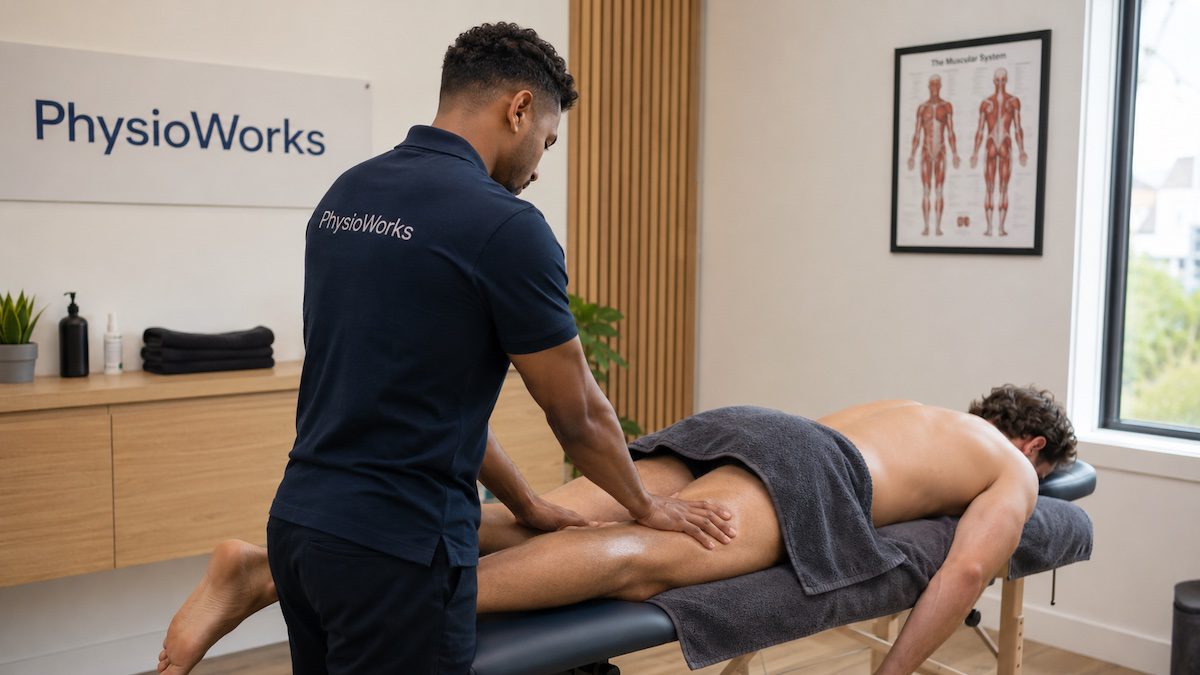
Targeted recovery massage may help settle post-exercise hamstring tightness.
What to Do Next
If recovery feels slow, muscles remain tight, or soreness limits training quality, a tailored recovery massage plan may be helpful. Treatment approach and timing can be adjusted based on training load and individual response.
Book a massage appointment if you want help easing post-training tightness, planning recovery around activity, or choosing the right massage style for your current workload.
Massage Satisfaction Promise
We aim to provide a consistently high standard of care. If, within the first 30 minutes of your massage, you feel the treatment is not meeting your expectations, please let your massage therapist know. You may choose to stop the session at that point, with no charge applied.
Brisbane Massage Therapists
Our massage therapists work closely with physiotherapists to support recovery, movement quality, and training goals.
Remedial Massage Therapists
Our remedial massage therapists help relieve muscle tension, improve flexibility, reduce soft tissue pain, and support recovery from training loads, desk posture, and everyday physical stress.
Debbie Cox

Ashish Shrestha
Massage Products
These muscle and soft tissue products are commonly used by our remedial massage therapists and physiotherapists to relax or loosen muscles.
- Liniments & Gels, Massage Liniments, Pain Management
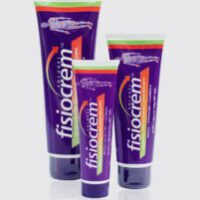
Fisiocrem
$16.95 – $39.95Select optionsQuick View -
-
-


-
 Exercise Equipment, Back, Elbow, Foot, Massage Tools, Shoulder
Pocket Physio
$14.95Select optionsQuick View - Pain Management, Christmas Gift Ideas, Liniments & Gels, Product Search
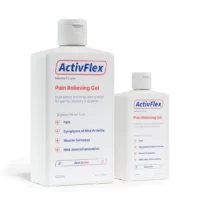
ActivFlex Pain Relief Gel
$27.95 – $42.95Select optionsQuick View -
 Gift Ideas, Christmas Gift Ideas, Exercise Equipment, Foot, Knee, Massage Tools, Pain Management
Footeez Lockeroom
$45.00Add to cartQuick View -
 Exercise Equipment, Gift Ideas, Massage Tools
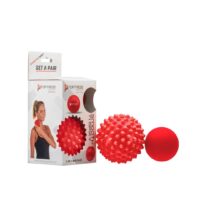
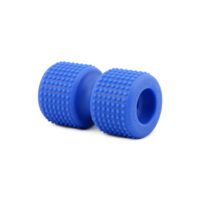
Smooth n Spiky Massage Balls (2 Pack)
$20.00Select optionsQuick View - Christmas Gift Ideas, Exercise Equipment, Gift Ideas, Massage Tools, Pain Management
Pocket Physio MAX
$24.95Select optionsQuick View -

-

Sports Recovery Massage FAQs
What is sports recovery massage used for?
Sports recovery massage is used to support muscle recovery after training or competition. Many people use it to manage muscle soreness, reduce tension, and maintain comfortable movement between sessions.
How soon after exercise should I have a recovery massage?
Recovery massage can be used within the first 24 hours after exercise using lighter techniques. Deeper techniques are often more appropriate 24 to 72 hours after activity, depending on symptoms and tissue response.
Does sports recovery massage help with DOMS?
Many people find sports recovery massage helps reduce discomfort associated with delayed onset muscle soreness. It may assist circulation, muscle relaxation, and perceived recovery after strenuous activity.
Is sports recovery massage only for athletes?
No. Sports recovery massage can suit anyone who exercises regularly. Active adults, gym users, runners, team sport players, and people returning to activity may also find it helpful.
When should I avoid recovery massage?
Recovery massage may not be appropriate if there is acute injury, suspected fracture, infection, unexplained swelling, or severe pain. In these situations, physiotherapy assessment may be recommended first.
References
- Dupuy O, Douzi W, Theurot D, Bosquet L, Dugué B. An evidence-based approach for choosing post-exercise recovery techniques to reduce markers of muscle damage, soreness, fatigue, and inflammation: a systematic review with meta-analysis. Front Physiol. 2018;9:403.
- Davis HL, Alabed S, Chico TJ. Effect of sports massage on performance and recovery: a systematic review and meta-analysis. BMJ Open Sport Exerc Med. 2020;6:e000614.
- Weerapong P, Hume PA, Kolt GS. The mechanisms of massage and effects on performance, muscle recovery and injury prevention. Sports Med. 2005;35(3):235–256.


