
Knee Exercises


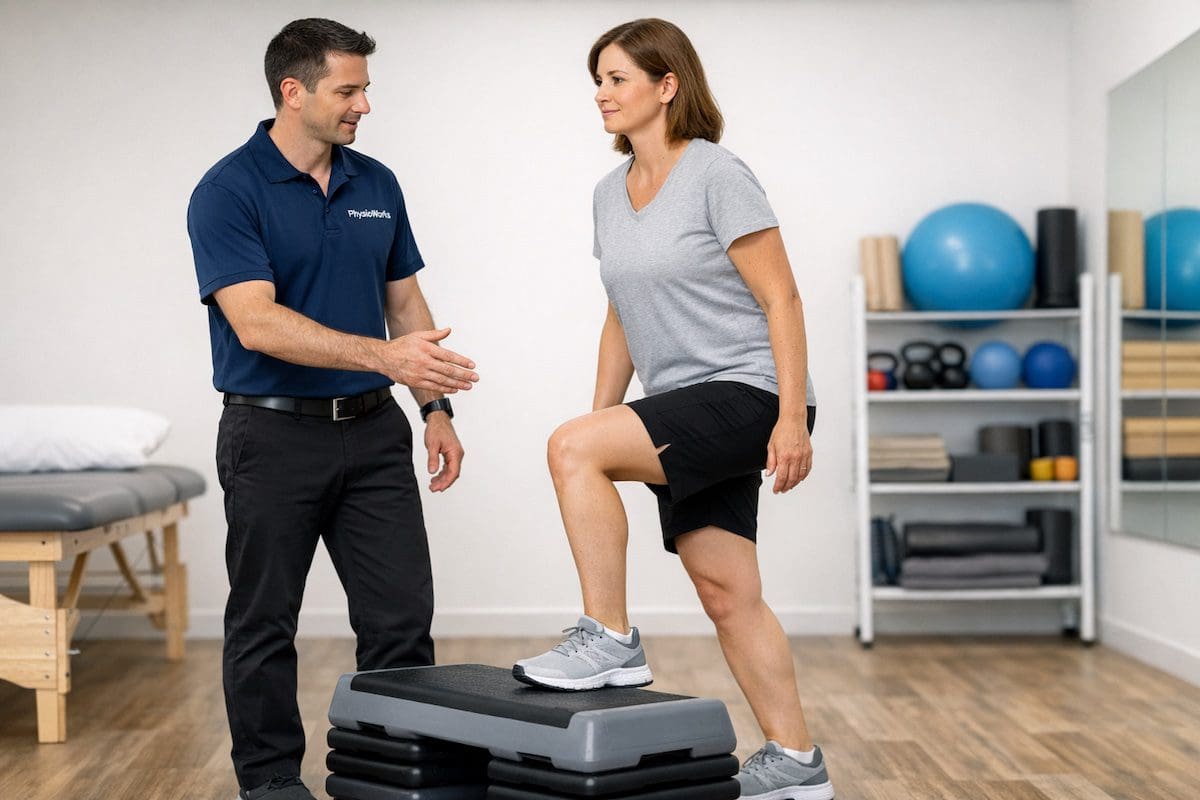
Guided step-ups help build knee strength and control.
Knee exercises help improve strength, control, and confidence for walking, stairs, squatting, sport, and daily tasks. The best program depends on what is irritating your knee, how sensitive it is, and what you need to return to.
If your symptoms relate to broader knee pain conditions, targeted exercise often works best when it builds load steadily rather than pushing into repeated flare-ups. Many people improve when they strengthen the leg, improve movement quality, and progress activity in a sensible way.
What are knee exercises and when do they help?
Knee exercises are structured movements that improve strength, control, and load tolerance around the knee joint. They often help with chondromalacia patella, patellofemoral pain (PFPS), patellar tendinopathy, knee ligament injuries, and some forms of knee arthritis.
Common reasons people use knee exercises
- pain with stairs, squatting, kneeling, or walking
- reduced leg strength or confidence
- recurrent flare-ups after sport or gym work
- stiffness after sitting or first thing in the morning
- rebuilding function after injury or a painful episode
What are the best knee exercises for knee pain?
The best knee exercises usually strengthen the quadriceps, hamstrings, glutes, and calves while improving alignment and control. For many people, simple, well-tolerated movements work better than hard or painful exercises started too early.
Targeted exercise can improve how your knee handles everyday load. It may also help with stiffness, confidence, and return to work, walking, gym training, or sport. If you need a stronger long-term plan, a physiotherapist may progress you into structured strength training as your tolerance improves.
Quick tips before you start knee exercises
- keep pain mild rather than pushing through sharp pain
- prioritise control and alignment over speed
- reduce load if your knee flares the next day
- build depth, reps, and resistance gradually
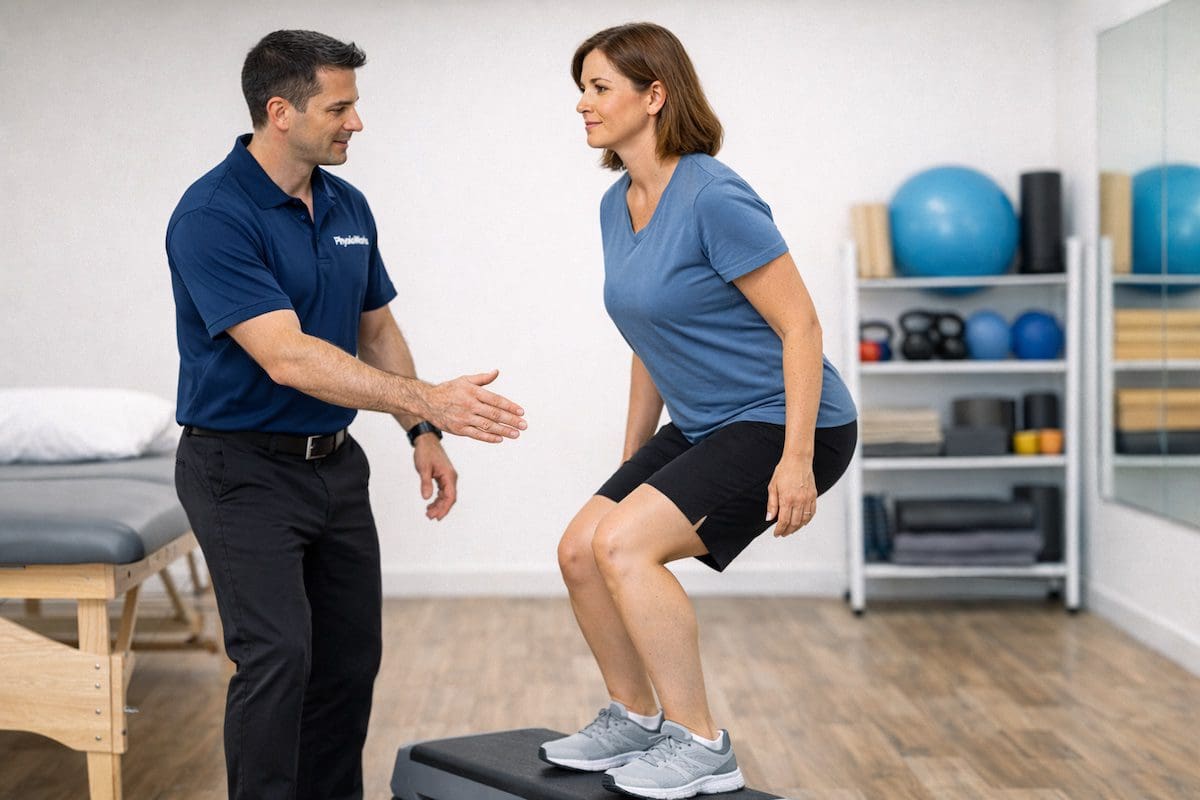
Sit-to-stand builds everyday knee strength and control.
Mini knee exercise routine: 10 to 15 minutes
- Sit-to-stand: 2 to 3 sets of 8 to 12. Keep your knees tracking over your middle toes.
- Step-ups: 2 to 3 sets of 6 to 10 each side using a low step. Use support if needed.
- Calf raises: 2 to 3 sets of 10 to 15. Progress to single-leg when comfortable.
- Bridge: 2 to 3 sets of 8 to 12. Focus on glutes and a steady pelvis.
Effective exercise categories for knee strengthening
- Quadriceps strengthening: Supported squats, wall sits, and straight leg raises can improve knee control and tolerance.
- Hamstring strengthening: Bridges, heel slides, and hamstring curls help balance the forces around the knee.
- Hip strengthening: Band walks, split-stance work, and side-lying leg raises often improve alignment during stairs and running.
- Calf strengthening: Calf raises support walking and sport, which can reduce stress through the knee.
- Step work: Step-ups and step-downs build confidence for stairs, hills, and daily tasks.
Should you rest or exercise with knee pain?
Short rest can help calm a flare-up. However, complete rest often reduces strength and makes the knee less tolerant. In many cases, the right exercise program helps more than doing nothing, provided symptoms stay mild and settle well afterwards.
Use these safety checks before you start
- Keep pain mild: A small increase during exercise can be acceptable, but sharp pain, giving way, locking, or worsening swelling is a stop sign.
- Check the next-day response: If pain or swelling spikes the next day, reduce depth, reps, load, or frequency.
- Prioritise control: Slow, steady repetitions with good alignment usually beat heavier, faster reps early on.
How can physiotherapy progress your knee exercises?
A physiotherapist can match your exercises to the structure involved, your pain irritability, and your goals. That matters because a program for knee arthritis differs from one for meniscus tear, fat pad syndrome, or return-to-running rehabilitation.
Progression may include better load management, low-impact cardio such as cycling or pool work, then gradual return to squats, stairs, hills, or sport. For a plain-English overview of self-care, Healthdirect provides a useful guide to knee pain.
Latest research highlights
Recent systematic reviews support exercise therapy for knee osteoarthritis, with improvements in pain and function across several exercise approaches. Aerobic exercise, strengthening, and mixed programs all appear helpful when progressed gradually and matched to the person’s tolerance.
Common questions about knee exercises
How often should you do knee exercises?
Many people start strengthening exercises 2 to 4 times per week, with easier mobility or cardio on other days. The best frequency depends on pain response, recovery, and the type of knee problem you are managing.
Do knee exercises help arthritis?
Yes. Knee exercises often help people with knee osteoarthritis. Regular strengthening and aerobic exercise can improve pain, walking tolerance, and function when the program is built up steadily.
When should you stop knee exercises and get checked?
Stop and arrange an assessment if you develop sharp pain, repeated giving way, locking, major swelling, fever, or you cannot put weight through the leg. It is also sensible to get checked if symptoms keep returning or have not improved after 2 to 3 weeks.
Related knee injury and rehab guides
What to do next
If your knee pain lasts more than 2 to 3 weeks, keeps coming back, or limits work, walking, gym training, or sport, book an assessment. A physiotherapist can confirm the diagnosis, choose the right knee exercises, and progress them in a way that suits your goals.
If you are looking for guided knee exercises Brisbane patients commonly use for pain relief, strength, and safer return to activity, PhysioWorks can help tailor the program to your stage of recovery.
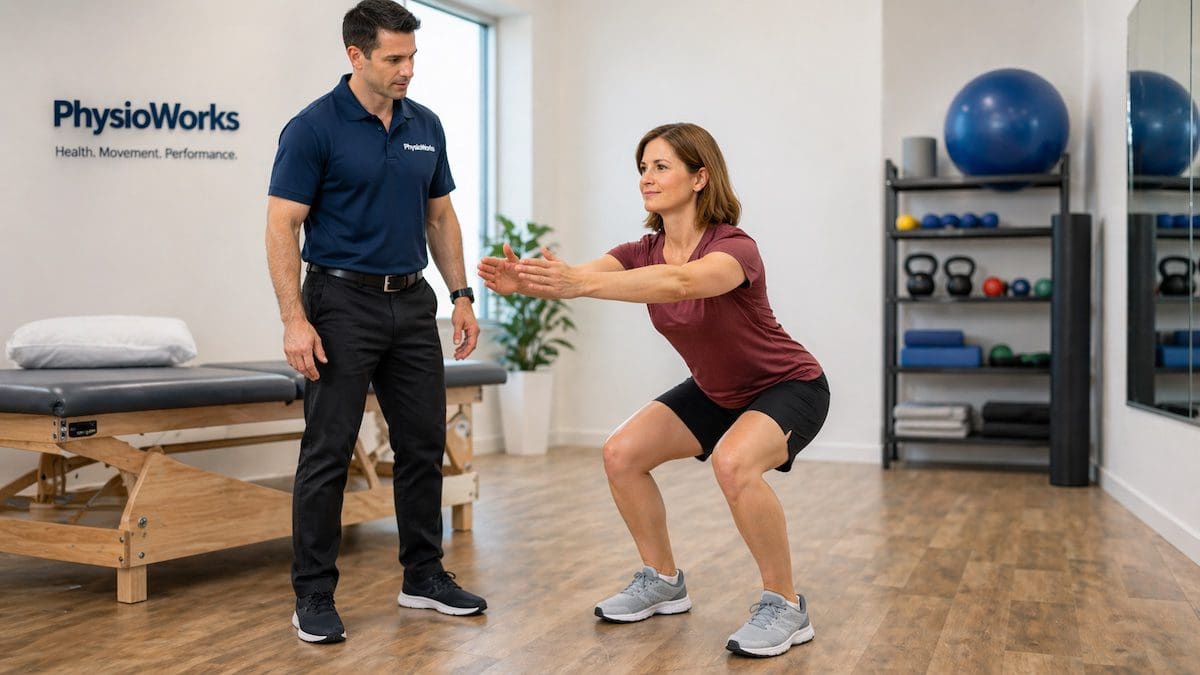
Controlled squats show growing knee strength and confidence.
Choose your clinic and appointment pathway
Select a PhysioWorks clinic to continue to live booking, an appointment request or reception assistance.
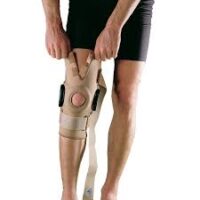
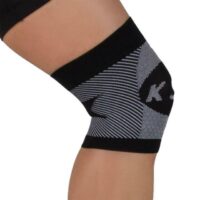
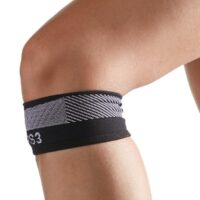
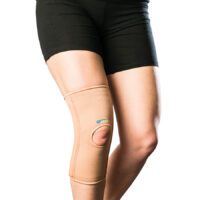
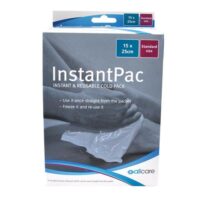
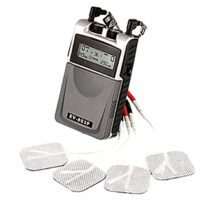
Knee Support Products
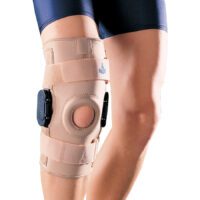
These knee support products are commonly used by our physiotherapists to help reduce strain, improve stability, and support your recovery at home.
-
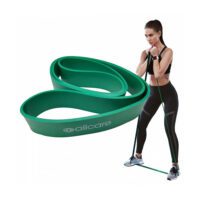 Exercise Equipment, Resistance Band
AllCare Powerloop Bands
$24.95 – $79.95Select optionsQuick View -
-
-
-
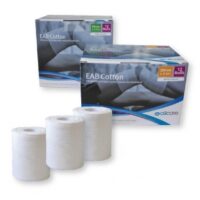
- Liniments & Gels, Massage Liniments, Pain Management
Fisiocrem
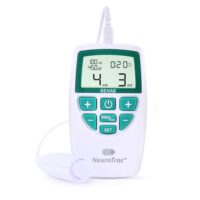
$16.95 – $39.95Select optionsQuick View - EMS Machines, Pain Management, TENS Machine, TENS Machine & EMS
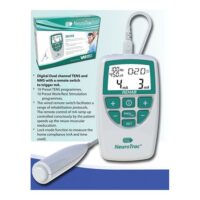
NeuroTrac Rehab (TENS Machine + EMS)
$285.00Add to cartQuick View -

 Calf, Elbow, Ice & Heat, Knee, Pain Management
Victor Elastic Cold Sleeve
$44.00 – $60.00Select optionsQuick View -
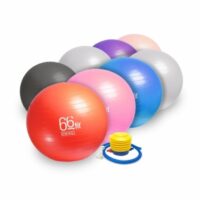
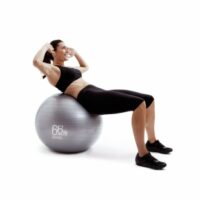 Exercise Balls, Back, Exercise Equipment, Knee, Shoulder
66fit Exercise Balls | Core & Rehab Stability Ball
$32.00 – $57.00Select optionsQuick View -


-
-
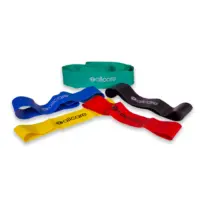
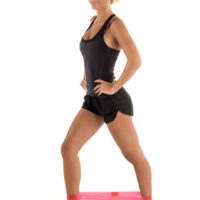
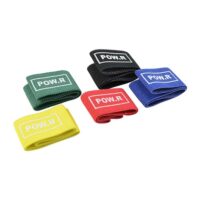 Exercise Equipment, Knee, Resistance Band
POW.R Fabric Mini Loop Bands
$12.00 – $55.00Select optionsQuick View -
-



References
- Mo L, Jiang B, Mei T, Zhou D. Exercise therapy for knee osteoarthritis: a systematic review and network meta-analysis. Orthop J Sports Med. 2023;11(5). doi:10.1177/23259671231172773
- Yan L, Li D, Xing D, et al. Comparative efficacy and safety of exercise modalities in knee osteoarthritis: systematic review and network meta-analysis. BMJ. 2025;391:e085242. doi:10.1136/bmj-2025-085242
