
Proximal Hamstring Tendinopathy



Assessing upper hamstring tendon pain.
Proximal hamstring tendinopathy is a common cause of deep lower buttock and sit bone pain. It often affects runners, field-sport athletes and active people who notice pain with sitting, hills, speed work or hamstring stretching.
This page explains why proximal hamstring tendinopathy develops, what symptoms to watch for, how physiotherapy may help, and how to plan a safe return to running or sport. For broader hamstring information, visit our Hamstring Pain guide.
Quick answer: Proximal hamstring tendinopathy usually causes deep pain near the sit bone. It often feels worse with sitting, running hills, sprinting, lunging, squatting or stretching. Treatment usually focuses on load control, steady strengthening and a planned return to running.
What Is Proximal Hamstring Tendinopathy?
Proximal hamstring tendinopathy occurs when the hamstring tendon becomes sensitive or overloaded where it attaches to the sit bone. This point is also called the ischial tuberosity.
Many people describe a deep ache at the base of the buttock rather than pain in the middle of the hamstring muscle. It can affect athletic and non-athletic people, but it often appears after a change in running, hills, sprinting, gym loading or sitting time.
Common Pattern
- Deep lower buttock or sit bone ache
- Pain when sitting on firm chairs
- Pain with hills, speed work or long strides
- Discomfort during hamstring stretching
- Symptoms that flare when load increases quickly
It is also part of the wider tendinopathy family of tendon conditions.
Why Does Proximal Hamstring Tendinopathy Develop?
This condition usually develops when tendon load exceeds the tendon’s current capacity. Running, sprinting, change-of-direction drills, hill training, deep lunges and bent-forward positions can place high demand on the tendon.
Compression can also play a role. Sitting, stretching the hamstring, deep squatting and hip-flexed positions can compress the tendon near the sit bone. Load-related pain may also occur with other conditions. For more background, see Overuse Injuries.
What Are the Symptoms of Proximal Hamstring Tendinopathy?
Symptoms often build slowly. Some people first notice mild lower buttock pain after running. Later, they may feel pain with sitting, sport or daily activity.
Common symptoms include:
- A deep ache at the lower buttock or sit bone
- Pain with running, especially hills or speed work
- Pain when sitting on hard surfaces
- Tightness or pulling through the back of the thigh
- Discomfort during hamstring stretch positions
- Pain with lunges, squats, deadlifts or kicking
Buttock pain can also come from the hip, lower back or nerve-related causes. Our Hip, Groin & Buttock Pain FAQs may help you compare common patterns.
Why Does Sitting Hurt?
Sitting can increase pressure over the hamstring tendon attachment near the sit bone. Firm chairs, car seats, long meetings and slouched sitting may increase tendon compression.
Sitting Tips That May Help
- Change position before pain builds.
- Try a softer chair or pressure cushion.
- Avoid strong hamstring stretching after long sitting.
- Break up long car trips where practical.
- Book an assessment if sitting pain keeps returning.
What Increases Your Risk?
Several factors may raise the risk of proximal hamstring tendinopathy. Usually, more than one factor contributes.
- Previous hamstring injury
- Sudden increases in running distance, hills or speed
- Reduced gluteal, calf or hamstring strength
- Long periods of sitting on firm surfaces
- Reduced tolerance to lunges, deadlifts or deep hip flexion
- Rapid return to sport after a break
- Poor recovery after heavy sessions
For a wider tendon overview, visit Common Tendon Injuries.
The Phases of Tendinopathy
Tendon pain can move through stages. These stages help guide how much load the tendon can handle and how quickly exercise should progress.
- Reactive tendinopathy: a short-term response after a sudden load increase.
- Tendon dysrepair: ongoing overload leads to tendon change and ongoing symptoms.
- Degenerative tendinopathy: longer-term change that often needs gradual strengthening and careful load progressions.
More detail is available in What Is a Tendinopathy?
How Is Proximal Hamstring Tendinopathy Diagnosed?
A physiotherapist will usually assess your symptoms, training history and tendon response to load. They will also check for other possible causes of buttock, thigh or nerve-related pain.
Your assessment may include:
- Tendon sensitivity around the sit bone
- Hamstring, gluteal, calf and trunk strength
- Running, walking or single-leg loading patterns
- Hip, pelvis and lower back movement
- Sitting, squatting, lunging or bridge-based tests
- Screening for signs that may suggest sciatica or referred pain
Imaging, such as MRI or ultrasound, may help in selected cases. It should match the symptoms and clinical findings, not replace them.
Can You Keep Running With Proximal Hamstring Tendinopathy?
You may be able to keep running if pain stays mild, settles quickly after training, and does not increase the next day. Hill running, sprinting, long strides and fast direction changes often irritate the tendon.
Training Load Guide
- Continue with care: mild symptoms only, no next-day increase, and no limp.
- Modify: pain builds during running or sitting feels worse after training.
- Pause and assess: sharp pain, worsening pain, night pain, limping or repeated flares.
If running keeps stirring symptoms, a Running Analysis may help identify load, stride, strength or control factors that need attention.

Supervised running progressions support confidence.
Treatment Options That May Help
Treatment should match the stage of the tendon problem, your symptoms, your sport or work demands, and how your pain behaves over 24 hours. Most plans start by reducing the most painful loads. Then they rebuild tendon capacity.
Your physiotherapist may recommend:
- Load changes for running, gym work and sitting
- Progressive hamstring and gluteal strengthening
- Isometric loading for early symptom control where suitable
- Heavy slow resistance training when tolerated
- Pelvic, hip and trunk control exercises
- Gradual return-to-running planning
- Education about pain response and flare-up control
Eccentric Strengthening can play a role when introduced at the right stage. For broader tendon recovery advice, see Tendon Healing Tips.
Proximal Hamstring Tendinopathy Rehab Progression
Rehab should progress gradually. A good plan usually starts with tolerable loading. It then builds strength, compression tolerance and running capacity.
| Stage | Goal | Common Focus |
|---|---|---|
| Early | Settle pain and reduce compression | Sitting changes, gentle loading, pain monitoring |
| Strength | Build hamstring and gluteal capacity | Bridges, hip thrusts, hamstring curls, calf and hip work |
| Compression tolerance | Rebuild tolerance to hip-flexed positions | Careful deadlift, lunge or step progressions where suitable |
| Running and sport | Return to speed, hills and direction changes | Graded running, acceleration drills and sport loading |
Progress should be based on symptoms, strength, function and next-day response. Pain that keeps rising after exercise usually means the load needs review.

Guided hamstring loading builds tendon capacity.
What Does the Research Say?
Recent proximal hamstring tendinopathy research supports education, load management and individualised exercise-based rehab. Options such as shockwave therapy or guided injections may be considered in selected long-standing cases.
For a broad medical overview of tendon conditions, see the NCBI tendinopathy overview.
Related Articles
These pages may help you compare symptoms and plan the right next step.
Proximal Hamstring Tendinopathy FAQs
What is proximal hamstring tendinopathy?
Proximal hamstring tendinopathy is pain and sensitivity in the hamstring tendon where it attaches to the sit bone. It often causes deep lower buttock pain with sitting, hills, sprinting, lunging or hamstring stretching.
Why does proximal hamstring tendinopathy hurt when sitting?
Sitting can compress the irritated tendon against the sit bone. Firm chairs, long drives and slouched sitting often increase pressure. Changing position, using a softer seat and managing tendon load may help.
Is proximal hamstring tendinopathy the same as a hamstring strain?
No. A hamstring strain is usually an acute muscle or tendon injury after a clear incident. Proximal hamstring tendinopathy usually develops more slowly from repeated tendon load and compression near the sit bone.
Can stretching make proximal hamstring tendinopathy worse?
Yes. Strong hamstring stretching may increase compression near the tendon attachment. Many people need strength progressions and load control before they return to stronger stretch positions.
How long does proximal hamstring tendinopathy take to improve?
Recovery varies. Mild cases may improve within weeks. Persistent tendon pain can take several months. A structured strengthening plan and careful running progression usually give the tendon the best chance to adapt.
When should you see a physiotherapist?
Book an assessment if sitting, running, hills, gym training or sport keep flaring your symptoms. Assessment is also sensible if pain lasts more than a few weeks or is hard to tell apart from back, hip or nerve pain.
What To Do Next
Proximal hamstring tendinopathy can be stubborn without the right plan. Early assessment may help you identify the main load triggers, reduce avoidable compression and rebuild strength in stages.
Your physiotherapist can guide exercise progressions, running changes and return-to-sport decisions based on your symptoms, goals and next-day pain response.
Book your appointment – 24/7
Choose your preferred PhysioWorks clinic and book online.
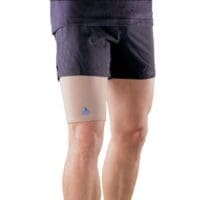
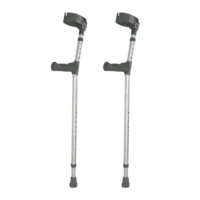
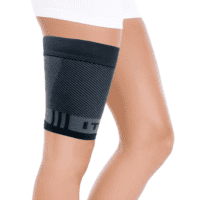
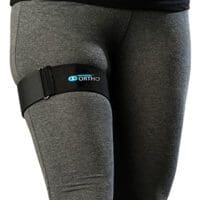
Hamstring Support Products
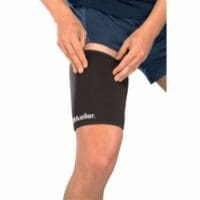
These hamstring support products are commonly used by our physiotherapists to help reduce strain, improve comfort, and support your recovery at home.
-
-
-
 Ankle, Back, Braces & Supports, Calf, Foot, Groin, Heel, Hip, Knee, Thigh, Walking
Forearm Crutches
$64.00Select optionsQuick View -
 Exercise Equipment, Gift Ideas, Massage Tools
Smooth n Spiky Massage Balls (2 Pack)
$20.00Select optionsQuick View -
- Exercise Equipment, Back, Knee, Resistance Band, Shoulder
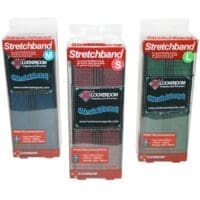
Lockeroom Stretchband
$29.00Select optionsQuick View -
-
-
-
-
Follow Us for Free Tips
Stay connected for physiotherapy tips, running advice and exercise videos to help manage tendon-related pain and reduce injury risk.
Follow PhysioWorks
Get free physiotherapy tips, exercise videos, recovery advice, and blog updates.
 |  |  | B |  |  |
References
- Nasser AM, Vicenzino B, Grimaldi A, Anderson J, Semciw AI. Proximal hamstring tendinopathy: a systematic review of interventions. Int J Sports Phys Ther. 2021;16(2):288-305.
- Campos-Villegas C, Ortega-Pérez de Villar L, Gámez-Payá J, Alarcón-Jiménez J, de Bernardo N. Clinical progression and load management for proximal hamstring tendinopathy in a long-distance runner: a case report. Int J Sports Phys Ther. 2024;19(5):609-617. doi:10.26603/001c.116578
- Rich A, Cook J, Hahne A, Ford J. Treatment of proximal hamstring tendinopathy with individualized physiotherapy: a clinical commentary. Int J Sports Phys Ther. 2025;20(6):892-910. doi:10.26603/001c.138308
- Rich A, Cook J, Hahne A, Ford J. Education, rapport and convenience are key to participants’ perceptions of receiving physiotherapy or shockwave for proximal hamstring tendinopathy: a qualitative study. Musculoskelet Sci Pract. 2025.
- Dizon P, Gray E, Waddington G, Adams R. Comparison of conservative interventions for proximal hamstring tendinopathy: a systematic review and recommendations for rehabilitation. Sports (Basel). 2023;11(3):53. doi:10.3390/sports11030053