
Acupuncture Brisbane



Acupuncture used within physiotherapy care
Acupuncture Brisbane treatment may help some people reduce pain and move more comfortably when used as part of a broader physiotherapy plan. At PhysioWorks, acupuncture may be available at selected Brisbane clinics including Ashgrove, Clayfield, and Sandgate. You can also start with our acupuncture and dry needling overview to see where this treatment may fit in your care.
Acupuncture is usually used to support short-term pain relief and easier movement. It does not replace a full assessment or active rehabilitation plan. Instead, your physiotherapist may combine it with exercise, education, hands-on care, and exercise load management.
Quick answer
Acupuncture may help selected people with short-term pain relief, reduced muscle guarding, and easier movement. It works best when it supports an active plan, rather than replacing assessment, exercise, and long-term load management.
Find a Dry Needling Physiotherapist
Select your clinic to see physiotherapists trained in dry needling.
When acupuncture may be worth discussing
- pain is making movement or exercise harder
- symptoms are affecting sleep, work, or training
- you need short-term relief to help rehabilitation progress
- you want to compare acupuncture with dry needling or other treatment options
What is acupuncture?
Acupuncture uses very fine sterile needles placed at selected points on the body. In musculoskeletal physiotherapy, it is usually used to help settle pain, reduce sensitivity, and make it easier to move, exercise, and progress your rehabilitation.
Although acupuncture comes from traditional East Asian medicine, modern pain care often explains its effects through pain modulation, nervous system responses, and short-term symptom relief. In practice, your physiotherapist may combine acupuncture with exercise, hands-on therapy, education, and load management rather than use it as a stand-alone fix.
Quick facts about acupuncture
- uses sterile single-use needles
- is commonly used as part of a wider rehabilitation plan
- may help short-term pain relief and easier movement
- does not replace a full physiotherapy assessment
How does acupuncture work for pain?
Research suggests that acupuncture may influence pain pathways, local tissue responses, and nervous system activity. Some people notice a short-term drop in pain, reduced muscle guarding, or easier movement after treatment. However, responses vary, so acupuncture is usually only one part of a complete management plan.
Acupuncture is often used alongside hands-on treatment and exercise to support recovery, not as a stand-alone fix. The aim is not only symptom relief. It is also to create a better window for movement, strength, confidence, and return to activity.

Acupuncture can support pain relief and rehabilitation progression
Who may benefit from acupuncture?
A physiotherapist may consider acupuncture when pain is affecting sleep, exercise, work, or day-to-day movement. It is often used as an adjunct for musculoskeletal problems such as sciatica, neck pain, lower back pain, shoulder pain including frozen shoulder, some headache patterns managed through headache physiotherapy, muscle pain, and jaw pain.
If your symptoms appear to be driven more by muscle trigger points and local tissue irritability, your physiotherapist may instead discuss dry needling. The two approaches use similar needles, but the assessment, point selection, and clinical reasoning are not the same.
Is acupuncture the right fit for you?
It may be a useful option when short-term pain relief could help you move more comfortably and progress exercise more confidently. A physiotherapist can assess your condition, explain the likely pain drivers, and help decide whether acupuncture, dry needling, or another treatment path is more suitable.
What are the benefits and limits of acupuncture?
Many people find acupuncture helpful for short-term pain relief, especially when pain has made movement harder or more guarded. This can create a useful window to stretch, strengthen, retrain movement, and return to activity with better tolerance. Even so, acupuncture does not suit everyone, and it should not replace a proper assessment when symptoms are severe, persistent, or uncertain.
The current research is most supportive for selected pain conditions, particularly chronic musculoskeletal pain. Even then, the size of benefit can vary between conditions and between individuals. Therefore, your physiotherapist should explain where acupuncture may help, where the evidence is mixed, and when another treatment path is more appropriate.
When acupuncture may be most useful
- when pain is stopping you from exercising well
- when movement feels guarded or overly sensitive
- when short-term symptom relief may help progression
- when it is paired with an active rehabilitation plan
Is acupuncture the same as dry needling?
No. Acupuncture is based on point selection frameworks from traditional practice and is now also used in modern pain care. Dry needling is more directly based on Western anatomy and usually targets sensitive muscle bands or trigger points. At PhysioWorks, both may be used within a broader rehabilitation approach when suitable.
What are the risks or side effects of acupuncture?
Acupuncture is generally well tolerated when it is performed by a suitably trained clinician using sterile single-use needles. Healthdirect also notes that sterile disposable needles lower infection risk during acupuncture. Common minor side effects can include:
- brief discomfort at insertion
- small bruises or minor bleeding
- temporary soreness after treatment
- light-headedness or a faint feeling in some people
Serious complications are rare, but they can happen. Tell your physiotherapist before treatment if you are pregnant, take blood thinners, have a bleeding disorder, have a pacemaker, are prone to fainting, or have a skin infection near the treatment area. You can also read Healthdirect’s general safety information about acupuncture.
What should you expect during an acupuncture appointment?
Your physiotherapist should first assess your symptoms, goals, and medical history. Then they will explain whether acupuncture is appropriate, what it is aiming to do, and what alternatives are available. If you decide to proceed, the needles are usually left in place for a short period while you rest comfortably.
Afterwards, you may feel little change, mild soreness, or easier movement. Because responses vary, your physiotherapist will usually review the result at your next session and decide whether acupuncture should continue, be adjusted, or be replaced by a different treatment approach.
Where is acupuncture available at PhysioWorks?
Acupuncture Brisbane services may be available at selected PhysioWorks clinics. For current availability, view our clinic pages for Ashgrove, Clayfield, and Sandgate, or discuss your options with our reception team. They can help match you with a physiotherapist and clinic that suit your symptoms, location, and goals.
Related information
- Acupuncture and Dry Needling
- Dry Needling
- Physiotherapy
- Neck Pain
- Lower Back Pain
- Headache Physiotherapy
- Jaw Pain
Acupuncture FAQs
Does acupuncture help nerve pain?
It may help some people with nerve-related pain such as sciatica, especially when it is used alongside assessment, exercise, and load management. However, nerve pain has many causes, so the first step is confirming what is driving your symptoms.
How many acupuncture sessions will I need?
That depends on your condition, how long it has been there, and how you respond. Some people trial one to three sessions and then review whether pain, movement, sleep, or function have changed enough to continue.
Does acupuncture hurt?
Most people describe a brief prick, heaviness, warmth, or mild ache rather than sharp ongoing pain. Some points feel more sensitive than others, and mild post-treatment soreness can happen.
Can I exercise after acupuncture?
Light movement is usually fine. If the treated area feels sore, scale back heavy lifting, hard training, or intense sport for the rest of the day, then return gradually based on symptoms.
When should you avoid acupuncture?
Your physiotherapist may avoid or modify treatment if you have certain medical risks, active skin infection, strong needle anxiety, or symptoms that suggest another assessment pathway is more appropriate. Always tell your clinician about medications and medical conditions before treatment.
What is the difference between acupuncture and dry needling?
Acupuncture often uses point selection frameworks from traditional practice, while dry needling usually targets muscle trigger points and sensitive tissue bands using Western anatomy. Your physiotherapist can explain which approach better matches your symptoms and goals.
Not sure if acupuncture is right for you?
A physiotherapist can assess your condition and explain whether acupuncture, dry needling, or another treatment approach is more suitable for your recovery. This gives you a clearer plan rather than relying on short-term relief alone.

Movement can feel easier after treatment
What to do next
If pain keeps returning, or it is stopping you from moving, sleeping, training, or working comfortably, book a physiotherapy assessment. We can work out what is most likely driving your symptoms and explain whether acupuncture, another treatment, or a more active rehabilitation plan is the better fit.
The goal is not just short-term relief. It is to help you move better, load tissues more confidently, and build a practical recovery plan that matches your condition and goals.
Choose your clinic and appointment pathway
Select a PhysioWorks clinic to continue to live booking, an appointment request or reception assistance.
Pain Products
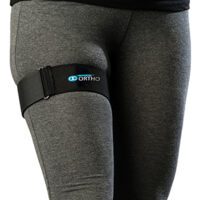
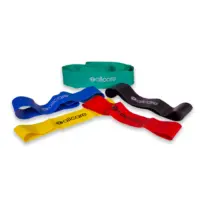
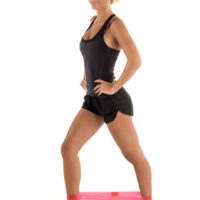
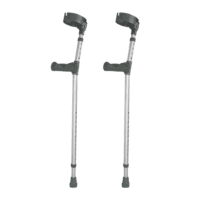
These pain products are commonly used by our physiotherapists to provide comfort and pain relief.
-
-
-
 Ankle, Back, Braces & Supports, Calf, Foot, Groin, Heel, Hip, Knee, Thigh, Walking
Forearm Crutches
$64.00Select optionsQuick View - Liniments & Gels, Massage Liniments, Pain Management
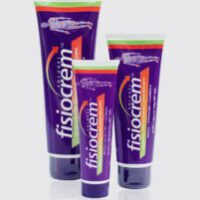
Fisiocrem
$16.95 – $39.95Select optionsQuick View -
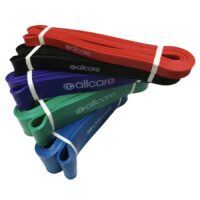
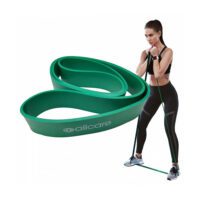 Exercise Equipment, Resistance Band
AllCare Powerloop Bands
$22.00 – $65.00Select optionsQuick View -
-
-
-
-
- Exercise Equipment, Resistance Band
POW.R Wide Fabric Loop Resistance Band
$14.95 – $49.95Select optionsQuick View -
-

-
-
 Exercise Equipment, Knee, Resistance Band
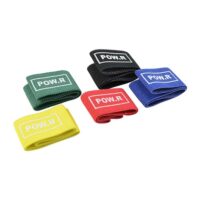
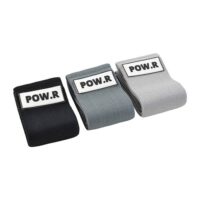
POW.R Fabric Mini Loop Bands
$12.00 – $55.00Select optionsQuick View
Social Media
Stay informed about pain, joint, tendon, and muscle health, plus recovery tips, by following PhysioWorks on social media. You’ll find practical advice, exercises, and prevention strategies to help you stay active and healthy.


References
- Vickers AJ, Vertosick EA, Lewith G, et al. Acupuncture for Chronic Pain: Update of an Individual Patient Data Meta-Analysis. J Pain. 2018;19(5):455-474. doi:10.1016/j.jpain.2017.11.005.
- Ho L, Lai CNT, Chen H, et al. Systematic Review of Clinical Practice Guidelines on Acupuncture for Chronic Musculoskeletal Pain. BMC Complement Med Ther. 2025;25(1):322. doi:10.1186/s12906-025-05070-y.
- Fang J, Shi H, Wang W, et al. Durable Effect of Acupuncture for Chronic Neck Pain: A Systematic Review and Meta-Analysis. Curr Pain Headache Rep. 2024;28(9):957-969. doi:10.1007/s11916-024-01267-x.
- DeBar LL, Wellman RD, Justice M, et al. Acupuncture for Chronic Low Back Pain in Older Adults: A Randomized Clinical Trial. JAMA Netw Open. 2025;8(9):e2531348. doi:10.1001/jamanetworkopen.2025.31348.
- Huang CC, Wang LH, Hsu TH, et al. Acupuncture: A Review of the Safety and Adverse Events and the Strategy of Potential Risk Prevention. Am J Chin Med. 2024;52(6):1555-1587. doi:10.1142/S0192415X24500617.
