What Exercise Ball Size Should I Use? (Height Chart & Guide)


What Exercise Ball Size Should I Use?


physiotherapist checking exercise ball size with seated knee and hip alignment

Correct exercise ball size keeps your hips slightly higher than your knees.


The right exercise ball size depends mainly on your height, leg length and how you plan to use it. Most adults suit a 55 cm or 65 cm ball. When seated, your feet should stay flat and your hips should sit slightly higher than your knees.

Choosing the correct exercise ball size can improve comfort, posture and control during sitting, balance work and core stability training. If you use a ball for back exercises or desk sitting, fit matters more than the label on the box.

Quick Exercise Ball Size Guide

  • 137–152 cm → 45 cm ball
  • 155–173 cm → 55 cm ball
  • 175–188 cm → 65 cm ball
  • 190–200 cm → 75 cm ball
  • 200 cm+ → 85 cm ball

How Do You Choose the Correct Exercise Ball Size?

Match your height to the ball diameter, then test your seated position. Your knees should sit just below hip height, your feet should stay flat, and your spine should feel relaxed rather than slumped.

If you are between sizes, choose the larger ball for sitting or workstation use. Choose the smaller ball for controlled exercise, balance drills or early-stage back exercises.

Exercise Ball Size Chart

Ball Diameter Recommended Height Common Use
45 cm 137–152 cm Smaller users / rehab
55 cm 155–173 cm Most shorter to average users
65 cm 175–188 cm Most average to taller users
75 cm 190–200 cm Tall users / sitting
85 cm 200 cm+ Very tall users

Before You Buy: Quick Checklist

  • ✔ Check your height against the size chart
  • ✔ Sit on the ball before regular use where possible
  • ✔ Confirm hips sit slightly above knees
  • ✔ Choose larger for sitting and smaller for controlled exercise
  • ✔ Inflate the ball firmly, without making it hard or unstable


ball chair height should be at least the height of your your thigh when seated.

Check seated knee height to confirm your ideal ball size.


Should I Use a Bigger or Smaller Exercise Ball?

Use a bigger exercise ball if your hips drop below your knees when sitting. Use a smaller ball if you need better control during exercise, especially for balance, beginner core work or gentle movement after lower back pain.

Common Exercise Ball Size Mistakes

  • Choosing a ball that is too small for sitting
  • Using a soft or under-inflated ball
  • Ignoring leg length and desk height
  • Using one ball for every exercise
  • Sitting on a ball for too long without posture breaks

Physio Tips for Safe Exercise Ball Use

Start with short sessions. Keep both feet flat, move slowly, and use the ball on a non-slip surface. If you feel unstable, dizzy, sore or unsafe, stop and use a more supported option.

Exercise balls may suit gentle back pain exercises, posture work and balance training when used well. However, they are not ideal for every person or every stage of recovery.

Choose the Right Exercise Ball

Use the guide above to select your likely size, then choose a ball that suits your goal. A better fit can make sitting, balance work and controlled exercise feel safer and easier.


Book your appointment – 24/7

Choose your preferred PhysioWorks clinic and book online.


Exercise Ball Products

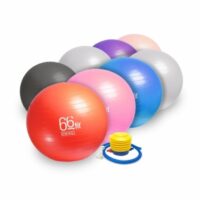
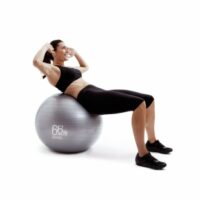
These exercise balls are commonly used by our physiotherapists to improve strength, balance, posture, and home exercise programs.

View all exercise ball products

What to Do Next

Most adults suit either a 55 cm or 65 cm exercise ball. If your hips sit below your knees, move up a size. If you cannot control the ball during exercise, move down a size or use a more stable option.

If you plan to use a ball for pain, rehab, posture or workstation support, a physiotherapist can help match the ball size to your body, goals and exercise program.

Exercise Ball Size FAQs

What size exercise ball should I use for my height?

Most people between 155–173 cm use a 55 cm exercise ball. People between 175–188 cm usually suit a 65 cm ball. Taller users may need a 75 cm or 85 cm ball, depending on leg length and how they plan to use it.

How do I know if my exercise ball fits?

Sit on the ball with your feet flat on the floor. Your hips should sit slightly higher than your knees, and your spine should feel upright and relaxed. If your knees sit higher than your hips, the ball is probably too small.

Should I go bigger or smaller with an exercise ball?

Go bigger if you are using the ball for sitting, especially at a desk. Go smaller if you need more control during exercise. Between sizes, your purpose matters: sitting needs height, while exercise often needs stability and control.

Can an exercise ball help posture?

An exercise ball may help posture by encouraging upright sitting and gentle core activity. However, it should not replace regular movement breaks, workstation setup or strength work. For desk comfort, also consider a full ergonomic workstation assessment.

Can I use an exercise ball for back pain?

Some people use an exercise ball for gentle movement, core control and supported back exercises. However, back pain has many causes. If pain worsens, spreads into your leg, or affects daily function, seek guidance before progressing exercises.

How firm should an exercise ball be?

The ball should feel firm but still give slightly when you sit on it. If it collapses heavily under your weight, it may be under-inflated or too small. Always follow the manufacturer’s inflation and safety instructions.

When should I avoid using an exercise ball?

Avoid using an exercise ball if you feel unsafe, dizzy, unstable or unable to control your balance. You should also seek advice before using one after surgery, a recent injury, a fall, or significant back or pelvic pain.

Is an exercise ball better than a chair?

An exercise ball is not automatically better than a chair. It can be useful for short posture or movement breaks, but long sitting still needs variation. For desk use, alternate between a supportive chair, standing, walking breaks and targeted exercise.


Follow PhysioWorks

Get free physiotherapy tips, exercise videos, recovery advice, and blog updates.

Facebook Instagram YouTube B X Email PhysioWorks

You've just added this product to the cart: