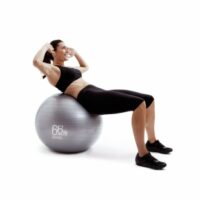
Core Exercises for Lower Back Pain


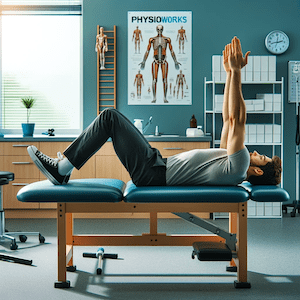
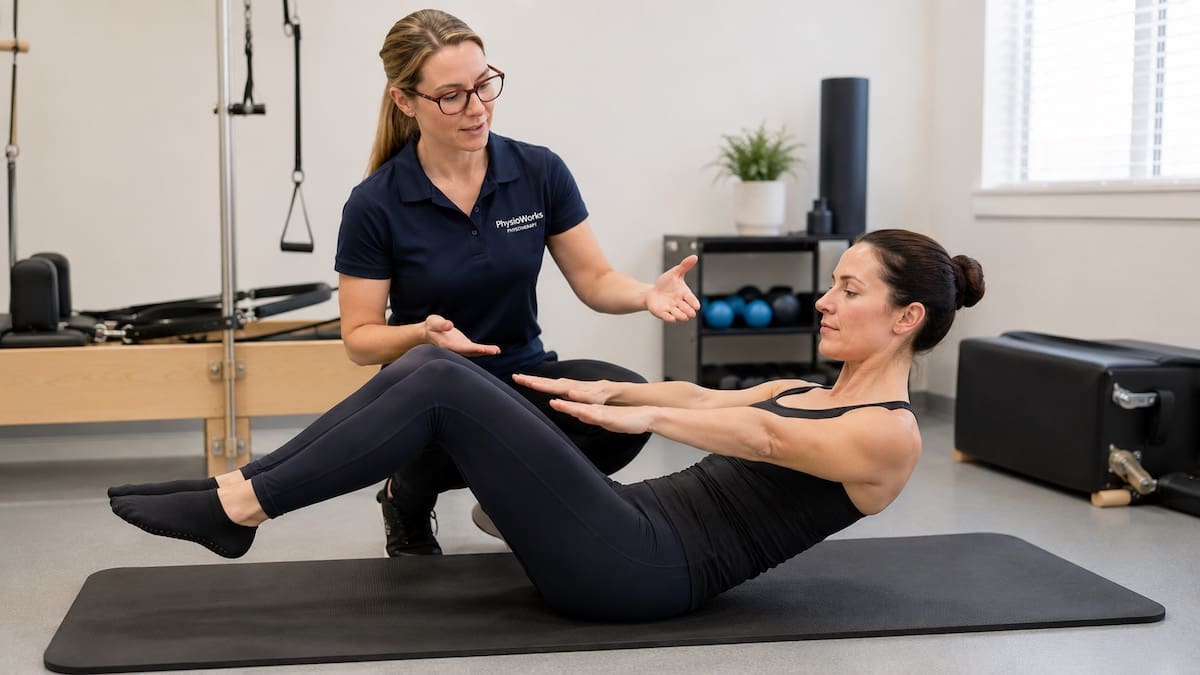
Core exercises for lower back pain are commonly recommended by physiotherapists because the deep abdominal and spinal muscles help stabilise the spine. When these muscles work effectively, they support the lumbar vertebrae, control movement, and reduce stress on spinal structures.
Lower back pain affects millions of people worldwide. Research suggests that improving core stability may help reduce pain, improve movement control, and lower the risk of recurrent back injuries.
Do Core Exercises Help Lower Back Pain?
The lower back consists of five lumbar vertebrae supported by discs, ligaments, and muscles. Although this region allows substantial movement, it has limited bony stability. As a result, the surrounding muscles play a critical role in protecting the spine.
Deep stabilising muscles, including the transversus abdominis, multifidus, pelvic floor, and diaphragm, work together to maintain spinal control. These muscles activate automatically during normal movement when functioning well.
The Link Between Core Muscles and Back Pain
Research has demonstrated a strong relationship between lower back pain and delayed activation of key stabilising muscles. One important muscle, the transversus abdominis (TA), often shows delayed or reduced activation in people with persistent back pain.
In many cases, this muscle does not automatically return to normal function once pain settles. This can leave the spine vulnerable to repeated episodes of pain unless stability training is performed.
Read more: Deep Core Stability Muscles Guide
Why Core Stability Matters
Targeted core stability exercises help restore coordinated muscle activity around the spine. When these muscles work together effectively they:
- Improve spinal stability
- Reduce strain on joints and discs
- Improve movement efficiency
- Reduce the risk of recurrent lower back pain
- Support athletic performance including strength, balance, and agility
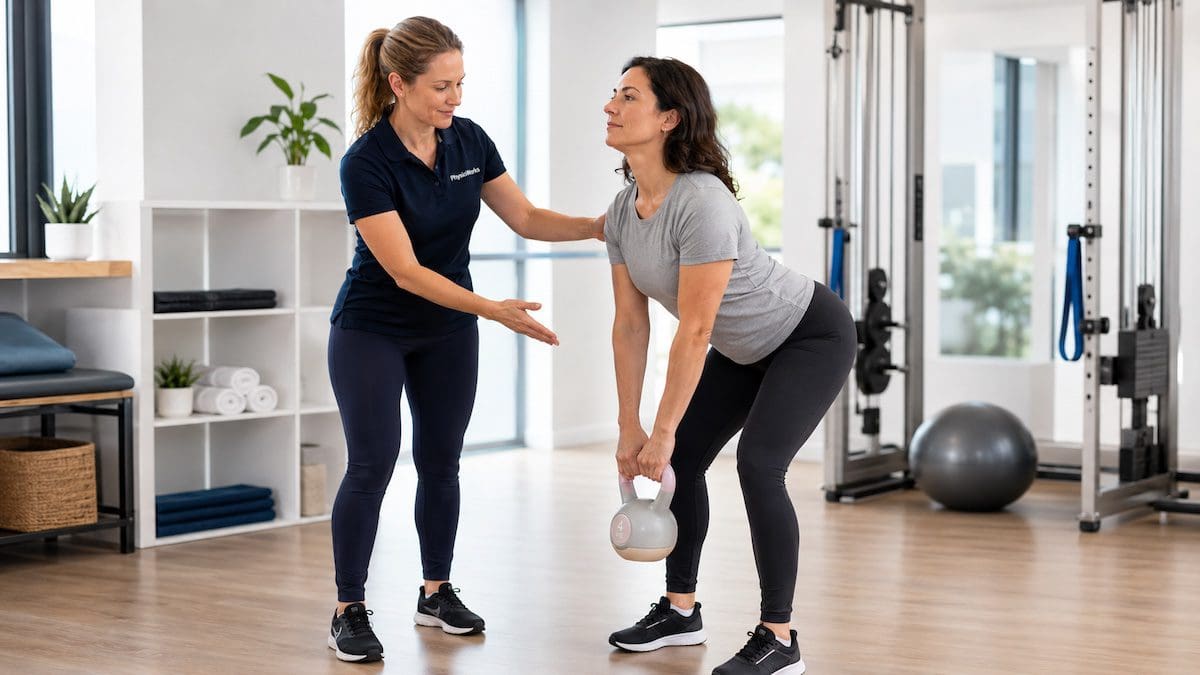
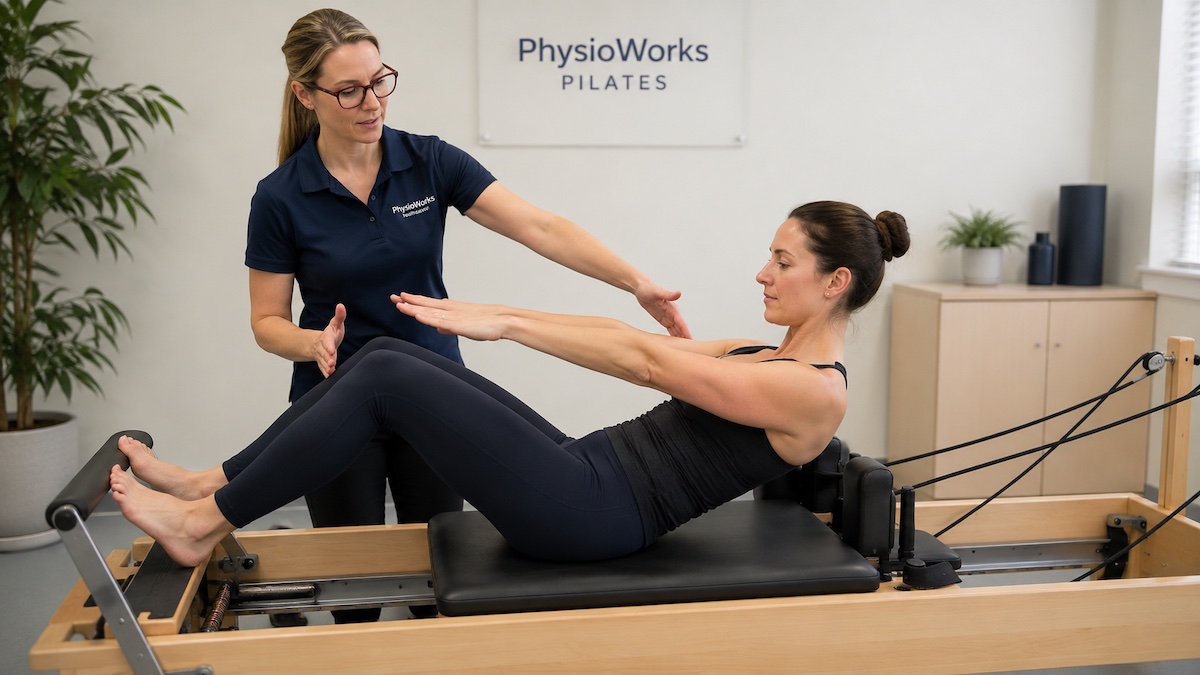
These exercises usually focus on low-load muscle activation before progressing to functional strength and sport-specific movements. Many people also benefit from combining guided exercise with education and a gradual return to normal activity.
Seeking Professional Advice
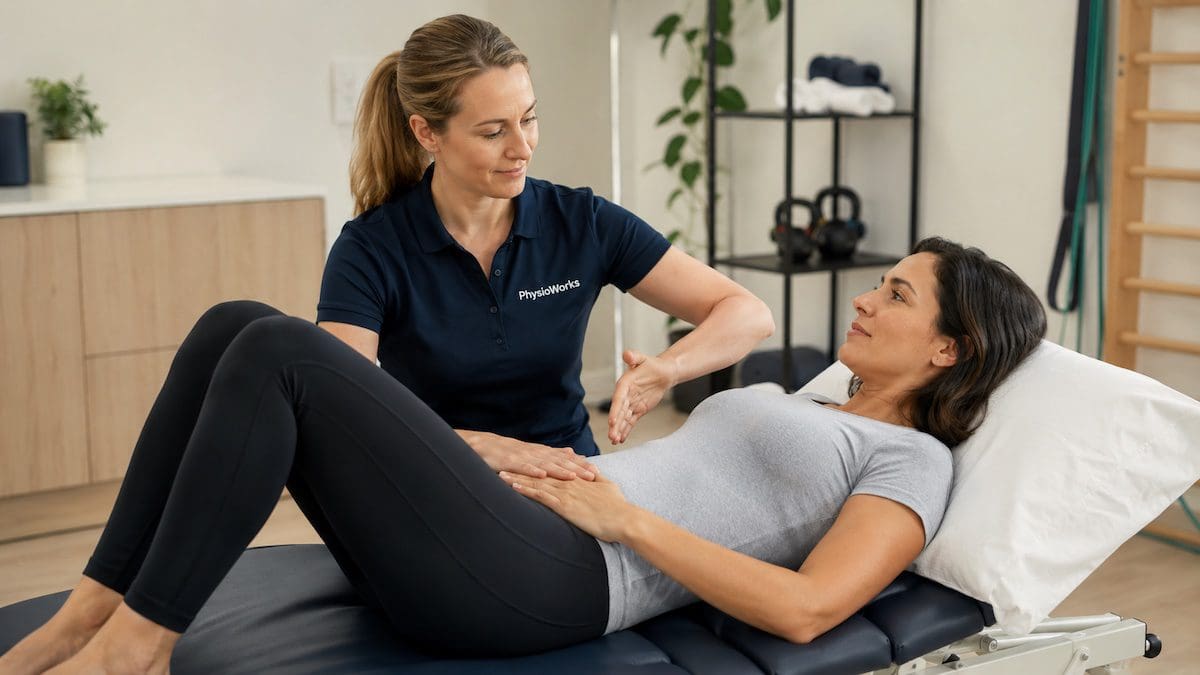
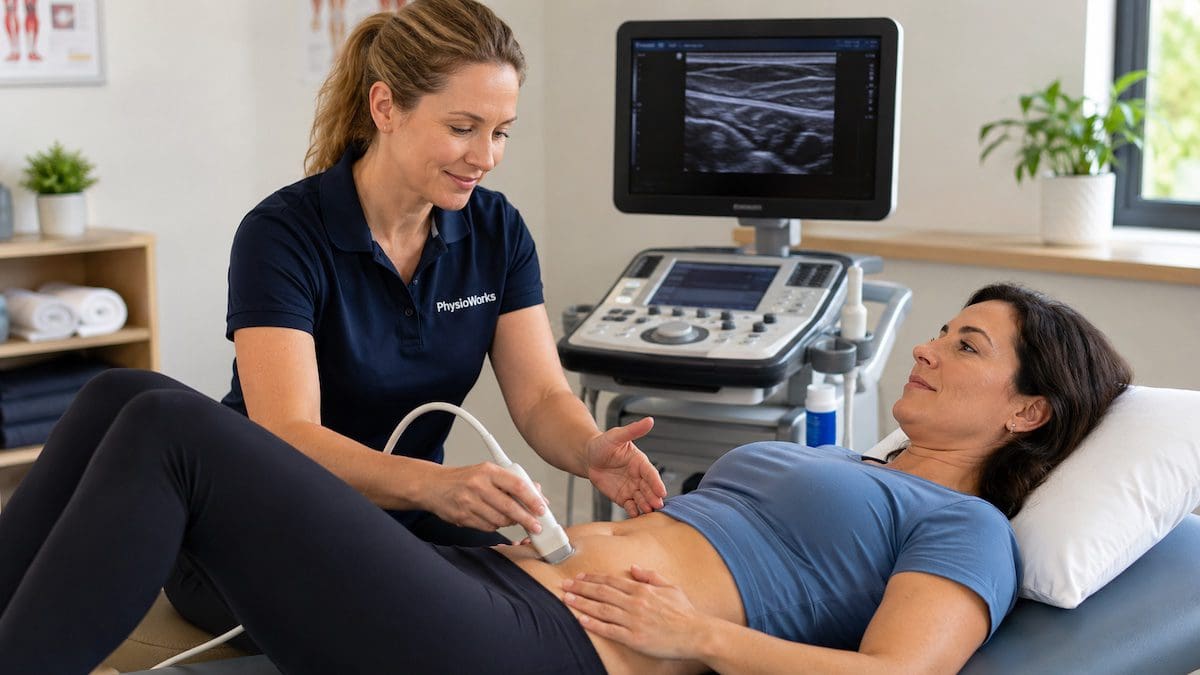
If you experience persistent or recurrent back pain, a physiotherapist can assess your spinal control and movement patterns. They can then guide you through a structured rehabilitation program designed to activate and strengthen the appropriate muscles.
A personalised exercise program helps you activate the correct muscles while avoiding movements that may aggravate your symptoms. You can also read more about lower back pain and core stability training to learn how these strategies fit into a broader recovery plan.
Frequently Asked Questions
Do core exercises help lower back pain?
Core exercises can help reduce lower back pain by strengthening the muscles that support the spine. The deep stabilising muscles of the abdomen and back improve spinal control and reduce stress on the lumbar vertebrae, which may decrease pain and reduce the risk of recurrent back injuries. Learn more about core stability training.
Which core muscles support the lower back?
Several deep muscles support the lower back including the transversus abdominis, multifidus, pelvic floor muscles, and diaphragm. These muscles work together to stabilise the spine and pelvis during movement and everyday activities.
Why does weak core stability contribute to back pain?
Weak or poorly coordinated core muscles can lead to reduced spinal stability. When the stabilising muscles do not activate effectively, other spinal structures such as joints, discs, and ligaments may experience increased stress, which can contribute to lower back pain.
Should I see a physiotherapist for core exercises and back pain?
A physiotherapist can assess your spinal movement, muscle activation, and overall posture. They can then prescribe a tailored core stability exercise program that gradually improves strength, control, and function while avoiding movements that may aggravate your symptoms.
What to Do?
If you have lower back pain, early assessment and targeted rehabilitation can help reduce symptoms and improve spinal function. A physiotherapist can assess your condition and develop a progressive core stability program suited to your needs.
PhysioWorks physiotherapists regularly assess and treat spinal conditions and can guide you through safe and effective core stability exercises.
Related Articles
Choose your clinic and appointment pathway
Select a PhysioWorks clinic to continue to live booking, an appointment request or reception assistance.
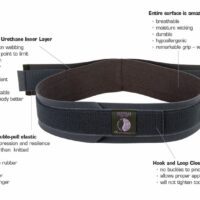
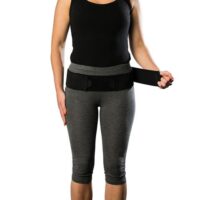
Back Support Products
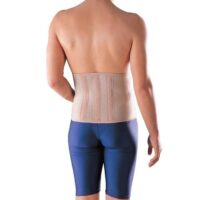
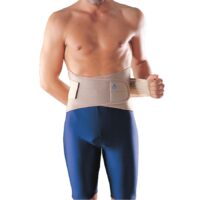
These back support products are commonly used by our physiotherapists to help reduce back pain, improve comfort, and support your recovery at home.
-
 Back, Braces & Supports, Maternity, SIJ
Core Stability Support – OPPO 3462
$54.00Select optionsQuick View -
-
 Braces & Supports, Back, Maternity, SIJ
Maternity Support Belt – OPPO 4062
$37.00Select optionsQuick View -
-
 Back, Braces & Supports, Maternity, Posture
Maternity Back Support – OPPO 2062
$60.00 – $64.00Select optionsQuick View - Braces & Supports, Back, Maternity, SIJ
AOM38 AllCare Ortho Core Stability Belt
$49.95Select optionsQuick View -

 Back, Braces & Supports, Maternity, Posture
Pregnancy Belly Band & C-Section 3-in-1
$94.99Select optionsQuick View -



References
1. Smrcina Z, Bussey MD. A systematic review of the effectiveness of core stability exercises in patients with non-specific low back pain. Int J Sports Phys Ther. 2022;17(7):1242-1255. doi:10.26603/001c.38058.
2. Hayden JA, Ellis J, Ogilvie R, Malmivaara A, van Tulder MW. Exercise therapy for chronic low back pain. Cochrane Database Syst Rev. 2021;9(9):CD009790. doi:10.1002/14651858.CD009790.pub2.
3. Hodges PW, Richardson CA. Inefficient muscular stabilization of the lumbar spine associated with low back pain. A motor control evaluation of transversus abdominis. Spine (Phila Pa 1976). 1996;21(22):2640-2650. doi:10.1097/00007632-199611150-00014.
4. Hodges PW, Richardson CA. Delayed postural contraction of transversus abdominis in low back pain associated with movement of the lower limb. J Spinal Disord. 1998;11(1):46-56.