
Thoracic Pain and Upper Back Pain


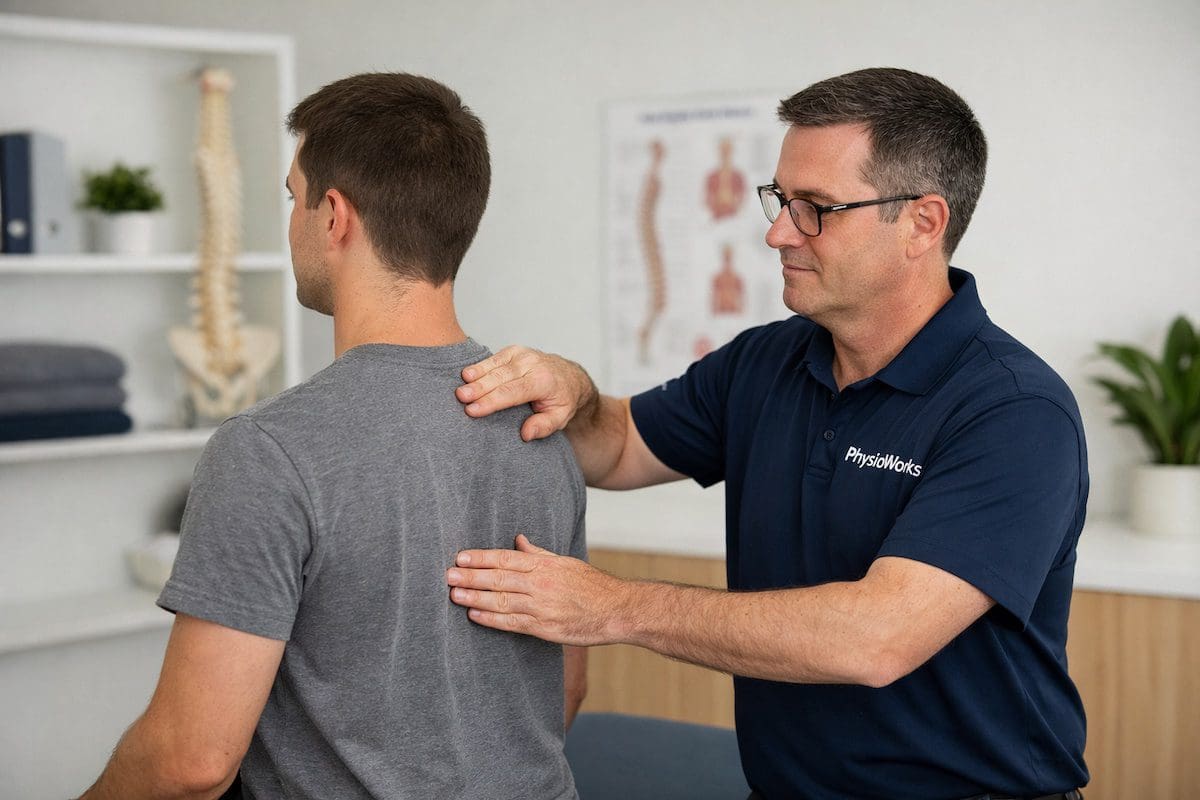
A thoracic spine assessment can help identify upper-back, rib and movement-related pain triggers.
Thoracic pain is pain or stiffness in the middle and upper back, often between the shoulder blades or around the ribs. It may feel like an ache, tightness, burning discomfort or sharp pain. Symptoms may worsen with sitting, twisting, lifting, gym work, coughing or deep breathing.
The cause often involves a combination of muscles, thoracic joints, rib joints, posture, breathing mechanics or a sudden change in physical load. Because the thoracic area sits close to the neck, shoulders, ribs and chest, several conditions can produce similar symptoms.
Quick Answer
Thoracic pain commonly relates to muscle overload, joint or rib irritation, prolonged sitting, repeated movement or a sudden increase in work, sport or gym load. Gentle movement often helps. However, pain with chest symptoms, breathing difficulty, fever, major trauma, unexplained weight loss or worsening nerve symptoms needs prompt medical assessment.
Find the Thoracic Pain Pattern That Matches You
Thoracic pain is a broad symptom rather than one diagnosis. Choose the pattern that most closely matches what you notice.
Pain Between the Shoulder Blades
Aching, tightness or stiffness in the middle of the upper back may relate to muscle fatigue, thoracic joint irritation, posture or repeated loading.
Pain With Turning or Arching
Local pain that worsens with rotation, extension or prolonged positions may fit a thoracic joint pattern.
Pain With Breathing or Coughing
Sharp or local pain that changes with breathing may involve a rib joint, rib muscle, chest-wall tissue or another condition requiring assessment.
Pain After Sport or Repeated Loading
Running, rowing, throwing, swimming, lifting or repeated rotation can overload ribs and surrounding muscles.
Arm Heaviness or Numbness
Upper-back or chest symptoms with arm tingling, heaviness, weakness or colour change need assessment for nerve or vascular involvement.
Spinal Curve or Postural Fatigue
Thoracic rounding, scoliosis or reduced spinal mobility may contribute to fatigue, stiffness and difficulty staying in one position.
Common Thoracic Pain Symptoms
- Ache, tightness or burning discomfort between the shoulder blades
- Sharp pain with turning, reaching, lifting or overhead activity
- Local rib or chest-wall soreness
- Pain that changes with coughing, sneezing or deep breathing
- Stiffness after sitting, driving or working at a screen
- Upper-back fatigue later in the day
- Pain that spreads towards the neck, shoulder or chest wall
What Is Thoracic Pain?
Thoracic pain affects the middle section of the spine between the neck and lower back. The thoracic spine contains 12 vertebrae. Each level connects with ribs, while muscles and other soft tissues support movement, breathing, shoulder function and trunk control.
Pain may come from the thoracic joints, rib joints, muscles around the shoulder blades, chest-wall tissues or nearby structures. Some people mainly feel stiffness. Others notice sharp pain during turning, reaching, coughing or deep breathing.
The thoracic spine normally moves less than the neck and lower back because the rib cage provides added stability. Even so, repeated loading, long periods in one position or a sudden movement can irritate local structures.
What Causes Thoracic Pain?
Thoracic pain commonly develops when the load placed on the upper back exceeds the current capacity of its joints, ribs or muscles. The trigger may be sudden, such as a fall or awkward lift. Alternatively, symptoms may build gradually through repeated work, sport, gym training or prolonged sitting.
- Thoracic joint irritation: the small joints at the back of the spine may become painful or stiff, particularly with turning or arching.
- Rib-joint irritation: the joints connecting the ribs to the spine may hurt with rotation, coughing, sneezing or deep breathing.
- Muscle overload: muscles between the shoulder blades and around the ribs may become sore after repeated lifting, pulling, throwing or prolonged postures.
- Sudden loading changes: a quick increase in gym volume, work demands or sport can overload tissues that have not adapted to the new demand.
- Direct trauma: falls, collisions or blows to the chest or back may affect the ribs, muscles or spine.
- Postural fatigue: staying in one position for too long may increase discomfort, particularly when strength and movement variety are limited.
- Spinal shape or mobility: scoliosis, Scheuermann’s disease or age-related change may affect loading and fatigue.
- Inflammatory or bone-health conditions: osteoporosis and inflammatory spinal conditions can change the assessment and management pathway.
Posture Is Usually One Factor, Not the Whole Cause
No single posture is automatically harmful. However, remaining in the same position for long periods may increase fatigue and sensitivity. Regular position changes, suitable work setup, movement breaks and adequate strength usually matter more than trying to hold one “perfect” posture all day.
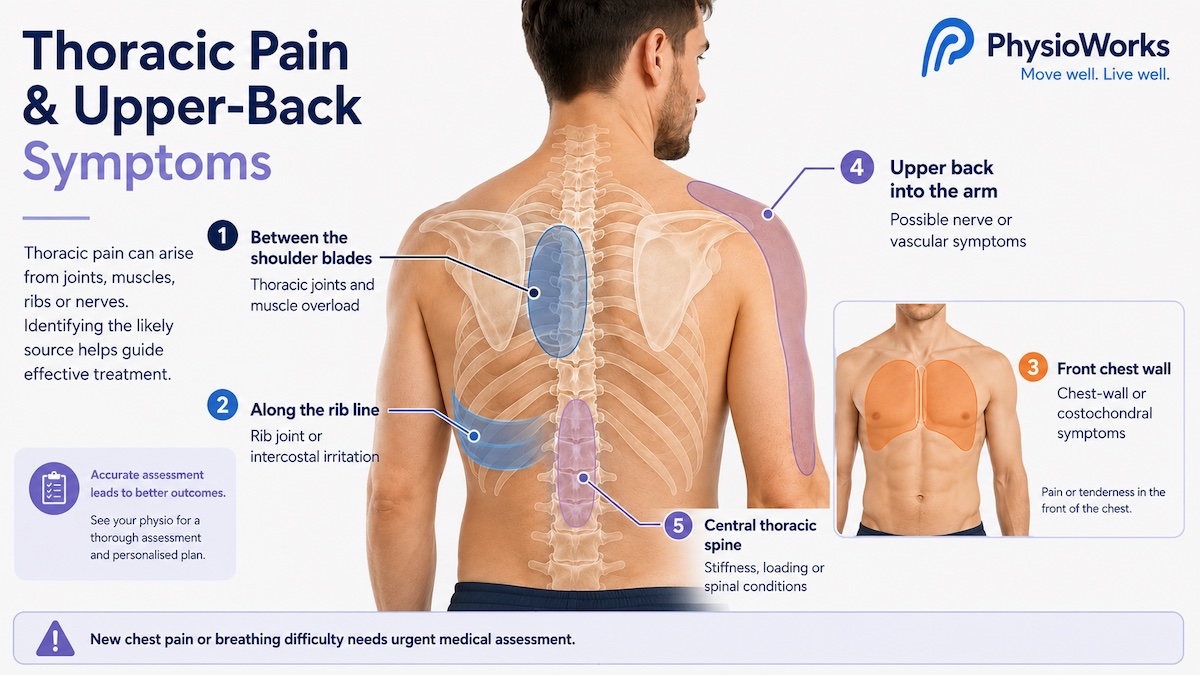
Thoracic pain may be felt between the shoulder blades, around the ribs, towards the arm or at the front of the chest wall.
Why Does My Upper Back Hurt Between the Shoulder Blades?
Pain between the shoulder blades may come from thoracic joints, muscles, ribs, the neck or shoulder-blade loading. Prolonged sitting, repeated reaching, lifting and training fatigue are common triggers. Symptoms may also be referred from nearby neck or shoulder structures.
The location of pain alone cannot confirm the diagnosis. Assessment becomes more important when pain keeps returning, spreads, affects breathing or does not respond to simple load changes.
Why Does Thoracic Pain Hurt When I Breathe?
Breathing moves the ribs and the joints where they connect with the thoracic spine. Irritated rib joints, intercostal muscles or chest-wall tissues may therefore hurt during a deep breath, cough or sneeze.
Some breathing-related pain is musculoskeletal. However, chest pain, sudden breathlessness, faintness, sweating or symptoms that feel unlike your normal back pain require urgent medical assessment.
Can Sitting and Screen Work Cause Thoracic Pain?
Long periods of sitting can contribute to thoracic pain by reducing movement variety and increasing muscle fatigue. Symptoms may build when screen work combines with limited breaks, low shoulder-blade endurance, poor workstation setup or stress-related muscle tension.
Changing position regularly often helps more than forcing one rigid posture. Short walking breaks, gentle thoracic movement and a workable desk setup may reduce accumulated load.
Can Gym Training Cause Thoracic Pain?
Gym training may trigger thoracic pain when exercise volume, weight, range or frequency increases faster than your body can adapt. Heavy pressing, rowing, pull-ups, deadlifts and repeated rotation can load the thoracic spine, ribs and surrounding muscles.
The exercise itself may not be the main problem. Training history, recovery, technique, total weekly load and other activities all influence tissue tolerance.
How Did Your Thoracic Pain Start?
Gradually
Symptoms that build over days or weeks may relate to repeated postures, work tasks, exercise volume, fatigue or reduced movement variety.
During One Movement
A sudden twist, lift, reach, cough or sporting action may irritate a muscle, thoracic joint or rib-related structure.
After Trauma
Pain after a significant fall, collision or direct blow needs assessment for rib, spinal or other injuries.
How Is Thoracic Pain Assessed?
A thoracic pain assessment aims to identify whether symptoms behave like a muscle, joint, rib, nerve or non-musculoskeletal problem. Your physiotherapist will consider how the pain began, what aggravates it, whether breathing affects it and whether any warning signs need medical review.
The physical assessment may include:
- thoracic rotation, bending and extension
- neck and shoulder movement where symptoms overlap
- rib and breathing movement
- posture and position tolerance
- shoulder-blade control and muscle endurance
- strength and functional tasks
- neurological screening when numbness, tingling or weakness is present
- work, gym or sporting movements that reproduce symptoms
Medical imaging is not necessary for every episode of thoracic pain. Your physiotherapist or doctor may recommend further investigation when trauma, neurological changes, low bone density or another health concern changes the clinical picture.
How Can Physiotherapy Help Thoracic Pain?
Physiotherapy can help by identifying the main pain drivers and building a plan that restores comfortable movement and physical capacity. Treatment depends on the diagnosis, symptom irritability, work demands, sport and personal goals.
Your plan may include:
- Education and load management: adjusting aggravating tasks without unnecessarily stopping all activity.
- Thoracic mobility exercises: restoring comfortable rotation, extension and movement variety.
- Rib and breathing exercises: improving chest-wall movement when clinically appropriate.
- Strength and endurance: developing the mid-back, shoulder-blade and trunk muscles.
- Manual therapy: hands-on treatment may provide short-term symptom relief or improve movement when combined with active rehabilitation.
- Workstation and task changes: reducing repeated loading and improving position variety.
- Graded return to activity: rebuilding tolerance for work, lifting, gym training and sport.
Thoracic Pain Recovery Pathway
Settle Irritability
Screen warning signs, reduce clearly aggravating loads and maintain comfortable movement rather than complete rest.
Restore Movement and Control
Improve thoracic and rib movement, shoulder-blade control, trunk strength and tolerance for daily positions.
Rebuild Capacity
Progress lifting, work tasks, gym training, sport and longer periods of sitting or driving.
Should You Keep Moving With Thoracic Pain?
Gentle movement is often more helpful than complete rest when thoracic pain behaves like a muscle, joint or rib problem. The aim is to keep moving within a tolerable range while temporarily reducing activities that repeatedly produce sharp or escalating pain.
Movement Eases Pain
Continue the comfortable movement regularly. Short and frequent sessions may work better than one long session.
A Task Flares Pain
Reduce the load, range, speed, volume or duration. Rebuild gradually as symptoms settle.
Pain Spreads or Changes
Arrange assessment if symptoms spread into the chest or arm, affect breathing or include numbness or weakness.
Related Thoracic and Upper-Back Conditions
The following conditions can produce thoracic, rib or upper-back symptoms. A physiotherapist can help determine which pattern best matches your presentation.
Thoracic Facet Joint Pain
Local joint pain or stiffness that may worsen with rotation, extension or prolonged positions.
Thoracic Outlet Syndrome
Nerve or blood-vessel compression that may cause neck, upper-back, arm or hand symptoms.
Costochondritis
Chest-wall pain involving the joints where the ribs connect near the breastbone.
Side Strain
Muscle injury around the ribs and side of the trunk, often linked to rotation, throwing or sport.
Rib Stress Fracture
A bone stress injury associated with repeated loading, commonly affecting some athletes.
Scheuermann’s Disease
A developmental thoracic spine condition associated with increased rounding and possible stiffness or pain.
Scoliosis
A spinal curve that may affect posture, muscle fatigue and loading through the thoracic region.
Ankylosing Spondylitis
An inflammatory condition that may cause spinal pain, morning stiffness and reduced movement.
When Is Thoracic Pain Worth Assessing?
Arrange an assessment when thoracic pain keeps returning, limits movement, affects sleep or makes work, driving, breathing, lifting or sport more difficult. Early review may also help when you are unsure whether symptoms come from the spine, ribs, muscles, shoulder or chest wall.
Assessment is particularly useful when:
- pain has not started improving as expected
- symptoms return whenever you increase activity
- you cannot take a comfortable deep breath
- pain affects work, sleep, exercise or daily tasks
- you have pins and needles, numbness or weakness
- pain began after trauma
- you have osteoporosis or another condition affecting bone strength
When Should You Worry About Thoracic Pain?
Most thoracic pain is not caused by a serious condition, but some symptom combinations need prompt medical assessment. Thoracic pain sits close to the chest and may occasionally reflect a problem outside the muscles, ribs or spine.
Seek Urgent Medical Care If You Have:
- chest pain, severe breathlessness, faintness, sweating or sudden unexplained illness
- new weakness, numbness, walking difficulty or loss of coordination
- major trauma, a fall from height or visible spinal deformity
- severe pain after minor trauma when you have osteoporosis or reduced bone density
- fever, chills or a recent significant infection
- unexplained weight loss
- a history of cancer with new or unexplained thoracic pain
- immune suppression, injected drug use or long-term corticosteroid use
- constant or rapidly worsening pain that does not change with movement or position
- new bowel or bladder changes with neurological symptoms
Call emergency services for severe chest symptoms, sudden breathing difficulty or a medical emergency.
Thoracic Pain FAQs
What causes thoracic pain?
Thoracic pain commonly comes from muscle overload, thoracic joint irritation, rib-joint irritation, postural fatigue or a sudden increase in activity. Trauma, spinal curves, reduced bone density and inflammatory conditions may also contribute. Assessment helps determine which factor best matches your symptoms.
Can poor posture cause thoracic pain?
Prolonged or repeated postures may contribute to thoracic pain, particularly when combined with fatigue, low physical capacity or limited movement variety. However, posture is rarely the only cause. Regular position changes and suitable strength often matter more than trying to maintain one rigid position.
Why does thoracic pain hurt when I breathe?
Breathing moves the ribs and their joints with the spine. Irritation of a rib joint, intercostal muscle or chest-wall tissue may therefore hurt during a deep breath, cough or sneeze. Sharp pain with breathing should be assessed, especially when it comes with chest symptoms or breathlessness.
How long does thoracic pain take to settle?
Mild posture-related or strain-based pain may improve over days or several weeks. Recovery may take longer when symptoms involve significant load intolerance, reduced strength, rib irritation or demanding work and sport. Progress depends on the diagnosis and whether aggravating loads can be modified and rebuilt gradually.
Can gym training cause thoracic pain?
Yes. Thoracic pain may follow a sudden increase in lifting volume, heavy pressing or pulling, repeated rotation or inadequate recovery. Often, the issue is not gym training itself but the size and speed of the loading increase relative to your current capacity.
When should you worry about thoracic pain?
Seek medical assessment when thoracic pain follows significant trauma or occurs with fever, unexplained weight loss, cancer history, severe night pain, chest symptoms, shortness of breath or worsening neurological symptoms. These features require more careful screening.
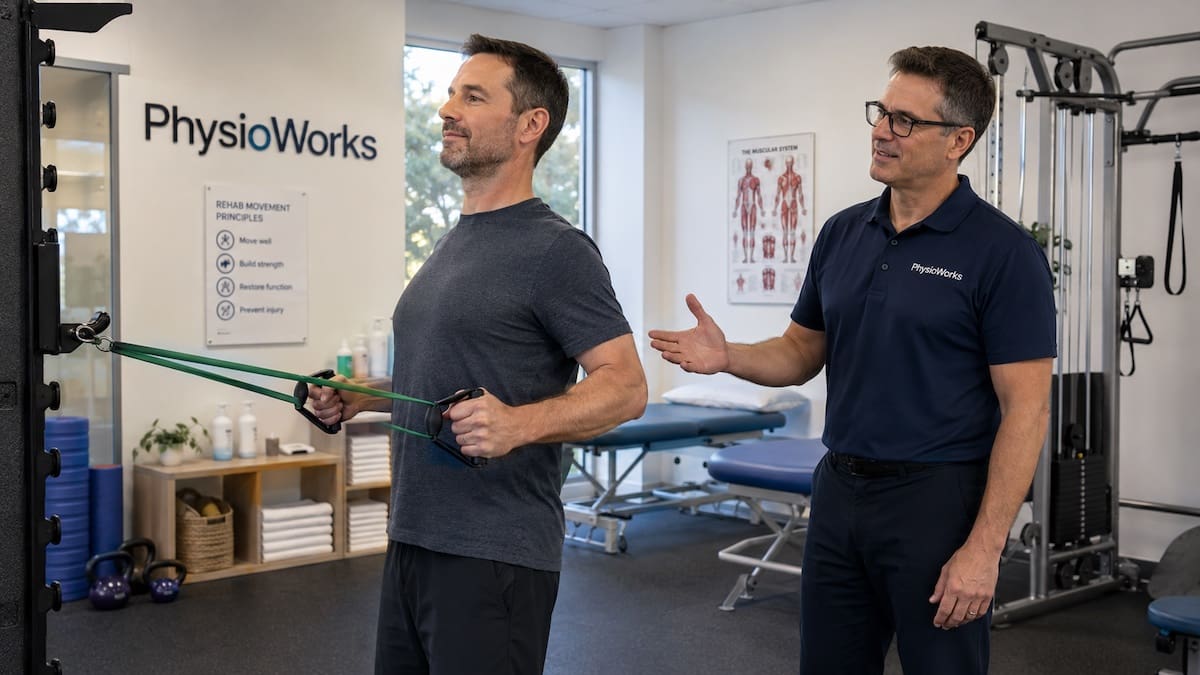
Graded exercise can rebuild upper-back strength and tolerance for work, gym and daily activity.
What to Do Next
Keep moving within a comfortable range and temporarily reduce activities that repeatedly cause sharp or escalating pain. Avoid complete rest unless a health professional has advised it for a specific injury.
Arrange a physiotherapy assessment when symptoms keep returning, affect breathing, spread towards the chest or arm, disturb sleep or limit work, gym training or sport. Your physiotherapist can screen for warning signs, clarify the likely source and guide a staged recovery plan.
Choose your clinic and appointment pathway
Select a PhysioWorks clinic to continue to live booking, an appointment request or reception assistance.
Thoracic and Upper Back Products
These thoracic and upper back products are commonly used by our physiotherapists to improve strength, posture, movement, plus assist home exercise programs.
-

 Exercise Balls, Back, Exercise Equipment, Knee, Shoulder
66fit Exercise Balls | Core & Rehab Stability Ball
$32.00 – $57.00Select optionsQuick View -
-
-
 Back, Braces & Supports, Posture
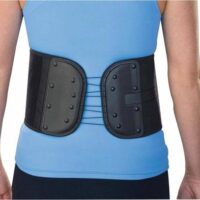
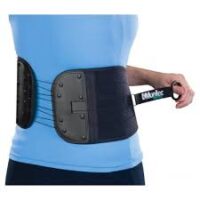
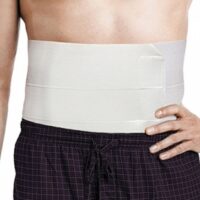
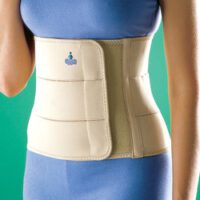
Mueller Green Adjustable Back Abdominal Support
$125.00Add to cartQuick View -
-
-
-
 Ice & Heat, Pain Management, Uncategorized
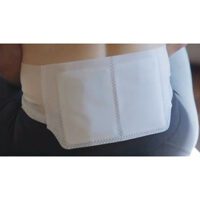
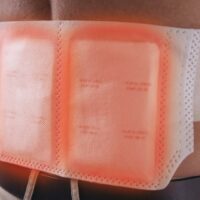
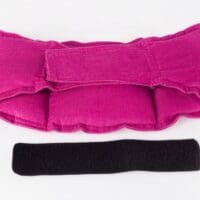
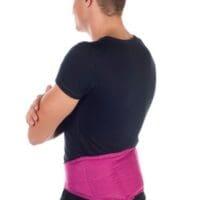
PhysiPak Universal Heat pack
$79.00Select optionsQuick View - EMS Machines, Pain Management, TENS Machine, TENS Machine & EMS
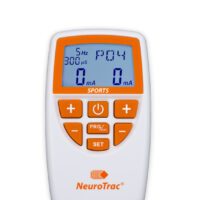
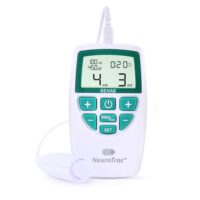
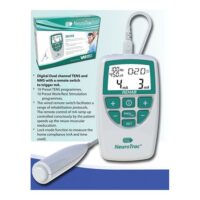
NeuroTrac Rehab (TENS Machine + EMS)
$285.00Add to cartQuick View -
- Liniments & Gels, Massage Liniments, Pain Management
Fisiocrem
$16.95 – $39.95Select optionsQuick View -








Follow PhysioWorks for practical information about spinal, joint, tendon and muscle health, plus movement and rehabilitation guidance to help you stay active.


References
- Maselli F, Palladino M, Barbari V, Storari L, Rossettini G, Testa M. The diagnostic value of red flags in thoracolumbar pain: a systematic review. Disabil Rehabil. 2022;44(8):1190-1206. doi:10.1080/09638288.2020.1804626.
- Risetti M, Gambugini R, Testa M, Battista S. Management of non-specific thoracic spine pain: a cross-sectional study among physiotherapists. BMC Musculoskelet Disord. 2023;24(1):398. doi:10.1186/s12891-023-06505-8.
- Storari L, Piai J, Zitti M, Raffaele G, Fiorentino F, Paciotti R, et al. Standardized definition of red flags in musculoskeletal care: a comprehensive review of clinical practice guidelines. Medicina (Kaunas). 2025;61(6):1002. doi:10.3390/medicina61061002.
