
Acute Sports Injury Clinic


An acute sports injury clinic appointment helps you act early after a new sports injury. If you felt a sharp pain during training, twisted your ankle, landed awkwardly, strained a muscle, or woke up sore after weekend sport, early sports physiotherapy can help clarify what has happened and what to do next.
PhysioWorks provides an acute sports injury clinic Brisbane service for active people who need quick answers, practical advice, and a clear first-week plan. The goal is simple: reduce guesswork, protect the injured area, keep safe movement going, and guide a staged return to training when appropriate.
Common reasons people book include sports injuries such as ankle sprains, muscle strains, knee twists, shoulder injuries, tendon flare-ups, contact injuries, and pain after a sudden training load spike.
Quick guide: book early if you have swelling, bruising, pain with loading, reduced movement, weakness, giving way, or uncertainty about whether you should keep training.
Seek urgent medical care: organise urgent help if you cannot weight-bear, suspect a fracture, have major deformity, worsening pins and needles, severe night pain, or concussion symptoms after a hit or fall.
What Happens at an Acute Sports Injury Clinic Appointment?
Your physiotherapist will ask how the injury happened, what you felt at the time, and what has changed since. They will then assess swelling, movement, strength, load tolerance, balance, and safe sport-specific tasks where appropriate.
After the assessment, they will explain the likely diagnosis and give you a clear plan. This may include activity changes, early exercises, taping, bracing advice, referral pathways, or staged return-to-sport steps.
When Should You Book After a Sports Injury?
You should consider booking within the first few days if symptoms affect walking, stairs, work, sport, or confidence. Early assessment can help you avoid two common mistakes: doing too much too soon, or resting completely for too long.
Early care is especially useful after a sprained ankle, hamstring strain, knee twist, shoulder injury, or injury that keeps flaring when you try to train.

What Should You Do in the First 48 to 72 Hours?
Keep the first few days calm. Protect the injured area from clear aggravation, but avoid complete shutdown unless you have been told to immobilise it. Gentle movement within comfort can often help maintain confidence and reduce stiffness.
- Avoid movements that sharply increase pain.
- Keep safe, gentle movement going where possible.
- Use compression or support if it improves comfort.
- Avoid hard training until the injury has been assessed or clearly settles.
- Monitor swelling, bruising, weight-bearing, strength, and next-day pain.
For a broader recovery timeline, see our soft tissue injury healing guide.
Do You Need an X-ray, Ultrasound, or MRI?
Not every sports injury needs imaging on day one. A scan is most useful when the result may change the plan, such as suspected fracture, tendon rupture, major ligament injury, persistent severe symptoms, or unclear examination findings.
Your physiotherapist may discuss imaging pathways if your signs suggest a more serious injury. If your injury involves a knee twist and you are unsure where to start, read our guide on whether to see a doctor or physio for a knee injury.
Which Sports Injuries Commonly Need Early Assessment?
Acute sports injuries can affect many body regions. The right plan depends on the injured tissue, swelling, pain behaviour, sport demands, and your next training or competition goal.
- Knee pain after twisting, landing, cutting, or pivoting.
- Ankle pain after rolling the ankle or landing awkwardly.
- Hamstring pain after sprinting, kicking, or acceleration.
- Shoulder pain after contact, throwing, falling, or overhead loading.
- Muscle bruising, calf pain, groin pain, tendon flare-ups, and contact injuries.
How Can Physiotherapy Help an Acute Sports Injury?
Physiotherapy can help identify the likely injured structure, explain safe loading, and guide recovery. Treatment may include education, exercise, load planning, taping, bracing advice, manual therapy where appropriate, and a staged return-to-sport program.
If you need support for a registered club injury or insurance pathway, our sports insurance page explains common next steps.
How Do You Return to Sport Safely?
Return to sport should match your injury, your sport, and your current capacity. Pain alone is not enough to decide readiness. Your physio may check strength, movement control, balance, jumping, landing, running, change of direction, confidence, and training response.
| Stage | Focus | Typical signs you are ready to progress |
|---|---|---|
| Early phase | Settle pain, protect the area, restore gentle movement. | Walking and basic daily tasks are improving. |
| Build phase | Rebuild strength, range, balance, and load tolerance. | Exercises feel controlled and symptoms do not spike the next day. |
| Sport phase | Add running, jumping, agility, contact, or skill drills. | Sport tasks feel confident, controlled, and repeatable. |
For a more detailed readiness pathway, see our return to sport testing guide.

What If the Injury Is in a Child or Teen Athlete?
Junior athletes need extra care because growth plates, training load, recovery, and school sport demands can all affect symptoms. Pain that changes running, jumping, throwing, or confidence should not be ignored.
Parents may find our kids sports injuries guide useful, especially when pain follows a growth spurt, training increase, or tournament block.
FAQs About Acute Sports Injury Clinic Appointments
What is an acute sports injury clinic?
An acute sports injury clinic provides early assessment for new sports injuries. It focuses on clarifying the likely diagnosis, guiding the first week of care, and planning a staged return to training or sport.
How soon should I see a physio after a sports injury?
Many people benefit from an assessment within the first few days, especially when swelling, bruising, reduced function, limping, weakness, or uncertainty is present. Early advice can help reduce avoidable flare-ups.
Do I need a scan for a sports injury?
Not always. Imaging is most useful when a fracture, tendon rupture, major ligament injury, severe swelling, or unexpected recovery pattern is suspected. Your physiotherapist can discuss whether imaging may change the plan.
Can I keep training after a sports injury?
Sometimes you can keep modified training going, but it depends on the injury. Avoid activities that clearly worsen symptoms. A physio can help you choose safe options while the injured area settles.
How do you decide when I can return to sport?
Return to sport is usually based on function, strength, control, sport-specific testing, confidence, and symptom response. Your physiotherapist will progress you from daily tasks to training drills, then toward match demands.
Helpful Related Pages
- Sports injuries – hub for common sport injury patterns.
- Sports physiotherapy Brisbane – sports injury assessment and rehabilitation.
- Acute injury treatment – early injury care guidance.
- Soft tissue injury healing – what to expect as tissues settle.
- Return to sport testing – readiness checks for training and competition.
- Sports insurance – support after a registered sports injury.
What to Do Next
If you have a new sports injury, start with a calm plan. Avoid movements that spike pain, keep gentle movement going where safe, and book an assessment if you are unsure about the injury, recovery time, or return-to-sport pathway.
If you have marked swelling, worsening pain, pins and needles, inability to weight-bear, suspected fracture, major deformity, or concussion symptoms, organise urgent medical care.
Choose your clinic and appointment pathway
Select a PhysioWorks clinic to continue to live booking, an appointment request or reception assistance.
Muscle & Soft Tissue Products
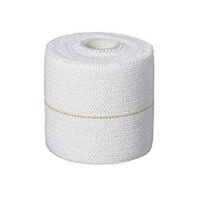
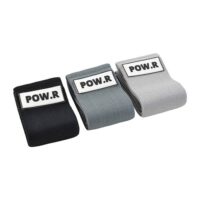
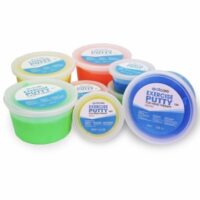
These muscle and soft tissue products are commonly used by our physiotherapists to relax or loosen muscles, improve strength, comfort, flexibility, and home exercise programs.
-
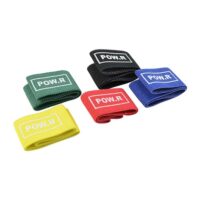 Exercise Equipment, Knee, Resistance Band
POW.R Fabric Mini Loop Bands
$12.00 – $55.00Select optionsQuick View - Exercise Equipment, Resistance Band
POW.R Wide Fabric Loop Resistance Band
$14.95 – $49.95Select optionsQuick View -
-
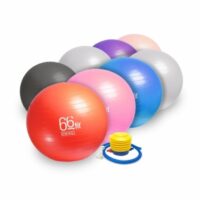
 Exercise Balls, Back, Exercise Equipment, Knee, Shoulder
66fit Exercise Balls | Core & Rehab Stability Ball
$32.00 – $57.00Select optionsQuick View -
-
- Liniments & Gels, Massage Liniments, Pain Management
Fisiocrem
$16.95 – $39.95Select optionsQuick View -
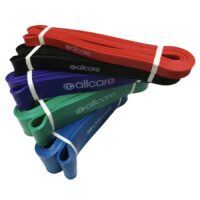
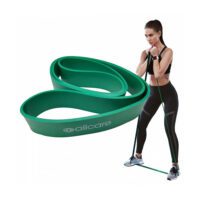 Exercise Equipment, Resistance Band
AllCare Powerloop Bands
$22.00 – $65.00Select optionsQuick View -
-
-
-
-

-
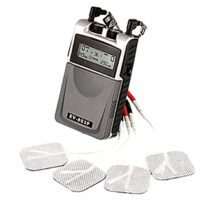
- EMS Machines, Pain Management, TENS Machine, TENS Machine & EMS
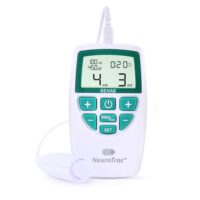
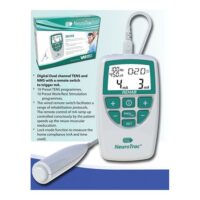
NeuroTrac Rehab (TENS Machine + EMS)
$299.95Add to cartQuick View







References
- Australian Institute of Health and Welfare. Sports injury in Australia. AIHW; 2026.
- Dubois B, Esculier JF. Soft-tissue injuries simply need PEACE and LOVE. Br J Sports Med. 2020;54(2):72-73. doi:10.1136/bjsports-2019-101253
- Smith MD, Vicenzino B, Bahr R, et al. Return to sport decisions after an acute lateral ankle sprain injury: introducing the PAASS framework—an international multidisciplinary consensus. Br J Sports Med. 2021;55(22):1270-1276. doi:10.1136/bjsports-2021-104087
- Herring SA, Kibler WB, Putukian M, et al. Team Physician Consensus Statement: Return to Sport/Return to Play and the Team Physician: A Team Physician Consensus Statement—2023 Update. Clin J Sport Med. 2024.
- Newman A, Schieda N. Patient-Friendly Summary of the ACR Appropriateness Criteria®: Acute Trauma to the Ankle. J Am Coll Radiol. 2023;20(8):e35. doi:10.1016/j.jacr.2023.05.013
