Foam Roller Benefits: Do They Really Work?

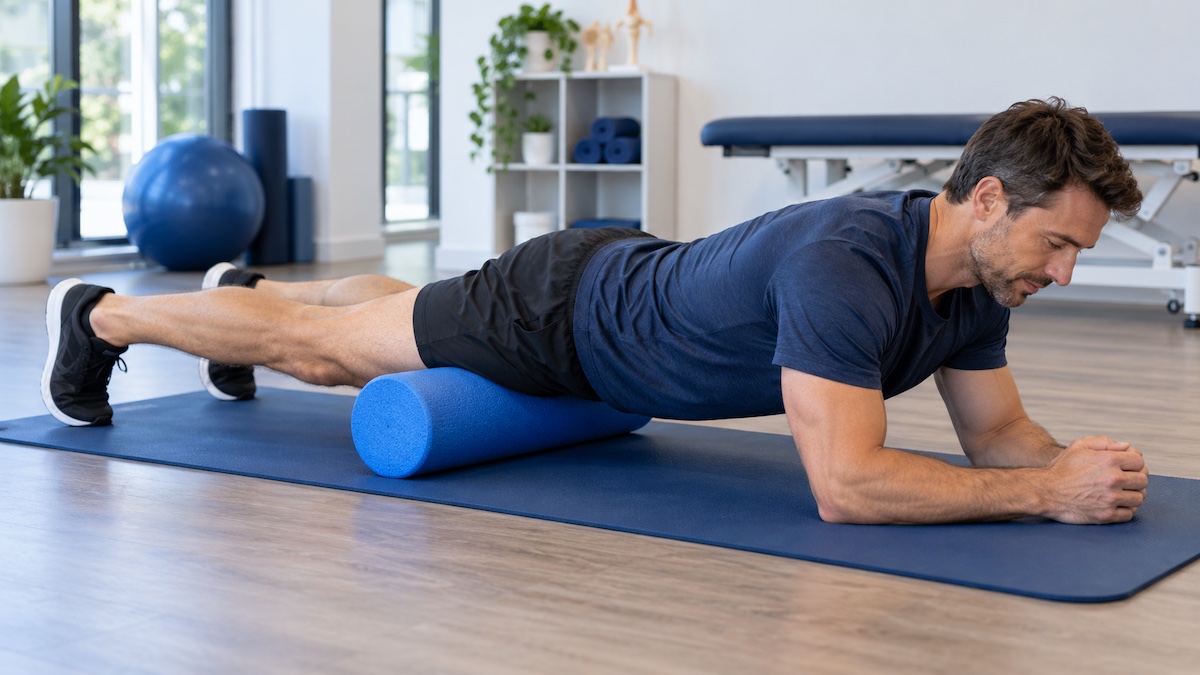
Foam roller benefits may include short-term improvements in flexibility and range of motion, along with reduced muscle soreness after exercise. Foam rolling may also help you feel less stiff before or after physical activity. However, it does not repair damaged muscles, permanently lengthen fascia or replace an appropriate rehabilitation program.
Foam rolling is popular with runners, gym users, athletes and people who experience general muscle tightness. It may be a useful addition to regular movement, exercise programs and sensible exercise load management.
What Is Foam Rolling?
A foam roller is a firm cylindrical tool used to apply pressure to muscles and surrounding soft tissues. The technique is often called self-myofascial release.
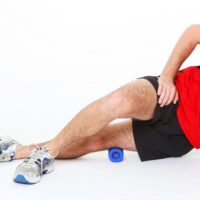
You position the roller beneath a muscle group and slowly move your body over it. Your body weight controls the pressure.
Common areas include the calves, quadriceps (front of the thighs), hamstrings, gluteal muscles and upper back.
Despite the name, foam rolling does not physically break down muscle knots or permanently release fascia. Its effects appear to involve changes in movement tolerance, sensation and how the nervous system responds to pressure.
What Are the Benefits of Foam Rolling?
Research suggests several possible benefits. However, the strength and duration of these effects differ.
Improved range of motion
Foam rolling may temporarily improve joint movement and flexibility without substantially reducing muscle performance.
Less muscle soreness
Rolling after exercise may modestly reduce perceived soreness, including delayed onset muscle soreness (DOMS).
Reduced perceived tightness
Some people feel more comfortable or less restricted after rolling, although the effect is not necessarily long-lasting.
Warm-up support
Brief rolling may improve movement comfort before exercise when combined with an active warm-up.
Recovery comfort
Foam rolling may help manage post-training discomfort, but this does not mean it accelerates tissue repair.
Convenient self-management
A roller offers a simple way to apply controlled pressure at home without specialist equipment.
Does Foam Rolling Improve Flexibility?
Yes, it can improve range of motion, particularly over the short term. A 2020 systematic review by Skinner and colleagues reported improvements in joint range of motion following foam rolling.
A separate 2022 systematic review found that repeated foam rolling over several weeks may also improve range of motion in healthy adults. However, the response varied between muscle groups and joints.
These improvements do not necessarily mean that the muscle or fascia has been permanently stretched.
Can Foam Rolling Reduce Muscle Soreness?
Foam rolling may reduce the discomfort associated with exercise-induced muscle soreness. A 2024 systematic review and meta-analysis found reductions in reported soreness following exercise, with effects varying according to when they were measured.
However, reducing soreness is not the same as accelerating muscle repair. Recovery still depends on appropriate training loads, sleep, nutrition and time.
Learn more about DOMS and recovery after exercise.
How Does Foam Rolling Work?
Researchers have proposed several explanations for the effects of foam rolling. These include changes in sensory input, discomfort tolerance and the nervous system's response to pressure.
These effects may allow a muscle or joint to move more comfortably for a period after rolling.
However, the exact mechanisms remain uncertain. There is insufficient evidence that ordinary foam rolling permanently lengthens fascia, removes scar tissue or breaks down muscle adhesions.
For lasting improvements in strength, movement and physical capacity, progressive exercise remains important.
How Should You Use a Foam Roller?
Start gently and adjust the pressure according to comfort. You do not need to tolerate intense pain to gain a benefit.
-
Choose the muscle group
Begin with a large muscle area such as the quadriceps, calves or gluteal muscles. Avoid rolling directly over a painful joint or bony prominence.
-
Position yourself carefully
Place the roller beneath the target muscle. Support part of your body weight through your hands or other limb so you can control the pressure.
-
Roll slowly
Move over the muscle at a comfortable pace for approximately 30–60 seconds. Use this as a practical starting point rather than a fixed treatment dose.
-
Adjust the pressure
Reduce your body weight on the roller if the area feels too sensitive. Mild pressure discomfort may occur, but sharp pain, tingling or numbness are signs to stop.
-
Follow with movement
After rolling, try comfortable mobility exercises or a gradual active warm-up. Foam rolling should complement movement rather than replace it.
Should You Foam Roll Before or After Exercise?
Before exercise: Brief foam rolling may help improve range of motion or movement comfort. Follow it with an active warm-up that prepares you for your planned activity.
After exercise: Gentle rolling may help reduce perceived soreness. It is optional and should not replace appropriate recovery habits.
Some people find it useful on rest days when their muscles feel generally stiff. The best time is whichever fits your goals and feels comfortable.
Which Foam Roller Should You Choose?
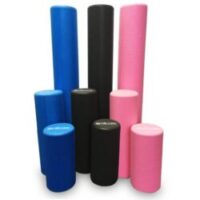
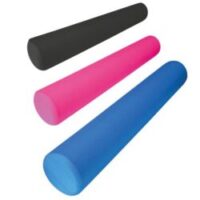
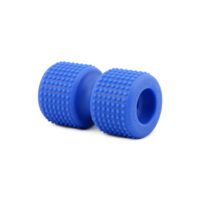
Foam rollers vary in length, firmness and surface design. The most suitable option depends on your experience, comfort and intended use.
- Soft rollers: A reasonable starting option for beginners or people sensitive to pressure.
- Medium-density rollers: A practical general-purpose choice for many users.
- Firm rollers: Provide stronger pressure but are not automatically more effective.
- Short rollers: Convenient for travel, storage and smaller treatment areas.
- Long rollers: Useful for broader muscle areas and some supported mobility exercises.
Choose a roller that allows comfortable, controlled pressure. More discomfort does not mean a better result.
You can compare the available sizes in the PhysioWorks foam roller range.
Who May Benefit From Foam Rolling?
Foam rolling may be suitable for people who want a simple option for managing general muscle stiffness or exercise-related soreness.
This includes recreational exercisers, runners, gym users and athletes. People who spend long periods sitting may also find brief rolling comfortable, although regular movement and strengthening may be more important for ongoing stiffness.
Foam rolling is less suitable as a stand-alone response to persistent, unexplained or localised pain.
For example, a muscle strain may need a graded rehabilitation program rather than repeated pressure over the injured tissue. Our muscle pain guide explains why different causes of discomfort may require different approaches.
When Should You Avoid Foam Rolling?
Foam rolling is generally well tolerated when used gently on healthy muscle tissue. However, certain situations require caution or professional advice.
Stop if rolling causes sharp pain, numbness, tingling or worsening symptoms. Ask a healthcare professional for guidance if you are uncertain whether it is appropriate.
Are Foam Rollers Worth It?
For many active people, a foam roller can be an inexpensive and convenient addition to a movement or recovery routine.
Its main value lies in possible short-term improvements in mobility, comfort and post-exercise soreness. However, a roller is not essential for achieving fitness goals and does not replace strengthening, progressive loading or injury rehabilitation.
If you enjoy using one and notice a useful benefit, it may be worth including in your routine. If it makes little difference, there is no need to force it.
Roller Products
These foam roller related support products are commonly used by our physiotherapists to help reduce strain, improve comfort, loosen and massage your body.
-
 Gift Ideas, Christmas Gift Ideas, Exercise Equipment, Foot, Knee, Massage Tools, Pain Management
Footeez Lockeroom
$45.00Add to cartQuick View -
FAQs About Foam Roller Benefits
Do foam rollers actually work?
Yes. Foam rolling may temporarily improve joint range of motion and reduce perceived muscle soreness after exercise. However, effects vary and it does not replace strengthening or rehabilitation.
Can foam rolling prevent injuries?
There is insufficient evidence that foam rolling alone prevents sports injuries. Appropriate strength training, gradual load progression and sport-specific preparation remain important.
When should I foam roll?
You can foam roll before exercise to support short-term mobility or after exercise to manage soreness. It may also feel comfortable on rest days. The ideal timing depends on your goals.
How long should I foam roll?
Approximately 30–60 seconds per muscle group is a reasonable starting point. Adjust the duration and pressure according to comfort. There is no single ideal duration for everyone.
Should foam rolling hurt?
Some mild pressure discomfort may occur, but foam rolling should not cause sharp or worsening pain. Reduce the pressure or stop if you experience significant pain, tingling or numbness.
Can you foam roll every day?
Many people can use a foam roller regularly if the pressure is comfortable and it does not aggravate symptoms. Daily use is not essential, and more frequent rolling does not necessarily produce better results.
When Should You See a Physiotherapist?
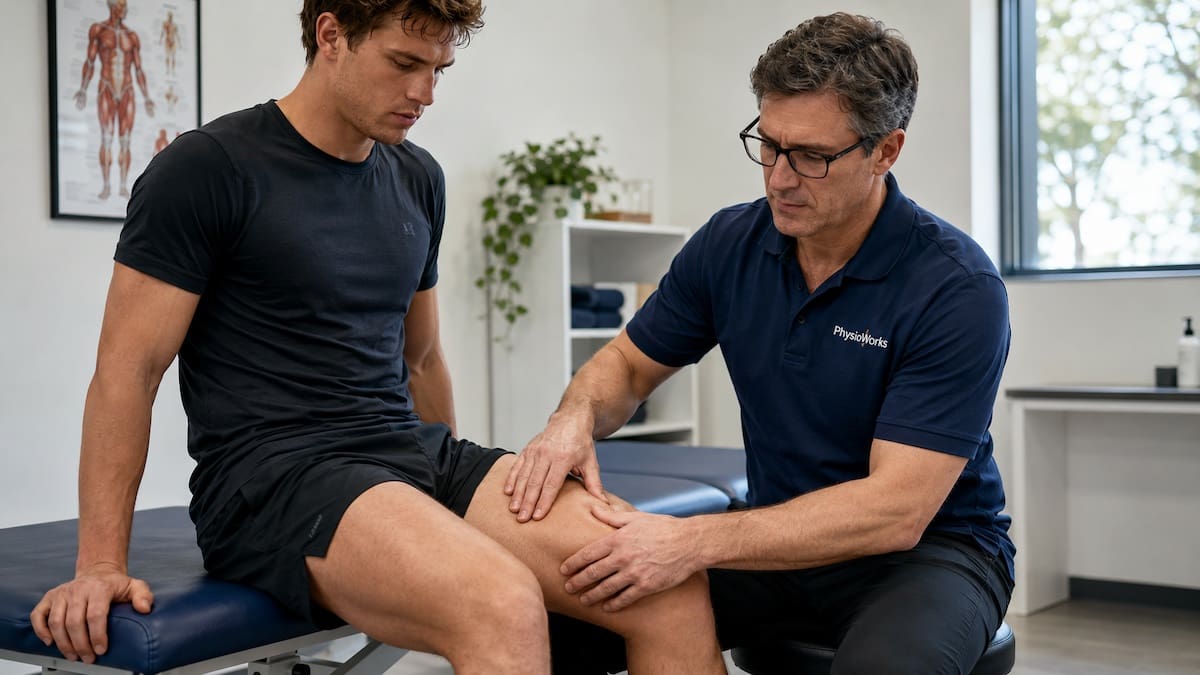
If muscle tightness or pain keeps returning, affects your movement or limits exercise, a physiotherapist can help identify contributing factors and recommend an appropriate management plan.
This may include movement assessment, strengthening, mobility exercises and advice about gradually returning to normal activity.
Foam rolling may be included where appropriate, but it is only one possible part of care.
Choose your clinic and appointment pathway
Select a PhysioWorks clinic to continue to live booking, an appointment request or reception assistance.


References
- Skinner B, Moss R, Hammond L. A systematic review and meta-analysis of the effects of foam rolling on range of motion, recovery and markers of athletic performance. Journal of Bodywork and Movement Therapies. 2020;24(3):105–122. View research.
- Konrad A, Nakamura M, Tilp M, Donti O, Behm DG. Foam Rolling Training Effects on Range of Motion: A Systematic Review and Meta-Analysis. Sports Medicine. 2022;52:2523–2535. View research.
- Zhou J, Jia D, Mao J, Xu Y. Preventive effect of foam rolling on muscle soreness after exercise: A systematic review and meta-analysis. Journal of Bodywork and Movement Therapies. 2024;40:1890–1898. View research.