


Anti-burst exercise balls safety depends on more than the label on the box. These balls are designed to release air more slowly if punctured, instead of failing with a sudden pop. However, safer use still depends on the right size, correct inflation, a clear floor space, and sensible exercise choice.
For ball options, sizes and related products, start with the Exercise Balls hub.
Quick answer: Anti-burst exercise balls are generally safe when you choose the correct size, inflate to the listed diameter, and use the ball on a flat, non-slip surface.
Safety still matters: Anti-burst does not mean unbreakable. Sharp objects, heat damage, overinflation and worn material can still make a ball unsafe.
Anti-burst means the exercise ball is made from material designed to release air slowly after a puncture. This can reduce the risk of a sudden drop during seated work, beginner balance drills, or controlled rehab exercises.
Still, the design does not remove all risk. A large tear, damaged valve, wrong inflation level, or rough surface may still make the ball unsafe. Treat the anti-burst label as one safety feature, not a guarantee.
Use an anti-burst exercise ball safely by matching the size to your body, inflating it to the listed diameter, checking the surface, and starting with controlled exercises. Most safety problems come from poor setup, worn material, rough floors, or exercises that are too advanced for the person using the ball.
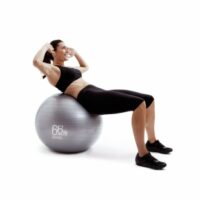
Sit on the ball beside a stable bench, chair or wall. Keep both feet flat. Check that you can sit tall, breathe normally, and stand up without needing to rush.
If you feel unsteady, dizzy, sore, or unsure, choose a simpler exercise or ask a physiotherapist for guidance.
Yes. Anti-burst balls can still fail if they are cut, badly worn, overheated, overinflated, overloaded, or used on a rough surface. The difference is that a good anti-burst ball should deflate more slowly after a small puncture.
Replace the ball if the surface looks tired or damaged. Also check the product instructions for weight rating, inflation diameter, storage advice and replacement guidance. Product load ratings are usually tested under controlled conditions, so they should not be treated as approval for jumping, dropping, or using heavy external loads.
Choose a lower-risk option if you feel unsafe, dizzy, unstable, rushed, or unable to control the ball. A wall, chair, bench, mat, or simpler floor exercise may be a better starting point.
Seek advice before using a ball after recent surgery, a fall, a new injury, pregnancy-related pain, significant back or pelvic pain, or any problem that affects balance.
Some people need a more cautious start. This includes anyone with poor balance, dizziness, recent surgery, osteoporosis, high falls risk, pregnancy-related symptoms, or pain that changes with movement.
Exercise balls can still be useful, but the first exercise should be easy to control. A physiotherapist may suggest a lower-risk setup, a wall-supported drill, or a different exercise tool. For back comfort and trunk control, read: Can an exercise ball improve core stability for back pain?
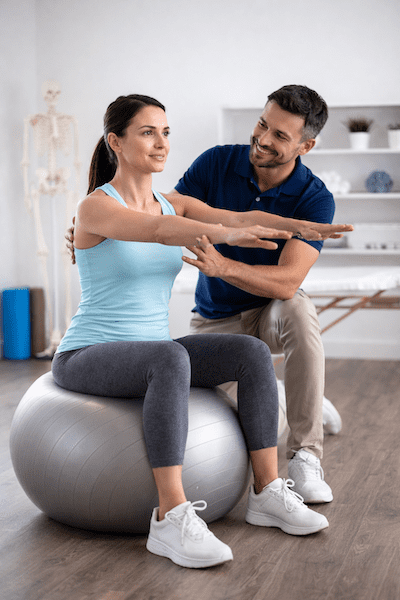
A physiotherapist can help you choose safer exercises, check your starting control, and progress the program at the right pace. They may use an exercise ball to train posture awareness, trunk control, balance, breathing control, hip movement, shoulder control, or graded strength.
For broader support with exercise planning, see Exercise Programs or Musculoskeletal Physiotherapy.
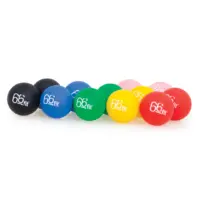
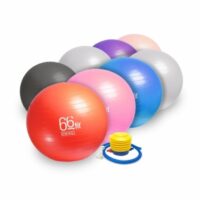
Look for a clear size label, anti-burst construction, suitable load rating, simple inflation instructions, and a secure valve. The 66fit Exercise Balls page provides product options that may suit core, posture and rehabilitation exercises.
Before buying, check your height, planned use, available floor space and whether you need a pump. If you plan to use the ball for sitting at a desk, remember that changing position often matters more than sitting on any one product all day.
Stop using the ball if it feels unstable, loses air, looks damaged, causes pain, or makes you feel dizzy. You should also stop if the exercise requires you to hold your breath, rush, grip the floor with your toes, or use momentum to stay balanced.
If symptoms persist, worsen, or affect normal activity, book a physiotherapy appointment. Your physiotherapist can check whether the ball suits your body, your condition, and your current exercise control.
Anti-burst exercise balls are generally safe when they are the correct size, inflated to the recommended diameter, and used on a flat, non-slip surface. They are designed to deflate more slowly if punctured, but they are not unbreakable.
Anti-burst means the ball is designed to release air more gradually after a puncture. This may reduce sudden collapse risk. However, safe use still depends on correct setup, storage, surface choice and exercise selection.
Yes. A ball can still fail if it is cut, badly worn, overheated, overloaded or overinflated. Check the ball before use and replace it if you notice cracks, bulging, valve problems, thinning or air loss.
Choose a ball that lets you sit with both feet flat and your hips and knees close to 90 degrees. Your hips may sit slightly higher than your knees. Use a sizing guide and inflate the ball to the listed diameter.
Use an exercise ball on a flat, clean, non-slip surface. Avoid sharp edges, rough concrete, stones, screws, pins, pet claws and heat exposure. A clear exercise space also lowers trip and fall risk.
Consider physiotherapy advice if you have pain, dizziness, poor balance, recent surgery, pregnancy-related symptoms, high falls risk, or uncertainty about which exercises are safe. A physiotherapist can match the exercise to your current control and goals.
Choose the correct ball size, inflate it to the recommended diameter, and start with simple exercises on a stable surface. If pain, balance, dizziness, pregnancy symptoms, or injury recovery is part of your situation, get advice before progressing.
A physiotherapist can help you choose safer exercises, set a starting level, and progress your program at the right pace.
Select a PhysioWorks clinic to continue to live booking, an appointment request or reception assistance.