What is the Correct Exercise Ball Size for You?

What Exercise Ball Size Should I Use?

Choosing the correct exercise ball size improves comfort, posture and stability. It also makes your workouts safer and more effective. Use the quick guide below to match your height with the right ball size.

  • ✔ Correct ball height for safe posture
  • ✔ Better comfort for exercise and rehab
  • ✔ Improved core stability and balance

Quick Height Guide:

  • 150–165 cm → 55 cm ball
  • 165–180 cm → 65 cm ball
  • 180–195 cm → 75 cm ball

How to Select the Correct Exercise Ball Size

Choosing the correct exercise ball size for your height helps maintain posture and comfort.
Selecting The Right Exercise Ball Size Is Key For Maintaining Posture And Avoiding Lower Back Strain.

Why Size Matters

Using the right exercise ball helps you maintain a neutral spine and good posture, and reduces unnecessary lower back strain. A well-sized ball improves comfort, balance and core activation during both exercise and sitting.

How to Choose Your Ideal Size

Your height is the simplest way to select a ball. When seated, your hips should sit slightly higher than your knees to support a natural lumbar curve.

Exercise balls (shop exercise balls) typically range from 45–85 cm. As a guide:

  • 137–152 cm (4’6″–5’0″) → 45 cm ball
  • 155–173 cm (5’1″–5’8″) → 55 cm ball
  • 175–188 cm (5’9″–6’2″) → 65 cm ball
  • 190–200 cm (6’3″–6’7″) → 75 cm ball
  • 200 cm+ → 85 cm ball

If you’re between sizes, select the larger ball for sitting and the smaller ball for exercise-based core work.

Who Benefits Most from Exercise Balls?

Exercise balls assist with:

  • Posture improvement
  • Core strengthening
  • Lower back rehabilitation
  • Balance and coordination training

If you have back symptoms or are unsure which size works best, your physiotherapist can guide you and may incorporate the ball into balance training and strengthening work.

Where You Can Use an Exercise Ball

Use it at home, in the gym, or at your workstation as a dynamic sitting option.

When to Use an Exercise Ball

Use your ball during strengthening sessions, stretching routines, or as a chair alternative. Regular use supports posture and core strength.

Need Professional Help?

If you’re unsure about size or have back concerns, your physiotherapist can recommend the safest ball size and demonstrate correct technique.

Exercise Ball Size Chart

Ball Diameter Recommended Height
45 cm 5’0″ and under
55 cm 5’1″–5’8″
65 cm 5’9″–6’2″
75 cm 6’3″–6’7″
85 cm 6’8″+

Ball Chair Height Guide

Measure from the top of your kneecap to the floor while seated. Add a few centimetres for shoe heel height. Softer balls compress under weight, which can cause you to sit too low and lose your neutral spine.

Ball chair height should match the distance from your kneecap to the ground.
Ball Chair Height: Measure From The Top Of Your Kneecap To The Floor.

Common Mistakes When Choosing an Exercise Ball

Several common errors can affect comfort and safety. A frequent mistake is choosing a ball that is too small, which positions your hips lower than your knees and increases lower back strain. Under-inflating the ball is another issue. A soft ball may feel comfortable at first, but it often collapses too much under body weight, reducing stability and control during exercises.

Some people also rely only on height charts and ignore leg length. Longer legs may need a slightly larger ball to keep the hips above the knees. Others forget to match the ball to its purpose. A ball used as a desk chair may need a different size and firmness compared to one used for dynamic core training. Matching size, firmness and purpose leads to better results and fewer problems.

Physio Tips for Safe Exercise Ball Use

A correctly sized ball can improve posture, balance and core strength, but safe use is essential. Inflate the ball gradually and sit on it to test alignment. Your hips should be slightly higher than your knees and your feet flat on the floor. Begin with simple, slow movements rather than bouncing or fast, uncontrolled exercises.

Place the ball on a non-slip surface to reduce the risk of sliding, especially when you are new to using it. If you use the ball as a chair at your workstation, start with short periods of 10–15 minutes and build up as your postural muscles adapt. If you have a history of back pain, dizziness or balance issues, ask your physiotherapist which exercises are safest for you.

When to Replace Your Exercise Ball

Exercise balls don’t last forever. Over time, the material can lose elasticity and the ball may sit lower than its stated size. If the ball feels softer than usual, compresses more under your weight, or no longer feels firm even when fully inflated, it may be time for a replacement. Visible wear, cracks or peeling surfaces are also clear signs to upgrade. A well-maintained ball is important for safe and effective training.

Exercise Ball Size FAQs

1. What size exercise ball should I use for my height?
Most people between 155–173 cm use a 55 cm ball. Those 175–188 cm typically use a 65 cm ball.

2. Can an exercise ball help with lower back pain?
Yes. A correctly sized ball supports your lumbar curve and improves core stability. Many people use it alongside back pain exercises prescribed by their physiotherapist.

3. How do I know if my ball is the right size?
Your hips should sit slightly higher than your knees when seated, with your feet flat and your spine in a neutral position.

4. What are the main benefits of using an exercise ball?
Exercise balls assist with posture, core strength, flexibility and rehabilitation. They can also make sitting more active compared to a standard chair.

5. Should I seek professional advice before using an exercise ball?
If you have back pain, balance problems or other health concerns, your physiotherapist can recommend the safest ball size and suitable exercises.

6. How do I inflate my exercise ball correctly?
Inflate the ball until it feels firm but still has a small amount of give when you sit. Measure the diameter to confirm the correct size and follow the manufacturer’s instructions.

Exercise Ball Products

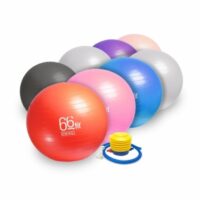
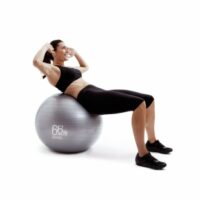
These exercise balls are commonly used by our physiotherapists to improve strength, balance, posture, and home exercise programs.

View all exercise ball products


Book your appointment - 24/7

Select your preferred PhysioWorks clinic.

Follow Us for Free Tips

For more posture, core and injury-prevention advice, follow us on social media.

Follow PhysioWorks

Get free physiotherapy tips, exercise videos, and recovery advice.

Facebook Instagram YouTube TikTok X (Twitter) Email
You've just added this product to the cart: