Benefits of Using a Ball Chair


Benefits of Using a Ball Chair


Article by John Miller & Erin Runge


Office worker sitting on an exercise ball at a computer workstation

Ball chair benefits can include more movement, better posture awareness, and a simple way to break up long periods of static sitting. However, a ball chair is not a magic fix for back pain. It usually works best as one option within a broader plan that includes good posture habits, a suitable ergonomic workstation setup, regular movement breaks, and the right exercise program.

If you already have stiffness, back pain, neck pain, or sciatica, a ball chair may help some people but aggravate others. That is why it makes sense to match the chair to your body size, symptoms, and work setup rather than using it all day as a full replacement for a supportive office chair.


Ball Chair Quick Guide

  • May help: posture awareness, active sitting, stiffness from long desk work
  • Works best: in short blocks, with a correct ball size and desk setup
  • Not ideal for: all-day sitting, poor balance, dizziness, recent surgery, severe pain
  • Most useful when combined with: movement breaks, exercise, and good workstation habits

Are ball chairs good for posture and back pain?

A ball chair may improve posture awareness and reduce stiffness for some people because it encourages small movements through the pelvis and trunk. Even so, research findings are mixed, and prolonged sitting on a ball can also increase discomfort or fatigue in some users. Many people do best when they use a ball chair for short periods alongside a supportive desk chair and regular walking breaks.

More recent research supports the broader idea of dynamic sitting and regular postural shifts rather than proving that a ball chair is the best option for every worker. In practice, the biggest benefit often comes from reducing static sitting, changing positions often, and matching your workstation to your body.

What Is a Ball Chair?

A ball chair uses a Swiss exercise ball, Pilates ball, or physio ball as the main sitting surface. Some people use the ball on its own, while others use a framed ball chair with a base, castors, or low back support. Because the surface moves, it can encourage subtle trunk activity and position changes while you work.

That extra movement can be useful if you tend to sit still for long periods. Still, a ball chair should sit alongside sensible workstation setup, regular breaks, and exercises such as back exercises or core exercises for lower back pain, rather than replacing them.


Potential Benefits

  • More movement during desk work: a ball chair allows small changes in position instead of one rigid sitting posture.
  • Posture awareness: many users notice that they slouch less when they first start using a ball chair.
  • Low-level trunk activation: balancing on the ball may increase activity in the muscles that help control the trunk and pelvis.
  • Dual-purpose equipment: one ball can support active sitting, home exercise, and Pilates-based back rehabilitation.


Limits and Cautions

  • Not a stand-alone fix: a ball chair does not reliably solve ongoing pain by itself.
  • Can increase fatigue: prolonged sitting on a ball may overload spinal muscles.
  • Not ideal for everyone: poor balance, dizziness, recent surgery, and severe pain may make a stable chair safer.
  • Desk setup still matters: poor screen or keyboard height can still worsen posture and symptoms.


Even with these possible benefits, a ball chair does not reliably fix ongoing pain on its own. If your symptoms relate to back pain causes and treatment, neck pain, or sciatica, you usually need a broader plan than simply changing chairs.

Who Might Benefit from a Ball Chair?

A ball chair may suit you if you feel stiff during long desk sessions, want a change from static sitting, and can safely balance on the ball with both feet flat on the floor. It can also suit people who already use an exercise ball for mobility, posture, and strength work and want an occasional active sitting option during the day.

Some people use a ball chair well as part of chronic symptom management, especially when they also follow advice for recurrent back pain, desk ergonomics, and exercise progression. The chair tends to work better as a short-burst tool than as an all-day workstation solution.

When Should You Be Cautious Using a Ball Chair?

A ball chair is not ideal for everyone. If you have poor balance, dizziness, recent surgery, severe pain, or a high falls risk, a stable chair is usually the safer option. You may also struggle if your desk height, screen position, or keyboard setup forces you into poor posture no matter what you sit on.

People with acute back pain, significant nerve symptoms, or pain that worsens quickly with sitting should be careful. In these cases, it is often better to address the main issue first and then decide whether a ball chair fits your recovery plan.

How Do You Use a Ball Chair Safely?

The safest way to use a ball chair is to treat it as an occasional active sitting option rather than your only chair. Short, controlled use is usually more helpful than sitting on the ball all day.


1. Choose the Right Size

Your hips should sit slightly higher than your knees when seated in the middle of the ball. For sizing help, see our exercise ball size guide.


2. Set Up Your Desk

Keep elbows around 90 degrees, wrists neutral, and the screen near eye level. See our workplace wellness and ergonomics advice.


3. Start with Short Blocks

Many people do well with 15 to 30 minutes once or twice a day. Increase gradually only if you stay comfortable.


4. Keep Moving

Stand up every 30 to 60 minutes, walk regularly, and mix in mobility or strengthening exercises through the day.


ball chair height should be at least the height of your your thigh when seated.

Ball size matters. The right height helps support better sitting posture and more comfortable active sitting.

People Also Ask About Ball Chairs

Is sitting on a ball chair good for posture?

Sitting on a ball chair may improve posture awareness because it encourages small adjustments through your trunk and pelvis. That can help some people notice when they start to slump. However, it is not a guaranteed posture fix, and it still needs a suitable desk setup, regular movement, and a supportive chair for longer tasks.

Can a ball chair replace my office chair?

No. A ball chair is usually better as one sitting option rather than your only chair. Most people cope better when they alternate between a ball chair, a supportive ergonomic chair, standing, and walking breaks. Full-day ball-chair use can lead to fatigue, discomfort, or reduced concentration.

How long should I sit on a ball chair each day?

A practical starting point is 15 to 30 minutes once or twice a day. From there, increase gradually only if you stay comfortable and your posture remains controlled. If you feel sore, tired, or unstable, reduce the time and return to a more supportive seat.

Does a ball chair help back pain?

A ball chair may help some people feel less stiff because it reduces static sitting and encourages movement. However, it can also aggravate symptoms in others, especially if they already have pain, nerve irritation, or poor workstation setup. It is usually best used as one part of a broader back pain management plan.

What size ball chair should I use?

The right size allows your hips to sit slightly higher than your knees with both feet flat on the floor. That position generally helps you stay upright without excessive strain. If the ball is too small or too large, your posture and comfort can worsen quickly.

Can a ball chair strengthen your core?

A ball chair may increase low-level trunk muscle activity because you need to control your position on a moving surface. Even so, it is not a substitute for a proper strengthening program. You will usually get better results from targeted core, hip, and spinal exercises than from passive sitting alone.

Can a ball chair make back pain worse?

Yes, it can. A ball chair may increase discomfort if you sit on it too long, choose the wrong size, or already have significant back, neck, or nerve pain. If symptoms flare when you use it, switch back to a supportive chair and seek advice before continuing.

Is a ball chair safe for everyone?

No. Ball chairs are less suitable for people with poor balance, dizziness, recent surgery, severe pain, or a higher risk of falling. They can still be useful for some people, but safety and comfort should come first. If you are unsure, ask a physiotherapist before changing your workstation.


Should You Try a Ball Chair?

  • Worth trying: if you want short periods of active sitting and tend to get stiff at your desk
  • Use caution: if you already have neck pain, sciatica, severe back pain, or balance issues
  • Best results: when combined with posture advice, exercise, and regular movement breaks
  • Get help: if symptoms worsen or your workstation still feels uncomfortable

Related Articles

  1. Ergonomics – Improve your workstation so your chair choice supports better posture.
  2. Good Posture – Practical ways to sit, stand, and move more comfortably.
  3. What Exercise Ball Size Should I Use? – Match the ball height to your body and desk setup.
  4. Back Exercises – Mobility and strength exercises that support healthier sitting.
  5. Pilates for Back Pain – A structured approach to trunk control and posture support.
  6. Recurrent Back Pain – Why symptoms keep returning and what to do next.

What to Do Next

If you are thinking about trying a ball chair, start with the correct size, use it in short blocks, and keep a supportive office chair available for longer tasks. Pay attention to how your back, neck, and hips feel rather than assuming the chair is automatically better.

If sitting still is difficult, your posture breaks down quickly, or your pain keeps returning, a physiotherapist can assess your workstation, movement habits, and symptom drivers. That often gives you a better long-term result than changing one piece of equipment in isolation.

Book your appointment – 24/7

Choose your preferred PhysioWorks clinic and book online.

Exercise Ball Products

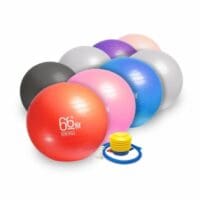
These exercise balls are commonly used by our physiotherapists to improve strength, balance, posture, and home exercise programs.

View all exercise ball products

Follow PhysioWorks

Get free physiotherapy tips, exercise videos, recovery advice, and blog updates.

Facebook Instagram YouTube B X Email PhysioWorks

References

  1. Channak S, Speklé EM, van der Beek AJ, Janwantanakul P. The effectiveness of a dynamic seat cushion in preventing neck and low-back pain among high-risk office workers: a 6-month cluster-randomized controlled trial. Scand J Work Environ Health. 2024;50(7):555-566.
  2. Channak S, Speklé EM, van der Beek AJ, Janwantanakul P. Effectiveness of a dynamic seat cushion on recovery and recurrence of neck and low back pain in office workers: a secondary analysis of a randomized controlled trial. BMC Musculoskelet Disord. 2024;25(1):850.
  3. Kumahara H, Taniguchi T, Aoyagi Y, et al. Comparison of energy metabolism and muscular activity between sitting on a stability ball and office chairs: A pilot study. Physiol Behav. 2025;292:114841.
  4. Elliott TLP, Snow M, Harrington A, Barry C, Maher C, Smeathers JE. The effect of sitting on stability balls on nonspecific lower back pain, disability, and core endurance: a systematic review. J Can Chiropr Assoc. 2016;60(1):14-24.

You've just added this product to the cart: