
FAQs

Frequently Asked Questions


What Are the Best Core Exercises?

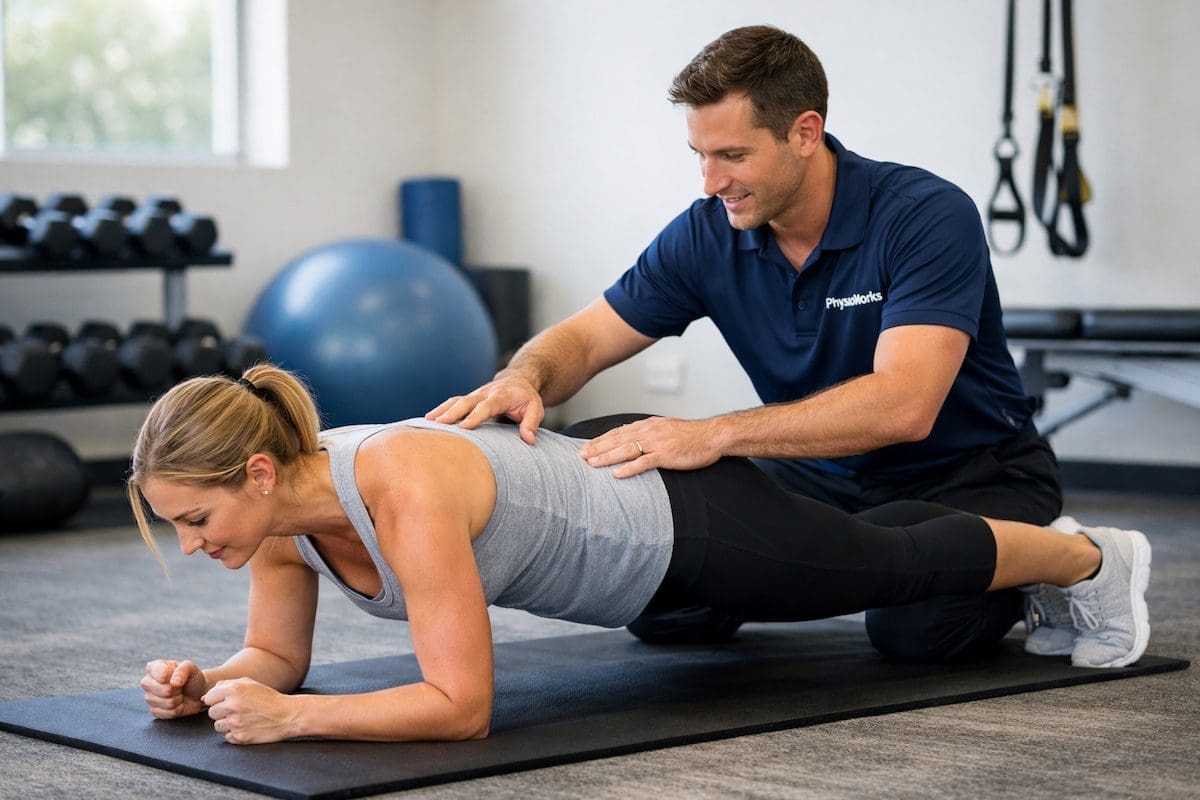
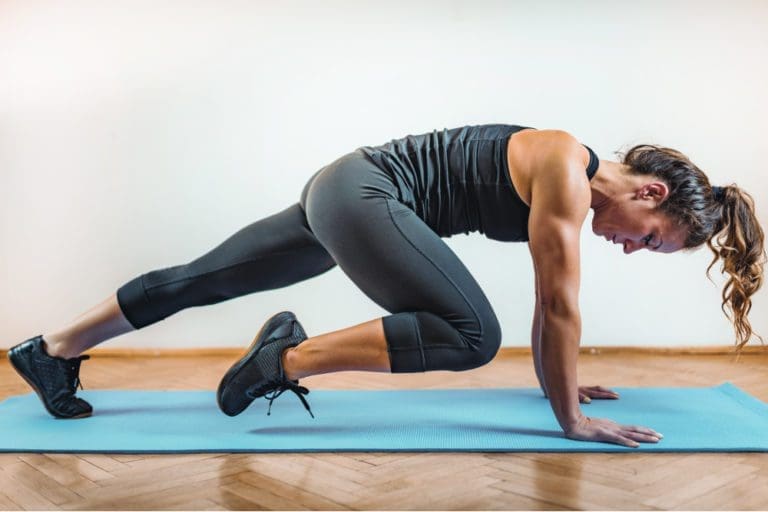
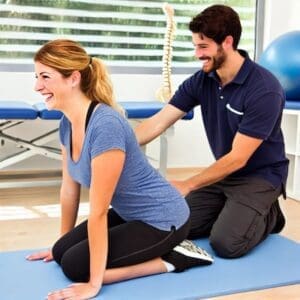
physiotherapist guiding front plank core exercise with correct technique

Front plank with physiotherapy guidance

The best core exercises are the ones that retrain your deep stabilising muscles before you move to harder drills. Good core training may improve spinal support, trunk control, and lower back protection. It also works best when matched to your symptoms, technique, and current strength level rather than copied from a generic fitness program.

If you are looking into this because of poor control, repeated flare-ups, or lower back pain, it helps to begin with accurate muscle retraining instead of advanced abdominal work. Many people do better when guided by a physiotherapist, especially if faulty movement patterns or repeated pain episodes are already present.

Quick Guide

  • Start with deep core activation before harder exercises.
  • Technique matters more than intensity early on.
  • Progress too quickly, and you may overload your spine.
  • A physiotherapist can help match exercises to your pain, control, and goals.

What Are the Best Core Exercises?

The best core exercises usually start with low-load activation of the deep core stability muscles, including the transverse abdominis, multifidus, diaphragm, and pelvic floor. These muscles act like an internal support system for your spine. Once they are working well, you can safely progress to more functional exercises such as bridging, bird dog, side plank progressions, and controlled standing balance work.

Why do deep core muscles matter?

Your deep core muscles help provide segmental support to the spine and assist with trunk control during lifting, walking, running, and sport. When they are not working well, your body often compensates by overusing the outer abdominal muscles, hip flexors, or back extensors. This pattern may contribute to repeated back pain, poor exercise tolerance, and reduced control during activity.

If you want more detail on this system, read the deep core muscles guide. You can also browse the broader back pain hub.

How do you start core exercises safely?

You should start with exercises that teach correct activation rather than fatigue. That often means practising breathing control, abdominal drawing-in, pelvic floor co-contraction, and gentle limb movement while maintaining trunk stability.

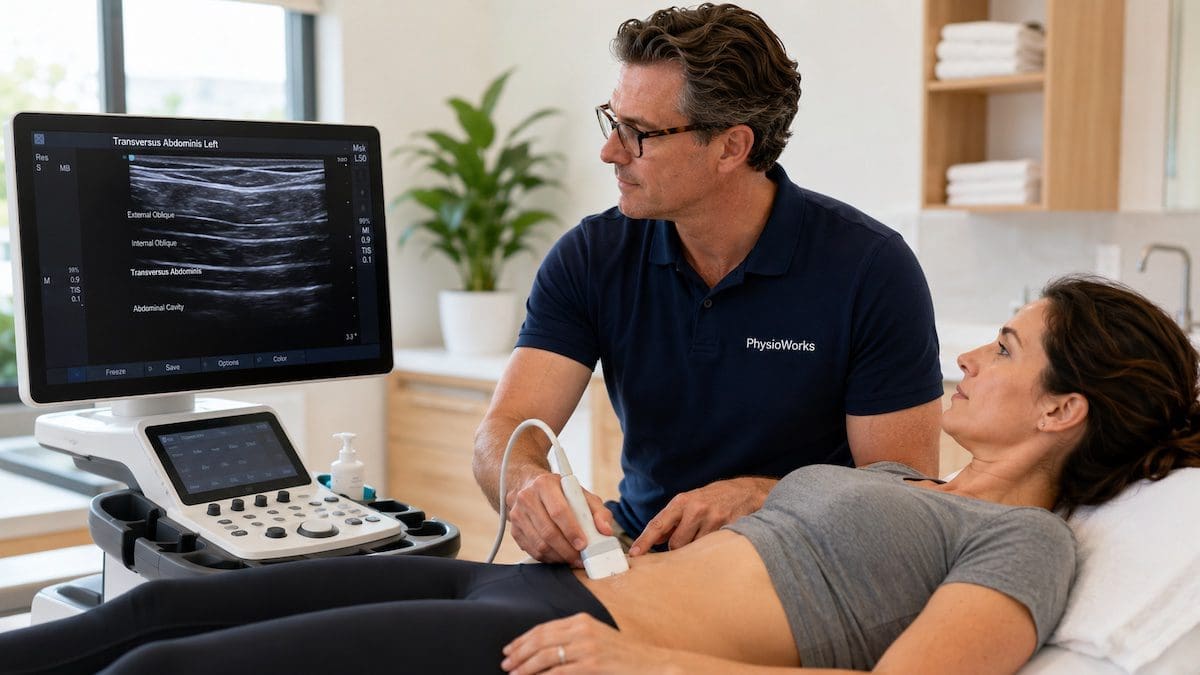
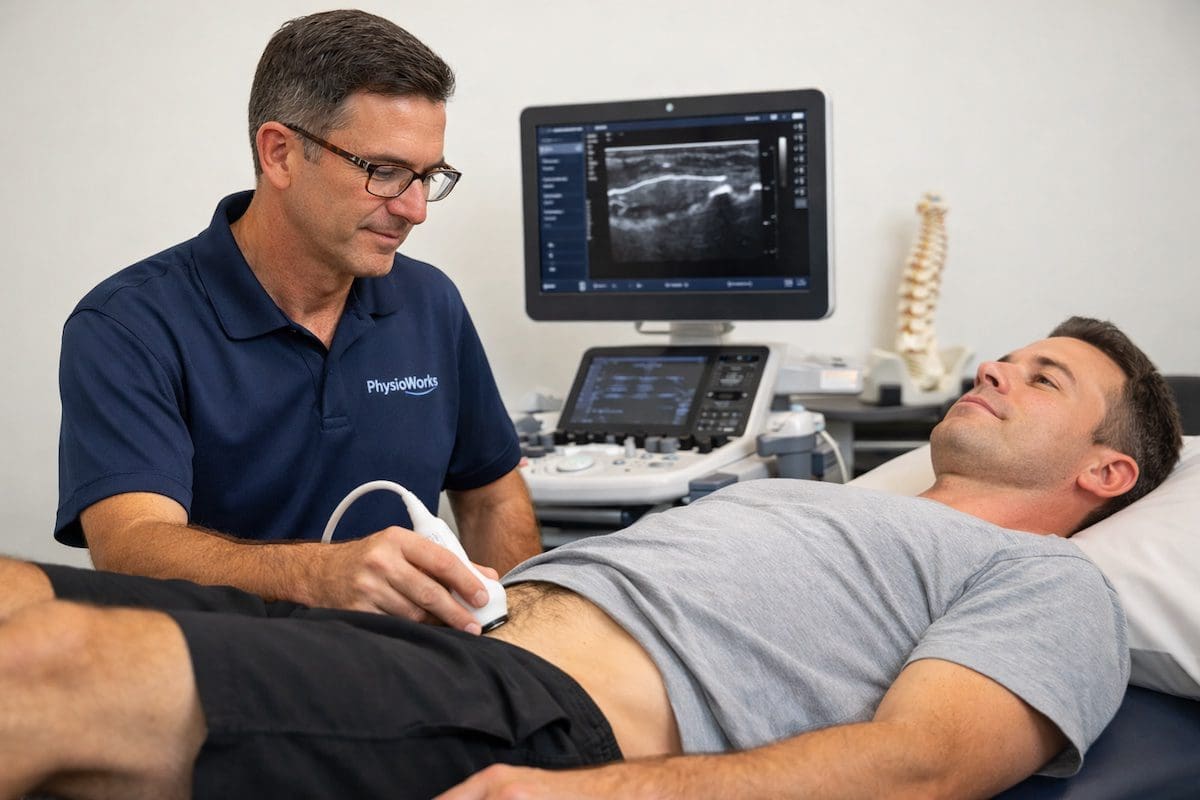
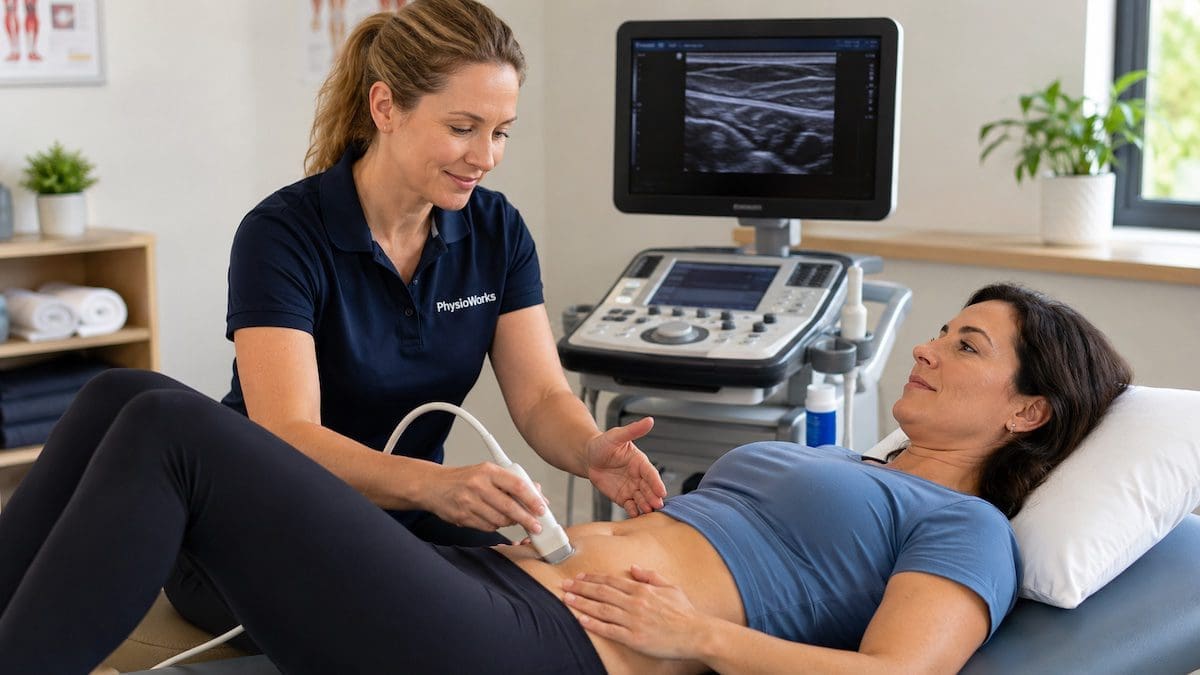
One useful progression tool is real-time ultrasound physiotherapy.

Helpful tip

A core exercise is only useful if you can control your breathing, pelvis, and spine while doing it.

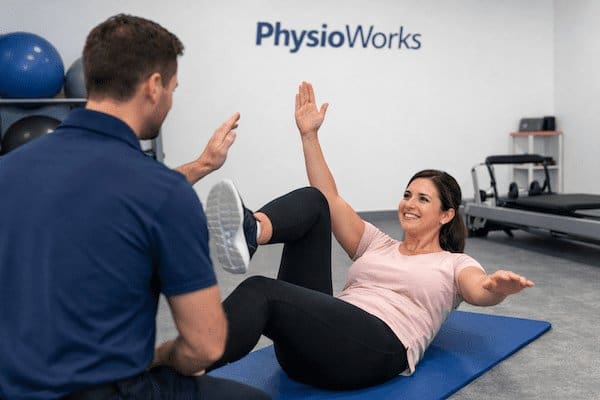
Core stability training dead bug exercise guided by physiotherapist

Dead bug progression with physiotherapy guidance

Best beginner core exercises

  • abdominal bracing
  • pelvic floor activation
  • heel slides
  • bent knee fall-outs
  • dead bug progressions
  • supine marching

What exercises can you progress to next?

Once control improves, you can move to more functional exercises such as bridges, bird dog, and plank variations.

Be careful with these signs

  • pain worsens during or after exercise
  • loss of pelvic control
  • holding your breath
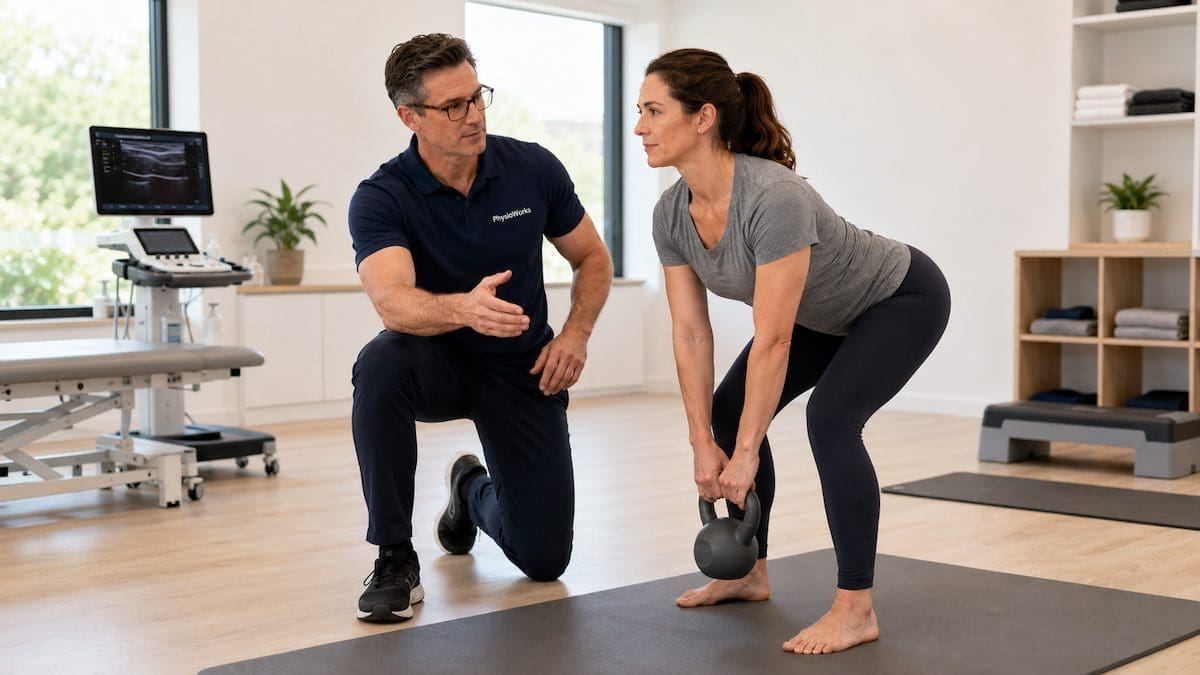
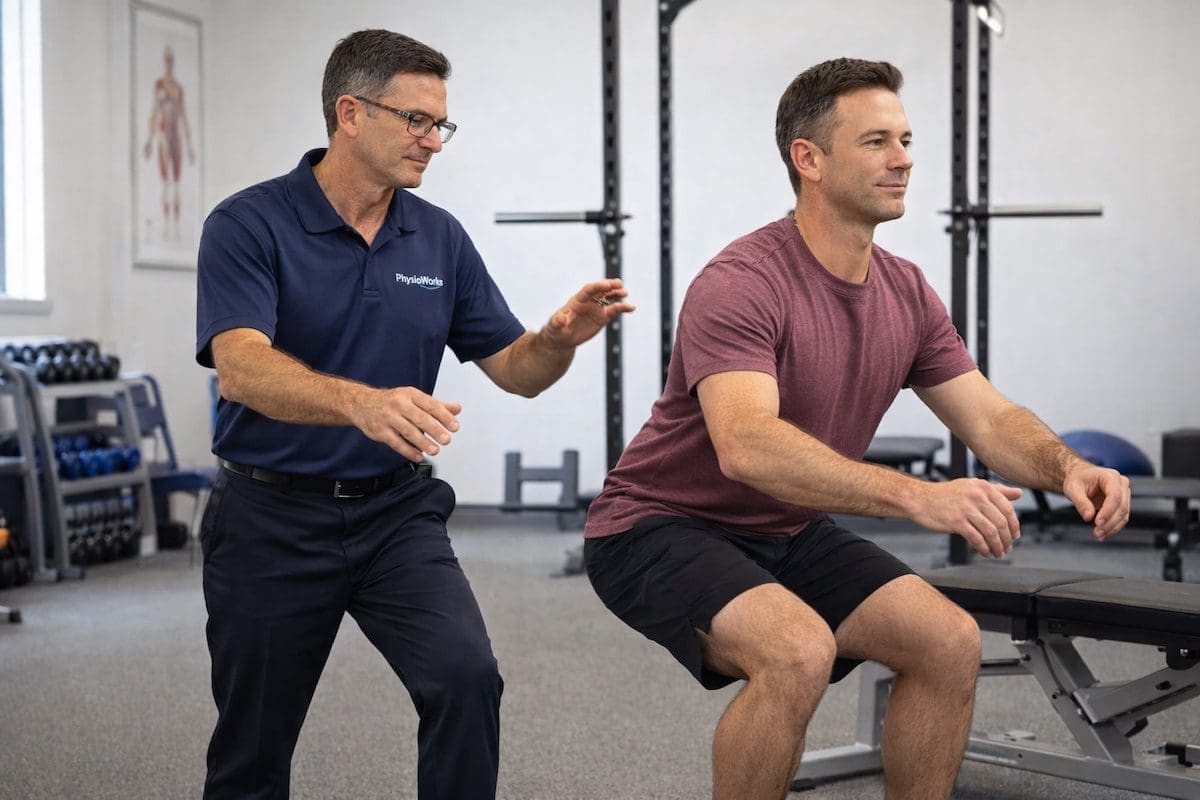
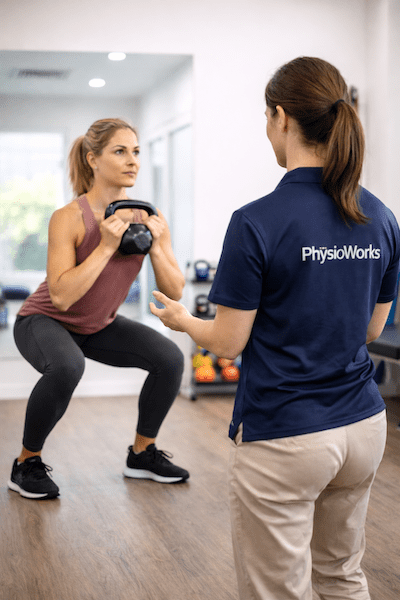
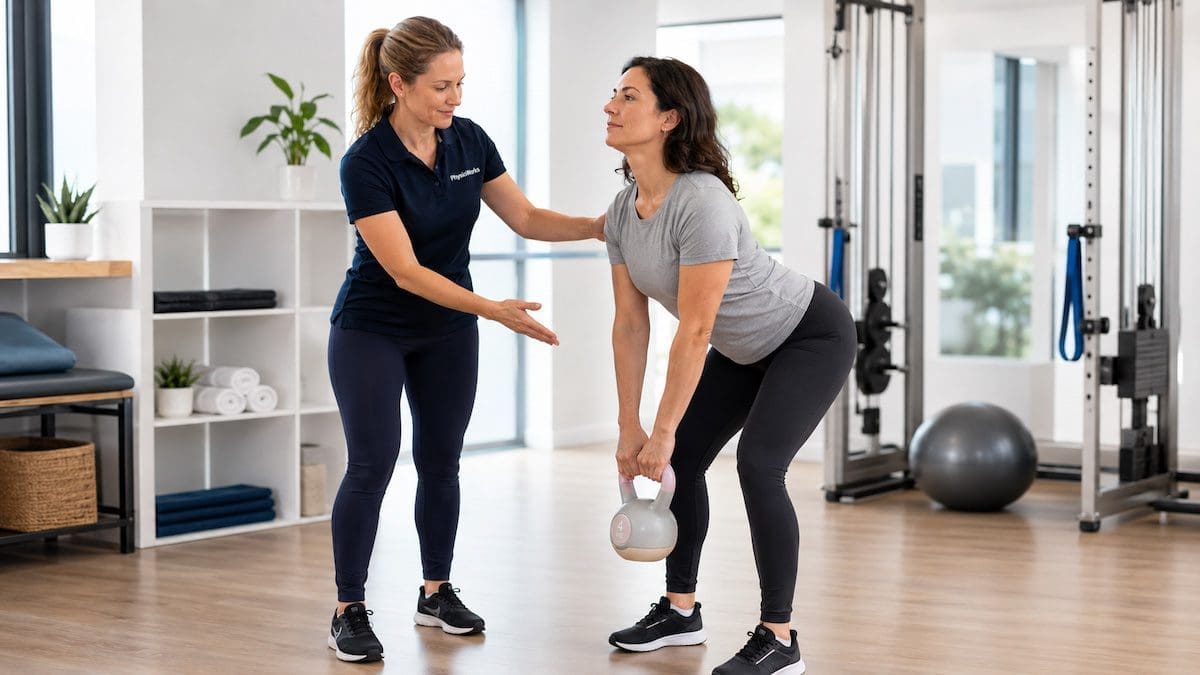
Physiotherapist coaching goblet squat to support safe exercise and body awareness

Functional movement control matters

When should you get help?

If symptoms persist, a physiotherapist can assess and guide your progression.

Core Exercises FAQs

What is the most effective core exercise?

The one that activates deep stabilising muscles correctly.

Are planks good?

Yes, when done with proper alignment and breathing.

How often should you train?

3–5 times per week is typical.

Can it help back pain?

Yes, when matched to the cause.

What to do next

If your core exercises are not helping, have your technique assessed.

Book your appointment – 24/7

Choose your preferred PhysioWorks clinic and book online.

Deep Core Muscles: What They Are and Why They Matter

Physiotherapist guide to core stability, spinal support and safe retraining.

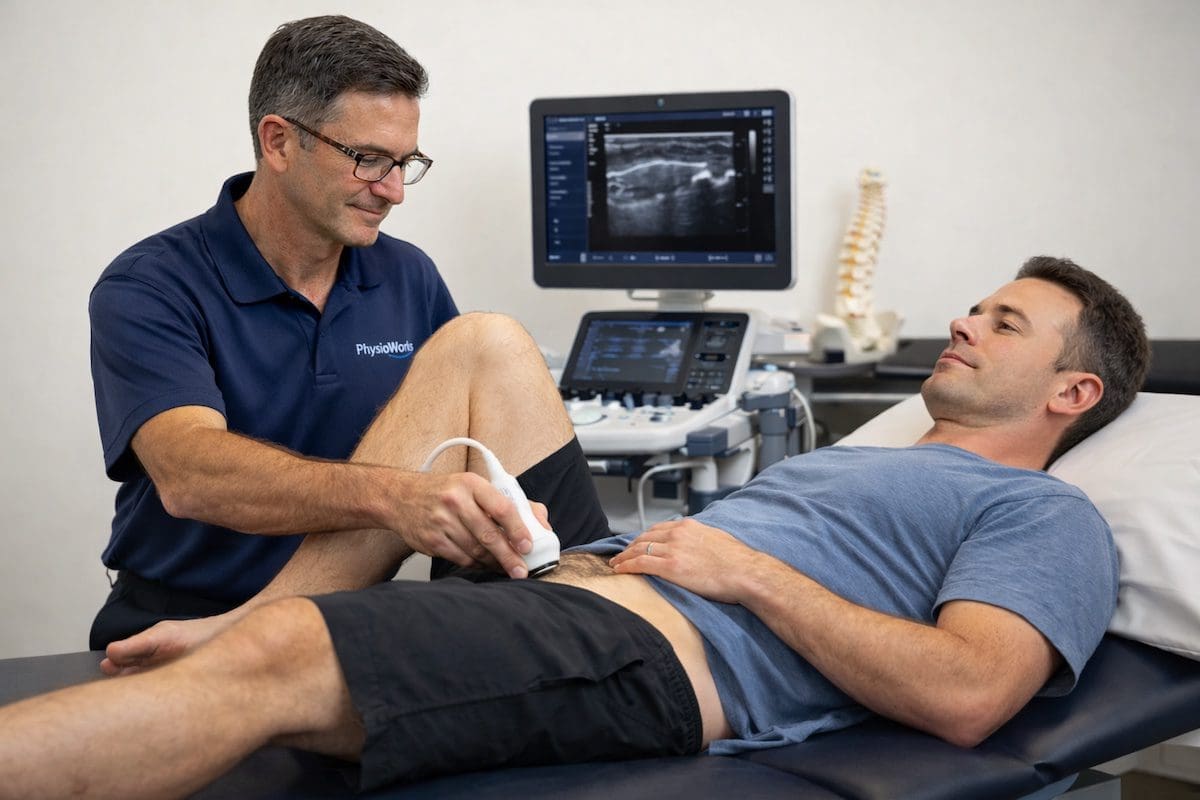
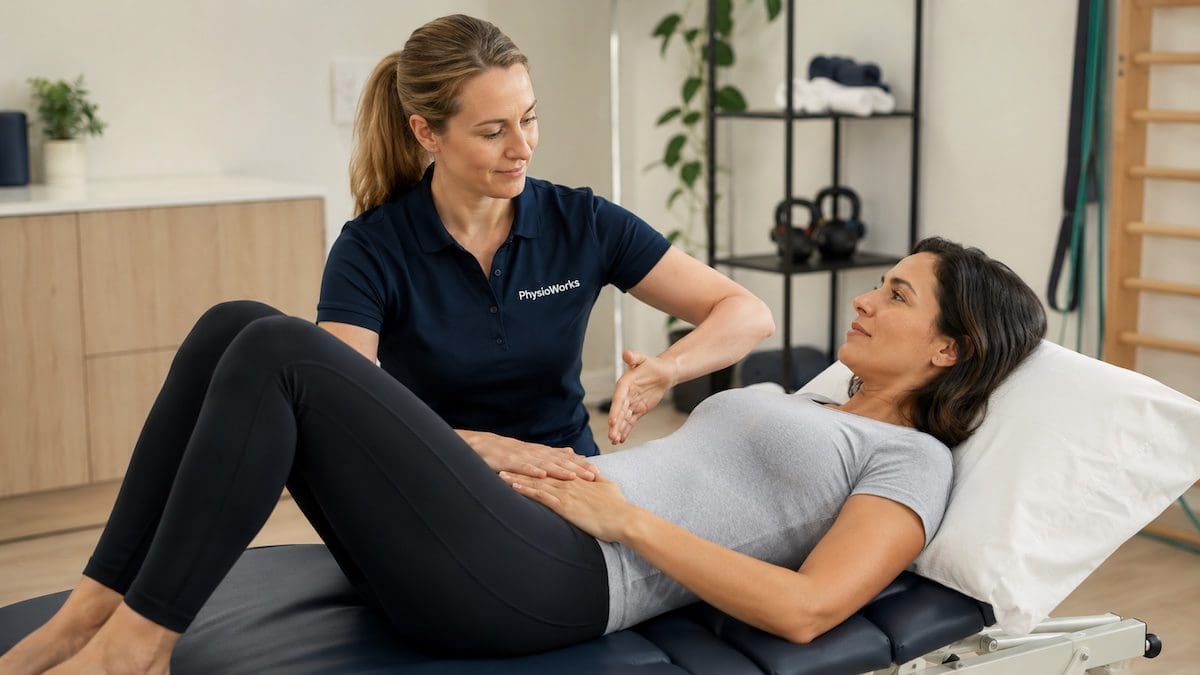
deep core muscles lower abdominal wall assessment supporting lumbar spine control
Assessing deep core muscle control.

Deep Core Muscles and Spinal Health

Deep core muscles help support your spine, pelvis and trunk during everyday movement. They include the transversus abdominis, multifidus, pelvic floor muscles and diaphragm. When these muscles coordinate well, they help you breathe, lift, walk, sit, exercise and recover from back pain with better control.

Many people only think about their spine when back pain starts. However, your deep core muscles can play an important role before pain appears, during rehabilitation, and when returning to sport, gym or physical work. They sit close to the spine and pelvis, creating a stable base for movement.

Quick Summary

  • Key muscles: transversus abdominis, multifidus, pelvic floor and diaphragm.
  • Main role: support spinal control, pressure management and movement efficiency.
  • Common issue: these muscles can become delayed, weak or poorly coordinated after pain, pregnancy, surgery or inactivity.
  • Useful options: physiotherapy assessment, core stability exercises, Pilates and real-time ultrasound retraining.

What Are Deep Core Muscles?

Deep core muscles are the deeper stabilising muscles of your trunk and pelvis. They include the transversus abdominis, multifidus and pelvic floor muscles. The diaphragm also contributes by helping manage breathing and pressure inside the trunk.

When these muscles work well, they support spinal alignment, share load through the trunk and help reduce strain on sensitive joints, discs and nerves. They also help your body prepare for movement before your arms or legs move.

Understanding Deep Core Stability Muscles

The Vital Trio: Transversus Abdominis, Multifidus and Pelvic Floor

Deep within the lower trunk, several muscles work constantly to support your body. These deep core stability muscles work with the more superficial trunk muscles and form the base for many core stability exercises used in physiotherapy programmes.

Transversus Abdominis

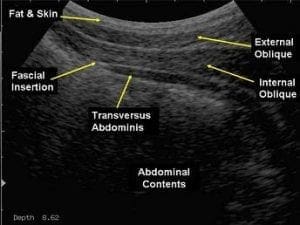
The transversus abdominis is often described as the body’s natural corset. It wraps around the abdomen from the spine to the front of the pelvis. Its horizontal fibre direction means it can tighten like a belt.

When it contracts, the transversus abdominis gently compresses the abdomen and helps stabilise the pelvis and lower back before your arms or legs move. This feed-forward action is important for posture, balance, lifting and sport. Good activation of this muscle may help people with low back pain improve trunk control.

Multifidus Muscle

The multifidus is a series of short, deep muscles running along the spine from the sacrum to the neck. Each small segment attaches between neighbouring vertebrae.

These muscles provide fine control at each spinal level. They make constant, subtle adjustments as you change position, breathe, twist or bend. This helps spread load evenly through the spine and reduces local overload.

After an episode of back pain, the multifidus often becomes smaller or slower to activate. Without specific retraining, it may not automatically return to normal. That is one reason why some people continue to feel unstable or vulnerable in their back even after their pain settles.

Pelvic Floor Muscles

The pelvic floor muscles form a supportive sling across the base of the pelvis. They support the bladder, bowel and reproductive organs and help control continence.

These muscles work together with the transversus abdominis and multifidus. When they co-contract, they assist with spinal and pelvic stability, especially during tasks that increase intra-abdominal pressure such as lifting, coughing and sneezing.

For women, the pelvic floor plays a key role during pregnancy, childbirth and recovery afterwards. Poor pelvic floor function can contribute to incontinence, pelvic organ prolapse and feelings of instability through the lower back and pelvis. Gentle, targeted training is often a useful part of a broader physiotherapy plan.

How Do Deep Core Muscles Support Spinal Health?

Deep core muscles rarely work in isolation. In healthy movement, the transversus abdominis, multifidus, pelvic floor and diaphragm activate in a coordinated way with the larger abdominal and back muscles. Together they form a dynamic cylinder of support around the spine.

This system may help:

  • maintain neutral spinal alignment
  • share load between joints, discs and muscles
  • assist breathing and pressure control
  • support posture during sitting, standing and walking
  • improve trunk control during lifting, sport and gym training

When any part of this system is weak, delayed or poorly coordinated, you may notice stiffness, fatigue, recurrent back pain or a sense that your back “gives way” with certain tasks.

How Physiotherapists Assess Deep Core Muscles

A physiotherapist will usually start with a detailed history and movement assessment. They may look at posture, breathing patterns, balance and how your spine moves during everyday tasks such as bending, lifting or stepping.

Palpation, cueing and simple activation tests help identify whether the transversus abdominis, multifidus and pelvic floor are switching on at the right time and at an appropriate level. Your physiotherapist may also check hip strength, flexibility and leg alignment to understand the bigger picture.

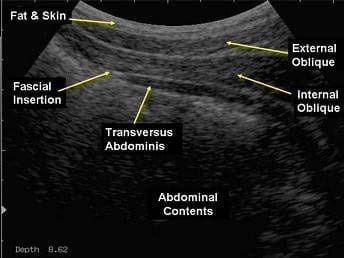
deep core muscles ultrasound retraining showing transversus abdominis activation
Ultrasound feedback for core activation.

The Role of Real-Time Ultrasound Retraining

Real-time ultrasound retraining allows you and your physiotherapist to see these deep muscles working on a screen. Ultrasound imaging provides live feedback about timing and quality of contraction.

This can help you:

  • learn how to gently activate the correct muscles
  • avoid over-bracing or breath-holding
  • see whether the transversus abdominis, multifidus or pelvic floor is working as intended
  • progress from low-load positions to functional tasks with confidence

Core Stability Exercises for a Stronger Back

Simple Yet Effective Routines

Core stability programmes usually start with low-load exercises that focus on awareness and control. Over time, they progress to more challenging positions and functional movements such as squats, lunges and lifting tasks.

Common exercises include:

  • gentle transversus abdominis activation in lying or sitting
  • pelvic tilts and bridging
  • four-point kneeling stability exercises
  • side planks and front planks, adjusted to your level
  • Pilates-based mat or equipment work
  • light lifting retraining once control improves

Your physiotherapist can show you how to combine these with flexibility work and general strengthening to suit your goals, job and sport.

The Pilates Connection

A Fusion of Core Stability and Movement

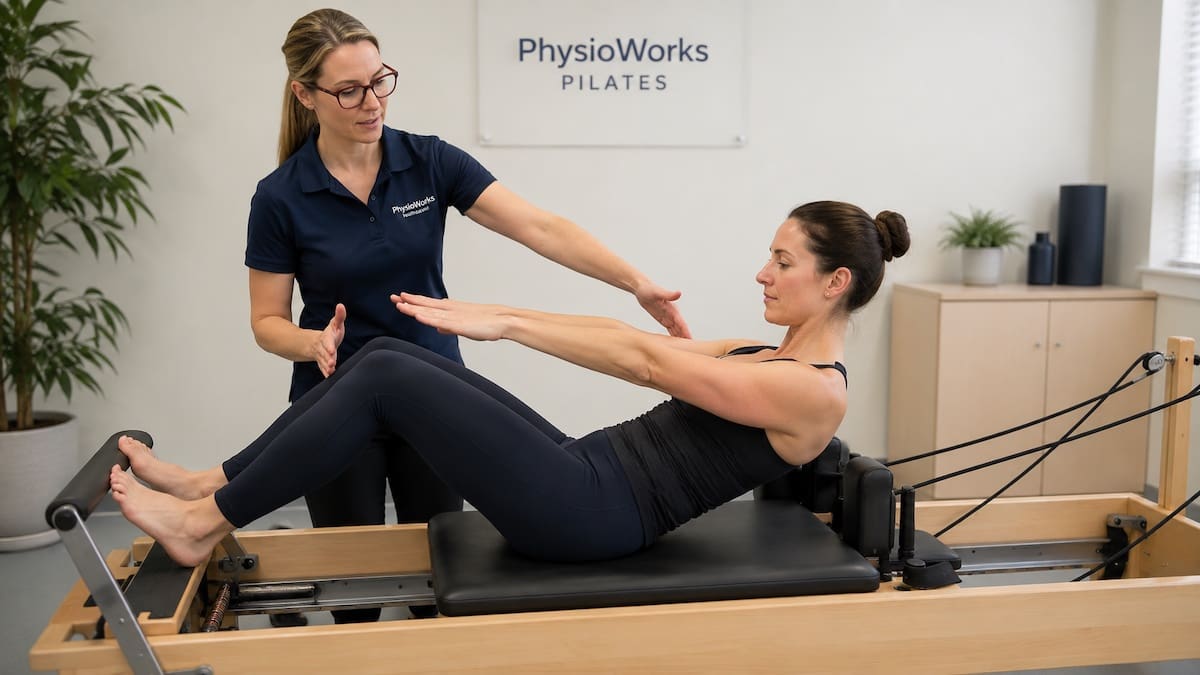
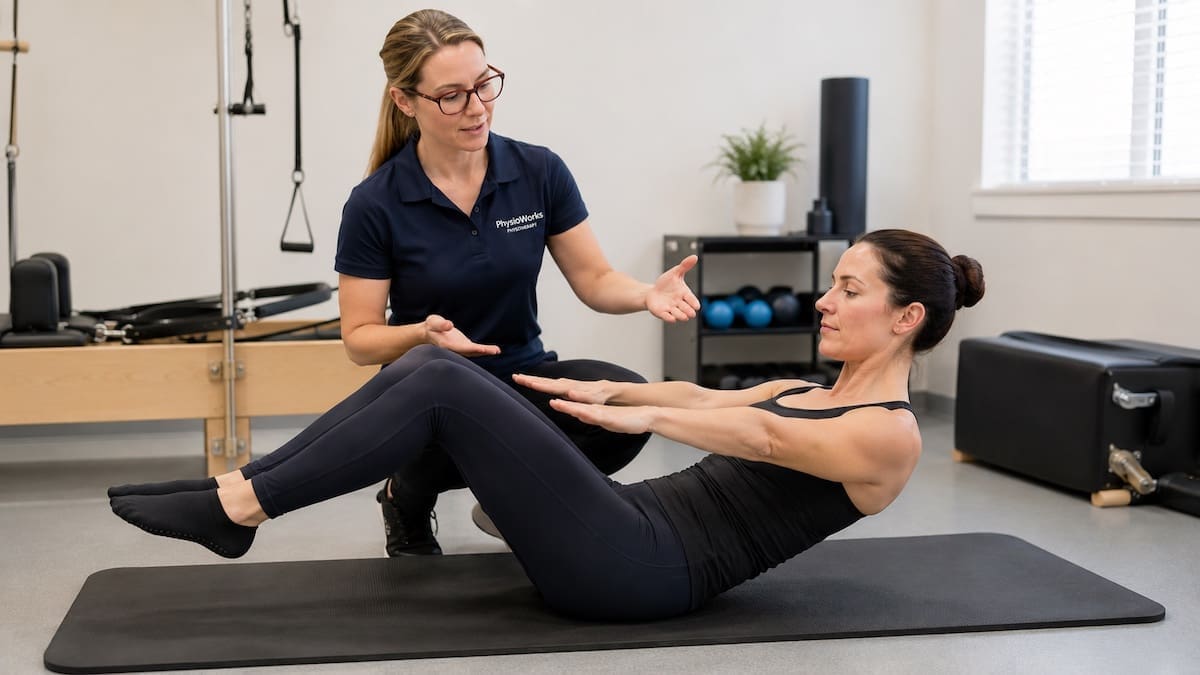
Pilates is a movement approach that focuses on control, alignment and breathing. It fits well with core strength and core stability training principles used in physiotherapy.

Pilates can:

  • improve awareness of spinal position
  • support deep core activation during whole-body movements
  • build strength and endurance in a low-impact way
  • help manage and prevent back pain when integrated into a broader programme

Measuring Your Core Stability

Understanding Your Core Stability Score

Your core stability score reflects how well your deep and superficial trunk muscles work together. Physiotherapists may use endurance holds, balance tasks, movement control tests and, where appropriate, ultrasound imaging to create a starting point.

Retesting at regular intervals helps track progress and fine-tune your exercises. Many people find that improvements in core stability link with better confidence, fewer flare-ups and easier daily tasks.

Addressing Core Stability Deficiencies

Causes and Solutions

A lack of core stability can develop for many reasons. These include previous back or pelvic injuries, pregnancy and childbirth, surgery, prolonged sitting, deconditioning or pain-related muscle inhibition.

A personalised physiotherapy plan may include:

  • education about posture and movement habits
  • graded core stability and strengthening exercises
  • breathing retraining and relaxation strategies
  • activity modification or workplace changes
  • advice about returning to sport, gym or work safely

If you notice recurrent back pain, a feeling of “giving way”, pelvic floor symptoms or difficulty activating your deep core muscles, a physiotherapy assessment is a sensible next step.

When Should You Book a Physiotherapy Assessment?

You may benefit from a physiotherapy assessment if your back pain keeps returning, your trunk control feels poor, or you are unsure how to start core training safely.

Assessment is also useful if you have pelvic floor symptoms, postnatal concerns, recent surgery, sport goals, or difficulty progressing gym exercises without flare-ups.

deep core muscles hip hinge retraining for lumbar spine control
Progressing core control into lifting.

What to Do Next

If you want to improve your deep core muscles, start with a clear assessment. Your physiotherapist can check how your trunk, pelvis, hips and breathing pattern work together, then guide a programme that matches your body and goals.

For many people, the best plan combines education, graded core stability exercises, movement retraining and regular progressions. Some people also benefit from real-time ultrasound feedback to improve activation accuracy.

Book your appointment – 24/7

Choose your preferred PhysioWorks clinic and book online.

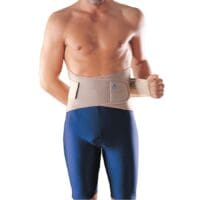
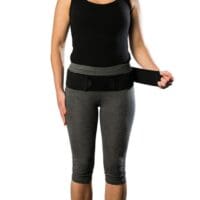
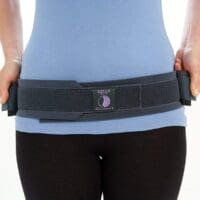
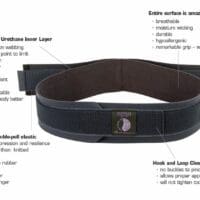
Back Support Products

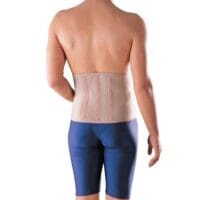
These back support products are commonly used by our physiotherapists to help reduce back pain, improve comfort, and support your recovery at home.

View all back support products

Deep Core Muscles FAQ

What are the deep core muscles?

Deep core muscles include the transversus abdominis, multifidus, pelvic floor muscles and diaphragm. They sit close to the spine and pelvis and help control movement, breathing pressure and spinal stability.

How do deep core muscles help back pain?

Deep core muscles help stabilise the spine, support posture and share load through the trunk. This may reduce stress on irritated joints, discs and nerves in people with back pain.

How can I strengthen my deep core muscles?

Gentle activation work can progress to bridging, four-point kneeling, side planks, front planks, Pilates and light lifting retraining. Guidance from a physiotherapist helps match the exercise to your symptoms and goals.

What are signs of weak deep core muscles?

Signs can include recurrent back pain, poor trunk control, fatigue with sitting or standing, breath-holding during exercise, difficulty lifting confidently, or a feeling that your back may “give way”.

Can Pilates help deep core muscles?

Pilates may help improve body awareness, breathing control, spinal alignment and deep core activation. It works best when the programme is matched to your current ability and progressed gradually.

What is real-time ultrasound core training?

Real-time ultrasound retraining uses imaging to show your deep core muscles on a screen. This feedback can help you see when you are activating the right muscles and adjust in real time.

Should I brace hard when doing core exercises?

Not always. Many deep core exercises start with gentle activation, relaxed breathing and controlled movement. Over-bracing or breath-holding can increase pressure and may reduce exercise quality.

When should I see a physiotherapist for core stability?

Consider seeing a physiotherapist if back pain keeps returning, your exercises flare symptoms, you have pelvic floor concerns, or you are unsure how to safely return to lifting, sport or gym training.

Related Articles

Core Stability

Back Pain and Exercise

Pelvic Floor, Pilates and Ultrasound

Follow PhysioWorks

Get free physiotherapy tips, exercise videos, recovery advice, and blog updates.

Facebook Instagram YouTube B X Email PhysioWorks

What’s the Link Between Pilates and Core Stability?

Article by John Miller & Erin Runge

Pilates and core stability are closely linked because Pilates aims to improve trunk control, breathing, posture, and movement quality. For many people, that can support better spinal control and help manage some types of lower back pain. However, not every Pilates exercise suits every back, pelvis, or injury presentation.

If you are unsure whether Pilates is right for you, it helps to first understand how core stability works and whether your deep trunk muscles are coordinating well enough for the exercises you want to do.

How Are Pilates and Core Stability Linked?

Joseph Pilates promoted the idea of building a strong, controlled centre through posture, breathing, and precise movement. Modern physiotherapy uses the term core stability to describe how the deep and superficial trunk muscles work together to support your spine, pelvis, and ribcage during movement.

That means Pilates and core stability are not exactly the same thing, but they overlap. Pilates uses movement patterns that often challenge trunk control, while core stability training focuses more specifically on how and when the muscles switch on. You may also find our guides to deep core muscles and core stability training useful.

Can Pilates Improve Core Stability?

Yes, Pilates may help improve core stability for many people. Research suggests Pilates can reduce pain and disability in some people with chronic low back pain, but it is not clearly superior to every other exercise approach. The best option usually depends on your symptoms, goals, movement pattern, and exercise tolerance.

In practice, Pilates tends to work best when the exercises match your current control, strength, flexibility, and pain level. That is why some people do very well with Pilates, while others need a more individual starting point before progressing into group classes or harder routines.

Why Doesn’t Pilates Suit Everyone?

Pilates, yoga, gym work, and many strengthening programs all place demand on the trunk. If your deep core muscles are switching on late, overworking, or not coordinating well with breathing and hip control, harder exercises can aggravate symptoms rather than settle them.

For example, some people with recurring back pain compensate by bracing too hard through the superficial abdominal muscles instead of developing a better-timed, more efficient trunk pattern. Others simply progress too quickly. If that sounds familiar, a page on core stability exercises can help explain how early-stage progressions differ from advanced exercise.

What Causes Problems with Core Stability?

Core stability problems can develop after pain, injury, surgery, pregnancy, deconditioning, heavy physical work, prolonged sitting, or repeated flare-ups. In some people, the issue is not pure weakness. Instead, the main problem is timing, coordination, endurance, breathing pattern, or the way the trunk responds to limb movement.

Earlier research found delayed activation of the transversus abdominis in people with low back pain, which helped shape the modern discussion around motor control and deep trunk function. More recent reviews suggest Pilates can be helpful, but exercise choice still needs to suit the individual rather than follow a one-size-fits-all formula.

How Do You Know if It’s a Core Stability Problem?

You cannot reliably tell from symptoms alone. A physiotherapist may assess your posture, breathing, trunk control, hip function, spinal movement, endurance, and how your body manages load during daily activities, work tasks, sport, or exercise. Some people who think they need more “core strength” actually need better movement control, pacing, or technique.

If you want a deeper explanation, our pages on back pain treatment and back pain FAQs explain why the right diagnosis and exercise progression matter more than simply pushing harder.

Does Real-Time Ultrasound Help?

For some people, yes. Real-time ultrasound retraining may help a physiotherapist assess and teach isolated deep muscle activation, especially when someone struggles to feel or coordinate the right contraction. It can be a useful feedback tool, but it still needs to sit within a broader rehabilitation plan.

Healthdirect also provides a general overview of physiotherapy and how tailored assessment can guide exercise-based care.

What Should You Expect from Core Stability Training?

Early core stability work is often slower and more specific than people expect. You may begin with breathing control, posture awareness, low-load trunk activation, and simple movement drills before progressing to harder Pilates, gym, or sport-specific exercises. The goal is not just to make your abdominal muscles work harder. The goal is to improve control, timing, endurance, and confidence.

Once your foundation is better, Pilates can become a very useful part of long-term strength, mobility, and back care. However, if you load too far beyond your current control, your symptoms may flare. That is why exercise progression matters.

Common Reasons People Explore Pilates for Core Stability

  • recurrent lower back pain
  • poor trunk control during exercise
  • difficulty returning to gym or sport
  • postural fatigue with sitting or lifting
  • a feeling of weakness, stiffness, or instability through the trunk

Frequently Asked Questions

Is Pilates good for lower back pain?

Pilates may help some people with lower back pain, especially when the exercises are matched to their symptoms and ability. It is not ideal for everyone, particularly if certain movements flare pain or if trunk control needs more individual retraining first.

Is core stability the same as Pilates?

No. Core stability describes how the trunk muscles support and control movement, while Pilates is an exercise method that often trains some of those qualities. Pilates can support core stability, but the two terms are not interchangeable.

Can Pilates make back pain worse?

Yes, it can if the exercise level is too advanced, the technique is poor, or the program does not suit your diagnosis. Pain that worsens during or after class is a sign the program may need modification.

Do I need an assessment before starting Pilates?

If you have recurring back pain, recent injury, pelvic pain, or difficulty controlling movement, an assessment is sensible. It helps identify whether Pilates is appropriate now or whether you need a different starting point first.

What if I cannot feel my deep core muscles working?

That is common. Many people need cues, visual feedback, or guided exercise progressions before they can isolate and coordinate deep trunk muscles effectively.

What to Do Next

If you are considering Pilates for back pain, pelvic stability, or trunk control, start with the right diagnosis and the right exercise level. A physiotherapist can help you work out whether you need motor control retraining, graded strengthening, movement correction, or a safer pathway back into Pilates.

The right program should match your body, your goals, and your current tolerance. Done well, Pilates can be part of a very useful long-term strategy. Done too early or too aggressively, it may simply overload the wrong system.

Book your appointment – 24/7

Choose your preferred PhysioWorks clinic and book online.

Back Support Products

These back support products are commonly used by our physiotherapists to help reduce back pain, improve comfort, and support your recovery at home.

View all back support products

Follow PhysioWorks

Get free physiotherapy tips, exercise videos, recovery advice, and blog updates.

Facebook Instagram YouTube B X Email PhysioWorks

What Causes Lower Back Pain?

Man clutching her lower back due to pain.

Lower back pain is one of the most common reasons people seek help. It can develop from muscles, joints, discs, ligaments, nerves, or more serious spinal conditions. This page explains the common causes of lower back pain, when symptoms may suggest related problems such as sciatica, and how related conditions such as a bulging disc may contribute.

What Causes Lower Back Pain?

Lower back pain usually happens when the tissues in your lumbar spine become irritated, overloaded, strained, or compressed. In many cases, symptoms relate to non-specific lower back pain, where pain is real but no single structure can be confirmed. In other cases, symptoms may come from a disc, spinal joint, nerve irritation, fracture, infection, or another specific condition.

Common patterns include:

  • local pain in the lower back
  • pain after lifting, bending, twisting, or prolonged sitting
  • stiffness first thing in the morning or after rest
  • pain spreading into the buttock or leg
  • difficulty standing upright, walking, or changing position

How Is Lower Back Pain Categorised?

Clinicians usually group lower back pain into three broad categories. This helps guide diagnosis, treatment, and the urgency of further investigation.

  1. Specific spinal pathology: less than 1% of cases. These are less common but more serious causes such as fracture, infection, inflammatory disease, malignancy, or cauda equina syndrome.
  2. Radicular syndrome: about 5% to 10% of cases. This is pain caused by irritation or compression of a spinal nerve, often including leg pain, pins and needles, numbness, or weakness.
  3. Non-specific lower back pain: about 90% to 95% of cases. This is the most common presentation, where pain arises from the back region but no single structure can be identified with confidence.

Common Causes of Lower Back Pain

Non-specific lower back pain is the most common category. It often relates to a combination of movement overload, reduced conditioning, joint irritation, muscle strain, ligament sprain, disc irritation, stress, poor sleep, or prolonged postures. Many people improve with sensible activity, guided manual physiotherapy, and progressive back exercises.

Some people have more specific diagnoses. A bulging disc may irritate nearby nerves. A pulled back muscle can cause local pain after lifting or sport. Degenerative disc disease, lumbar facet joint pain, and sacroiliac joint pain can also contribute to symptoms.

Why Does Lower Back Pain Sometimes Travel Into the Leg?

Lower back pain that spreads into the buttock, thigh, calf, or foot may suggest nerve irritation. This pattern often occurs with sciatica, a pinched nerve, or other radicular syndromes. Symptoms may include sharp pain, burning, tingling, numbness, or weakness. However, not all leg pain comes from a nerve, so assessment still matters.

Who Gets Lower Back Pain?

Lower back pain can affect teenagers, adults, office workers, tradies, parents, athletes, and older adults. Risk often increases with sudden workload changes, repetitive lifting, long periods of sitting, deconditioning, poor sleep, stress, smoking, previous episodes of back pain, and reduced movement confidence. Good habits such as regular exercise and better posture may help reduce flare-ups.

When Should You Worry About Lower Back Pain?

You should seek urgent medical care if lower back pain is linked with bladder or bowel changes, saddle numbness, significant leg weakness, fever, unexplained weight loss, major trauma, or constant night pain. Severe or worsening symptoms can point to conditions that need prompt investigation. For a practical guide, read severe back pain: causes, symptoms, what to do and when.

How Is Lower Back Pain Managed?

Treatment depends on the cause, your symptoms, and how long the pain has been present. Physiotherapy may include education, movement advice, activity modification, hands-on treatment, graded strengthening, mobility work, and a return-to-work or return-to-sport plan. Many people also benefit from learning the best treatment options for back pain and using a structured back pain prevention plan.

Current clinical guidance supports staying active, avoiding unnecessary bed rest, and using exercise-based care for most uncomplicated cases of lower back pain. Healthdirect also provides a helpful overview of back pain and when to seek medical review.

What Does Recent Research Say?

Research consistently shows that lower back pain is a major global health issue and a leading cause of disability. Evidence also supports non-surgical management for many uncomplicated cases, particularly education, exercise, and a personalised rehabilitation plan based on symptoms, function, and activity goals.

FAQs About Lower Back Pain

What are the main causes of lower back pain?

The main causes of lower back pain include non-specific lower back pain, muscle strain, disc irritation, joint irritation, nerve-related pain such as sciatica, and less common but important spinal conditions. In many people, symptoms relate to several factors rather than one single structure.

How is lower back pain treated?

Lower back pain treatment often includes education, physiotherapy, progressive exercise, temporary activity modification, and pain-relief strategies. Treatment should match the cause, severity, and duration of symptoms. A physiotherapist may also screen for signs that suggest imaging or medical referral is needed.

Can lower back pain be prevented?

Many episodes can be reduced by staying active, building trunk and hip strength, improving lifting habits, varying posture, pacing physical loads, and addressing recovery factors such as sleep and stress. Prevention does not always stop pain completely, but it can reduce the risk of repeated flare-ups.

When should I see a doctor or physiotherapist for lower back pain?

You should seek assessment if pain is severe, lasts longer than expected, keeps returning, travels into the leg, or limits your work, sleep, walking, or usual activity. Seek urgent medical care for bladder or bowel changes, saddle numbness, fever, unexplained weight loss, or major weakness.

How long does lower back pain take to settle?

Many simple episodes improve within a few days to a few weeks, especially when you stay active and use appropriate guidance. Recovery can take longer when pain is persistent, recurrent, nerve-related, or linked to a specific spinal condition. Early assessment can help direct the right plan.

What to Do Next

If your lower back pain is not settling, keeps returning, or is affecting your daily life, book an assessment with your physiotherapist or doctor. Early guidance can help clarify the likely cause, rule out important warning signs, and start a treatment plan that matches your symptoms and goals.

Book your appointment – 24/7

Choose your preferred PhysioWorks clinic and book online.

Back Support Products

These back support products are commonly used by our physiotherapists to help reduce back pain, improve comfort, and support your recovery at home.

View all back support products

Follow PhysioWorks

Get free physiotherapy tips, exercise videos, recovery advice, and blog updates.

Facebook Instagram YouTube B X Email PhysioWorks

References

  1. Maher C, Underwood M, Buchbinder R. Non-specific low back pain. Lancet. 2017;389(10070):736-747. doi:10.1016/S0140-6736(16)30970-9
  2. Hoy D, March L, Brooks P, et al. The global burden of low back pain: estimates from the Global Burden of Disease 2010 study. Ann Rheum Dis. 2014;73(6):968-974. doi:10.1136/annrheumdis-2013-204428
  3. Qaseem A, Wilt TJ, McLean RM, Forciea MA. Noninvasive treatments for acute, subacute, and chronic low back pain: a clinical practice guideline from the American College of Physicians. Ann Intern Med. 2017;166(7):514-530. doi:10.7326/M16-2367

Back Pain Prevention

Back Pain Prevention Tips

Back pain prevention starts with simple daily habits. Good posture, regular movement, sensible lifting, better workstation setup, and the right exercise plan can all help reduce your risk of flare-ups. For a broader overview of symptoms, causes, and related conditions, start with our back pain hub.

Many people sit too long, move too little, or overload their back during work, sport, parenting, or long drives. Over time, those repeated stresses can build up. The good news is that small changes often make a real difference, especially when you combine movement, strength, and smarter day-to-day habits.

Why Is Back Pain Prevention Important?

Preventing back pain matters because recurring back pain can affect work, sleep, exercise, driving, and everyday comfort. It can also lead to reduced activity, stiffness, and loss of confidence with bending, lifting, or returning to exercise. Good prevention habits aim to keep your spine moving well and your body more resilient to load.

How Can You Improve Back Pain Prevention Each Day?

The best back pain prevention plan is practical and repeatable. Aim to move often, build strength gradually, and reduce long periods of static posture. The sections below cover the main areas worth improving.

1. Improve Your Posture

Poor posture alone does not explain every episode of back pain, but long periods in one position can increase strain. Try the simple cue of “grow tall”: gently lift your chest, relax your shoulders, keep your chin level, and avoid slumping for long periods. This can help during sitting, standing, desk work, and walking. Read more in our posture improvement tips.

2. Break Up Prolonged Sitting

Your back usually tolerates movement better than stillness. If you sit for work, study, or driving, stand up every 30 to 45 minutes. Walk briefly, stretch, or reset your posture. For many people, this is one of the easiest ways to improve back pain prevention without changing much else.

3. Use Safer Lifting Technique

When lifting, keep the object close to your body, bend through your hips and knees, and avoid twisting while carrying load. Spread your feet for balance and use your legs and gluteal muscles to help generate force. If lifting is a regular part of your work, a physiotherapist may also review your technique and overall load tolerance.

4. Set Up Your Workstation Properly

Desk setup can influence how your back feels through the day. Adjust your chair so your lower back is supported, place your screen at a comfortable height, and keep your keyboard and mouse close enough that your shoulders stay relaxed. Our ergonomics page explains this in more detail.

5. Build Strength and Control

Stronger muscles help your back tolerate work, sport, and daily activity. Most people benefit from a mix of trunk strength, hip strength, flexibility, and general conditioning. A tailored program may include back exercises, gym back exercises, and core stability training. If flexibility is limited, these flexibility exercises may also help.

Back pain prevention exercises supervised by a physiotherapist on an exercise mat
A patient performs guided exercises to improve strength, posture, and back control

6. Review Your Mattress and Pillow

Sleep position and support can influence morning stiffness and overnight comfort. If you regularly wake with pain, your mattress or pillow may be part of the problem. Read our guide on finding the best pillow for you and our article on sleeping positions for back and neck health.

7. Think About Driving Posture

Long drives combine sitting, vibration, and limited movement. Sit tall, keep your lower back supported, and stop regularly for short walks on longer trips. You can also browse our lumbar support options if you need extra support in the car.

Who Benefits Most From Back Pain Prevention?

Everyone can benefit, but prevention becomes especially important if you sit for long periods, lift often at work, drive a lot, have had previous back pain, or are returning to exercise after time off. It is also useful for parents, tradies, office workers, runners, and gym-goers who want to reduce repeat flare-ups.

Where Should You Focus On Back Pain Prevention?

Back pain prevention should happen where your back gets loaded most: at your desk, in the car, at the gym, during work tasks, and while sleeping. A good plan looks at your real routine rather than relying on one single exercise or one-off treatment.

When Should You Start Back Pain Prevention?

Start before pain becomes persistent. Prevention works best when it becomes part of your weekly routine rather than something you do only after a flare-up. If you already have symptoms, active management and early advice can still help reduce recurrence. You may also find our guides on what causes back pain and back pain treatment options helpful.

What Else Helps Reduce The Risk Of Back Pain?

Research suggests exercise, and exercise combined with education, can help reduce future low back pain episodes for many people. For a plain-language overview, Healthdirect explains common causes, prevention ideas, and when to seek care for low back pain.

How Do You Know When To Seek Professional Advice?

Seek professional advice if your back pain keeps returning, lasts more than a couple of weeks, limits work or sleep, or includes leg pain, pins and needles, numbness, or weakness. You should also get urgent medical assessment if you develop bladder or bowel changes, saddle numbness, severe trauma-related pain, fever, or unexplained weight loss.

Back Pain Prevention FAQs

  1. What causes back pain most often? Common contributors include muscle strain, joint irritation, prolonged sitting, poor load management, reduced strength, and sudden increases in activity. Sometimes more than one factor is involved, which is why an assessment can help identify the main drivers. See what causes back pain.
  2. What are the best exercises for back pain prevention? The best exercises usually improve strength, control, and tolerance to daily load. Walking, trunk strengthening, hip strengthening, and flexibility work are common starting points. Our back exercises and core stability training guides are useful places to begin.
  3. Does posture really matter for preventing back pain? Yes, but mainly because long static postures can irritate your back over time. Good posture is less about being perfectly upright all day and more about changing position regularly, staying comfortable, and avoiding prolonged slumped sitting. Read our posture FAQs.
  4. Can a mattress or pillow affect back pain? They can. If you wake with stiffness or discomfort, your sleep setup may be contributing. Better support and better sleep position can help some people. Read more about choosing a pillow and sleeping positions.
  5. When should I see a physiotherapist for back pain prevention? It is sensible to see a physiotherapist if you have repeat flare-ups, are unsure which exercises suit you, or want help with lifting, work posture, gym technique, or return-to-activity planning. Early guidance often helps you build a clearer plan and avoid setbacks.

What To Do Next

If you want help with back pain prevention, a physiotherapist can assess your posture, movement, flexibility, strength, work setup, and activity levels, then build a plan that suits your goals. This may include targeted exercise, load management advice, ergonomic changes, and strategies to reduce future flare-ups. You can book a consultation via PhysioWorks online bookings.

Book your appointment – 24/7

Choose your preferred PhysioWorks clinic and book online.

Back Support Products

These back support products are commonly used by our physiotherapists to help reduce back pain, improve comfort, and support your recovery at home.

View all back support products

Follow PhysioWorks

Get free physiotherapy tips, exercise videos, recovery advice, and blog updates.

Facebook Instagram YouTube B X Email PhysioWorks

Related Articles

  1. Back Pain – Explore common back pain causes, symptoms, and related spinal conditions.
  2. Lower Back Pain – Learn more about lumbar pain patterns, red flags, and treatment options.
  3. Posture Improvement Tips – Practical advice for sitting, standing, and moving better through the day.
  4. Ergonomics – Improve your workstation and reduce repeated spinal strain.
  5. Back Exercises – Guided exercises to improve control, strength, and confidence.
  6. Core Stability Training – Build trunk control and support your spine more effectively.
  7. Best Sleeping Positions for Back and Neck Health – Sleep setup tips that may improve overnight comfort.
  8. What Causes Back Pain? – A useful guide to common triggers and contributing factors.

References

  1. Steffens D, Maher CG, Pereira LSM, et al. Prevention of Low Back Pain: A Systematic Review and Meta-analysis. JAMA Internal Medicine. 2016.
  2. de Campos TF, Maher CG, Fuller JT, et al. Prevention strategies to reduce future impact of low back pain: a systematic review and meta-analysis. British Journal of Sports Medicine. 2021.
  3. Shiri R, Coggon D, Falah-Hassani K. Exercise for the Prevention of Low Back Pain: Systematic Review and Meta-analysis of Controlled Trials. American Journal of Epidemiology. 2018.
Article by John Miller & Erin Runge

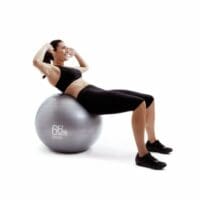
Exercise ball for lower back pain: can it improve core stability?

Exercise ball for lower back pain strategies often focus on improving core stability and movement control. The ball creates an unstable surface, so your body makes small, steady adjustments to stay balanced. Used well, an exercise ball for lower back pain can support posture, trunk control, and confidence with daily movement.

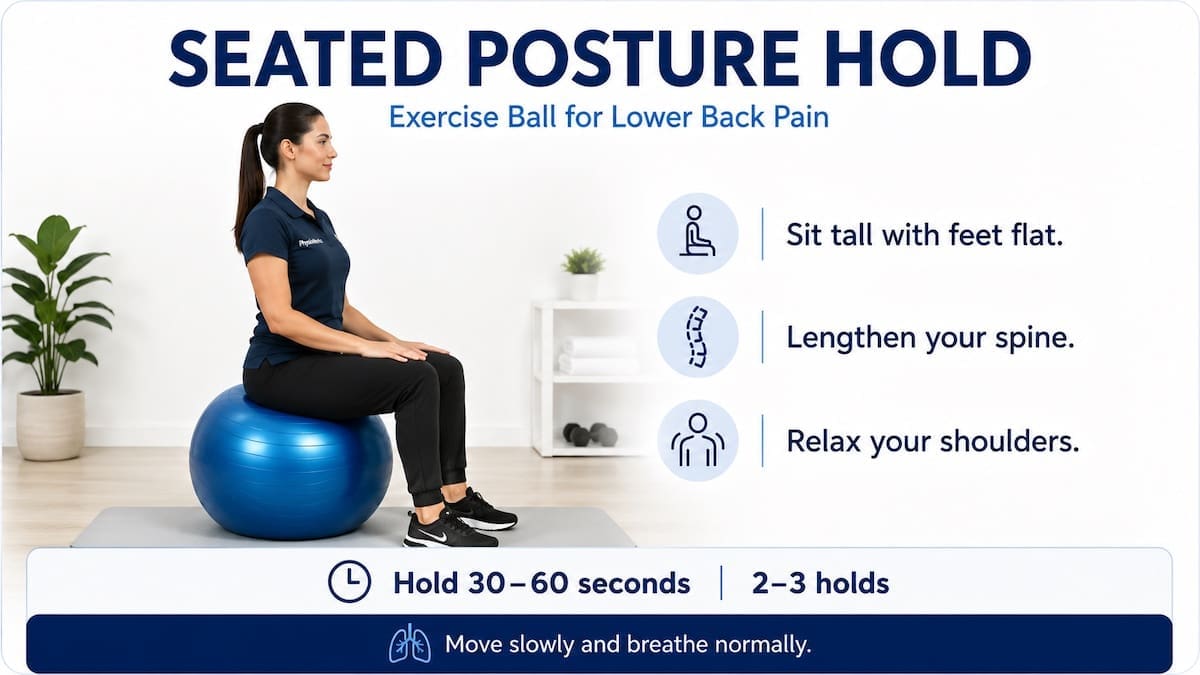
exercise ball for lower back pain core stability exercise

Exercise ball exercises may support core stability and spinal control for lower back pain.

Short answer: exercise ball for lower back pain

Yes. An exercise ball for lower back pain may help by improving core stability and body awareness. It usually works best when combined with a broader strengthening plan, graded activity, and good technique.

If you are unsure about sizing, use:
What exercise ball size should I use?

If you want a general-purpose ball for home programs, you can view:
66fit exercise balls.

Why an exercise ball can support core stability

When you sit, shift weight, or exercise on a ball, your body responds with small balance corrections. These corrections can encourage activation of deeper trunk muscles that support the spine and pelvis. Over time, improved control may reduce “guarding” and help movement feel easier.

How to use an exercise ball without irritating your back

Start small. Many flare-ups happen because people do too much, too soon, or use the ball as a desk chair for long periods. Treat it like training equipment. Keep sessions short, focus on control, and stop if symptoms increase.

  • Begin with 5–10 minutes at a time, then build gradually.
  • Choose simple drills first, such as pelvic tilts or supported balance holds.
  • Keep your ribs down, breathe normally, and avoid bracing hard.
  • Progress slowly after a flare-up and avoid sudden jumps in exercise volume.

Common exercise ball options for lower back pain

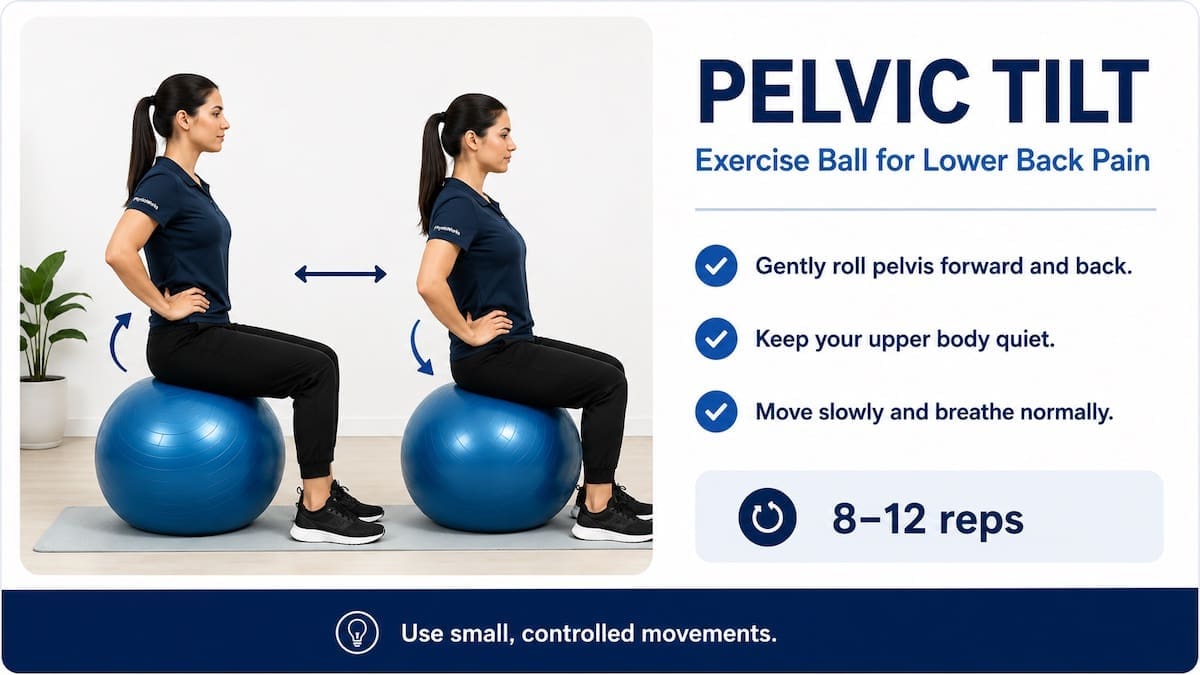
A physiotherapist may start with low-load drills that suit your symptoms. Options often include seated pelvic tilts, gentle weight shifts, supported bridging, or controlled arm/leg movements while maintaining a steady trunk. The goal is control first, then strength and endurance.

When to use caution

An exercise ball for lower back pain may not suit everyone. Acute flare-ups, nerve symptoms (such as pain, pins and needles, or numbness down the leg), significant balance issues, or specific spinal conditions may require a different plan. If the ball increases pain, instability, or leg symptoms, pause and get assessed.

What to do next

If lower back pain keeps returning, focus on the basics: graded strengthening, movement retraining, and sensible load progressions. Your physiotherapist may use exercise ball drills as one tool to build better control.

For a full overview of assessment and treatment options, visit our main guide:
Core Stability for Back Pain.

Related information

Book your appointment – 24/7

Choose your preferred PhysioWorks clinic and book online.

Follow PhysioWorks

Get free physiotherapy tips, exercise videos, recovery advice, and blog updates.

Facebook Instagram YouTube B X Email PhysioWorks

Back Pain Tips: 7 Evidence-Based Ways to Move Better, Hurt Less & Recover Faster

A Physiotherapist’s Guide to a Stronger, Healthier Back

Discover practical, research-based strategies to ease back pain, move with confidence, and build long-term strength. Written by physiotherapist John Miller, this concise guide blends science and decades of clinical experience to help you recover faster and stay active for life.

  • Clear, actionable advice grounded in current research
  • Whole-person approach: movement, sleep, mindset and care team
  • Includes a quick flare-up plan, FAQs and daily habits

Does Smoking or Diabetes Cause Lower Back Pain?

Does smoking or diabetes cause lower back pain physiotherapy assessment of lumbar movement and posture

Physiotherapist assessing lower back movement while considering lifestyle factors such as smoking, health, and activity levels.

Smoking may increase the risk of lower back pain and spinal degeneration, while diabetes may also be linked with lower back pain through broader health factors. Neither issue explains every case on its own. For the broader picture, start with our back pain guide.

This page explains what current research suggests, which lifestyle factors matter most, and which common beliefs are probably myths. If your symptoms are ongoing, also see lower back pain and common causes of back pain.

Quick answer

  • Smoking is linked with a higher risk of lower back pain.
  • Smoking is also linked with more spinal degeneration in some studies.
  • Diabetes may be associated with lower back pain, but it is unlikely to be the only reason.
  • Sleep, stress, body weight, fitness, and daily loading also matter.
  • Back pain usually needs a broader assessment than one single lifestyle factor.

Lifestyle factors: fact vs myth

Some lifestyle habits may increase lower back pain risk. Others are often blamed without strong evidence.

  • Smoking → FACT — linked with higher rates of back pain and spinal degeneration.
  • Low physical activity → FACT — reduced movement can lower strength and load tolerance.
  • Poor sleep → FACT — sleep disturbance is associated with back pain and slower recovery.
  • Obesity → FACT — excess body weight is associated with a higher risk of lower back pain.
  • Stress → PARTLY TRUE — stress can amplify pain sensitivity and disability, but it is usually one contributor rather than the sole cause.
  • Diabetes → PARTLY TRUE — associated with back pain, but often through broader health factors.
  • Tattoos → MYTH — there is no good evidence that tattoos cause lower back pain.
  • “Bad posture” alone → MYTH — posture is rarely the sole explanation for ongoing lower back pain.

What lifestyle factors increase lower back pain risk?

Lifestyle factors such as smoking, low physical activity, poor sleep, excess body weight, stress, and broader metabolic health may increase the likelihood of lower back pain. These factors often affect tissue health, pain sensitivity, recovery, and load tolerance rather than acting as one simple direct cause.

That is why lower back pain usually needs a broader assessment. A person may have one clear diagnosis, such as a bulging disc or spinal stenosis, but symptoms can still be influenced by sleep, stress, smoking, fitness, and general health.

Does smoking cause lower back pain?

Smoking does not explain every case of lower back pain, but research suggests it is a meaningful risk factor. It may increase the likelihood of back pain, ongoing symptoms, and degenerative spinal change. Smoking is better viewed as one contributor within a bigger picture rather than the only cause.

Several mechanisms may help explain this link. Smoking can reduce blood flow, increase systemic inflammation, affect disc nutrition, slow tissue healing, and lower physical capacity. These factors may make the lumbar spine less tolerant of repeated daily loads, work demands, and sport.

Why might smoking affect the spine?

Smoking may affect the spine by reducing tissue health and recovery capacity. Over time, that may make discs, joints, and surrounding tissues less able to handle normal stress. This does not mean smoking creates a single diagnosis, but it may raise the chance of pain persistence and degenerative change.

That matters because lower back pain is rarely caused by one factor alone. A person who smokes may also have lower exercise tolerance, poorer sleep, higher stress, slower recovery, and less confidence with movement. Together, those issues can amplify pain and slow rehabilitation.

Does diabetes cause lower back pain?

Diabetes does not automatically cause lower back pain, but it may be associated with it. Newer reviews suggest people with diabetes are more likely to report lower back pain than people without diabetes. Even so, the link is probably indirect in many cases.

For example, diabetes may sit alongside higher body weight, lower activity levels, poorer circulation, nerve sensitivity, and slower tissue recovery. These factors can all influence pain. That is why it is better to ask how diabetes may contribute to back pain risk, rather than treating it as a simple yes-or-no cause.

Do sleep, stress, and body weight affect lower back pain?

Yes. Sleep disturbance, psychological stress, and excess body weight are all associated with lower back pain. However, they usually act by changing pain sensitivity, tissue loading, physical capacity, and recovery rather than by creating one single spinal diagnosis.

This is another reason why a broader management plan often works better than chasing one “magic” cause. Improving sleep, pacing load, building strength, and increasing activity tolerance may all help alongside condition-specific treatment.

Do tattoos or posture cause lower back pain?

Tattoos are not recognised as a cause of lower back pain. They should not be considered a meaningful spinal risk factor. “Bad posture” is also often oversimplified. Posture may influence comfort in some positions, but it is rarely the sole reason someone develops ongoing back pain.

In practice, most back pain is better explained by a mix of load, movement tolerance, strength, recovery, sleep, stress, health factors, and the specific tissues involved. If symptoms persist, a proper assessment is far more useful than blaming tattoos or one posture habit.

Which spinal conditions matter more than lifestyle myths?

Lifestyle factors are background contributors. They are usually less useful than identifying the actual pain pattern or diagnosis driving your symptoms. In practice, people often need assessment for conditions such as lower back pain, degenerative disc disease, spinal stenosis, or disc-related pain.

That is why broad health risk factors should never replace a proper mechanical and functional assessment. The pattern of your pain, what aggravates it, whether it spreads into the leg, and how it responds to movement are usually more helpful clinically.

Can physiotherapy help if smoking, diabetes, or degeneration are part of the picture?

Yes. Physiotherapy may help by identifying the main drivers of your pain and building a practical plan around them. Treatment often focuses on movement confidence, load management, strength, mobility, pacing, and gradual return to normal activity.

If your symptoms are recurring, you may also benefit from back pain physiotherapy and a guided program of back pain exercises. Management often works best when lifestyle risks and physical contributors are addressed together.

When should you worry about lower back pain?

You should seek prompt medical review if back pain follows significant trauma, comes with fever, unexplained weight loss, severe night pain, progressive leg weakness, saddle numbness, or bladder or bowel changes. Those features need urgent attention.

If your pain is not urgent but keeps returning, limits work, disturbs sleep, or stops exercise, an assessment is still worthwhile. Waiting too long can let stiffness, fear of movement, and loss of strength build up around the problem.

Related back pain information

Frequently asked questions

Does smoking cause lower back pain?

Smoking may increase the risk of lower back pain and spinal degeneration, but it does not explain every case. It is better viewed as one contributor within a broader mix of loading, tissue health, activity levels, recovery, and general health factors.

Does diabetes cause lower back pain?

Diabetes does not automatically cause lower back pain, but it may be associated with it. The relationship appears to be influenced by factors such as body weight, inflammation, circulation, nerve health, physical activity, and recovery capacity.

Do sleep, stress, and body weight affect lower back pain?

Yes. Sleep disturbance, stress, and excess body weight are all associated with lower back pain. However, they usually influence pain through recovery, sensitivity, loading, and physical capacity rather than acting as one single direct cause.

Do tattoos or posture cause lower back pain?

Tattoos are not recognised as a cause of lower back pain. Posture may affect comfort in some positions, but it is rarely the sole explanation for ongoing lower back pain. Most cases are better explained by a mix of load, movement tolerance, strength, recovery, and health factors.

Can physiotherapy help if smoking, diabetes, or degeneration are part of the picture?

Yes. Physiotherapy may help by identifying the main drivers of your pain and building a practical plan around movement, load management, strength, mobility, pacing, and return to activity. Treatment usually works best when lifestyle and physical factors are addressed together.

When should you worry about lower back pain?

You should seek prompt medical review if back pain follows major trauma, comes with fever, unexplained weight loss, severe night pain, progressive leg weakness, saddle numbness, or bladder or bowel changes. Persistent or recurring pain also deserves assessment.

What to do next

If you smoke, quitting may help your long-term spine health as well as your general health. If you have diabetes, good overall management may improve your capacity to exercise and recover. However, neither issue should stop you from getting your back pain assessed properly.

If your lower back pain is persistent, keeps coming back, or affects daily function, book a physiotherapy assessment. A clearer diagnosis and a tailored rehabilitation plan are usually more helpful than assuming the cause is only smoking, diabetes, posture, tattoos, or age-related degeneration.

Book your appointment – 24/7

Choose your preferred PhysioWorks clinic and book online.

Back Support Products

These back support products are commonly used by our physiotherapists to help reduce back pain, improve comfort, and support your recovery at home.

View all back support products

Follow PhysioWorks

Get free physiotherapy tips, exercise videos, recovery advice, and blog updates.

Facebook Instagram YouTube B X Email PhysioWorks

References

  1. Shiri R, Karppinen J, Leino-Arjas P, Solovieva S, Viikari-Juntura E. The association between smoking and low back pain. Am J Med. 2010;123(1):87.e7-35.
  2. Pozzobon D, Ferreira PH, Dario AB, Almeida L, Vesentini G, Harmer AR. Is there an association between diabetes and neck and back pain? A systematic review with meta-analyses. PLoS One. 2019;14(2):e0212030.
  3. Amiri S, Behnezhad S. Sleep disturbances and back pain: systematic review and meta-analysis. Neuropsychiatr Dis Treat. 2020;16:731-748.
  4. Shiri R, Karppinen J, Leino-Arjas P, Solovieva S, Viikari-Juntura E. The association between obesity and low back pain: a meta-analysis. Am J Epidemiol. 2010;171(2):135-154.
  5. Swain CTV, Pan F, Owen PJ, Schmidt H, Belavy DL. No consensus on causality of spine postures or physical activities and low back pain: an umbrella review. Eur Spine J. 2020;29(5):1027-1036.
  6. Kluger N, Sleth JC. Tattoo and epidural analgesia: rise and fall of a myth. Int J Obstet Anesth. 2020;44:89-91.

Back Pain Research

Article by John Miller & Erin Runge
Physiotherapist assessing lower back pain movement in Brisbane clinic setting

Assessing back movement to guide treatment decisions

Back pain is one of the most researched conditions in health care, yet many people still receive mixed advice. Current back pain research supports a practical approach: stay active where possible, avoid unnecessary bed rest, use targeted exercise, and match treatment to the person rather than chasing one quick fix. For many people, this sits within a broader plan for back pain, lower back pain, and guided back pain physiotherapy.

Modern research also shows that back pain is not one single diagnosis. It may relate to joints, discs, muscles, nerves, movement tolerance, work demands, sleep, stress, or deconditioning. That is why a good assessment matters. It helps separate common mechanical back pain from conditions such as sciatica, spondylolisthesis, or degenerative disc disease.

In Brisbane clinics, this evidence-based approach usually focuses on the right diagnosis, practical reassurance, and a gradual return to comfortable movement rather than unnecessary rest or over-reliance on scans.

Key back pain research takeaways

  • Most back pain improves with sensible activity, not prolonged rest.
  • Exercise, education, and load management are central parts of care.
  • Manual therapy may help some people, especially when combined with exercise.
  • Imaging is not needed for every episode of back pain.
  • Persistent or recurring pain usually responds best to an individualised plan.

What Does Back Pain Research Show?

Back pain research shows that most people do better with a tailored mix of movement, education, and progressive rehabilitation than with rest alone. The strongest modern themes are staying active, avoiding low-value care, improving self-management, and matching treatment to the pattern and duration of your symptoms.

Research also supports a biopsychosocial view of back pain. In simple terms, pain may be influenced by tissue irritation, movement confidence, loading history, sleep, stress, work demands, and general physical capacity. That broader view helps explain why two people with similar scans can feel very different.

How Can Back Pain Physiotherapy Help?

Back pain physiotherapy may help by identifying the likely pain source, restoring movement, improving strength, and building tolerance for daily loads. Research supports active rehabilitation, clear advice, and targeted exercise for many common back pain presentations.

Back pain physiotherapy guided hip hinge rehabilitation in Brisbane clinic

Guided movement retraining for back pain recovery

A structured rehabilitation plan often focuses on safe movement, confidence, and gradual load tolerance.

Your physiotherapist may combine hands-on treatment, exercise prescription, pacing advice, posture and lifting strategies, and progress reviews. For some people, this also includes back pain exercises, posture correction, or selected real-time ultrasound physiotherapy support when muscle control or movement retraining is relevant.

If you would like a broader public-health overview, the Australian Commission on Safety and Quality in Health Care outlines current care standards for low back pain.

What Does Research Say About Acute Back Pain?

For acute back pain, research generally supports reassurance, sensible activity, and avoiding prolonged bed rest. Many people improve over time, but the right plan still matters because fear, under-loading, or poor advice can slow recovery.

Short-term treatment may include movement-based assessment, pain-relieving strategies, gentle mobility work, and a gradual return to normal activity. Imaging is usually reserved for red flags, severe neurological change, suspected fracture, infection, cancer, or other less common but important causes. You may also find it useful to read common causes of back pain if you are trying to work out what may be driving your symptoms.

What Does Research Say About Chronic or Recurrent Back Pain?

For chronic or recurrent back pain, research supports exercise, education, load management, and longer-term self-management more strongly than passive care alone. The goal is not only to settle pain, but to improve function, confidence, and resilience against future flare-ups.

This often means addressing reduced trunk strength, movement tolerance, walking tolerance, sleep, work demands, stress, and repeated aggravating patterns. In practice, a long-term plan may blend strength work, aerobic exercise, pacing, and condition-specific treatment.

Key goals of chronic back pain rehabilitation

  • Improve strength and movement tolerance
  • Build confidence with bending, lifting, and walking
  • Reduce flare-up frequency and severity
  • Support a safer return to work, sport, or daily activity

Some people with recurring symptoms also benefit from reading more about recurrent back pain, best back pain treatment, and related nerve presentations such as sciatica.

Does Back Pain Research Support Manual Therapy?

Back pain research suggests manual therapy can help some people, especially for short-term symptom relief, but it usually works best as part of a broader rehabilitation plan. It should support movement and exercise, not replace them.

This matters because many people feel better when pain settles first and movement confidence improves. Manual therapy may reduce stiffness or muscle guarding, while exercise and education help maintain progress. That combination is often more practical than relying on passive treatment alone.

Can Real-Time Ultrasound Help Some People With Back Pain?

Real-time ultrasound may help selected people with back pain when muscle timing, control, or deep stabilising muscle retraining is a meaningful part of rehabilitation. It is usually one tool within a larger physiotherapy programme rather than a stand-alone solution.

At PhysioWorks, this approach is most relevant when the goal is to improve how specific muscles switch on during movement, breathing, or exercise. You can read more about real-time ultrasound physiotherapy and what to expect from ultrasound retraining.

When Should You Seek Help For Back Pain?

You should seek help for back pain if it is severe, keeps returning, spreads into the leg, causes weakness or numbness, or starts to affect sleep, work, sport, or daily life. Early assessment is also wise when the cause is unclear or recovery is stalling.

Urgent medical review is important if you have major trauma, fever, unexplained weight loss, bowel or bladder changes, saddle numbness, or rapidly worsening weakness. Otherwise, a physiotherapy assessment can usually help clarify whether your symptoms fit common mechanical back pain or a more specific pattern such as nerve irritation or spinal instability.

Back Pain Research FAQs

Is rest good for back pain?

Usually not for long. Short relative rest may calm a severe flare-up, but prolonged bed rest is rarely helpful. Most people recover better when they keep moving within tolerance and gradually build back into walking, work, and exercise.

Do back pain exercises really work?

Yes, for many people. Back pain exercises can improve movement, strength, confidence, and load tolerance. The best results usually come from choosing exercises that match your diagnosis, symptoms, and stage of recovery rather than using a one-size-fits-all routine.

Do I need a scan for back pain?

Not always. Many episodes of back pain do not need imaging early on. Scans are usually more useful when there are red flags, major neurological symptoms, persistent severe pain, or when the findings would change treatment or referral decisions.

Is walking good for back pain?

Walking is often a useful starting point because it keeps you active without overcomplicating recovery. However, the dose matters. Some people need shorter, more frequent walks, while others need a different starting point if walking quickly triggers leg pain or stiffness.

Can posture alone cause back pain?

Not usually on its own. Posture can contribute, especially when you stay in one position for too long, but modern research shows that pain is usually influenced by multiple factors. Load, strength, sleep, stress, recovery, and movement variety also matter.

What is the best treatment for back pain?

The best treatment depends on the cause, severity, irritability, and duration of your symptoms. For many people, the strongest evidence supports education, movement, exercise, and a tailored physiotherapy plan. Some people may also benefit from manual therapy or other specific add-ons.

What To Do Next

If your back pain is new, recurrent, or not improving, the next step is to get the diagnosis and plan right. Research supports a measured approach built around assessment, sensible activity, and progressive rehabilitation rather than fear, guesswork, or prolonged rest.

A PhysioWorks physiotherapist can assess your movement, symptoms, aggravating factors, and recovery goals, then guide you towards the most useful treatment pathway. That may include hands-on care, exercise, pacing, posture advice, or further referral when needed.

Lower back pain recovery walking confidently during physiotherapy rehabilitation session

Confident return to normal movement

Returning to comfortable daily movement is a common goal of back pain physiotherapy.

Book your appointment – 24/7

Choose your preferred PhysioWorks clinic and book online.

Back Support Products

These back support products are commonly used by our physiotherapists to help reduce back pain, improve comfort, and support your recovery at home.

View all back support products

Follow PhysioWorks

Get free physiotherapy tips, exercise videos, recovery advice, and blog updates.

Facebook Instagram YouTube B X Email PhysioWorks

References

  1. World Health Organization. WHO guideline for non-surgical management of chronic primary low back pain in adults in primary and community care settings. World Health Organization. 2023.
  2. Australian Commission on Safety and Quality in Health Care. Low Back Pain Clinical Care Standard. Accessed April 8, 2026.
  3. Pocovi NC, de Campos TF, Maher CG, et al. An individualised, progressive walking and education intervention to prevent low back pain recurrence: a randomised controlled trial. Lancet. 2024;404(10457):1117-1126.
  4. Foster NE, Anema JR, Cherkin D, et al. Prevention and treatment of low back pain: evidence, challenges, and promising directions. Lancet. 2018;391(10137):2368-2383. doi:10.1016/S0140-6736(18)30489-6.
Article by John Miller & Erin Runge

How to Choose the Perfect Pillow for Your Neck

This Perfect Pillow for Neck guide helps you match pillow height, firmness, and material to your sleep position. The right support can reduce morning stiffness and improve comfort. If symptoms persist, our Neck Pain page explains common causes and treatment options.

Perfect Pillow for Neck support maintaining neutral spine alignment during side sleeping
Choosing the Perfect Pillow for Neck support helps maintain neutral alignment and reduce morning stiffness.

Short Answer

The Perfect Pillow for Neck support keeps your head and neck aligned with your spine, without tilting up or dropping down. Your sleeping position and shoulder width matter more than brand. If you still wake with pain, assessment may help clarify why. See Neck Pain for broader guidance.

Why the Right Pillow Matters

Your pillow should support the natural curve of your neck. Too high can push your neck forward, while too low can let it sag. Either setup can irritate joints and overload muscles overnight. Many people notice the difference when they change to a more supportive setup for a few nights.

How to Choose the Perfect Pillow for Neck Support

Start with sleep position, then adjust height and firmness so your neck stays neutral.

  • Side sleepers: A thicker pillow often works best because it fills the space between your ear and shoulder.
  • Back sleepers: A medium-height pillow usually supports the neck curve without pushing the head forward.
  • Stomach sleepers: A very low pillow may reduce strain, although changing position often helps because stomach sleeping keeps the neck rotated.

Next, consider materials:

  • Memory foam: Moulds to shape and holds support well through the night.
  • Latex: Responsive and durable, often suited to people who prefer firmer support.
  • Feather or down: Soft feel but may flatten and lose shape sooner.
  • Buckwheat: Firm and adjustable with good airflow.
  • Cooling designs: Useful if heat disrupts sleep.

What to Consider Before You Buy

Perfect Pillow for Neck support to maintain neutral neck alignment during side sleeping
A Perfect Pillow for Neck comfort supports a neutral spine position and can reduce morning stiffness.

A Perfect Pillow for Neck comfort depends on shoulder width, mattress firmness, and whether you wake with stiffness, headaches, or tingling in the arm. If your mattress sags, even the best pillow may not feel right. Also, choose a washable cover and a pillow that keeps its shape.

How Often Should You Replace Your Pillow?

Most pillows need replacing every one to two years. Better quality options can last longer, although they still lose support over time. If your Perfect Pillow for Neck support becomes lumpy, flat, or uneven, it is time to change it.

Pillow FAQs

1. Can the wrong pillow cause neck pain?
An unsupportive pillow may contribute to neck strain if it changes your alignment for hours each night.

2. What pillow height is best?
The best height keeps your head in line with your body. Side sleepers usually need more height than back sleepers.

3. Is memory foam good for neck support?
Many people like memory foam because it holds shape and supports the neck curve, especially for side and back sleeping.

4. Should I use two pillows?
Two pillows often push the head too far forward. One supportive pillow usually works better for neutral alignment.

5. What if I still wake up sore?
Pillow choice matters, but symptoms can also relate to posture, stress, training load, and desk habits. Assessment can help identify the main drivers.

What This Means for You

If you want a Perfect Pillow for Neck support, aim for neutral alignment first, then fine-tune comfort. However, ongoing pain often has more than one contributor. A physiotherapist can assess mobility, strength, posture, and daily load so your plan fits your body and goals.

Related Information

Book your appointment – 24/7

Choose your preferred PhysioWorks clinic and book online.

ABC Radio Interview Regarding Pillow Selection

Listen: What Pillow Is the Best for You?

References

Blanpied PR, et al. Neck pain clinical practice guidelines revision 2017. J Orthop Sports Phys Ther. 2017;47(7):A1–A83. Available from: https://pubmed.ncbi.nlm.nih.gov/28666405/

Healthdirect Australia. Neck pain. Last reviewed May 2024. Available from: https://www.healthdirect.gov.au/amp/article/neck-pain


Pillow Support Products

View all pillow products

Follow PhysioWorks

Get free physiotherapy tips, exercise videos, recovery advice, and blog updates.

Facebook Instagram YouTube B X Email PhysioWorks

Unsupportive Pillow Signs

physiotherapist demonstrating correct pillow height and neck alignment

Waking with neck pain may signal poor pillow support.

Unsupportive pillow signs include waking with neck pain, morning stiffness, headaches, restless sleep, or needing to fold your pillow for extra height. These signs often appear gradually as the pillow loses height, shape, and support.

A suitable pillow helps keep your head, neck, and spine in a comfortable sleeping position. If your pillow has become flat, lumpy, sagging, or more comfortable elsewhere, it may be time to review your pillow and your neck pain pattern.

Quick Check: Is Your Pillow Letting You Down?

  • You wake with neck pain, stiffness, or headaches.
  • You fold, punch, or stack pillows for support.
  • Your pillow looks flat, lumpy, or sagging.
  • You sleep better on a different pillow.
  • You wake often or struggle to find a comfortable position.

What Are the Main Unsupportive Pillow Signs?

The main unsupportive pillow signs are morning neck pain, stiffness, headaches, poor sleep quality, and needing to constantly adjust your pillow. A pillow should support your neck without forcing your head too high or letting it drop too low.

Other signs include a pillow that no longer returns to shape, feels uneven, or no longer matches your usual sleeping position. If several signs are present, it may be worth reviewing both your pillow and your neck health with a physiotherapist.

How Can an Unsupportive Pillow Cause Neck Pain?

An unsupportive pillow can cause neck pain by placing your head and neck in a poor position for several hours. This may load the joints, discs, muscles, and nerves around the cervical spine.

If your pillow is too high, your neck may bend sideways or forward. If it is too low, your head may drop and strain the opposite side. Over time, this may contribute to morning stiffness, muscle tightness, headaches, or symptoms spreading into the shoulders or arms.

physiotherapist demonstrating correct pillow height and neck alignment

Correct pillow height keeps your neck in a neutral position.

Why Do Some Pillows Trigger Morning Headaches?

Some pillows may contribute to morning headaches by increasing tension around the upper neck and base of the skull. This area can refer pain into the head, especially if you already have cervicogenic headaches or recurring neck stiffness.

Pillow height, shape, firmness, and sleep position all matter. A pillow that suits one person may not suit another. For this reason, a “one size fits all” pillow rarely works well for persistent neck pain or headache patterns.

When Should You Seek Urgent Medical Advice?

Seek urgent medical advice if neck pain follows a fall or accident, or if you notice arm weakness, numbness, severe headache, dizziness, fever, unexplained weight loss, or changes in balance or walking.

When Should You Replace Your Pillow?

You should replace your pillow when it loses shape, feels uneven, no longer supports your neck, or your sleep feels better away from home. Many good pillows last around three to four years, while lower-quality pillows may lose support much sooner.

Also consider replacement if your symptoms have changed. For example, a previous pillow may stop suiting you after a neck injury, shoulder pain episode, posture change, or change in sleeping position.

How Can a Physiotherapist Help With Pillow-Related Neck Pain?

A physiotherapist can assess your neck movement, posture, sleep position, shoulder mobility, and pillow setup. This helps identify whether your pain is mainly pillow-related or linked with an underlying neck condition.

Your physiotherapist may suggest a better pillow height, neck exercises, manual therapy, posture changes, or a broader neck pain relief plan. For some people, combining neck treatment with sleep therapy for pain and better sleep may also help.

How Do You Choose a Better Pillow?

A better pillow should support your neck’s natural curve and suit your body size, shoulder width, and sleep position. Side sleepers often need more height than back sleepers. Stomach sleeping usually places more strain on the neck.

For more detail, read our Best Pillow For Sleep: Physiotherapist Guide. You can also browse our pillows and cushions if you are ready to compare options.

ABC Radio Interview Regarding Pillow Selection

Listen to this ABC Radio interview for practical pillow selection advice.

Frequently Asked Questions

What are the main signs of an unsupportive pillow?

Main signs include waking with neck pain, morning stiffness, headaches, restless sleep, needing to fold or punch your pillow, and sleeping better on a different pillow.

Can a bad pillow cause neck pain?

A bad pillow may contribute to neck pain if it places your head and neck in a poor position for long periods. This may increase strain on your neck joints, muscles, discs, and nerves.

How often should you replace your pillow?

Many good pillows last around three to four years. Replace yours earlier if it becomes flat, lumpy, sagging, or no longer supports your neck comfortably.

Can a pillow cause headaches?

An unsuitable pillow may contribute to neck-related headaches by increasing tension around the upper neck and base of the skull, especially if neck stiffness is already present.

Who can help me choose the right pillow?

A physiotherapist can assess your neck, posture, shoulder width, sleeping position, and symptoms. They can suggest a pillow height and style that better suits your body and sleep habits.

What to Do Next

If neck pain, headaches, or poor sleep keep returning, book a physiotherapy assessment. Your physiotherapist can assess your neck, review your sleeping position, and help you choose a pillow that suits your body.

The right combination of neck care, pillow selection, and practical sleep advice may improve comfort and reduce repeated morning symptoms.

comfortable sleep with proper pillow neck support

A supportive pillow helps improve comfort and sleep quality.

Book your appointment – 24/7

Choose your preferred PhysioWorks clinic and book online.

Pillow Support Products

View all pillow products

Follow PhysioWorks

Get free physiotherapy tips, exercise videos, recovery advice, and blog updates.

Facebook Instagram YouTube B X Email PhysioWorks
You've just added this product to the cart: