FAQs

Frequently Asked Questions


What Is the PhysioWorks Difference?

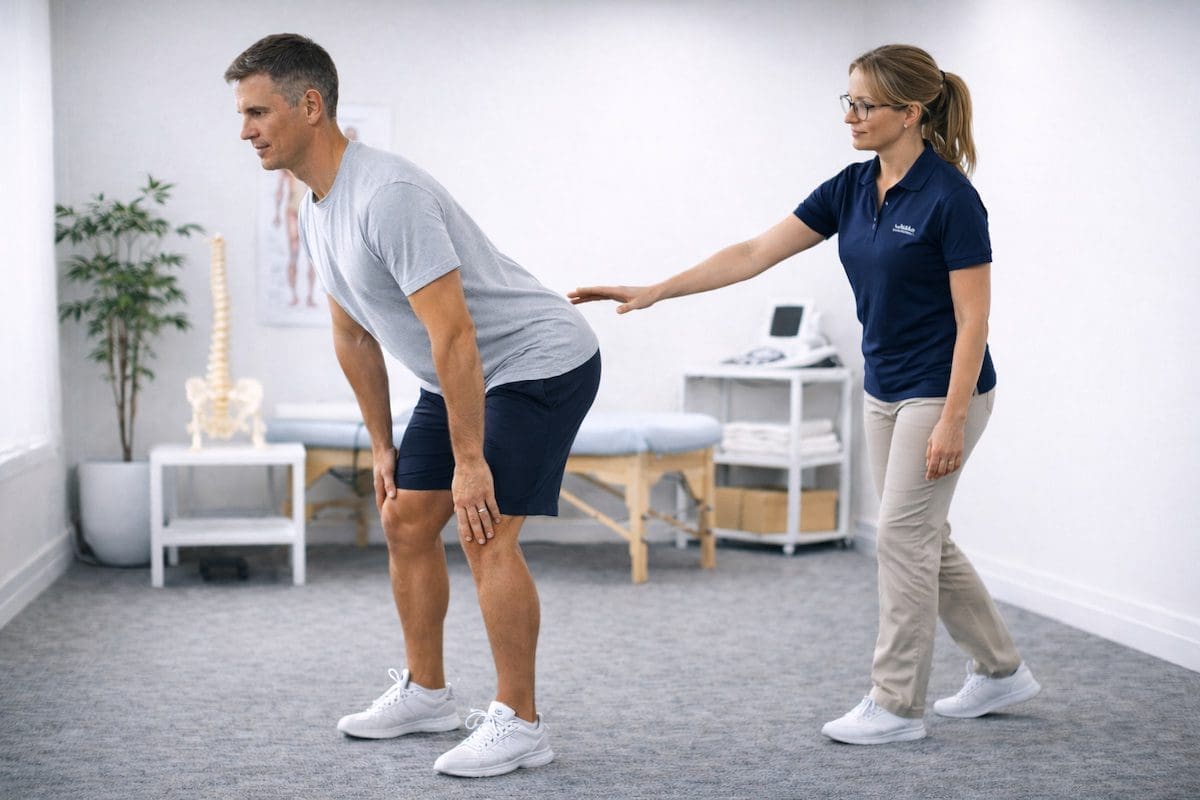
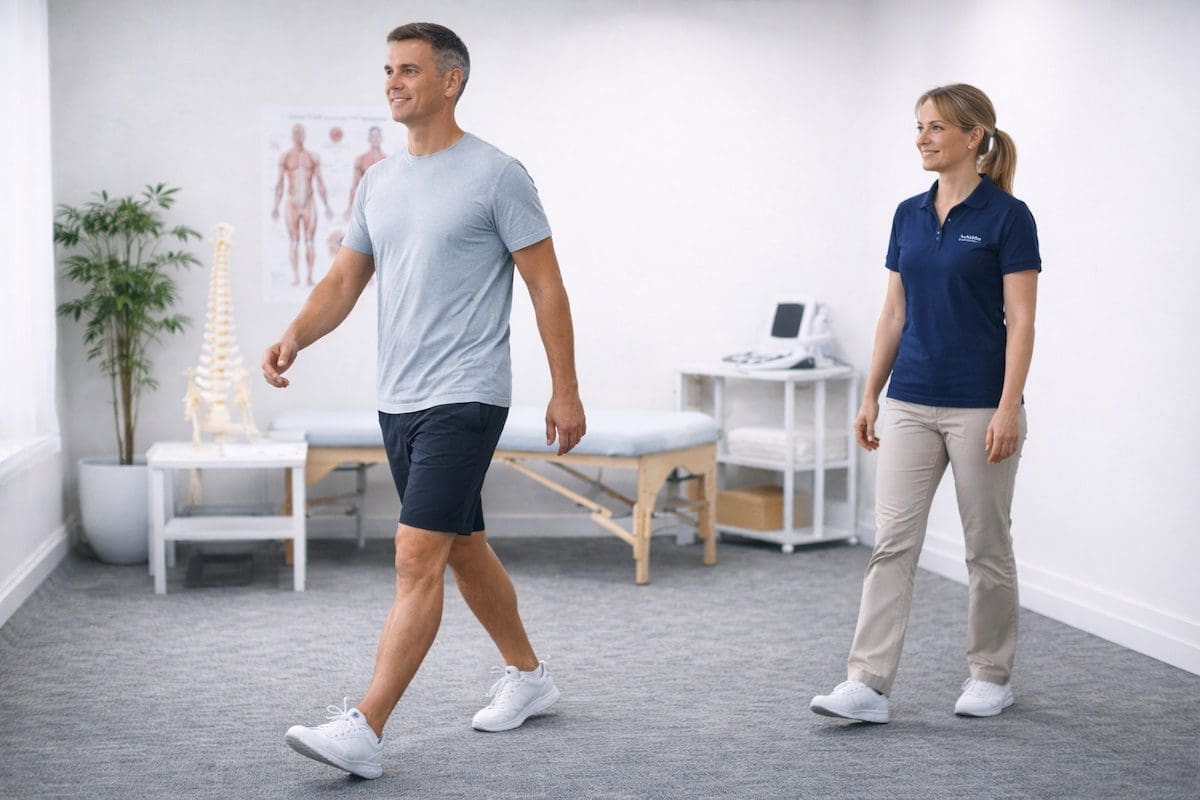
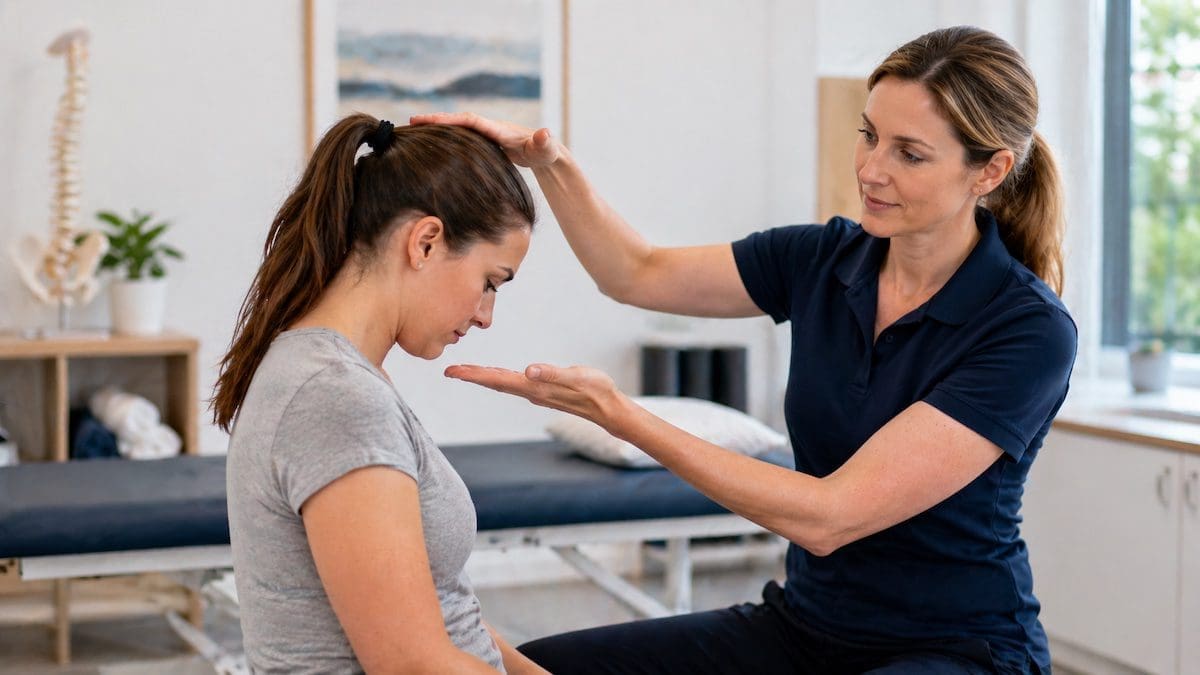
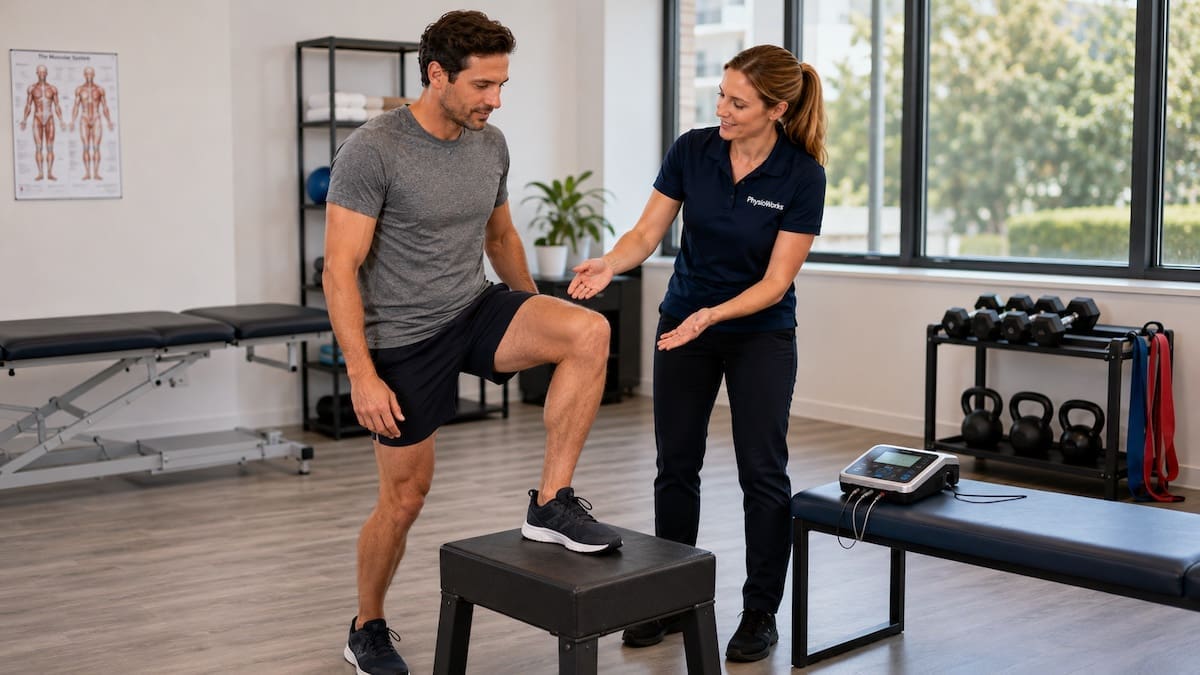
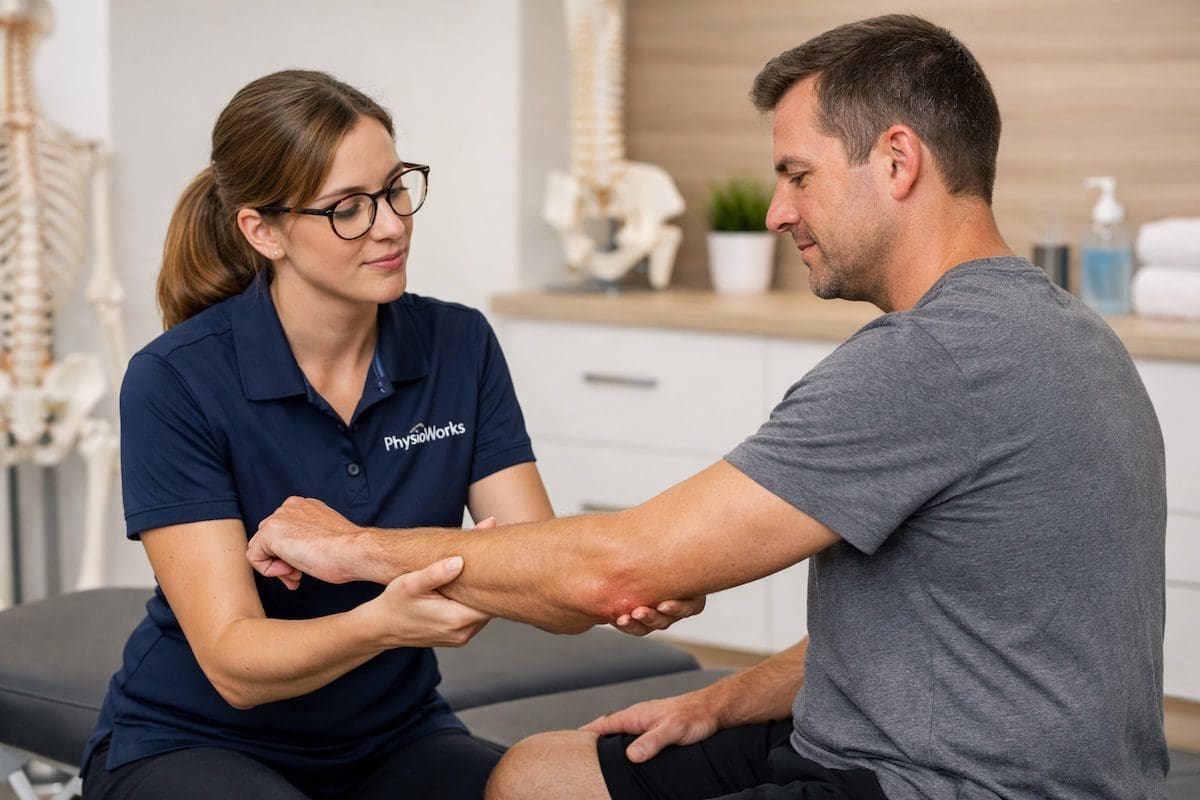
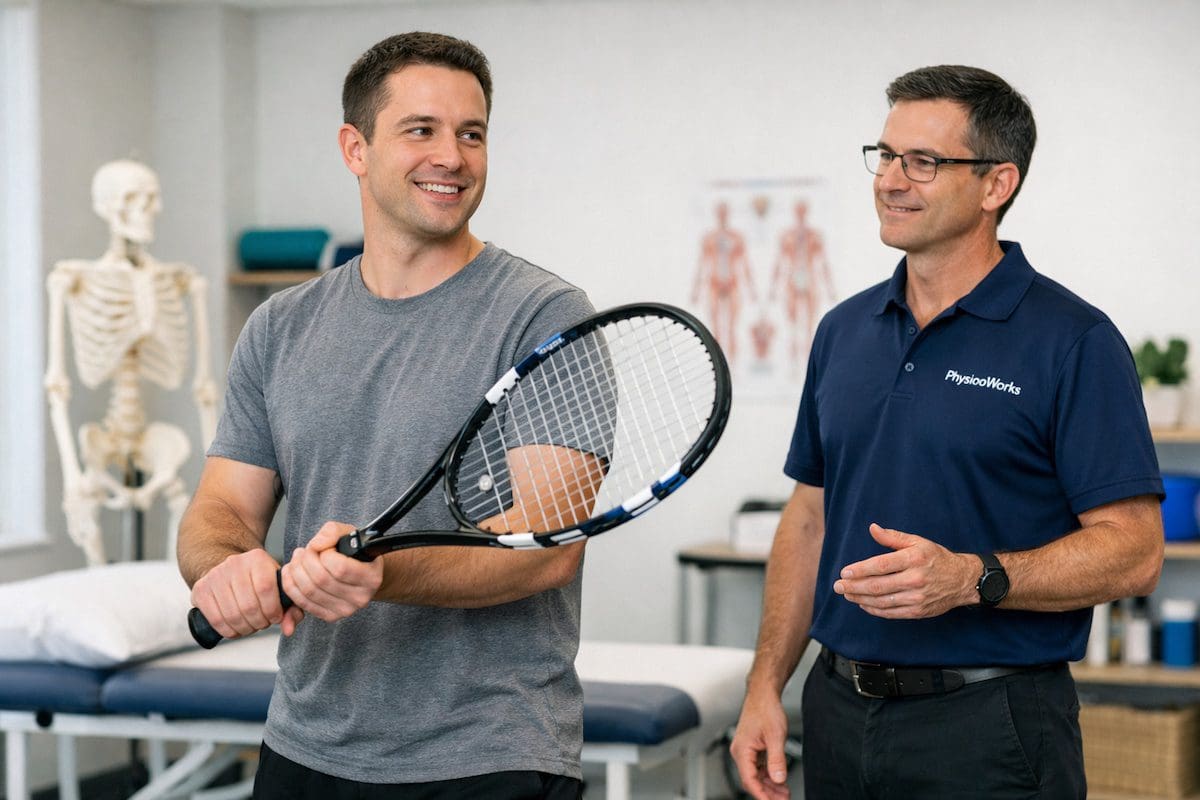
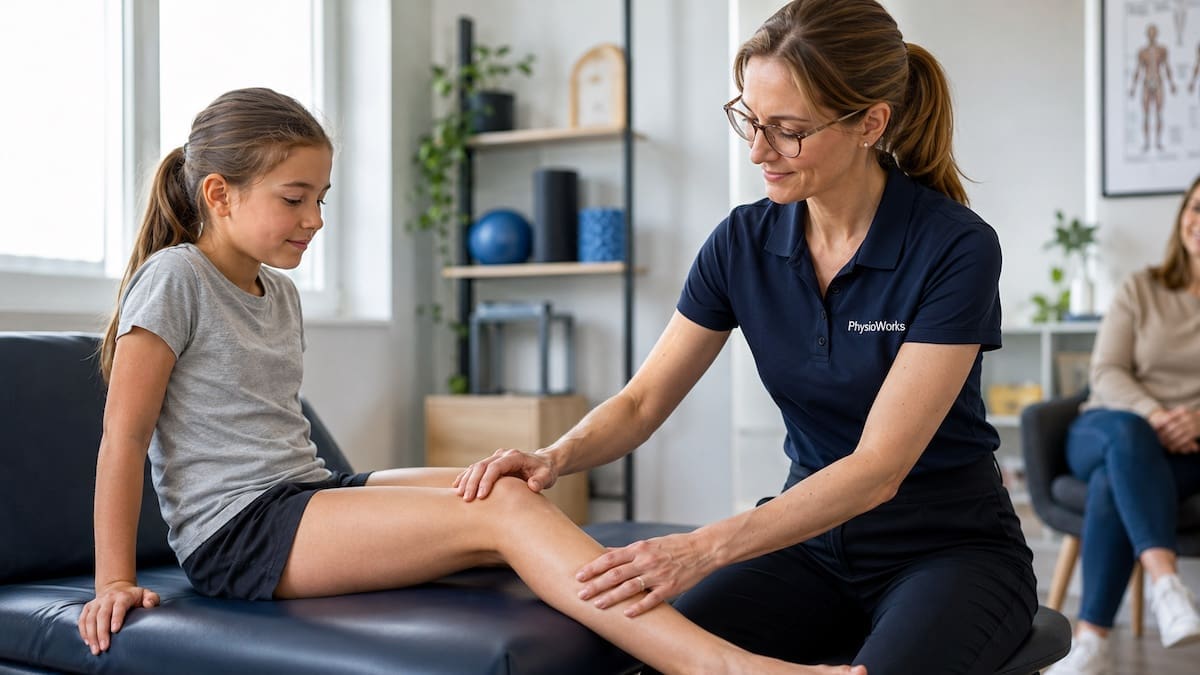
The PhysioWorks difference is our focus on clear diagnosis, practical rehabilitation, and personal care that helps you move better and get back to what matters. If you are looking for physiotherapy, massage therapy, or help with sports injuries, PhysioWorks aims to give you a thoughtful plan rather than a rushed appointment.

Across our Brisbane clinics, we help people with everyday aches, work injuries, post-operative rehab, persistent pain, and return-to-sport goals. The PhysioWorks difference is not one single treatment. Instead, it is the way we assess you, explain the problem, and build a plan that suits your body, work, sport, and lifestyle.

Quick signs you may notice the PhysioWorks difference

  • A clearer explanation of what is causing your pain or restriction
  • A practical plan that matches your goals, work, sport, or daily life
  • Hands-on care combined with exercise and rehab where appropriate
  • Guidance that helps you know what to do next between appointments
  • A friendly team approach across physiotherapy, massage, and rehabilitation services

Why choose PhysioWorks for physiotherapy Brisbane and allied health care?

Many people choose PhysioWorks because they want more than short-term symptom relief. They want to know what is going on, why it happened, and how to improve. Our team aims to combine assessment, treatment, exercise, education, and progression planning so your care feels useful from the first appointment.

This matters whether you have back pain, knee pain, shoulder pain, or a sports-related problem that needs a safe return-to-activity plan. We also help many people whose goals are simple and practical, such as sleeping more comfortably, working with less pain, or walking without aggravation.

What does the PhysioWorks difference actually mean?

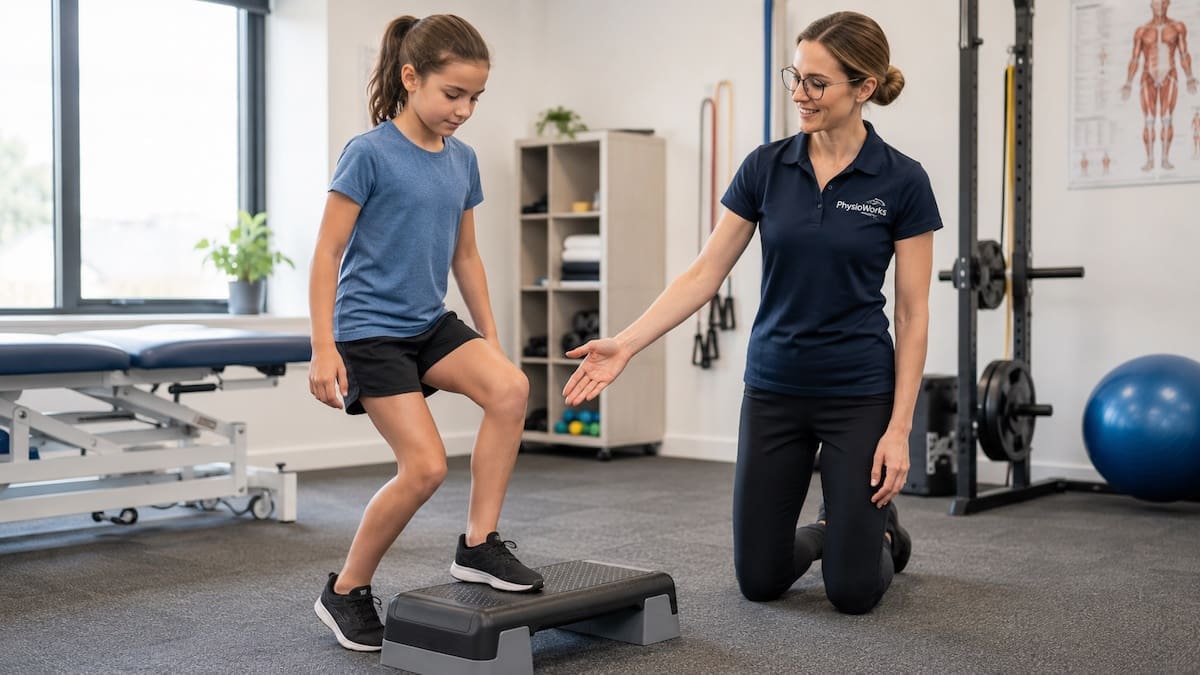
In practice, the PhysioWorks difference means your appointment should leave you with a better idea of the problem, the likely drivers, and the next steps. That may include hands-on care, exercise therapy, load management, massage, dry needling, or a staged rehab program depending on your needs.

Just as importantly, we try to make the plan realistic. There is little value in advice that does not fit your week, your workplace, or your training schedule. Good care should be clear, practical, and easy to follow.

Why do some problems keep coming back?

Recurring pain often has more than one driver. It may relate to strength, movement habits, work demands, training load, recovery, or the way an injury was managed earlier. That is why PhysioWorks aims to look beyond the sore spot and guide a plan that matches the bigger picture.

Common reasons people notice the PhysioWorks difference

People often notice the difference when they have already tried rest, generic exercises, or repeated short appointments elsewhere without a clear plan. A detailed assessment can help direct treatment more accurately and reduce the frustration of guessing. The PhysioWorks difference often becomes most obvious when a problem has become persistent, keeps recurring, or is affecting several parts of life at once.

That is also why we look beyond the sore area. For example, someone with running-related knee pain may need help with strength, training load, running volume, footwear, and recovery habits. Someone with neck or shoulder pain may need posture advice, exercise progression, and workstation changes alongside treatment.

What you can expect at PhysioWorks

  • Careful assessment and a clear working diagnosis
  • Individual treatment choices based on your presentation
  • Exercise and rehabilitation advice where helpful
  • Guidance on activity, work, sport, and load progression
  • A plan that aims for both symptom relief and longer-term improvement

How does PhysioWorks approach treatment and rehab?

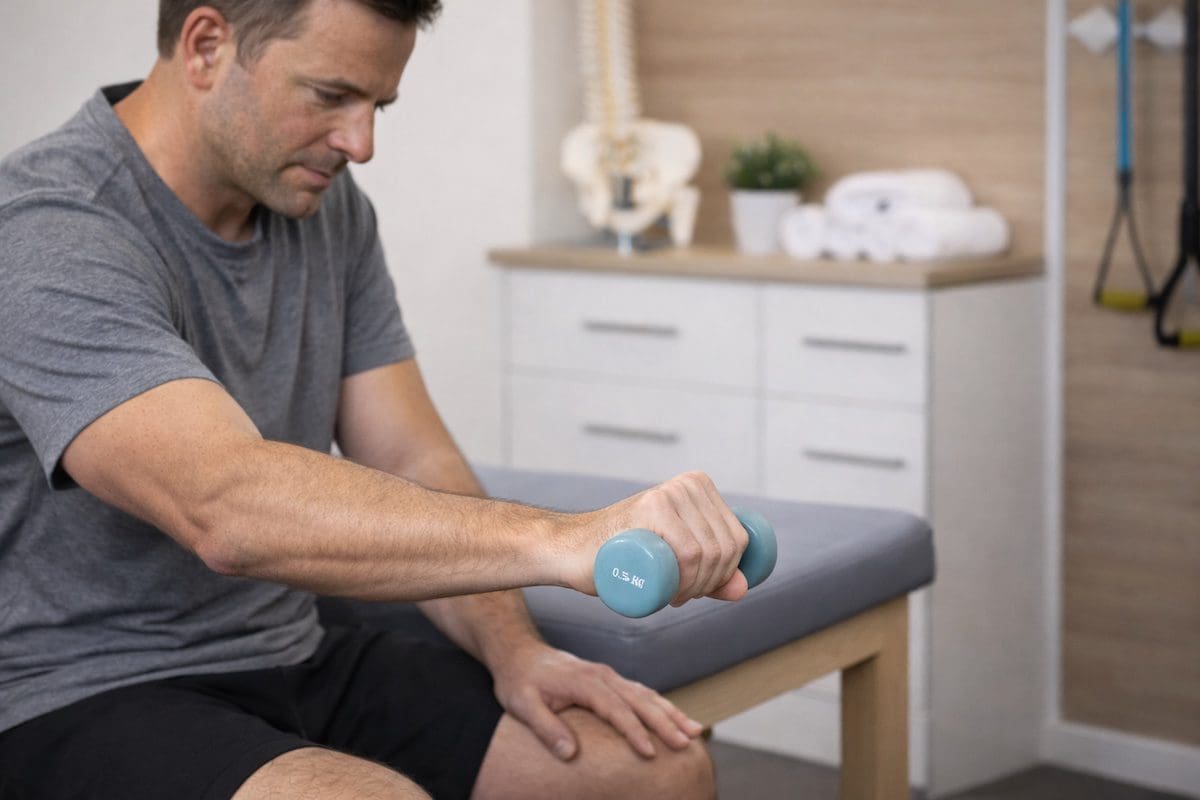
Our approach is built around matching treatment to the person in front of us. Some people need symptom relief first. Others need strength, confidence, and movement retraining. Others need advice about pacing, work demands, gym loads, or return to sport. That is why we may combine rehabilitation with hands-on care, exercise therapy, or dry needling where appropriate.

We also value communication. You should know why a treatment is being used, what progress may look like, and how to judge whether you are improving. If you want a general overview of physiotherapy in Australia, Healthdirect has a helpful page on physiotherapy.

Is PhysioWorks only for sporting people?

No. Although we work with active people, teams, and athletes, many of our clients simply want to feel better during normal life. They may have work aches, headaches, jaw tension, lifting pain, persistent stiffness, balance issues, or recovery needs after surgery or injury. Our role is to match the care plan to your actual goals, not to assume everyone wants the same outcome.

What services can support your recovery at PhysioWorks?

Depending on your clinic and needs, support may include physiotherapy, massage, exercise-based rehabilitation, and guidance around injury prevention and activity progression. That broader service mix can be helpful when one style of care alone is not enough. For example, someone may benefit from both physiotherapy and remedial massage, or from exercise-based rehab after their pain settles.

Why does person-centred care matter?

Good healthcare should not be one-size-fits-all. Your symptoms, health history, job, activity level, and goals all shape the best pathway. Australian healthcare guidance supports person-centred care because it improves communication, decision-making, and the care experience. The Australian Commission on Safety and Quality in Health Care explains person-centred care in more detail.

Where should you start if you are not sure what you need?

If you are not sure whether to book physiotherapy, massage, or another service, start with the option that best matches your main problem. Physiotherapy is often a good first step when you need assessment, diagnosis, treatment planning, or rehab guidance. Massage may suit muscle tension, soreness, recovery support, or stress-related tightness.

What should you do next if you want to experience the PhysioWorks difference?

If you want a clearer diagnosis, a more practical plan, or help with a problem that has not settled, the next step is to book the service that best matches your needs. Whether your goal is pain relief, better movement, return to work, or getting back to sport, the PhysioWorks difference is about giving you a plan that is clear, useful, and built around your life.

Common questions about the PhysioWorks difference

What makes PhysioWorks different from a standard clinic visit?

PhysioWorks aims to combine assessment, explanation, treatment, and rehabilitation planning. The goal is not only to ease symptoms, but also to give you a useful path forward that suits your daily life and goals.

Do I need a referral to book at PhysioWorks?

Usually, no. Most people can book directly for physiotherapy or massage. However, some funding pathways such as Medicare, DVA, WorkCover, CTP, or NDIS may have their own requirements.

Can PhysioWorks help with recurring or longer-term problems?

Yes. Many people come to PhysioWorks after symptoms have lasted for weeks or months. These problems often need a clearer diagnosis, a staged program, and guidance around pacing, strength, and progression.

Is PhysioWorks only for injuries?

No. We also help with stiffness, posture-related pain, muscle tension, headaches, balance problems, and general movement issues that affect day-to-day comfort and function.

Can I use both physiotherapy and massage?

Yes. In some cases, a combined approach is helpful. Physiotherapy may guide diagnosis, rehab, and activity progression, while massage may help with muscle tension, soreness, and recovery support.

Book your appointment – 24/7

Choose your preferred PhysioWorks clinic and book online.

Follow PhysioWorks

Get free physiotherapy tips, exercise videos, recovery advice, and blog updates.

Facebook Instagram YouTube B X Email PhysioWorks

References

  1. Healthdirect Australia. Physiotherapy. Accessed March 19, 2026.
  2. Australian Commission on Safety and Quality in Health Care. Person-centred care. Accessed March 19, 2026.

What Conditions May Acupuncture Help?

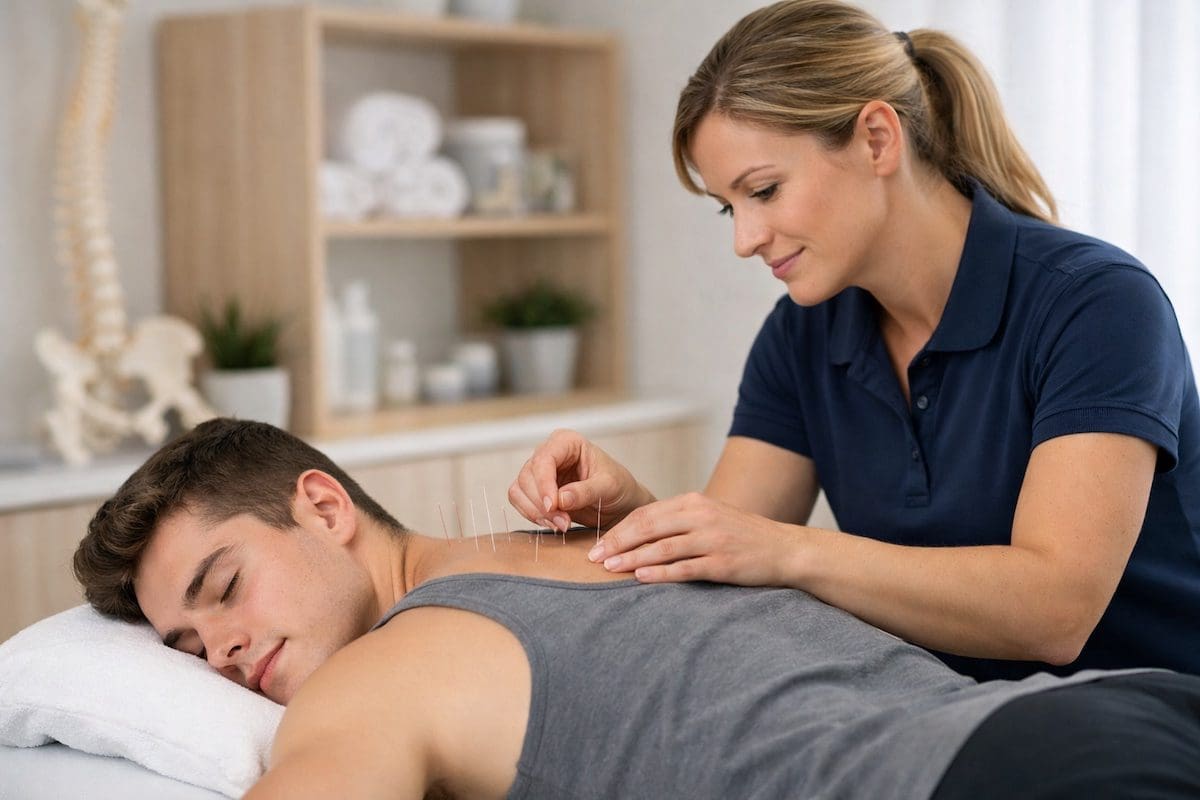
Acupuncture treatment to upper back and neck in physiotherapy clinic

Acupuncture for neck and upper back pain

If you’re dealing with ongoing back, neck, shoulder, or muscle pain, acupuncture may help reduce symptoms and improve movement, especially when combined with physiotherapy. It is usually most effective as part of a broader treatment plan that includes assessment, exercise, load management, and practical advice rather than as a stand-alone fix.

At PhysioWorks, we consider acupuncture after a clinical assessment to decide whether your symptoms are more likely to respond to needling, exercise therapy, manual therapy, massage, or another treatment pathway. For a broader overview, read our acupuncture guide and related acupuncture and dry needling options.

What conditions may acupuncture help?

Acupuncture is most often discussed for pain management. At PhysioWorks, it may be considered for some cases of back pain, neck pain, shoulder pain, knee pain, sciatica, muscle tension, trigger point pain, and some headache presentations. The best fit depends on whether your symptoms are mainly muscular, joint-related, nerve-related, inflammatory, or referred from another structure.

When acupuncture may help most

  • Persistent or recurring musculoskeletal pain
  • Muscle tightness, trigger points, or guarding
  • Neck-related headaches or jaw tension
  • Pain that is limiting movement or exercise progress
  • When used alongside physiotherapy, exercise, and load management

How does acupuncture work for pain relief?

Acupuncture uses very fine needles to stimulate specific points in the body. In modern practice, this stimulation may help calm pain sensitivity, reduce muscle guarding, and improve short-term comfort. That is why it is often used to help people move more freely and begin rehabilitation more effectively.

Which pain conditions are most commonly treated with acupuncture?

The conditions most commonly discussed include low back pain, chronic neck pain, shoulder pain, knee osteoarthritis, muscle tension, and some headache patterns linked to the neck or jaw. In some cases, clinicians may also consider it for persistent soft tissue pain, recovery support, or movement-limiting muscle tightness when that matches the overall assessment.

  • Low back pain and flare-ups linked to muscle guarding or persistent pain
  • Neck pain, stiffness, and some neck-related headache presentations
  • Shoulder pain, including overload and selected rotator cuff irritation patterns
  • Knee pain, especially when osteoarthritis or soft tissue overload is involved
  • Muscle pain, trigger points, and general soft tissue tightness
  • Jaw, neck, and headache tension patterns where muscular overload is a key driver

When to consider an assessment

  • Pain keeps returning despite rest or self-care
  • Stiffness or tension is affecting work, sleep, or training
  • Headaches, jaw tension, or nerve symptoms are developing
  • You want to know whether acupuncture, dry needling, or exercise is the better fit

Can acupuncture help back pain, neck pain, and sciatica?

Acupuncture may help some people with lower back pain or neck pain, particularly when muscle tension is high or pain has become persistent. It may also be used alongside care for sciatica, although nerve-related symptoms usually require a broader rehabilitation approach that addresses movement, load tolerance, and the source of nerve irritation.

Acupuncture needle placement in upper back by physiotherapist

Targeted acupuncture for upper back muscle tension

Can acupuncture help headaches and jaw-related pain?

Sometimes. Acupuncture may be considered when headaches relate to neck tension, jaw overload, or muscular tightness rather than an urgent medical cause. If your symptoms fit this pattern, it may complement care for cervicogenic headache, headache, neck and jaw pain, or pressure-based options such as acupressure.

Is acupuncture better for muscle pain or joint pain?

Acupuncture is often used more for pain modulation than for changing joint mechanics directly. That means it may be more useful when muscle guarding, trigger points, or pain sensitivity are major contributors. For joint stiffness or arthritis, it may still help with short-term symptom relief, but it usually works best when paired with strengthening, mobility work, and a broader joint pain treatment plan.

What is the difference between acupuncture and dry needling?

Traditional acupuncture and dry needling both use fine needles, but the clinical reasoning can differ. Dry needling often targets irritable muscles and trigger points more directly, while acupuncture may follow broader treatment patterns and point selection methods. Some people may also prefer non-needle options such as remedial massage or manual therapy, depending on their goals and comfort level.

When might acupuncture not be the best option?

Acupuncture may not be the first choice if your pain is driven by fracture, infection, inflammatory flare, major instability, or significant nerve compromise. It may also be less useful when poor strength, poor endurance, or load intolerance are the main issues and progressive exercise needs to be the priority.

If you want a plain-language overview, Healthdirect also explains when acupuncture may help chronic pain and some other conditions.

Frequently asked questions

What conditions may acupuncture help most often?

Acupuncture is most commonly discussed for chronic musculoskeletal pain. This includes back pain, neck pain, shoulder pain, knee osteoarthritis, muscle tension, and selected headache patterns linked to neck or jaw loading. The exact fit depends on your diagnosis, irritability, goals, and whether needling complements the rest of your treatment plan.

Can acupuncture help chronic pain?

It may help some people with chronic pain, especially when symptoms are musculoskeletal and part of a broader rehabilitation plan. The evidence is not equally strong for every condition, so good assessment matters. In practice, acupuncture is usually one option within a bigger program that may also include exercise, education, pacing, and manual therapy.

Does acupuncture help knee arthritis?

It may help some people with knee osteoarthritis, particularly for short-term pain relief and function. However, knee arthritis care usually works best when acupuncture is combined with exercise, load management, and practical self-management strategies.

Can acupuncture help headaches?

Sometimes, particularly when headaches are linked to neck stiffness, jaw tension, muscle overload, or posture-related strain. Sudden, severe, unusual, or worsening headaches need medical assessment rather than self-directed needling options.

Is acupuncture the same as dry needling?

No. Dry needling usually focuses more directly on muscle trigger points, while acupuncture may follow broader treatment patterns and point selection methods.

Should I try acupuncture on its own?

It usually works best alongside physiotherapy and exercise rather than as a stand-alone treatment. Many people do better when short-term pain relief is used to help them move better and progress rehabilitation.

What to do next

If you are wondering whether acupuncture suits your pain, the best next step is a physiotherapy assessment. That helps identify whether your symptoms are more likely to respond to needling, exercise therapy, manual treatment, massage, or a different management plan.

At PhysioWorks, we may combine acupuncture with options such as dry needling, trigger point therapy, remedial massage, and exercise-based rehabilitation when that is the best fit for your presentation.

Book your appointment – 24/7

Choose your preferred PhysioWorks clinic and book online.

Follow PhysioWorks

Get free physiotherapy tips, exercise videos, recovery advice, and blog updates.

Facebook Instagram YouTube B X Email PhysioWorks

References

  1. Ho L, Lai CNT, Chen H, et al. Systematic review of clinical practice guidelines on acupuncture for chronic musculoskeletal pain. BMC Complement Med Ther. 2025;25(1):322. doi:10.1186/s12906-025-05070-y
  2. Fang J, Shi H, Wang W, et al. Durable effect of acupuncture for chronic neck pain: a systematic review and meta-analysis. Curr Pain Headache Rep. 2024;28(9):957-969. doi:10.1007/s11916-024-01267-x
  3. Chen H, Shi H, Gao S, et al. Durable effects of acupuncture for knee osteoarthritis: a systematic review and meta-analysis. Curr Pain Headache Rep. 2024;28(7):709-722. doi:10.1007/s11916-024-01242-6
  4. DeBar LL, Shi Y, Parkerson C, et al. Acupuncture for chronic low back pain in older adults. JAMA Netw Open. 2025;8(9):e258404. doi:10.1001/jamanetworkopen.2025.8404

EMS Machine

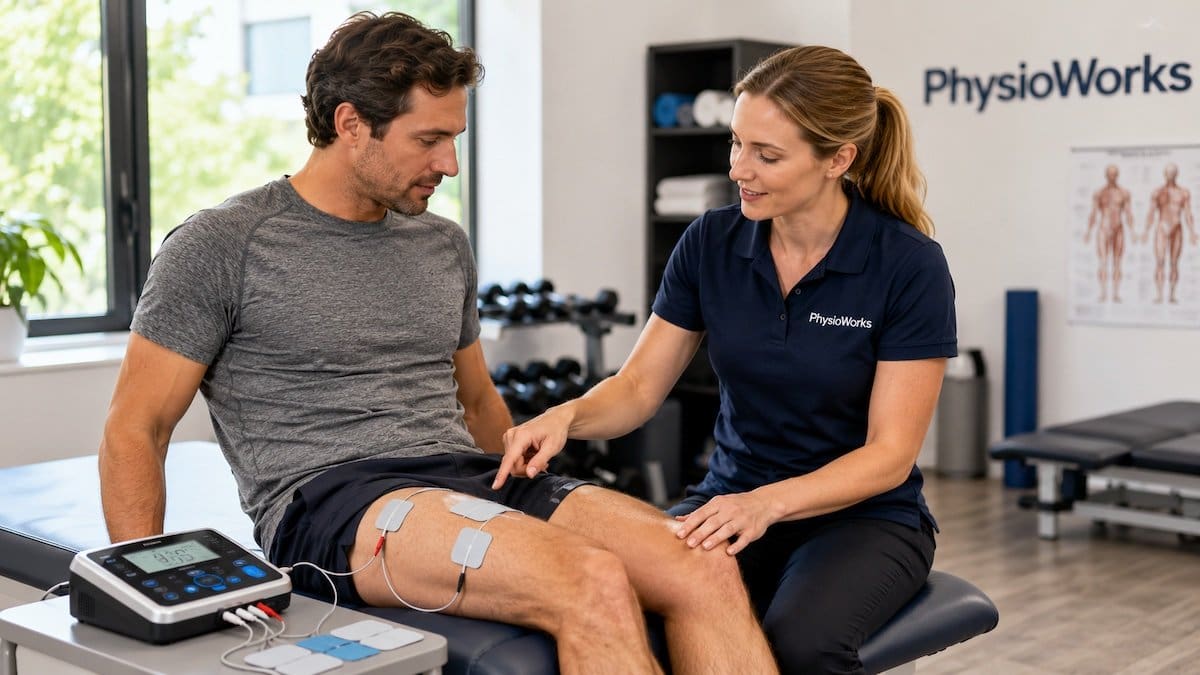
EMS machine quadriceps pad placement during physiotherapy rehabilitation guidance.
Safe EMS setup starts with clear pad placement.

An EMS machine uses electrical muscle stimulation to make a muscle contract. It may help support muscle activation, strength and rehab when your physiotherapist includes it in a clear plan.

EMS does not replace active exercise. It works best as one part of a broader plan that may include soft tissue injury care, muscle strain treatment, muscle pain management, strength work and sensible load progressions.

Quick Answer: What Does an EMS Machine Do?

An EMS machine sends controlled pulses through pads placed on the skin. These pulses create muscle contractions. This may help a weak or inhibited muscle switch on, keep working during early rehab, or support strength work when used with guidance.

Shop EMS machines

Why Use an EMS Machine?

An EMS machine may help when a muscle is weak, slow to switch on, or hard to load after injury. It can be useful in early rehab when heavy exercise is not yet suitable.

For example, EMS may sit inside a plan for muscle injury management, return to activity, or early strength work after a period of reduced use.

EMS May Help Support:

  • early muscle activation after injury
  • strength work when heavy loading is limited
  • muscle control during rehab
  • muscle conditioning alongside exercise
  • confidence with a guided home program
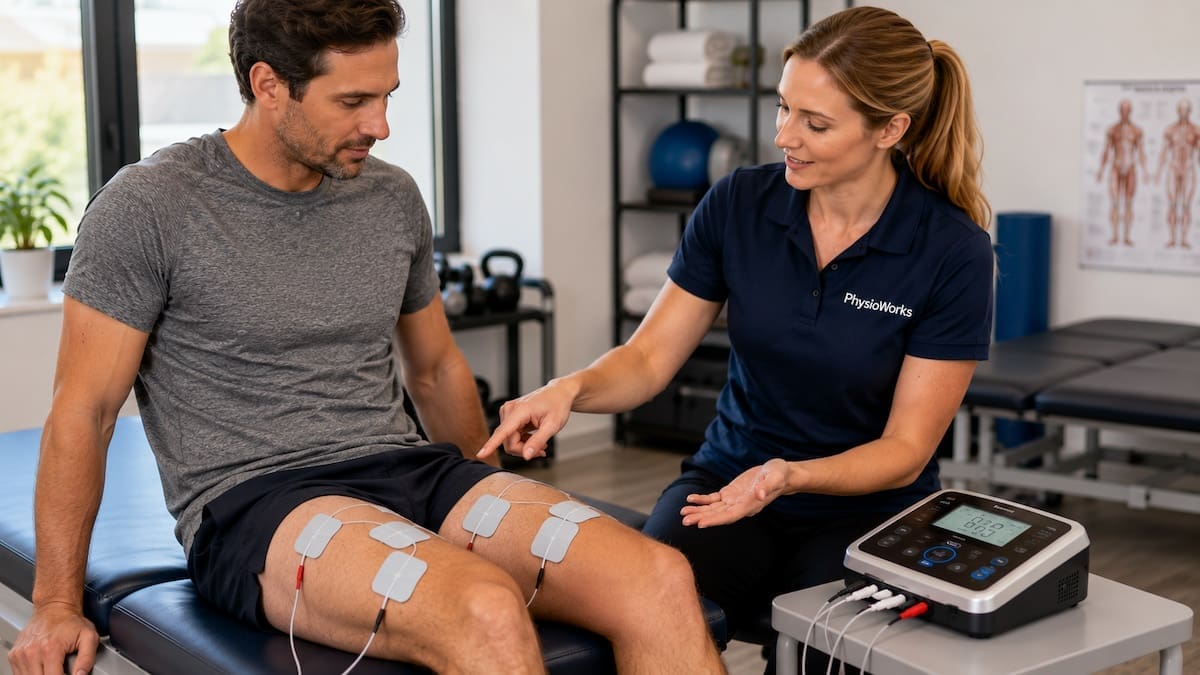
EMS machine quadriceps muscle contraction explained during physiotherapy education.
EMS creates a controlled muscle contraction.

How Does an EMS Machine Work?

EMS pads sit on the skin over the target muscle. The device then sends small electrical pulses through the pads. These pulses make the muscle contract, much like it does during exercise.

Two ideas matter most:

  1. Muscle fibre recruitment: EMS may help activate fibres that are hard to recruit during early rehab.
  2. Nerve-muscle training: Repeated contractions may help the nerve and muscle work together more clearly.

If your main goal is pain relief, a TENS machine may suit you better. TENS mainly targets sensory nerves for pain relief. EMS mainly targets muscles for contraction. You can also read what a TENS machine does.

EMS Machine vs TENS Machine

EMS and TENS machines can look similar, but they serve different goals. Some devices offer both settings, so check the mode before use.

Feature EMS Machine TENS Machine
Main goal Muscle contraction and activation Pain relief
Target Muscles and motor nerves Sensory nerves
Common use Strength support, muscle activation and rehab Home pain management
Best next step Ask your physiotherapist about pad placement and dose Read the TENS guide or ask your physiotherapist

For pain-relief guidance, read our pages on how to use a TENS machine, TENS machine benefits, and private health insurance for TENS machines.

Who May Benefit from an EMS Machine?

EMS may suit people who need extra help with muscle activation or conditioning. It is most useful when it supports a planned exercise program rather than replacing one.

  • People recovering from injury: EMS may help activate a weak muscle while tissues settle and loading is rebuilt.
  • Post-operative patients: EMS may help when swelling, pain or reduced use makes muscle activation difficult.
  • Athletes: EMS may support targeted muscle work and activation drills alongside normal training.
  • General exercisers: EMS may supplement strength work when used sensibly and with clear goals.

When Could EMS Be Used?

EMS is often used when a muscle needs help to switch on, but the person is not ready for heavy loading. Your physiotherapist may use it during early rehab, return-to-training planning, or a home exercise program.

EMS Decision Guide

  • Choose EMS when the goal is muscle contraction, activation or strength support.
  • Choose TENS when the main goal is pain relief.
  • Ask your physiotherapist if you have a new injury, recent surgery, poor skin tolerance or a medical device.

View EMS machine options

How Often Should You Use an EMS Machine?

The right dose depends on your goal, health history, muscle response and skin tolerance. Many people start with short sessions and increase slowly if the skin and muscle respond well.

Follow your physiotherapist’s plan or the device manual. Stop if you notice unusual pain, skin irritation, dizziness, shortness of breath or symptoms that do not feel normal for you.

Is an EMS Machine Safe?

EMS is generally safe for many people when used as directed. However, it is not suitable for everyone. Do not use EMS over the chest, neck, head, broken skin, infected skin, or areas with poor sensation unless your doctor or physiotherapist says it is safe.

Do not use an EMS machine if you have a pacemaker, implanted defibrillator, serious heart condition, uncontrolled epilepsy, or pregnancy without medical clearance. Always read the label and instruction manual.

EMS machine quadriceps strengthening exercise during supervised rehabilitation.
EMS works best with active rehabilitation.

Can Exercise Physiology Help With EMS?

EMS works best when paired with active movement. If you need a structured strength plan, an exercise physiologist may help you progress from early activation into strength, balance, endurance or return-to-function training.

Important Warning

An EMS machine is an electronic medical device. Always read the label and instruction manual. Consult your doctor or healthcare professional before use and if symptoms persist. Use only as directed.

Before You Use EMS at Home

  • check the device mode before starting
  • use clean pads on clean, healthy skin
  • avoid the chest, neck, head and broken skin
  • start with short sessions unless told otherwise
  • stop if symptoms feel unusual or concerning

EMS Machine FAQs

What does an EMS machine actually do?

An EMS machine sends controlled pulses to a muscle so it contracts. This may help maintain or build muscle activation during rehab, especially when the muscle is weak, inhibited or hard to switch on.

Is an EMS machine good for muscle recovery?

EMS may support recovery when it helps a weak muscle activate more clearly. However, it should not replace sleep, nutrition, load management or active exercise. Your physiotherapist can advise whether EMS suits your stage of recovery.

How often can I use an EMS machine?

Frequency depends on your goal and tolerance. Some people use EMS daily for short periods, while others use it every second day. Follow your clinician’s plan and stop if your skin becomes irritated or the muscle feels overworked.

Where should EMS pads be placed?

Place EMS pads over the target muscle on clean, healthy skin. Do not place pads over the chest, neck, head, broken skin or areas with poor sensation unless your healthcare professional has given specific instructions.

Who should not use an EMS machine?

Do not use EMS if you have a pacemaker, implanted defibrillator, serious heart condition, uncontrolled epilepsy, active infection at the pad site, or pregnancy without medical clearance. Check with your doctor or physiotherapist first.

What is the difference between EMS and TENS?

EMS targets muscles and creates contractions. TENS mainly targets sensory nerves and is used for pain relief. Some devices include both programs, so check the mode before use and ask your physiotherapist if you are unsure.

Related Articles

What to Do Next

Ask your physiotherapist whether EMS suits your injury, strength goal, health history and home program. They can explain where to place the pads, how strong the contraction should feel, and how EMS should fit with your exercises.

If you are ready to compare options, view the EMS machine range below. If you are unsure, book a physiotherapy appointment first so your clinician can guide the safest starting plan.

Book your appointment – 24/7

Choose your preferred PhysioWorks clinic and book online.

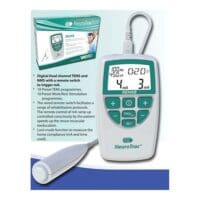
EMS Products

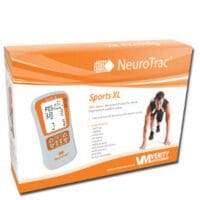
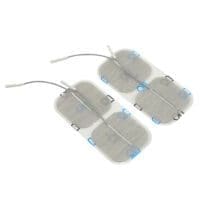
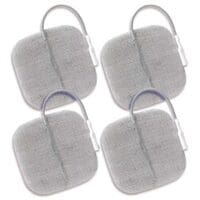
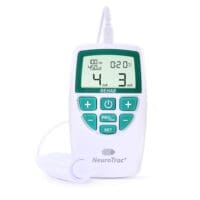
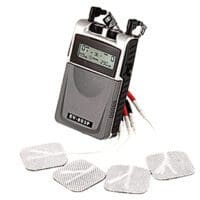
These EMS products are commonly used by our physiotherapists to provide comfort, facilitate strengthening, plus assist home exercise programs.

View all EMS products

Follow PhysioWorks

Get free physiotherapy tips, exercise videos, recovery advice, and blog updates.

Facebook Instagram YouTube B X Email PhysioWorks

How do you wear a tennis elbow brace?

How to wear a tennis elbow brace comes down to two things: correct placement and comfortable tightness. When you wear it well, a brace may help reduce tendon strain during gripping, lifting, and sport. For the full diagnosis and rehabilitation pathway, go to our Tier 1 page: Tennis Elbow.

Even so, a brace works best as a “during activity” tool rather than a long-term fix. If your pain spikes with typing, lifting, racquet sports, or gym work, use the brace to settle symptoms while you address the drivers of the problem. For example, changes to workload, grip technique, and a progressive strengthening plan often matter more than wearing a strap tighter. If pain spreads into the forearm, your grip keeps weakening, or symptoms persist beyond a few weeks, get assessed to confirm the diagnosis and rule out other causes of arm pain.

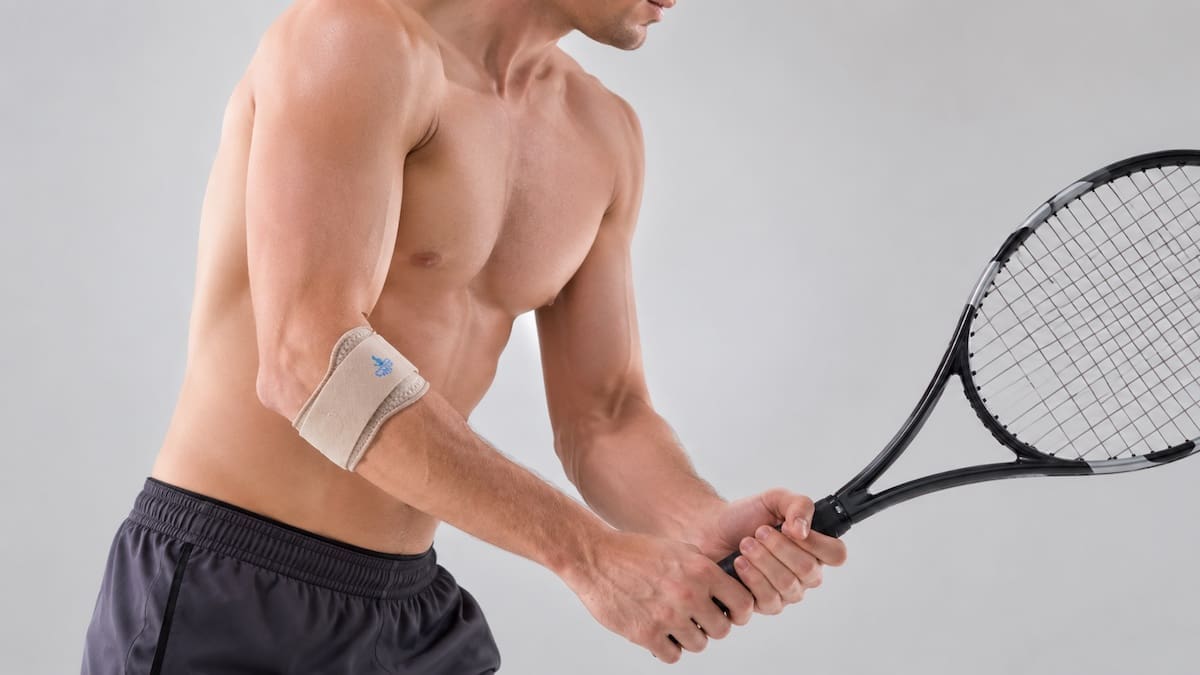
How to wear a tennis elbow brace on the forearm

Place a tennis elbow brace on the forearm muscles, not directly on the elbow joint.

Short answer: placement and tightness

Wear the strap around the widest part of your forearm, usually a few centimetres below the painful outside elbow point. Tighten it until it feels firm and supportive, however it should not cause numbness, tingling, swelling, or hand colour change. For complete treatment guidance and rehab progressions, visit Tennis Elbow.

Step-by-step: how to wear a tennis elbow brace

  1. Locate the painful area: Tennis elbow pain often sits near the bony outside point of the elbow.
  2. Move down the forearm: Position the brace on the forearm muscle belly below that sore spot (not on the elbow joint).
  3. Set the tightness: Aim for “snug and supportive”, not restrictive.
  4. Test it: Try a light grip task (like picking up a mug). It should feel easier, not worse.
  5. Adjust as needed: Re-check tightness during the day, especially if swelling or irritation develops.

How tight should a tennis elbow strap be?

A strap should feel firm, while you still move your wrist and fingers freely. If you get tingling, numbness, a throbbing increase in pain, swelling, or a pale/blue hand, loosen or remove the strap.

When should you wear it?

Many people wear a brace only during activities that trigger pain, such as lifting, carrying, keyboard work, gym, or sport. You may not need it at rest. If symptoms keep returning, you usually need a broader plan than bracing alone.

What to do next

A brace may help symptom control, however it does not build tendon capacity on its own. If pain persists, grip strength drops, or you avoid normal tasks, a physiotherapist can assess your elbow and guide a graded strengthening plan, load management, and technique changes.

Need more tennis elbow info? Start with our online guide for the full pathway: Tennis Elbow: causes, symptoms, treatment and rehabilitation.

Related information

Book your appointment – 24/7

Choose your preferred PhysioWorks clinic and book online.

Follow PhysioWorks

Get free physiotherapy tips, exercise videos, recovery advice, and blog updates.

Facebook Instagram YouTube B X Email PhysioWorks

Tennis Elbow Treatment: Immediate Relief vs Long-Term Recovery

Tennis elbow treatment physiotherapy assessment during resisted wrist extension test

Physiotherapy assessment helps guide effective tennis elbow treatment.

Tennis elbow treatment works best when you calm pain, manage tendon load, and rebuild strength over time. While some treatments may ease symptoms quickly, the strongest long-term approach usually combines education, activity changes, and progressive exercise rather than relying on passive care alone.

If you have outer elbow pain with gripping, lifting, gym work, racquet sport, tools, or repetitive keyboard use, this page explains how modern treatment compares. For a broader overview, read our tennis elbow physiotherapy guide, our main elbow pain page, and our overview of tendinopathy.

The most effective tennis elbow treatment usually combines progressive exercise, sensible load management, and staged return to activity. Short-term symptom tools can help, but long-term recovery is usually driven by rebuilding tendon capacity and grip tolerance rather than chasing pain alone.

Quick takeaways

  • Progressive strengthening is usually the foundation of tennis elbow treatment.
  • Cortisone may help in the short term, but it is not usually the best long-term fix.
  • Complete rest often settles pain briefly but does not rebuild tendon tolerance.
  • Shockwave, dry needling, taping, and bracing may help symptoms, but they work best as support tools.
  • Most people improve over 6 to 12 weeks, although stubborn cases can take several months.

What is the most effective tennis elbow treatment?

The most effective tennis elbow treatment is usually a structured program that gradually reloads the irritated tendon. Research supports resisted wrist extensor exercise, sensible activity modification, and a broader rehabilitation plan over passive treatment alone when the goal is durable pain relief and better function.

Tennis elbow is more accurately described as a tendon overload problem than a simple inflammatory flare. That is why prolonged rest, repeated quick fixes, or treatment that only chases pain often falls short. A physiotherapist may instead guide you through symptom control, strength rebuilding, grip progression, and a safer return to work, gym, or sport.

Why does tennis elbow keep coming back?

Tennis elbow often returns when the tendon becomes less sore before it becomes strong enough. Pain may settle faster than tissue capacity improves, so symptoms often flare again when gripping, lifting, or backhand loading resumes too quickly.

This is why modern rehab focuses on load management rather than a full stop. For many tendon problems, rest is not the best long-term answer. Instead, treatment aims to reduce aggravation without losing all tendon capacity.

How can physiotherapy help tennis elbow treatment?

Physiotherapy can help tennis elbow treatment by combining diagnosis, pain reduction, progressive strengthening, and practical load advice. The aim is not only to ease your elbow pain, but also to improve grip strength, work tolerance, and confidence using your arm again.

A physiotherapist will usually assess gripping pain, resisted wrist extension, forearm muscle function, neck and shoulder contribution, tendon irritability, work demands, gym loads, and racquet or tool technique where relevant. This matters because conditions such as golfer’s elbow, cervical radiculopathy, or broader arm pain causes can sometimes mimic or overlap with tennis elbow.

1. Assessment and diagnosis

Your treatment plan should start with a clear diagnosis. A physiotherapist will usually assess the painful outer elbow area, gripping tolerance, wrist extensor loading, forearm flexibility, neural sensitivity, and whether your pain pattern matches tendon overload or another condition.

2. Load management

Load management means changing the amount, intensity, frequency, or style of tasks that aggravate your elbow without stopping all activity. Examples include reducing repeated gripping volume, changing gym exercises temporarily, altering racquet setup, or breaking up heavy tool use.

3. Progressive exercise

Exercise is the main long-term driver of recovery. This often starts with wrist extensor isometrics or light resisted work, then builds into isotonic strengthening, heavier gripping, and function-specific tasks based on what you need for work, sport, or daily life.

Tennis elbow wrist extension exercise with forearm supported on table and dumbbell
Wrist extension exercise for tennis elbow rehabilitation

4. Pain-modulation support

Some people benefit from short-term symptom relief while they build load tolerance. Depending on your presentation, this may include hands-on treatment, taping, or adjuncts such as dry needling. These options may help settle pain, but they should support, not replace, a strengthening plan.

5. Education and prevention

Education helps you pace aggravating tasks, progress your exercises properly, and know what level of discomfort is acceptable. That often reduces fear, improves adherence, and lowers the risk of symptoms recurring as you return to full activity.

Are corticosteroid injections good for tennis elbow treatment?

Corticosteroid injections can reduce pain quickly, but they are usually not the best long-term tennis elbow treatment. Current evidence suggests they may provide short-term benefit, yet exercise-based care tends to deliver better intermediate and longer-term outcomes with less recurrence.

This does not mean injections are never used. However, they are usually better viewed as a limited symptom-control option rather than a stand-alone solution. If an injection is considered, it should sit inside a broader rehab plan rather than replace progressive loading.

Other tennis elbow treatment options: do they work?

Several other treatments such as PRP, shockwave therapy, dry needling, kinesiology taping, and bracing may help tennis elbow symptoms. However, most are considered supportive options rather than first-line treatments, with exercise-based rehabilitation still providing the most consistent long-term results.

This is where clear hierarchy matters. These options can be useful in selected cases, especially when pain is limiting activity or recovery has stalled, but they usually work best when added to a structured loading program rather than used as a replacement for it.

Shockwave therapy

Shockwave therapy is one of the stronger adjunct options for persistent tennis elbow. It may help reduce pain and improve function in chronic tendinopathy cases, particularly when symptoms have lingered and the tendon remains irritable despite sensible rehabilitation.

Platelet-rich plasma (PRP)

PRP has mixed evidence. Some chronic cases may improve, but results are not consistent across all studies, and it is usually considered later rather than early. PRP is better framed as a possible option when standard rehabilitation has not been enough, rather than a routine first step.

Dry needling

Dry needling may help reduce short-term pain and muscle tension, which can make loading more tolerable. That can be useful if forearm symptoms are reactive, but the main long-term goal still remains tendon strength, grip tolerance, and return to function.

Kinesiology taping

Kinesiology taping may provide short-term symptom relief during activity. It is generally a low-risk support tool that some people find helpful for work, chores, or sport, but it does not replace strengthening and load progression.

Counterforce bracing

A counterforce brace can reduce symptoms during gripping or lifting in some people, especially in the short term. It can be practical for work or sport, but it should still sit inside a wider plan focused on tendon recovery.

How do tennis elbow treatment options compare?

Most people do best when they treat exercise as the foundation and use other options to support pain control or activity tolerance. This simple comparison shows where each treatment usually fits.

Treatment Best Use Evidence Strength Role
Progressive exercise Most cases Strong Core treatment
Shockwave therapy Persistent or chronic cases Moderate Adjunct
PRP Resistant cases Mixed Secondary option
Dry needling Pain relief support Moderate Adjunct
Kinesiology taping Activity support Low to moderate Short-term support
Counterforce brace Gripping and lifting support Moderate short-term Short-term support
Corticosteroid injection Selected short-term pain relief Short-term only Limited role

Do you need complete rest for tennis elbow?

No. Complete rest may settle tennis elbow pain for a short time, but it often does not improve the tendon’s ability to cope with gripping, lifting, work, or sport. Most people do better when they reduce aggravating load and then rebuild capacity gradually.

That is the key difference between “rest until it feels better” and rehabilitation. A good program keeps you moving where possible, then increases tendon load in a staged way as pain settles and strength improves.

What about manual therapy, massage, and dry needling?

Manual therapy, massage, and dry needling may help reduce pain and improve short-term movement tolerance in some people with tennis elbow. They are usually best used as adjuncts that make your strengthening program easier to tolerate, not as the full treatment by themselves.

If your forearm is very reactive, these treatments may give you a useful window to start loading more comfortably. That can be valuable, but the long-term aim still remains stronger tendon capacity, better grip tolerance, and more confident arm use.

Can a tennis elbow brace help?

A tennis elbow brace may help some people in the short term by reducing pain during gripping or lifting. It can be a practical support tool for work, chores, racquet sports, or gym tasks, but it should not replace exercise-based rehabilitation.

If you want a practical guide, read how to wear a tennis elbow brace. Bracing often works best as part of a broader plan that also includes load management and progressive strengthening.

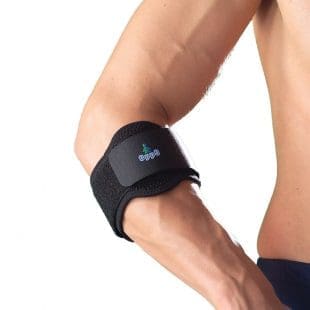
Tennis elbow brace OPPO 1489 support strap for gripping pain relief

OPPO 1489 tennis elbow strap

How long does tennis elbow treatment take?

Many people notice early improvement in 6 to 12 weeks, but full recovery can take longer, especially when symptoms have been present for months. Chronic or recurrent cases may need several months of staged rehabilitation before gripping and lifting feel consistently reliable again.

Your timeline depends on tendon irritability, work or sport demands, sleep, recovery, strength deficits, and how consistently you can follow your loading plan. Honest expectations matter because tendons usually improve steadily rather than instantly.

When should you seek help for tennis elbow?

You should seek help if outer elbow pain is lasting more than a few weeks, your grip feels weak, lifting a kettle or pan hurts, work tasks keep flaring symptoms, or you are not improving with simple load changes. Early guidance often helps you recover faster and avoid repeated setbacks.

It is also worth getting assessed if your pain shoots below the elbow, includes tingling or numbness, or you suspect the problem may involve your neck, shoulder, or another elbow condition.

Is physiotherapy the right next step for your tennis elbow treatment?

Physiotherapy is often the right next step when you want more than temporary relief. It helps match the treatment plan to your tendon irritability, work demands, gym or sport goals, and the exact tasks that keep provoking your elbow.

If you need a broader sports context, our tennis injuries guide discusses how racquet loads can contribute to elbow symptoms. If your main concern is choosing the right clinician, you can also view the PhysioWorks physiotherapy team.

Pain-free tennis racquet grip after tennis elbow physiotherapy recovery
Pain-free return to tennis after elbow rehabilitation

What to do next

If your elbow pain is mild, start by reducing the activities that flare it, use short-term support such as a brace if it helps, and begin a gradual strengthening plan. Avoid assuming that pain-free rest means the tendon is ready for full loading again.

If symptoms keep returning, book a physiotherapy assessment. A physiotherapist can confirm the diagnosis, rule out overlapping conditions, and build a staged rehab plan that aims for long-term recovery rather than another short burst of relief.

Book your appointment – 24/7

Choose your preferred PhysioWorks clinic and book online.

Elbow Products

These elbow support products are commonly used by our physiotherapists to help reduce strain, improve strength, and support your elbow recovery at home.

View all elbow support products

Follow PhysioWorks

Get free physiotherapy tips, exercise videos, recovery advice, and blog updates.

Facebook Instagram YouTube B X Email PhysioWorks

Frequently Asked Questions

What is the best treatment for tennis elbow?

The best treatment for tennis elbow is usually a progressive exercise program combined with load management and education. Short-term symptom tools may help, but long-term recovery usually depends on rebuilding tendon tolerance and grip strength rather than relying on passive treatment alone.

Are cortisone injections good for tennis elbow?

Cortisone injections may help pain in the short term, but they are usually not the best long-term option for tennis elbow. Many people do better with exercise-based rehabilitation because it aims to improve tendon capacity, function, and recurrence risk over time.

Does shockwave therapy help tennis elbow?

Shockwave therapy may help some persistent or chronic tennis elbow cases, especially when pain has lingered and tendon loading remains difficult. It is usually best viewed as an adjunct to exercise-based rehabilitation rather than a replacement for strengthening and load progression.

Does PRP work for tennis elbow?

PRP may help some resistant tennis elbow cases, but the evidence is mixed and results are not consistent across all studies. It is generally considered later rather than early, especially if a structured rehabilitation program has not yet been fully tried.

Should I rest tennis elbow completely?

No. Complete rest may settle pain briefly, but it often does not prepare the tendon for gripping, lifting, work, or sport. Most people recover better when they modify aggravating load and then rebuild strength in a gradual, structured way.

Does a tennis elbow brace work?

A tennis elbow brace may help reduce pain during gripping or lifting in the short term. It can be useful for work, chores, or sport, but it should support a broader rehabilitation plan rather than replace progressive strengthening and load management.

How long does tennis elbow take to improve?

Many people improve within 6 to 12 weeks, although stubborn or long-standing cases may take several months. Recovery speed depends on tendon irritability, work and sport demands, general health, sleep, and how steadily you follow your rehabilitation plan.

When should I see a physiotherapist for tennis elbow?

You should see a physiotherapist if pain has lasted more than a few weeks, your grip feels weak, lifting hurts, work tasks keep flaring symptoms, or self-management is not working. Assessment also helps rule out neck-related pain or other elbow conditions.

References

  1. Lucado AM, Day JM, Vincent JI, et al. Lateral Elbow Pain and Muscle Function Impairments: 2022 Revision Clinical Practice Guidelines Linked to the International Classification of Functioning, Disability and Health From the Academy of Hand and Upper Extremity Physical Therapy and the Academy of Orthopaedic Physical Therapy of the American Physical Therapy Association. J Orthop Sports Phys Ther. 2022;52(12):CPG1-CPG111. doi:10.2519/jospt.2022.0302
  2. Karanasios S, Korakakis V, Whiteley R, et al. Exercise interventions in lateral elbow tendinopathy have better outcomes than passive interventions, but the effects are small: a systematic review and meta-analysis of 2123 subjects in 30 trials. Br J Sports Med. 2021;55(9):477-485. doi:10.1136/bjsports-2020-102525
  3. Singh HP, Watts AC, on behalf of the BESS LET Guideline Development Group. BESS patient care pathway: Tennis elbow. Shoulder & Elbow. 2023;15(4):348-359. doi:10.1177/17585732231170793
  4. Sharma S, Berwal P, Singh G, et al. Physical therapy intervention versus corticosteroid injection for lateral elbow tendinopathy: Does slow and steady win the race?. Shoulder & Elbow. 2024. doi:10.1177/17585732221132545
  5. Wallis JA, Johnston RV, Smidt N, Green S, Buchbinder R. Manual therapy and exercise for lateral elbow pain. Cochrane Database Syst Rev. 2024;5:CD013042. doi:10.1002/14651858.CD013042.pub2
  6. Couppé C, Døssing S, Bülow PM, et al. Effects of Heavy Slow Resistance Training Combined With Corticosteroid Injections or Tendon Needling in Patients With Lateral Elbow Tendinopathy: A 3-Arm Randomized Double-Blinded Placebo-Controlled Study. Am J Sports Med. 2022;50(10):2723-2733. doi:10.1177/03635465221110214
  7. Kroslak M, Pirapakaran K, Murrell GAC. Counterforce bracing of lateral epicondylitis: a prospective, randomized, double-blinded, placebo-controlled clinical trial. J Shoulder Elbow Surg. 2019;28(2):288-295. doi:10.1016/j.jse.2018.08.034

What Are Growing Pains in Children and When Should You Worry?

Article by John Miller & Erin Runge
Growing pains in children calf and knee assessment by physiotherapist

Calm assessment can clarify leg pain patterns.

Growing pains in children describe a common pattern of leg aches that often appear in the evening or overnight. Parents often notice them after busy days of sport, running, jumping or active play.

Despite the name, research has not confirmed that growth itself causes the pain. Many children seem to experience a muscle ache pattern linked with activity, fatigue and recovery. Most cases are not serious. However, some youth injuries and growth-related conditions can feel similar at first.

Quick answer

Growing pains usually feel like an ache in the calves, thighs or behind the knees. Symptoms tend to appear in the evening or overnight, then settle by morning. They should not cause swelling, redness, heat or ongoing limping. If pain does not match this pattern, or it limits sport and daily life, a physiotherapist can assess what may be driving the symptoms. For a broader guide, start with our Youth Sports Injuries page.

What do growing pains usually feel like?

Children describe growing pains in different ways. Some say their legs ache, throb or feel sore. Others wake at night and ask for a rub. Many parents notice that their child looks fine the next morning and runs around as usual.

Typical features include:

  • evening or night-time aches, often after a very active day
  • pain in the calves, thighs or behind the knees
  • normal walking and running the next day
  • no swelling, redness or heat around a joint
  • no ongoing limp or refusal to bear weight

Why do growing pains happen?

The exact cause remains debated. However, many clinicians view growing pains as a load-and-recovery issue. In simple terms, a child’s muscles and joints may feel sore when activity increases faster than the body can adapt.

This can happen during growth spurts, sports seasons or busy school terms. It can also occur when children stack school sport, training, weekend games and active play without enough recovery.

Temporary changes in flexibility, coordination and strength can occur as children grow. As a result, some children place more stress through certain tissues until their movement patterns and strength catch up.

Growing pains vs sports injury

Growing pains in children step-down screening for front-of-knee control

Movement screening can help guide next steps.

Parents often ask, “How do I know it is not an injury?” Growing pains usually do not cause pain during sport. They also rarely cause limping. In contrast, an overload injury often hurts during or after activity and may linger into the next day.

These growth-related conditions can feel similar at first:

Can my child keep playing sport?

Many children can keep playing if their pain follows the typical growing pains pattern and settles by morning. However, pause and organise assessment if pain increases during activity, causes limping, changes running style or affects confidence.

When should parents worry?

Book an assessment if your child has any of the following signs:

  • pain during the day, or pain that reliably flares during sport
  • limping, reduced activity or refusal to bear weight
  • swelling, redness, heat or marked tenderness
  • persistent pain on one side only
  • pain that steadily worsens rather than coming and going
  • fever, feeling unwell or unexplained weight loss

What signs suggest this is not just growing pains?

Growing pains usually come and go. They should not cause day-time pain, swelling or an ongoing limp. Persistent one-sided pain, pain over a bony area, swelling, sport-related pain or pain that worsens over time suggests another cause and should be assessed.

Other youth leg pain causes include avulsion fractures, muscle strains, tendon overload, tibial stress injuries and foot or ankle overload.

What can help growing pains at home?

Simple care may help when symptoms follow the usual growing pains pattern.

  • Use gentle massage or warmth before bed.
  • Keep bedtime routines steady during busy sports weeks.
  • Reduce sharp spikes in running, jumping and weekend sport load.
  • Try gentle stretches if they feel comfortable.
  • Track whether symptoms settle fully by morning.

Avoid pushing through pain that changes your child’s walking, running or mood. That pattern needs review.

How physiotherapy may help

A physiotherapist can check movement quality, strength, flexibility, balance and sport load. They may also review footwear, training changes, running and jumping demands, and recovery routines.

Depending on your child’s needs, this may include pacing advice during busy weeks, simple mobility work, strength progressions and recovery strategies that fit school and sport routines. Assessment can also help rule out other causes of leg pain. That reassurance helps families make confident decisions about sport participation.

For a more detailed pathway, see our Kids Leg Pain guide.

Growing pains FAQs

Growing pains in children infographic explaining symptoms and when to worry

Infographic outlining growing pain symptoms, warning signs and simple care advice.

What age do growing pains happen?

Growing pains commonly occur in primary school years and early adolescence, but patterns vary between children. Age alone does not confirm the diagnosis, so the symptom pattern matters more than the exact age.

Do growing pains happen in both legs?

They often affect both legs, especially the calves, thighs or behind the knees. Some children report one side more at times. Persistent one-sided pain, especially with tenderness, swelling or limping, should be assessed.

Do growing pains mean my child is growing quickly?

Not necessarily. The term is common, but research has not shown that bone growth directly causes the pain. Activity load, fatigue and recovery may play a role for some children.

Can my child keep playing sport with growing pains?

Many children can continue sport if symptoms fit the typical pattern and settle by morning. If pain starts during sport, changes movement or causes limping, reduce load and organise assessment.

What helps growing pains at home?

Gentle massage, warmth, comfortable stretching and sensible activity pacing may help. A simple symptom diary can also track activity, pain timing, pain location and whether symptoms settle by morning.

When should I see a physiotherapist?

Consider assessment if pain persists, worsens, causes limping, happens during the day, affects sport or comes with swelling, redness or heat.

What to do next

If your child’s symptoms fit the typical pattern and settle by morning, monitor activity load and recovery for a week or two. If pain changes, becomes one-sided, limits sport or causes limping, arrange an assessment.

A physiotherapist can assess your child’s movement and help guide a safe plan for school, sport and play.

Book your appointment – 24/7

Choose your preferred PhysioWorks clinic and book online.

Follow PhysioWorks

Get free physiotherapy tips, exercise videos, recovery advice, and blog updates.

Facebook Instagram YouTube B X Email PhysioWorks

References

  1. O’Keeffe M, Kamper SJ, Montgomery L, et al. Defining growing pains: a scoping review. Pediatrics. 2022;150(2):e2021052578. doi:10.1542/peds.2021-052578
  2. Zhang W, Xu X, Leng H, et al. An exploration of clinical features and factors associated with growing pains. Pain Reports. 2024;9(4):e1164. doi:10.1097/PR9.0000000000001164
  3. Pavone V, Vescio A, Valenti F, Sapienza M, Sessa G, Testa G. Growing pains: what do we know about etiology? A systematic review. World Journal of Orthopedics. 2019;10(4):192-205. doi:10.5312/wjo.v10.i4.192

Warming Up Before Exercise

Warming up before exercise helps prepare your muscles, joints, tendons, and nervous system for activity. A gradual warm-up can improve movement quality, help performance, and reduce the risk of overload. It also works well alongside stretching exercises, a sensible exercise program, and good injury prevention habits.

A good warm-up is not just a few random stretches. Instead, it should build from light movement to activity-specific drills so your body is ready for the session ahead. This approach is commonly used in sports physiotherapy and broader sports injuries management.

Why Is Warming Up Important?

Warming up increases blood flow, raises muscle temperature, and helps your body move more efficiently. As a result, many people feel looser, more coordinated, and better prepared when training starts. For active people, warming up may also reduce the chance of muscle strain, tendinopathy, and other training-related soft tissue problems.

  • Improves movement readiness
  • Helps muscles and tendons tolerate load
  • Supports better coordination and control
  • May improve exercise and sports performance
  • Can reduce post-exercise soreness

Does Warming Up Unlock Performance?

Yes, in many situations it can. A well-structured warm-up helps your body transition from rest to exercise by gradually increasing effort, sharpening coordination, and preparing the muscles you are about to use. Many athletes notice better movement, improved speed, and more confidence once they are properly warmed up.

Recent research suggests that dynamic stretching is the most reliable warm-up method for improving explosive lower-limb performance. In particular, dynamic stretching performed for about 7 to 10 minutes produced the best performance effect in that review. By contrast, static stretching alone reduced explosive performance, while a combination of static plus dynamic stretching also improved performance but less consistently than dynamic stretching alone.

What Type of Warm-Up Helps Most?

The strongest evidence supports an active, dynamic, and sport-specific warm-up. That usually means light aerobic movement first, followed by dynamic mobility, muscle activation, and drills that resemble the activity you are about to do. This style of warm-up appears more helpful than passive preparation or long static stretching before explosive exercise.

For injury prevention, a simple generic warm-up may still help, but the evidence suggests it has only a small protective effect. More structured programs, especially neuromuscular injury prevention programs, appear to provide stronger benefits. These plans often combine movement control, balance, landing mechanics, trunk control, and progressive strengthening.

What Should a Good Warm-Up Include?

A useful warm-up usually starts with light whole-body movement, then progresses into mobility, activation, and sport-specific practice. For example, a runner may begin with brisk walking or easy jogging, then add dynamic leg swings, marching drills, and short build-up efforts before harder running.

  1. 2 to 5 minutes of light aerobic movement
  2. Dynamic mobility through the main joints
  3. Muscle activation for the task ahead
  4. Practice drills that match the sport or exercise

If your activity involves sprinting, jumping, cutting, or explosive movement, dynamic preparation is usually a better fit than long static holds before the session begins. If you want related guidance, read common muscle injuries and common physiotherapy treatment techniques.

Should You Stretch Before Exercise?

Stretching can help, but the type and timing matter. Dynamic stretching often suits a warm-up better than long static holds because it keeps the body moving while preparing the same muscles and joints used in your activity. In contrast, long static stretching may be better placed after exercise or in a separate flexibility session.

If you often tighten up after exercise, you may also like to read about delayed onset muscle soreness (DOMS), muscle recovery, and why a cool down matters after exercise.

Can Warming Up Help Prevent Injury?

Warming up may help lower injury risk, particularly when it is combined with good training habits, recovery, and progressive loading. It is not a guarantee against injury, but it can reduce the shock of sudden effort on muscles, ligaments, and tendons. This is especially relevant in activities that involve sprinting, jumping, lifting, or rapid changes of direction.

Current evidence suggests that structured neuromuscular warm-up programs are more protective than an unstructured general warm-up. These routines often include balance work, landing control, coordination drills, and strengthening elements. Some prevention programs also include eccentric training, which may help reduce injury risk in certain sports and muscle groups.

Soft tissue injuries such as a muscle strain are more likely when tissues are overloaded beyond what they are ready to handle. A gradual build-up helps your body prepare for those demands.

What Type of Warm-Up Works Best for Different Activities?

The best warm-up matches the activity you are about to do. A gym session, team sport, golf round, and distance run all place different demands on the body. Therefore, your warm-up should reflect the speed, movement, and load of the session, rather than relying on one routine for everything.

For field and court sports, a neuromuscular warm-up that includes running drills, balance, landing control, and direction changes may be especially useful. For gym or running sessions, a combination of light aerobic preparation, dynamic mobility, and muscle activation often works well. A physiotherapist may also use a tailored exercise program to address recurring issues.

For sport-specific advice, you can also explore sports physiotherapy. If you are unsure whether to continue training, this guide on listening to your body during exercise can also help.

When Should You Seek Professional Help?

If warming up still leaves you with pain, repeated tightness, or a pattern of recurring injuries, it is worth getting assessed. Ongoing symptoms can point to an underlying mobility issue, muscle weakness, tendon irritation, poor load management, or a technique problem that needs more than a simple warm-up change.

If you keep breaking down with training, recurring tendon pain, repeated muscle strains, or broader sports injuries may need a more specific rehabilitation plan.

Frequently Asked Questions About Warming Up

What type of warm-up is best before exercise?

For most people, the best warm-up is a dynamic and activity-specific one. That usually includes light aerobic movement, dynamic mobility, muscle activation, and drills that match the exercise or sport you are about to perform.

Is dynamic stretching better than static stretching before exercise?

Dynamic stretching is often better before explosive or high-speed exercise because it helps prepare the body without reducing power. Static stretching alone may reduce explosive performance if used immediately before sprinting or jumping.

How long should a warm-up take?

Most warm-ups take about 5 to 15 minutes. For explosive activities, around 7 to 10 minutes of dynamic preparation may work particularly well, depending on the sport, weather, and your fitness level.

Can warming up reduce soreness after exercise?

It may help reduce how stiff or uncomfortable you feel after exercise, especially when combined with sensible training loads and recovery habits. However, it will not remove soreness completely in every case.

Do beginners need to warm up?

Yes. Beginners often benefit from warming up because it helps the body ease into exercise, improves confidence, and makes movement feel more controlled from the start.

What to Do Next

If you are unsure how to warm up for your sport, gym training, or injury history, a physiotherapist can help tailor a routine to your needs. The right plan should match your activity, movement restrictions, and performance goals rather than relying on a generic approach.

If pain, tightness, or recurring injury keeps interrupting your training, book an assessment so the cause can be identified and your exercise plan adjusted safely.

Book your appointment – 24/7

Choose your preferred PhysioWorks clinic and book online.

Follow PhysioWorks

Get free physiotherapy tips, exercise videos, recovery advice, and blog updates.

Facebook Instagram YouTube B X Email PhysioWorks

References

  1. Fradkin AJ, Zazryn TR, Smoliga JM. Effects of warming-up on physical performance. J Strength Cond Res. 2010;24(1):140-148. doi:10.1519/JSC.0b013e3181c643a0
  2. Behm DG, Chaouachi A. A review of the acute effects of static and dynamic stretching on performance. Eur J Appl Physiol. 2011;111(11):2633-2651. doi:10.1007/s00421-011-1879-2
  3. Okobi OE, Warrington SJ. A meta-analysis of randomized controlled trials on the effectiveness of exercise intervention in preventing sports injuries. Cureus. 2022;14(6):e26123. doi:10.7759/cureus.26123
  4. Li FY, Guo CG, Li HS, Xu HR, Sun P. A systematic review and net meta-analysis of the effects of different warm-up methods on the acute effects of lower limb explosive strength. BMC Sports Sci Med Rehabil. 2023;15(1):106. doi:10.1186/s13102-023-00703-6

Is chest pain always a sign of a heart attack?

Chest pain can feel alarming. While some causes are serious, many episodes are related to muscles, ribs, joints, or the spine rather than the heart. The key is knowing when chest pain may signal a medical emergency and when it is more likely musculoskeletal.

Chest pain assessment comparing heart attack symptoms and musculoskeletal causes

Chest pain assessment considers heart-related and musculoskeletal causes.

Short answer

No. Chest pain is not always a heart attack. Muscles, ribs, the thoracic spine, posture, and breathing mechanics can all cause chest pain. However, heart-related pain must always be ruled out first. For a full overview, see our main guide on
chest pain and heart attack symptoms.

How musculoskeletal chest pain feels

Chest pain linked to the spine, ribs, or muscles often changes with movement, posture, or breathing. It may feel sharp, localised, or reproduced by twisting, coughing, sneezing, or pressing on the area.

Common patterns include thoracic spine stiffness, rib joint irritation, muscle strain, or postural overload from prolonged sitting or desk work. Pain may also spread around the chest wall or between the shoulder blades.

Symptoms that suggest a heart attack

Heart-related chest pain is usually constant and heavy rather than sharp. It may feel like pressure, tightness, or squeezing and can spread to the arm, jaw, neck, back, or stomach.

Other warning signs include shortness of breath, nausea, dizziness, or a cold sweat. If these symptoms are present, call 000 immediately.

Other causes of chest pain that are not a heart attack

Chest pain does not always come from the heart. Common non-cardiac causes include rib joint irritation, muscle strain, thoracic spine stiffness, postural overload, and breathing pattern changes. These issues often develop gradually and may worsen with prolonged sitting, lifting, or repetitive movements.

Reflux, anxiety, and respiratory infections can also contribute to chest discomfort. Because symptoms can overlap, medical assessment is important whenever chest pain is new, worsening, or unexplained.

What role physiotherapy may play

Once cardiac causes are excluded, physiotherapy may help manage chest pain related to the thoracic spine, ribs, posture, or breathing mechanics. A physiotherapist can assess movement, joint function, muscle control, and posture.

Treatment may include hands-on techniques, targeted exercises, postural advice, and breathing strategies. This approach aims to reduce pain, restore movement, and lower the chance of recurrence.

What this means for you

Chest pain should never be ignored. Urgent medical review is essential if symptoms suggest a heart problem. If serious causes are ruled out, physiotherapy assessment may help identify and manage musculoskeletal contributors safely.

Related information

Book your appointment – 24/7

Choose your preferred PhysioWorks clinic and book online.

Follow PhysioWorks

Get free physiotherapy tips, exercise videos, recovery advice, and blog updates.

Facebook Instagram YouTube B X Email PhysioWorks

Thoracic and Upper Back Products

These thoracic and upper back products are commonly used by our physiotherapists to improve strength, posture, movement, plus assist home exercise programs.

View all thoracic and upper back products

Improving Posture

Improving posture can reduce strain on your spine, joints, and muscles while supporting comfortable movement during work, sport, and daily life. Many posture concerns build gradually and may contribute to neck, upper back, or lower back pain over time, especially with prolonged sitting or device use. For a broader overview of posture patterns and practical management, see our posture guide: posture products and support.

Posture is not about forcing yourself “straight”. Instead, posture works best when it supports regular movement, task tolerance, and comfortable breathing. If you want a simple reference point for alignment, start with good standing posture, then come back here for practical ways to improve it.

Improving posture assessment with physiotherapist observing standing spinal alignment
A physiotherapist assesses standing posture to guide practical improvement strategies.

Short Answer

Improving posture usually involves improving strength, flexibility, and movement awareness rather than holding a rigid position. Many people benefit from targeted exercise, regular movement breaks, and small changes to workstation set-up and daily habits. If posture-related discomfort persists, a physiotherapy assessment can help clarify contributing factors and guide a plan that suits your work, sport, and symptoms. For posture guidance and common questions, see posture products and support.

Why Posture Matters

Your posture influences how load moves through your spine, shoulders, hips, and ribs. When you stay in one position for too long, certain tissues take more stress. Over time, that can increase muscle fatigue, joint irritation, and a “tight and stiff” feeling. As a result, posture often becomes a comfort and capacity issue, not a willpower issue.

  • Load distribution: Balanced posture helps spread forces more evenly through the spine and joints.
  • Pain management: Poor posture may contribute to neck, shoulder, and lower back discomfort.
  • Breathing and energy: Upright posture can support efficient breathing and reduce fatigue.
  • Movement efficiency: Better alignment can reduce unnecessary muscle “overwork”.

Common Reasons Posture Becomes a Problem

Most posture issues come from a mix of habits and physical capacity. For example, long sitting, repeated phone or laptop use, reduced upper back mobility, and weaker upper back or trunk muscles can combine. If your symptoms sit mainly around the neck or upper back, you may also find these pages useful: neck pain and back pain.

  • Sustained forward head posture: Often linked with neck stiffness and headaches.
  • Rounded upper back: May reduce thoracic movement and make your shoulders feel loaded.
  • Lower back loading: May increase discomfort during prolonged sitting, lifting, or standing.

What Is Considered Ideal Posture?

There is no single “perfect” posture. Healthy posture allows natural spinal curves while permitting regular movement. Posture varies between individuals based on anatomy, activity demands, and comfort. A practical goal is to find positions you can sustain without bracing, then change positions often.

Posture Is Dynamic

Even a good posture can become unhelpful if you hold it too long. Therefore, aim to move often. Try short breaks every 30 to 60 minutes, change sitting positions, and vary tasks when you can. In many cases, these small changes reduce stiffness more than forcing yourself to “sit up straight” all day.

Beyond the Spine

Posture is not only about your spine. Shoulders, hips, and feet also influence alignment and load. For example, forward shoulder posture can increase shoulder and nerve strain. Likewise, foot position can change how forces travel through the legs and pelvis during standing and walking.

  • Shoulders: Forward shoulder posture may increase shoulder and nerve strain.
  • Feet: Foot position can influence overall body alignment during standing and walking.

Improving Posture Tips You Can Start Today

Start with changes you can repeat. Small wins add up, especially when you sit or drive for long blocks.

  • Move more often: Stand up regularly, even for 30–60 seconds.
  • Use “easy tall” cues: Lengthen up gently without squeezing your shoulder blades.
  • Build capacity: Strengthen upper back, hips, and trunk with simple, consistent exercises.
  • Set up your workstation: Bring the screen up and keep keyboard and mouse close.
  • Match posture to the task: Typing, lifting, and walking all need different strategies.

What This Means for You

If posture is contributing to pain, stiffness, or reduced function, a physiotherapist can assess how your posture, strength, and movement patterns interact. Management may include exercise, education, hands-on treatment, and practical task changes suited to your daily life. If you have tingling, weakness, severe headaches, or rapidly worsening symptoms, it is worth getting assessed sooner.

Improving Posture Products

Some people find posture products useful as reminders or for short-term support, particularly during desk work. Even so, products work best when paired with movement, strength, and habit change. See options and guidance here: posture products and support.

Posture Products

These posture products are commonly used by our physiotherapists to improve posture, postural strength, endurance and flexibility, plus assist home exercise programs.

View all posture products

Related Information

Book your appointment – 24/7

Choose your preferred PhysioWorks clinic and book online.

Follow PhysioWorks

Get free physiotherapy tips, exercise videos, recovery advice, and blog updates.

Facebook Instagram YouTube B X Email PhysioWorks

References

1. Lee S, de Barros FC, de Castro CSM, Sato TO. Effect of an ergonomic intervention involving workstation adjustments on musculoskeletal pain in office workers—a randomized controlled clinical trial. Ind Health. 2021;59(2):78-85. doi:10.2486/indhealth.2020-0188. Available from: https://pubmed.ncbi.nlm.nih.gov/33250456/

2. Titcomb DA, Melton BF, Miyashita T. The Effects of Postural Education or Corrective Exercise on the Craniovertebral Angle in Young Adults With Forward Head Posture. Int J Exerc Sci. 2023;16(1):954-973. Available from: https://pubmed.ncbi.nlm.nih.gov/37649869/

3. Luger T, Ferenchak SA, Rieger MA, Steinhilber B. Work-break interventions for preventing musculoskeletal symptoms and disorders in healthy workers. Cochrane Database Syst Rev. 2025;10(10):CD012886. doi:10.1002/14651858.CD012886.pub3. Available from: https://pubmed.ncbi.nlm.nih.gov/41060296/

What Is Good Posture?

Good posture refers to the way you hold your body when sitting, standing, or moving. It means your joints and muscles are aligned so your body works efficiently with minimal strain. Poor posture, on the other hand, may contribute to neck pain, back pain, and shoulder discomfort over time. For a complete overview of posture causes, assessment, and treatment options, visit our Posture page.

Importantly, good posture does not mean holding yourself stiff or rigid. Healthy alignment allows your body to move efficiently while maintaining natural spinal curves. Subtle position changes throughout the day are normal and beneficial. Regular variation in posture often reduces muscle fatigue and improves comfort during prolonged sitting or standing.

Good posture standing side view showing natural spinal alignment
Side view of neutral standing posture demonstrating natural spinal curves and balanced joint alignment.

Short Answer

Good posture is a balanced body position where your spine maintains its natural curves and your muscles support you without excessive tension. It helps reduce joint stress, muscle fatigue, and discomfort. If posture concerns are persistent or painful, assessment through physiotherapy can clarify contributing factors and guide safe correction strategies. Learn more on our Posture page.

Why Is Good Posture Important?

Maintaining good posture allows your muscles and joints to share load evenly. When posture collapses or becomes rigid, certain structures absorb more stress than they should. Over time, this may increase strain on spinal joints and surrounding muscles.

Research suggests that sustained poor sitting posture can influence muscle activation patterns and spinal loading. However, posture is only one factor in discomfort. Load tolerance, strength, and movement habits also play a role. Even small changes, like switching positions every 20–30 minutes, can reduce stiffness and help your postural muscles share load more evenly.

What Does Good Posture Look Like?

In standing, good posture usually includes:

  • Head balanced over shoulders
  • Shoulders relaxed rather than rounded forward
  • Natural curves in the neck and lower back
  • Weight distributed evenly through both feet

In sitting, good posture involves spinal support without prolonged slouching or rigid upright positioning. Regular breaks and movement remain essential. You can review practical guidance on sitting posture and standing posture for more detail.

Can You Improve Good Posture?

Yes. Improving good posture often begins with awareness and gradual strengthening. Targeted posture exercises can improve muscle endurance and control. Ergonomic adjustments at workstations may also assist.

Structured programs can help retrain movement habits rather than forcing a single rigid position. Many people find that combining strengthening, mobility work, and load management produces more sustainable results.

When Should You Seek Help?

You may consider assessment if:

  • Postural correction causes pain
  • You experience recurring neck or back discomfort
  • You feel persistent muscle fatigue
  • Work or study demands prolonged sitting

Assessment can determine whether symptoms relate to posture, muscle endurance, joint mobility, or another musculoskeletal condition.

What This Means for You

Good posture supports efficient movement and reduces unnecessary strain. However, perfection is not required. Regular movement, strengthening, and ergonomic adjustments often provide meaningful improvement. If posture concerns persist, structured assessment can guide a safe, practical plan tailored to your needs.

Related Information

Book your appointment – 24/7

Choose your preferred PhysioWorks clinic and book online.

Posture Products

These posture products are commonly used by our physiotherapists to improve posture, postural strength, endurance and flexibility, plus assist home exercise programs.

View all posture products

References

  1. Slater D, Korakakis V, O’Sullivan P, Nolan D, O’Sullivan K. “Sit Up Straight”: Time to Re-evaluate. J Orthop Sports Phys Ther. 2019;49(8):562–564. doi:10.2519/jospt.2019.0610. Available from:
    https://pubmed.ncbi.nlm.nih.gov/31366294/
  2. Swain CTV, Pan F, Owen PJ, Schmidt H, Belavy DL. No consensus on causality of spine postures or physical exposure and low back pain: a systematic review of systematic reviews (umbrella review). J Biomech. 2020;102:109312. doi:10.1016/j.jbiomech.2019.109312. Available from:
    https://pubmed.ncbi.nlm.nih.gov/31451200/
  3. Christensen SWMP, Palsson TS, Krebs HJ, Graven-Nielsen T, Hirata RP. Prolonged slumped sitting causes neck pain and increased axioscapular muscle activity during a computer task in healthy participants: a randomized crossover study. Appl Ergon. 2023;110:104020. doi:10.1016/j.apergo.2023.104020. Available from:
    https://pubmed.ncbi.nlm.nih.gov/36958253/

For comprehensive management guidance, visit our main condition page:
Posture

Follow PhysioWorks

Get free physiotherapy tips, exercise videos, recovery advice, and blog updates.

Facebook Instagram YouTube B X Email PhysioWorks
You've just added this product to the cart: