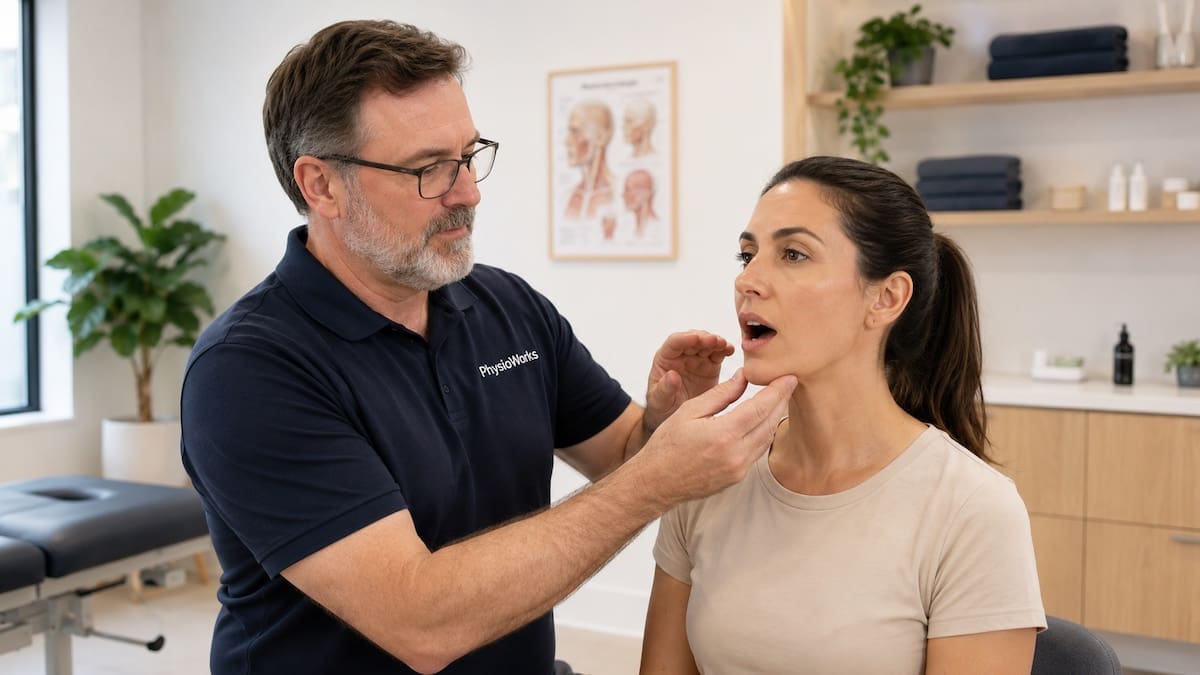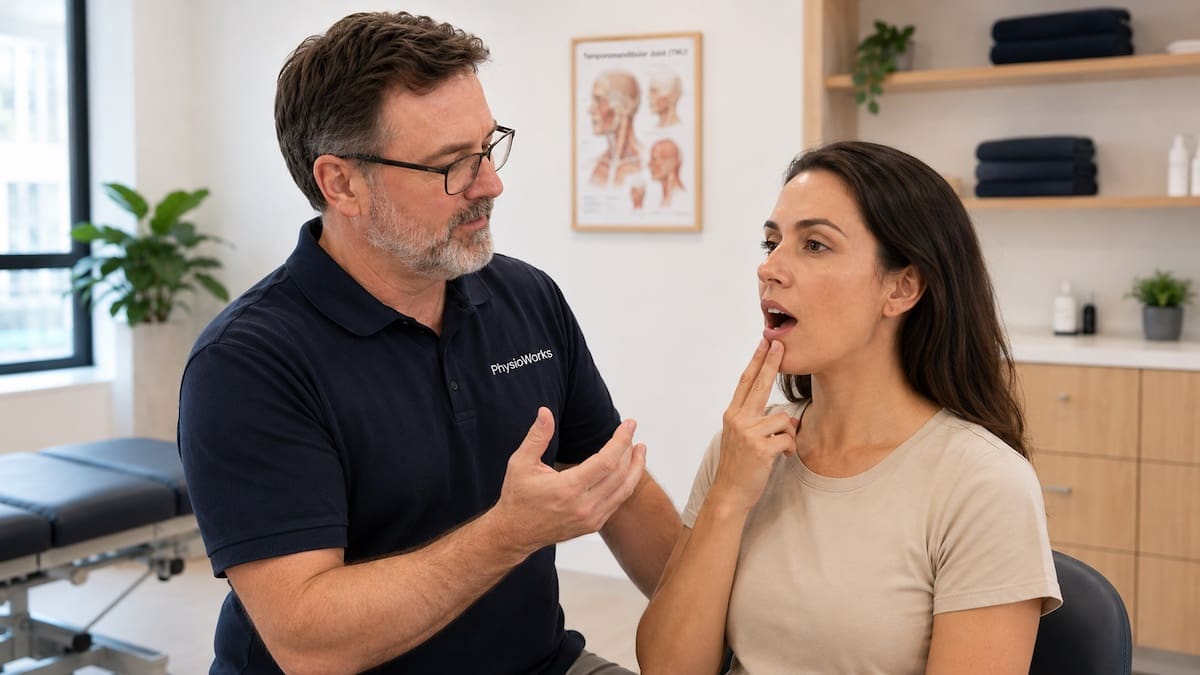
Improving your balance is not only possible, but it can also be remarkably straightforward. Recent scientific research underscores the effectiveness of balance retraining. Remarkably, you can see significant improvements in just a few weeks by incorporating progressive balance exercises. These exercises work to normalise your balance and corrective reactions, essential for everyday activities and sports performance.
The Importance of Balance Assessments
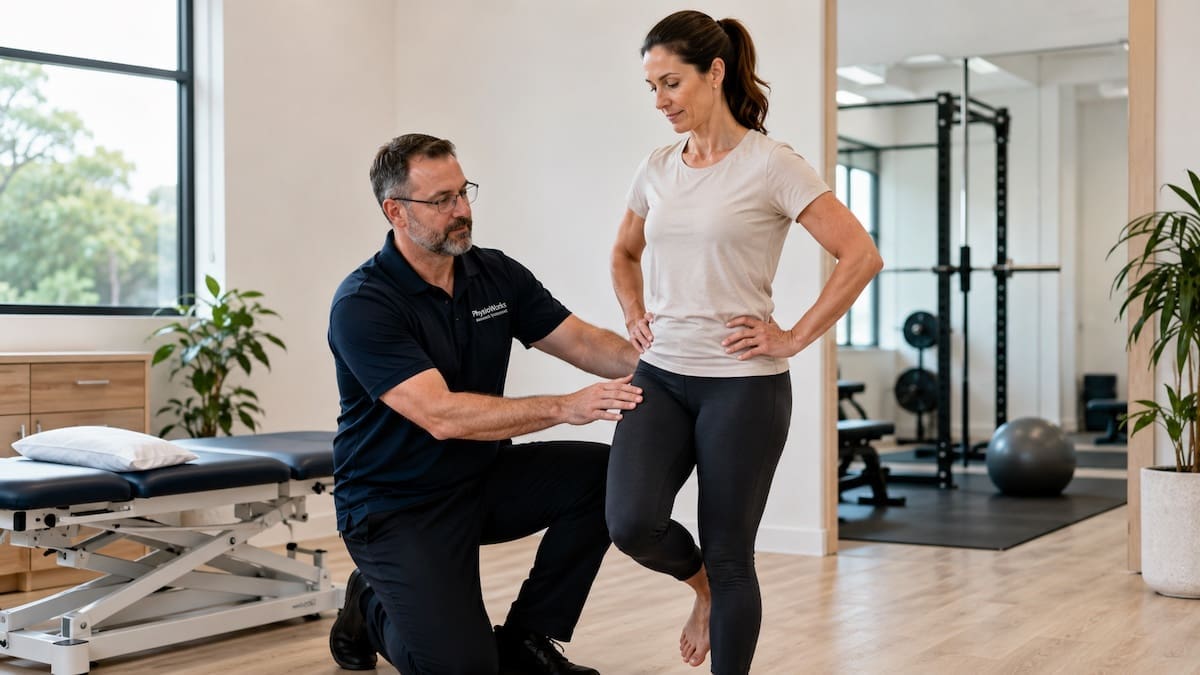
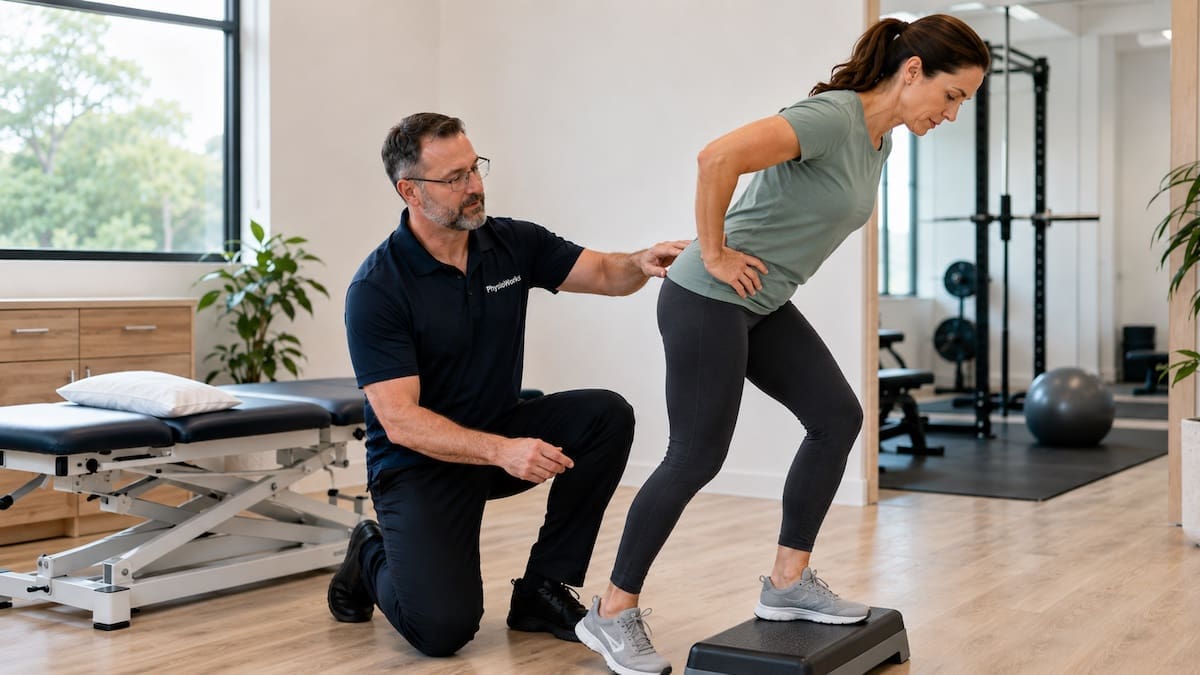
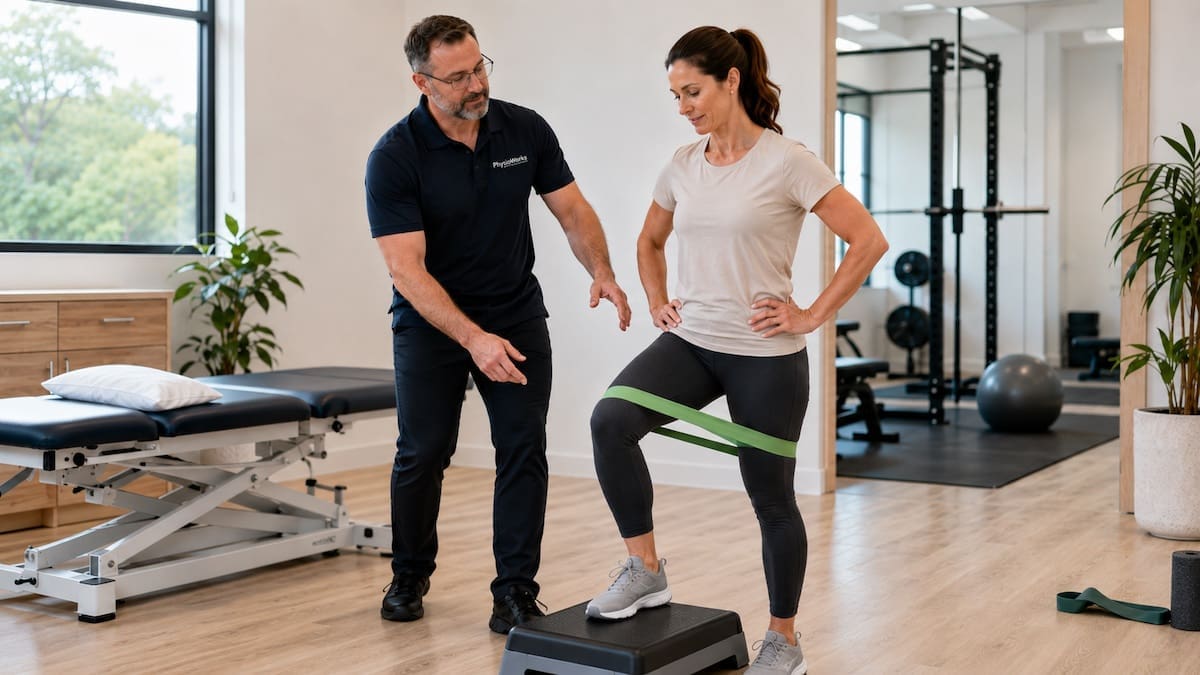
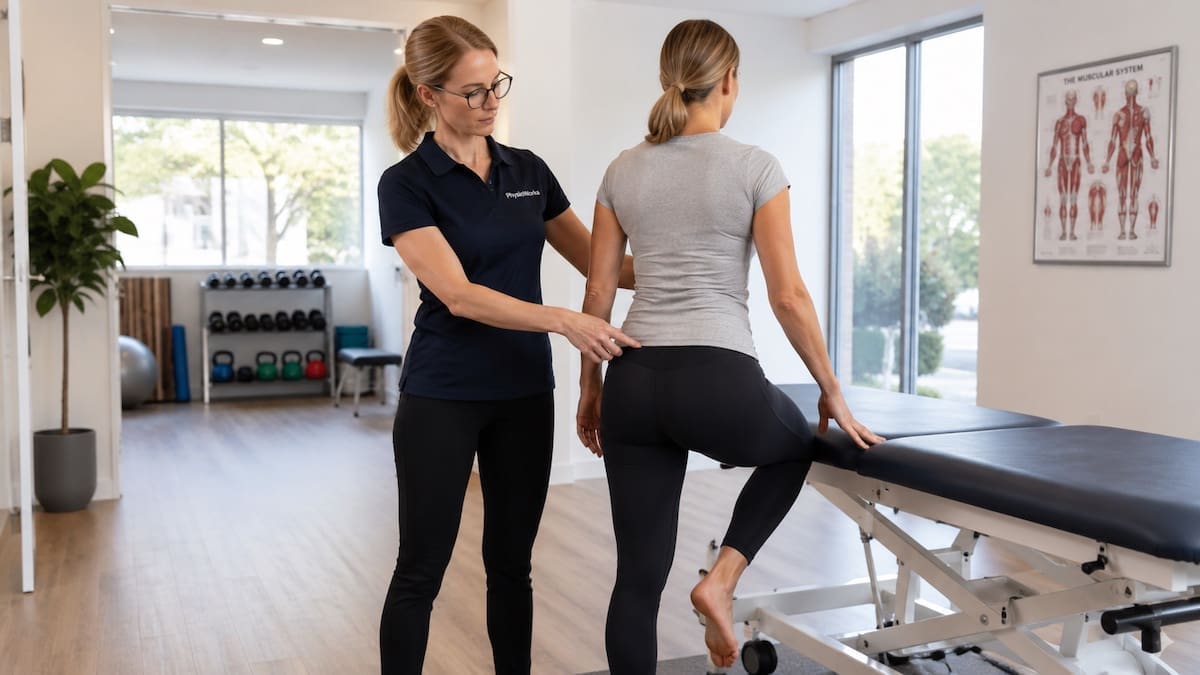
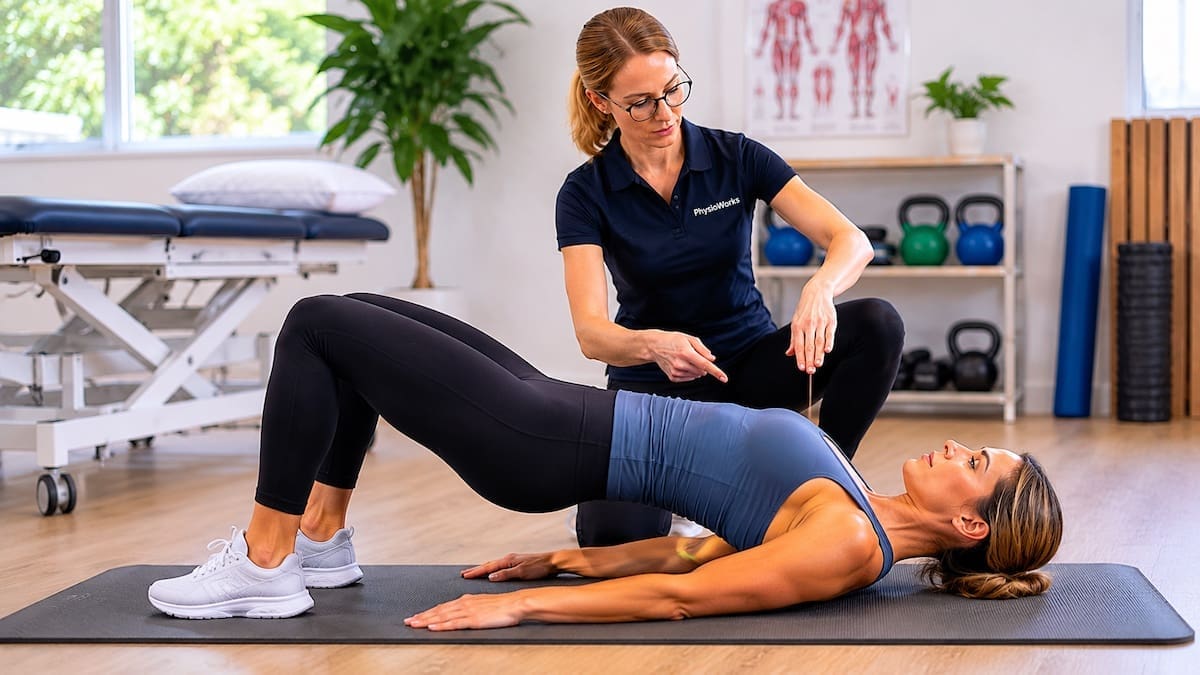
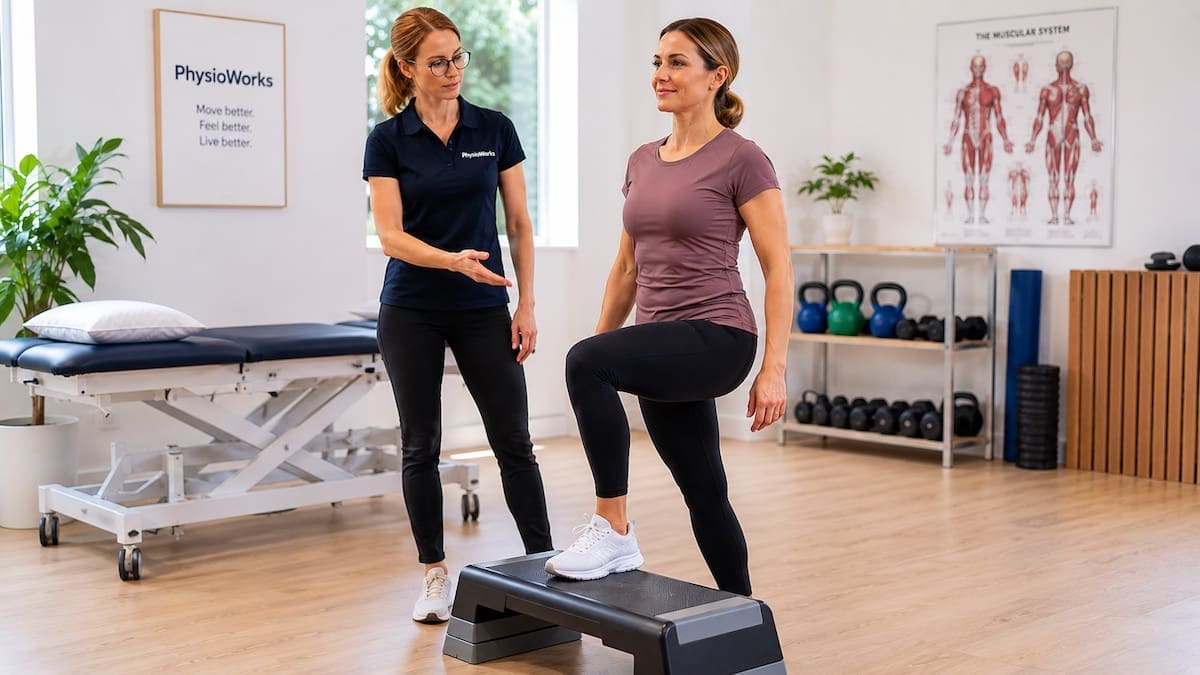
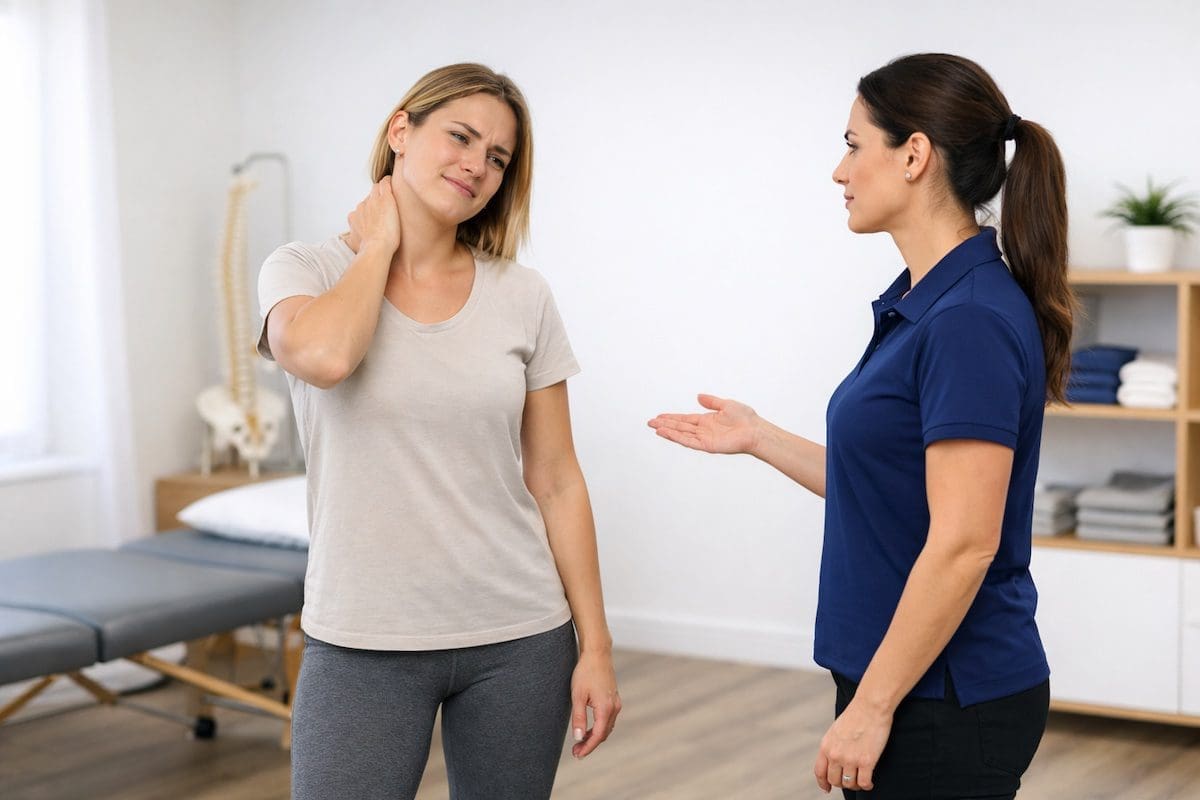
A crucial first step in improving balance is undergoing a professional balance assessment. Physiotherapists are skilled in safely evaluating your balance and prescribing tailored exercises and equipment for balance improvement. These assessments form the foundation for a personalised balance enhancement program.
One of the primary benefits of improved balance is fall prevention. This is particularly important as we age. Exercises that enhance strength, balance, and righting reactions are central to fall prevention. Safety during these exercises is paramount. A physiotherapist can tailor a safe, effective fall-prevention exercise program to your needs. This personalised approach ensures a steady progression as your balance improves. For professional guidance on starting a fall-prevention exercise routine, consult your physiotherapist.
Utilising Balance Enhancement Products
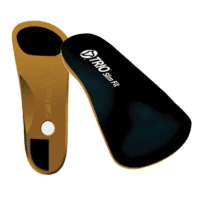
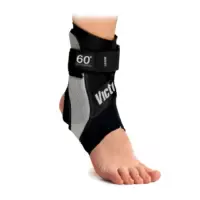
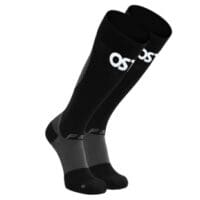
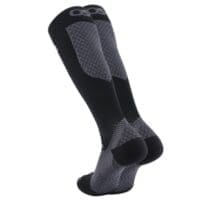
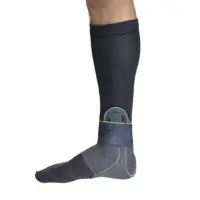
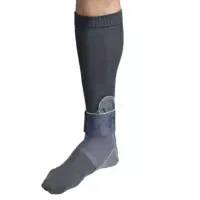
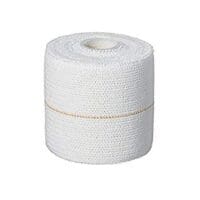
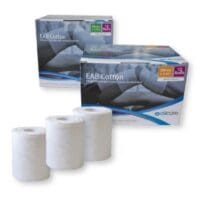
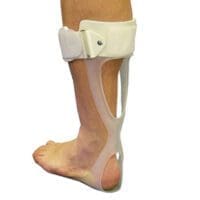
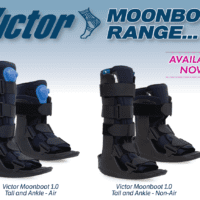
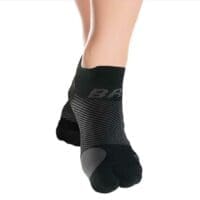
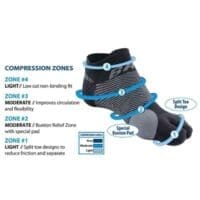
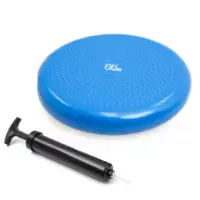
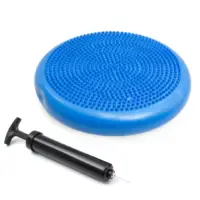
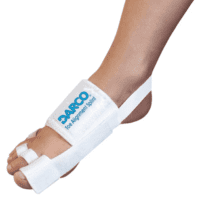
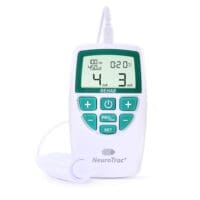
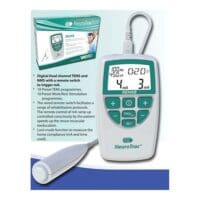
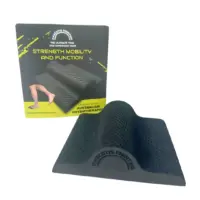
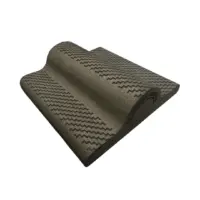
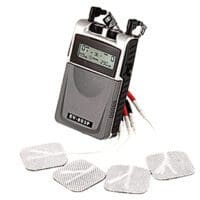
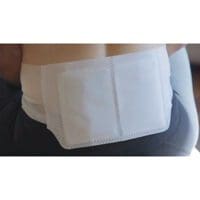
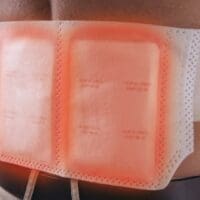
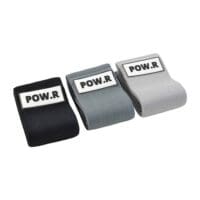
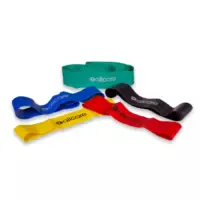
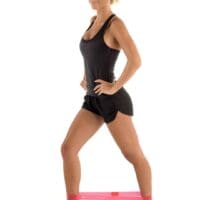
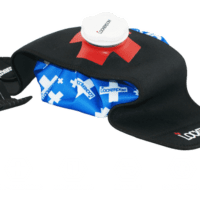
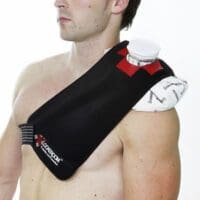
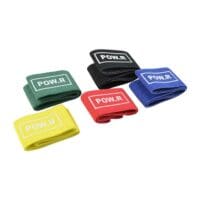
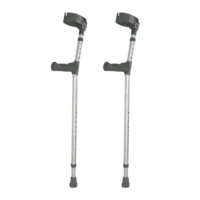
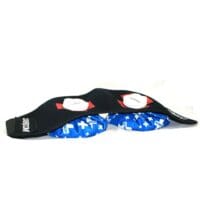
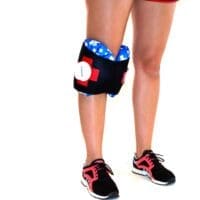
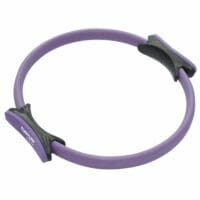
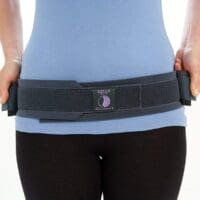
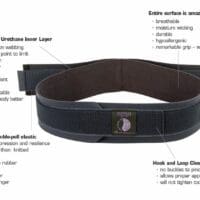
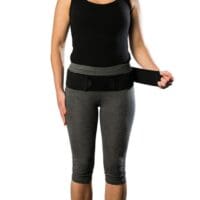
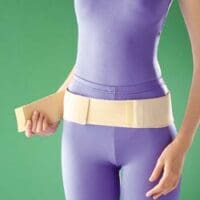
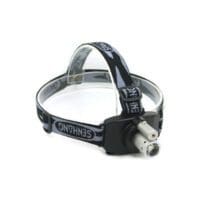
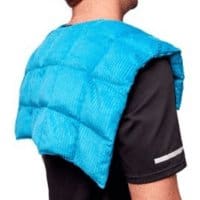
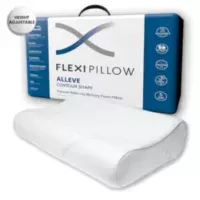
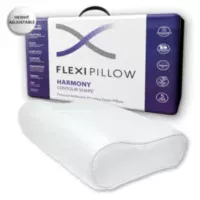
Over the years, clinicians have developed a range of products that effectively enhance balance. These products have shown success in reducing falls plus also ankle and knee ligament sprains and improving daily and sporting performance. Many of these can be used conveniently at home to boost your balance, reduce injury risk, and alleviate joint pain.
Some recommended balance enhancement products include:
Recent studies have brought to light new insights in balance training. These include the importance of multi-directional exercises, the role of core strength in balance, and the benefits of proprioceptive training. Integrating these elements into balance training can lead to more comprehensive improvements.
Conclusion and Next Steps
Improving your balance is an achievable goal with the right approach. Starting with a professional assessment and following through with tailored exercises and the use of enhancement products can lead to significant improvements. The evolving field of balance training continues to offer new strategies and insights.
What to Do Next?
Seek professional advice from your physiotherapist. They can guide you through a safe, effective balance improvement program tailored to your needs. Remember, the journey to better balance starts with a single step – reaching out to a professional!
Balance plays a crucial role in our daily lives, influencing everything from walking to sports performance. A physiotherapist's perspective brings a new dimension to understanding and improving balance. In this article, we'll explore the latest in balance assessment and physiotherapy techniques, helping you to maintain stability and prevent falls.
Why is Balance Assessment Important?
Balance assessment is vital for identifying balance issues and preventing falls. Falls are a significant health concern, especially among older adults, leading to injuries and loss of independence. Physiotherapists use a variety of balance assessment tests to pinpoint specific issues and tailor rehabilitation exercises accordingly.
How Does Physiotherapy Help with Balance?
Physiotherapy plays a pivotal role in improving balance. Physiotherapists are highly-trained in movement and function. They use targeted exercises to strengthen muscles, improve coordination, and enhance proprioception – the body's ability to sense its position in space.
Latest Research in Balance Improvement
Recent studies highlight the effectiveness of tailored exercise programs in improving balance. These programs often include strength training, coordination exercises, and activities that challenge the body's balance system. Research also shows that incorporating virtual reality and interactive gaming can make balance training more engaging and effective.
Balance Assessment Tests
Physiotherapists use various tests to assess balance. These may include the Berg Balance Scale, the Dynamic Gait Index, and the Timed Up and Go test, just to name a few. These tests provide valuable information about an individual's balance and risk of falling.
Balance Assessment
The Best Exercises for Balance Improvement
Strength Training: Strengthens leg muscles, crucial for maintaining balance.
Yoga and Tai Chi: Improve flexibility and mental focus, enhancing balance.
Dynamic Balance Exercises: Challenge the body’s ability to maintain stability while in motion.
Proprioceptive Training: Enhances the body’s awareness in space.
Balance Enhancement Products
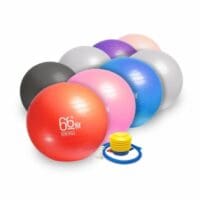
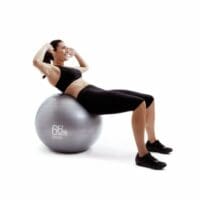
Incorporating balance-enhancing products into your routine can significantly improve stability. These include balance discs, balance pads, Swiss exercise balls, and wobble boards. They provide a safe and effective way to challenge and improve your balance.
If you're experiencing frequent falls, dizziness, or a general sense of instability, it's time to consult a physiotherapist. They can provide a thorough balance assessment and create a customised treatment plan.
Conclusion
Balance assessment and improvement are essential for maintaining a healthy, active lifestyle. With the help of a skilled physiotherapist, you can enhance your balance, prevent falls, and improve your overall quality of life.
What to Do Next?
If you're concerned about your balance or have experienced falls, don't hesitate to seek the advice of a physiotherapist. They can provide a comprehensive balance assessment and tailor a treatment plan to meet your specific needs. Remember, maintaining good balance is key to your independence and wellbeing.
Why Do Physiotherapists Recommend Specific Exercises for You?
Ever wondered why physiotherapists suggest exercises for you? Well, these exercise prescriptions are a core skill in their profession. Whether you're recovering from surgery, dealing with an acute injury, or working through chronic de-conditioning, the right exercises are vital. The knowledge of your physiotherapist comes into play here, tailoring your exercise regimen just for you.
Beyond diagnosing injuries, your physiotherapist is well-versed in exercise physiology. This knowledge empowers them to evaluate your injury and craft a personalised plan. The exercises recommended are designed to suit your current fitness level, age, and specific needs.
Getting Specific with Exercises
Remember, exercises shouldn't hurt. Beware of aggressive exercise proponents who believe that more pain equals better results. Especially if you're frail, immunosuppressed, de-conditioned, or recovering from surgery, this isn't the approach to follow.
A comprehensive assessment by your physiotherapist leads to a set of carefully chosen exercises. These exercises are tailored to avoid aggravating your injury and to prevent further harm. When plotting your rehabilitation journey, consulting an exercise professional, like your physiotherapist, is a smart move.
The Aftermath of Halting Exercises
Neglecting simple exercises can lead to muscle weakness. When these stabilising muscles grow weak, they fail to adequately support injured areas, increasing the risk of lingering symptoms and additional injuries. Compensatory overuse of neighbouring muscles might also occur, exacerbating the damage.
Remember, even if you're generally fit, specific local or stability muscles could be underdeveloped. Injured or not, it's crucial to engage in exercises targeting the muscles around your injury and adjacent joints. After assessing your muscle function, your physiotherapist will recommend exercises tailored to your unique requirements.
The prescribed exercises are usually straightforward, demanding no special weights or equipment. They can be safely performed in the comfort of your home.
Consistency Matters
Think of exercise prescriptions like your personal dose of medicine. Your physiotherapist tailors this dose with professional finesse. Just as you wouldn't skip your blood pressure medication due to a busy schedule, your exercise plan deserves the same commitment.
Physiotherapist-recommended exercises should be your priority. Skipping them is akin to not adhering to prescribed medication. For optimum results, treat your exercise routine with the same dedication as you would your medications.
Prioritise Your Health
When you consider skipping your "exercise dose," remember that you're compromising your well-being. Don't hesitate to reach out to your PhysioWorks physiotherapist if you have queries or concerns. They're your partners in securing your best possible care.
What is the Correct Exercise Ball Size for You?John Miller2025-11-26T15:07:31+10:00
What Exercise Ball Size Should I Use?
Choosing the correct exercise ball size improves comfort, posture and stability. It also makes your workouts safer and more effective. Use the quick guide below to match your height with the right ball size.
✔ Correct ball height for safe posture
✔ Better comfort for exercise and rehab
✔ Improved core stability and balance
Quick Height Guide:
150–165 cm → 55 cm ball
165–180 cm → 65 cm ball
180–195 cm → 75 cm ball
How to Select the Correct Exercise Ball Size
Selecting The Right Exercise Ball Size Is Key For Maintaining Posture And Avoiding Lower Back Strain.
Why Size Matters
Using the right exercise ball helps you maintain a neutral spine and good posture, and reduces unnecessary lower back strain. A well-sized ball improves comfort, balance and core activation during both exercise and sitting.
How to Choose Your Ideal Size
Your height is the simplest way to select a ball. When seated, your hips should sit slightly higher than your knees to support a natural lumbar curve.
Exercise balls (shop exercise balls) typically range from 45–85 cm. As a guide:
137–152 cm (4'6"–5'0") → 45 cm ball
155–173 cm (5'1"–5'8") → 55 cm ball
175–188 cm (5'9"–6'2") → 65 cm ball
190–200 cm (6'3"–6'7") → 75 cm ball
200 cm+ → 85 cm ball
If you’re between sizes, select the larger ball for sitting and the smaller ball for exercise-based core work.
Who Benefits Most from Exercise Balls?
Exercise balls assist with:
Posture improvement
Core strengthening
Lower back rehabilitation
Balance and coordination training
If you have back symptoms or are unsure which size works best, your physiotherapist can guide you and may incorporate the ball into balance training and strengthening work.
Where You Can Use an Exercise Ball
Use it at home, in the gym, or at your workstation as a dynamic sitting option.
When to Use an Exercise Ball
Use your ball during strengthening sessions, stretching routines, or as a chair alternative. Regular use supports posture and core strength.
Need Professional Help?
If you’re unsure about size or have back concerns, your physiotherapist can recommend the safest ball size and demonstrate correct technique.
Exercise Ball Size Chart
Ball Diameter
Recommended Height
45 cm
5'0" and under
55 cm
5'1"–5'8"
65 cm
5'9"–6'2"
75 cm
6'3"–6'7"
85 cm
6'8"+
Ball Chair Height Guide
Measure from the top of your kneecap to the floor while seated. Add a few centimetres for shoe heel height. Softer balls compress under weight, which can cause you to sit too low and lose your neutral spine.
Ball Chair Height: Measure From The Top Of Your Kneecap To The Floor.
Common Mistakes When Choosing an Exercise Ball
Several common errors can affect comfort and safety. A frequent mistake is choosing a ball that is too small, which positions your hips lower than your knees and increases lower back strain. Under-inflating the ball is another issue. A soft ball may feel comfortable at first, but it often collapses too much under body weight, reducing stability and control during exercises.
Some people also rely only on height charts and ignore leg length. Longer legs may need a slightly larger ball to keep the hips above the knees. Others forget to match the ball to its purpose. A ball used as a desk chair may need a different size and firmness compared to one used for dynamic core training. Matching size, firmness and purpose leads to better results and fewer problems.
Physio Tips for Safe Exercise Ball Use
A correctly sized ball can improve posture, balance and core strength, but safe use is essential. Inflate the ball gradually and sit on it to test alignment. Your hips should be slightly higher than your knees and your feet flat on the floor. Begin with simple, slow movements rather than bouncing or fast, uncontrolled exercises.
Place the ball on a non-slip surface to reduce the risk of sliding, especially when you are new to using it. If you use the ball as a chair at your workstation, start with short periods of 10–15 minutes and build up as your postural muscles adapt. If you have a history of back pain, dizziness or balance issues, ask your physiotherapist which exercises are safest for you.
When to Replace Your Exercise Ball
Exercise balls don’t last forever. Over time, the material can lose elasticity and the ball may sit lower than its stated size. If the ball feels softer than usual, compresses more under your weight, or no longer feels firm even when fully inflated, it may be time for a replacement. Visible wear, cracks or peeling surfaces are also clear signs to upgrade. A well-maintained ball is important for safe and effective training.
Exercise Ball Size FAQs
1. What size exercise ball should I use for my height? Most people between 155–173 cm use a 55 cm ball. Those 175–188 cm typically use a 65 cm ball.
2. Can an exercise ball help with lower back pain? Yes. A correctly sized ball supports your lumbar curve and improves core stability. Many people use it alongside back pain exercises prescribed by their physiotherapist.
3. How do I know if my ball is the right size? Your hips should sit slightly higher than your knees when seated, with your feet flat and your spine in a neutral position.
4. What are the main benefits of using an exercise ball? Exercise balls assist with posture, core strength, flexibility and rehabilitation. They can also make sitting more active compared to a standard chair.
5. Should I seek professional advice before using an exercise ball? If you have back pain, balance problems or other health concerns, your physiotherapist can recommend the safest ball size and suitable exercises.
6. How do I inflate my exercise ball correctly? Inflate the ball until it feels firm but still has a small amount of give when you sit. Measure the diameter to confirm the correct size and follow the manufacturer’s instructions.
Exercise Ball Products
These exercise balls are commonly used by our physiotherapists to improve strength, balance, posture, and home exercise programs.
Sitting on a ball chair instead of a standard office chair can feel like a big change. Some people notice less stiffness and better posture. Others find it tiring or uncomfortable. The key is to use a ball chair in the right way, for the right amount of time, as part of a broader posture and movement plan.
A ball chair uses a Swiss exercise ball (also called a yoga ball, Pilates ball, or physio ball) as the main sitting surface. Some models sit loose at your desk. Others sit inside a frame with a small backrest or castors. Unlike a regular chair, a ball chair allows small, continuous movements through your pelvis and spine.
These micro-movements can increase blood flow around your back and gently activate your core muscles. However, a ball chair is not a stand-alone solution. It should sit alongside good posture habits, workplace ergonomics advice, and regular movement breaks.
An Office Worker Uses An Exercise Ball As An Active Sitting Option At A Computer Workstation.
Potential Benefits of a Ball Chair
Research on sitting on a ball instead of an office chair shows mixed results. Some studies report changes in trunk muscle activation and posture awareness. Others show little difference in pain or long-term outcomes. In practice, many people notice these potential benefits:
More movement, less slumping: The rounded surface often prompts you to sit taller and make small adjustments, which may reduce slouching.
Gentle core activation: Balancing on the ball can activate your deep trunk and pelvic muscles, especially when combined with core exercises for lower back pain.
Change from static sitting: A ball chair can provide variety for people who sit for long periods.
Versatile tool: The same ball can be used for exercises, Pilates, and back rehabilitation.
A study comparing sitting on a stability ball versus an office chair found different patterns of trunk muscle activity, but not always clear pain reduction for every person. This is why individual assessment is important.
Limitations and When to Be Cautious
A ball chair is not suitable for everyone. In some cases it can increase discomfort or fatigue.
Not for full-day sitting: Long hours on a ball can overload your spinal muscles and lead to fatigue or pain.
Balance and safety issues: People with poor balance, dizziness, recent surgery, or high falls risk may be safer on a stable, supportive chair.
Existing pain: People with acute back pain, nerve pain, or spinal conditions may find the ball aggravates symptoms.
Desk height problems: If your desk and screen are too high or too low, posture can worsen even on a ball chair.
If you already have significant back or neck pain, or sciatica, read our article on back pain causes and treatment and seek individual advice before changing your chair.
How to Use a Ball Chair Safely
Ball chairs usually work best when you treat them as an active sitting option, not your only chair.
1. Choose the Right Ball Size
Your hips should sit slightly higher than your knees when you sit in the middle of the ball. This position supports a gentle forward tilt of your pelvis and a tall spine. The best ball size depends on your height. For detailed sizing, see our exercise ball size guide.
2. Set Up Your Desk and Screen
Even with a ball chair, you still need a good workstation. Aim for:
Elbows bent around 90 degrees, close to your sides.
Wrists in a neutral position at the keyboard.
Top of the screen roughly at eye level.
Frequently used items within easy reach.
Combining a ball chair with a poor workstation setup can still lead to strain. For more detail, see our ergonomics and workplace wellness information.
3. Start with Short Periods
Most people do best starting with 20–30 minutes at a time, once or twice a day. As your core strength improves, you may build up to longer periods. Always alternate with a supportive ergonomic chair. If you feel pain, fatigue, or pins and needles, swap back to your regular chair.
4. Move Regularly
A ball chair is not a replacement for movement. Take short walking breaks every 30–60 minutes. Mix in simple back exercises, neck stretches, and posture resets through the day. Regular physical activity is a key part of long-term chronic back pain management.
People Also Ask About Ball Chairs
Is sitting on a ball chair good for posture?
A ball chair can improve posture awareness and encourage more upright sitting in short bursts. It helps some people feel less slumped, especially when paired with a good workstation setup.
Can a ball chair replace my office chair?
No. A ball chair is best used as one of several sitting options. You still need a supportive ergonomic chair, a well-adjusted desk, and regular standing and walking breaks.
How long should I sit on a ball chair each day?
Most people should start with 20–30 minutes once or twice per day. Increase gradually only if you feel comfortable and your physiotherapist agrees.
Does a ball chair help back pain?
Some people feel less stiff and sore when they include short periods on a ball chair. Others find their pain increases. If you have back or neck pain, seek professional advice before changing your chair.
Is a ball chair safe for everyone?
Ball chairs are not ideal for people with balance problems, high falls risk, severe pain, or recent surgery. Always ask a health professional if you are unsure.
Your ball chair height or diameter should be at least the height of the top of your kneecap when seated. This often places your hips slightly higher than your knees and supports a neutral spine. If the ball is too low, you may slump. If it is too high, your lower back and hips can strain.
To Size A Ball Chair, Measure From The Top Of Your Kneecap To The Floor When Seated. Add A Few Centimetres For Your Shoe Heel Height.
Who Might Benefit from a Ball Chair?
You might benefit from a ball chair if:
You sit for long periods and feel stiff or restless.
You have talked with your physiotherapist and they have recommended an active sitting option.
You want a single tool you can use for both exercises and short bouts of active sitting.
A ball chair is unlikely to suit you if you feel unsafe or unstable on the ball, cannot keep your feet flat on the floor, or have conditions that limit your balance.
When Should You See a Physiotherapist?
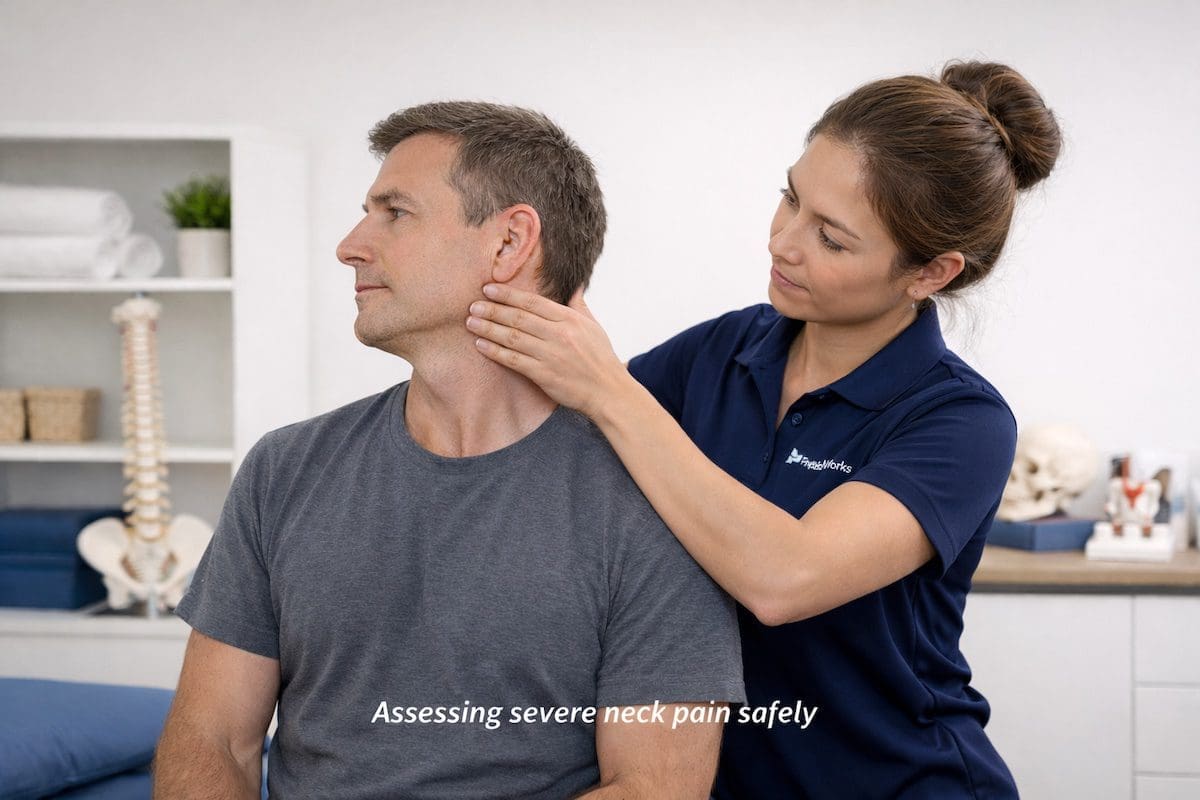
If you have ongoing back pain, neck pain, sciatica, or headaches, changing your chair alone is rarely enough. A physiotherapist can assess your posture, strength, joint mobility, and workstation. They can design a plan that may include ball exercises, hands-on treatment, exercise programs, and ergonomic changes.
Anti-burst exercise balls safety is a common concern for home workouts, gym sessions, and physiotherapy exercise programs. These balls are designed to reduce the risk of a sudden “pop” by deflating slowly if punctured. Even so, safety still depends on choosing the right ball, inflating it correctly, and using it in a sensible way.
Physiotherapist Supervising Core Stability Exercises Using An Anti-Burst Exercise Ball In Clinic.
Short answer: anti-burst exercise balls safety
Yes, anti-burst exercise balls are generally safe when you select the correct size, inflate to the recommended diameter, and use them on an appropriate surface. Their anti-burst design aims to reduce sudden collapse risk compared with cheaper, thin-walled balls. For ball options and sizes, start with our main hub: Exercise Balls.
Anti-burst exercise balls safety: how they reduce risk
Anti-burst balls use reinforced materials designed to release air gradually if the surface is damaged. That slow deflation can reduce the chance of a sudden fall during seated exercises, balance drills, or rehabilitation movements. Many models also list high load ratings (often 300 kg or more), although those ratings apply under controlled conditions and do not guarantee safety in every setting.
In practice, the biggest safety issues come from avoidable factors: overinflation, sharp objects, uneven flooring, and incorrect size. A ball can still fail if it is cut, used on rough surfaces, or stored in heat that damages the material over time.
Surface: Use a flat, non-slip surface and keep it away from sharp edges, pet claws, and rough concrete.
Use case: Start with controlled exercises before advanced balance tasks or external loads.
Condition of the ball: Replace the ball if you see cracking, thinning, or valve issues.
Can anti-burst exercise balls still pop?
They can. “Anti-burst” usually means the ball should deflate slowly after a puncture rather than bursting instantly. However, large tears, severe damage, incorrect inflation, or poor-quality materials can still lead to rapid failure. For people with balance concerns, a cautious approach matters more than marketing claims.
A physiotherapist’s perspective
A physiotherapist may use an exercise ball to build trunk control, balance, posture awareness, and graded strength. That approach often works best when exercises match your current ability and progress steadily over time. If you’re using a ball for back comfort or core control, this related FAQ may help: Exercise ball for lower back pain: can it improve core stability?
What to do next
If you want to add a ball to your training or rehab, focus on the basics: correct sizing, correct inflation, and a stable environment. Next, choose exercises that suit your goals and current control. If pain, dizziness, or instability is part of the picture, book a physiotherapy appointment so your program matches your needs and stays safe.
Get free physiotherapy tips, exercise videos, and recovery advice.
How to Correctly Inflate an Exercise BallJohn Miller2025-11-26T18:33:15+10:00
How to Inflate an Exercise Ball
Inflating an exercise ball properly helps it reach the correct size, support your body safely, and last longer. Whether you’re using it for core exercises, back support, or flexibility training, knowing how to inflate your exercise ball safely makes a real difference to comfort and injury risk.
Why Should You Inflate an Exercise Ball Correctly?
Proper inflation helps your exercise ball provide stable support and reduces the chance of falls or bursting. It also ensures the ball reaches its intended diameter for each exercise and matches your height. If you’re unsure about the correct ball size, see our guide to the best exercise ball size for your height. For broader spine education, see our back pain FAQ guide.
A Physiotherapist Inflates An Exercise Ball Safely Using A Foot Pump In A Clinic Setting.
How to Inflate Your Exercise Ball
You have several options for inflating exercise balls. Most people use the hand pump supplied with the ball, but you can also use suitable foot pumps or low-pressure compressors. Avoid high-pressure tools that inflate too quickly and increase the risk of overinflation.
1. Choose the Right Air Pump
You can use various pumps to inflate exercise balls, such as hand-held pumps, air mattress pumps, bike pumps with an adapter, or low-pressure compressors. Make sure the nozzle fits the valve snugly to avoid leaks and keep the valve free of dust.
2. Avoid Overinflating in Cold Temperatures
Do not fully inflate your exercise ball if the temperature is below 20 degrees Celsius. Warm it to room temperature (20 degrees or higher) before final inflation. This lets the material stretch safely and reduces the risk of the ball becoming too hard or bursting. For more safety guidance, see our anti-burst exercise ball safety tips.
3. Inflate Based on Diameter, Not Pressure
Measure the ball’s diameter rather than relying on air pressure. Use the manufacturer’s guide or our exercise ball sizing chart. Do not inflate beyond the recommended size.
4. Inflate in Stages
Start by inflating the ball to about 80% of its final size, then wait up to 24 hours before finishing the inflation. This staged approach lets the material stretch gradually and reduces stress on the seams. Avoid using the ball during this first 24-hour period.
5. Size Test
Place two boxes the correct distance apart. Roll the ball between them. If both edges touch both boxes, you have the correct diameter. When sitting on the ball, your hips should sit slightly higher than your knees.
Research Insight
Research shows that stabilisation exercises using an exercise ball can increase the size of the deep lumbar multifidus muscles at L4–L5, improve functional strength, and reduce low back pain. If you plan to use the ball for rehab, see our guide on exercise balls for lower back pain and core stability or ask your physiotherapist for a tailored program.
What Are the Key Tips for Exercise Ball Inflation?
Following the right steps prevents overinflation or underinflation and extends the life of your ball. Key tips include choosing a suitable pump, inflating in stages, checking the ball’s diameter, and avoiding extreme temperatures. Once your ball is inflated correctly, you can progress to strengthening exercises and Swiss ball programs recommended by your physiotherapist.
People Also Ask About Exercise Ball Inflation
How do I know if my exercise ball is fully inflated?
Check the ball’s diameter with a tape measure. When you sit in the centre, your hips should sit slightly higher than your knees. The ball should feel firm but still have a small amount of give.
Can I overinflate an exercise ball?
Yes. Overinflation increases the risk of bursting and reduces the ball’s ability to absorb load. Inflate only to the recommended diameter and avoid heat or direct sunlight during inflation.
Do I need a special pump for an exercise ball?
Most balls come with a hand pump, but a foot pump or low-pressure compressor also works. You may need a nozzle adapter. Inflate slowly and stop once the ball reaches its correct diameter.
Why does my exercise ball feel soft after a few days?
New balls often stretch slightly during the first few uses, so a small drop in firmness is normal. Temperature changes can also affect air volume. Top up the air as needed to keep the correct size.
How long does a good exercise ball last?
Most anti-burst exercise balls last several years with normal home use. Replace the ball if you notice cracks, thinning material, or visible wear near the seams.
For more information, please seek advice from your physiotherapist or explore our common causes of back pain guide.
Why does my exercise ball keep deflating? Small temperature changes or minor punctures can lead to gradual air loss. Check for tiny holes, inspect the valve, and top up air regularly.
How long does it take to inflate an exercise ball? Depending on the pump and ball size, inflation usually takes 5–20 minutes. New balls may take longer the first time.
Can you use a bike pump to inflate an exercise ball? Yes, but you may need an adapter. Inflate slowly and stop once the ball reaches the recommended diameter.
What is the right size for an exercise ball? Choose a size based on your height. A 55 cm ball usually suits those 150–165 cm tall. See our exercise ball size guide.
How do I know if my exercise ball is inflated correctly? Measure its diameter and check your posture. Your hips should sit slightly higher than your knees. If using the ball for rehab, combine correct sizing with core exercises for lower back pain.
Why inflate the ball in stages? Staged inflation lets the material stretch gradually, reduces stress on seams, and extends the ball’s lifespan.
What can I use if I don’t have a pump? Options include air mattress pumps, bike pumps with adapters, or low-pressure compressors. Inflate slowly and check the diameter often.
Why use diameter instead of pressure? Diameter is more reliable for safety and posture. Pressure varies between pumps, while diameter directly affects your body position.
How can I prevent my ball from bursting? Avoid overinflation, extreme heat, sharp objects, and replace the ball if there are signs of wear.
Where should I store my exercise ball? Store it in a cool, dry place away from sharp items and direct sunlight.
Private Health & Third-Party InsuranceJohn Miller2025-12-05T16:12:08+10:00
Friendly On-The-Spot Hicaps Claiming At Physioworks Makes Physiotherapy Rebates Simple And Fast.
Private Health Insurance Physiotherapy Rebates
Private health insurance physiotherapy rebates and third-party insurers can make your treatment far more affordable. At PhysioWorks, most patients claim a rebate on the spot and only pay a small gap at the end of their visit. This page explains how rebates work, which insurers we work with, and how to check your cover before your appointment.
PhysioWorks physiotherapists and remedial massage therapists are registered with all major Australian health funds and key government and insurance schemes. That means you can usually claim benefits for physiotherapy treatment, remedial massage, and many injury or work-related problems.
How Private Health Insurance Physiotherapy Rebates Work
In Australia, physiotherapy is usually covered under your private health insurance “extras” or “general treatment” cover, not your hospital cover. Extras cover may pay a set benefit per visit or a percentage of the fee, up to your yearly limits.
Your physiotherapy rebate depends on factors such as:
Your health fund and level of extras cover.
Whether you have served any waiting periods.
Your remaining annual limit for physiotherapy and remedial massage.
Whether your fund has a preferred provider arrangement.
The difference between the PhysioWorks fee and your health fund rebate is called an out-of-pocket cost or “gap”. Australian Government health information describes this gap as the part of the fee you pay yourself after Medicare and any insurer contributions are applied.1 Private health insurance can reduce this gap for allied health services such as physiotherapy and remedial massage, but it will rarely remove it completely.
If you would like more detail about appointment types and pricing, please see our physiotherapy fees guide.
HICAPS – Instant Health Fund Claims
PhysioWorks clinics use the HICAPS system so you can claim your private health insurance physiotherapy rebates instantly at reception. The process is simple:
At reception, you swipe your health fund card or use your digital membership card.
HICAPS sends your claim directly to your health fund in real time.
You pay only the remaining gap fee at the counter.
Most major Australian health funds participate in HICAPS for physiotherapy, and many also allow remedial massage and other allied health claims. Some funds or policies may not support instant claiming for every service, so it is wise to confirm any details with your insurer.
For the latest list of participating health funds, please refer to the HICAPS website.
Can I Claim Remedial Massage and Exercise Therapy?
Many extras policies include benefits for remedial massage and exercise-based care. At PhysioWorks, this may include:
Some forms of exercise-based rehabilitation and supervised classes
Other allied health services delivered within our clinic network
Each health fund sets its own rules and item codes. Some policies pay separate limits for physiotherapy and remedial massage, while others combine them into a single “allied health” pool. Because policies vary widely, the best check is to contact your health fund and ask what rebate applies for a standard consultation at PhysioWorks.
Third-Party Insurers & Other Funding Options
Not everyone uses private health insurance. PhysioWorks practitioners are also registered providers for a range of government and third-party schemes, including:
Each insurer or scheme has its own rules about referrals, approvals and billing methods. Our reception team can help you work out which pathway fits your situation and what you are likely to pay on the day.
People Also Ask About Physio Rebates
How much will I get back for each physiotherapy session? Rebate amounts vary between health funds and policies. Many patients recover a significant portion of the fee for standard consultations, but limits and percentage benefits differ. Your fund can tell you the exact rebate for a standard consultation at PhysioWorks before you attend.
Can I claim both Medicare and private health for the same session? No. For a single physiotherapy service you must choose either a Medicare rebate or a private health insurance rebate, not both. Some patients use Medicare for a small number of chronic disease plan sessions and then switch to private health insurance extras once those visits are used.
Do unused physiotherapy benefits roll over to the next year? In most policies, extras limits reset annually and unused benefits do not roll over. If you are unsure when your benefit year ends, check your fund’s website or membership app so you can make the most of your rebates.
Is it better to use Medicare or private health insurance? They serve different roles. Medicare chronic condition plans provide a limited number of subsidised allied health visits for eligible patients with a GP plan, while private health insurance extras can support ongoing physiotherapy and remedial massage. Your GP and physiotherapist can help you decide which option suits your health and budget.
What if I do not have private health insurance? You can still see a physiotherapist at PhysioWorks as a private patient. Many people choose to pay directly for treatment, especially for short-term problems or if they do not hold extras cover.
How to Check Your Physiotherapy Cover
To avoid surprises, we suggest checking your cover before your appointment. Helpful questions to ask your health fund include:
“Do I have extras cover for physiotherapy and remedial massage?”
“What rebate will I receive for a standard physiotherapy consultation at PhysioWorks?”
“How much of my annual physiotherapy limit do I have left?”
“When does my benefit year reset?”
“Does my policy pay a set dollar amount per visit or a percentage of the fee?”
You can usually check this information through your fund’s website or mobile app. For general information about how private health insurance works in Australia, visit the Australian Government’s overview of what private health insurance covers.2
Why Choose PhysioWorks for Insured Physiotherapy Care?
When you attend PhysioWorks, you benefit from:
Registration with all major private health insurance funds for physiotherapy and remedial massage.
On-the-spot HICAPS claims so you only pay the gap.
Experience working with WorkCover, CTP, DVA, Medicare chronic condition plans and sports insurers.
Clear fee explanations and itemised receipts to help you claim benefits smoothly.
Evidence-based care aimed at reducing pain, improving movement and returning you to work, sport and daily life.
If you are unsure which funding pathway applies to you, our team can discuss your options when you call or book a physiotherapy appointment. Together, we will choose the most practical and affordable way to access the care you need.
Get free physiotherapy tips, exercise videos, and recovery advice.
Check If You Covered By Sports Injury Insurance?John Miller2024-11-16T14:35:41+10:00
Sports Injury Insurance?
Are You Protected with Sports Injury Insurance?
Many sports organisations in Australia offer sports injury insurance as part of the registration fees. To find out if you're covered, check out the quick links on this webpage or reach out to your sports organisation directly.
Don't take any chances with your well-being, make sure you're fully protected in case of any sports-related injuries.
Reputable Health InformationJohn Miller2024-11-02T17:11:33+10:00
The internet is full of potentially unreliable information. Please source trusted healthcare information from reputable websites such as the following.