Why exercise and load progression still matter
Real-time ultrasound is useful because it improves feedback, not because it replaces rehabilitation. Once the target muscles are activating better, your program still needs progressive exercise so those improvements carry over into walking, lifting, sport, work, and daily activity.
This is why physiotherapists combine real-time ultrasound with structured strengthening, movement retraining, pacing, and load management. Better activation is helpful, but function improves most when that activation is transferred into meaningful movement.
Is real-time ultrasound physiotherapy right for everyone?
No. It is most valuable when visual feedback is likely to change exercise quality or confidence. If your condition mainly needs strength, endurance, tendon loading, mobility, or return-to-sport progressions, real-time ultrasound may only be a small part of the plan or may not be needed at all.
If you want a plain-language research overview of rehabilitative ultrasound in physiotherapy, this systematic review of rehabilitative ultrasound imaging in physiotherapy is a useful starting point.
Where is real-time ultrasound physiotherapy available?
PhysioWorks currently offers this service at our Ashgrove and Sandgate clinics in Brisbane.
Related real-time ultrasound physiotherapy pages
Real-time ultrasound physiotherapy FAQs
What is real-time ultrasound physiotherapy?
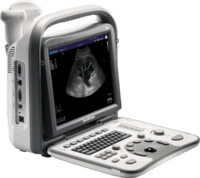
Real-time ultrasound physiotherapy is a visual assessment and biofeedback tool. It shows muscles working on screen so your physiotherapist can assess activation, timing, and coordination during rehabilitation exercises.
Is real-time ultrasound the same as therapeutic ultrasound?
No. Real-time ultrasound is used for muscle assessment and retraining. Therapeutic ultrasound is a different treatment approach aimed at tissue healing.
Does real-time ultrasound physiotherapy treat pain directly?
Usually, no. In this setting, ultrasound mainly helps you and your physiotherapist see whether specific muscles are activating well during rehabilitation exercises. Pain improvement usually comes from the broader exercise and rehab program built around that feedback.
Is real-time ultrasound safe during pregnancy?
Real-time ultrasound used for exercise retraining is generally considered safe when used appropriately by trained clinicians. Your physiotherapist will still decide whether it suits your stage of pregnancy and your clinical presentation.
Can real-time ultrasound physiotherapy help after a caesarean or abdominal surgery?
It may help as part of post-surgical rehabilitation when deep abdominal muscle retraining is needed. The aim is usually to improve control, confidence, and exercise accuracy rather than simply strengthen the area as hard as possible.
Can real-time ultrasound physiotherapy replace normal rehabilitation exercises?
No. It is usually an add-on to good physiotherapy, not a replacement. Most people still need a broader program that may include strength work, flexibility, walking, pacing, and return-to-activity progressions.
What to do next
If you think real-time ultrasound physiotherapy could help, book an assessment with a PhysioWorks physiotherapist. We can determine whether live ultrasound feedback is likely to add value to your rehabilitation or whether a more standard exercise-based approach is the better option.
The best results usually come from matching the tool to the problem. In other words, real-time ultrasound is most useful when better muscle timing, coordination, and exercise feedback will improve your progress.