Sacroiliac Joint Pain
Learn more about SIJ symptoms, possible causes and assessment.


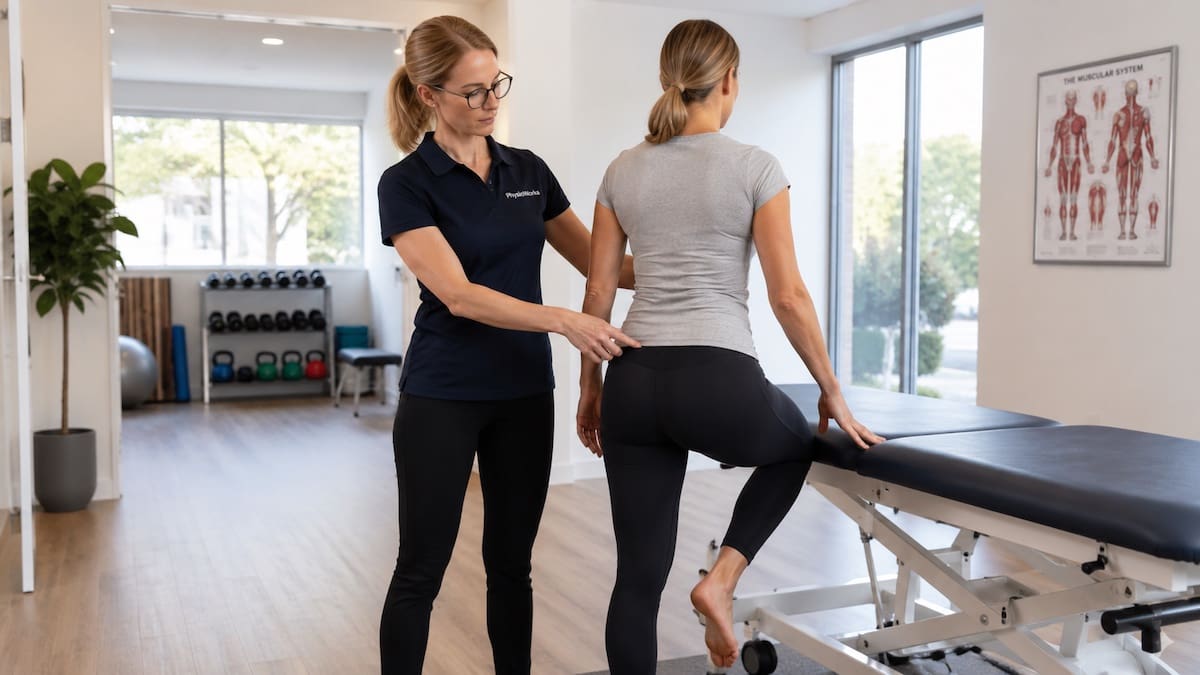
Assessing SIJ load transfer and pelvic control.
SIJ pain treatment works best when it matches the likely source of your symptoms. Buttock pain can come from the sacroiliac joint (SIJ), lower back, hip or nearby soft tissues. A physiotherapist can assess these areas and then match treatment to your symptoms, activity level and goals.
Many people improve with a combination of activity changes, progressive exercise and hands-on treatment when appropriate. However, conditions such as ankylosing spondylitis, hip problems and referred lower back pain can feel similar. For that reason, assessment is useful when symptoms persist or keep returning.
There is no single treatment that suits every person with SIJ-region pain. Management usually progresses from reducing an irritable load to rebuilding movement, strength and confidence.
Your physiotherapist may also assess your hips, lower back and nearby muscles because several conditions can produce similar buttock pain. The aim is to identify the most useful starting point rather than assume the SIJ is always responsible.
Early treatment aims to reduce pain and sensitivity without unnecessarily stopping all activity. Heat or ice may help some people during a flare-up, particularly after prolonged sitting or activity.
Some people use pain-relief or anti-inflammatory medicines during a flare-up. Ask your pharmacist or GP whether these are suitable for you, particularly if you take other medicines or have relevant medical conditions.
If symptoms increase with standing, rolling in bed, stairs or prolonged sitting, your physiotherapist may suggest temporary activity changes and easier ways to manage daily tasks.
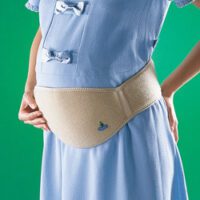
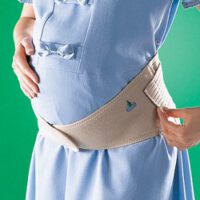
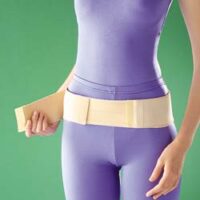
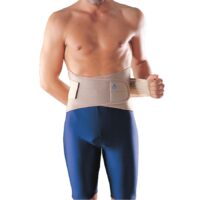
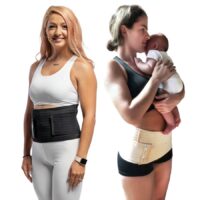
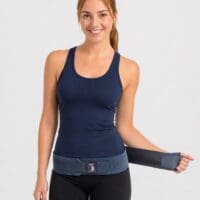
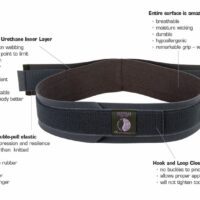
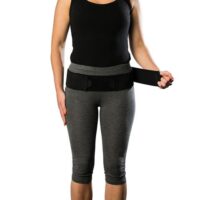
For some people, taping or a sacroiliac belt can provide short-term support. During pregnancy-related pelvic girdle pain, pacing and a support belt may also be considered when appropriate.
As symptoms settle, rehabilitation usually shifts towards controlled movement around the trunk, hips and pelvis. Exercises may target the gluteal muscles, hip stabilisers, trunk muscles and hamstrings depending on your assessment.
A core stability program may form part of this stage. You can also review these core stability exercises for examples of commonly used progressions.
Start at a level you can control and progress gradually. Regular, manageable exercise is usually easier to build on than large increases that repeatedly provoke symptoms.
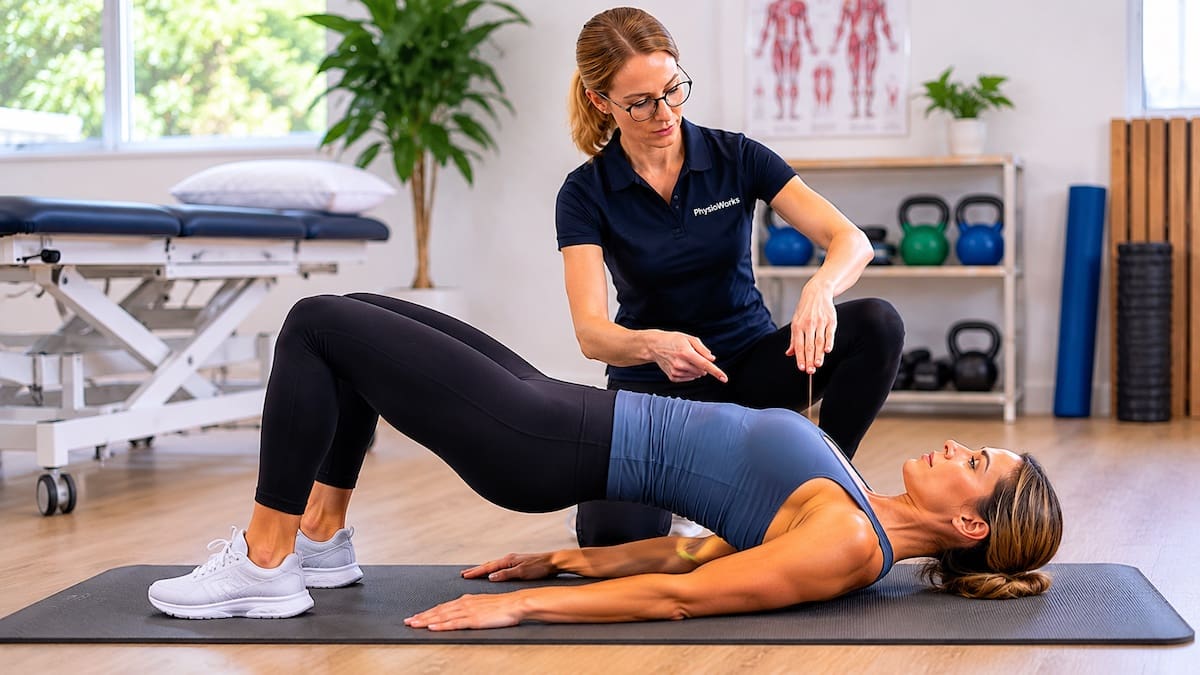
Glute bridge training for hip and pelvic control.
Once symptoms are more manageable, the next step is rebuilding tolerance for the activities that matter to you. These may include lifting, longer walks, hills, stairs, running, work tasks or gym training.
Your physiotherapist may use gait analysis or broader biomechanical assessment when walking or movement patterns appear relevant to your symptoms.
Progress one variable at a time where practical. For example, increase walking duration, hills or resistance gradually and adjust the next step according to how your symptoms respond.
Recurring symptoms may be influenced by changes in activity, strength, movement tolerance or repeated loading. Once you are moving well again, maintaining a manageable amount of strength and activity can help you stay prepared for daily, work and sporting demands.
If your symptoms tend to appear when training volume increases, you may also find our injury prevention programs useful.
SIJ-region pain can feel like one-sided buttock or low back pain. Some people notice symptoms during stairs, rolling in bed, walking, standing from sitting or changing position.
However, symptoms in this area can also come from the hip, lumbar spine, nerves or surrounding muscles. For example, piriformis syndrome and gluteal tendinopathy can produce buttock or nearby hip pain.
A physiotherapist combines your history, movement assessment and several SIJ provocation tests. No single clinical test confirms SIJ pain. A negative group of provocation tests can make the SIJ less likely to be the main pain source, while positive tests need to be interpreted alongside the rest of your assessment.
Imaging is not routinely able to confirm mechanical SIJ pain by itself. Your GP may organise imaging or specialist review when your history suggests another cause such as inflammatory disease, fracture, infection or another medical condition.
For another plain-language overview, see Cedars-Sinai’s sacroiliac joint dysfunction guide.
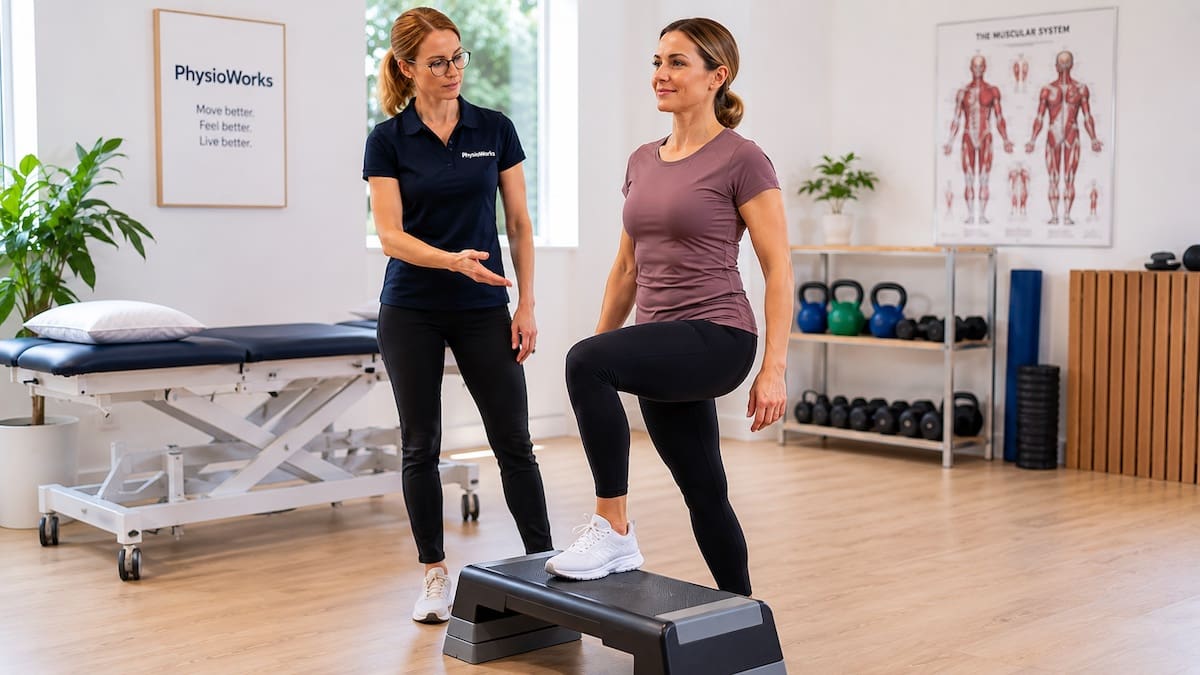
Step-up training to rebuild strength and load tolerance.
SIJ-region pain may start after a fall, twisting or lifting episode, pregnancy-related pelvic girdle pain, inflammatory joint disease or a change in activity. However, pain from the lower back, hip or nearby soft tissues can feel similar, so persistent symptoms benefit from assessment.
A physiotherapist combines your history, movement assessment and several SIJ provocation tests. No single test confirms SIJ pain. A negative group of tests can make the SIJ less likely to be the main pain source, while positive findings need to be considered alongside the rest of your assessment. Imaging may be useful when another condition is suspected.
Treatment depends on the likely cause and your individual presentation. It may include temporary activity changes, progressive hip and trunk exercise, movement retraining and hands-on treatment when appropriate. Rehabilitation should then build towards the walking, work, exercise or sporting activities that matter to you.
Exercise can help many people with SIJ-region pain. A graded program may improve hip and trunk strength, movement control and tolerance to everyday or sporting loads. The starting level and progression should match your symptoms and assessment findings.
An SIJ belt may provide short-term support for some people during walking, standing or position changes. It is usually considered an adjunct rather than a stand-alone treatment and may be combined with exercise and gradual activity progression.
Seek medical advice promptly if buttock or SIJ-region pain follows significant trauma, occurs with fever or unexplained weight loss, causes progressive numbness or weakness, or produces severe or worsening night pain. Seek urgent medical assessment for new bladder or bowel control problems, numbness around the saddle area or rapidly worsening leg weakness.
If SIJ or buttock pain keeps returning, start with an assessment rather than assuming the SIJ is the only possible source. A physiotherapist can assess your lower back, pelvis, hips and movement, then build a treatment plan around the activities you want to return to.
While symptoms settle, stay active within tolerable limits where appropriate and note which movements or loads consistently aggravate the problem. Your rehabilitation can then progress strength, movement control and activity gradually.
For more information about the condition itself, read our Sacroiliac Joint Pain guide.
Select a PhysioWorks clinic to continue to live booking, an appointment request or reception assistance.
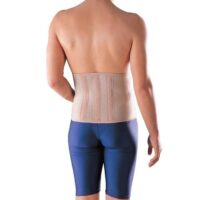
These SIJ support products are commonly used by our physiotherapists to help reduce SIJ pain, improve comfort, and support your recovery at home.