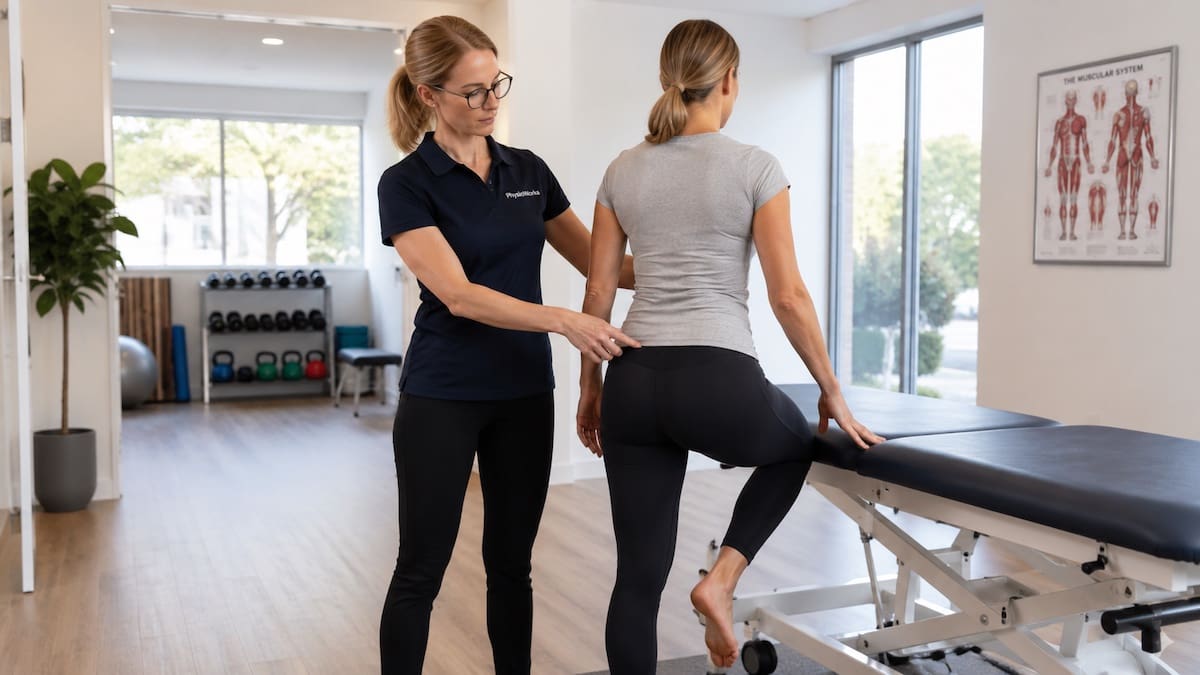
Common Causes of SIJ & Buttock Pain


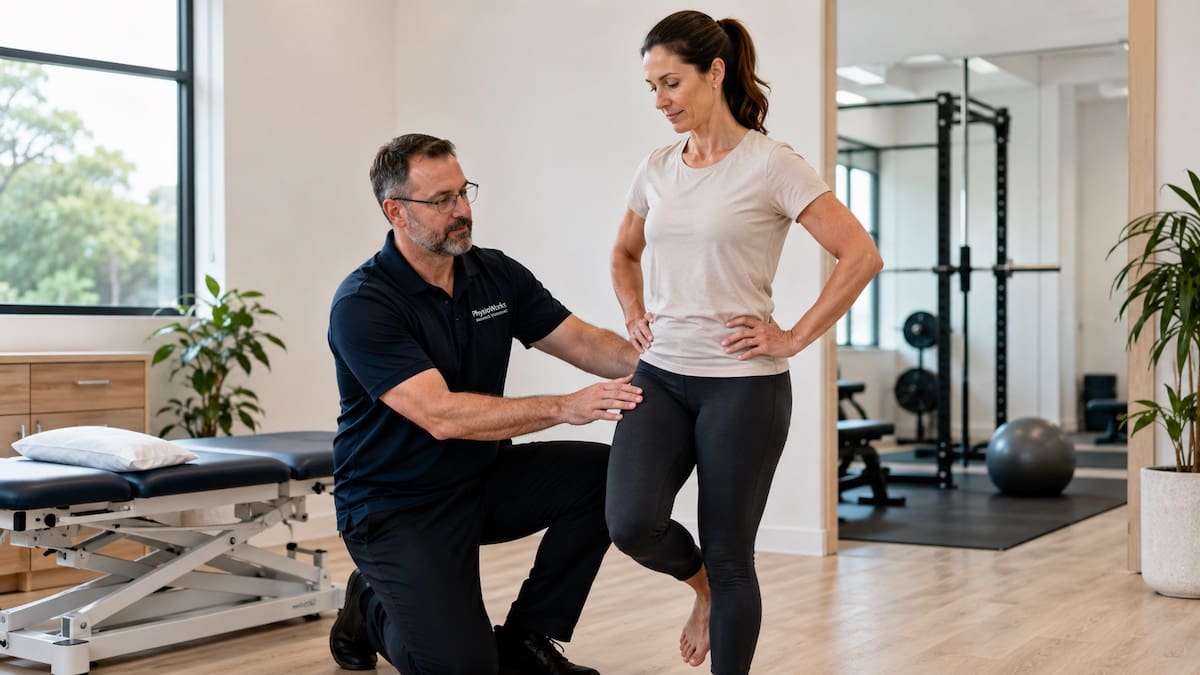
Assessing pelvic control and buttock pain patterns.
What are the common causes of SIJ and buttock pain?
Common causes of SIJ and buttock pain include sacroiliac joint pain, sciatica, piriformis syndrome, gluteal tendinopathy, pregnancy-related pelvic pain, and less commonly bone stress or fracture problems. Because several conditions can refer pain into the buttock, an accurate assessment is important before choosing treatment.
Buttock pain is often blamed on the SIJ, but the true source may come from the lower back, deep buttock muscles, hip tendons, irritated nerves, or the pelvic bones. This page outlines the main patterns so you can better judge what may be contributing to your symptoms and when to seek help.
Quick summary
- SIJ pain often causes one-sided buttock pain with rolling, stairs, or standing from sitting.
- Sciatica or a pinched nerve may add tingling, numbness, or leg pain.
- Piriformis syndrome and hip core control problems can create deep buttock pain.
- Trochanteric bursitis and greater trochanteric pain syndrome usually cause outer hip and lateral buttock pain.
- Pregnancy, osteoporosis, and stress fractures deserve extra caution.
Quick Pattern Check
Buttock pain can come from several nearby structures. Your symptom pattern can give useful clues, but it does not replace an assessment.
- SIJ pain: often one-sided, close to the low back dimples or upper buttock.
- Sciatica: more likely when pain travels below the knee with tingling or numbness.
- Piriformis syndrome: often feels deep in the buttock and may worsen with sitting.
- Gluteal tendinopathy or GTPS: usually affects the outer hip and can spread into the buttock.
- Bone stress or fracture: more concerning when pain is constant, severe, or affects walking.
Common causes of SIJ & buttock pain
1. Sacroiliac joint pain
The sacroiliac joints sit between the sacrum and pelvis. When irritated, they can produce one-sided buttock pain, lower back pain, groin discomfort, or pain that feels like a “catch” when turning in bed, climbing stairs, or standing after sitting. Read more about sacroiliac joint pain and our related page on SIJ pain treatment options.
2. Pregnancy-related pelvic or buttock pain
Hormonal changes, altered load through the pelvis, and changing trunk control can all increase stress across the SIJ and surrounding tissues during pregnancy. This can lead to deep buttock pain, pelvic aching, and pain with walking, stairs, or turning in bed. See pregnancy back pain for more detail.
3. Deep buttock muscle pain
Several muscles can refer pain into the buttock. Piriformis syndrome may irritate the sciatic nerve and cause deep buttock pain with sitting or walking. Reduced hip core control or poor trunk control may also overload the buttock region. Some people also notice temporary soreness after unaccustomed exercise due to delayed onset muscle soreness (DOMS).
4. Lateral hip conditions that spread into the buttock
Not all buttock pain comes from the SIJ. Gluteal tendinopathy, greater trochanteric pain syndrome, and trochanteric bursitis commonly cause pain over the outer hip that may spread into the upper buttock. This pattern often worsens with lying on the sore side, walking, hills, or stairs.
5. Nerve-related causes
If your pain shoots down the leg, burns, tingles, or causes numbness, the pain may be nerve-related rather than purely joint-based. Common examples include sciatica, general nerve pain, and a pinched nerve. Healthdirect also provides a helpful overview of sciatica symptoms and causes.
6. Bone-related causes
Bone pain is less common, but it is important to exclude when symptoms are severe or do not settle. Relevant causes include osteoporosis, fractures, and stress fractures involving the pelvis or sacrum. These causes are more concerning when pain is constant, night pain is present, or walking becomes difficult.
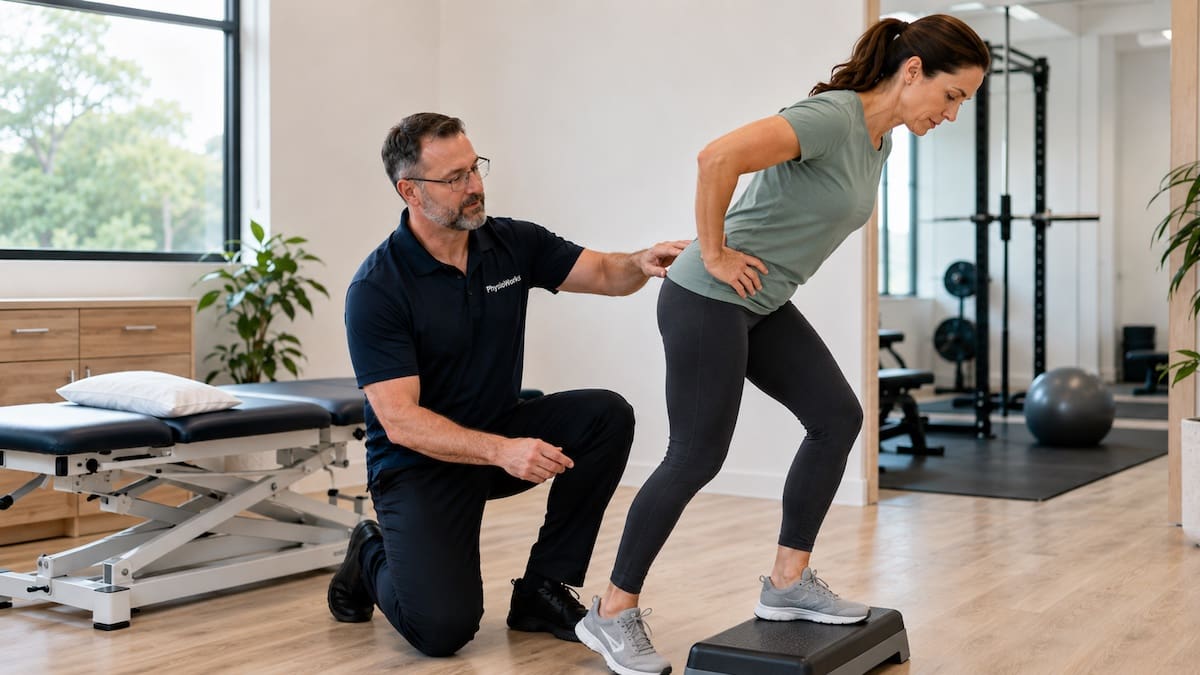
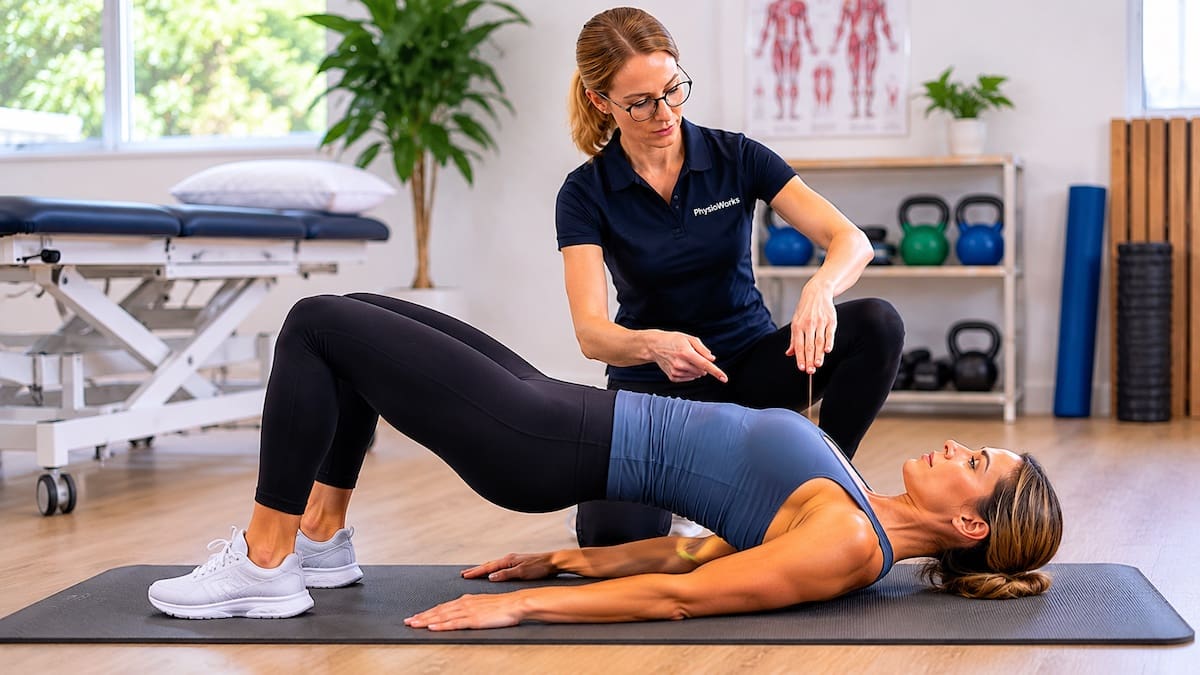
Checking how the lower back, pelvis and hip work together.
Why can SIJ and buttock pain feel similar?
The lower back, SIJ, hip, deep buttock muscles, and nearby nerves sit close together and can refer pain into similar areas. That is why one-sided buttock pain does not always mean the SIJ is the true source. A physiotherapist may assess your back, pelvis, hip movement, strength, load tolerance, and nerve signs to narrow the cause and guide the right management plan.
When should you seek help for buttock pain?
Seek assessment if your pain lasts more than a few days, keeps returning, travels below the knee, causes pins and needles, or makes walking, sitting, stairs, or sleep difficult. Urgent medical review is sensible if pain follows a significant fall, you cannot weight-bear, you have marked weakness, bladder or bowel changes, fever, or unexplained weight loss.
Not Sure If It Is SIJ Pain?
That is common. SIJ pain, sciatica, piriformis syndrome, gluteal tendinopathy, hip pain and lower back pain can all overlap.
A physiotherapist may assess your lower back, pelvis, hip movement, nerve signs, strength and load tolerance. This helps match treatment to the most likely cause.
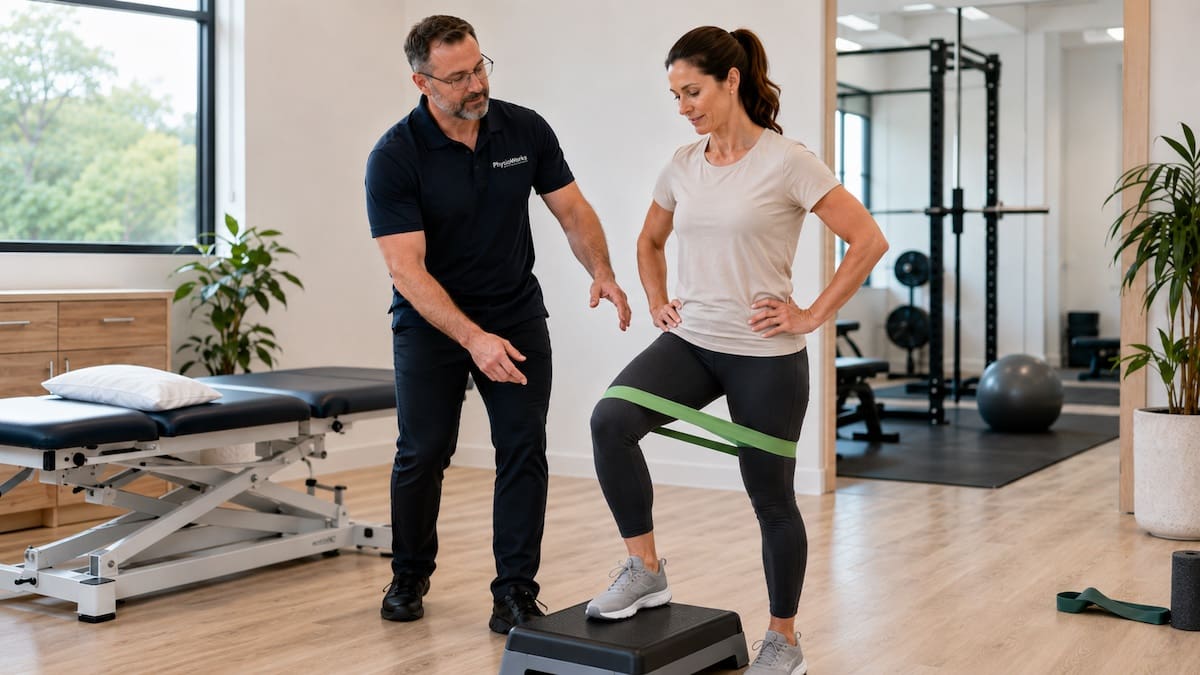
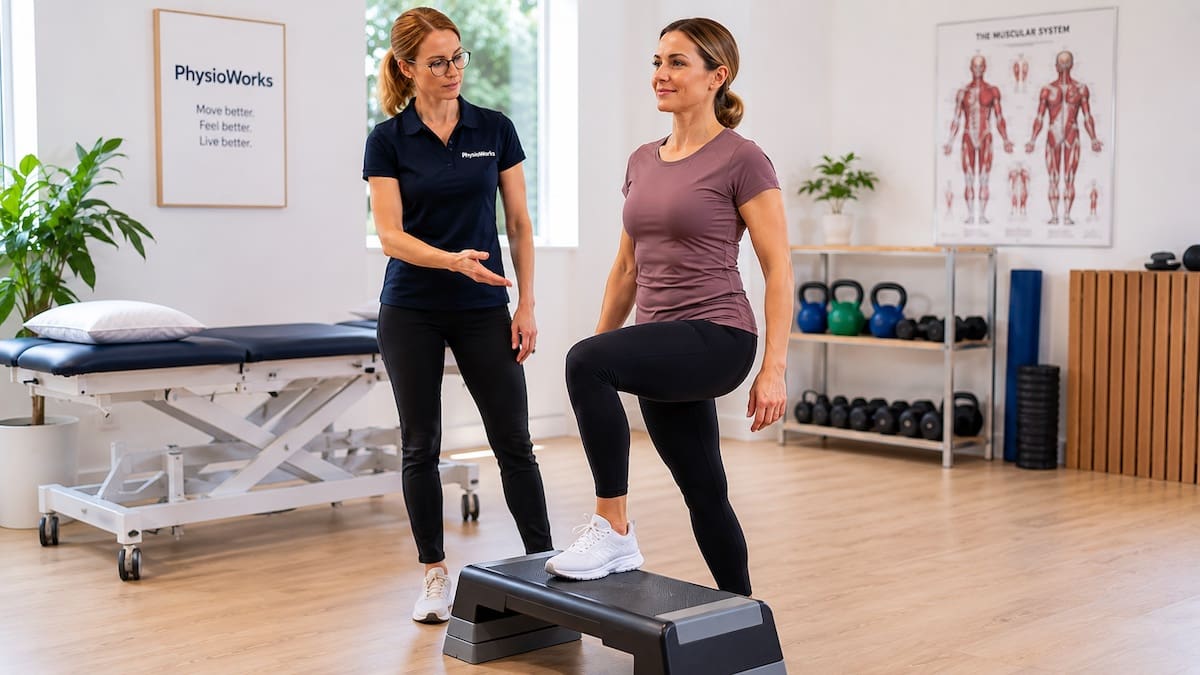
Building confident pelvic control during recovery.
Related articles
- Sacroiliac Joint Pain (SIJ)
- SIJ Pain Treatment Options
- Lower Back Pain
- Sciatica
- Piriformis Syndrome
- Gluteal Tendinopathy
- Greater Trochanteric Pain Syndrome
- Hip Pain
- Pregnancy Back Pain
- Nerve Pain
Common questions about SIJ and buttock pain
What are the common causes of SIJ and buttock pain?
Common causes include sacroiliac joint pain, sciatica, piriformis syndrome, gluteal tendinopathy, pregnancy-related pelvic pain, and less commonly bone stress or fracture problems. The lower back, pelvis, hip, buttock muscles and nearby nerves can refer pain into similar areas.
Can SIJ pain cause buttock pain?
Yes. SIJ pain commonly causes one-sided buttock pain and may also refer into the lower back, groin, or upper thigh. However, several other conditions can copy this pattern, so an assessment helps separate SIJ pain from hip, back, or nerve-related causes.
Is buttock pain always sciatica?
No. Sciatica is only one possible cause. Buttock pain can also come from the SIJ, piriformis, gluteal tendons, bursitis, pregnancy-related pelvic pain, or bone stress. Sciatica becomes more likely if pain travels down the leg with tingling, numbness, or nerve-type pain.
What is the difference between SIJ pain and piriformis syndrome?
SIJ pain often feels close to the dimples of the low back or upper buttock and may worsen with rolling, stairs, or standing from sitting. Piriformis syndrome usually causes deeper buttock pain and may irritate the sciatic nerve, especially with sitting or prolonged walking.
When is buttock pain more serious?
Buttock pain deserves prompt review if it follows trauma, causes major walking difficulty, is associated with fever, unexplained weight loss, severe night pain, major weakness, or bladder and bowel changes. These patterns need quicker medical assessment.
What to do next
If you are unsure whether your pain is coming from the SIJ, lower back, buttock muscles, or hip, a clear assessment can help. The aim is to identify the real pain source, rule out the more serious possibilities, and match treatment to your symptoms, movement pattern, and daily loads.
Depending on the cause, treatment may include load modification, mobility work, strength and control exercises, nerve symptom management, taping or support, and a staged return to walking, work, exercise, or sport.
Choose your clinic and appointment pathway
Select a PhysioWorks clinic to continue to live booking, an appointment request or reception assistance.
SIJ Support Products
These SIJ support products are commonly used by our physiotherapists to help reduce SIJ pain, improve comfort, and support your recovery at home.
- Braces & Supports, Back, Maternity, SIJ
AOM38 AllCare Ortho Core Stability Belt
$49.95Select optionsQuick View -
 Back, Braces & Supports, Maternity, Posture
Pregnancy Belly Band & C-Section 3-in-1
$94.99Select optionsQuick View -
-
-
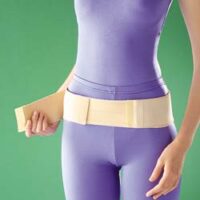 Back, Braces & Supports, Maternity, SIJ
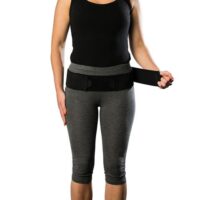
Core Stability Support – OPPO 3462
$54.00Select optionsQuick View -
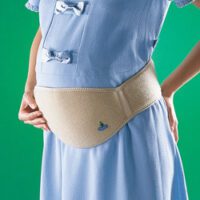 Braces & Supports, Back, Maternity, SIJ
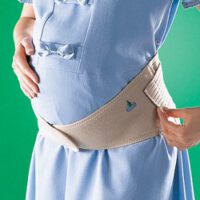
Maternity Support Belt – OPPO 4062
$37.00Select optionsQuick View -
-
 Back, Braces & Supports, Maternity, Posture
Maternity Back Support – OPPO 2062
$60.00 – $64.00Select optionsQuick View



References
- Al-Subahi M, Alayat M, Alshehri MA, et al. The effectiveness of physiotherapy interventions for sacroiliac joint dysfunction: a systematic review. J Phys Ther Sci. 2019;31(12):1018-1024.
- Probst D, Stout A, Hunt D. Piriformis Syndrome: A Narrative Review of the Anatomy, Diagnosis, and Treatment. PM&R. 2019;11(S1):S54-S63.
- Mellor R, Grimaldi A, Wajswelner H, et al. Exercise and load modification versus corticosteroid injection versus wait and see for gluteal tendinopathy: a randomised clinical trial. BMJ. 2018;361:k1662.
- Lee A, Gupta M, Boyinepally K, Stokey PJ, Varlotta G. Sacroiliitis: A Review on Anatomy, Diagnosis, and Treatment. Pain Res Manag. 2022;2022:3283296.
- Newman DP, Soto AT. Sacroiliac Joint Dysfunction: Diagnosis and Treatment. Am Fam Physician. 2022;105(3):239-248.