Shoe Size Conversion Chart


Shoe Size Conversion Chart


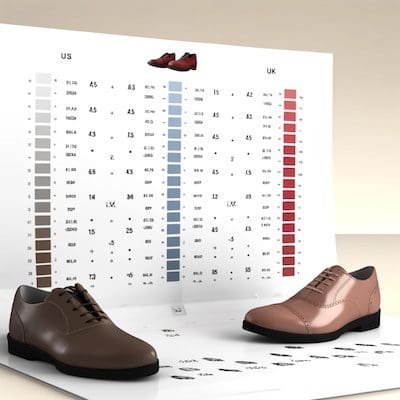
Shoe size conversion chart for men and women showing US, UK, Australian and European sizes with stylish shoes at the top corners.

Use this shoe size conversion chart as a starting point before checking fit.


This shoe size conversion chart helps you compare Australian, US, UK, European and centimetre shoe sizes. It is useful when you buy shoes online, travel overseas, or compare brands that use different sizing systems.

Shoe sizing is a guide only. A better fitting shoe should feel comfortable through the heel, midfoot and toe box. Correct footwear can also help reduce unwanted pressure on your feet, ankles, knees and lower back.

Quick Fit Checklist

  • Leave a thumb-width of space in front of your longest toe.
  • Check that your heel feels secure and does not slip.
  • Make sure the toe box is wide enough for your foot shape.
  • Try shoes later in the day when feet may be slightly larger.
  • Use brand-specific sizing charts when available.

What Do You Need Help With?

How Do You Use a Shoe Size Conversion Chart?

Use a shoe size conversion chart by finding your usual size in one system, then following the row across to compare other systems. For example, an Australian men’s size 8 usually aligns closely with a UK 8, US men’s 9 and European 42.

However, sizing varies between brands, shoe styles and foot shapes. Running shoes, work shoes, school shoes and fashion shoes may all fit differently. If pain persists despite changing shoes, a physiotherapist may assess your walking pattern, foot posture and load tolerance.

Common Shoe Sizing Mistakes

  • Choosing size based only on the number, not fit.
  • Ignoring width and toe box shape.
  • Buying shoes early in the day when feet may be smaller.
  • Assuming all brands fit the same.
  • Not accounting for foot swelling during sport or long walks.

International Shoe Size Conversion Chart

The table below compares common adult shoe sizes. On mobile, scroll sideways to view the full chart.

Sizing system Size 1 Size 2 Size 3 Size 4 Size 5 Size 6 Size 7 Size 8 Size 9
Australian Men’s 4 5 6 7 8 9 10 11 12
Australian / US Women’s 6 7 8 9 10 11 12 13 14
US Men’s 5 6 7 8 9 10 11 12 13
European 37 38 39.5 40.5 42 43 44.5 46 47
UK 4 5 6 7 8 9 10 11 12
Foot length in cm 22.8 23.7 25.1 25.4 26.3 27.1 28.0 28.8 29.6

Tip: Scroll sideways on mobile to view all sizes.

Important: conversion charts provide an estimate only. Shoe width, arch shape, toe box space and heel hold often matter as much as the number printed inside the shoe.

Do Different Shoes Fit Differently?

Yes. Shoe fit varies depending on purpose, brand and design. A size that feels right in one shoe may feel too narrow, loose or short in another.

  • Running shoes: often need extra toe room for swelling and repeated impact.
  • Work shoes: usually need support, durability and a secure heel fit.
  • Dress shoes: may feel narrower or firmer through the forefoot.
  • Sports shoes: should match the movement demands of the sport.
  • School shoes: need enough room for growth without slipping.

Why Does Correct Shoe Size Matter?

Correct shoe size matters because tight, loose or poorly shaped shoes can increase pressure on the foot and alter how you move. This may contribute to blisters, toe pain, bunions, plantar fasciitis, heel pain or lower limb discomfort.

Incorrect shoe size can contribute to specific symptoms such as:

Research on occupational footwear also links inappropriate footwear with pain in the foot, ankle, knee, hip and lower back. For general footwear advice, Better Health Channel notes that correctly fitted, supportive shoes can help protect foot health and comfort.

How Should Shoes Fit?

A well-fitting shoe should feel secure at the heel, comfortable across the midfoot and roomy enough around the toes. Your toes should not feel squeezed, and the shoe should match the activity you plan to use it for.

  • Toe room: leave space for your longest toe, not just your big toe.
  • Width: avoid shoes that press across the forefoot.
  • Heel fit: avoid excessive slipping at the back of the shoe.
  • Support: choose support based on your foot shape, activity and symptoms.
  • Activity match: running, walking, work and dress shoes have different demands.

If you run regularly, also see our guide to choosing running shoes and our article on running pain versus running injuries.

When Should You Seek Help for Shoe-Related Foot Pain?

Seek help if foot, ankle, knee or back pain continues after changing shoes, reducing load or checking your size. Persistent symptoms may relate to footwear, strength, mobility, walking pattern, training load or an underlying foot condition.

A physiotherapist can assess your movement, discuss footwear choices and guide a plan for pain, activity and exercise. This may include advice about orthotics, calf strength, foot posture, load management or footwear changes.

Still Not Sure About Your Shoe Size?

If your shoes feel uncomfortable or your pain continues, a physiotherapist can assess your foot shape, walking pattern and footwear to guide the right choice.

What To Do Next

If your shoes fit well but pain continues, book a physiotherapy assessment. We can check whether your symptoms are coming from your foot, ankle, knee, hip or lower back, then guide your next steps.


Book your appointment – 24/7

Choose your preferred PhysioWorks clinic and book online.


Feet Products

These feet products are commonly used by our physiotherapists to improve support, comfort, strength, balance, flexibility, and home exercise programs.

View all feet products


Follow PhysioWorks

Get free physiotherapy tips, exercise videos, recovery advice, and blog updates.

Facebook Instagram YouTube B X Email PhysioWorks

FAQs About Shoe Size Conversion

How do I convert US shoe size to UK?

For many adult shoes, subtract 1 from a US men’s size to estimate the UK size. For women’s shoes, the difference is often about 2 sizes. However, always check the brand’s own sizing chart because sizing can vary.

Are Australian shoe sizes the same as UK sizes?

Australian men’s shoe sizes are often close to UK men’s sizes. Australian women’s sizing often follows US women’s sizing. Use the shoe size conversion chart as a guide, then confirm comfort by checking length, width and heel fit.

What does EU shoe size mean in Australia?

EU shoe size refers to the European sizing system. To compare it with Australian sizing, find the EU size in the conversion chart and follow the same row across to the Australian men’s or women’s size.

How do I measure my feet for shoes?

Place your foot on paper, trace around it, then measure from the heel to the longest toe. Measure both feet and use the longer foot as your guide. Also check width, as length alone may not give a comfortable fit.

Can the wrong shoe size cause foot pain?

Yes. Shoes that are too tight, loose, narrow or poorly shaped may contribute to pressure areas, blisters, heel pain, bunions or changes in walking pattern. Persistent pain should be assessed rather than managed by shoe changes alone.

Should running shoes be a bigger size?

Many runners choose slightly more toe room because feet can swell during longer runs. The shoe should still feel secure around the heel and midfoot. Avoid excessive movement inside the shoe, as this may increase rubbing or instability.

Related Articles

  1. Choosing the Right Running Shoes – Compare footwear choices for running comfort and injury prevention.
  2. Running Pain Versus Running Injuries – Learn when running discomfort may need assessment.
  3. Foot Pain Conditions – Review common foot problems and treatment pathways.
  4. Plantar Fasciitis – Read about common causes of heel and arch pain.
  5. Bunions – Learn how bunions can affect footwear comfort.
  6. Orthotics – See when shoe inserts may support foot comfort.
  7. Heel Pain Causes – Review common reasons for heel pain.
  8. Achilles Tendinopathy – Learn how footwear and load may affect Achilles pain.
  9. Diabetes and Foot Health – Read about foot care considerations for people with diabetes.
  10. Active Foot Posture Exercises – Build better foot control and strength.

References

  1. Pereira-Barriga MC, Borrero-Hernández JM, García-Sanz-Calcedo J, et al. A review of the injuries caused by occupational footwear. Occupational Medicine. 2024;74(3):218-225.
  2. Orr RM, Maupin D, Palmer R, Canetti EFD, Simas V, Schram B. The impact of footwear on occupational task performance and musculoskeletal injury risk: a scoping review to inform tactical footwear. International Journal of Environmental Research and Public Health. 2022;19(17):10703.
  3. Better Health Channel. Choosing the right shoe. Victorian Government.
  4. Better Health Channel. Footwear for healthy feet. Victorian Government.
  5. Healthdirect Australia. Foot care. Australian Government-funded health information service.

You've just added this product to the cart: