

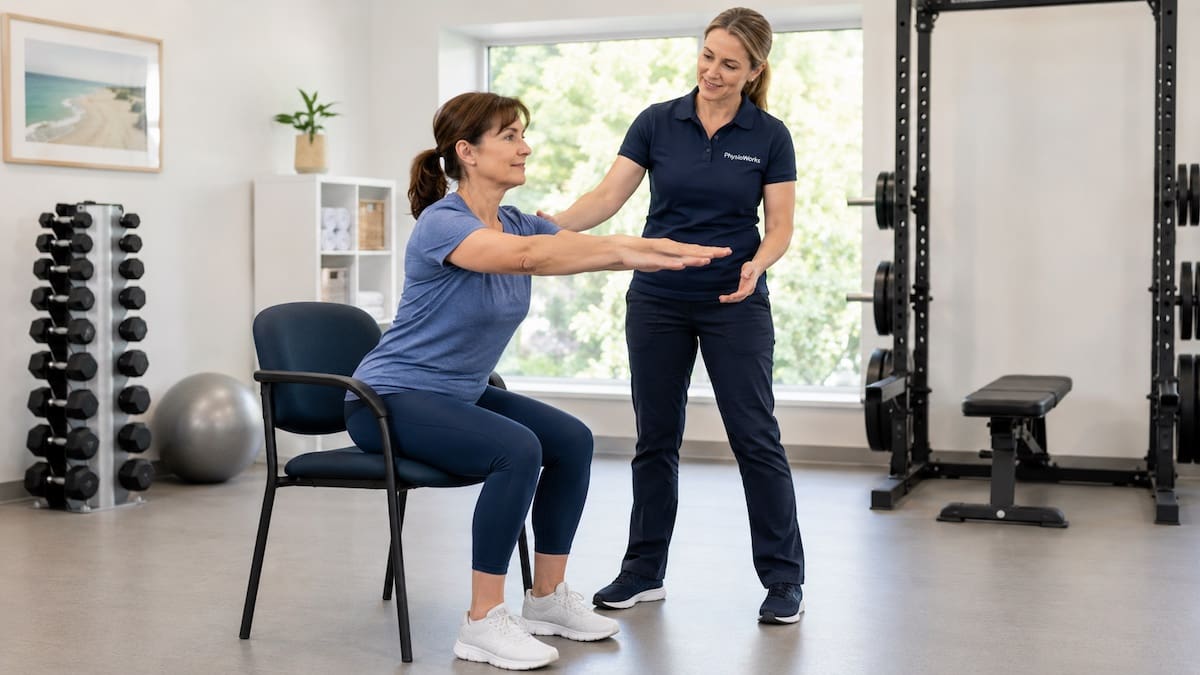
Exercise over 50 can help support healthy ageing, strength, balance, bone health, stamina, confidence and day-to-day independence. You do not need to train like an athlete. Instead, most people do best with regular movement, gradual progression, and the right mix of strength, aerobic exercise, balance work and mobility.
A well-planned routine may also help people manage age-related issues such as sarcopenia, arthritis, osteoporosis and osteopenia, chronic pain, and reduced balance. If you want a more personalised plan, our exercise programs, exercise physiology, and physiotherapy services can help guide you safely.
Healthy ageing means staying as physically, mentally and socially capable as possible as you get older. For many adults over 50, that means keeping the strength, mobility and confidence needed for work, family, travel, stairs, carrying, sport, hobbies and social activity.
Exercise over 50 should include aerobic activity, strengthening, balance work, mobility training and regular light movement through the day. This mix supports heart health, muscle mass, bone strength, joint function and confidence better than relying on walking or stretching alone.
A balanced routine may include brisk walking, cycling, swimming or light cardio on most days, plus strength training two or more times each week. If balance feels less reliable, targeted options such as our Balance and Falls Prevention Class or fall prevention exercise can be valuable.
Australian movement guidance also supports regular moderate-to-vigorous activity, muscle-strengthening activity, balance and coordination work, daily light movement, and less prolonged sitting. Read the Australian 24-hour movement guidelines.
Use this quick guide to choose a useful starting point.
Exercise can feel harder after 50 because muscle mass, power, joint flexibility, bone density and recovery speed may gradually change with age. Previous injuries, pain, stress, illness and long periods of inactivity can also reduce confidence and make everyday exercise feel more demanding.
However, age alone does not stop progress. Many people improve once they train consistently, start at the right level and progress slowly. A manageable amount done regularly is usually better than doing too much too soon, flaring symptoms, then stopping again.
Regular exercise can support cardiovascular fitness, muscle strength, bone health, balance, mood, sleep and confidence. It also helps people maintain function for climbing stairs, getting up from chairs, carrying shopping, gardening, travelling and staying active in work, family and recreation.
Many people also use exercise to help manage common age-related issues such as age-related muscle loss, osteoporosis and osteopenia, general joint stiffness, reduced walking tolerance, poor balance and deconditioning. Evidence supports multimodal programs that combine aerobic exercise, resistance training, balance and mobility work.
Yes, many people can start exercise over 50 even if they have pain or arthritis. The key is choosing the right entry point, matching the exercise to the problem, and progressing gradually rather than pushing through strong flare-ups.
For example, some people start with walking, cycling, hydrotherapy, chair-based strength work or guided mobility exercise. Others need help with pacing, technique or recovery habits first. Helpful starting points include our guides to warming up, safe exercise warning signs, and posture.
This example suits many healthy adults as a general starting point. Adjust it if you have pain, poor balance, injury, osteoporosis, illness, or major health concerns.
| Day | Suggested focus |
|---|---|
| Monday | 30-minute walk + sit-to-stands + heel raises |
| Tuesday | Mobility, posture exercises and light movement breaks |
| Wednesday | Strength session using bodyweight, bands or light weights |
| Thursday | Balance practice + light walk, cycling or pool exercise |
| Friday | Second strength session |
| Weekend | Active recreation such as walking, swimming, gardening or a social exercise class |
The best exercises after 50 are the ones you can perform safely, consistently and progressively. Walking is excellent, but a stronger healthy ageing program usually also includes resistance exercises, balance drills, sit-to-stand work, step-ups, carrying tasks, and flexibility or mobility exercises.
Useful options may include chair squats, heel raises, light dumbbell or band exercises, stair walking, cycling, swimming, supported single-leg balance, and simple core control exercises. If motivation or confidence is an issue, supervised exercise often helps people stay consistent and progress more effectively.
You should slow down or get checked if exercise causes sharp pain, major swelling, repeated giving way, dizziness, chest pain, breathlessness that feels unusual, or symptoms that keep worsening instead of settling. Pain that lingers for days after light activity can also mean the program needs adjusting.
| Exercise type | Why it matters | Examples |
|---|---|---|
| Aerobic exercise | Supports heart, lungs, stamina and daily energy | Walking, cycling, swimming, water walking |
| Strength training | Helps maintain muscle, bone health and daily function | Sit-to-stands, step-ups, heel raises, bands, weights |
| Balance training | Supports steadiness and confidence | Supported single-leg stands, tandem walking, stepping drills |
| Mobility and posture | Improves comfort, movement quality and ease with daily tasks | Stretching, thoracic mobility, posture drills |
| Light movement | Helps reduce long sitting and keeps joints moving | Short walks, housework, standing breaks, gardening |
A physiotherapist can help by assessing your starting point, identifying movement restrictions or pain triggers, and building a plan that suits your goals. That may include improving strength, mobility, balance, walking tolerance, posture and confidence while reducing the risk of overdoing it.
An accredited exercise physiologist may help when you need a longer-term, structured exercise plan for healthy ageing, chronic disease, osteoporosis, diabetes, deconditioning, gym confidence or functional strength. Many people benefit from combined care, where physiotherapy addresses pain or movement limits and exercise physiology helps build capacity over time.
Most adults over 50 do well with activity on most days, plus strengthening work at least twice each week. Balance and coordination work also become more important with age. The right amount still depends on your current fitness, health conditions and recovery between sessions.
Walking is a strong starting point, but it is usually not enough on its own for full healthy ageing. Strength work, balance practice and mobility exercises also help maintain muscle mass, bone health, confidence and function as you get older.
Yes. Strength training can be safe after 50 when it is matched to your current ability and progressed sensibly. It is one of the most useful tools for maintaining muscle, supporting bone health and making daily tasks feel easier.
You can still start. Most people do best by beginning with simpler movements, shorter sessions and lower loads than they first expect. Then they build up gradually. A guided program can help reduce flare-ups and make the process feel more manageable.
In many cases, yes. Well-chosen exercise can help reduce stiffness, improve movement and build strength around sore joints. The main goal is to find the right type and dose of activity rather than to avoid movement altogether.
It is worth seeing a physiotherapist if you have significant pain, poor balance, repeated flare-ups, recent injury, osteoporosis or low confidence with exercise. It can also help if you want a clearer plan and do not know where to begin.
If you want to stay active, independent and confident, start with exercise that feels achievable now rather than waiting for the perfect time. A sensible program can build momentum and help you avoid the stop-start cycle that often comes from doing too much too soon.
If you would like help choosing the right starting point, a PhysioWorks physiotherapist or exercise physiologist can assess your needs and guide a program that suits your age, goals, symptoms and current fitness.
Select a PhysioWorks clinic to continue to live booking, an appointment request or reception assistance.
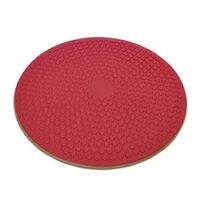
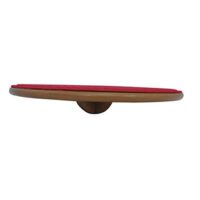
These balance products are commonly used by our physiotherapists to improve strength, balance, prevent injuries falls or injuries, plus assist home exercise programs.