
Thoracic Pain


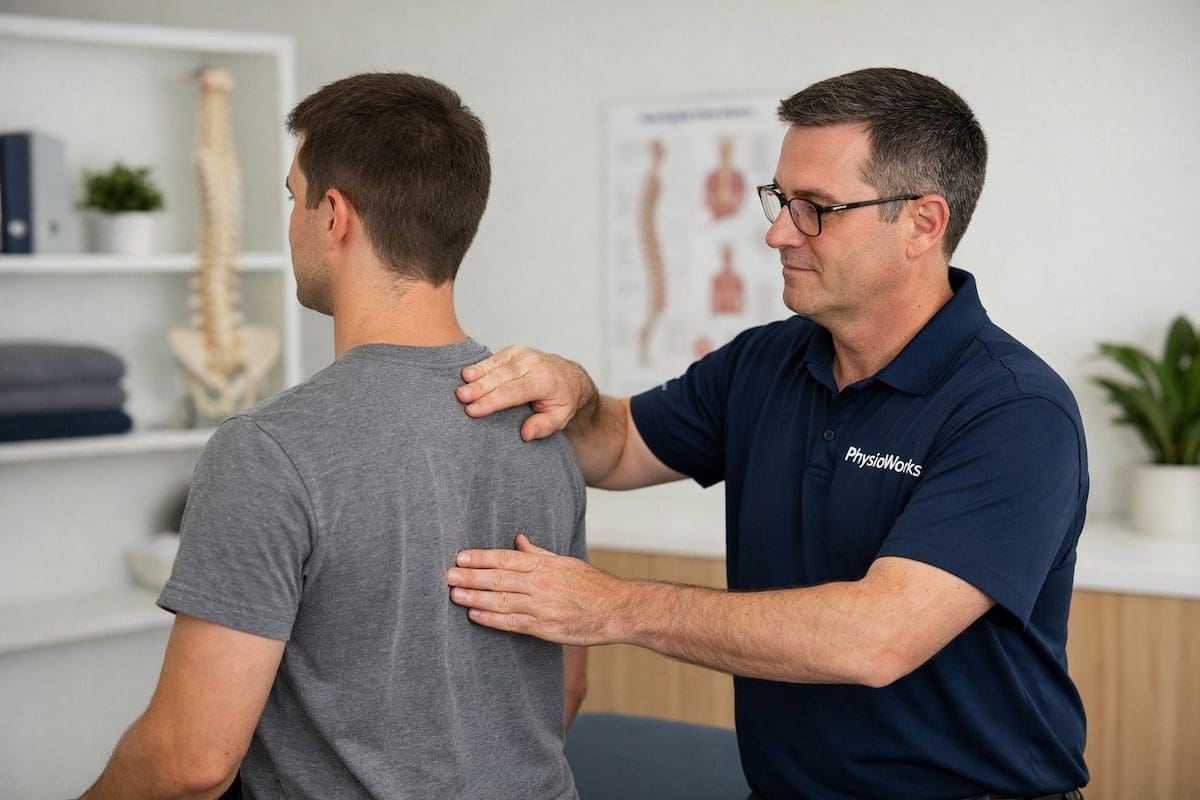
Thoracic spine assessment helps find upper back, rib and posture-related pain triggers.
Thoracic pain is pain or stiffness in the mid-back and rib area. It may feel like an ache, tightness, or sharp pain between the shoulder blades. You may notice it with sitting, lifting, twisting, gym work, deep breathing, coughing, or long screen time.
The cause is often linked to muscles, joints, ribs, posture, or a sudden change in load. The thoracic area sits close to the neck, shoulders and chest wall, so pain patterns can overlap. Start with spinal pain conditions, or compare your symptoms with common causes of upper back pain. Closely related guides include costochondritis and side strain.
Quick Thoracic Pain Guide
- Often felt between the shoulder blades or around the ribs
- May worsen with sitting, lifting, twisting, coughing, or deep breathing
- Can involve muscles, joints, ribs, posture, or training load
- Pain with fever, trauma, weight loss, chest symptoms, or nerve signs needs medical review

Thoracic spine and upper back assessment during physiotherapy.
What Is Thoracic Pain?
Thoracic pain is pain in the mid-back between the neck and lower back. It may involve the thoracic spine joints, ribs, muscles around the shoulder blades, or nearby soft tissues. Some people feel mainly stiff. Others feel sharp pain with turning, reaching, coughing, or deep breath.
What Causes Thoracic Pain?
Thoracic pain often comes from posture, load and movement factors. Long periods in one position can irritate the mid-back and rib joints. A sudden jump in gym load, lifting, sport, or work can also strain muscles or rib attachments. Falls, awkward twists and direct knocks can trigger pain too.
- Joint irritation: thoracic facet joints can become stiff or sore, especially with turning or arching. See thoracic facet joint pain.
- Rib pain: rib joints and chest wall tissues can hurt with twisting, coughing, or deep breathing. A related load injury is a rib stress fracture.
- Muscle overload: mid-back muscles can tighten with desk work, overhead work, repeated tasks, or gym loading.
- Posture and fatigue: shoulder blade support and mid-back strength can drop when you are tired. These posture exercises may help guide early movement.
Common Signs of Thoracic Pain
- Ache or tightness between the shoulder blades
- Pain with turning, reaching, or overhead work
- Rib soreness that changes with movement or breath
- Worse pain after sitting, driving, or screen work
- Mid-back fatigue by the end of the day
What Symptoms Can Thoracic Pain Cause?
Thoracic pain can cause stiffness, aching, sharp pain, or local soreness around the ribs and shoulder blades. It may feel worse after sitting, driving, twisting, lifting, coughing, or deep breathing. Some people feel pain that spreads towards the chest wall, neck, or shoulder.
If you also have arm heaviness, pins and needles, numbness, weakness, or hand colour change, compare your symptoms with thoracic outlet syndrome. Some people also need checks for spinal patterns, including osteoporosis and osteopenia.
How Is Thoracic Pain Assessed?
A physiotherapist will usually check whether your pain behaves like a muscle, joint, rib, or posture-related problem. They may check your posture, mid-back movement, rib movement, breathing pattern, shoulder blade control, strength, and the tasks that set off pain.
If your symptoms do not fit a muscle, joint, or rib pattern, you may need medical review. For a broad evidence-based overview of back pain screening and care, see the NCBI Bookshelf summary on back pain.
How Can Physiotherapy Help Thoracic Pain?
Physiotherapy for thoracic pain usually starts with a clear assessment. Early care may focus on easing pain and restoring easy movement. Then, your plan may build strength, posture control, rib movement, breathing control and work or sport tolerance.
- Education and pacing: adjust sitting breaks, lifting, sleep positions and training load while pain settles.
- Mobility work: use gentle thoracic rotation and extension drills to reduce stiffness.
- Strength work: build endurance in the mid-back, shoulder blade and trunk muscles.
- Hands-on treatment: may help short-term pain and movement when used with exercise.
- Breathing and rib control: may help when pain changes with breath or chest wall movement.
Thoracic Pain Treatment Pathway
| Early stage | Ease pain, keep gentle movement, reduce clear triggers and screen red flags. |
| Build stage | Restore mid-back mobility, rib comfort, shoulder blade control and trunk strength. |
| Return stage | Progress lifting, gym work, sport, work tasks and longer sitting or driving. |
Should You Keep Moving With Thoracic Pain?
Gentle movement is often better than complete rest. The goal is to keep moving without repeated sharp pain.
- If movement eases pain: keep it gentle and repeat it often.
- If a task flares pain: reduce the load, range, speed, or time.
- If pain spreads or affects breathing: seek assessment rather than pushing through.
Related Thoracic Conditions
Thoracic pain is a broad topic, not one single diagnosis. One of these pages may be a closer match for your symptoms:
- Thoracic Facet Joint Pain – joint pain and stiffness in the upper back.
- Thoracic Outlet Syndrome – nerve or blood vessel pressure affecting the neck, upper back and arm.
- Common Causes of Upper Back Pain – a simple upper back pain guide.
- Rib Stress Fracture – sharp rib pain linked to load or sport.
- Scheuermann’s Disease – a thoracic spine condition linked with rounding and mid-back pain.
- Scoliosis – spinal curve patterns that can affect thoracic comfort and fatigue.
- Ankylosing Spondylitis – an inflammatory condition that can affect spinal stiffness.
When Is Thoracic Pain Worth Treating?
Thoracic pain is worth treating when it keeps returning, limits movement, affects sleep, or makes work, driving, breathing, lifting, or sport harder. Early care may help stop guarding and stiffness from becoming a longer problem.
A physiotherapist can check whether your symptoms seem linked to joints, muscles, ribs, posture, training load, or another source. They can then guide a plan that fits your work, sport and daily life.
When Should You Worry About Thoracic Pain?
Most thoracic pain is mechanical and settles with the right plan. However, mid-back pain can sometimes be linked with health issues outside the spine. Red flags need careful screening.
Thoracic Pain Red Flags
- History of cancer, HIV, immune suppression, injected drug use, or long-term corticosteroid use
- Fever, chills, recent infection, or weight loss you cannot explain
- Constant or severe pain that keeps getting worse
- Pain that does not change with rest or position
- Recent major trauma, fall from height, or visible spine change
- Minor trauma or heavy lifting with known low bone density
- Worsening nerve signs such as weakness, numbness, or altered reflexes
- Chest pain, shortness of breath, faintness, or symptoms that feel unlike normal back pain
If you have any of these signs, seek urgent medical assessment.
Thoracic Pain FAQs
What causes thoracic pain?
Thoracic pain often comes from muscle overload, joint irritation, rib strain, posture fatigue, or a sudden change in activity load. Some people also have spinal curve, bone density, or inflammatory factors. Assessment helps find the main driver.
Can poor posture cause thoracic pain?
Yes. Long screen time, slumped sitting and poor shoulder blade support can load the thoracic spine and upper back muscles. Posture is rarely the only factor, but it can combine with fatigue, low strength and work demands.
Why does thoracic pain hurt when I breathe?
Thoracic pain that changes with breathing often involves the ribs, chest wall tissues, or rib joints near the spine. Coughing, sneezing or twisting can also irritate it. Sharp pain with breath deserves a careful check.
How long does thoracic pain take to settle?
Mild posture-related or strain-based pain may improve over days to weeks. Ongoing cases can take longer, especially when strength, work load, sport load, or rib movement needs rebuilding. Rest alone is often not enough.
Can gym training cause thoracic pain?
Yes. Thoracic pain can follow a sudden jump in lifting volume, heavy pressing or pulling, poor trunk control, or repeated rotation under load. Often, the problem is not gym training itself. It is the size and speed of the load rise.
When should you worry about thoracic pain?
You should worry when thoracic pain comes with trauma, fever, weight loss you cannot explain, constant night pain, cancer history, chest symptoms, shortness of breath, or worsening nerve symptoms. These signs need medical review.
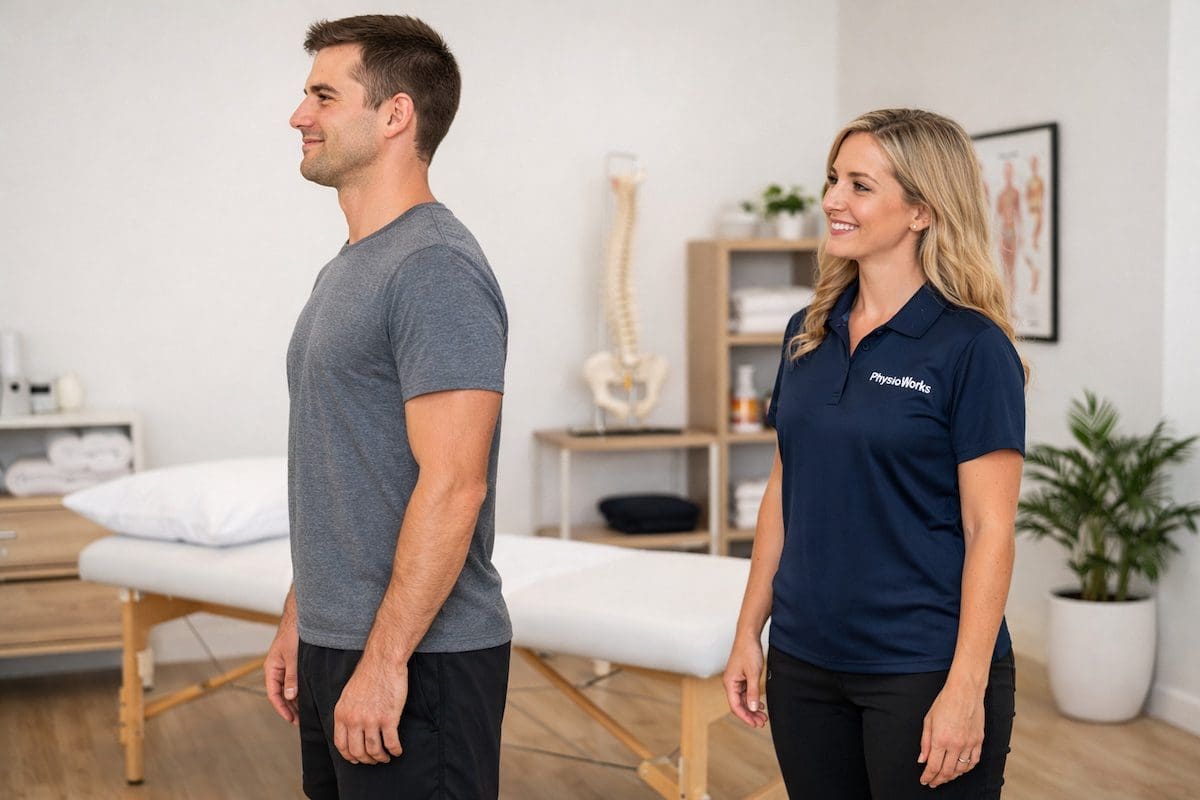
Improving upper back posture with guidance.
What to Do Next
Keep movement gentle and regular. Reduce tasks that clearly flare symptoms for a few days, rather than stopping everything. If pain keeps returning, spreads into the chest or arm, changes with breathing, or affects sleep and work, a physiotherapist can assess the likely driver.
If you are still comparing symptom patterns, revisit common causes of upper back pain or explore the related thoracic condition guides above.
Book your appointment – 24/7
Choose your preferred PhysioWorks clinic and book online.
Thoracic and Upper Back Products
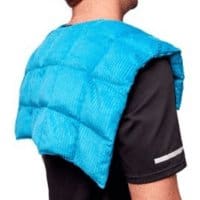
These thoracic and upper back products are commonly used by our physiotherapists to improve strength, posture, movement, plus assist home exercise programs.
-
-
-

 Exercise Balls, Back, Exercise Equipment, Knee, Shoulder
66fit Exercise Balls | Core & Rehab Stability Ball
$32.00 – $57.00Select optionsQuick View - EMS Machines, Pain Management, TENS Machine, TENS Machine & EMS
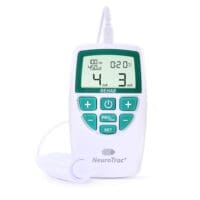
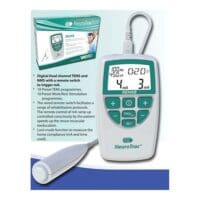
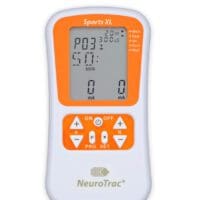
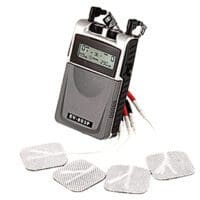
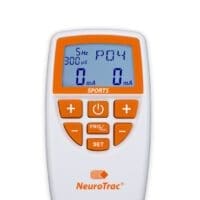
NeuroTrac Rehab (TENS Machine + EMS)
$299.95Add to cartQuick View -
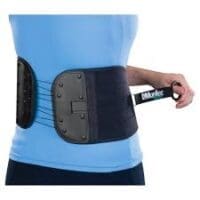 Back, Braces & Supports, Posture
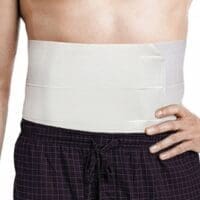
Mueller Green Adjustable Back Abdominal Support
$125.00Add to cartQuick View -
- Liniments & Gels, Massage Liniments, Pain Management
Fisiocrem
$13.98 – $35.50Select optionsQuick View -
-
-

-









Follow PhysioWorks for practical advice on spine, joint, tendon and muscle health, plus recovery tips and exercises to help you stay active.
Follow PhysioWorks
Get free physiotherapy tips, exercise videos, recovery advice, and blog updates.
 |  |  | B |  |  |
References
- Maselli F, Palladino M, Barbari V, Storari L, Rossettini G, Testa M. The diagnostic value of Red Flags in thoracolumbar pain: a systematic review. Disabil Rehabil. 2022;44(8):1190-1206. doi:10.1080/09638288.2020.1804626.
- Risetti M, Gambugini R, Testa M, Battista S. Management of non-specific thoracic spine pain: a cross-sectional study among physiotherapists. BMC Musculoskelet Disord. 2023;24(1):398. doi:10.1186/s12891-023-06505-8.
- Storari L, Piai J, Zitti M, Raffaele G, Fiorentino F, Paciotti R, et al. Standardized Definition of Red Flags in Musculoskeletal Care: A Comprehensive Review of Clinical Practice Guidelines. Medicina (Kaunas). 2025;61(6):1002. doi:10.3390/medicina61061002.