
Soccer Injuries: Common Football Injuries


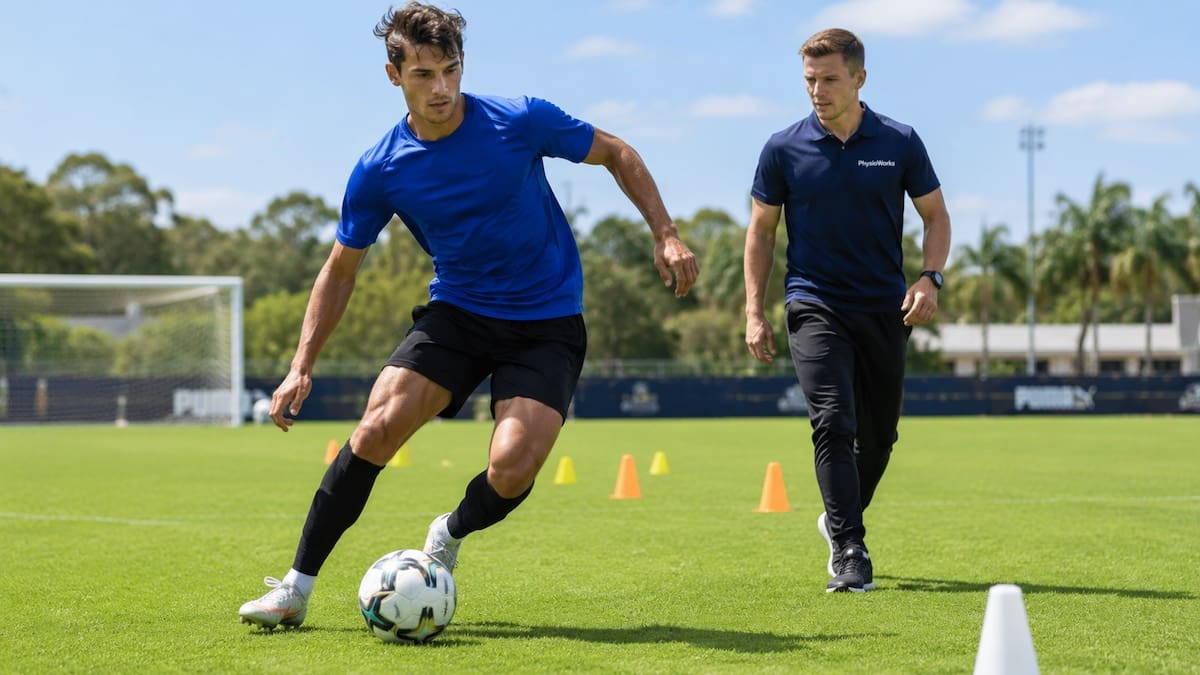
Soccer injuries commonly affect the ankle, knee, hamstring, groin and calf. They may happen suddenly during a tackle, landing or change of direction. Other injuries build gradually when running, kicking or match loads rise faster than the body can tolerate.
Physiotherapy can assess the injured area, identify contributing strength or movement deficits and guide a graded return to training and matches. Players with knee symptoms can also use our Knee Injuries hub to explore common causes of pain, swelling or instability.
Quick Answer
The most common soccer injuries include ankle sprains, hamstring strains, groin strains and knee injuries. Your symptoms, injury mechanism, swelling, strength and ability to run or change direction help determine the most appropriate treatment and return-to-play plan.
Explore Football and Related Sports
Compare injuries across football codes and other running, landing and change-of-direction sports.
Which Soccer Actions Commonly Trigger Pain?
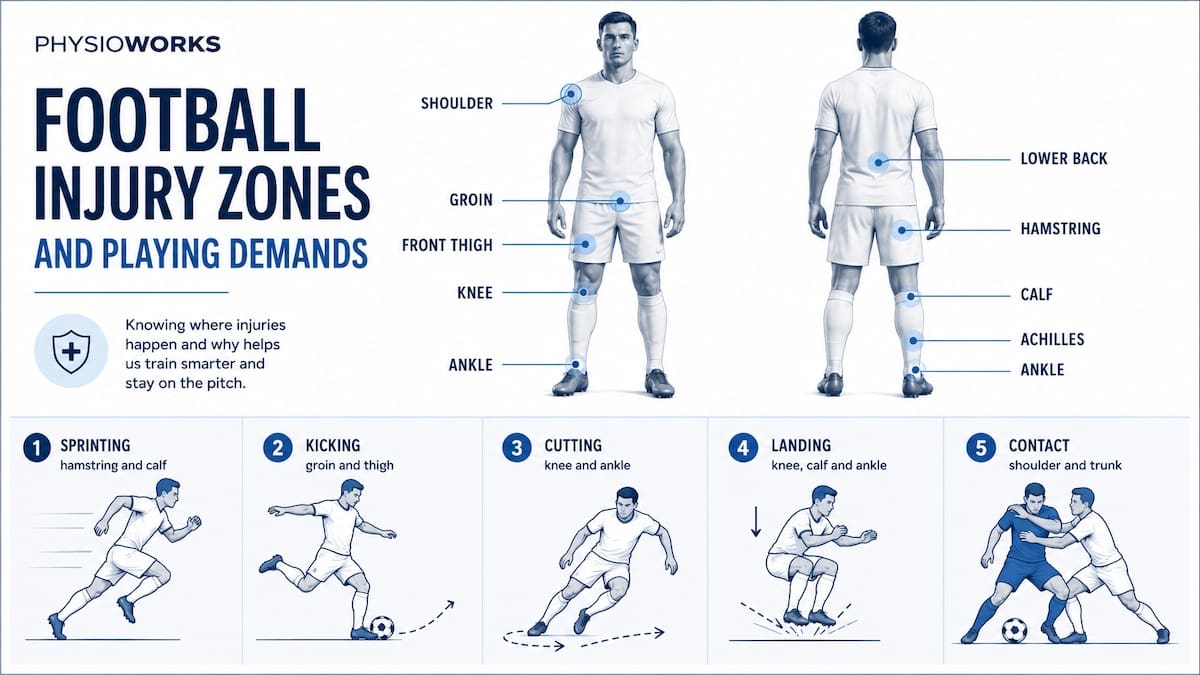
Soccer places different loads on the body during sprinting, kicking, cutting, tackling and landing. The painful action does not confirm a diagnosis, but it can help identify the body region that needs assessment.
Sprinting and Accelerating
Fast running can load the hamstrings, calf and Achilles tendon. Pain may appear during acceleration, maximum-speed running or repeated chasing.
Kicking the Ball
Powerful or repeated kicking can increase load through the groin, hip flexors and front of the thigh. Common presentations include groin strain and hip flexor pain.
Cutting and Decelerating
A planted foot and rapid direction change can load the ankle and knee. Injuries may include an ankle sprain, ACL injury or meniscus tear.
Tackling, Contact and Landing
Player contact may cause bruising, joint injuries or falls. Head contact or a forceful fall can also cause concussion.
What Are the Most Common Soccer Injuries?
Soccer injuries are not limited to one joint or muscle. Playing position, speed, contact, training load and previous injuries can all influence which tissues become painful.
Hip, Groin and Thigh
Kicking, sprinting and sharp turns can load the muscles around the pelvis and thigh.
Knee
Twisting, landing, contact and repeated braking can increase knee stress.
Calf, Ankle and Foot
Acceleration, landing, tackling and repeated push-off place high loads through the lower leg.
Head, Upper Body and Spine
Falls, collisions and accumulated training load may affect areas beyond the lower limb.
Why Do Soccer Injuries Happen?
Soccer combines high-speed running, rapid deceleration, cutting, kicking and physical contact. These demands repeatedly load the muscles, tendons and joints of the lower limb.
Some injuries occur during a clear incident. For example, an ankle may roll during a tackle or the knee may twist while the foot remains planted. Other conditions develop gradually as training and match demands exceed the player’s current capacity.
Previous injury also matters. An ankle sprain, hamstring strain or groin injury may recur when strength, speed tolerance or movement control has not fully recovered. Symptoms that build slowly and worsen with training may behave like tendinopathy.
Does Fatigue Increase Injury Risk?
Fatigue can reduce running technique, reaction speed and control during landing or tackling. Risk may rise when match minutes increase quickly, recovery time drops or a player returns after illness, injury or a training break.
Do Boots and Playing Surfaces Matter?
Boot traction and surface conditions can change the load placed on the ankle and knee. Very high traction may increase twisting stress when the foot sticks during a turn. Hard or uneven grounds may also alter impact and running comfort.
How Are Soccer Injuries Assessed?
A physiotherapy assessment starts with the injury mechanism, symptom behaviour and the player’s position and training schedule. The assessment then focuses on the body region involved and the activities the player needs to regain.
Your physiotherapist may assess:
- Pain, swelling, bruising and joint movement
- Muscle and tendon strength
- Balance and single-leg control
- Running, landing and change-of-direction mechanics
- Sprint tolerance and repeated high-speed efforts
- Kicking, passing and ball-control demands
- Confidence during contact or match-specific tasks
Further medical assessment or imaging may be recommended when findings suggest a fracture, significant ligament injury, joint locking or another condition requiring additional investigation.
How Can Physiotherapy Help Soccer Injuries?
Physiotherapy aims to restore the movement, strength and sport-specific capacity needed for training and competition. The plan should match the injury, playing position, season stage and available recovery time.
Treatment may include:
- Advice about training and match-load modification
- Exercises to restore strength, balance and control
- Progressive running and sprint exposure
- Landing, cutting and deceleration retraining
- Graded kicking and ball-work drills
- Manual therapy when it supports movement or short-term comfort
- Clear criteria for returning to training, contact and matches
Exercise physiology may support longer-term strength and conditioning, particularly after repeated injuries or an extended rehabilitation period. Massage may provide short-term comfort or recovery support, but it should complement an active rehabilitation plan rather than replace it.
For more information about rehabilitation and return to play, see Sports Injury Physiotherapy. Players needing early injury advice can also read about the Acute Sports Injury Clinic.
When Should You Seek Urgent Assessment?
Seek urgent medical care after a major injury if you have:
- An obvious deformity or suspected fracture or dislocation
- An inability to bear weight after the injury
- A rapidly swelling or locked knee
- Loss of feeling, unusual weakness or a cold or pale foot
- A significant head impact or possible concussion
- Calf swelling with unexplained chest pain or breathlessness
When Should You See a Physiotherapist?
Consider a physiotherapy assessment when pain, swelling or loss of function limits training or match performance.
- Pain persists beyond a few sessions or keeps returning
- Swelling, bruising or instability remains
- The ankle or knee gives way
- Speed, jumping or change-of-direction confidence drops
- Pain rises as training volume increases
- The same injury has occurred more than once
- You are unsure whether it is safe to return to contact or matches
How Can Soccer Injuries Be Prevented?
No program prevents every injury. However, players can reduce avoidable risk by preparing for the speed, strength and movement demands of soccer.
Warm Up
Use a structured warm-up that includes running, balance, strength, landing and change-of-direction tasks.
Build Strength
Train the calves, hamstrings, quadriceps, hips and groin for repeated sprinting, braking and kicking.
Manage Load
Increase sprinting, match minutes and extra sessions gradually, especially after breaks or injury.
Recover
Allow enough recovery between demanding sessions and use next-day pain or stiffness as load feedback.
A structured football warm-up can help prepare players for training and matches. Football Australia provides the Perform+ program as a football-specific option. Players who need individual guidance can also explore PhysioWorks Injury Prevention Programs.
How Do You Return Safely to Soccer?
A safe return usually involves graded exposure rather than moving directly from basic exercise to a full match. Progress depends on the injury, symptoms, strength and the demands of the player’s position.
A typical progression may include:
- Comfortable walking and daily activity
- Controlled running at lower speeds
- Faster running and repeated acceleration
- Passing, kicking and ball-control drills
- Planned cutting and change of direction
- Unplanned reaction and opponent-based drills
- Contact training where relevant
- Modified match minutes before unrestricted competition
Check how the injured area responds during the session and the following day. A sharp rise in pain, swelling, stiffness or loss of function may mean the progression was too large.
Related Sports and Injury Guides
- Football Injuries — compare the demands and injury patterns across football codes.
- AFL Injuries — learn about injuries linked with running, jumping, tackling and contact.
- Netball Injuries — explore landing, cutting and lower-limb injuries in a court sport.
- Sports Injury Physiotherapy — understand assessment, rehabilitation and return-to-sport planning.
Soccer Injury FAQs
What are the most common soccer injuries?
Ankle sprains, hamstring strains, knee injuries and groin strains are common soccer injuries. Players may also develop calf, Achilles, shin or foot pain. Contact and falls can cause bruising, joint injuries or concussion.
How long does an ankle sprain take to recover?
A mild ankle sprain may improve within one to three weeks. A more significant sprain can take four to eight weeks or longer. Recovery depends on swelling, ligament damage, strength, balance, stability and the demands of the player’s position.
Should I keep playing with groin pain?
Reduce your playing load when groin pain changes your running or kicking technique, worsens during training or remains painful afterwards. Continuing through rising symptoms can make it harder to restore strength and kicking tolerance.
When can I return to soccer after a hamstring strain?
Return depends on strength, sprint tolerance and the response to near-maximum running. Players usually complete a graded progression through running, acceleration, cutting and football drills before returning to unrestricted matches.
Do I need a scan for a soccer injury?
Many soccer injuries can be assessed clinically without immediate imaging. A scan may be appropriate when the findings suggest a fracture, major ligament injury, significant muscle or tendon damage, joint locking or another problem that could change treatment.
What Should You Do Next?
If a soccer injury is limiting training or match performance, a physiotherapist can assess the painful area, identify contributing factors and plan a graded return to football. Bring details about how the injury occurred, your playing position, recent training load and any upcoming matches or trials.
Choose your clinic and appointment pathway
Select a PhysioWorks clinic to continue to live booking, an appointment request or reception assistance.
Muscle & Soft Tissue Products
These muscle and soft tissue products are commonly used by our physiotherapists to relax or loosen muscles, improve strength, comfort, flexibility, and home exercise programs.
-

-
-
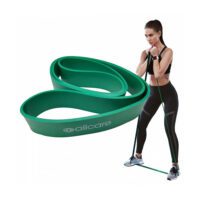 Exercise Equipment, Resistance Band
AllCare Powerloop Bands
$24.95 – $79.95Select optionsQuick View -
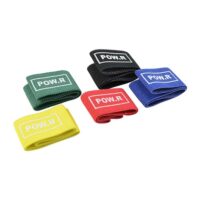 Exercise Equipment, Knee, Resistance Band
POW.R Fabric Mini Loop Bands
$12.00 – $55.00Select optionsQuick View -
- Liniments & Gels, Massage Liniments, Pain Management
Fisiocrem
$16.95 – $39.95Select optionsQuick View -
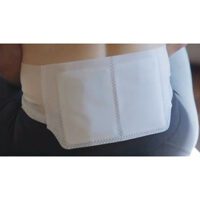
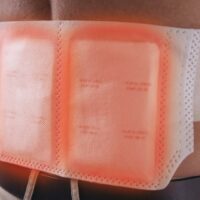
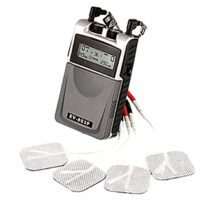
- EMS Machines, Pain Management, TENS Machine, TENS Machine & EMS
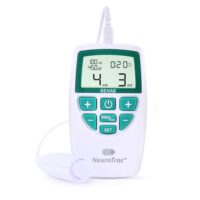
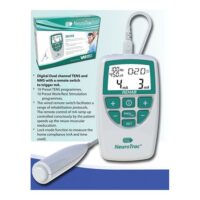
NeuroTrac Rehab (TENS Machine + EMS)
$285.00Add to cartQuick View -
-
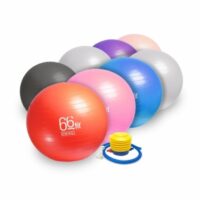
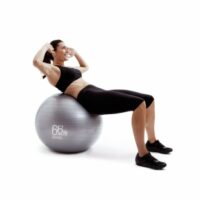 Exercise Balls, Back, Exercise Equipment, Knee, Shoulder
66fit Exercise Balls | Core & Rehab Stability Ball
$32.00 – $57.00Select optionsQuick View -
-
-
-










References
- Adams SR, et al. Epidemiology of time-loss injuries within an Australian male professional football club (2016/17–2020/21). J Sports Sci. 2024.
- Mandorino M, et al. Injury incidence and risk factors in youth soccer players. J Funct Morphol Kinesiol. 2022;7(4):108.
- Al Attar WSA, et al. The FIFA 11+ injury prevention program reduces the incidence of knee injury among soccer players: a systematic review and meta-analysis. J Sci Med Sport. 2022.
- Diemer WM, et al. Incidence of acute hamstring injuries in soccer: a systematic review. J Orthop Sports Phys Ther. 2021;51(1):27-36.
- Ekstrand J, et al. Hamstring injury rates have increased during recent seasons and now constitute 24% of all injuries in men’s professional football. Br J Sports Med. 2023;57(5):292-298.
