
Ballet Injuries

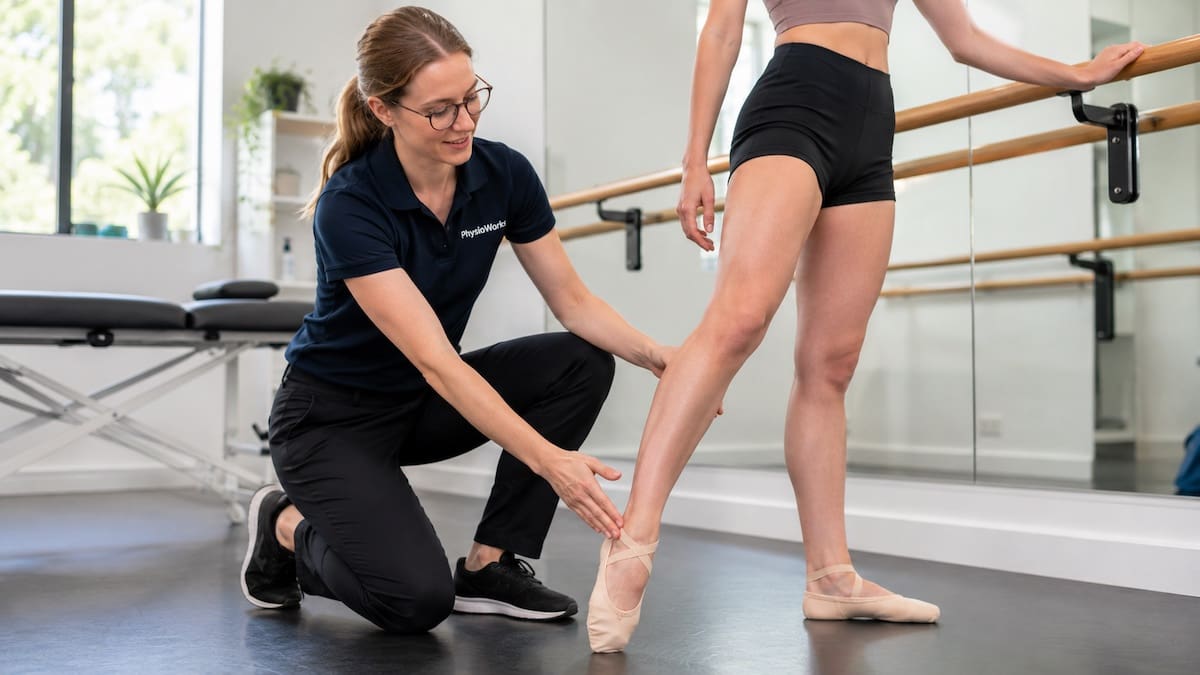
Ballet injuries often affect the foot, ankle, calf, knee, hip and lower back. They can occur after a clear event, such as an ankle sprain from a landing, or build slowly through repeated pointe work, jumps, turnout and rehearsal load.
This guide explains common ballet injury patterns, why they occur, and when a physiotherapy assessment may help guide a safer return to class, rehearsal and performance. It also links to the broader dance injuries guide for dancers with mixed or recurring symptoms.
Quick Guide: Ballet Injury Patterns
- Foot and ankle: pointe work, landing load, instability and forced plantarflexion.
- Calf and Achilles: repeated push-off, jumps and sustained demi-pointe work.
- Knee: turnout control, pliés, jumps and landing mechanics.
- Hip and lower back: extension, rotation, arabesque work and high training load.
What Are Ballet Injuries?
Ballet injuries are physical problems caused by the technical and physical demands of dance. They may involve joints, bones, tendons, muscles or nerves. Some injuries happen suddenly. Others develop when repeated load exceeds the body’s current capacity.
Research reports high injury rates in ballet dancers, with many injuries linked to overuse and repeated loading. The lower limb is commonly affected, especially the foot, ankle, calf and knee. Spinal loading may also contribute to back pain.
Who Gets Ballet Injuries?
Ballet injuries affect recreational students, pre-professional dancers and professional performers. Risk can rise when training volume increases quickly, recovery time drops, or dancers move into harder blocks such as pointe work, rehearsal weeks or performance preparation.
Adolescent dancers may be more vulnerable during growth phases. Experienced dancers may manage cumulative load, fatigue, previous injury or reduced recovery time. Early assessment through sports physiotherapy may help when pain starts to affect technique, confidence or performance.
Where Do Ballet Injuries Occur?
Common injury locations in ballet include:
- Foot and ankle: pointe work, landings, turns and repeated jumps.
- Calf and Achilles: sustained plantarflexion and repeated push-off.
- Knee: turnout control, pliés and landing load.
- Hip: large movement ranges and repeated rotation.
- Lower back: repeated extension, arabesque work and postural demands.
Why Ballet Causes Injuries
Ballet places high load on the body through jumping, turning, sustained balance and end-range positions. Many steps require strength, control and mobility near the limits of joint range.
Injuries often develop when training load increases faster than the body can adapt. Fatigue, footwear demands, hard surfaces, limited recovery and technique changes can all contribute.
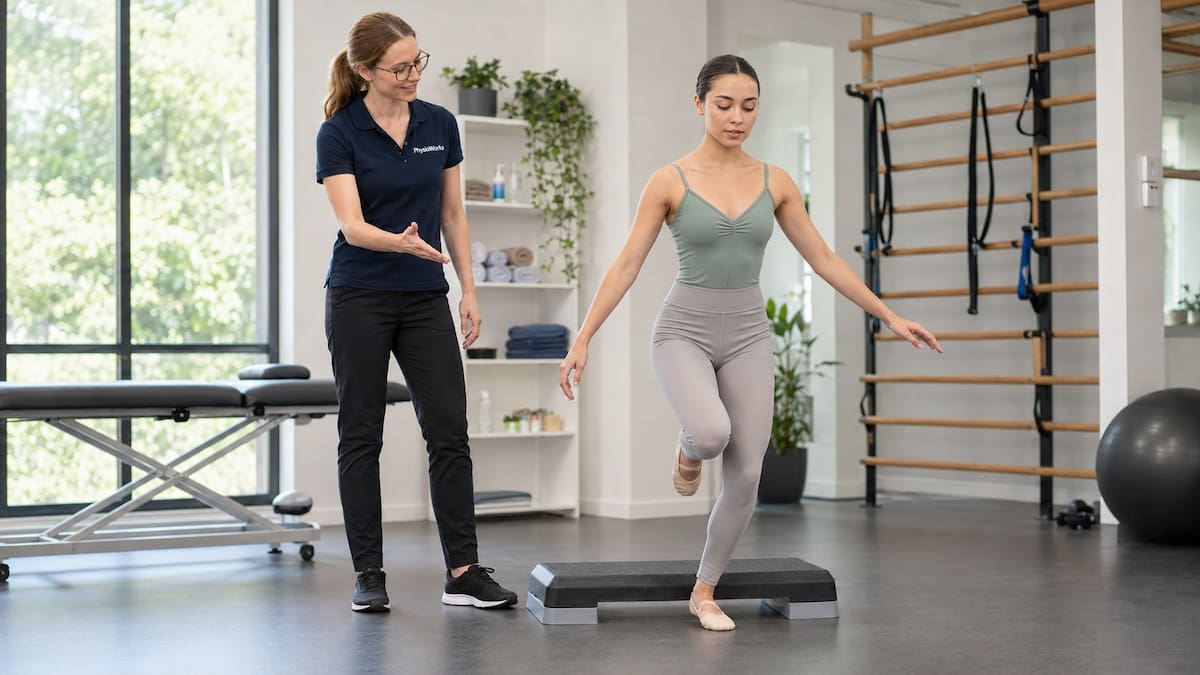
Common Load Triggers in Ballet
- Sudden increases in class, rehearsal or performance hours.
- New pointe work or a jump-heavy training block.
- Repeated landing on a tired foot or ankle.
- Returning after illness, injury or school holidays.
- Training through pain that changes technique.
Which Ballet Injuries Are Common?
The injuries below are common in dancers because they link closely with pointe load, landing control, turnout, extension, rehearsal volume or repeated impact.
Ankle Sprains
Ankle sprains are common in ballet because dancers land, turn and balance on one leg. A sprain can occur when the ankle rolls during a jump, turn or pointe transition.
Posterior Ankle Impingement
Posterior ankle impingement can cause pain at the back of the ankle. It often feels worse in pointe, demi-pointe or deep plantarflexion.
FHL Tendinopathy
FHL tendinopathy involves irritation of the big-toe flexor tendon. Ballet dancers may notice pain with repeated push-off, pointe work or strong foot pointing.
Foot Stress Fractures
Foot stress fractures can develop when repeated impact or forefoot loading exceeds bone tolerance. Training spikes, fatigue and reduced recovery can increase risk.
Achilles and Calf Injuries
Achilles tendinopathy and calf strain can occur when repeated jumps, relevés and pointe work overload the calf-Achilles complex.
Shin Pain and Tibial Stress Injury
Shin splints and tibial stress fracture may occur with repeated impact, hard floors, fatigue or a fast rise in jump volume.
Kneecap Pain and Patellar Tendon Pain
Patellofemoral pain syndrome may cause pain around or behind the kneecap during pliés, stairs, jumps or landing. Patellar tendinopathy may cause tendon pain below the kneecap with jumping load.
Hip and Lower Back Pain
Hip pain may relate to turnout demands, large ranges of motion or repeated extension. Back pain may occur during intensive training blocks that involve repeated extension, lifting, arabesque work or fatigue.
How Physiotherapy and Massage May Help
Physiotherapy may help identify movement patterns, strength gaps, balance control, mobility limits and load tolerance issues that relate to ballet technique. Assessment can guide a practical plan for recovery and return to dance.
Massage may assist comfort, muscle tone and recovery when used alongside active rehabilitation. It should not replace strength, balance, landing control or gradual dance-specific loading.
When Should a Ballet Dancer See a Physiotherapist?
Consider assessment if pain changes how you land, balance, turn, jump or move through pointe work. Assessment may also help if symptoms keep returning after rest.
- Swelling, sharp pain or night pain.
- Difficulty landing or balancing.
- Instability or giving way.
- Ongoing stiffness, soreness or tendon pain.
- Pain that changes technique or confidence.
- Repeated pain when training load increases.
Early assessment can help dancers understand what to modify, what to strengthen, and how to return to ballet with better control.
How Can Dancers Reduce Ballet Injury Risk?
Ballet injury prevention is not just about flexibility. Dancers also need strength, balance, control, recovery and smart load progressions.
- Complete structured warm-ups before class and rehearsal.
- Build strength in the foot, calf, hip and trunk.
- Use balance and landing control drills.
- Progress pointe, jump and rehearsal volume gradually.
- Monitor weekly load, sleep, soreness and recovery.
- Seek advice early if pain changes dance technique.
Returning Safely to Ballet
A safe return involves gradual exposure to ballet-specific movements. The aim is to rebuild confidence and control without forcing a full return too early.
| Stage | Focus | Examples |
|---|---|---|
| Early | Settle symptoms and restore basic control. | Modified class, strength work, balance drills. |
| Middle | Build ballet-specific strength and load tolerance. | Relevés, controlled jumps, turnout control. |
| Late | Return to technical and performance demands. | Pointe progressions, rehearsal blocks, performance prep. |
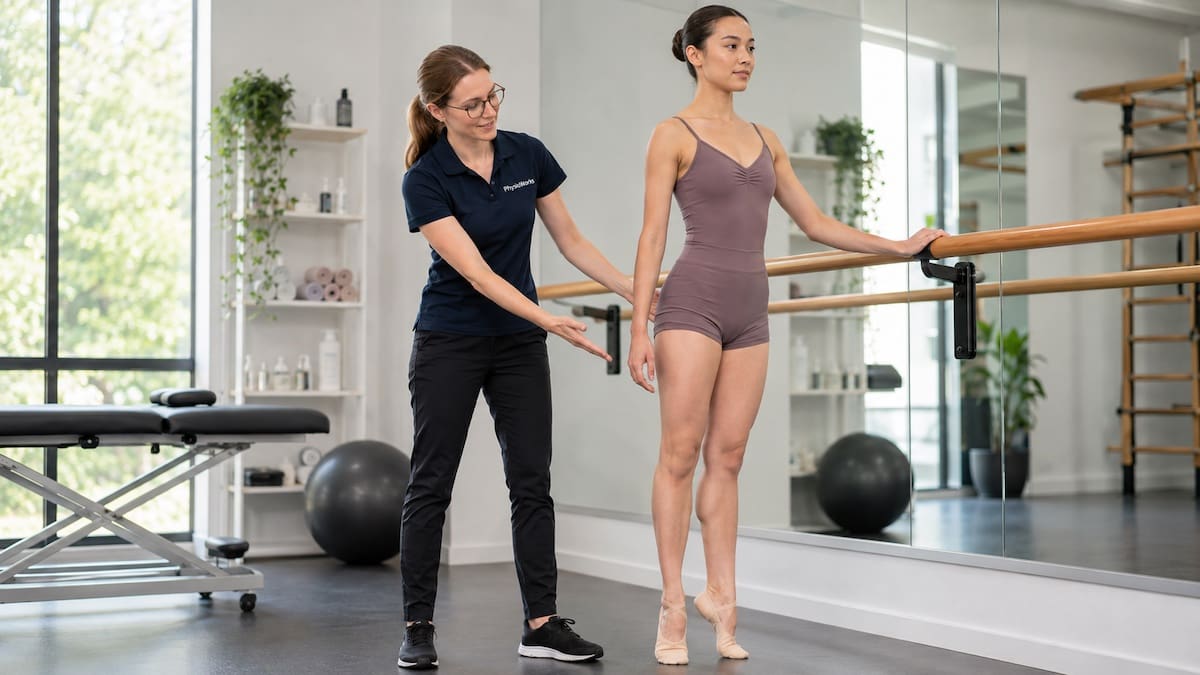
Should You Keep Dancing With Pain?
Mild muscle soreness may settle as your body adapts. Pain needs more caution when it changes technique, worsens during class, or lingers after training.
If pain affects landing, balance, pointe work or confidence, reduce load and consider assessment before returning to full training.
Related Ballet and Dance Resources
FAQs About Ballet Injuries
What are the most common ballet injuries?
Common ballet injuries include ankle sprains, posterior ankle impingement, FHL tendinopathy, foot stress fractures, Achilles tendinopathy, shin splints, kneecap pain, hip pain and lower back pain.
Why do ballet dancers get ankle pain?
Ballet places repeated load on the ankle during pointe work, demi-pointe, turns, jumps and landings. Pain may relate to sprain, tendon irritation, impingement, stress injury or reduced control under fatigue.
Is soreness normal in ballet?
Mild muscle soreness can occur after harder training. Pain that persists, causes swelling, changes technique or worsens with class suggests assessment may help guide safe load changes.
When should a ballet dancer stop dancing?
Stop or reduce load if pain affects balance, landings, pointe work, turnout control or confidence. Also stop if symptoms worsen during class or remain painful after training.
Can physiotherapy help ballet dancers return to pointe?
Physiotherapy may help assess strength, balance, foot and ankle control, hip strength and load tolerance. A return-to-pointe plan should progress gradually and match the dancer’s symptoms, technique and training demands.
How can dancers reduce injury risk?
Dancers may reduce injury risk by building strength, warming up well, improving landing control, managing weekly load, sleeping well and progressing pointe or jump volume gradually.
What to Do Next
If ballet pain is limiting performance or confidence, a clear assessment can help guide your next steps. Your physiotherapist can assess what is driving your symptoms and plan a practical return to ballet.
Book a physiotherapy appointment if pain is recurring, worsening, or changing how you dance.
Choose your clinic and appointment pathway
Select a PhysioWorks clinic to continue to live booking, an appointment request or reception assistance.
Muscle & Soft Tissue Products
These muscle and soft tissue products are commonly used by our physiotherapists to relax or loosen muscles, improve strength, comfort, flexibility, and home exercise programs.
-
-
 Exercise Equipment, Knee, Resistance Band
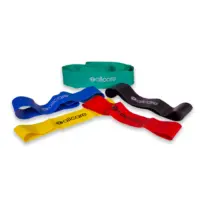
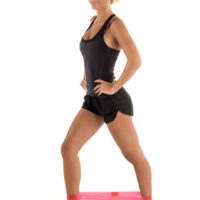
POW.R Fabric Mini Loop Bands
$12.00 – $55.00Select optionsQuick View - EMS Machines, Pain Management, TENS Machine, TENS Machine & EMS
NeuroTrac Rehab (TENS Machine + EMS)
$285.00Add to cartQuick View -
-
 Exercise Balls, Back, Exercise Equipment, Knee, Shoulder
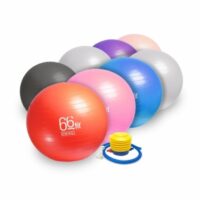
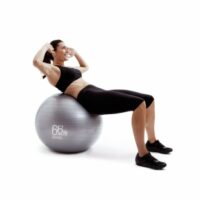
66fit Exercise Balls | Core & Rehab Stability Ball
$32.00 – $57.00Select optionsQuick View -
-
-
-

-
-
-
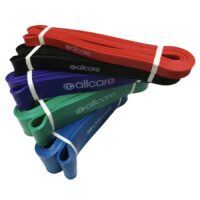
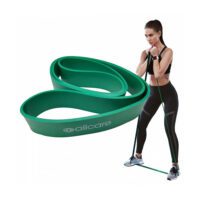 Exercise Equipment, Resistance Band
AllCare Powerloop Bands
$24.95 – $79.95Select optionsQuick View - Liniments & Gels, Massage Liniments, Pain Management
Fisiocrem
$16.95 – $39.95Select optionsQuick View -











References
- Smith PJ, Gerrie BJ, Varner KE, McCulloch PC, Lintner DM, Harris JD. Incidence and prevalence of musculoskeletal injury in ballet: a systematic review. Orthop J Sports Med. 2015;3(7):2325967115592621.
- Hincapié CA, Morton EJ, Cassidy JD. Musculoskeletal injuries and pain in dancers: a systematic review. Arch Phys Med Rehabil. 2008;89(9):1819-1829.
- Huang PY, Chen WL, Lin CF, Lee HJ. Relationship of extrinsic risk factors to lower extremity injury in young ballet dancers. Int J Environ Res Public Health. 2022;19(11):6405.
- Russell JA. Preventing dance injuries: current perspectives. Open Access J Sports Med. 2013;4:199-210.